Physical Education
From Kale Vagnoni and Mark Quinn, PE teachers
Koorie Games
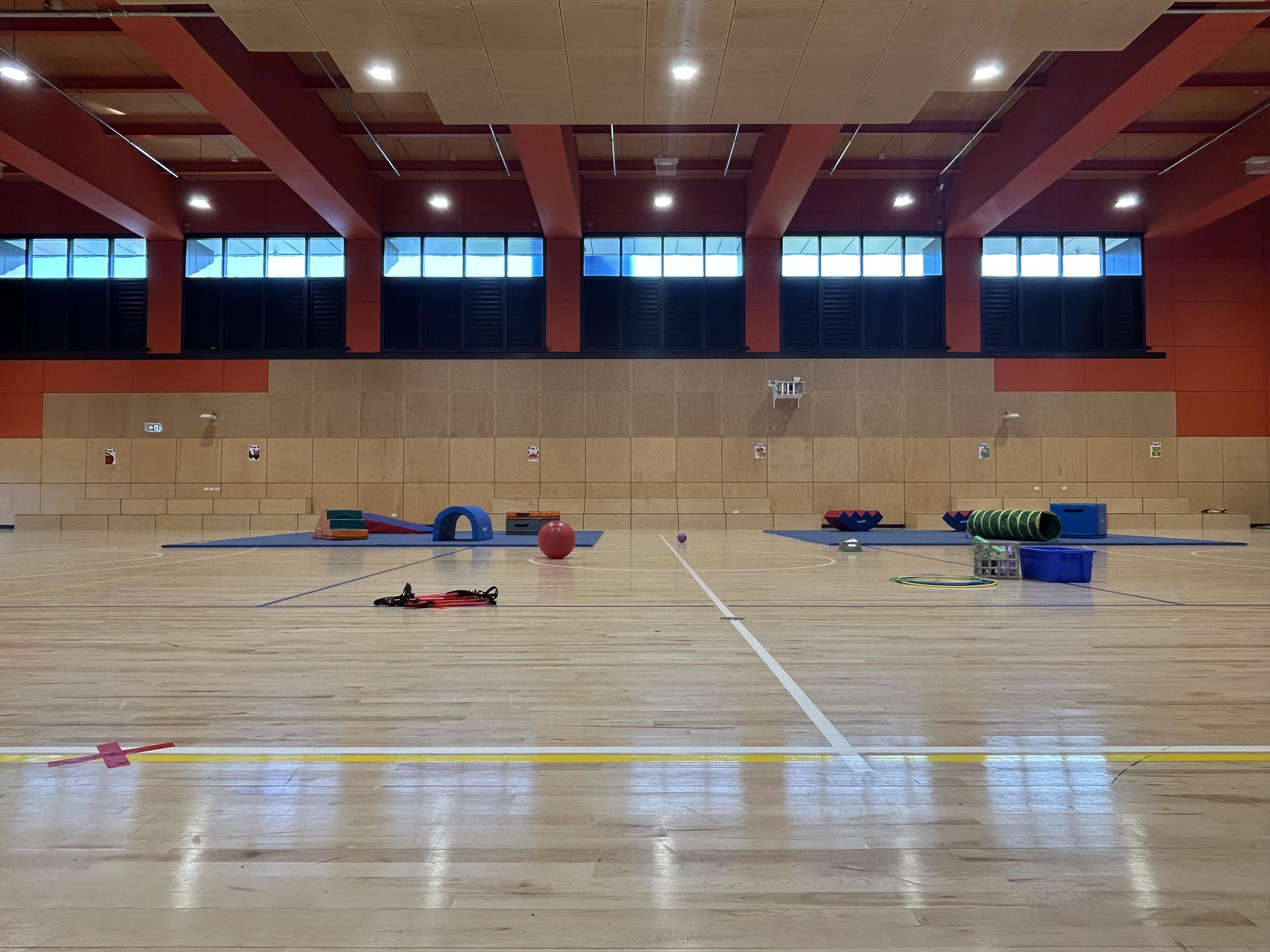
Battling the wind, the rain and the cold, it’s been a ‘sometimes inside, sometimes out’ start to the term. While the PE Dept prioritises fresh air and sunlight, it has been nice having our giant gym as a backup when the weather gods don’t play ball.
And speaking of balls…balls have been playing a role in some of the Koorie Games we have been introducing in PE. With some advice from our school’s Koorie Education Support Officer (KESO) Aunty Julie, we’ve adapted our equipment to suit a pile of fantastic traditional Koorie Games.
Molesworth Campus
Down at the Molesworth campus we have leapt into action with the game of Wana. It is a Koorie game involving a digging stick that is used to defend a target. Sharing some similarities with the modern striking sports of cricket and baseball, students have been quick to grasp the concept, but have certainly realised how challenging it can be. Using ‘eyes on the prize’ to improve ball contact and thinking about a relaxed stick grip has helped them along the way.
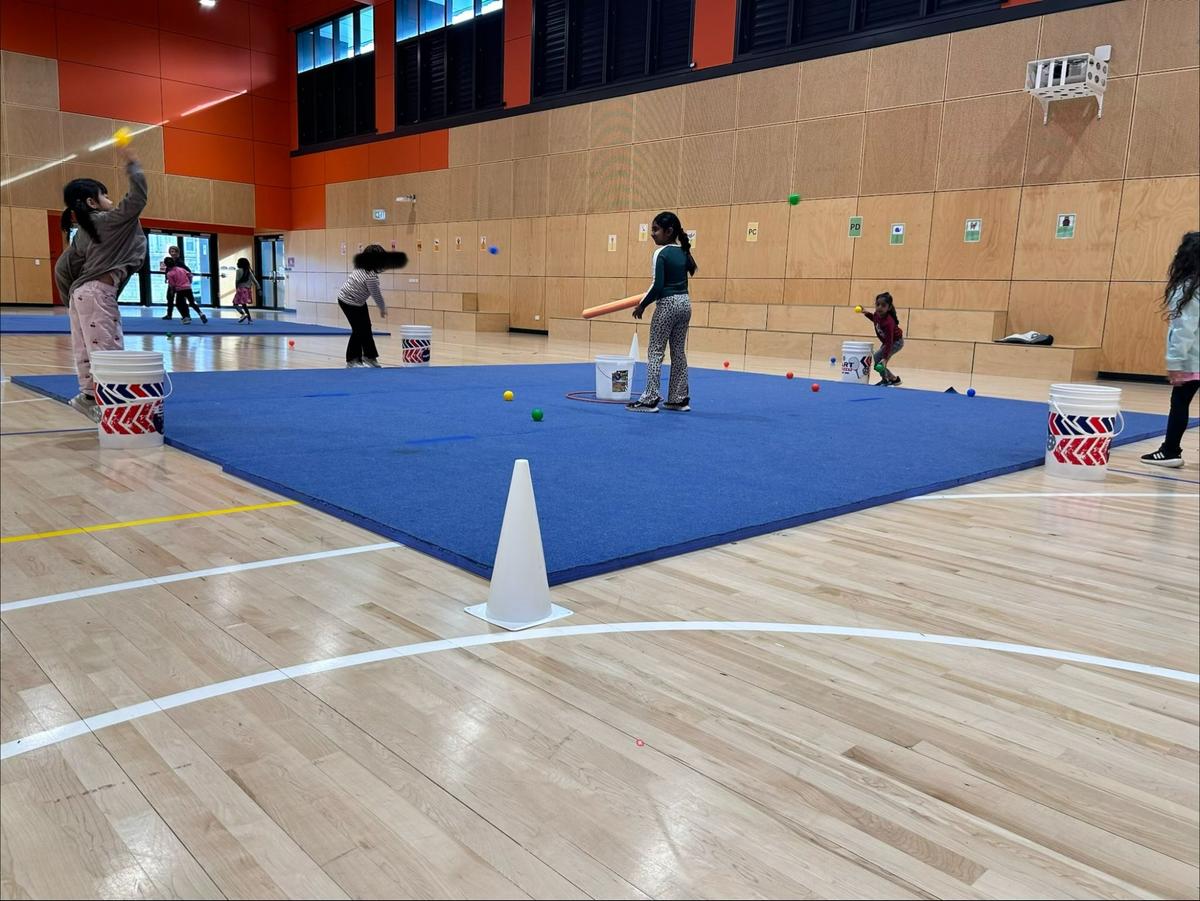
Students at the Molesworth campus deep in a game of Wana.
Students at the Molesworth campus deep in a game of Wana.
Errol St Campus
Up at Errol St we have started exploring three new Koorie Games this week; Meetcha Boma, Noongar Wana and Puldungi. They share similarities with the three Koorie Games we looked at last week, Wana, Dabi and Kalq. This week’s games, however, are more complex. By building on the skills we built, we have managed to achieve some impressive plays within these more intricate rulesets.
As well as playing, we have been exploring the similarities we’ve noticed between these games and others we have played in the past. So far students have listed cricket, tennis, pickleball, hockey and lacrosse as some sports where they have seen a crossover of skills and rulesets.
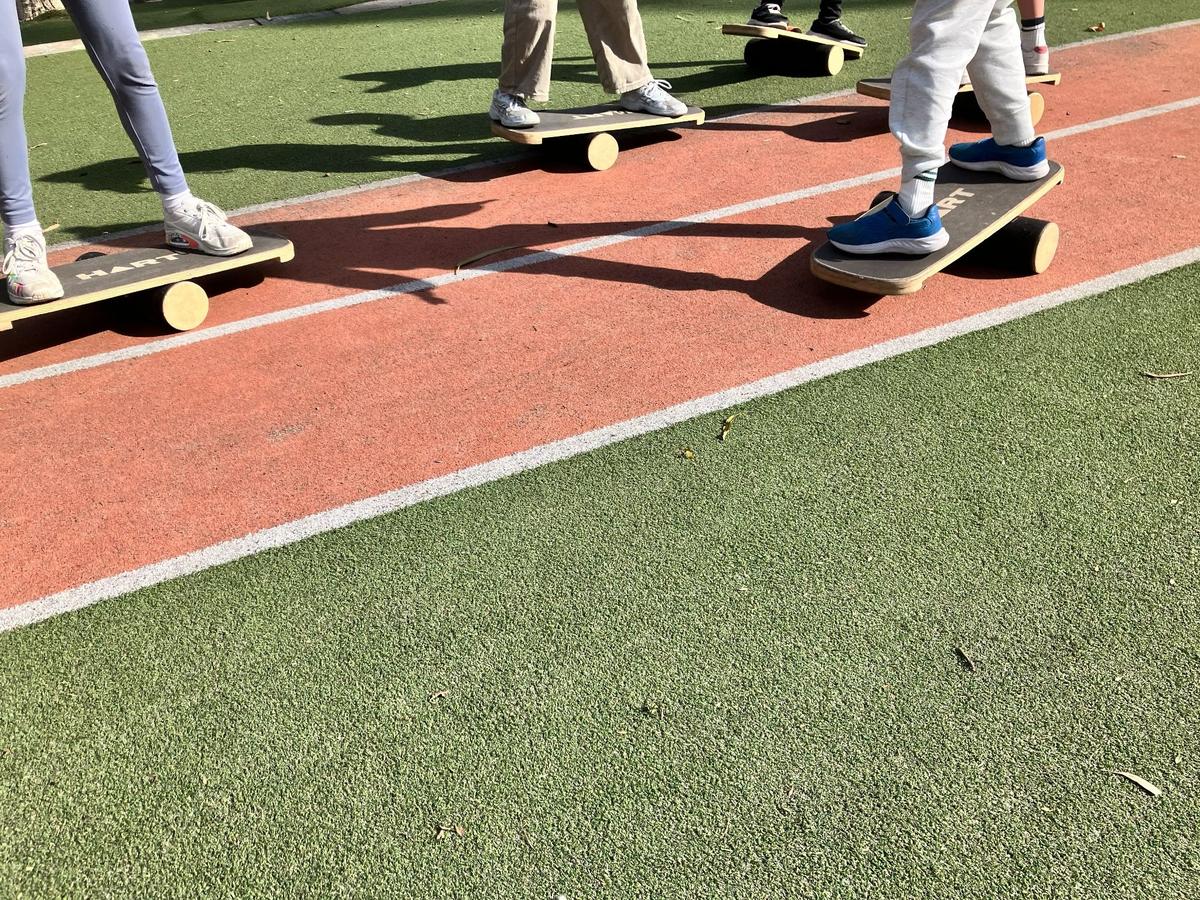
Senior students finding balance between rounds of Koorie Games at Errol St.
Senior students finding balance between rounds of Koorie Games at Errol St.

This year we will be including some of our core Health Curriculum concepts in the PE Dept Newsletter. The idea behind this is to give families a little more scope into the Health curriculum that is delivered in lessons throughout the year. These Health Hacks are designed to be a great talking point for discussions at home surrounding Health and Movement.
Revisiting Growth:
On average, students at a Primary School level grow around 6cm per year. If you don’t already, be sure to mark your families heights on a chart or even the back of a door to keep a visual record.
Here at school we have been talking about what types of fuel are best for active bodies. With a lot of differing information out there, things can get confusing fast. But we’ve narrowed managed to pin down some key concepts to remember:
-Food is best as close to its original farmed form as possible. The less processing the better!
-Aiming to eat carbs (fruit, vegetables, grains) together with sources of protein (meat, beans, nuts, seeds) can help keep us fuller for longer and fuel growth.
Family Talking Point: Which of the foods we normally eat at home might help us grow the most?