
Term 3 Curriculum Day
Ms Milenkovich
Assistant Principal

Term 3 Curriculum Day
Ms Milenkovich
Assistant Principal
Building Great Classrooms
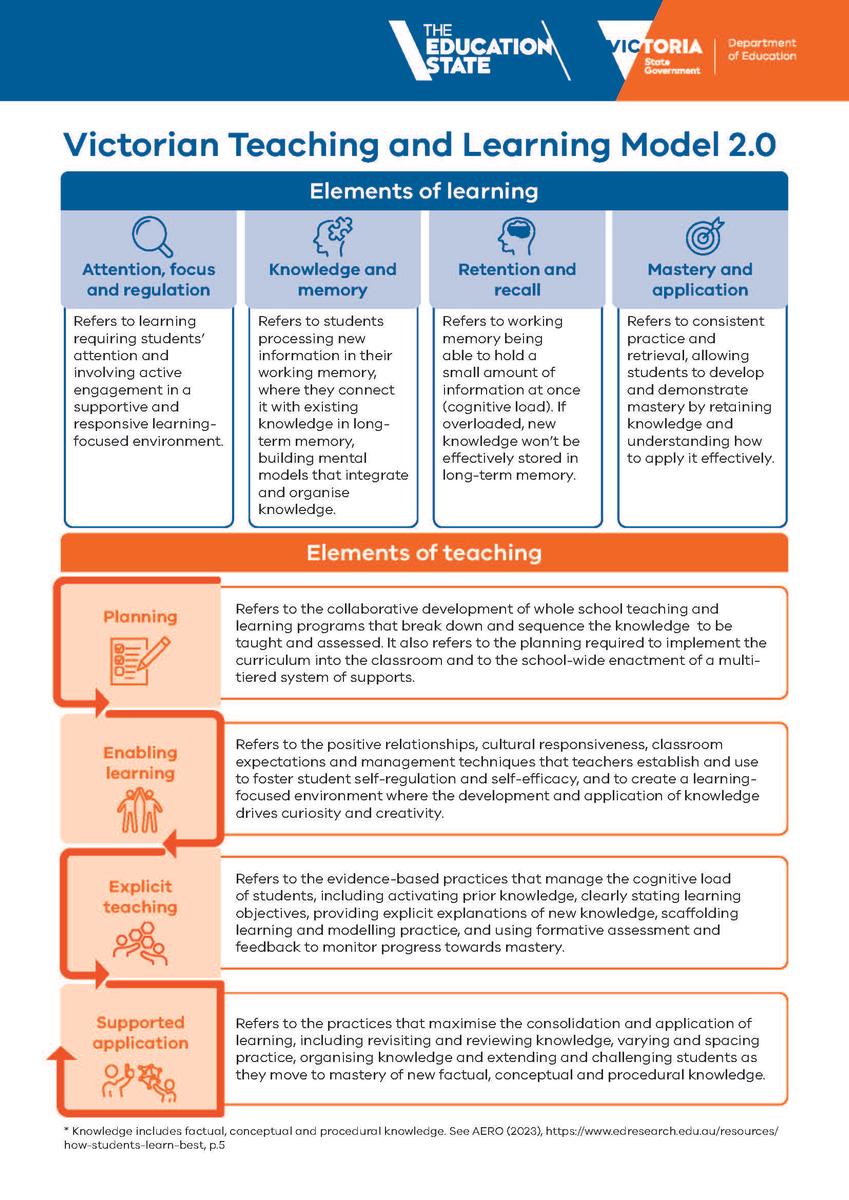
During our Term 3 Curriculum Day, staff worked together on putting the Victorian Teaching and Learning Model (VTLM 2.0) into practice. The VTLM 2.0 draws on research into how students learn best, and our focus was on practical strategies teachers can use every day to help students remember more, stay engaged, and feel successful in their learning.
Helping students remember what they learn
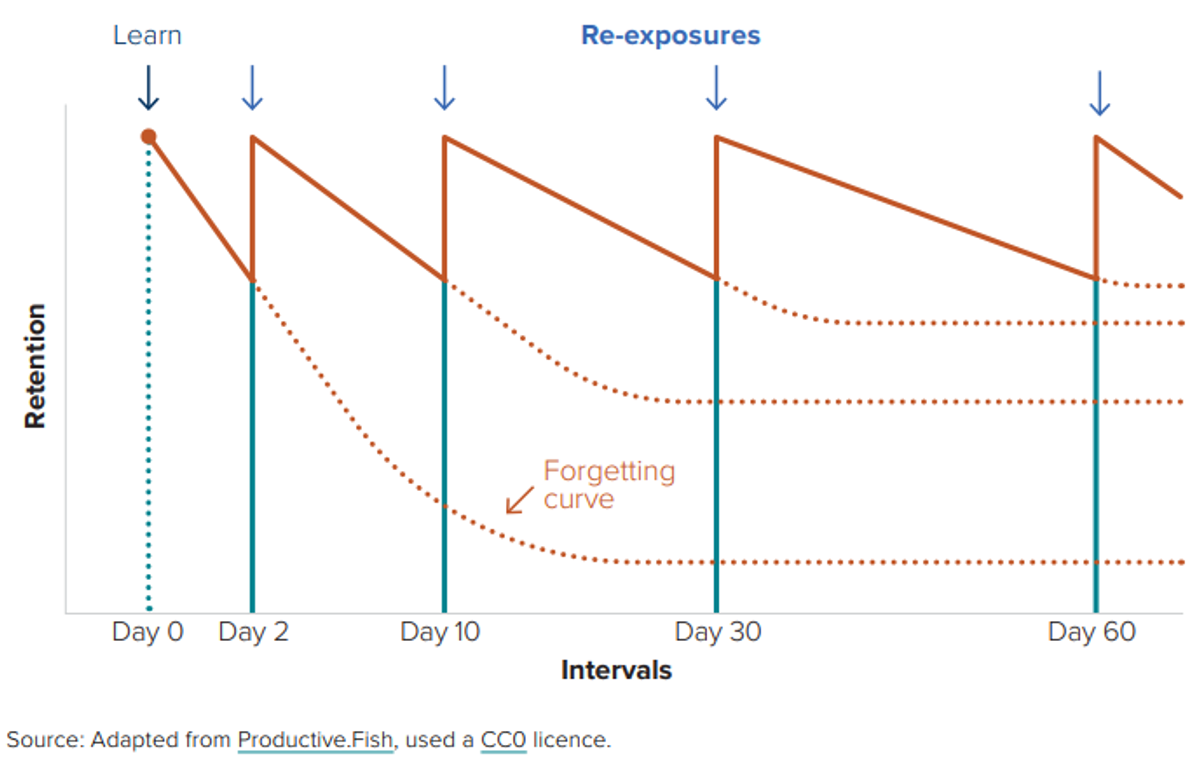
We all forget new information over time unless we come back to it. Teachers explored ways to build regular revisiting and review into their lessons so that students hold on to their learning for longer and can recall it more easily.
One strategy is called interleaving. Rather than practising one type of problem over and over before moving on, students work through a mix of related skills in the same session. For example, instead of completing ten addition questions followed by ten subtraction questions, students tackle a mixed set of both. This keeps students actively thinking, helps them tell similar ideas apart, and builds their ability to apply what they know in new situations. Teachers use this once students have a good grasp of each skill on its own.
Activity sequencing and choice
Staff also explored two Positive Classroom Management Strategies (PCMS) that help students get started on tasks and keep going:
Activity sequencing: Teachers mix a few questions students already know well in with new and more challenging work. Early successes build confidence and momentum, making students more likely to begin a task and stick with it. As students become more confident with the new content, the familiar questions are gradually phased out.
Student choice: Research shows that giving students meaningful choices in their learning increases engagement, supports task completion, and strengthens positive relationships between students and teachers.
These strategies are about setting every student up for success from the start of a lesson, so they can enjoy their learning and stay focused.
Routines and checking for understanding
Two of our teachers, Amanda and Saskia, shared the positive impact consistent classroom routines have in their classes and across the Year 7 & 8 cohorts. When students are settled and ready to learn, teachers can spend more time teaching with fewer interruptions.
They also discussed the many ways teachers check that students understand their learning. This includes quick questions throughout a lesson where every student responds, such as writing an answer on a mini whiteboard or giving a thumbs up, as well as exit tickets, short quizzes, and reviewing work samples. This helps teachers adjust their teaching as the lesson unfolds and give students support before a topic is finished.
How you can help at home
You can support this work by asking your child to tell you about something they learnt last week or last month, not just today. Talking about past learning is a simple and powerful way to help them remember it.
Thank you to all staff for their thoughtful engagement on the day, and to our families for your continued support.