
Physical Education
From Kale Vagnoni and Mark Quinn, PE teachers
Rolling on with Koorie Games
Molesworth Campus
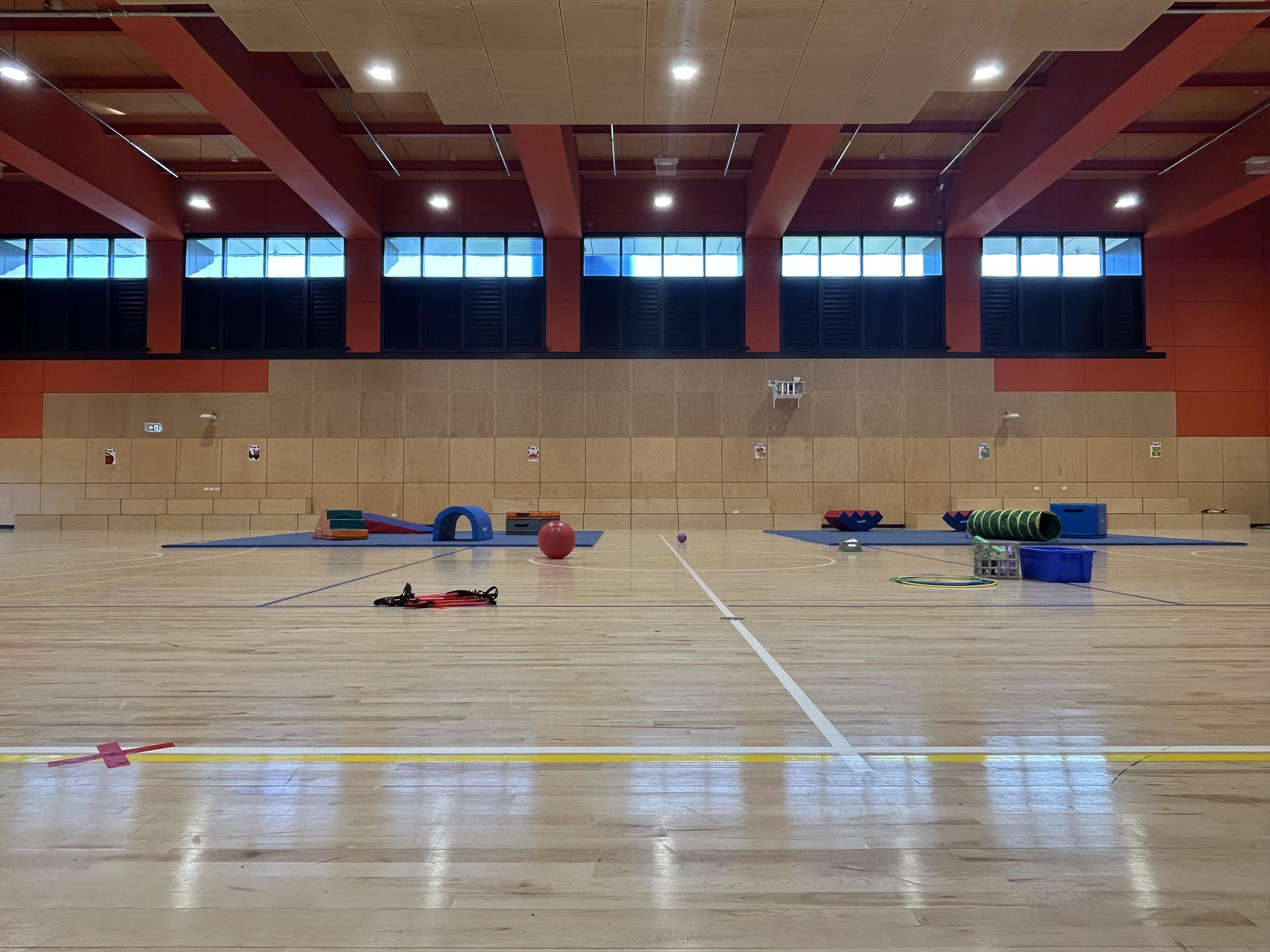
There have been moments, albeit brief, where the sun has shone and we’ve caught some rays while moving our bodies outside during our PE sessions. When it’s been dry enough to leave the gym we’ve had fun exploring the simple yet challenging Koorie game Diyari Koolchee. A bit like lawn bowls on a pool table, our Molesworth kids have been using their maths skills without even knowing it, working out just the right angles to rebound balls off walls and into targets.
As well as this there has been plenty of running, jumping, skipping, throwing, catching, rolling, bouncing and even hoop spinning both inside the gym and out in the yard.
And as always we have focussed a large part of our lessons on that powerful
SH word…sharing! - Sharing is a big part of what we do in PE, but for some it does not come easy. So we practice and practice and practice again. We continue to put in the reps so we can all make the long term gains. Stronger together!
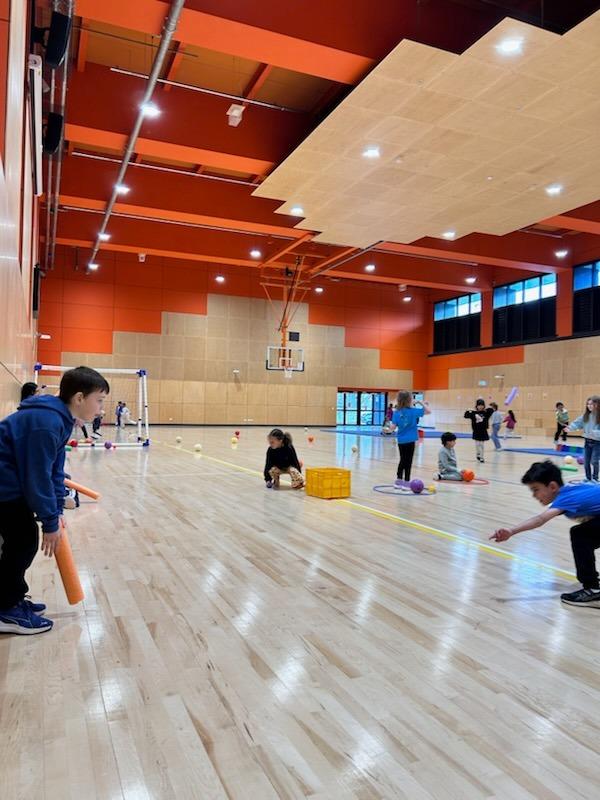
Wana have a Pip at Bowie’ling?
Wana have a Pip at Bowie’ling?
Errol St Campus
When the weather has been playing ball, so have we. We’ve continued on with our exploration of Koorie Games anytime we’ve had a break in the rain. During this week’s dry lessons we’ve been having a go at;
Kai, which shares similarities with the game of ‘Keepy Upy’. Wana Wana, which is a cooperation game where teams hit and catch a ball with a bat around a circle and Tjapu Tjapu, which tests the ball juggling skills of our soccer-mad students.
These games have been building on the skills we’ve explored in our 6 other Koorie Games, but all incorporate a strong element of sharing and working together. A fitting end to what has been a very successful new unit of PE freshly introduced for the first time this term. We’ve learned a bit about history, culture, modern games, collaboration and community, all while building the fundamental movement skills of; throwing, catching, running, striking and kicking.
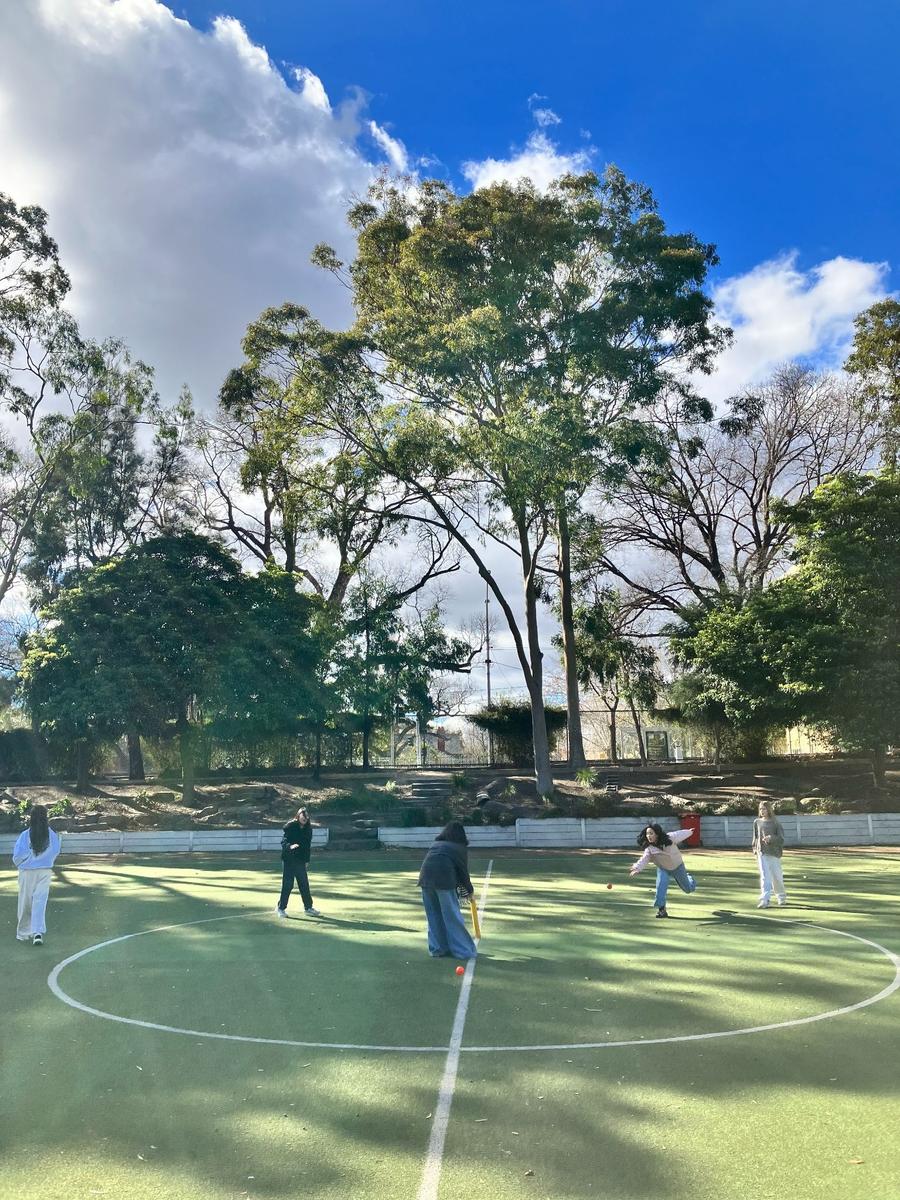
Year 6 girls catching some much needed winter rays during a game of Noongar Wana.
Year 6 girls catching some much needed winter rays during a game of Noongar Wana.
This year we will be including some of our core Health Curriculum concepts in the PE Dept Newsletter. The idea behind this is to give families a little more scope into the Health curriculum that is delivered in lessons throughout the year. These Health Hacks are designed to be a great talking point for discussions at home surrounding Health and Movement.
How to Breathe
Sometimes we are fully focused on it. Most of the time it happens without conscious thought. Sometimes it’s fast, sometimes it’s slow.
Our breathing can happen in many ways and most of them are ok. As long as we are getting enough air into our lungs we are generally doing a good job. However, there are a few simple tricks we can apply to optimise our breathing.
Speed going in and speed going out.
If we are recovering from a hard burst of exercise or in the red zone and needing to calm down, there is an easy fix. Timing. As long as we are breathing out (exhaling) for longer than we are breathing in (inhaling) with each breath cycle, our body will naturally bring our heart rate down in speed, resulting in recovery and calm.
Which hole is the goal?
Most of us can breathe through our mouths. Most of us can breathe through our noses. But which one should we use? And when?
There are times when we are physically pushing the limits. Our heart rate is elevated and we need more oxygen in our bloodstream than usual. At times like this, we tend to find ourselves breathing through our mouths. This is ok. It works. Air goes in and out. We stay alive.
But is this always best?
In randomised controlled trials, modern exercise scientists have proven time and again that breathing through the nose is the best option where possible. Sometimes during intense physical activity we need the extra volume of air that mouth breathing can afford. But when it is possible, nasal breathing can have the following benefits;
Improved Body and Heart Health
- Makes more nitric oxide: This helpful gas opens blood vessels and boosts oxygen uptake.
- Lowers blood pressure: Deep nasal breathing helps your heart rate drop and relaxes your body.
Aids breathing strength: It forces you to use your belly muscles more deeply.
Increased Air Quality and Protection
- Filters dust: Tiny nose hairs catch pollen, dirt, and pollution.
- Warms and wets air: Cold, dry air gets heated and moistened so your lungs like it better.
Fights germs: Mucus traps bacteria and viruses before they reach your chest.
Better Daily Comfort and Sleep
- Protects teeth: Keeps saliva flowing to stop bad breath and cavities.
- Better sleep: Stops snoring and lowers the risk of sleep apnea.
- Calms the mind: Slows down brain waves to reduce stress and worry.
So, are you mostly breathing with the nose or the mouth? If you or anyone in your family seem to be doing too much mouth breathing then remind each other to remind each other that the nose knows best!