Year 6 News

From Ava McLaughlin, Year 6B teacher and the students of 6D
Buddies
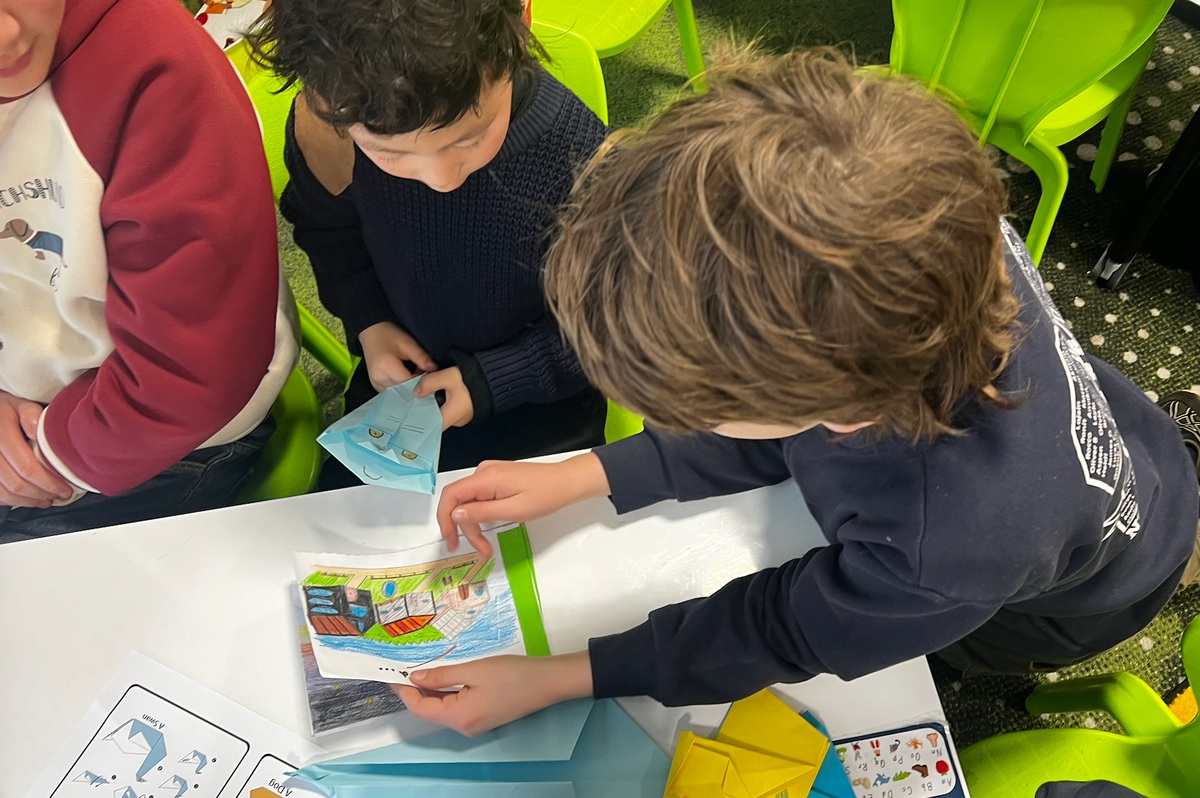
6D students recently visited their buddies for a fun afternoon of origami and reading. Students enjoyed teaching their buddies how to create origami and sharing the picture story books they created in Term 2. Buddy activities provide wonderful opportunities for our Year 6 students to develop leadership, communication and mentoring skills while building positive relationships with younger students. It was fantastic to see our 6D students showing patience, encouragement and pride as they shared their learning with their buddies!
Maths
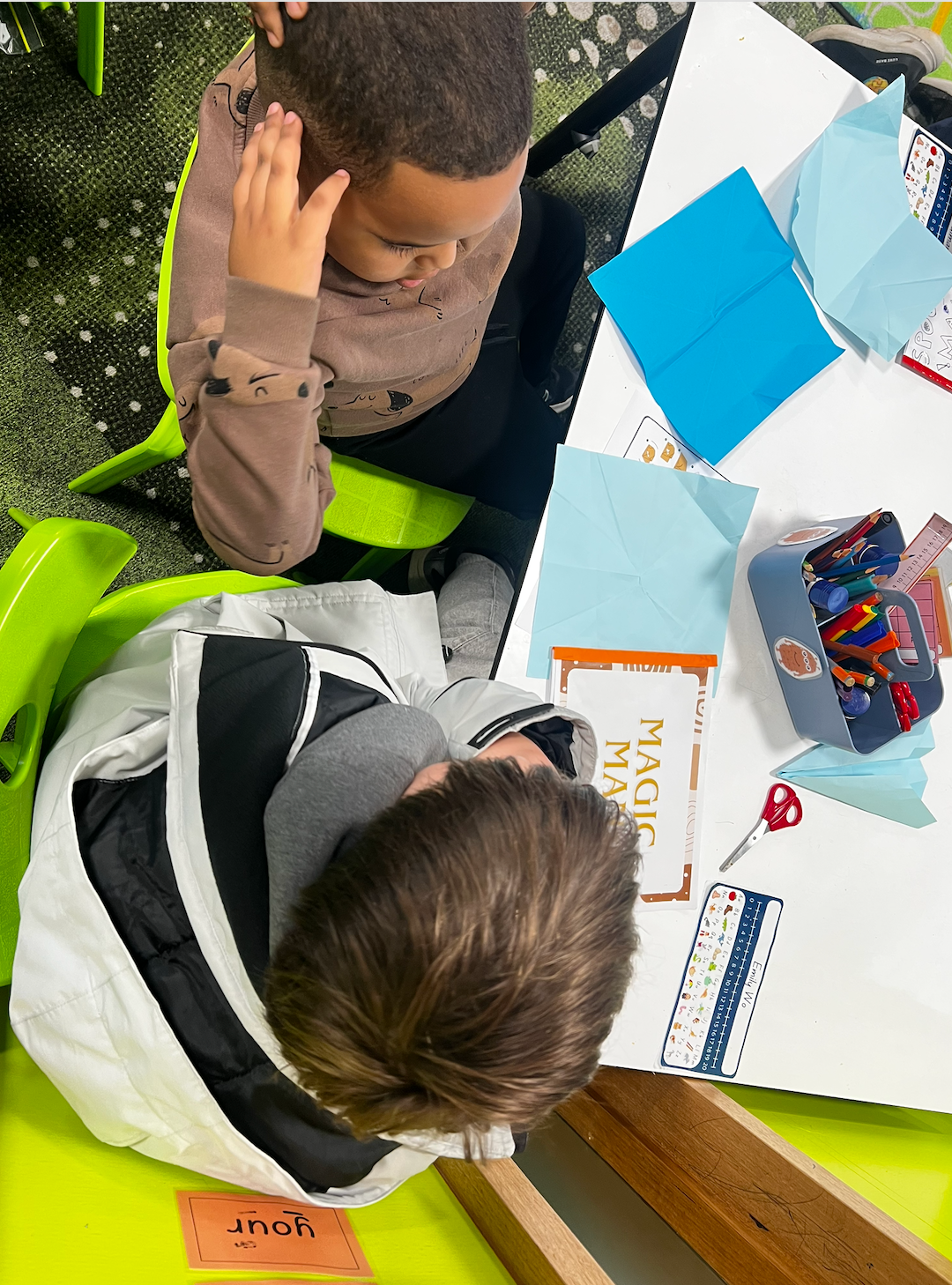
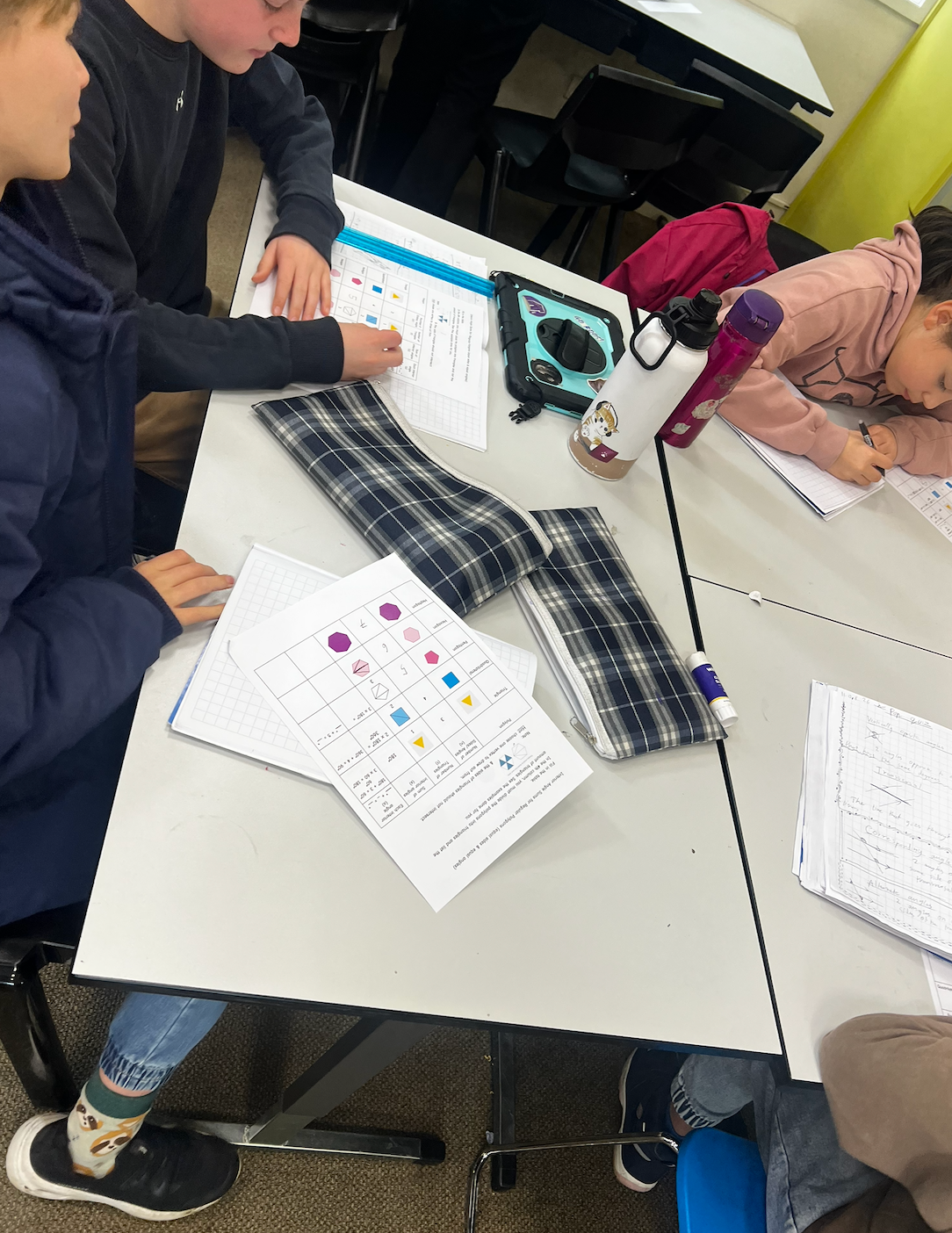
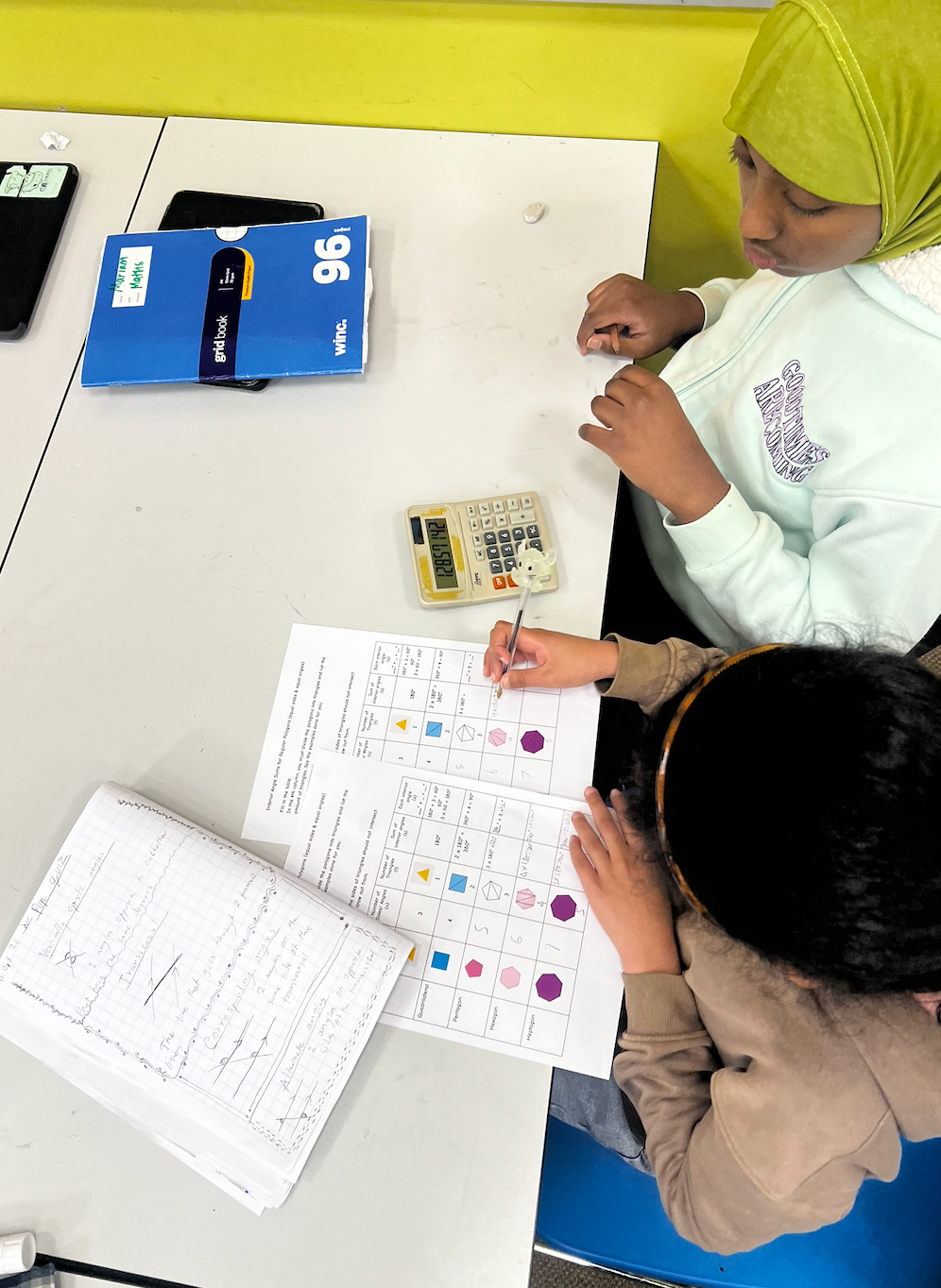
6D students have been exploring angles within polygons and learning how the angles inside different shapes are connected. Students have been classifying and comparing different polygons, measuring their interior angles and looking for patterns as the number of sides increases. They have also been learning about complementary and supplementary angles and how these relationships can help us solve problems. Through hands-on investigations, students have been developing their ability to identify patterns, make predictions and explain their mathematical thinking.
Reading: Book Club
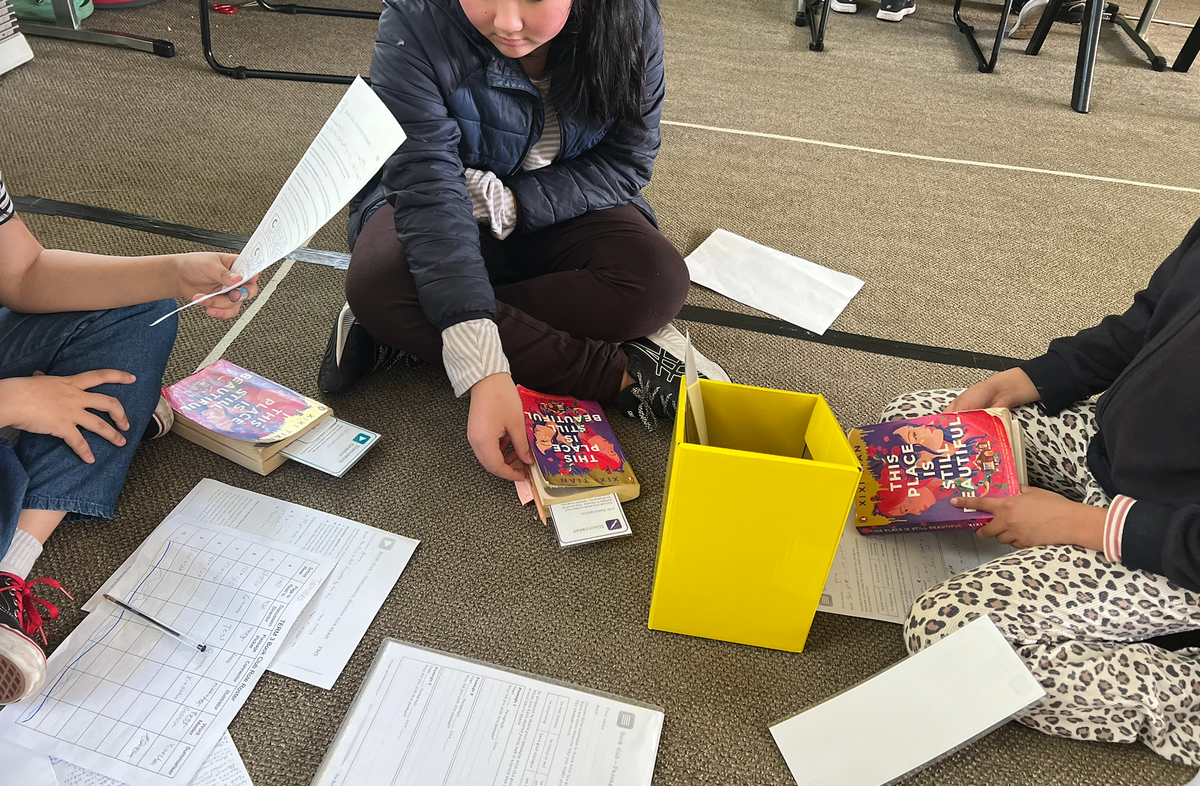
6D students have begun their Book Club sessions, providing a wonderful opportunity to develop responsibility and accountability within their reading groups. Students take on specific roles that encourage them to think deeply about their books and strengthen their understanding and comprehension. Book Club also helps students build confidence and leadership skills as they learn to lead and contribute to meaningful conversations with their peers. As students take greater ownership of their reading, they are also beginning to develop the important habit of completing tasks at home when they are not finished during class time, helping prepare them for the increased independence and responsibility of high school.
Writing
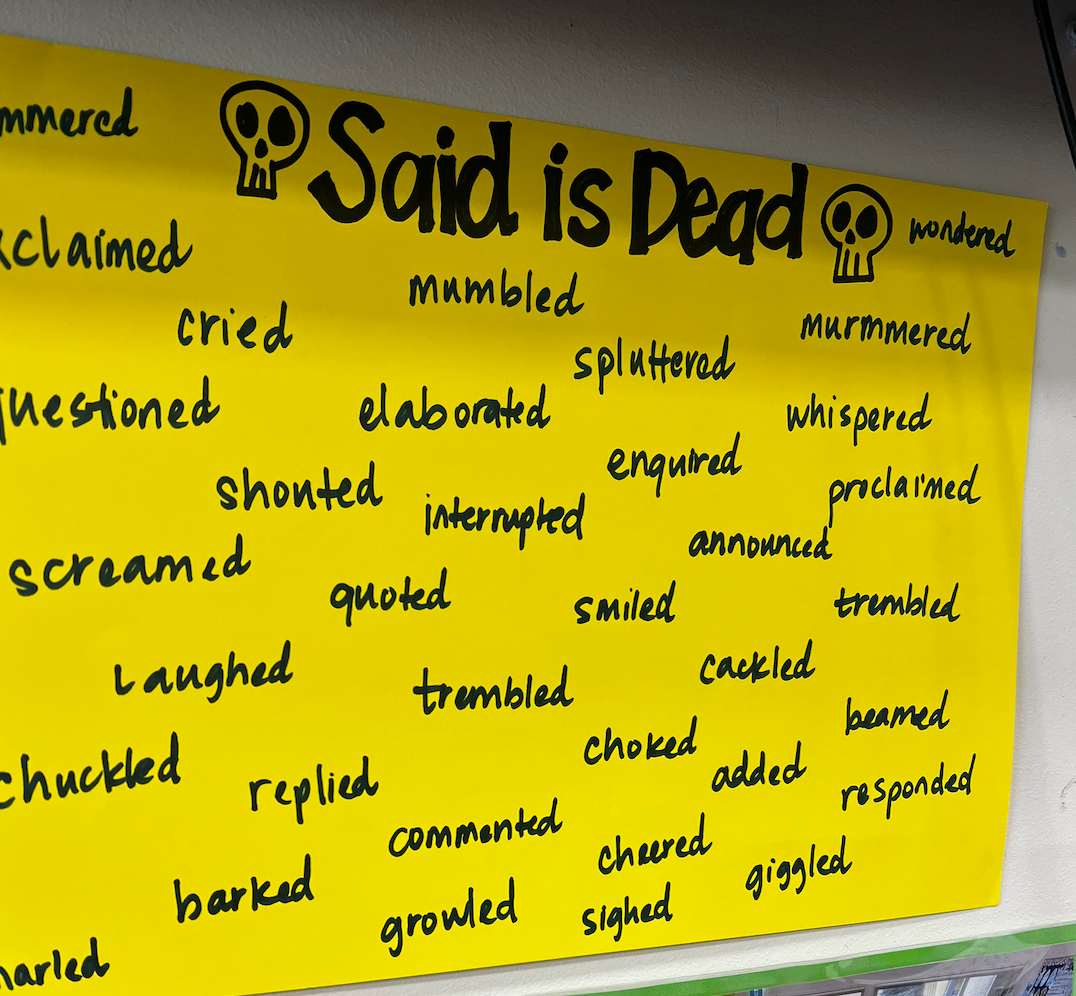
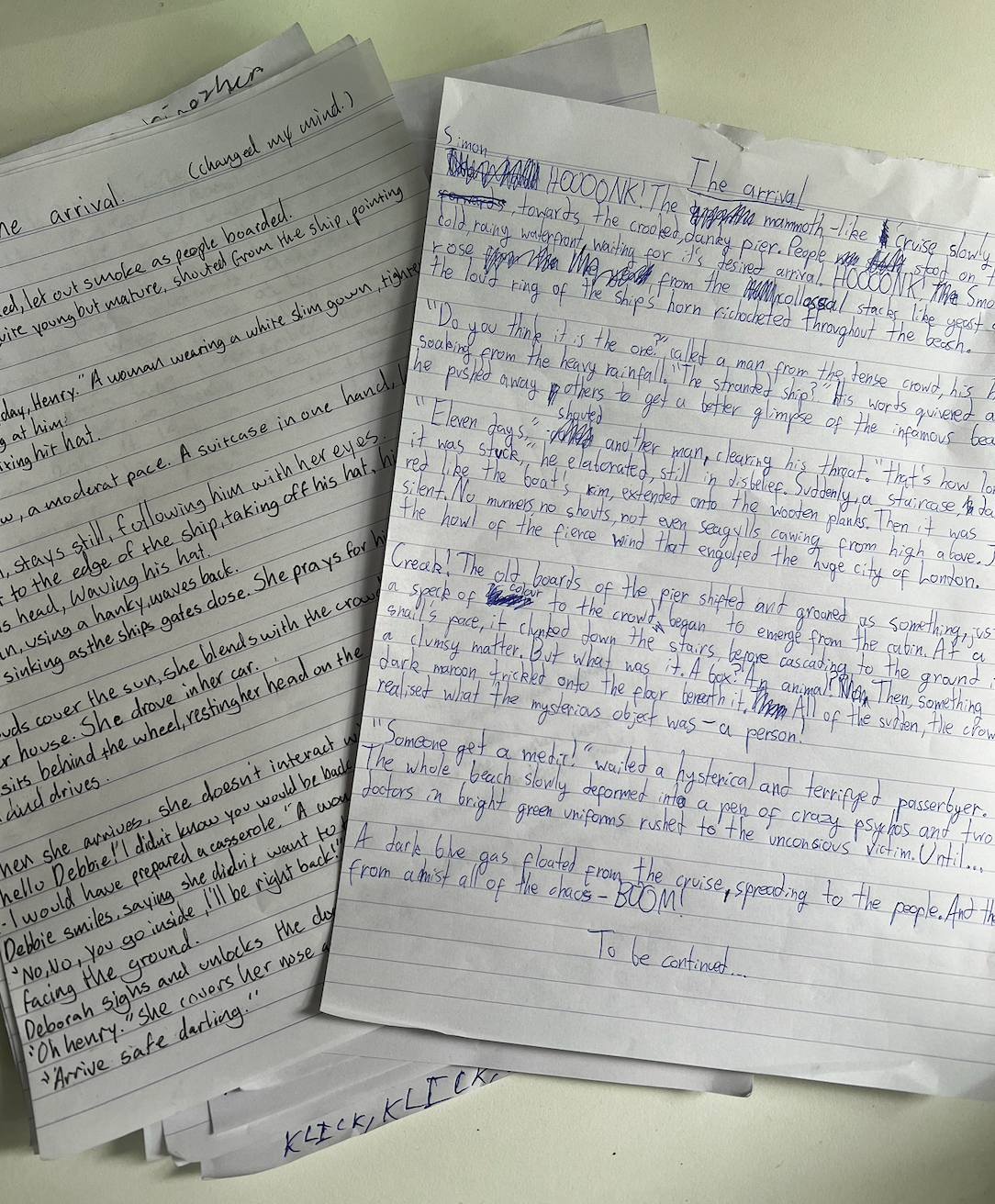
Year 6 students have been developing their narrative writing skills by exploring how authors use dialogue purposefully to bring stories to life. We have been looking at how dialogue can reveal character, move the story forward and, when combined with descriptive language, help create a more vivid and visual scene for the reader. Students have also examined non-examples, considering how dialogue can sometimes feel like “busy work” if it does not add anything meaningful to the story. Alongside this, students have been practising the correct punctuation and paragraphing conventions for writing dialogue, helping their narratives become more engaging, purposeful and polished.