Science
Science Week Expo Reminder
Next week, we will celebrate National Science Week with our annual DPS Science Week Expo. Families are warmly invited to join us on Friday 21 August from 2:15pm to 3:15pm in the BER to explore student projects, Science Talent Search entries and interactive science activities. This year's theme, "Seeds of Science: Nurturing Knowledge for All," highlights the power of curiosity, inquiry and discovery. We look forward to welcoming our community as we celebrate the outstanding science learning taking place across the school.
Term 3 Chemical Science
This term in Chemical Sciences, students from Prep to Level 6 have been developing their understanding of the materials and substances that make up our world. Through hands-on investigations, experiments and problem-solving challenges, students explored the properties of materials, how materials can be changed, combined and recycled, and how matter behaves in different states. As students progressed through the year levels, they built increasingly sophisticated scientific knowledge, from identifying everyday materials and mixtures to investigating particle theory, chemical and physical changes, and the environmental impacts of material use. Across all levels, students have strengthened their skills in observing, questioning, predicting, testing ideas, analysing evidence and communicating their scientific thinking, while making meaningful connections between science and everyday life.
Prep
Our Prep students have been exploring the properties of materials and simple mixtures through different investigations. Students used their senses to observe and describe different materials, discovered how materials can be combined, and explored what happens when different substances are mixed together. Through activities involving everyday materials, students developed their observation skills, shared their ideas, and began to understand that combining materials can create something new.
Level 1
Our Level 1 students have been investigating the properties of materials and exploring how materials can be physically changed and recycled. Through a range of practical activities, students examined the characteristics of different materials and tested properties such as flexibility. They learned that materials can be bent, stretched, twisted, crushed and folded without changing what they are made of. Students also explored the importance of recycling by investigating how materials such as paper, plastic, glass and aluminium can be reused to conserve Earth's resources. A highlight of the unit was creating and testing recycled paper, helping students see the role science plays in sustainability.
Level 2
Our Level 2 students have been investigating the properties of materials and exploring how materials can be combined to create mixtures. They examined the characteristics of different materials, identified why objects are made from one or more materials, and discovered how combining materials can create new properties. Through engaging activities, students created and tested mixtures, investigated which materials mix together, and explored how changing the amount of each material can affect the final result. These investigations helped students develop their skills in observing, predicting and communicating their scientific thinking.
Level 3
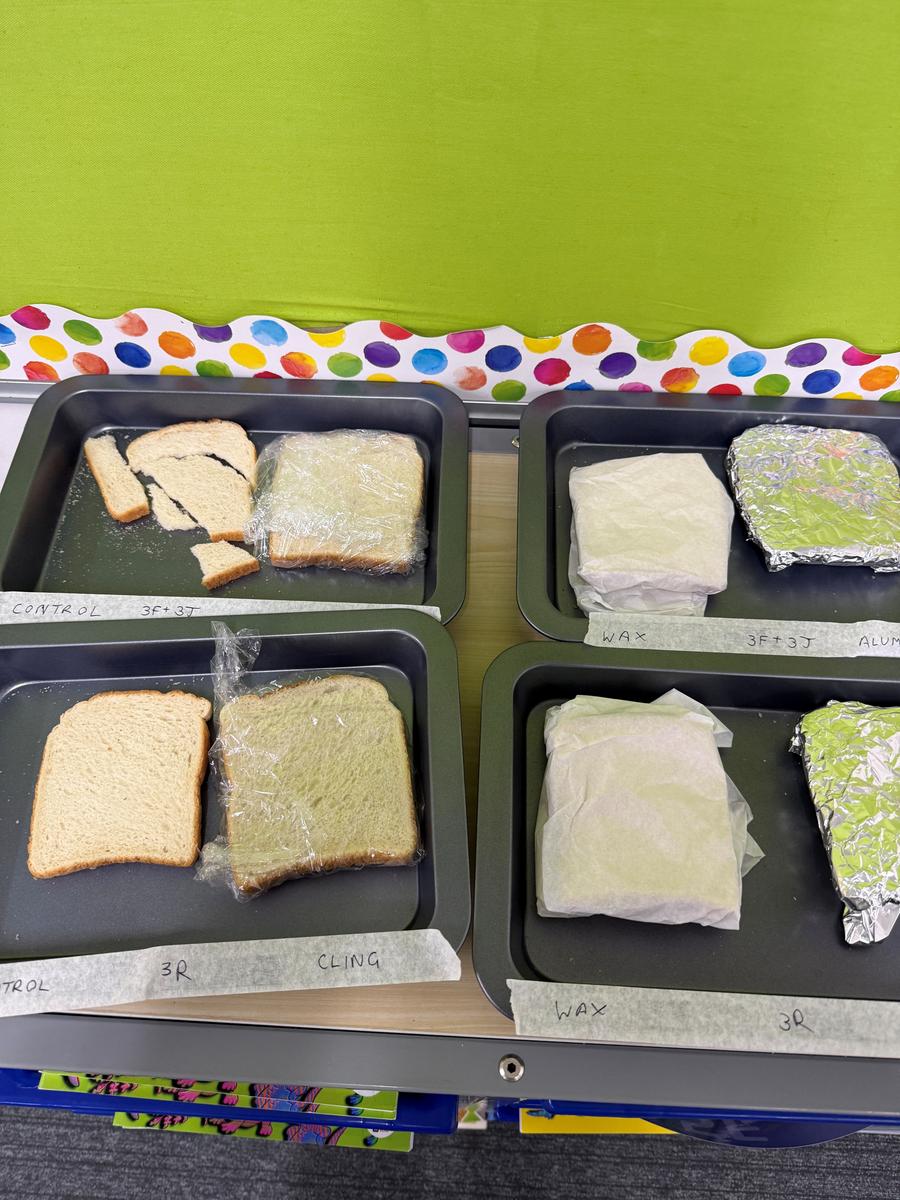
Our Level 3 students have been investigating the properties and uses of different materials in the world around them. Through hands-on learning experiences, they explored the characteristics of common materials and examined why certain materials are chosen for specific everyday objects. Students conducted a scientific investigation to determine how different materials help keep food fresh, developed their skills in planning and evaluating investigations, and explored how First Nations Peoples use natural materials. They also investigated sustainable material choices and innovative alternatives to plastic, helping them understand how material selection can impact the environment.
Level 4
Our Level 4 students have been exploring the fascinating world of matter by investigating the properties of solids, liquids and gases. Through hands-on experiments and scientific inquiries, they learned how adding or removing heat can cause materials to change state through processes such as melting, evaporation, condensation and freezing. Students classified substances according to their observable properties, examined melting and boiling points, and explored how changes of state are applied in real-world contexts such as glass recycling. These experiences have strengthened their understanding of matter and sustainability while developing their scientific inquiry skills.
Level 5
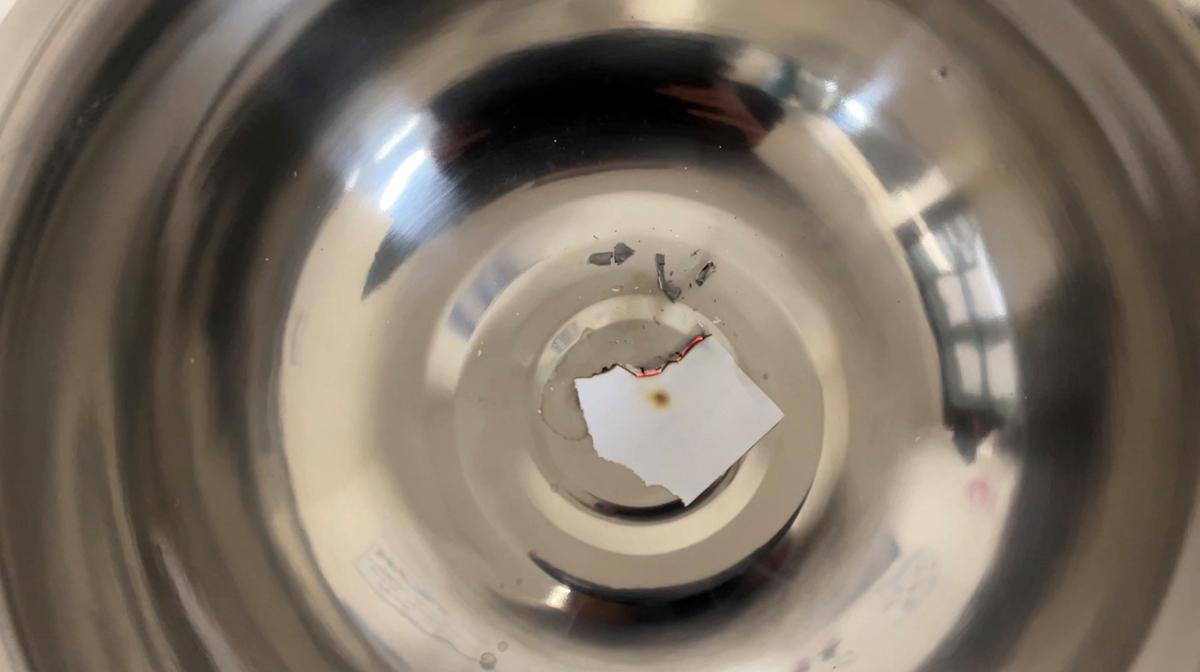
Our Level 5 students have been investigating how substances can change through physical and chemical processes. Through practical experiments, they explored reversible changes such as melting and dissolving, and compared these with irreversible changes including cooking, rusting and burning. Students learned to identify the signs of different types of changes, classify real-world examples, and explain whether a substance can be recovered after a change occurs. By planning investigations, making observations and analysing evidence, they developed a deeper understanding of how materials behave and change in everyday life.
Level 6
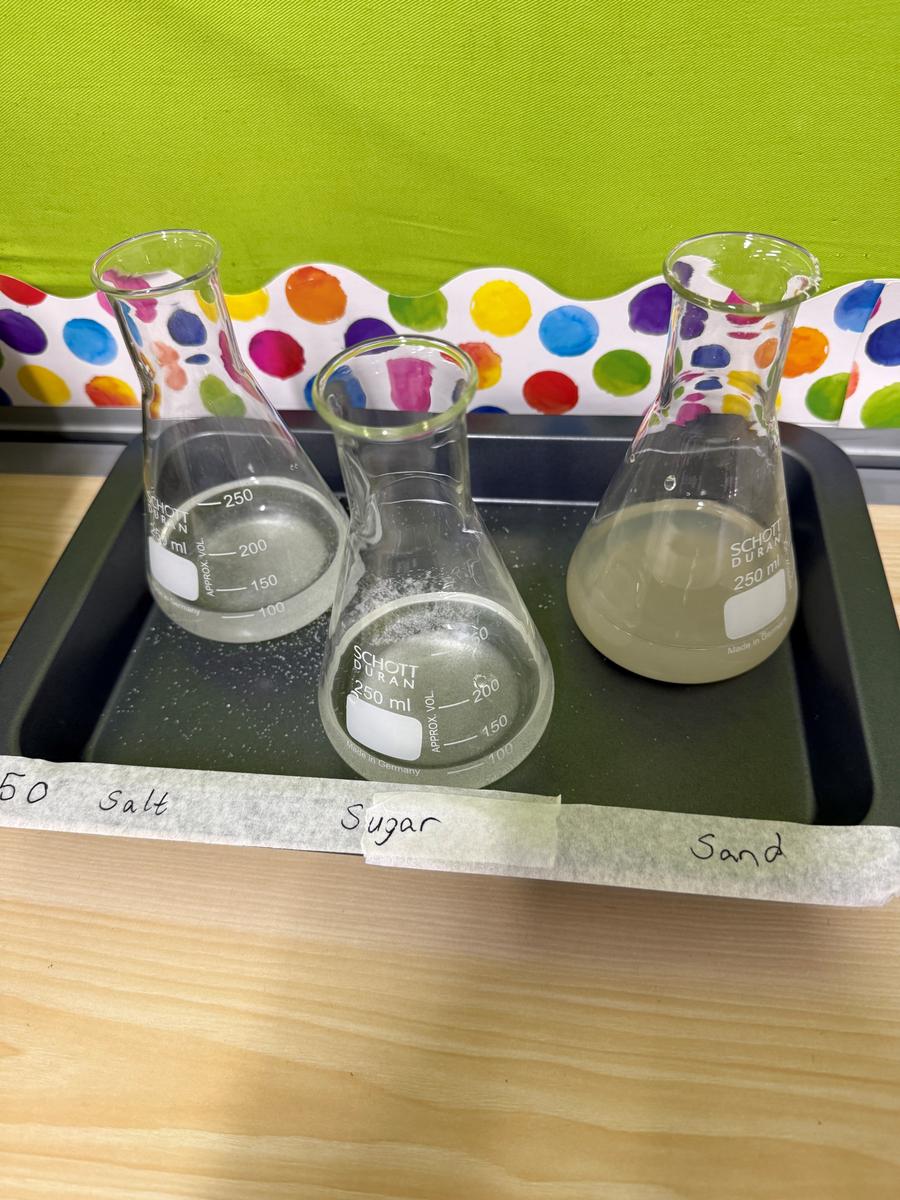
Our Level 6 students have been exploring the particle model of matter and investigating how solids, liquids and gases behave at a microscopic level. Through a range of experiments, students examined how heating and cooling affect the movement and arrangement of particles, leading to changes of state. They also explored pure substances, mixtures and solutions, investigated factors that influence dissolving, and applied different methods to separate mixtures. Using scientific inquiry skills, students planned fair tests, analysed data, and developed solutions to real-world challenges, strengthening their understanding of matter and scientific problem-solving.