Year 6 News
From Ava McLaughlin, Year 6B teacher
6B Newsletter Contributors: Sumi, Johnson, Zuuyati, Sulaiman, Yusra, Maxwell, Cormac, Paddy, Brandon, Eamon and Nacha.
Student Spotlight
This term, Des Chapple from 6B is completing a full time freestyle skiing program at Mt Hotham. We would like to congratulate Desi and his older sister, Darcy, for winning gold in their respective divisions at the recent Hotham Rail Jam! Our NMPS community and especially our Year 6 cohort is so proud!

Maths
For weeks 1 and 2 this term, we are learning about data collection and representation. So far, we created our own pie charts based on survey questions for our classmates.
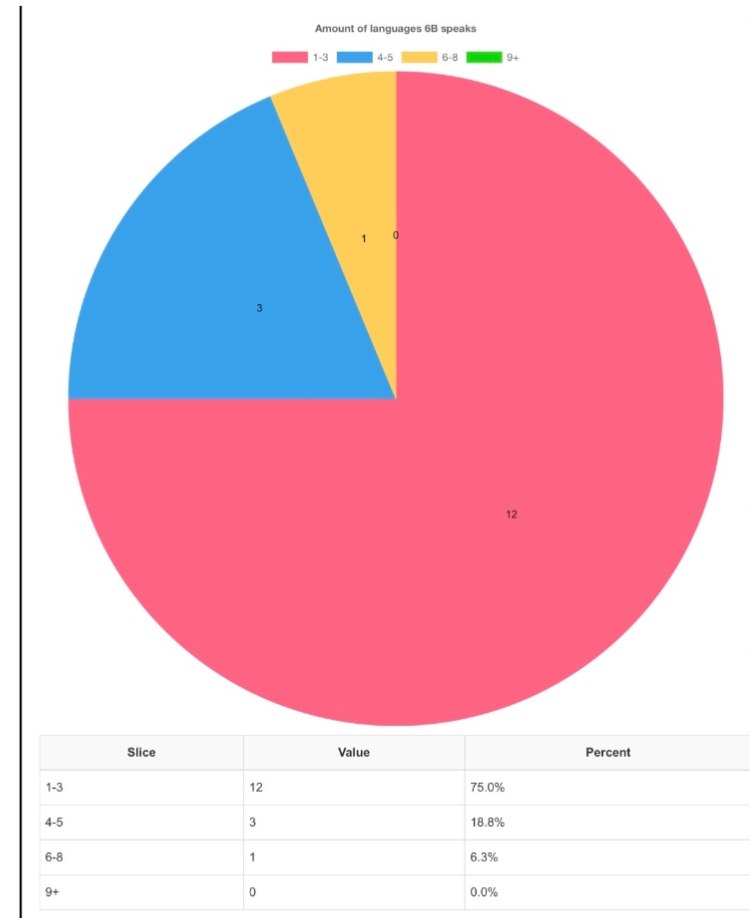
For instance, this pie chart shows the amount of languages spoken by students in our class, 6B.
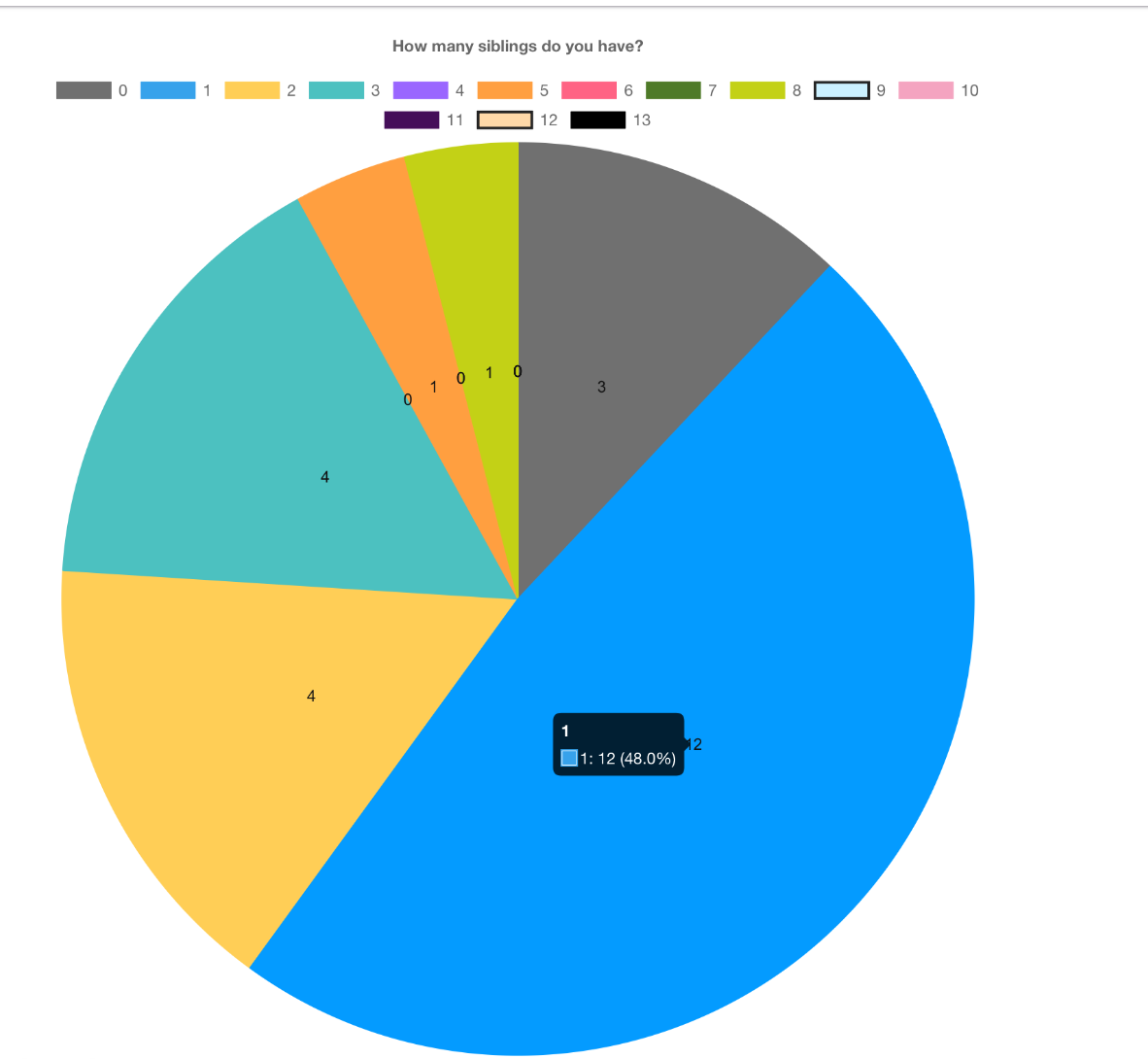
This pie chart shows how many siblings students in 6B have. 48% of students have 1 sibling, and the most siblings any student has is 8.
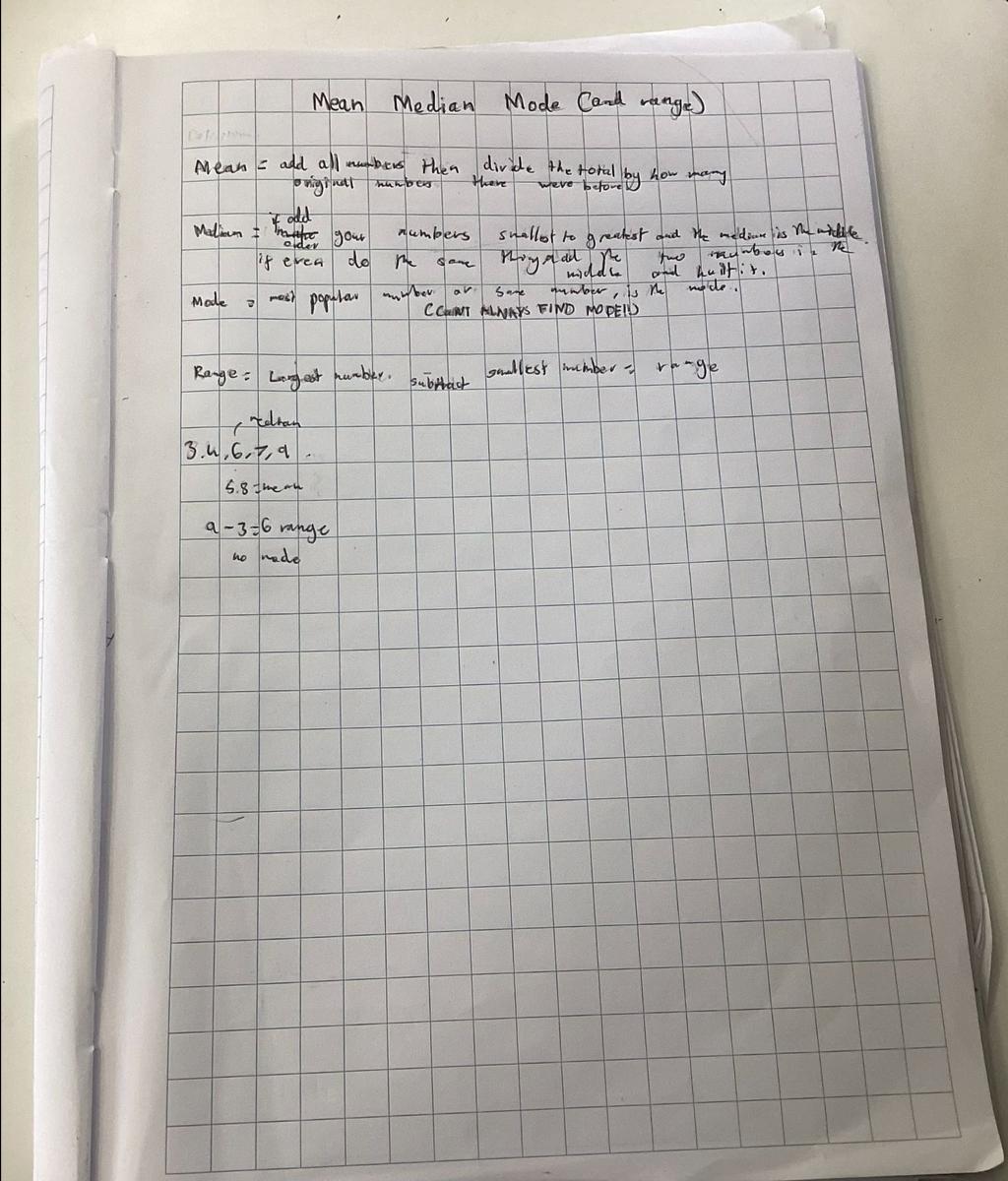
Mathematics is the abstract science of numbers, quantity, space, and pattern. This week, we have learnt about Mean, Median, Mode, and Range. Statistical measurements help us understand and summarize groups of numbers. The mean, often called the average, is found by adding all the numbers in a dataset together and dividing that total by the amount of numbers you added. The median is the exact middle value of the list, which you find by arranging the numbers in order from smallest to largest and picking the one right in the center. The mode is simply the number that appears most frequently in your list; a dataset can have one mode, multiple modes, or no mode at all if every number appears only once. Finally, the range measures how spread out your data is by subtracting the smallest number from the largest number in the set.
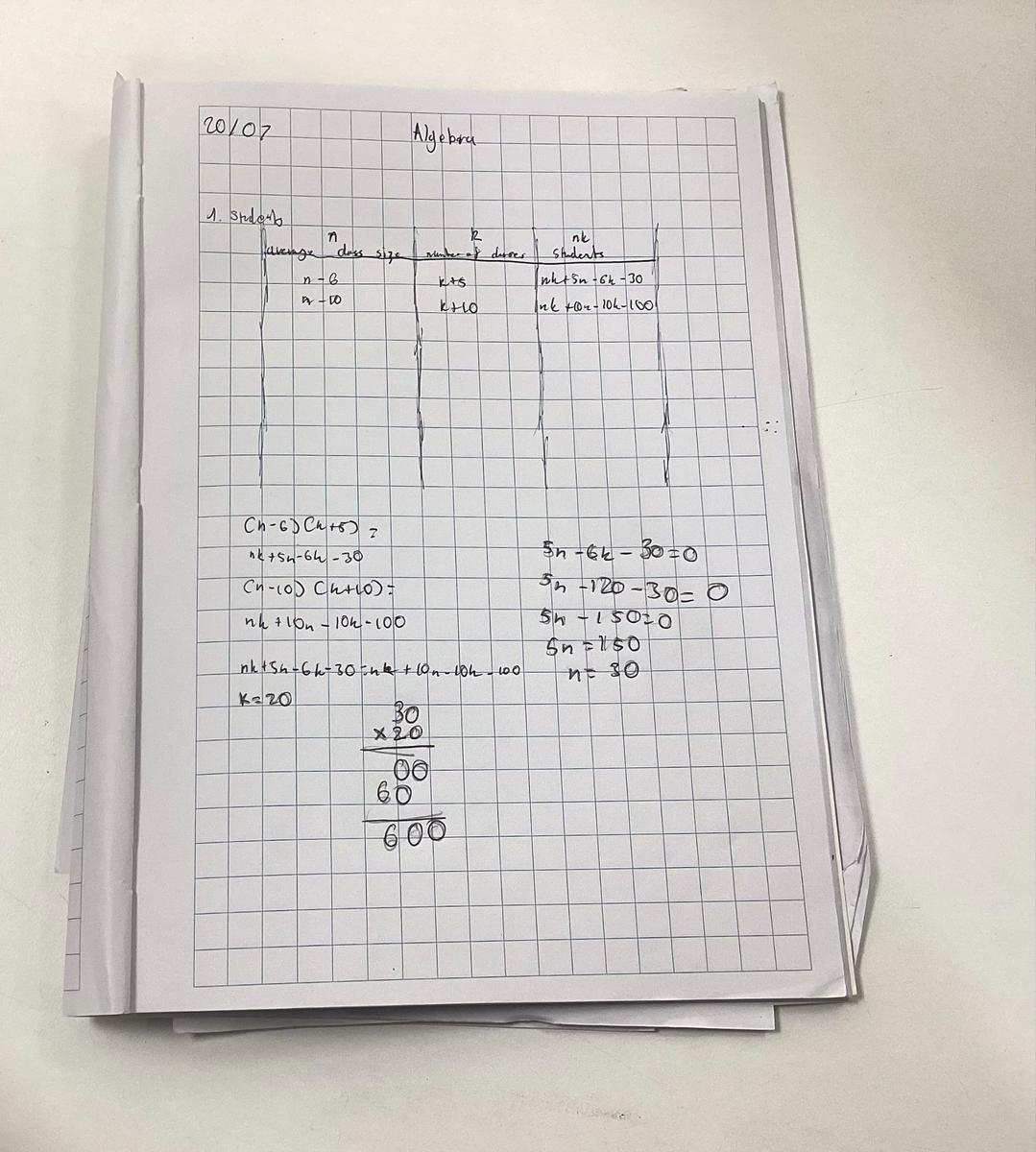
We have also done Maths Groups in the Quiet Room, where we learn about algebra. Algebra uses letters like X and Y as variables to represent unknown numbers in equations. By applying operations equally to both sides of an equals sign, you can isolate these variables to find their exact values. This system allows you to turn real-world problems into mathematical formulas, making it easy to calculate unknown quantities across science, finance, and engineering.
Reading
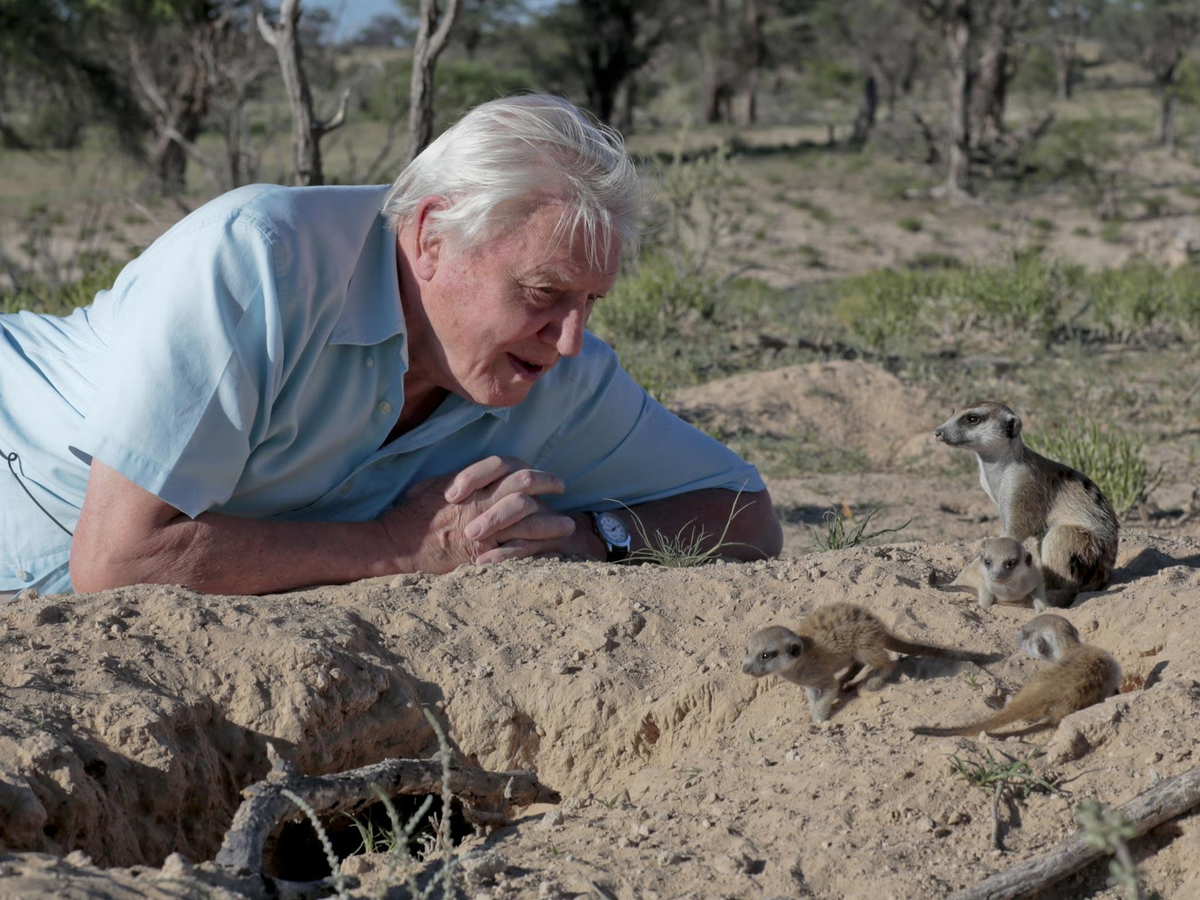
In reading, we looked into the strategies podcasters use to engage their audience. For example, varying their tone and expression. We compared Steve Irwin and David Attenborough’s narrations of nature documentaries and practiced recording ourselves reading out a passage using a calm tone first then an excited tone. It was a lot of fun to experiment with different styles!
Vs.

Writing
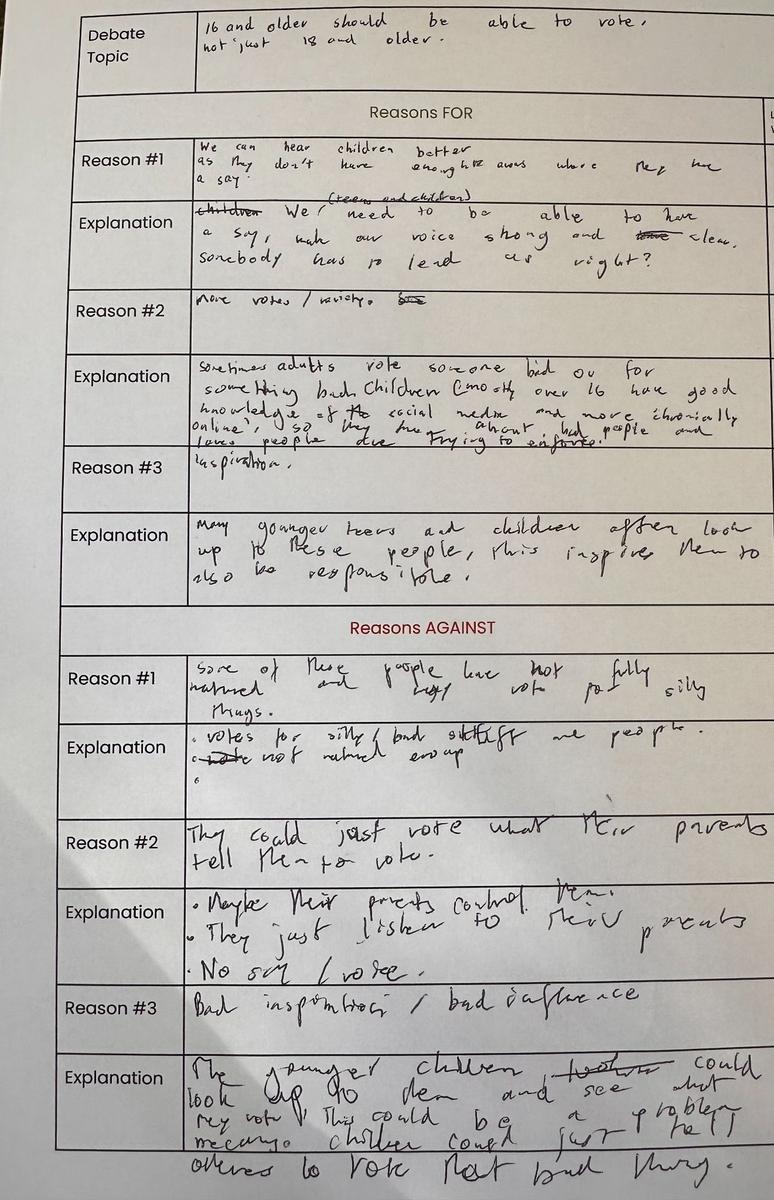
Last week in writing we focused on two main categories: debating and quick writes. In debating we went over the basics and chose a topic for our planners. In debating there are two sides to the argument, the Affirmative and the Negative. In debating competitions there are teams of three and they are given a topic that they need to debate. The teams consist of three speakers, the first speaker, the second speaker, and the third speaker.
We practiced coming up with arguments for and against specific topics. It was sometimes challenging to come up with arguments for the opposite side especially if it was something we disagreed with. Some examples of topics we looked at included: the voting age should be lowered to 16, homework should be banned, healthcare should be free, vaping should be banned and more!
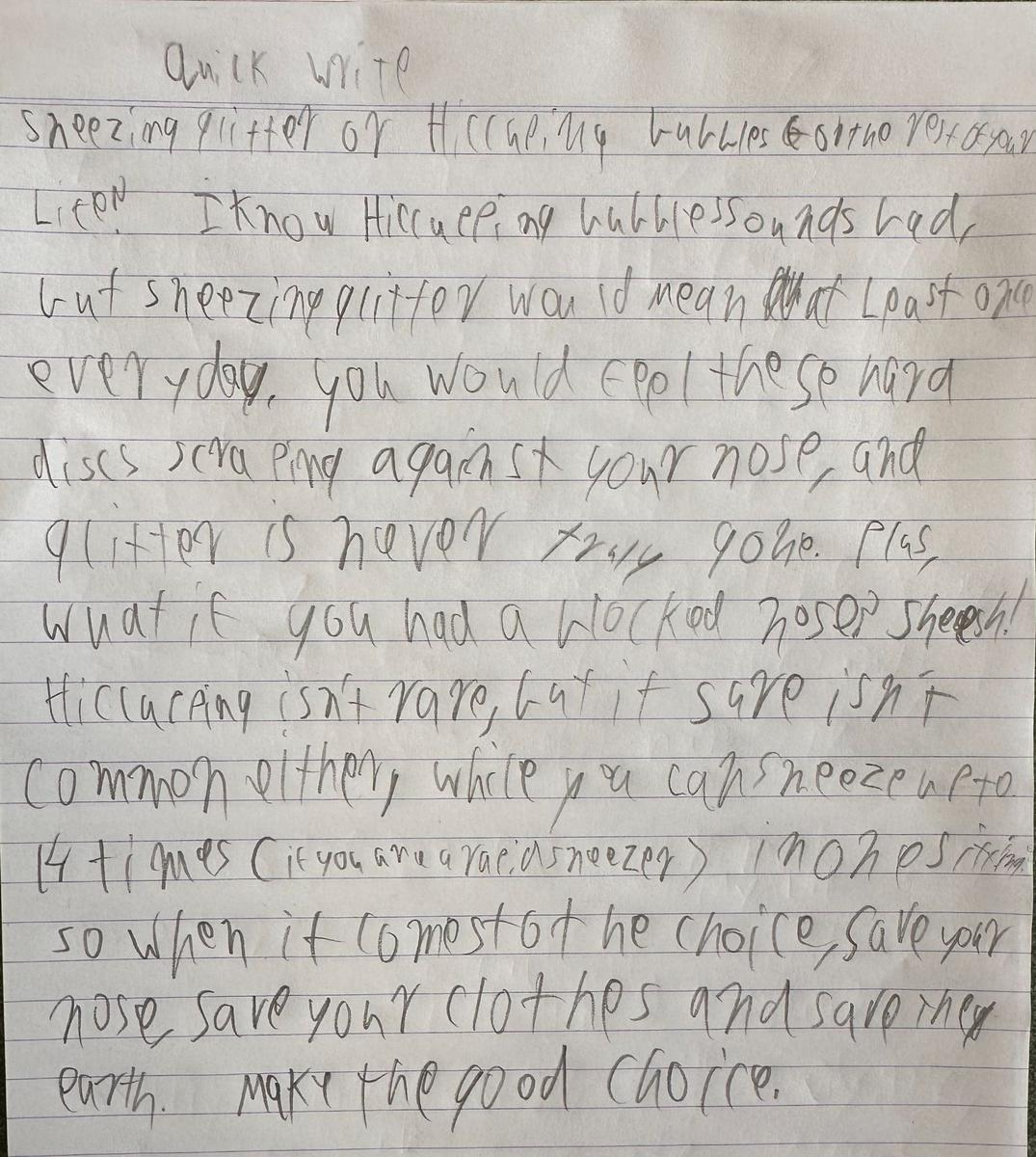
In quick writes we write about different topics for seven minutes straight. Last week, we wrote about “Would you rather sneeze glitter or hiccup bubbles” and “Worst day ever”. The glitter one was persuasive writing where we try to convince the other people that we are correct. The worst day ever one was a recount where you either wrote about a past experience or a made up worst day. In quick writes, we write continuously for seven minutes straight to practice for high school and exams that could be timed. We also want to work on letting our ideas flow freely and not letting writer’s block get in our way.