VCE Product Design and Technologies
After eight whole months of researching, designing, problem solving, refining and making, our VCE Product Design & Technologies students have officially handed in their Unit 3 & 4 folios and final products. What a journey it has been!
It has been an absolute privilege to watch these students take an ethical problem that matters to them, investigate it through research and user centred design, and then follow the design process to develop and manufacture their own solution. We have seen students tackle genuine problems relating to inclusion, sustainability, accessibility, wellbeing, cost of living and everyday challenges, turning their empathy and research into tangible products.
It was also fantastic to welcome staff into the classroom to see the final products and give our students the opportunity to share what they had created. There was a real sense of pride in the room as students explained not only what they had made, but why they had made it, who it was designed for and how their research had influenced their final decisions.
The ethical design solutions developed by this cohort have been remarkable. These students have demonstrated that good product design is not simply about making something that looks great. It is about identifying a genuine problem, understanding the people experiencing that problem and creating a solution that can make a meaningful difference. Honestly, I think we could have a few budding entrepreneurs and designers in this room who could easily pitch their ideas to investors!
Here is a snapshot of the problems our students identified and the solutions they developed.
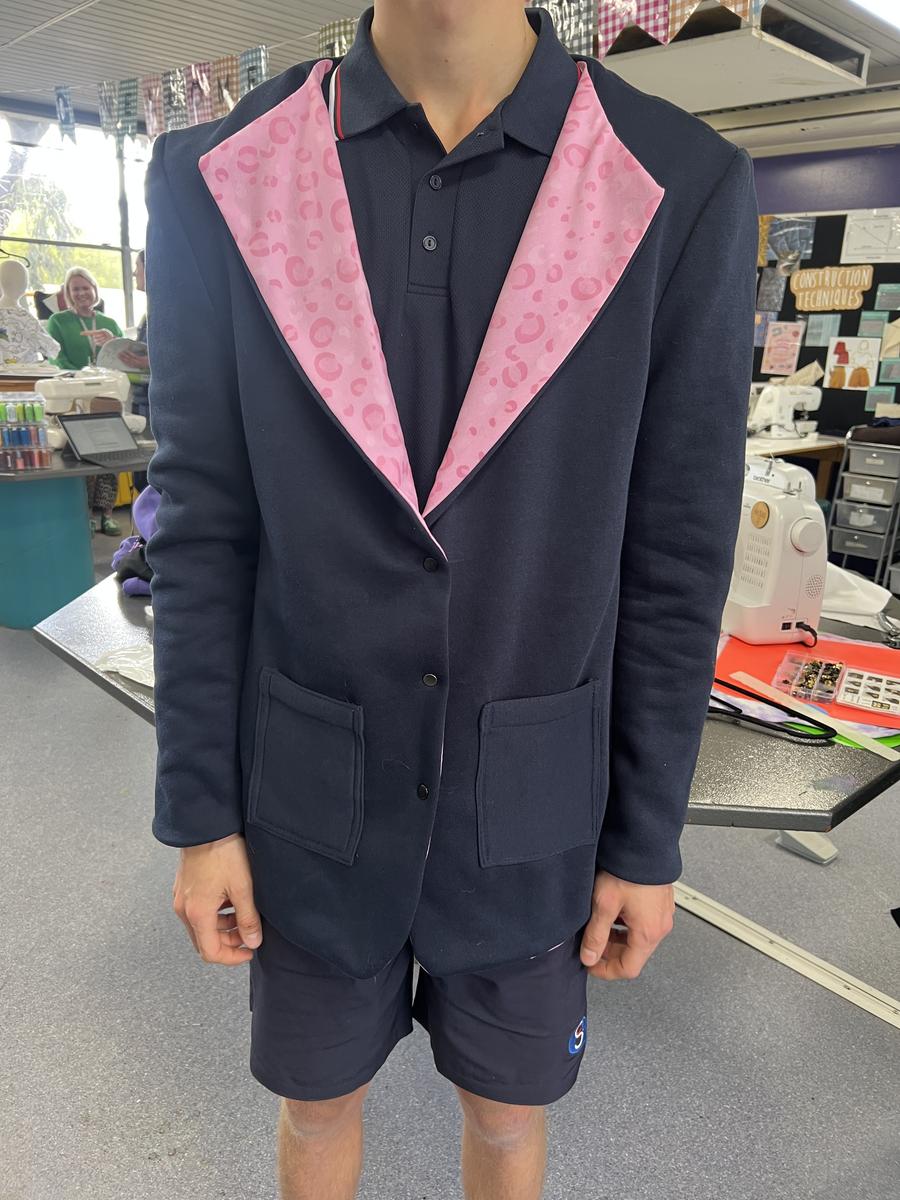
Leo explored the lack of variety in men's corporate workwear, particularly the traditional blazer, suit, shirt and trouser combinations. His solution was a workwear blazer designed to combine professional and casual elements while prioritising physical comfort and personal expression. Using a soft, stretchy material and a customised lining, his design allows the wearer to feel comfortable and confident while still meeting professional workplace expectations.
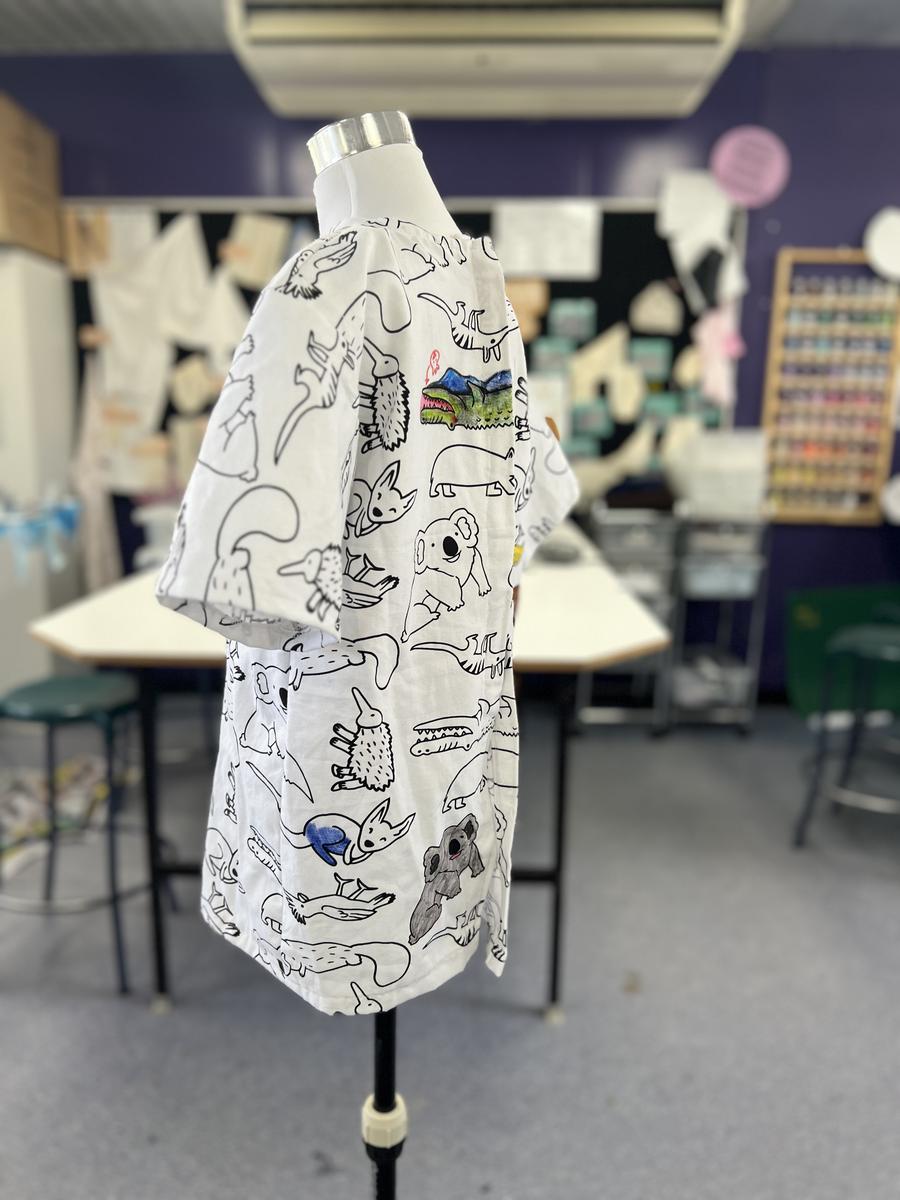
Heidi identified that children's hospital gowns can feel boring and impersonal for young patients. She designed an inclusive hospital gown featuring an Australian animal print, a front pocket and Velcro access at the back. Her design also allows children to personalise their gown using washable markers, giving young patients an opportunity to express their personality while in hospital.
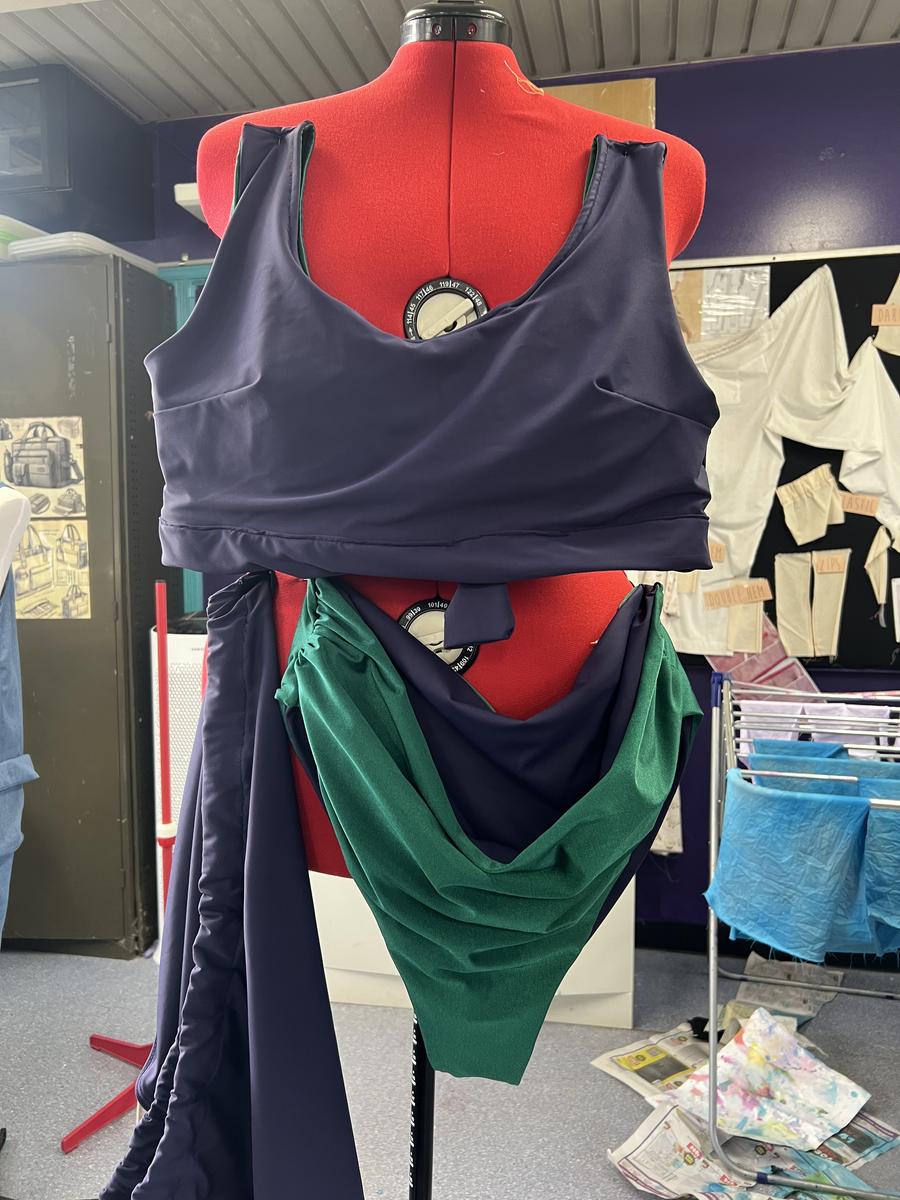
Lily explored the lack of inclusivity within swimwear and developed a reversible swimwear collection designed for plus size individuals. Her solution provides greater customisation by allowing the wearer to reverse the garment and change its appearance.
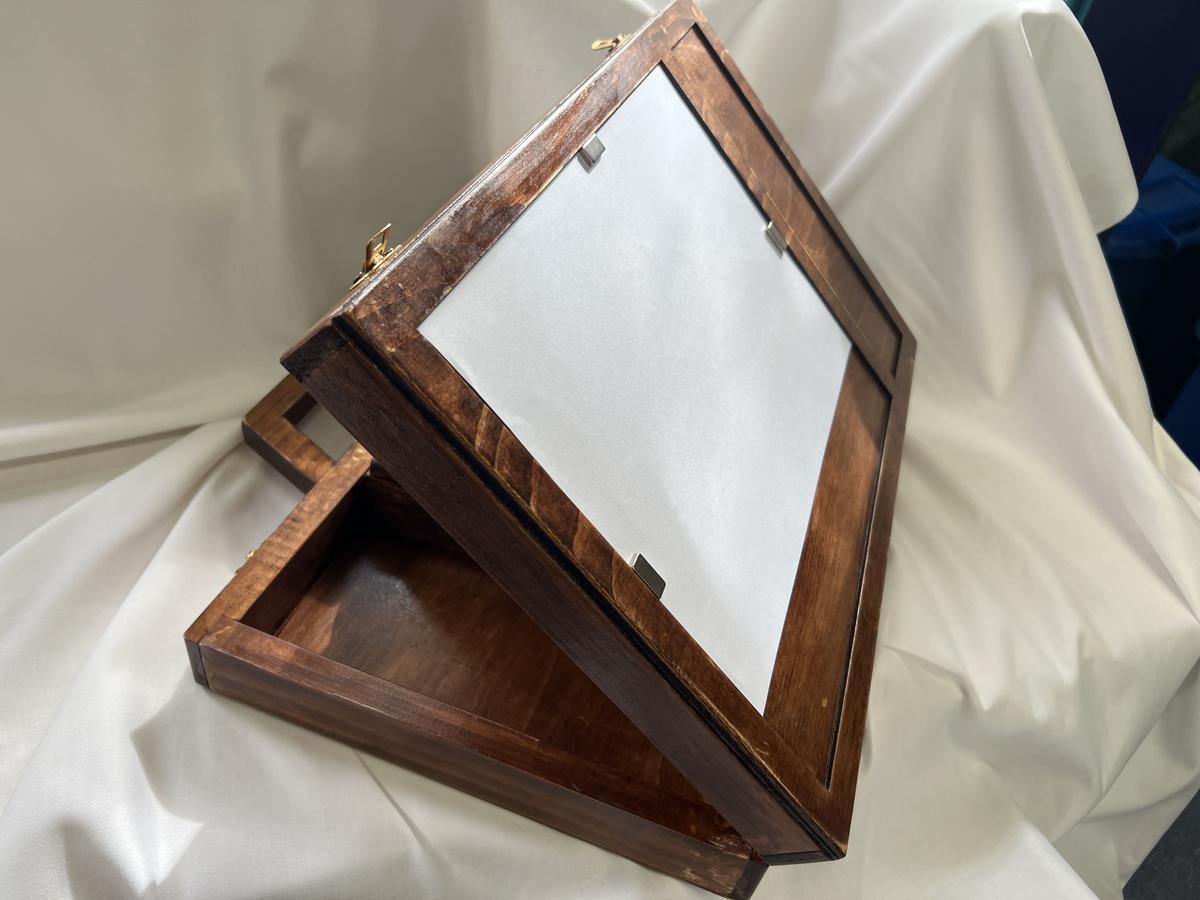
Austin investigated the amount of time young children spend using screens and wanted to provide an alternative creative outlet. His solution was a foldable drawing briefcase designed to encourage children to engage with drawing and creativity while reducing their reliance on digital screens.
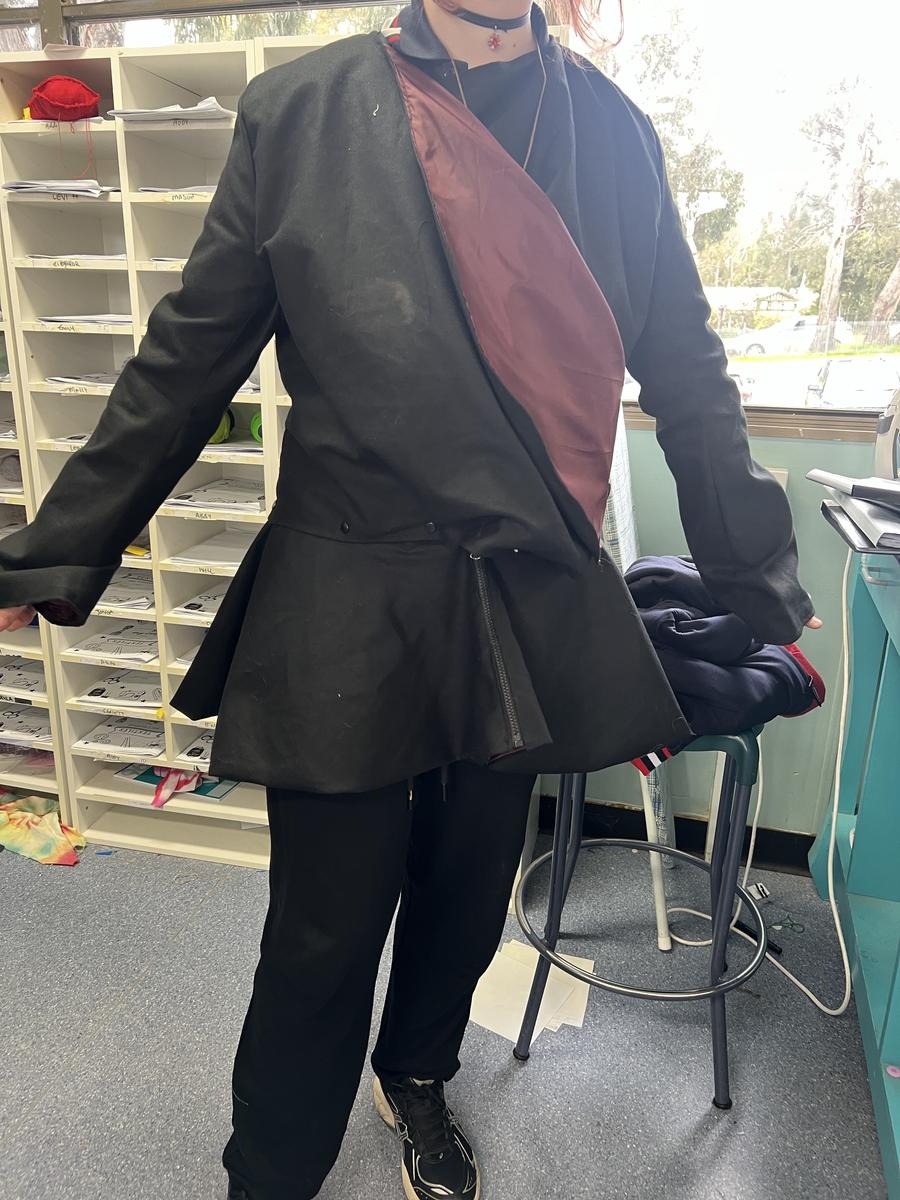
Jinx investigated fast fashion and the need for consumers to purchase multiple garments for different occasions. Their solution was a multifunctional garment that can be worn as an individual jacket, skirt and belt, or combined to create a longer jacket. The design explores how one product can provide multiple functions and reduce the need to purchase separate garments.
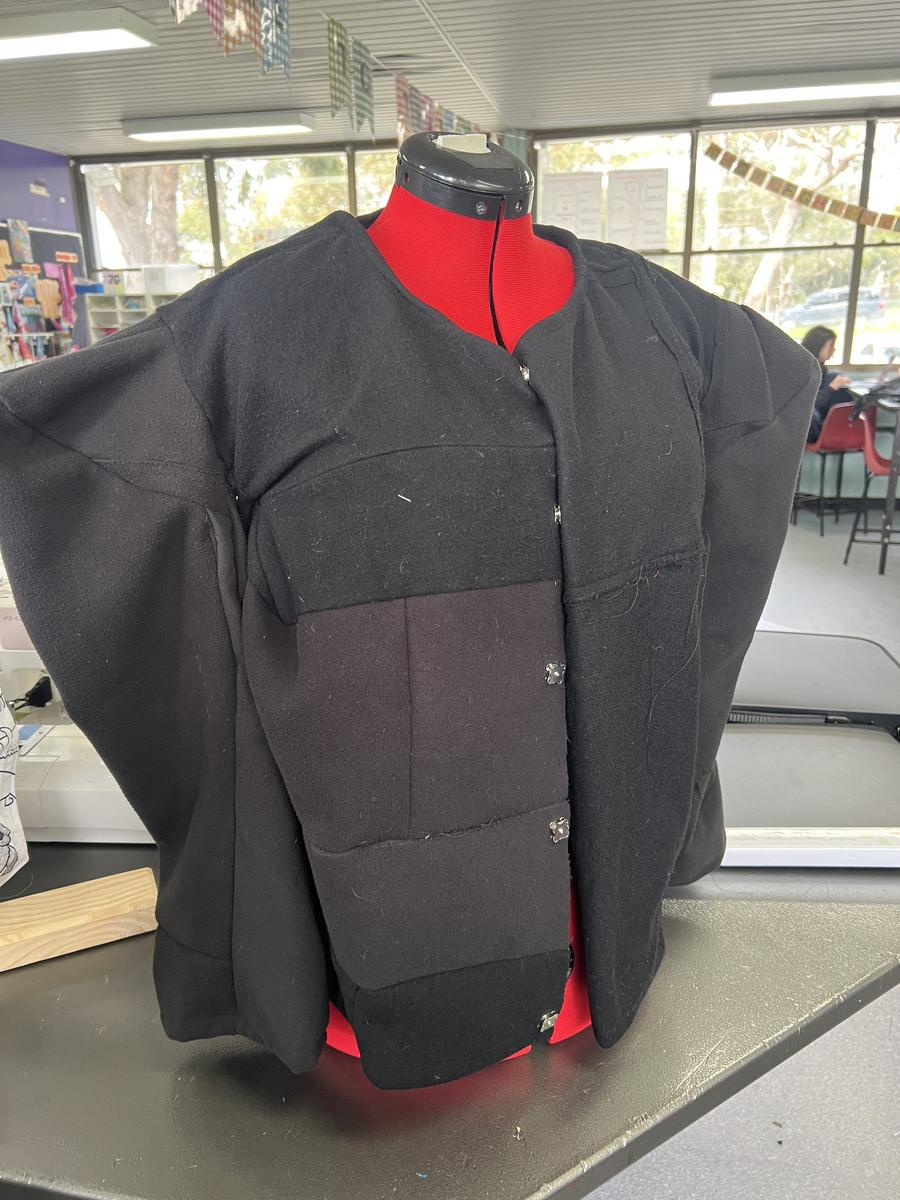
Zara identified the lack of arthritis friendly clothing options and designed a jacket featuring magnetic buttons to make fastening the garment easier. Her solution focuses on accessibility and supporting greater independence when getting dressed.
Jamie explored several issues surrounding gardening, including water usage, the physical demands of gardening and the amount of time required to maintain plants. His solution was a vertical gardening system that waters itself, reducing the need for constant monitoring and maintenance while making gardening more accessible.
Kody identified the problem of children quickly outgrowing balance bikes, meaning parents may need to repeatedly purchase new bikes as their child grows. His solution was an adjustable balance bike where the handles, frame and seat can be moved to accommodate a growing child.
Caitlin investigated the amount of clothing parents need to purchase as children grow. Her solution was a gender neutral pair of overalls featuring adjustable leg sections that can be extended as the child grows in height, helping to extend the life of the garment.
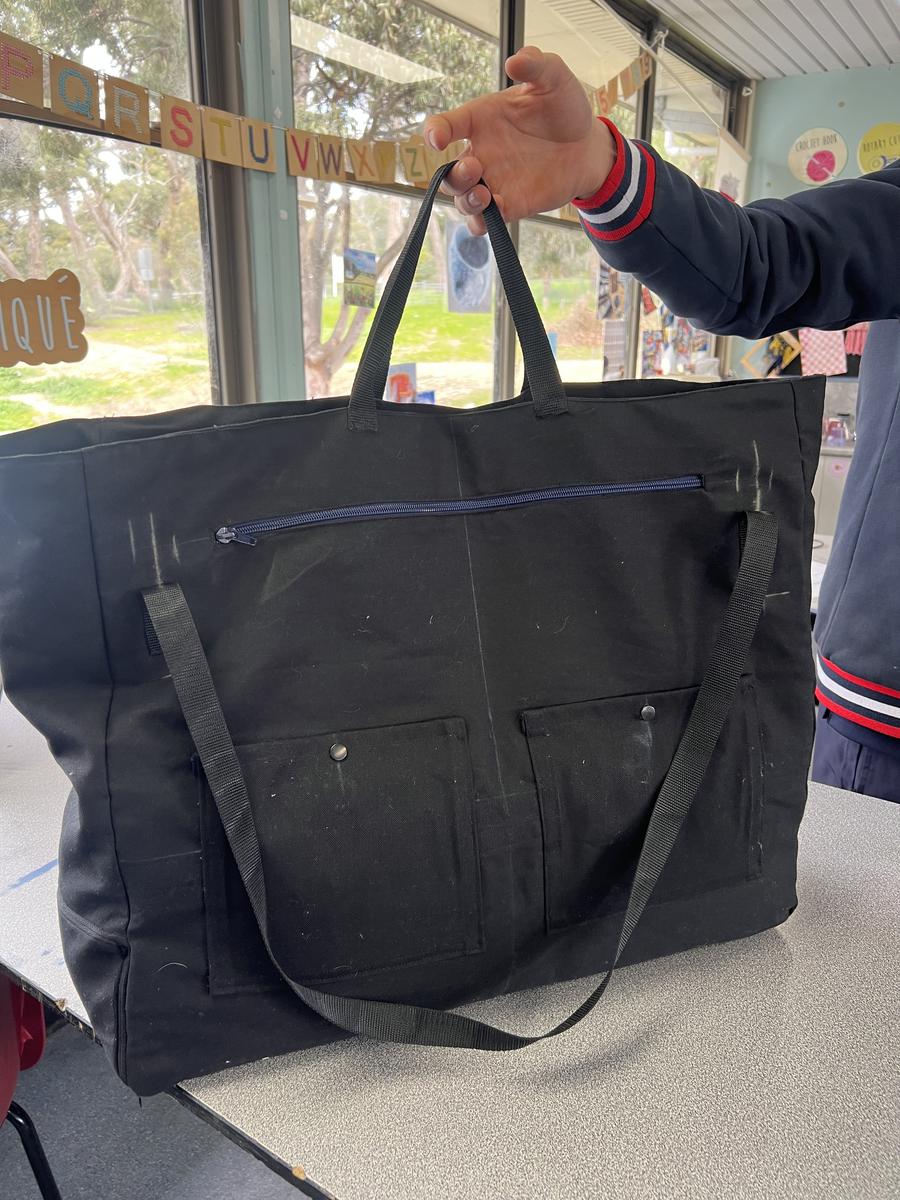
Ava explored the experiences of homeless individuals living in the city, particularly the lack of adequate storage for their belongings while maintaining privacy and dignity. Her solution was a heavy duty large bag featuring concealed compartments for storing items such as a sleeping bag and personal belongings.
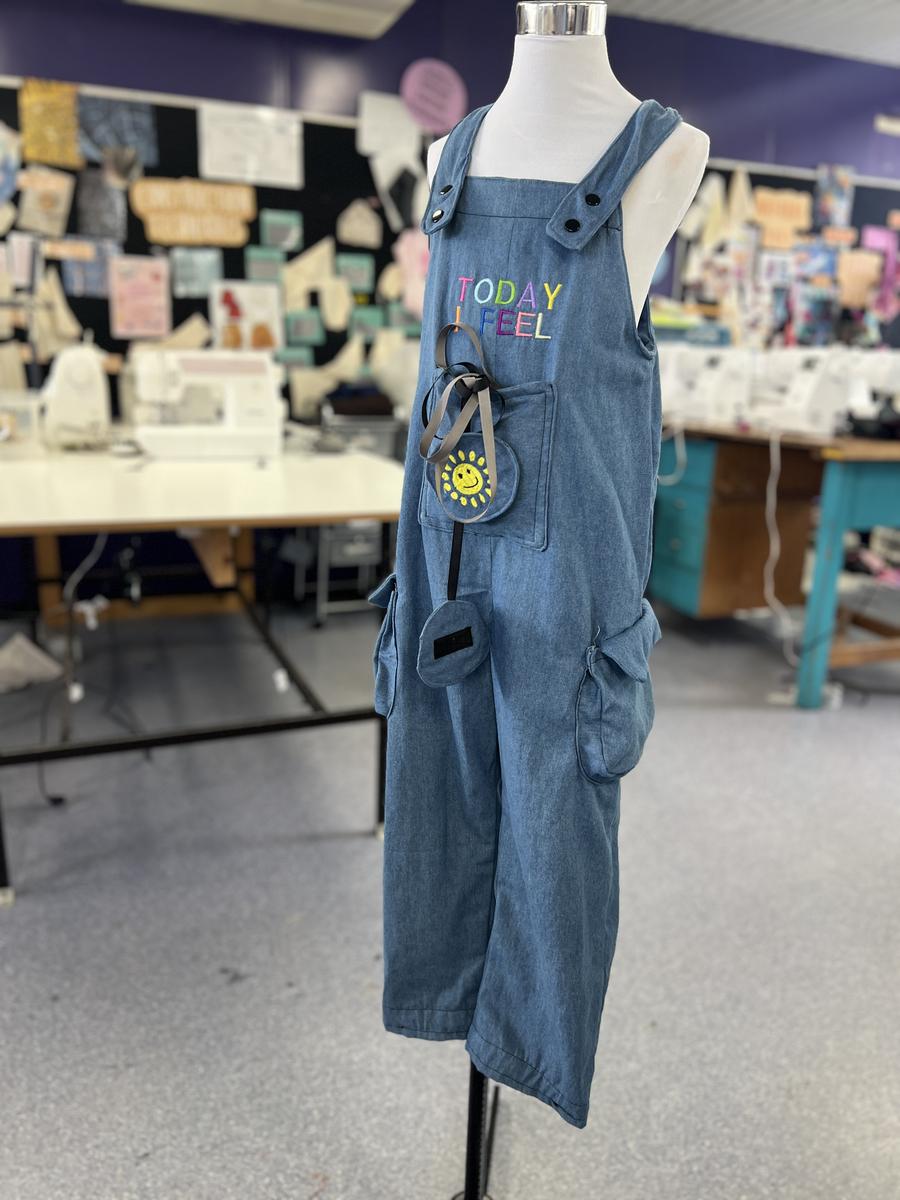
Sophie identified that some young children, particularly those aged two to five, can struggle to communicate and express how they are feeling. She designed a pair of overalls featuring interchangeable patches displaying different emotions, allowing children to choose and communicate how they feel through their clothing.
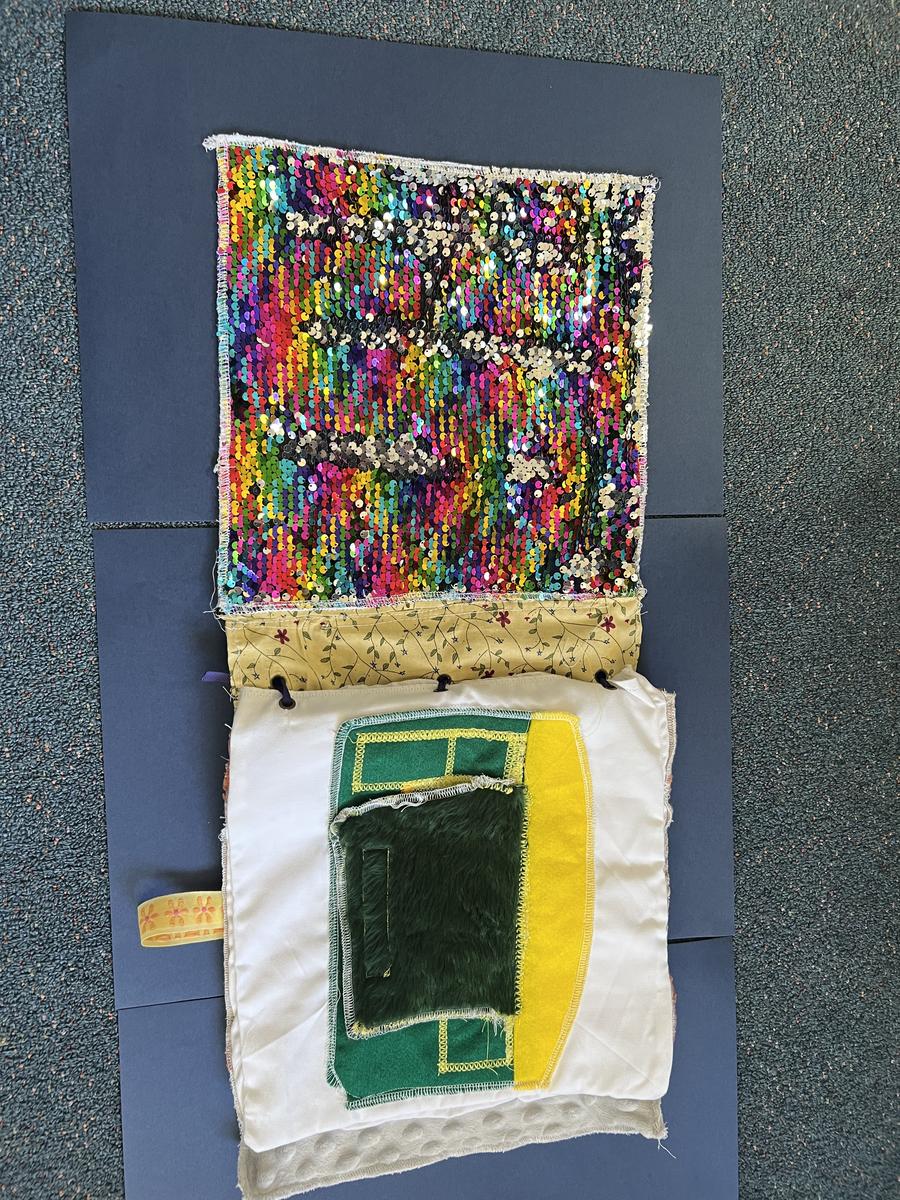
Kaya investigated the experiences of people living with dementia, particularly feelings of loneliness and stress when in unfamiliar environments. Her solution was a fidget book incorporating familiar places, textures and bright colours designed to provide comfort while also supporting fine motor skills.
Dannika explored the need for more gender neutral clothing options for children aged six to ten. Her solution was a gender neutral coloured jumpsuit paired with a white interchangeable T shirt. The relaxed shape was designed to accommodate a range of body sizes.
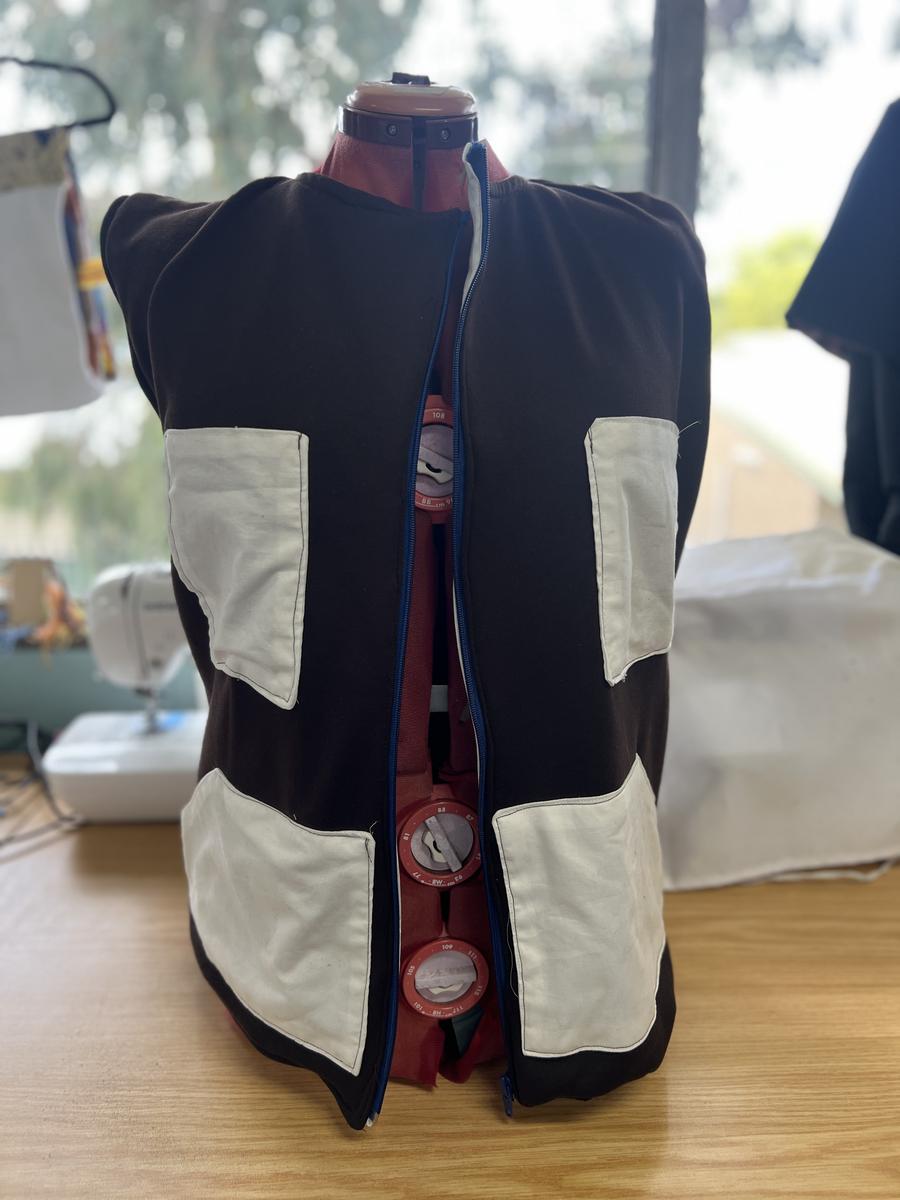
Jess identified the challenge of individuals with dementia losing personal belongings. Her solution was a vest featuring multiple pockets and key rings to provide secure places for storing important items. She also incorporated a safety information panel inside the garment.
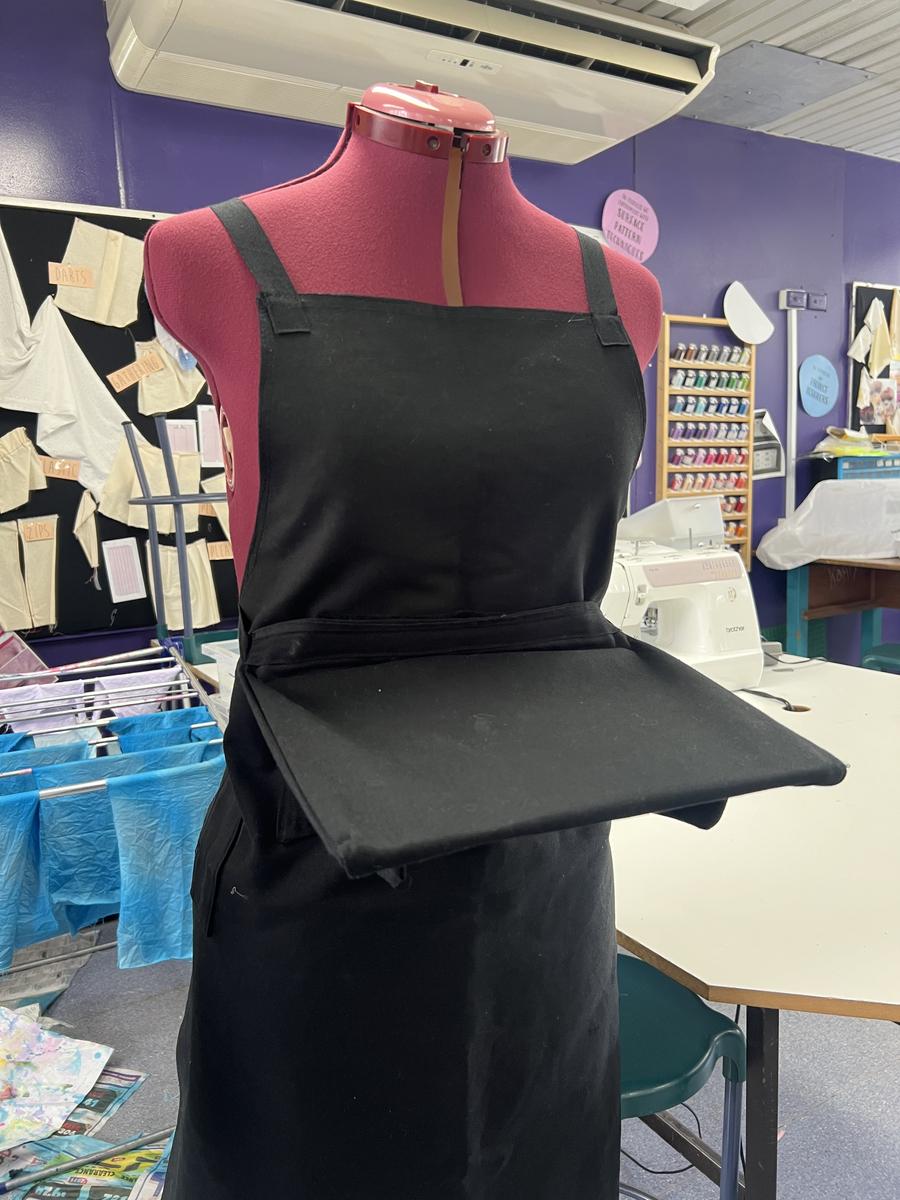
Izy explored how primary school teachers could be supported with back problems caused by repeatedly bending over to mark student work. Her solution was an apron featuring a detachable table that connects using Velcro, allowing teachers to stand and complete marking without constantly bending over.
What makes this cohort so special is the diversity of the problems they chose to investigate. From children's hospitals and dementia care to sustainable gardening, inclusive clothing, fast fashion and the challenges faced by teachers, each student began with empathy and used the design process to turn that empathy into action.
Eight months ago, these were ideas and problems written down on paper. Today, they are real products, supported by research, design development, testing and reflection.
A huge congratulations to our Unit 3 & 4 Product Design & Technologies students. You should be incredibly proud of what you have achieved.