
Nurse's Notes

As we head into Term 4 and the spring season, our ICOM nurses have some important health updates for our families, including the return of the Australian Dental Health dental van and some helpful information about managing hay fever.
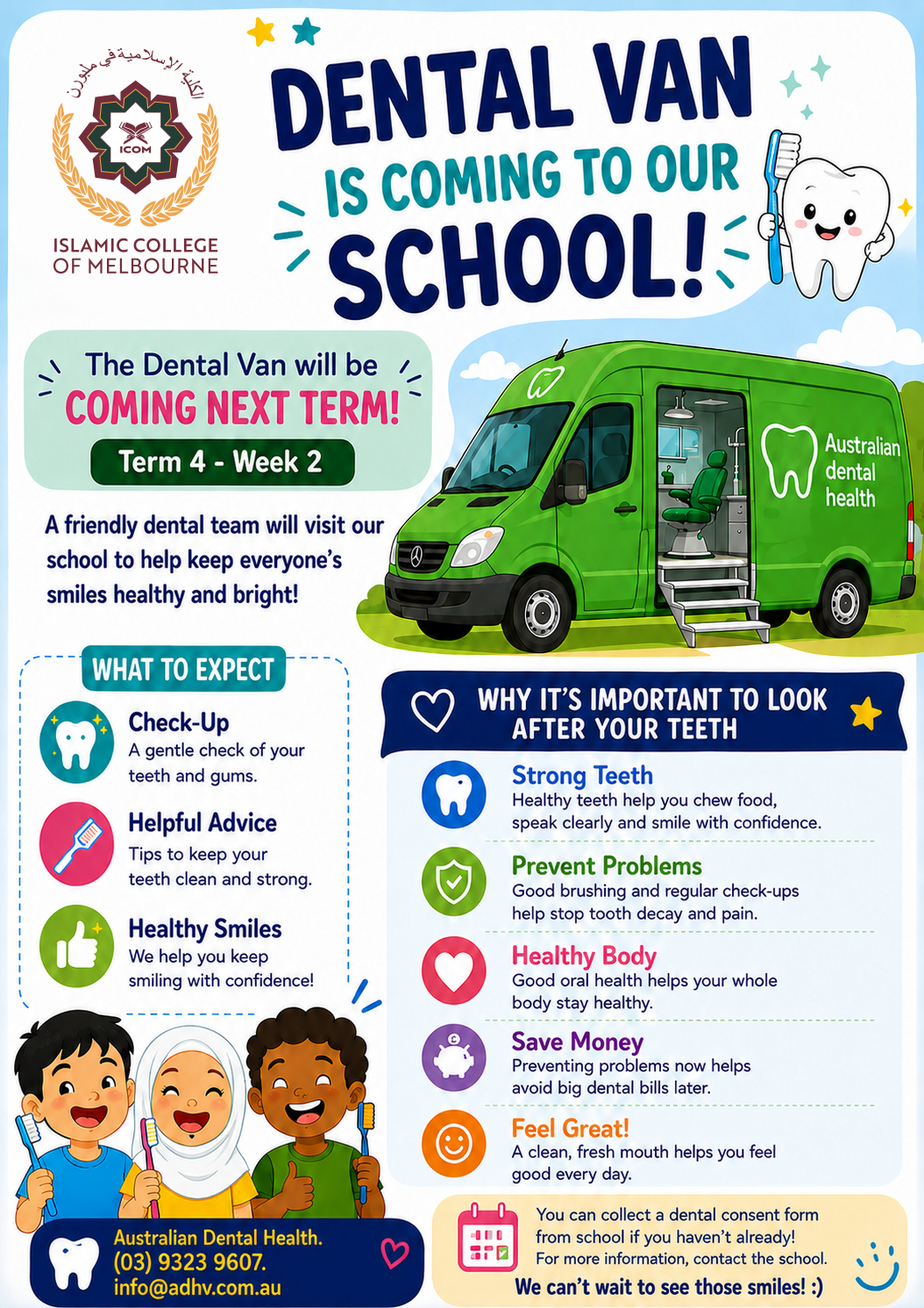
Australian Dental Health Van coming to ICOM
ICOM is pleased to welcome the Australian Dental Health Van back to our school in Term 4, Week 2.
The friendly dental team will provide students with dental check-ups, oral health education and preventative dental care, helping our students maintain healthy teeth and happy smiles. Having the dental van onsite gives students convenient access to dental care within a familiar and comfortable school environment.
For students to participate, parents and carers are required to complete a dental consent form. Forms will be accepted up until the day before the dental van commences. Consent can also be completed online by scanning the QR code provided on the physical form. If completing the form online, please let your child’s teacher know.
If you have not yet received a consent form, please contact the College or speak with one of our nurses.
For further information about Australian Dental Health and its school dental services, please visit adhv.com.au or contact their team on (03) 9323 9607.
Spring Health Reminder: Hay Fever
With spring upon us and flowers beginning to bloom, it also means the return of seasonal allergies for many people. Mona, one of our three nurses in the ICOM Sickbay, shares some helpful information about hay fever, also known as allergic rhinitis.
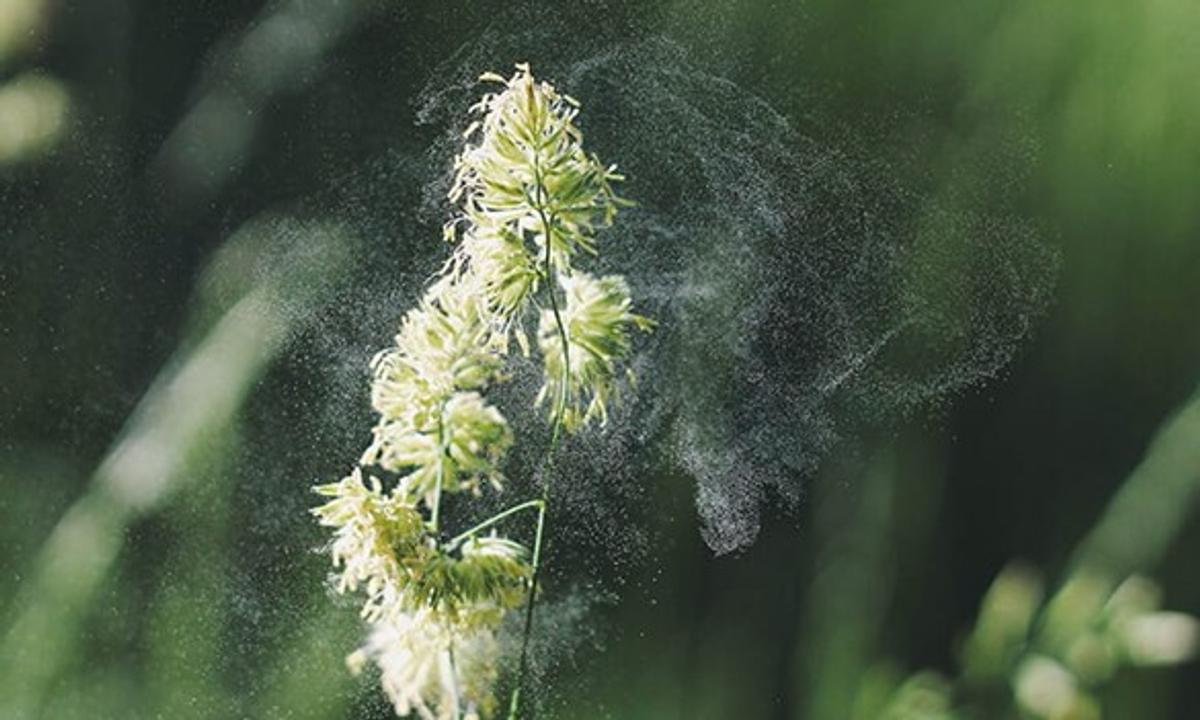
Hay fever is commonly triggered by allergens such as pollen. Pollen is carried in the air and when you get in contact with pollen, it causes an immune response. Where your body thinks it's in danger and tries to fight it off. Hay fever can affect anyone and unfortunately some of our students in primary and secondary are affected by hay fever symptoms.
Hay fever affects the eyes, throat, ears and sinuses. As parents you probably have noticed that your child's symptoms may be worse at school, which is because the school is opposite Davis Creek, causing the particles to be blown to school grounds. This is easily treated and doesn't affect school attendance.
Hay Fever Symptoms
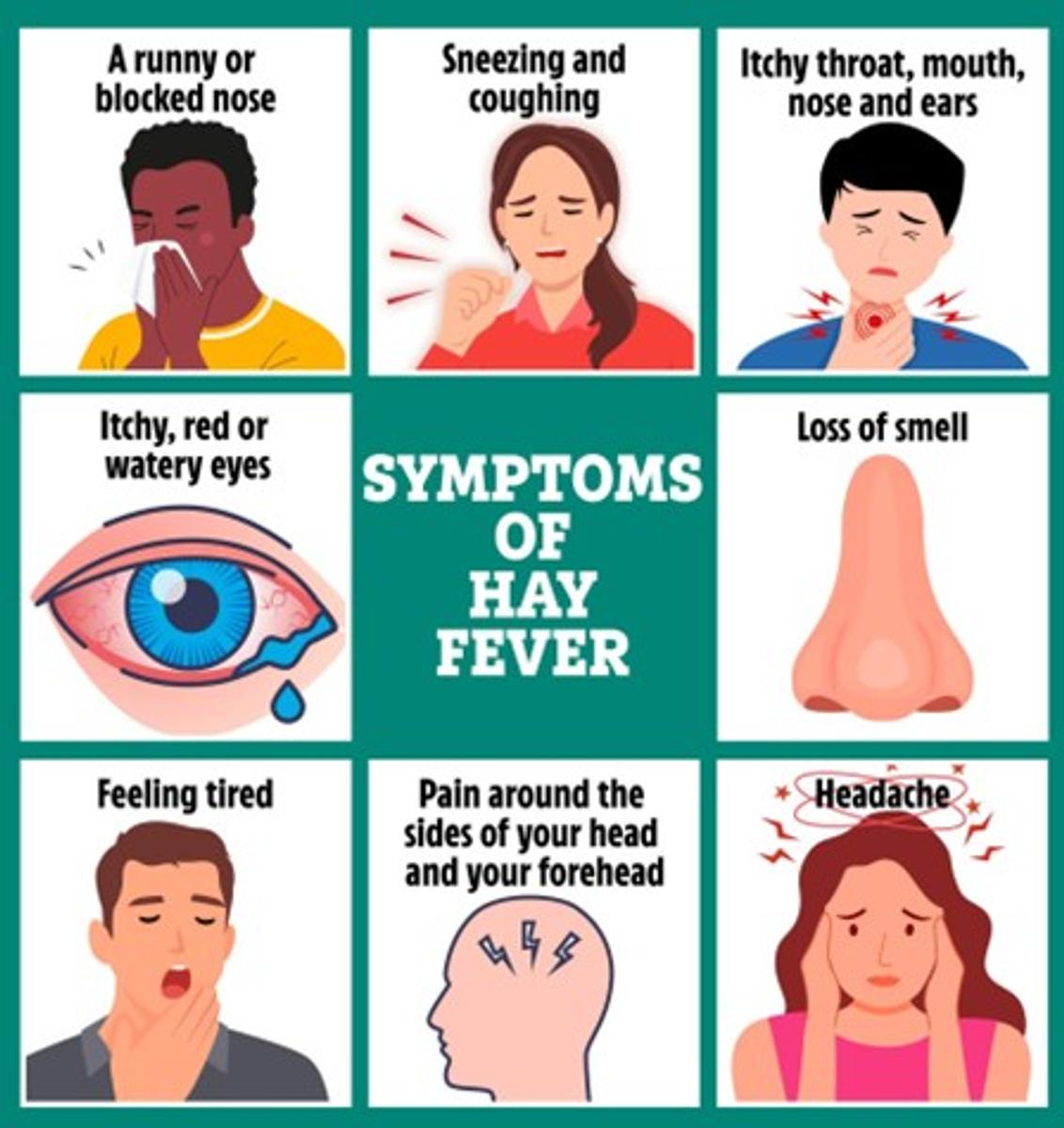
- Itchy, red, swollen or watery eyes
- Frequent sneezing
- Runny, congested nose
- Itching ears, nose, throat, and roof of mouth
Untreated symptoms can last for hours, days or weeks, causing:
- Fatigue due to symptoms and poor sleep
- Poor concentration
- Headache
- Mouth breathing
- Flare up of asthma
- Sinusitis (sinus infection)
- Eye infection
- Postnasal drip
Hay Fever Triggers
- Tree pollen – early spring
- Grass pollen – end of spring and summer
Ragweed pollen – in autumn
Hay Fever Treatments
Minimise contact with allergen. Wash away the pollen from face and body. Change clothing. Stay indoors in high pollen count days and thunderstorm. Keep windows closed.
Hay Fever Medication
Oral Antihistamines
Eye Drops
Nasal Spray
Helpful Apps
- Pollen Count & Alerts
- Melbourne Pollen count
You can also use the internet and search "pollen count today" to be updated on pollen count.
If your child has symptoms of hay fever, please complete an Allergy Care Plan with your GP and let us know, so we can accommodate your child at school.
If your child’s symptoms are all year around and not resolved by medication please see your GP and get a referral to see an immunologist.
Hay Fever Resources
For any questions, please call us or email at nurse@icom.vic.edu.au
Ms. Monaliza Tebeje, College Nurse