Level Six
Reading
In Reading this term, we have been studying narrative texts in a variety of forms. We have analysed how author's develop characters, build tension, and use foreshadowing. Students looked at different types of conflict and read example texts which use these different techniques. Regular reading fluency gave students a chance to read classic fables and practise speaking clearly and with good diction.
In literature circles, students have been reading a novel with their group, and meet weekly to discuss the plot, themes, characters, and context of their novel.
Writing
This term in Writing, students explored persuasive, narrative and procedural texts. In persuasive writing, they focused on using evidence effectively and explaining how it supported their ideas, while also considering their audience and maintaining control over their writing. During our narrative unit, students learnt how to slow down important moments, use foreshadowing to leave subtle clues for the reader, and experiment with different types of endings, including circular, emotional and open endings. In procedural writing, students examined real-world examples such as HelloFresh recipes, IKEA and LEGO instructions, and hazard posters to explore how clear imperative language, concise instructions and supportive visuals can help an audience successfully complete a task.
Numeracy
This term, Grade 6 students revisited fractions, exploring the size and equivalence of fractions before adding and subtracting them. They made real world connections by investigating situations involving fractions of a quantity and fractions of a whole, such as sharing food and working with recipes. We then explored the connection between fractions and decimals, applying decimal addition and subtraction to a range of real world scenarios.
Students also investigated angles, learning to accurately measure angles using a protractor and using mathematical reasoning to find unknown angles. This included exploring transversal lines and the interior angle sum of triangles, while using estimation to check whether their answers were reasonable.
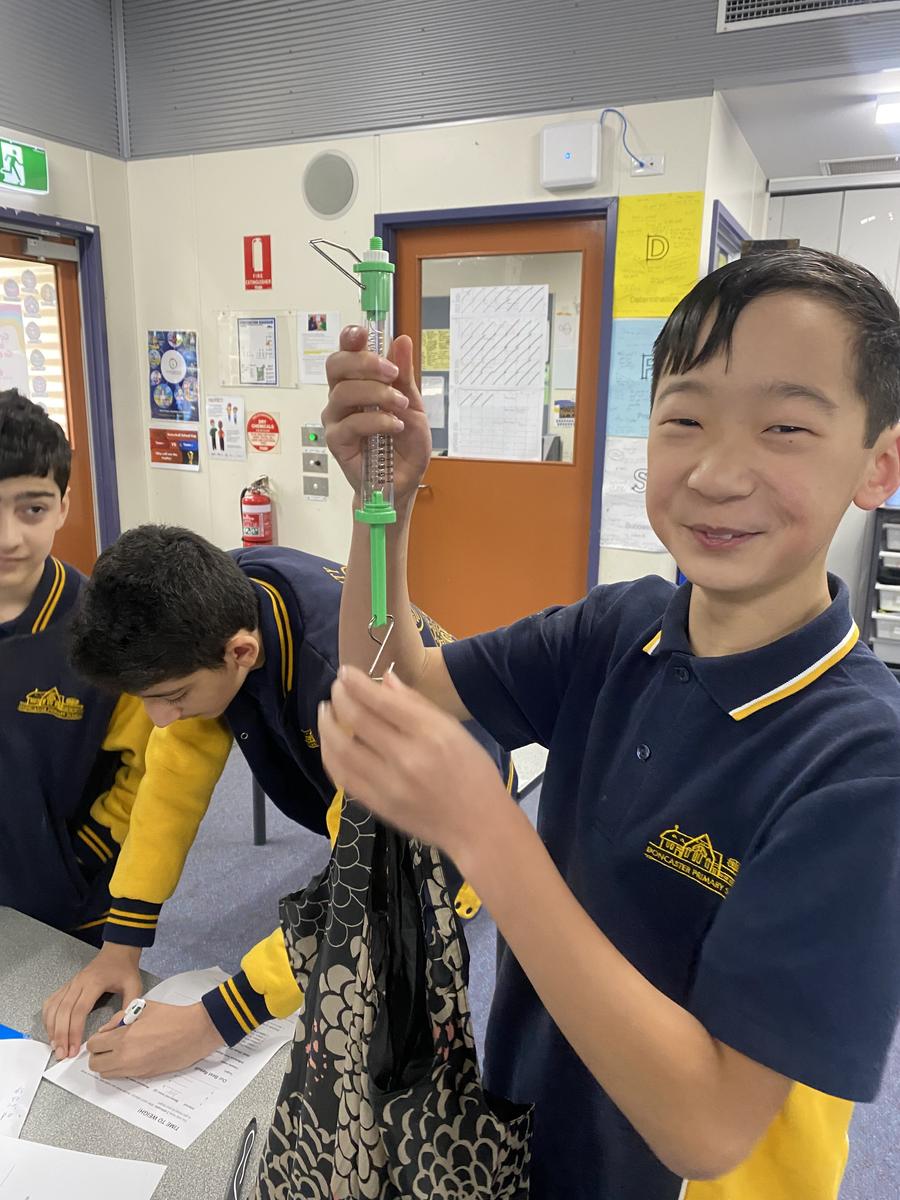
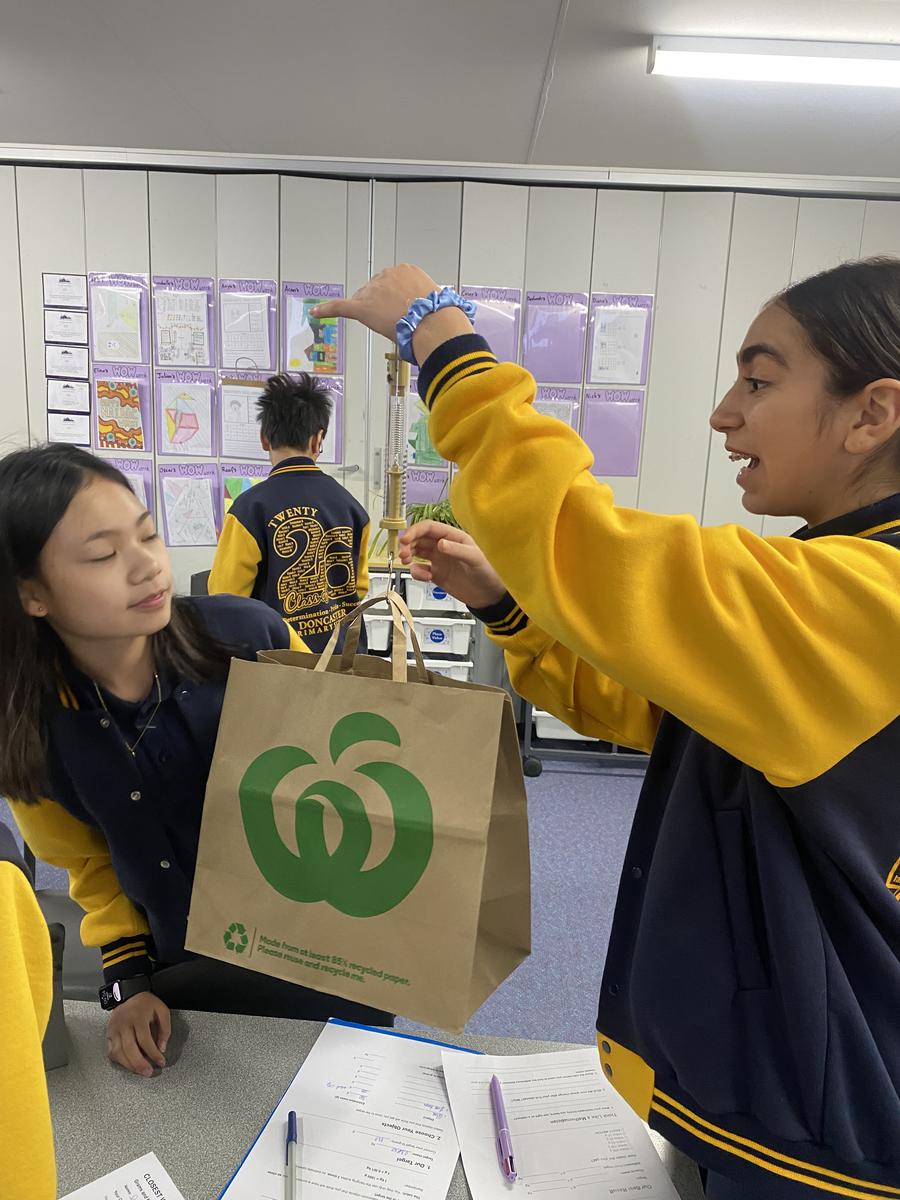
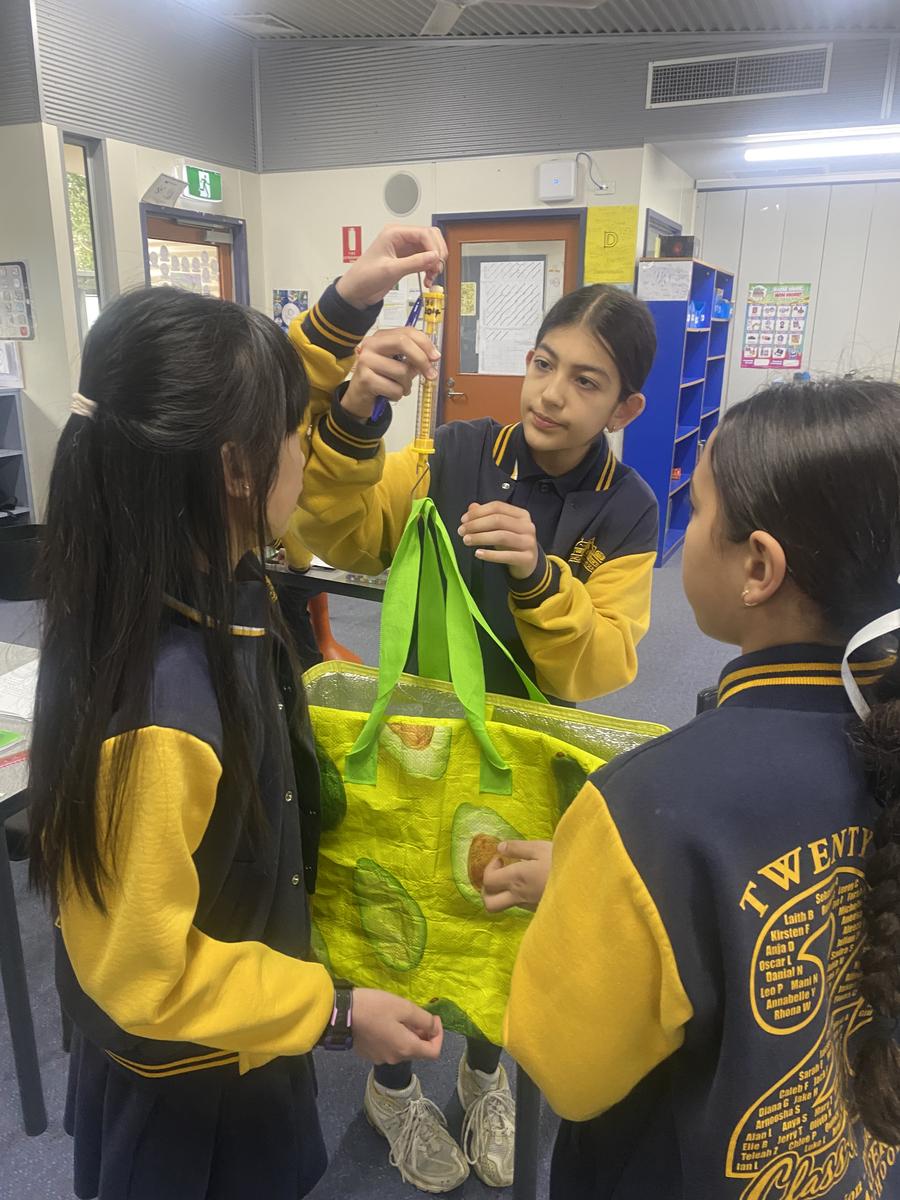
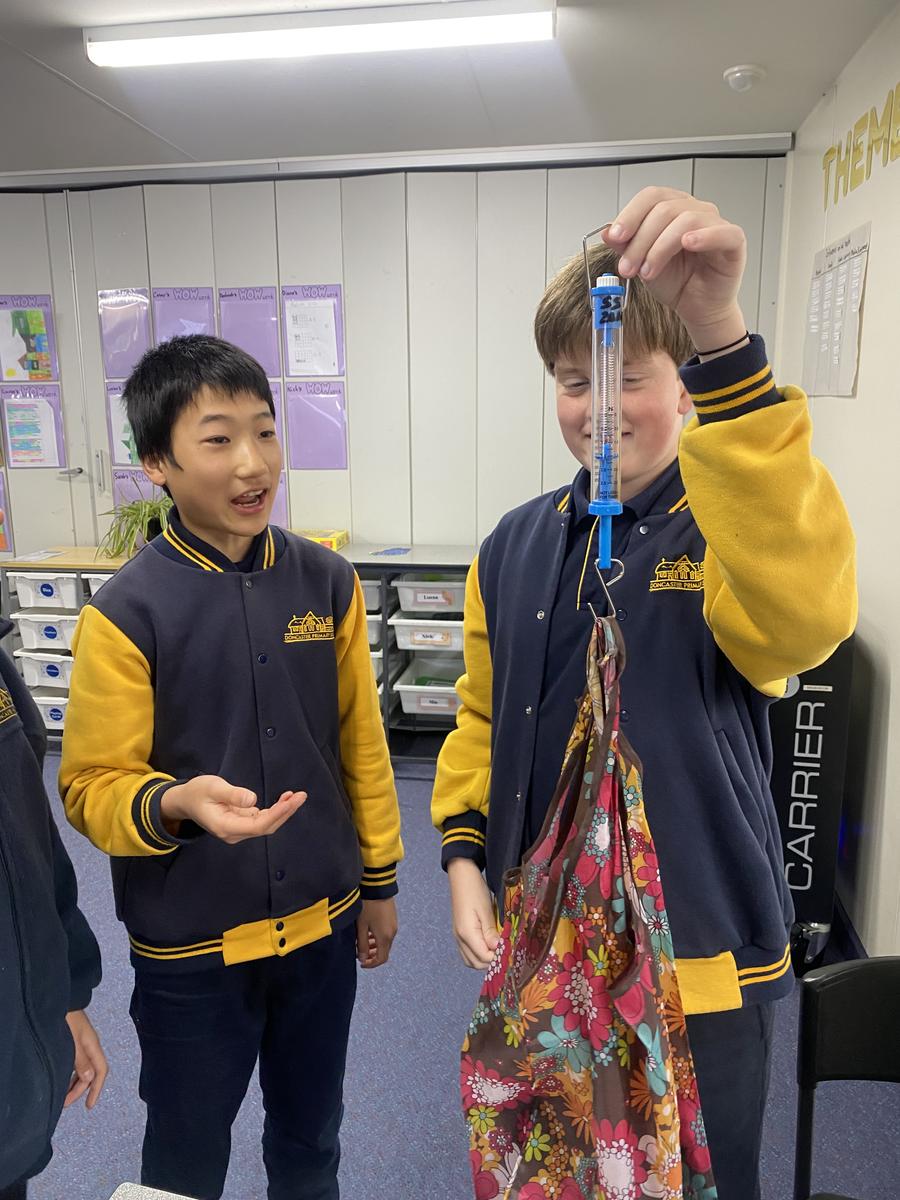
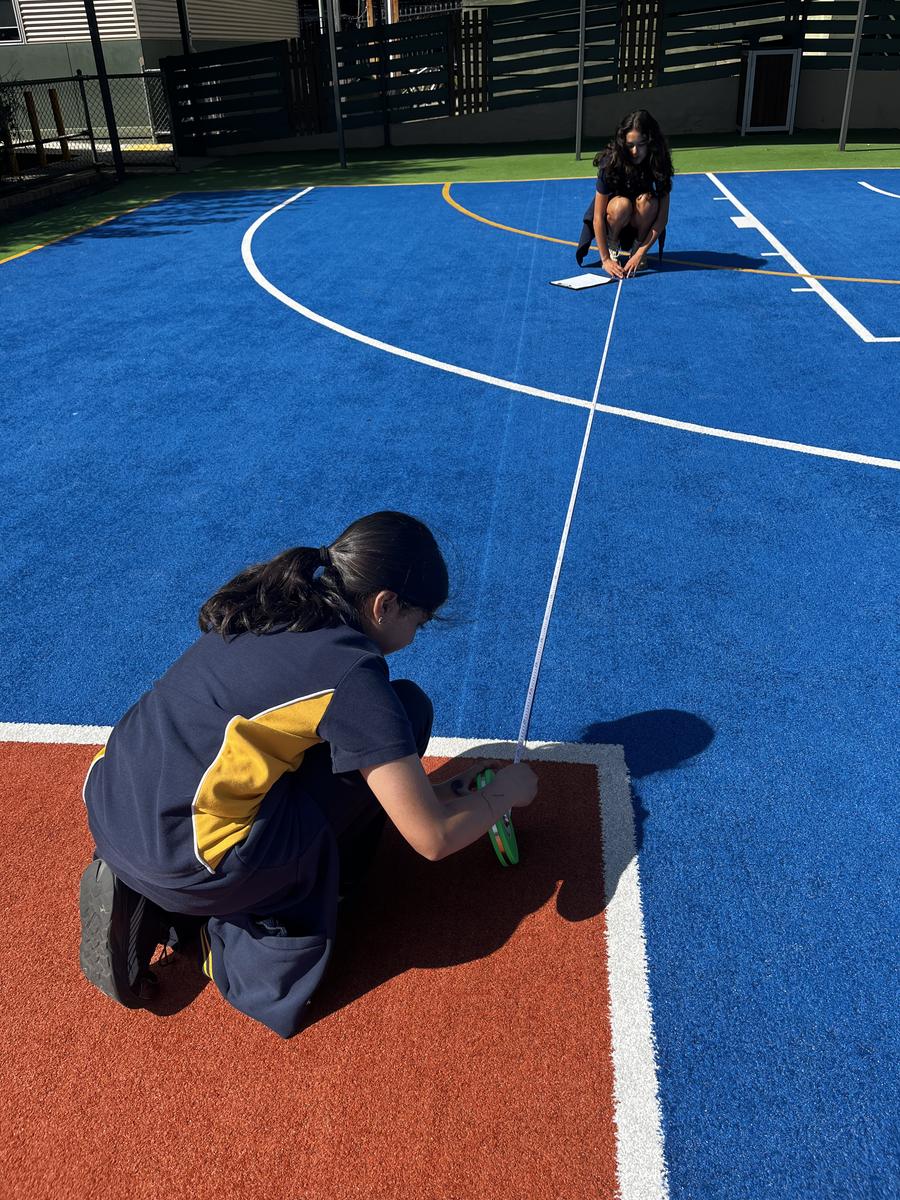
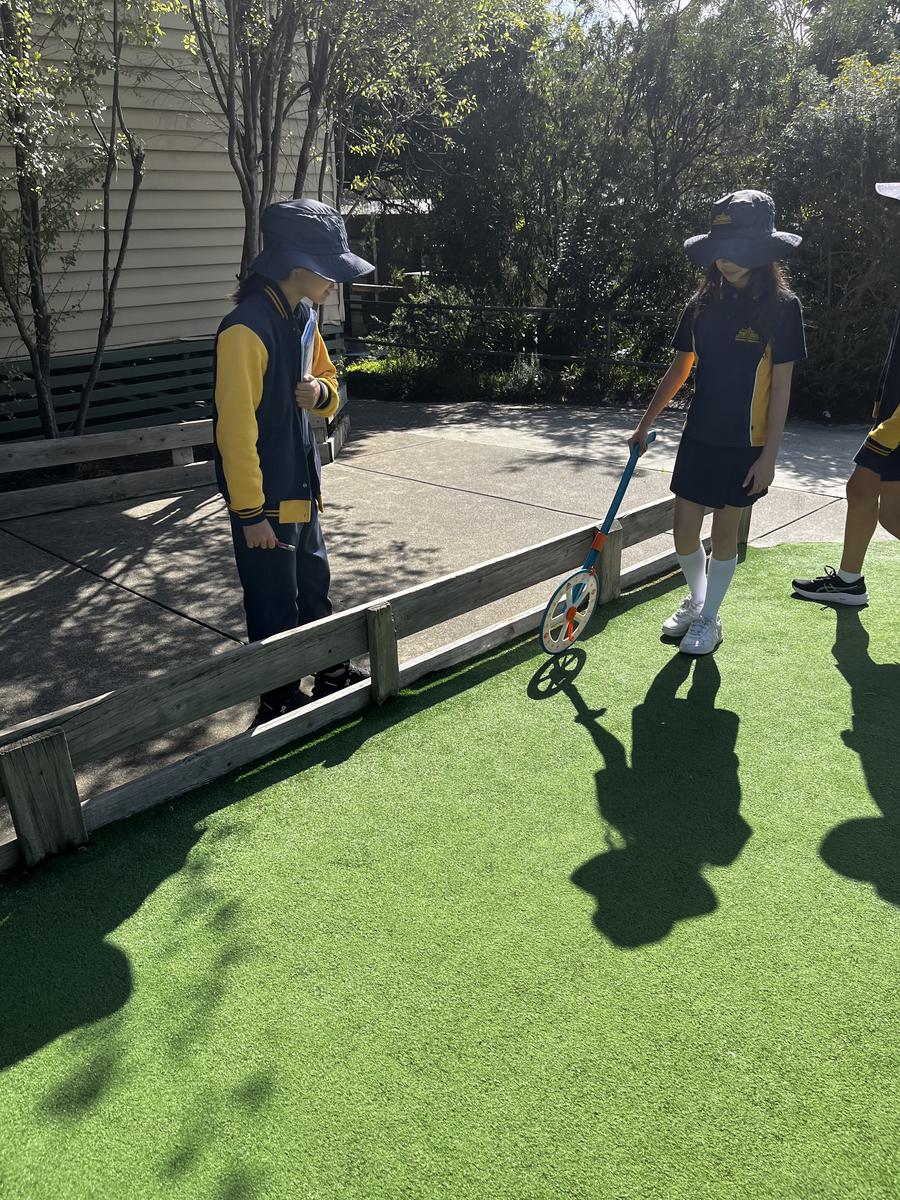
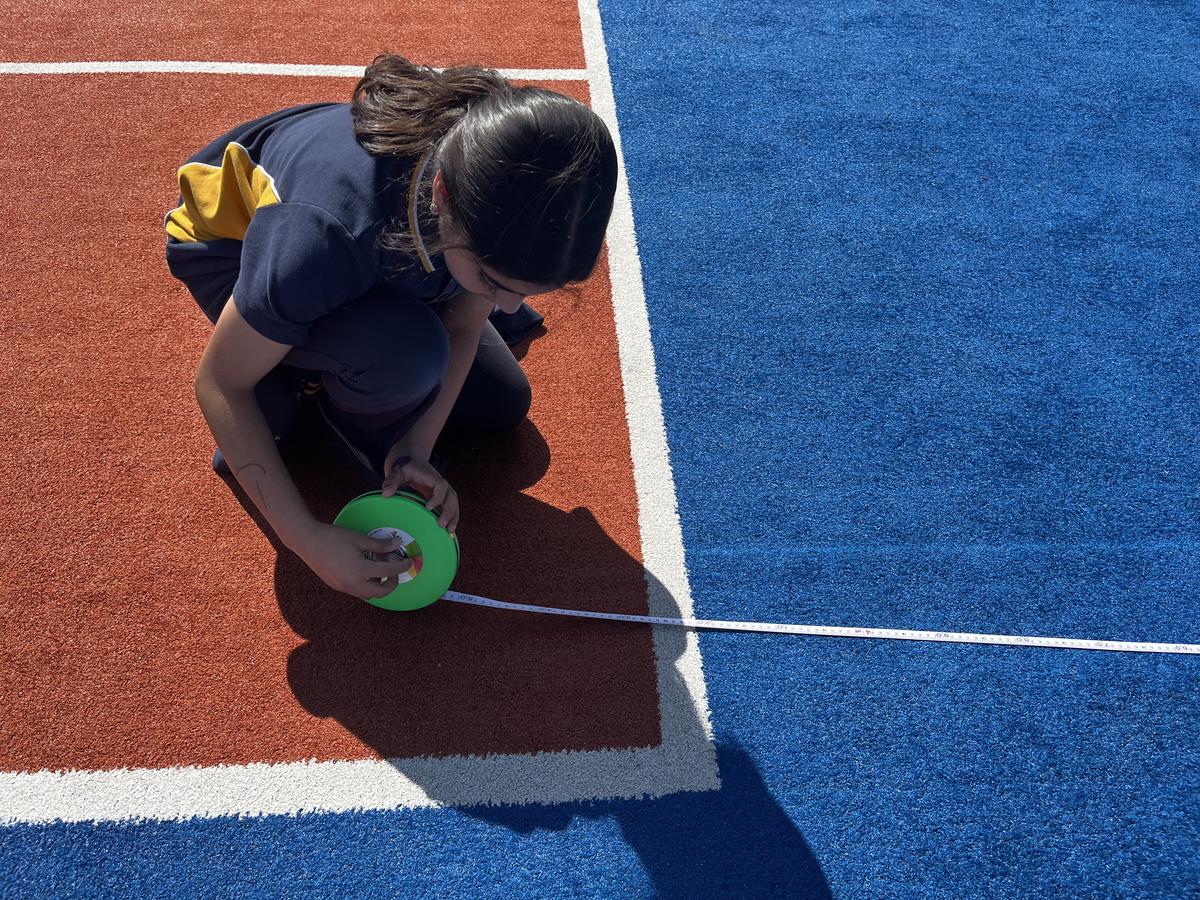
We then moved into measurement, converting between different units and using measuring instruments to estimate and measure weight, volume and distance. To finish the term, students explored time duration and timetables, interpreting real world airport, bus and train schedules, solving problems and creating their own timetables.
Theme
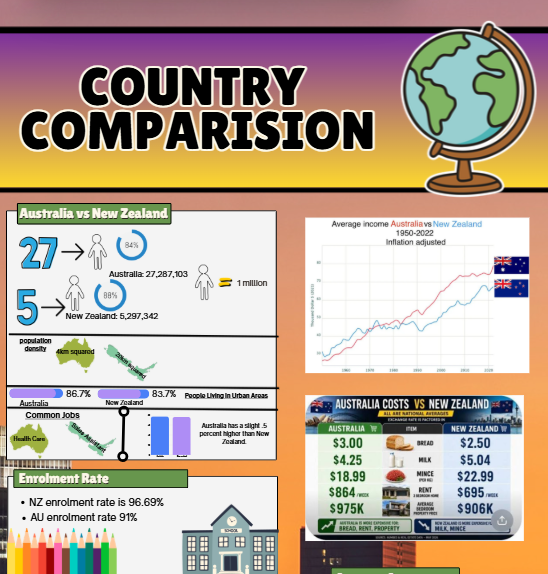
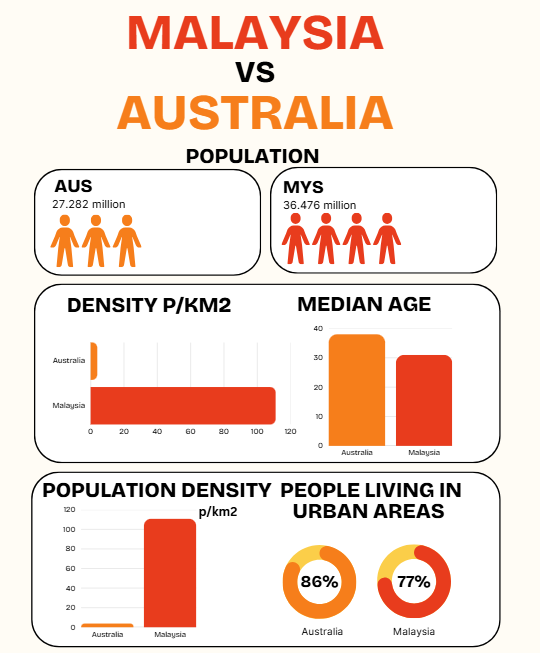
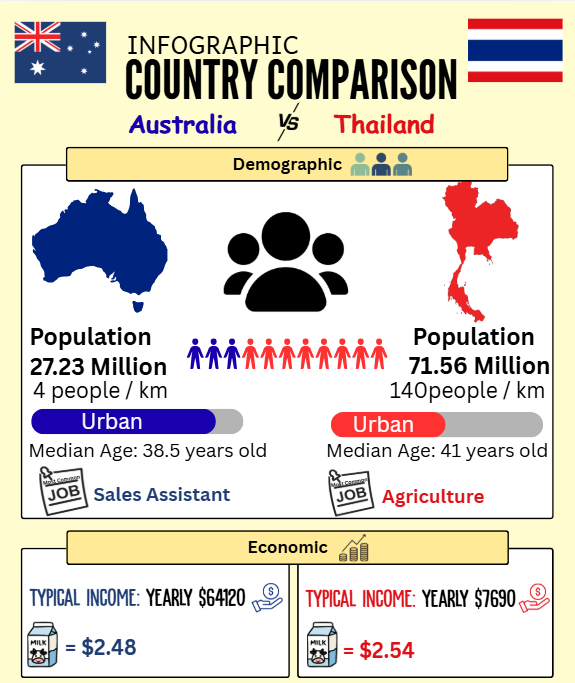
In our recent Geography unit, students have been exploring the geographical diversity of the Asia–Pacific region. They have located major countries and investigated the connections these countries share with Australia. To demonstrate their learning, each student created an infographic comparing the economic, demographic, social and cultural characteristics of Australia with a selected country from the Asia–Pacific region. The infographics included information about population, economy, education, culture, lifestyle and other key features. Students enjoyed researching their chosen countries and presenting their findings in a clear, informative and visually engaging way.
Swimming
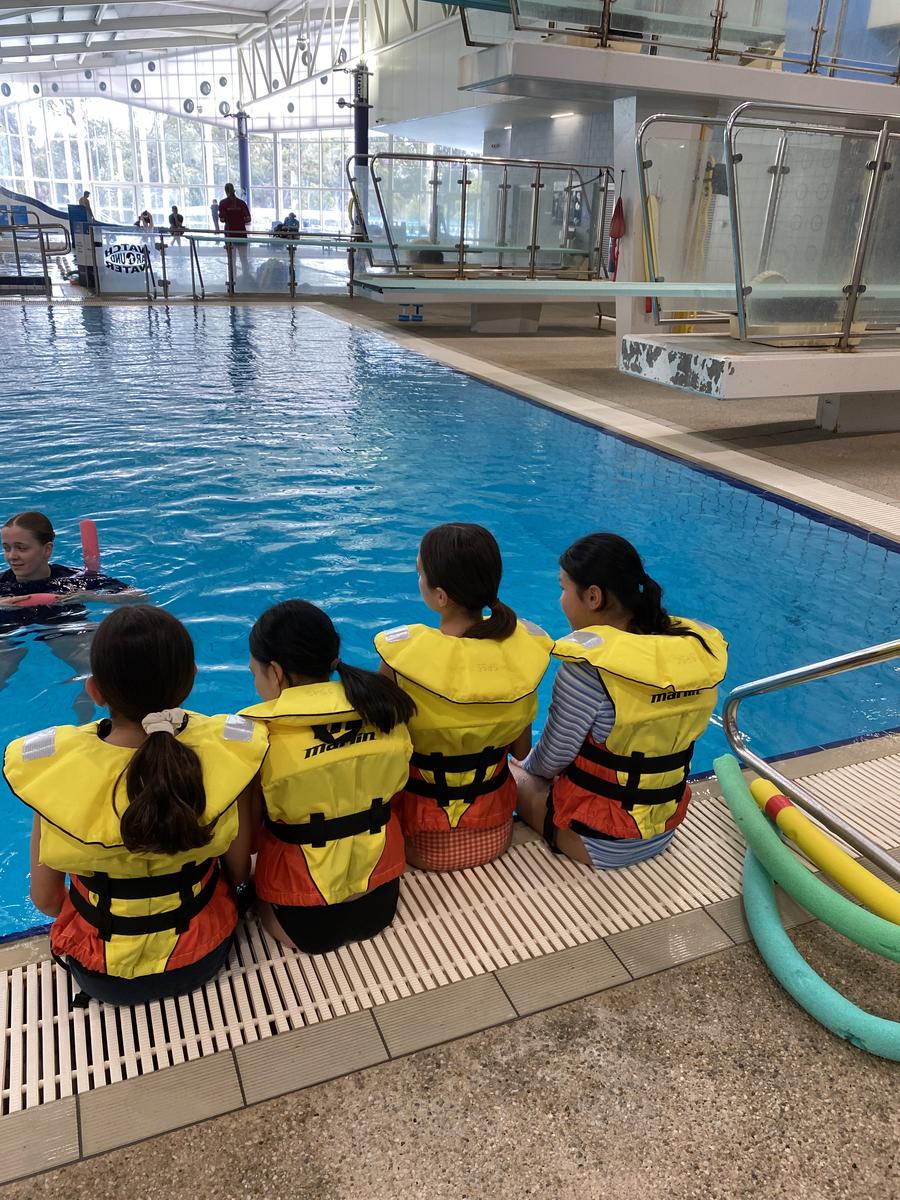
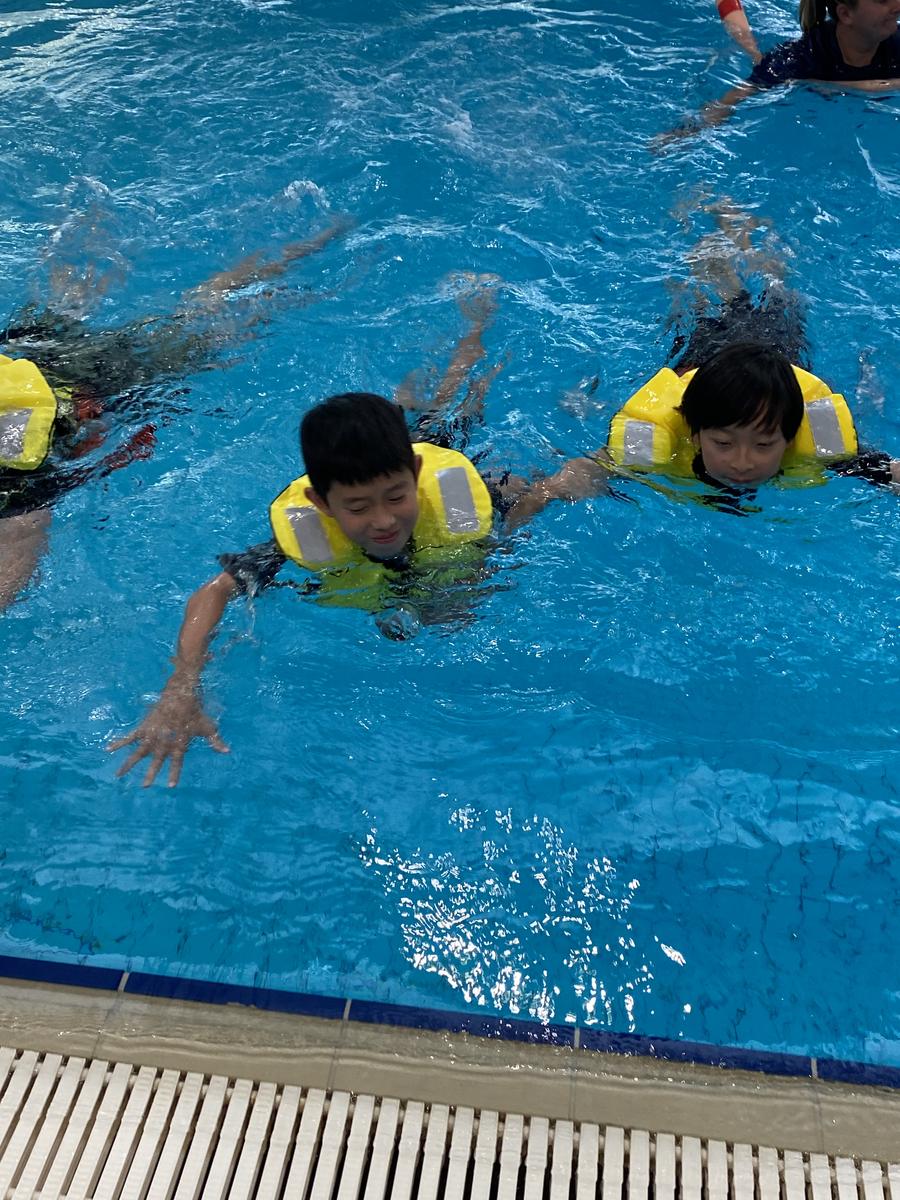
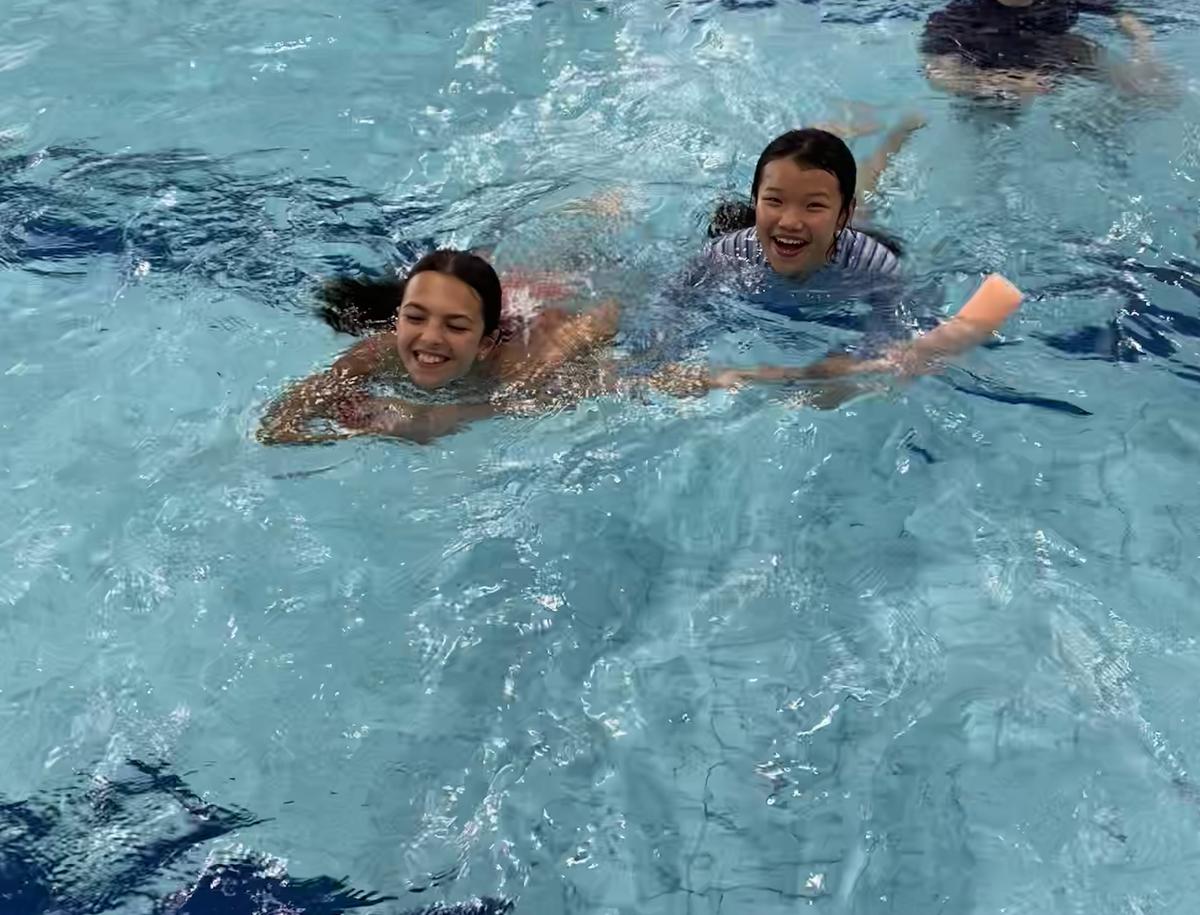
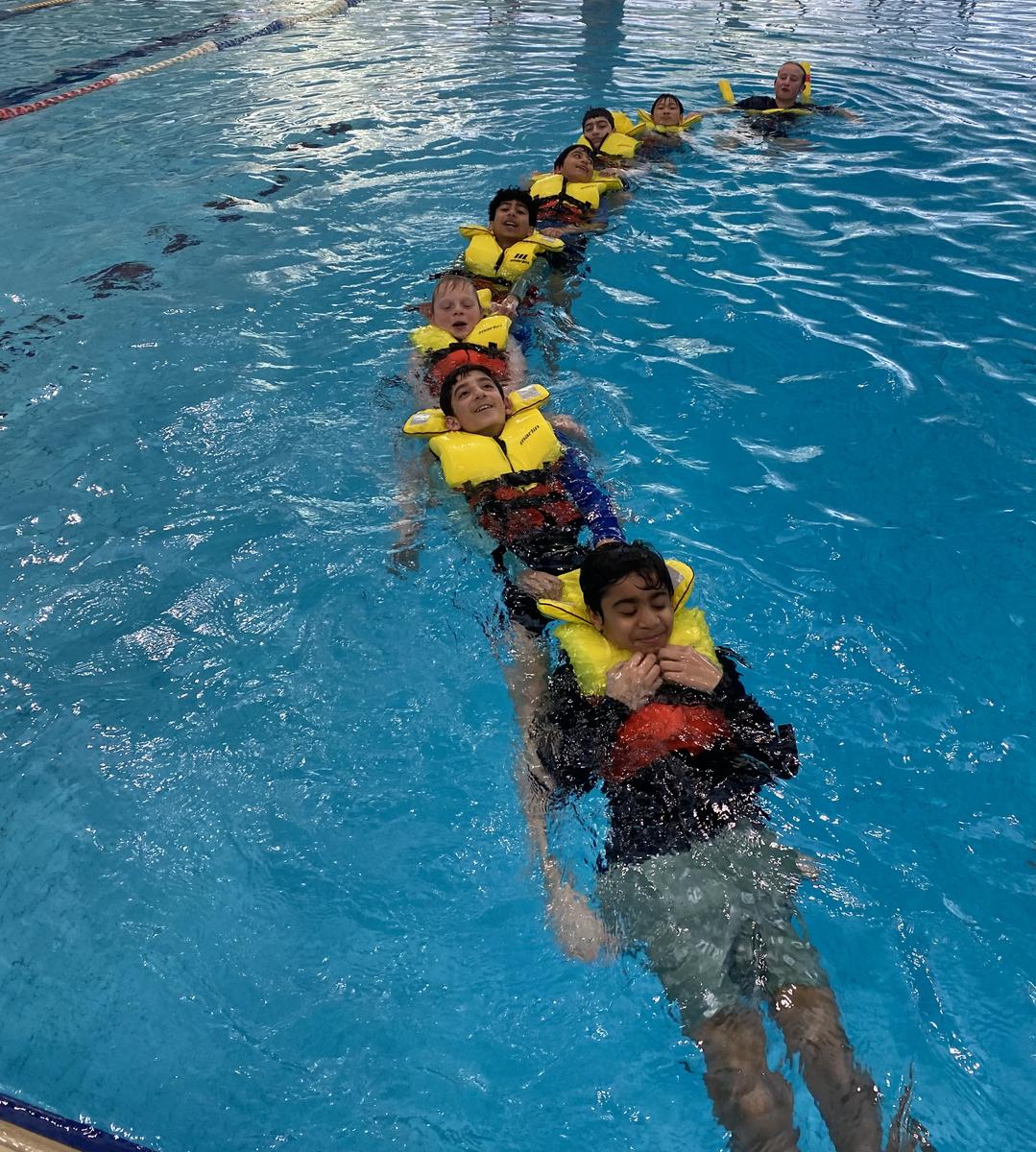
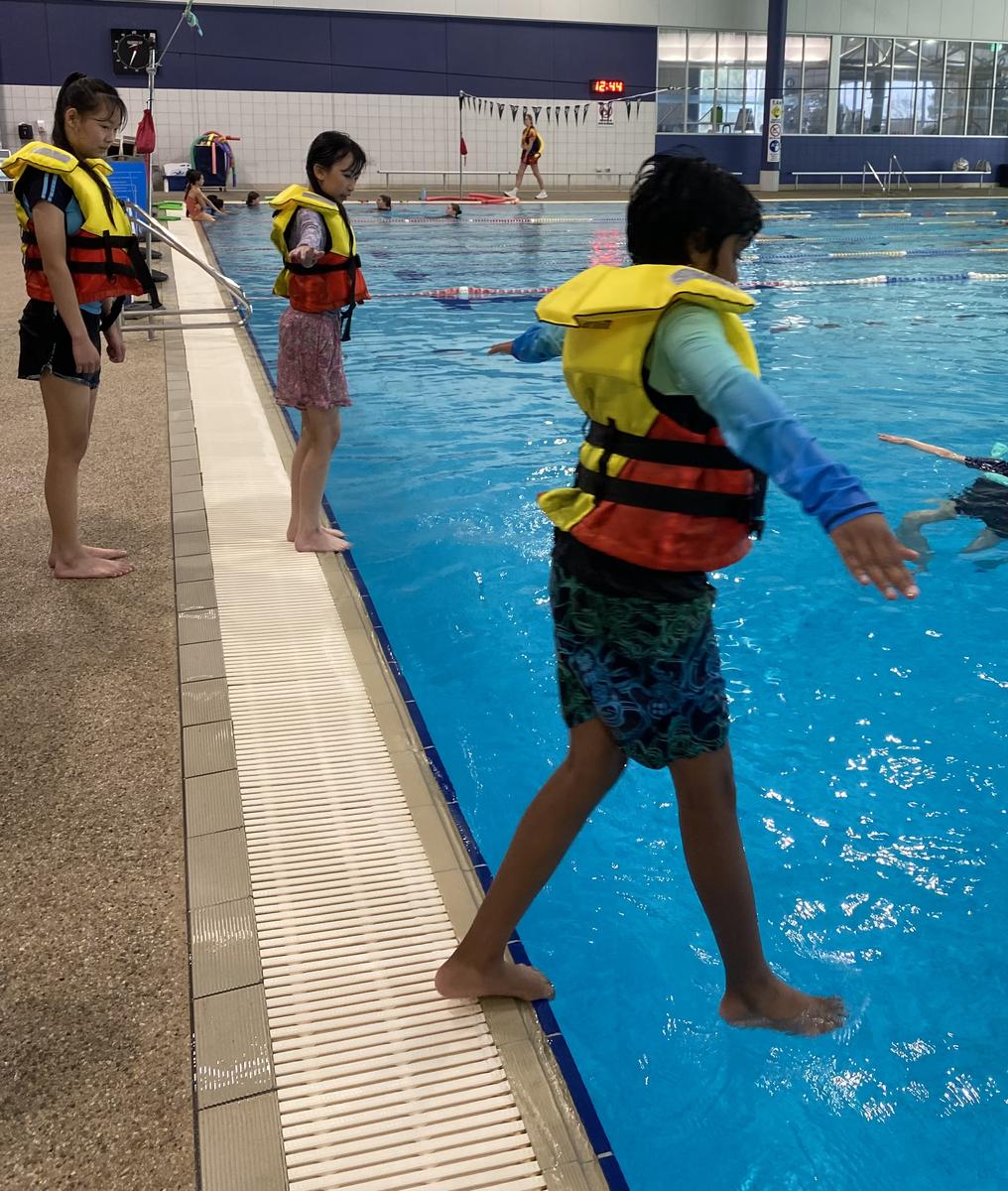
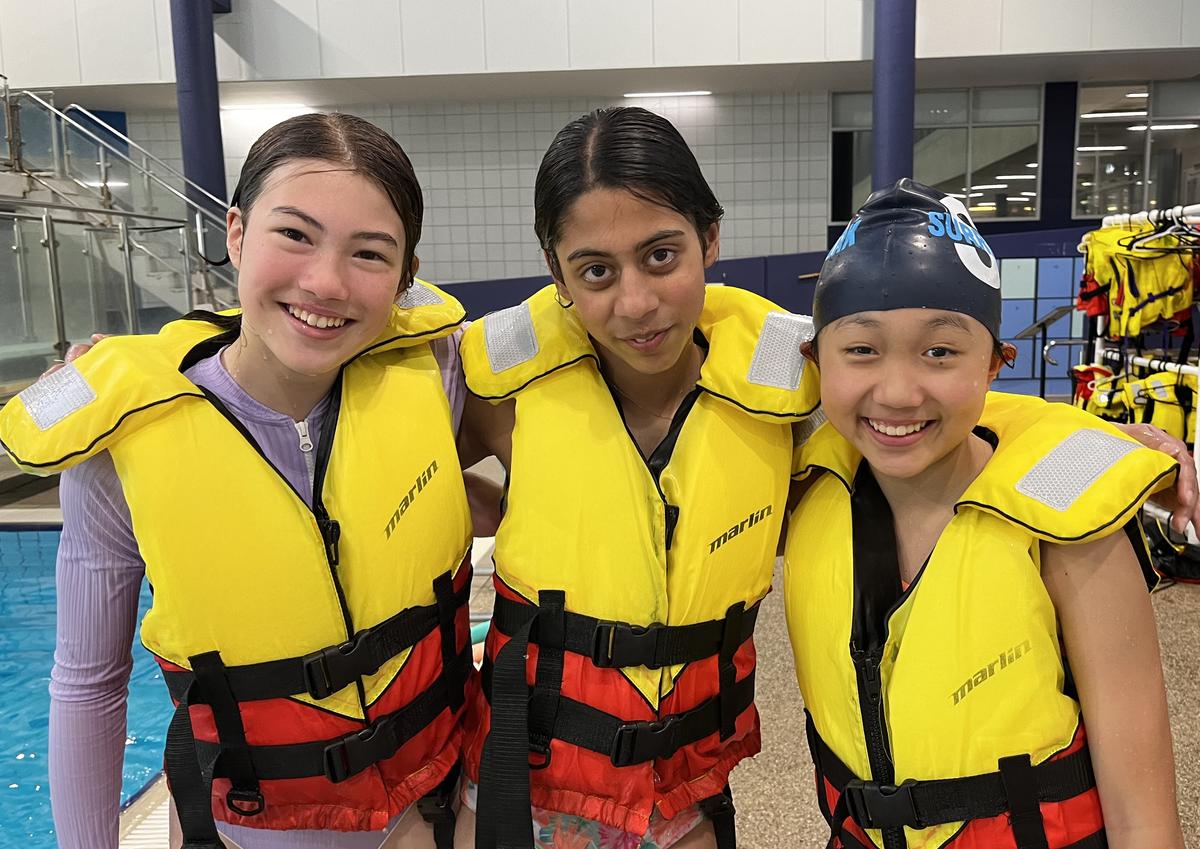
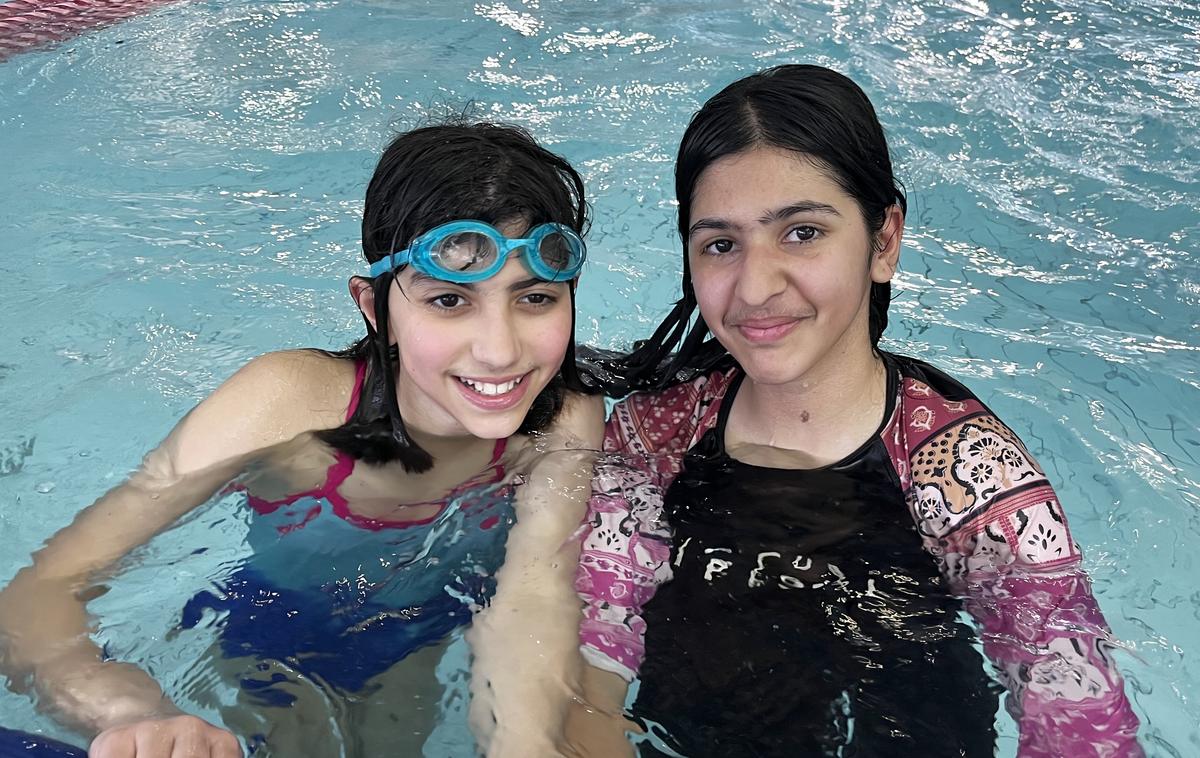
Today, our Level 6 students enjoyed participating in a water safety and lifesaving program. Working collaboratively in groups, they developed their confidence in the water while learning valuable skills, including
how to use life jackets, perform reach-and-throw rescues, use survival strokes and tread water. It was a valuable and enjoyable experience that supported important learning within the Level 6 Physical Education curriculum.