
Wellbeing
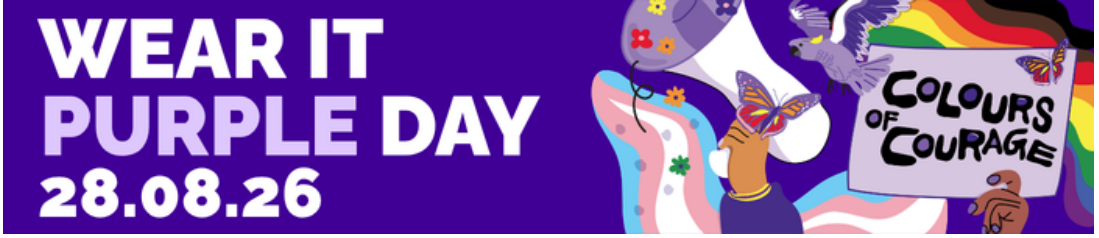
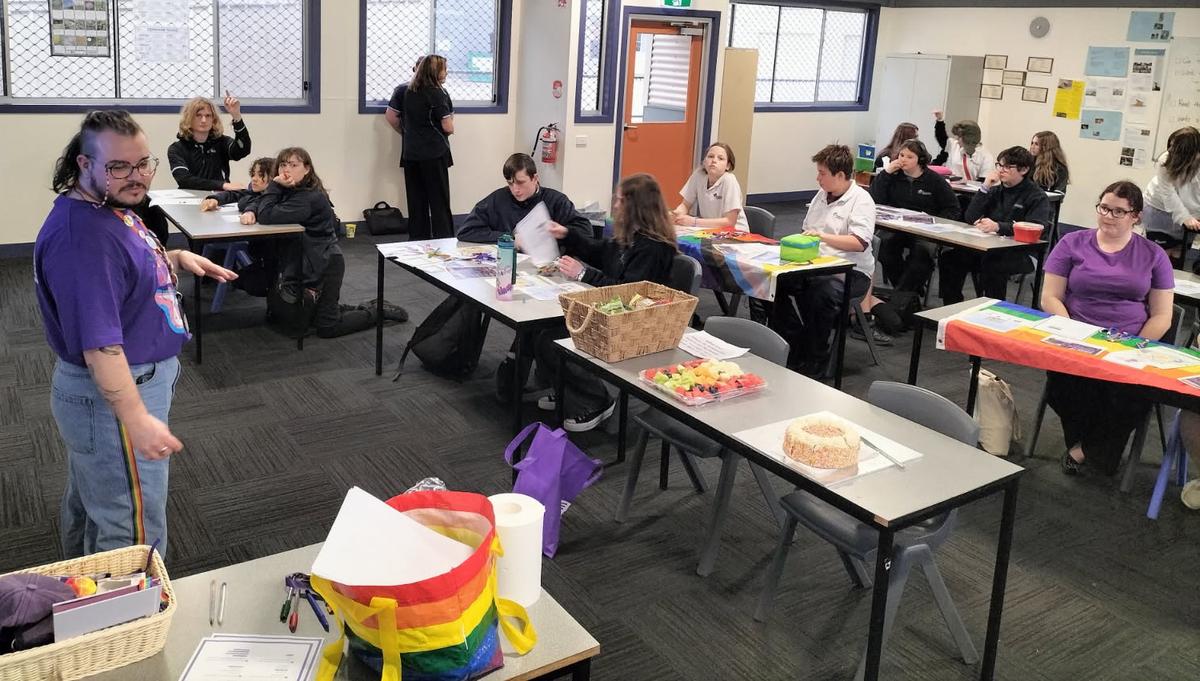
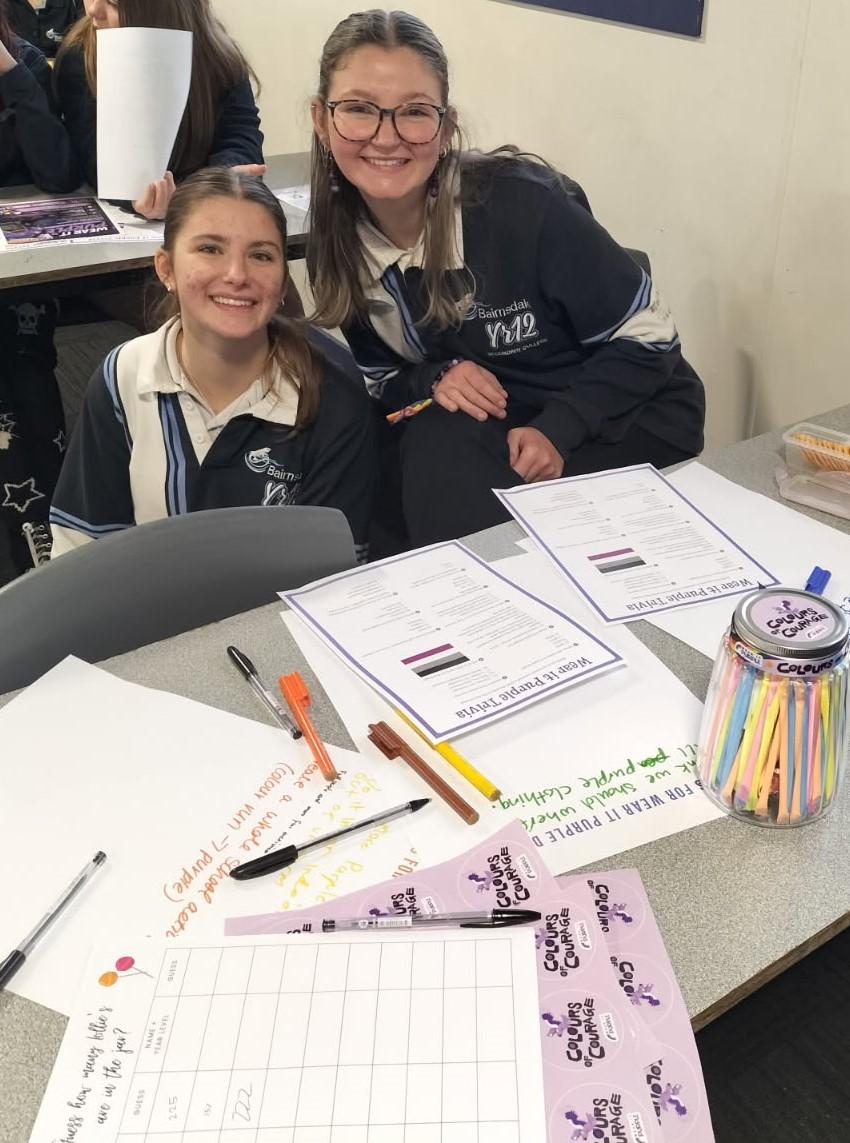
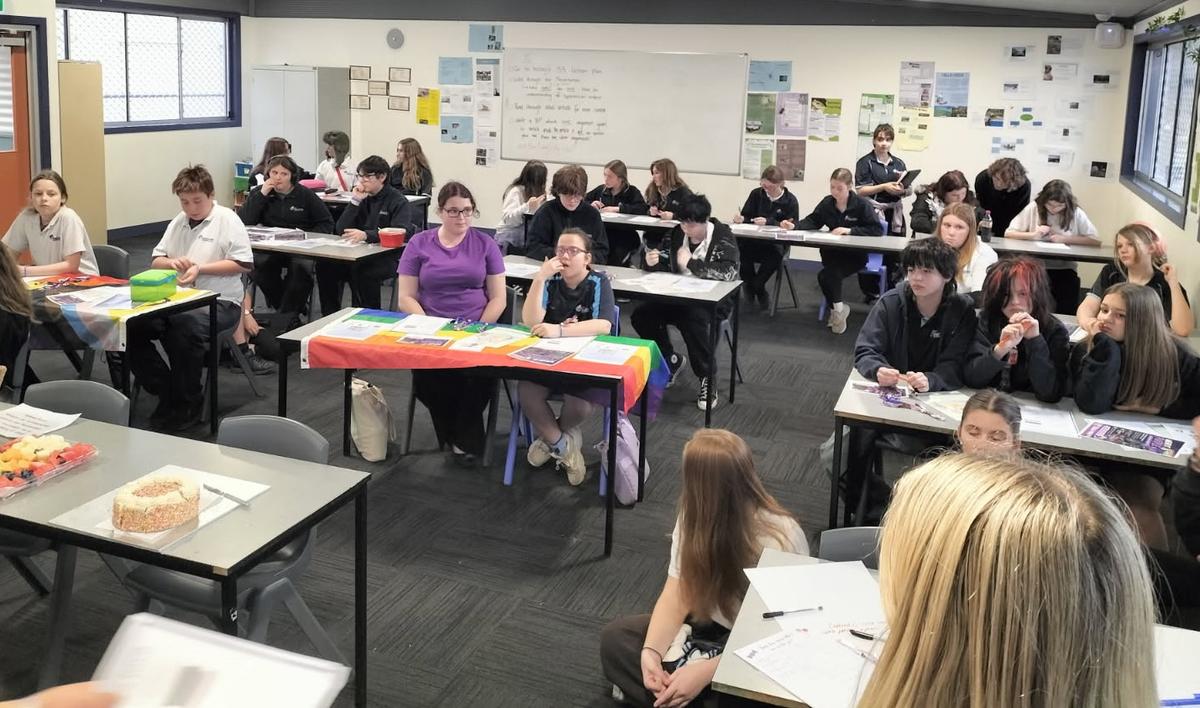
Last Friday, the BSC community proudly recognised Wear it Purple Day, an annual movement dedicated to celebrating diversity and fostering a supportive environment for LGBTQIA+ young people. This year’s theme, "Colours of Courage", perfectly reflects the resilience of rainbow youth and the vital role that allies play in standing beside them.
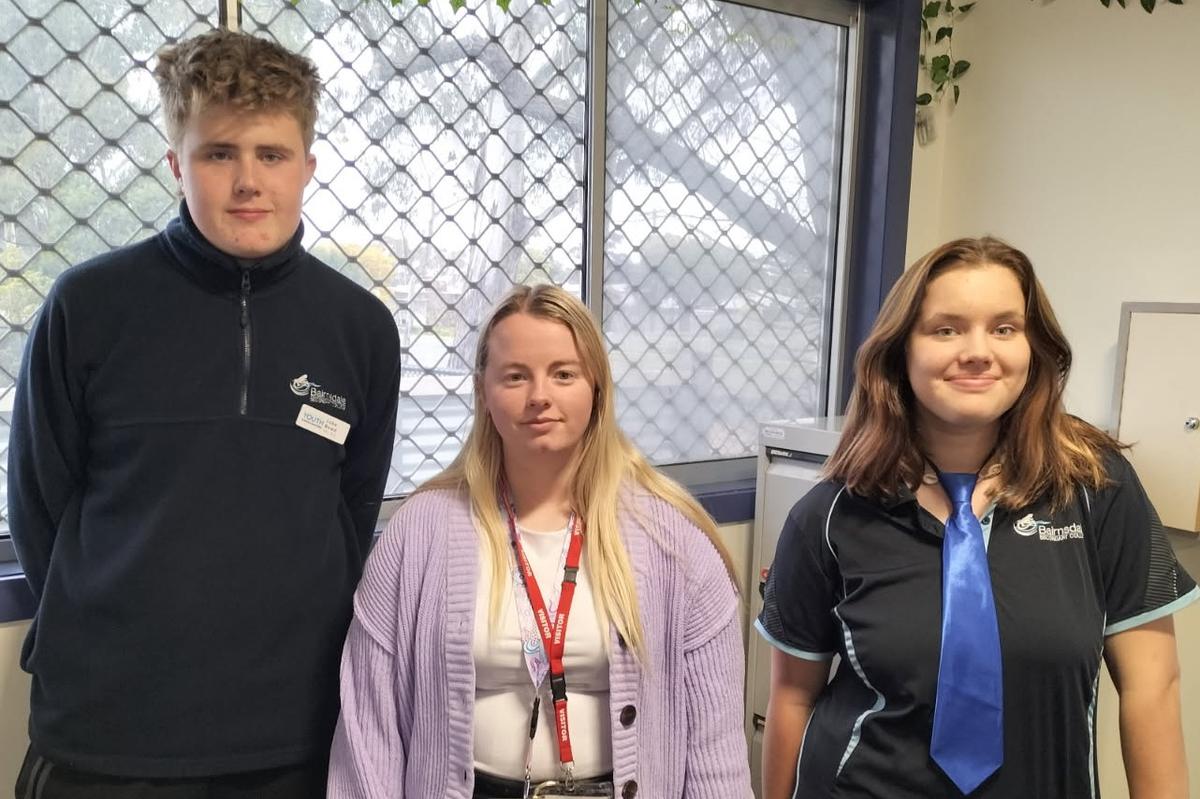
It was wonderful to see so many students and staff embracing the occasion by accessorising in shades of purple to show their support. Our celebration continued later in the day as we welcomed special visitors from our local community, who joined students in interactive activities to champion inclusion and mutual respect.
Events like Wear it Purple Day remind us that creating a safe, empowering space is a shared daily commitment. Thank you to everyone who brought their passion, spirit, and courage to school to ensure that every individual at BSC knows they truly belong.
💜💜💜💜💜💜💜💜💜💜💜💜💜💜💜💜💜💜💜💜💜💜💜💜💜💜💜💜


💜💜💜💜💜💜💜💜💜💜💜💜💜💜💜💜💜💜💜💜💜💜💜💜💜💜💜💜💜
-----------------------------------------------------------------------------------------------------------------------------
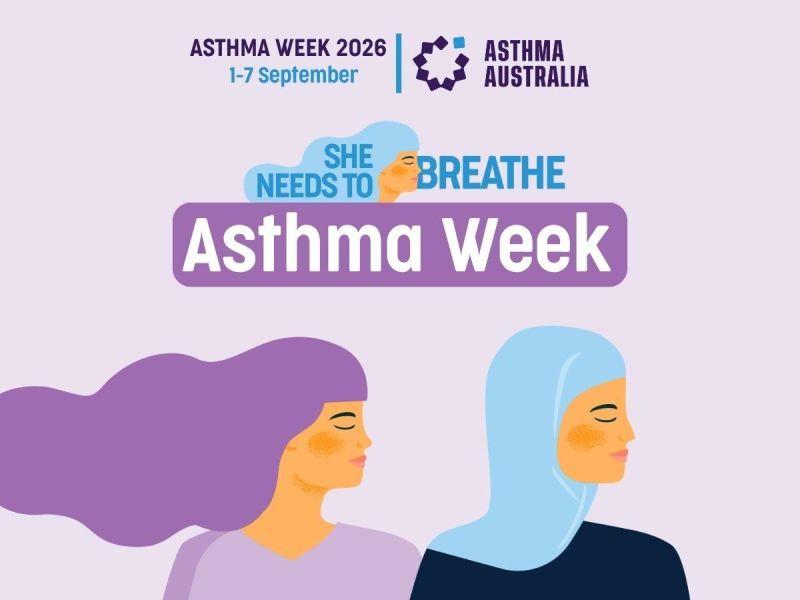
This Asthma Week, we’re shining a light on women and girls with asthma. Even though asthma is more common in primary-school aged boys, after puberty the pattern shifts: asthma becomes more common in females than males. Girls who already carry a high burden in childhood move into adolescence and adulthood with an even greater gendered risk. This shift is driven by hormonal changes that increase airway inflammation and asthma severity.
The teenage years are a key time for asthma care. Teens reach new age milestones that open up more treatment options. They also start taking on more responsibility for their own asthma. Peer pressure and wanting to feel “normal” can make asthma care harder. Supervision of daily preventer use often drops, and teens are expected to manage their medicines and symptoms on their own.
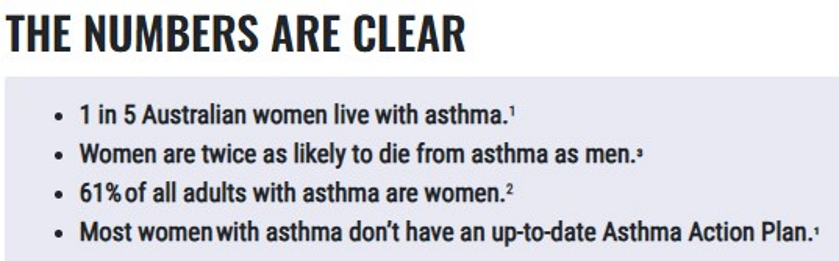
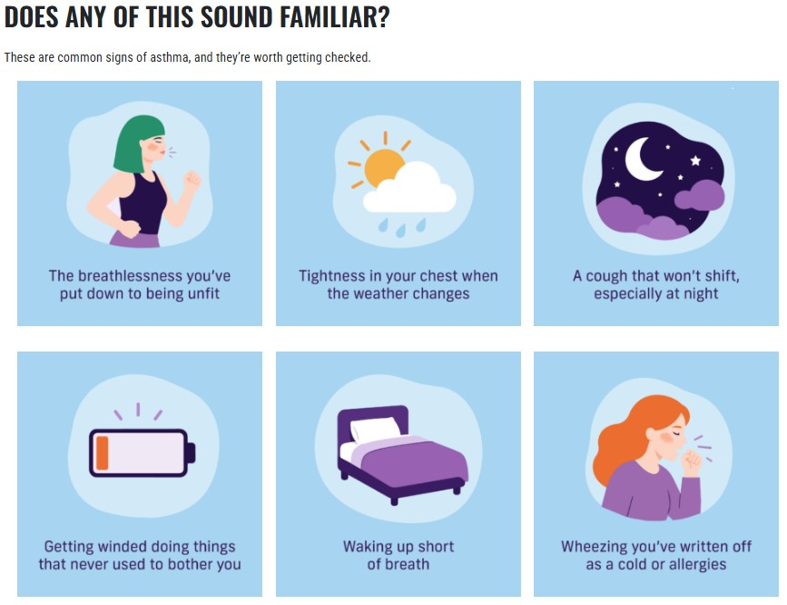
ASTHMA CARE PLANS
Asthma care plans in schools provide clear, doctor-written instructions to manage a student's daily symptoms and guide staff through emergency responses during an asthma flare-up. Why Asthma Care Plans matter:
- Clear Guidance: They act as an instruction manual outlining specific triggers, daily medications, and warning signs.
- Emergency Readiness: Staff know exactly when and how to administer reliever medication or call for emergency help.
- Reduced Risk: Having a plan at school lowers the chance of severe attacks, hospital visits, and missed school days.
- Shared Responsibility: They help parents, general practitioners, and school staff work together to keep children safe
Learn more about asthma guidelines for teenagers:
Highschool Parents: What does your teen need for their asthma? - Asthma Australia
Learn more about teenager’s asthma care:
Asthma in Teenagers | Tips for Parents & Young Adults
References
Reddel H,. The burden of asthma in Australian women. 2024 National Breathlessness Survey. Australian Centre for Airways Disease Monitoring (ACAM), Woolcock Institute of Medical Research. Macquarie University, Sydney. Commissioned by Asthma Australia
Australian Bureau of Statistics (ABS). Asthma, National Health Survey, latest release. www.abs.gov.au/statistics/health/health-conditions-and-risks/asthma/latest-release
Australian Bureau of Statistics (ABS). Causes of Death, Australia, 2024. www.abs.gov.au/statistics/health/causes-death/causes-death-australia/2024
-------------------------------------------------------------------------------------------------------------------

THURSDAY 10th SEPTEMBER
Held annually, R U OK? Day is a National Day of Action dedicated to reminding people to ask, ‘Are you okay” and connect with those struggling with life’s ups and downs.
Key goals and focus:
Encouraging connection: It inspires people to support friends, family, and colleagues before a crisis occurs
Building confidence: The campaign teaches people how to ask the question, listen without judgment, and guide someone toward professional help if needed
- Normalize conversations: Encourage open discussions about emotional well-being so that asking for and offering help becomes part of daily culture
To acknowledge the occasion, BSC student leaders have arranged an
out of uniform day (yellow of course!) and the day will be further celebrated with a
Staff vs Students basketball game during Break 2, pop-up photo booths and
Zooper Doopers on offer from the Wellbeing team.
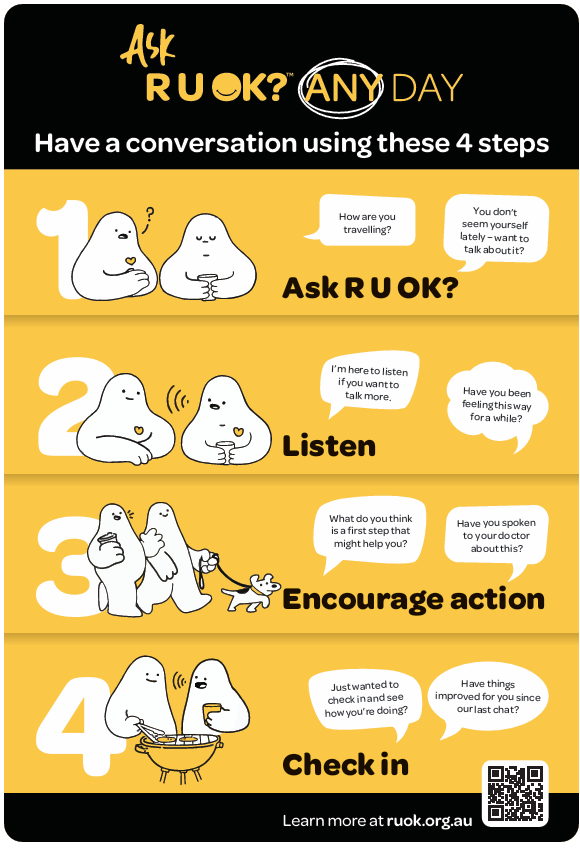
For more information, visit: A conversation could change a life | R U OK?
-------------------------------------------------------------------------------------------------------------------------------------
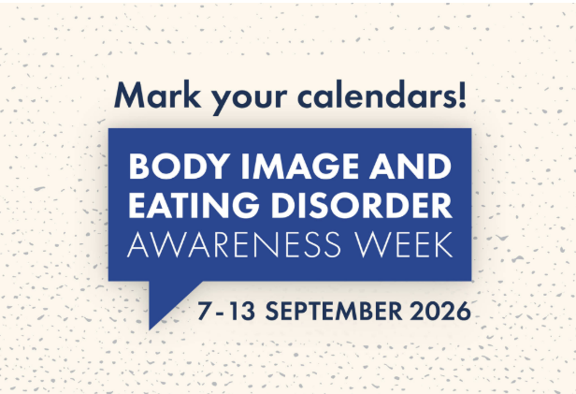
Body Image and Eating Disorder Awareness Week (BIEDAW) is a national awareness campaign dedicated to improving understanding of body image concerns, disordered eating and eating disorders. The 2026 theme: Redefining ‘Wellness’ – Stories we’re sold about health and our bodies, challenges the growing influence of diet and wellness culture, exploring how popular narratives about health, appearance and self-improvement can contribute to body dissatisfaction, disordered eating and eating disorders.
- WARNING SIGNS OF EATING DISORDERS -
It’s important to know that it’s not always easy to tell if a person has an eating disorder based simply on their appearance. Here are some of the warning signs to watch out for, including behavioural, physical and psychological signs.
Behavioural warning signs
- Dieting behaviours, such as fasting, counting calories or avoiding food groups
- Evidence of binge eating, such as hoarding food
- Evidence of vomiting or laxative use
- Excessive or obsessive exercise patterns
- Changes in food preferences (e.g. refusing to eat certain ‘fatty’ or ‘bad’ foods, cutting out whole food groups such as meat or dairy, claiming to dislike foods previously enjoyed, a sudden concern with ‘healthy eating’, or replacing meals with fluids)
- Rigid patterns around food
- Avoidance of eating meals in a social setting
- Lying about the type or amount of food eaten
Social withdrawal or avoidance of previously enjoyed activities
Physical warning signs
- Weight fluctuation
- Sensitivity to the cold, even in warm temperatures
- Changes in menstrual patterns
- Damage to teeth from vomiting
- Fainting
Psychological warning signs
- Preoccupation with food, body shape and weight
- Extreme body dissatisfaction
- Distorted body image
- Heightened anxiety around mealtimes
- Depression, anxiety or irritability
- Low self-esteem
Rigid ‘black and white’ thinking when it comes to food, such as labelling food ‘good’ or ‘bad’
Concerned about someone you know?
It’s not easy to discuss eating disorders. No matter who you suspect may be suffering, it’s normal to feel worried and uncertain about how to talk about it. Here are some links with tips to help you offer support to your child, family member, or friend.
How to approach someone - Butterfly Foundation
Concerned about someone you know? - Butterfly Foundation
How to support a friend - Butterfly Foundation
Are you at risk? - Butterfly Foundation
For more information, visit:
Support for Eating Disorders and Body Image Issues | Butterfly Foundation