
English Faculty
"People who do not read have no advantage over those who cannot read." - Mark Twain

English Faculty
"People who do not read have no advantage over those who cannot read." - Mark Twain
💻 We are a BYOD school. Please bring charged devices to class to access your learning. 💻
Assessment task support
During weeks 9 and 10, English teachers will be supervising A9 during recess and lunch breaks to provide support for students working on their English assessment tasks. All students are welcome to attend!
Year 12 trial HSC examinations are underway in weeks 5 and 6. Selected students in English Studies following an ATAR pathway, English Standard, and English Advanced students will be completing examinations that assess their learning of English content over the last twelve months. All English staff wish these students well in their exams!
These year 12 students are also diligently working towards studying and preparing for their HSC examinations in October. English Standard and Advanced students will complete two separate examinations for English and selected students in English Studies will complete one examination.

Pro tip!
Consider using these top 5 study strategies when preparing for examinations!
Manage your time effectively
Use successful note-taking strategies
Use mnemonic devices to remember information
Review regularly (remember the learning curve!)
Complete practise tests under timed conditions
Debating: The Stage 5 debating team competed against HPSA in Term 3, demonstrating excellent skills in argument, rhetoric and rebuttal while drawing on their general knowledge to tackle a challenging and thought-provoking question. The team showed confidence, composure and impressive teamwork throughout the debate, responding thoughtfully under pressure and presenting their ideas with clarity and conviction. While they did not take the win, their performance was a fantastic reflection of their hard work, preparation and commitment to developing their debating skills! Well done, debaters!
Year 7 English: Year 7 have been engaging with all things science fiction this term! They have learnt about dystopian and utopian worlds (sometimes even designing their own), archetypes, and are engaging with a range of short sci-fi texts. They will explore film techniques and consider how these might create meaning within a text. They are moving towards being able to identify film techniques in unseen texts and explaining the effect of these techniques in their Term 3 assessment task.
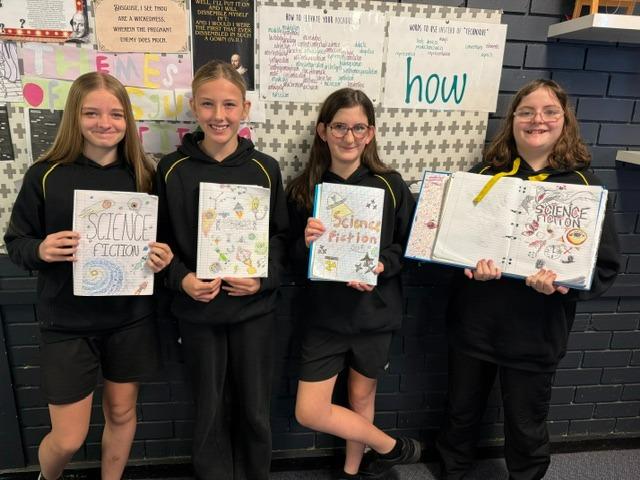
Student samples of assessment task 2- Imaginative Writing!
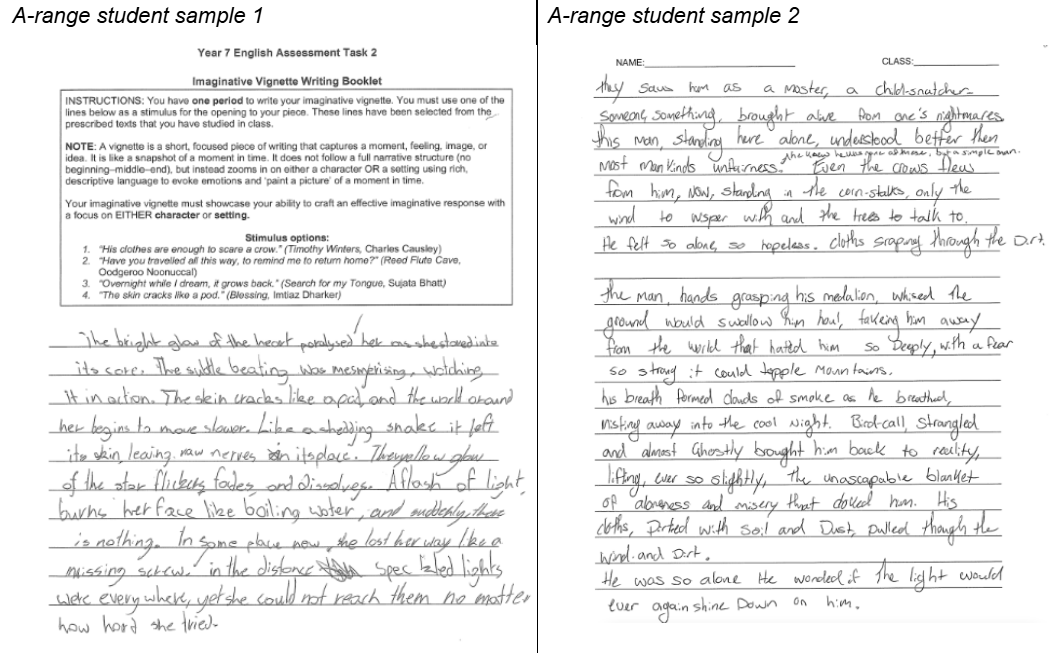
Amazing work year 7! We loved reading your imaginative responses!
Year 8 English
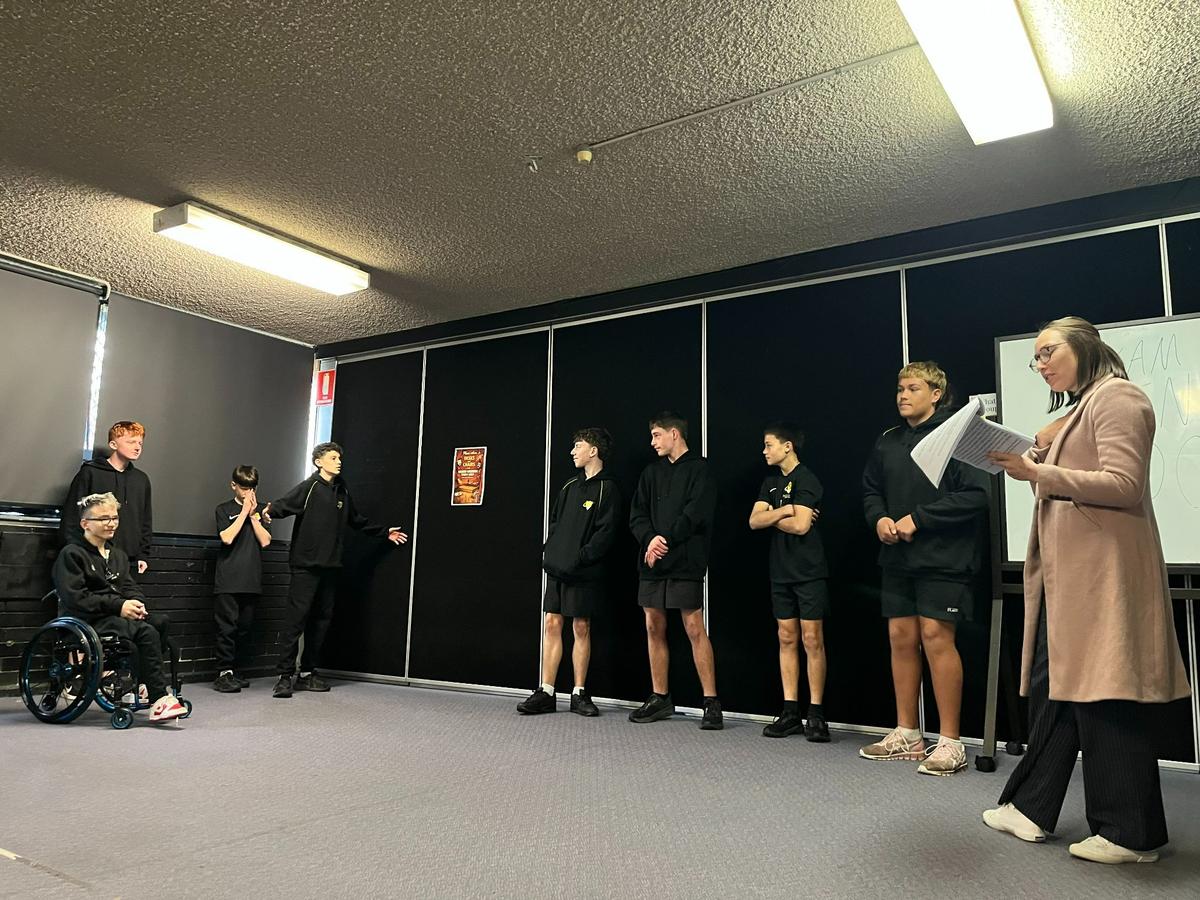
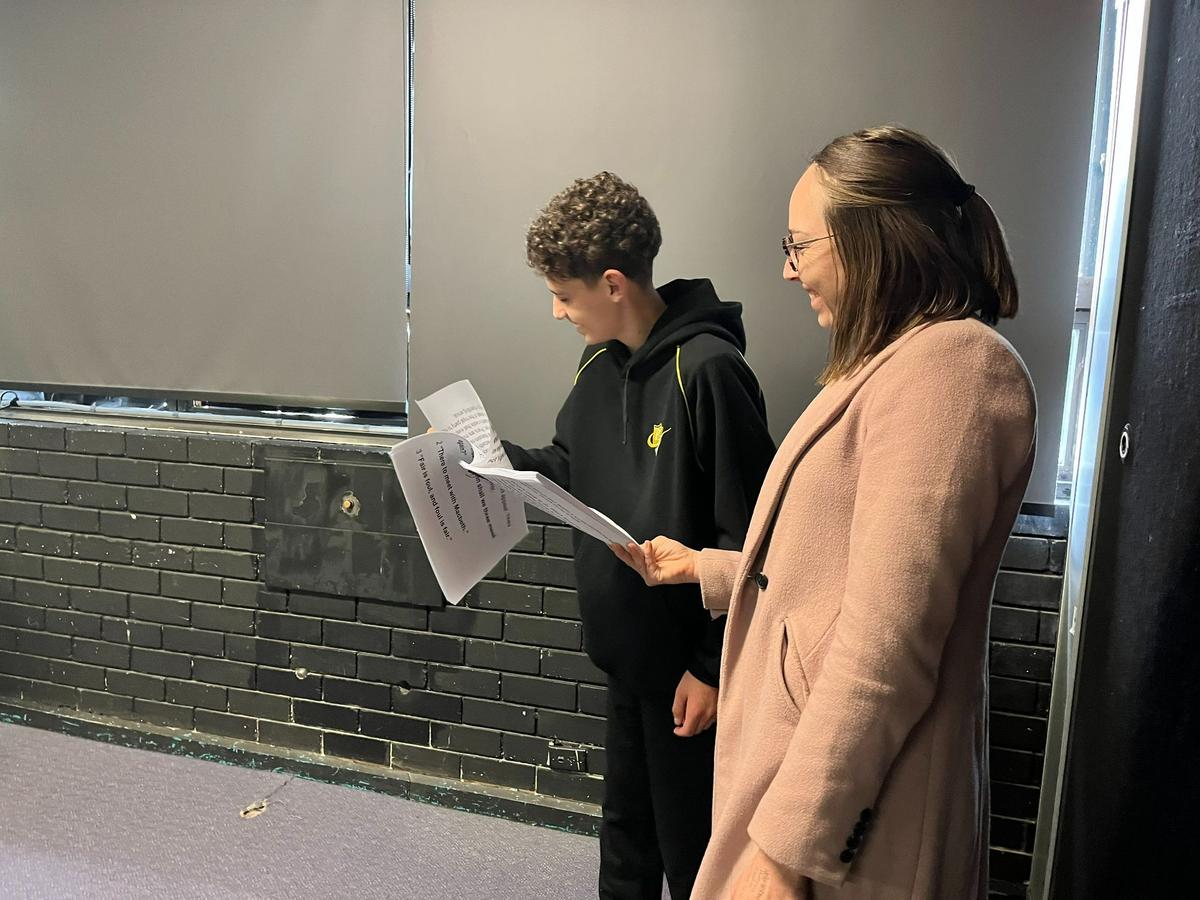
Year 8 classes are exploring ‘Why Shakespeare?’ this term! They are considering why he might still be taught in schools today and what these texts might offer or prompt in audiences. Classes will read excerpts from his famous plays (Twelfth Night, Romeo and Juliet, Taming of the Shrew, and Macbeth- just to name a few!) and view scenes from the film adaptations. Select classes will participate in practical synopsis exercises to explore Shakespeare’s texts! For their assessment task, students are working towards writing an original discursive text focused on Shakespeare and his relevance in schools!
Year 9 English
Students are diving into the world of Gothic Horror this term! They’re exploring what makes this genre so gripping by studying its key features across film, poetry, and prose. Through a mix of different texts, students are learning how narrative structure, film techniques, and literary devices can create mood and meaning. They’re also developing their creative writing skills, experimenting with figurative language and sensory imagery. Students are working towards writing an imaginative writing task where students will craft their own Gothic-inspired character and setting.
See some posters created by students below!
Year 10 English
This term students have been engaging with the concept of powerful voices and what
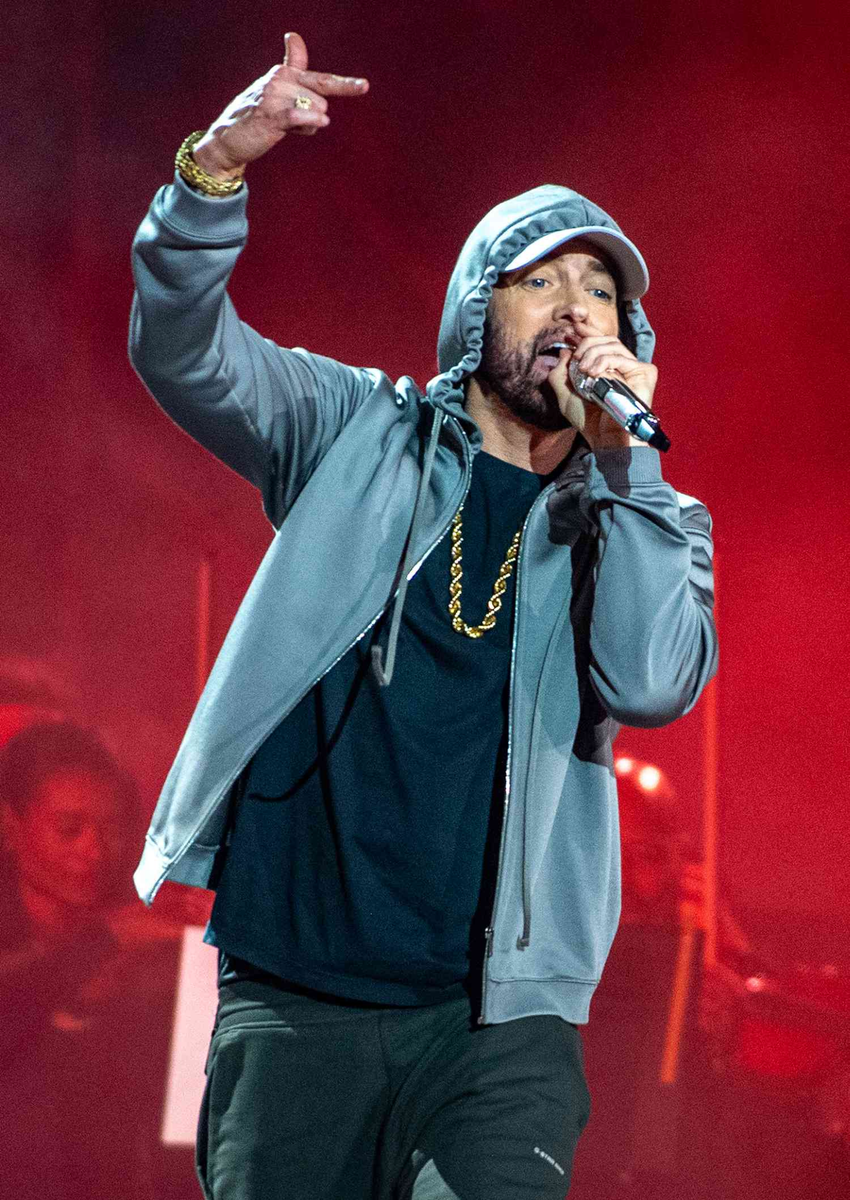
these might look like through time, what issues might be explored in texts, and what makes somebody worthy of having a voice. They have been demonstrating their understanding of this unit through composing their own discursive writing texts! They have read a range of texts that explore hilarious family anecdotes, world-changing historical concerns, and have even engaged with Eminen’s ‘Without Me’ song lyrics! Students are working towards writing an original piece of discursive writing in which they explore an issue they are passionate about. They will then reflect on their purposeful use of language in a reflective response.
Year 11 English Standard
This term, students have been engaging in a close study of ‘The Story of Tom Brennan’ to develop their knowledge and appreciation of a substantial literary print text. Through their close study of and personal responses to the text in its entirety, students develop an understanding
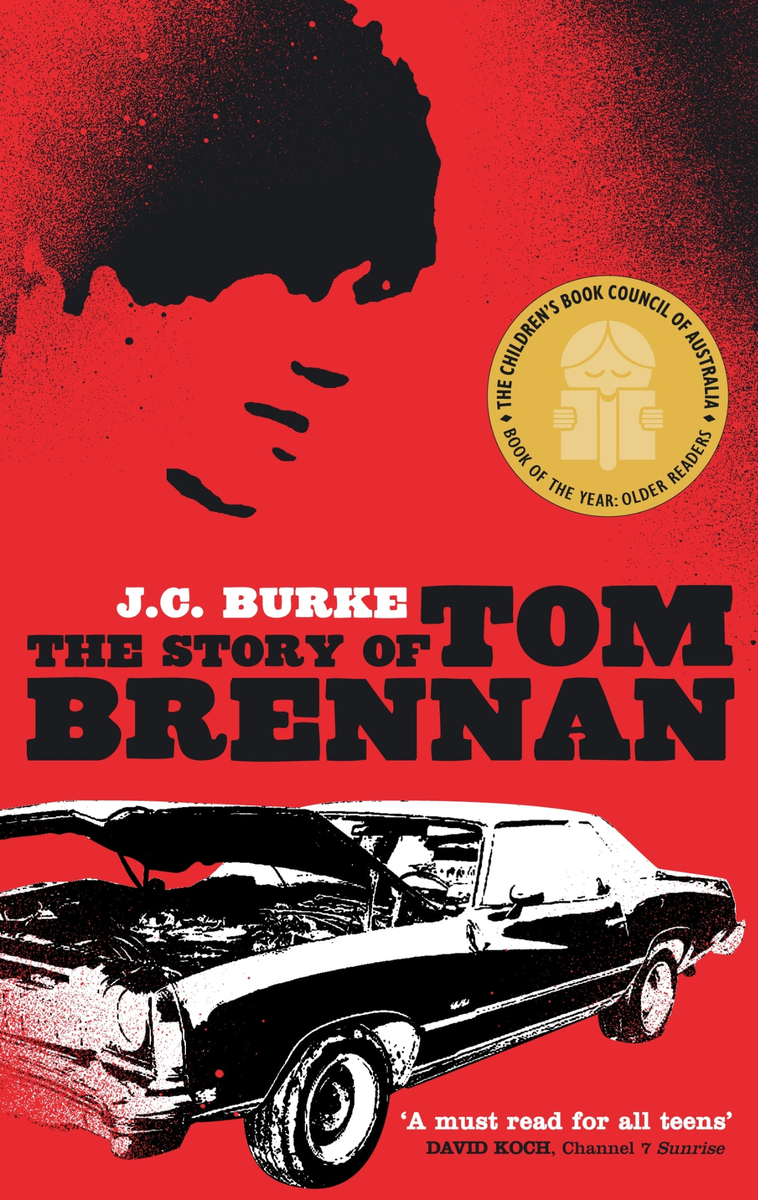
of the ways that language features, text structures and stylistic choices can be used in literary texts. Students will need to consider:
How do the distinctive qualities of texts shape the way we respond to them?
How do texts represent ideas and concerns from the context in which they are composed?
How do language forms, features and structure conform to, or challenge accepted conventions?
How do textual forms and language features, including style, tone and point of view, shape meaning?
What are the conventions that are particular to the chosen literary form, and how do authors use, manipulate or challenge those conventions?
Year 11 English Advanced
This term, students have been engaging in a critical study of ‘All the Light We Cannot See’ to develop analytical and critical knowledge of a substantial literary text. Through
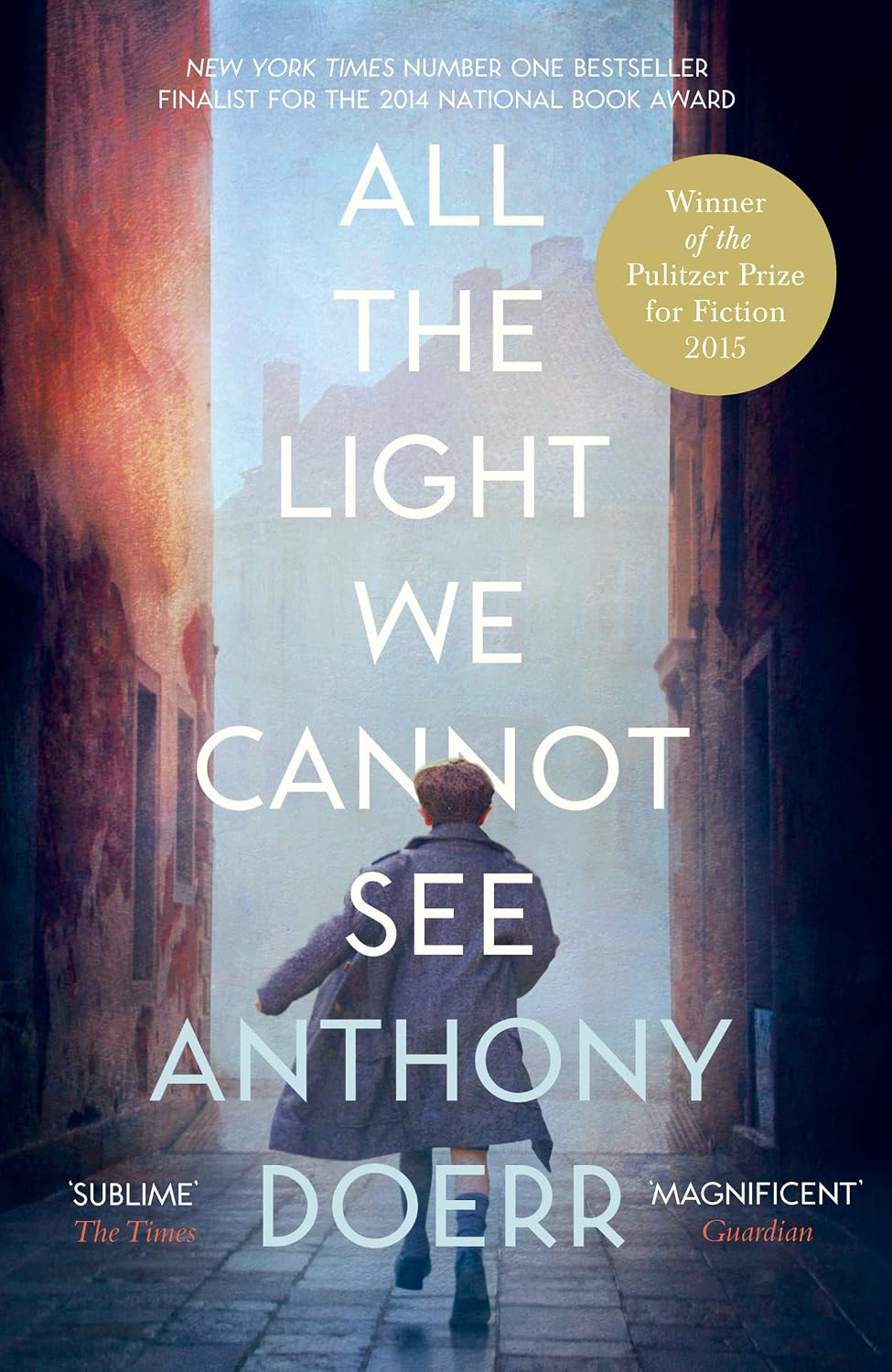
increasingly informed personal responses to the text in its entirety, students will develop their understanding and appreciation of the text’s distinctive qualities, meaning and value. Students will explore how Doerr’s ideas are expressed in the text by analysing its construction, content and language. This allows them to develop their own interpretations of the text, basing their judgements on evidence drawn from their research and reading, enabling the development of a deeper and richer understanding of the text. Students consider the context of the text’s composition and reception, investigate the perspectives of others, and explore the ideas in the text, further strengthening their personal perspectives.
Year 11 English Studies
This term, students will develop an understanding of the ways media texts

represent information, influence audiences and shape culture. Students will develop a deeper understanding of the functions, roles and responsibilities of print and digital media as means of communicating information. They will examine how the language forms and features of media texts are used to frame the presentation of ideas, convey opinions and provide insight. Students will develop their awareness of issues concerning media in the digital age, such as the power of big data and algorithms, and how they might influence our experience of news and information in a contemporary world. Students have opportunities to further develop and express their own views, ideas and values on issues that are under media scrutiny, and which are relevant to them.