Science
Year 7 Science: A Closer Look Inside a Flower 🌺🔬
What happens when you look beyond the petals? Our Year 7 scientists found out!
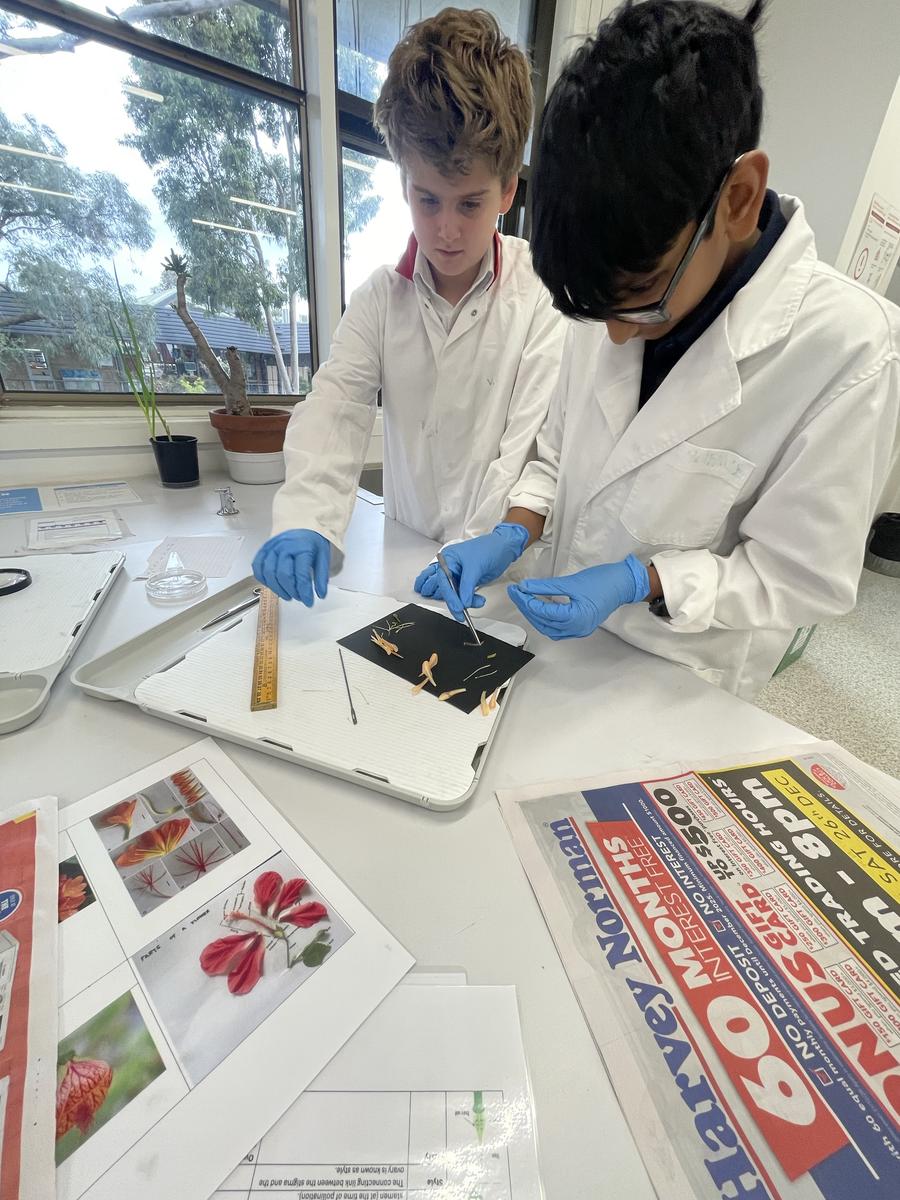
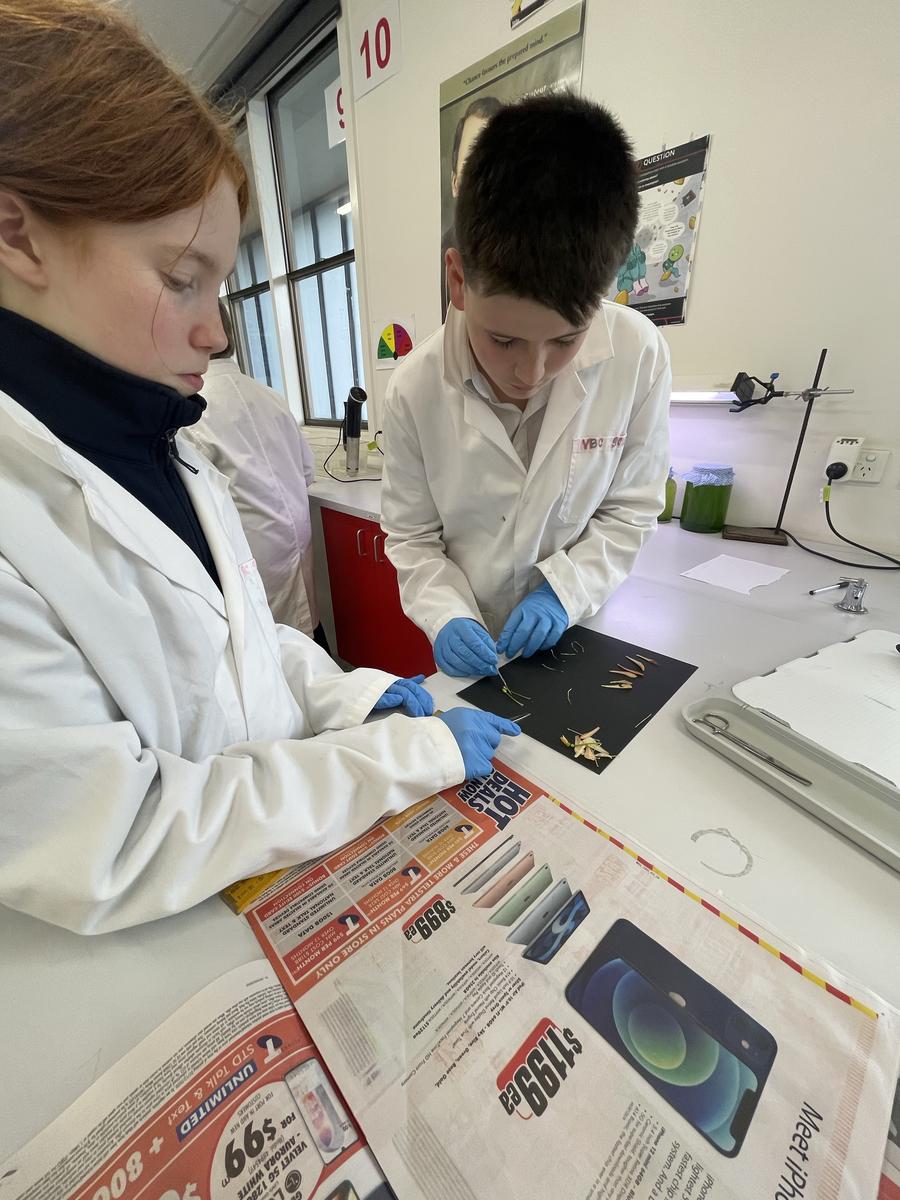
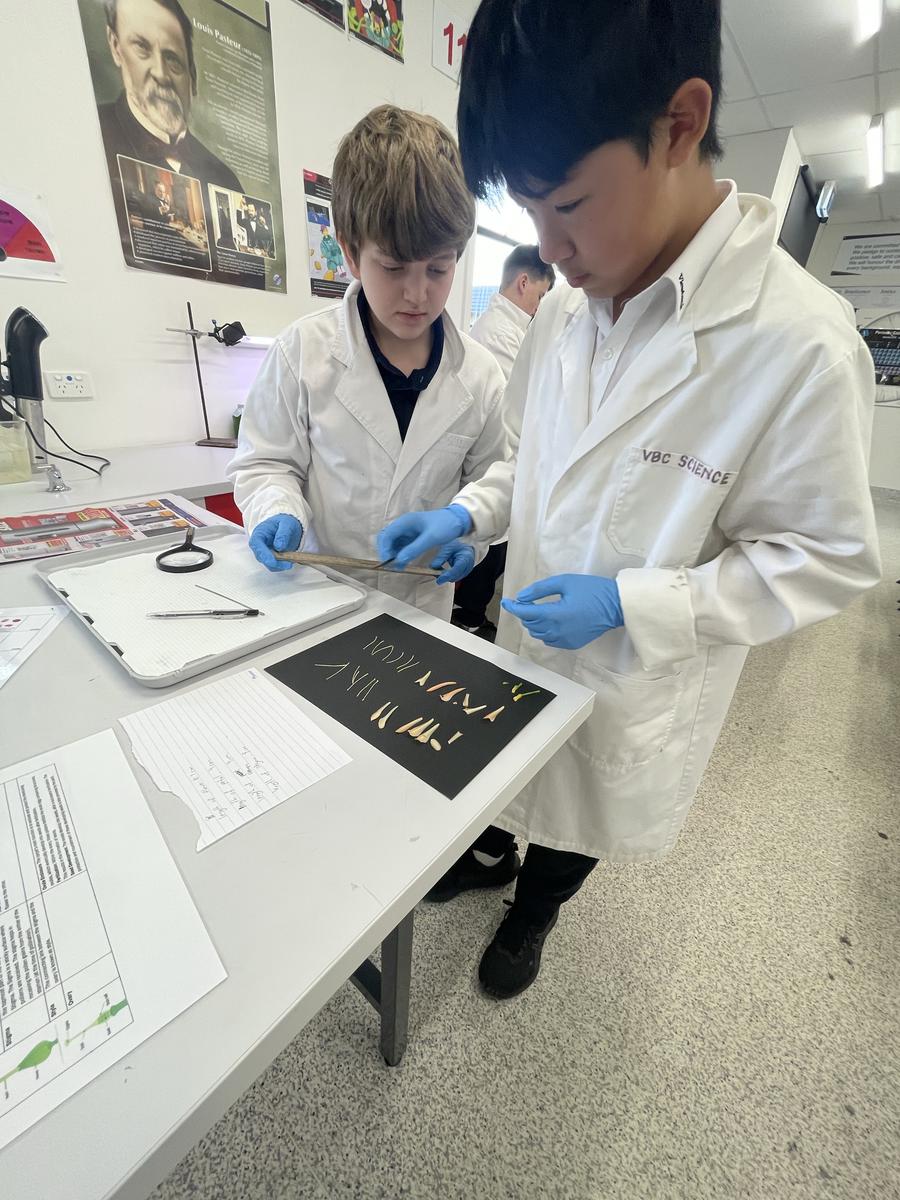
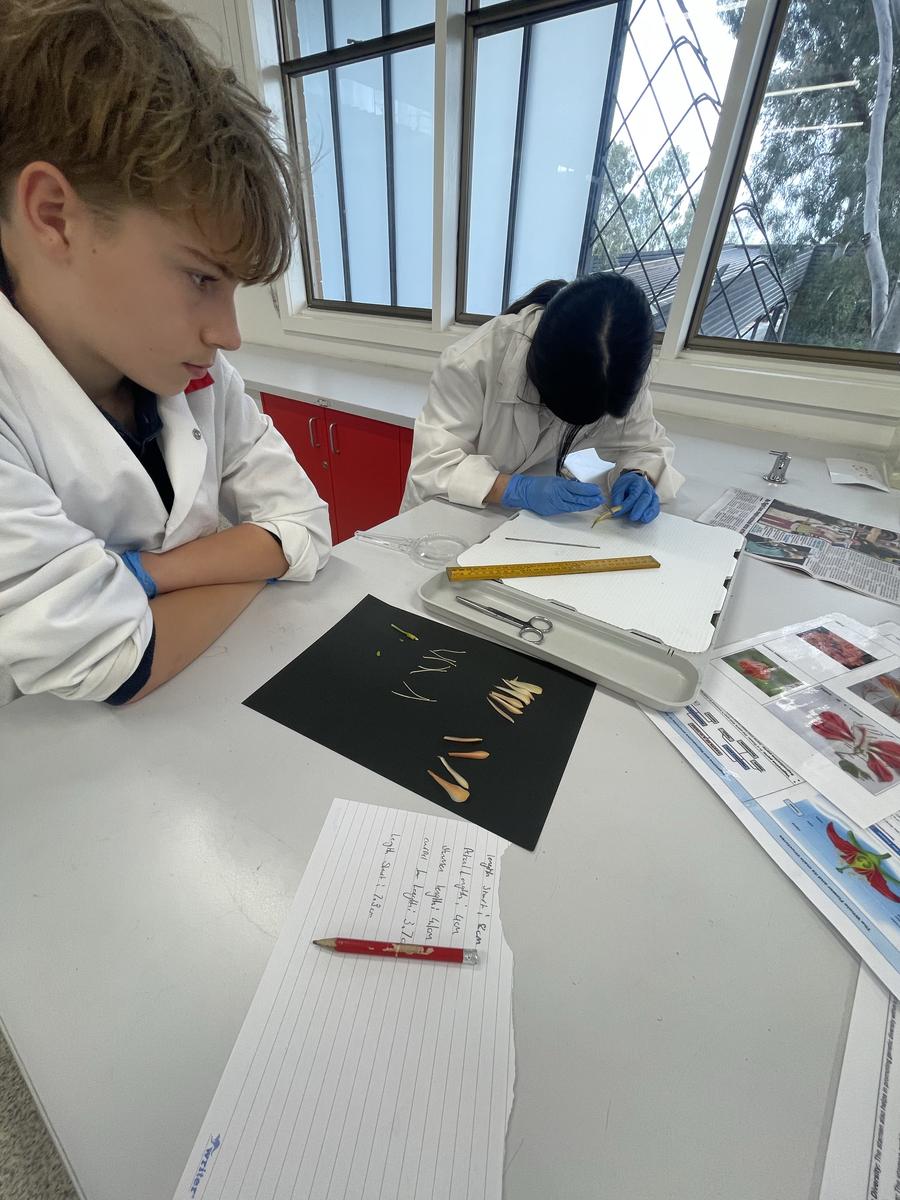
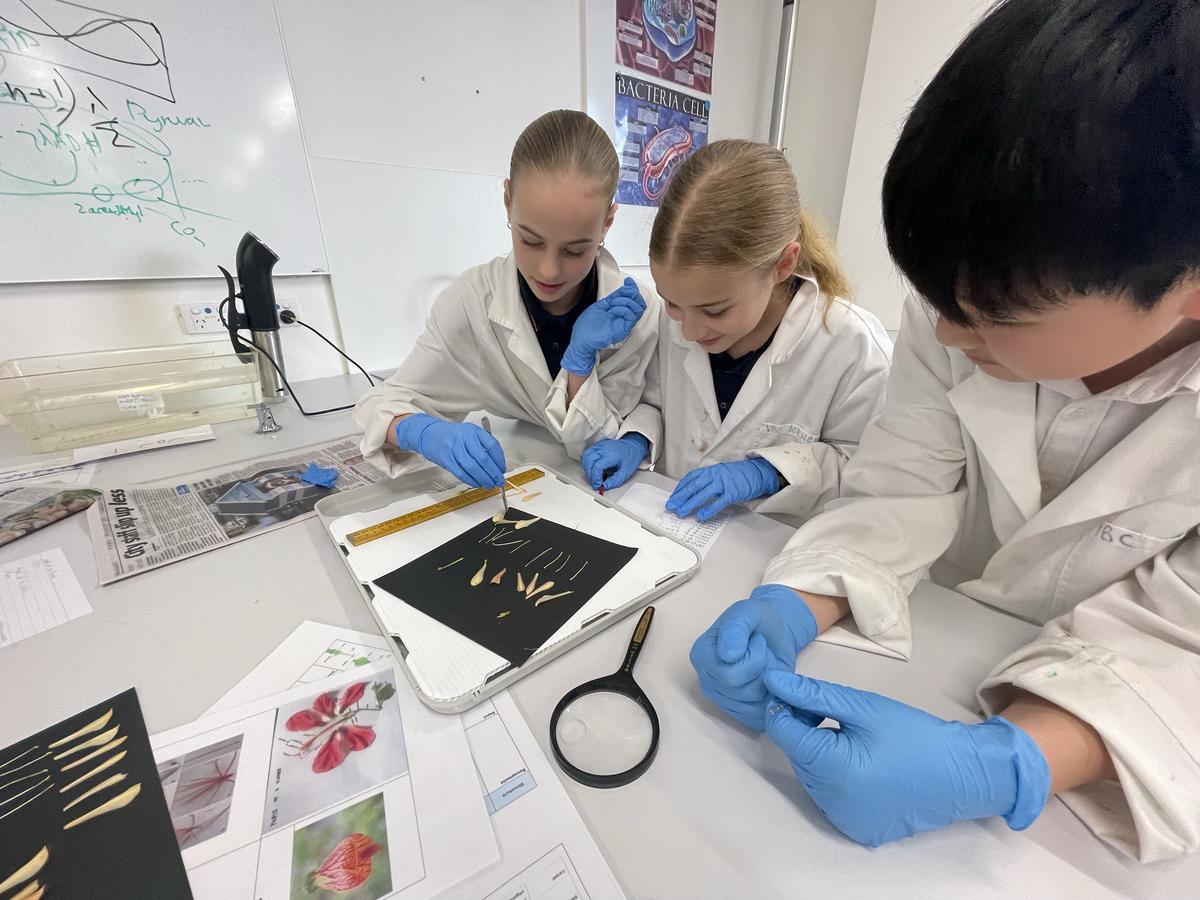
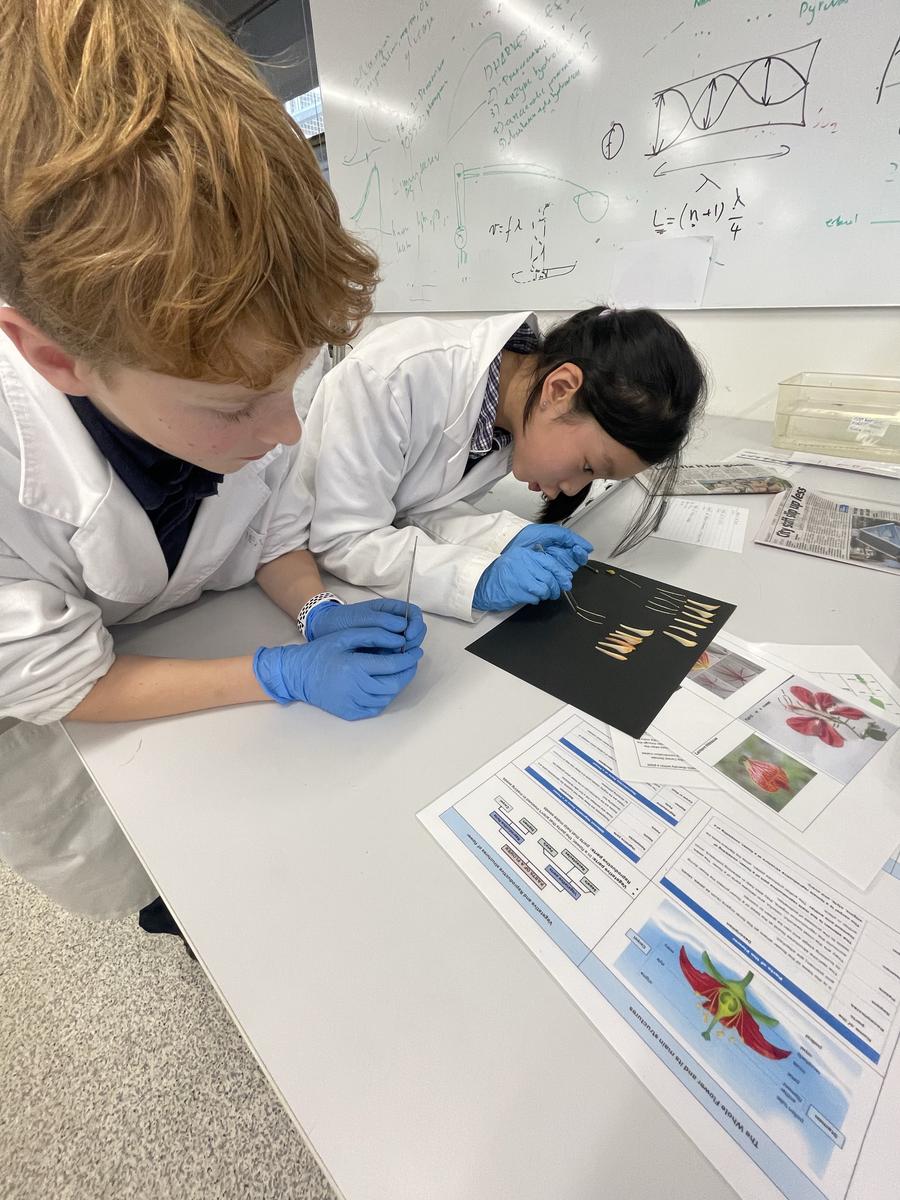
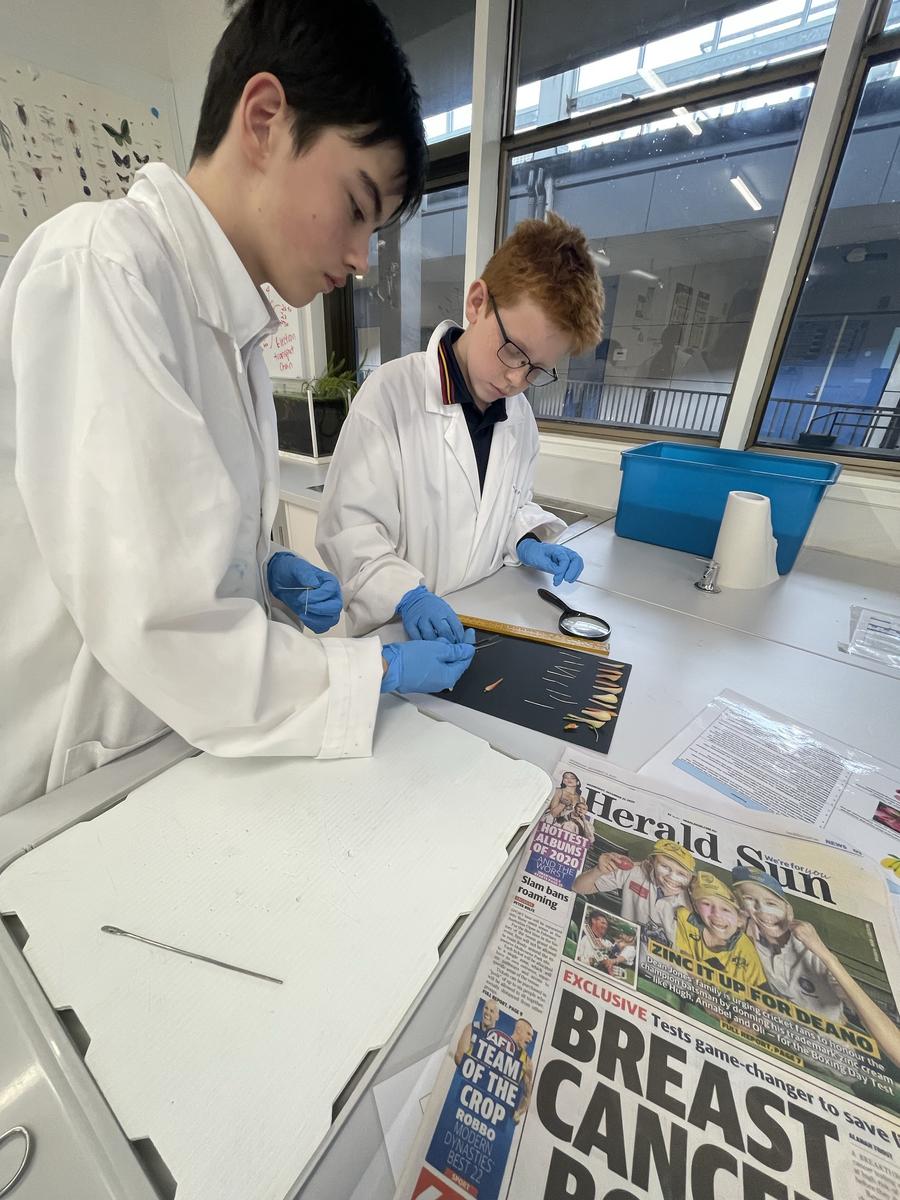
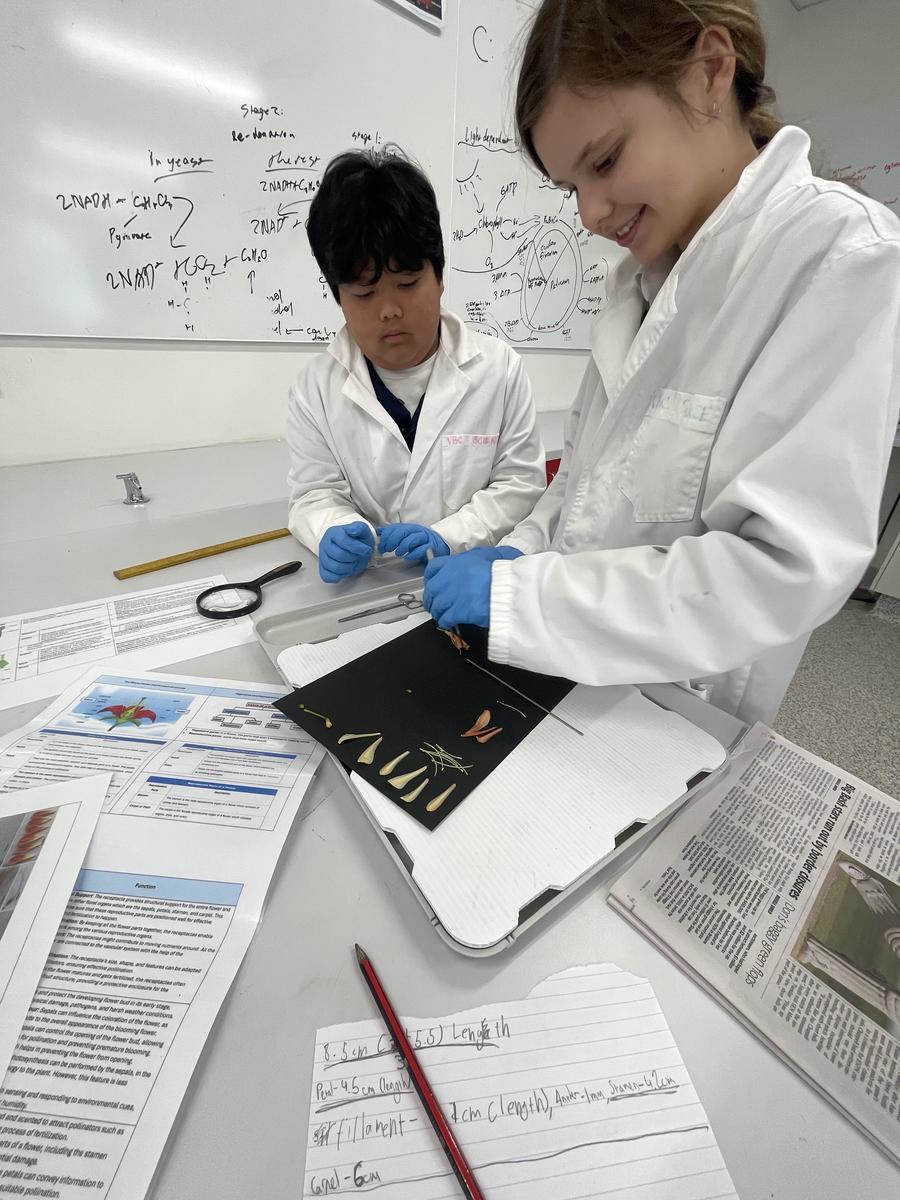
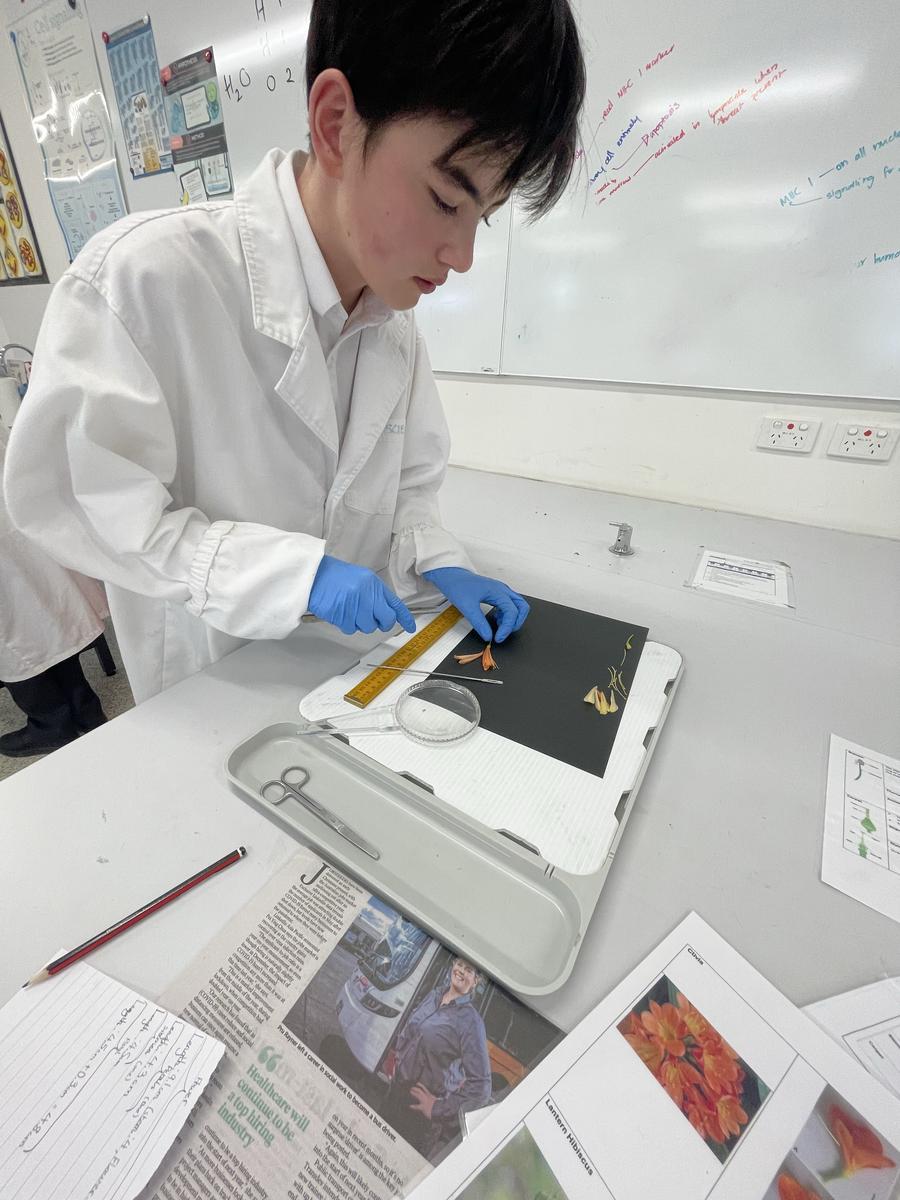
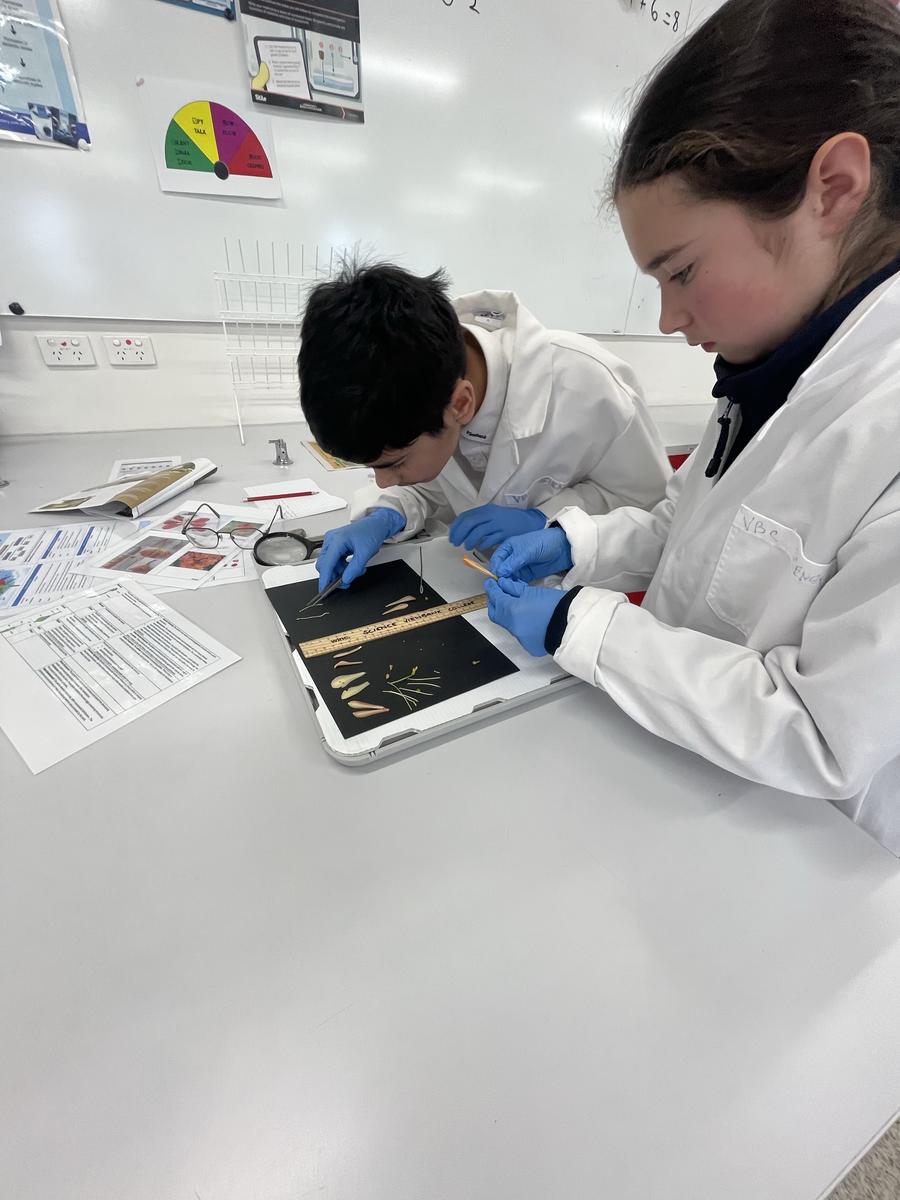
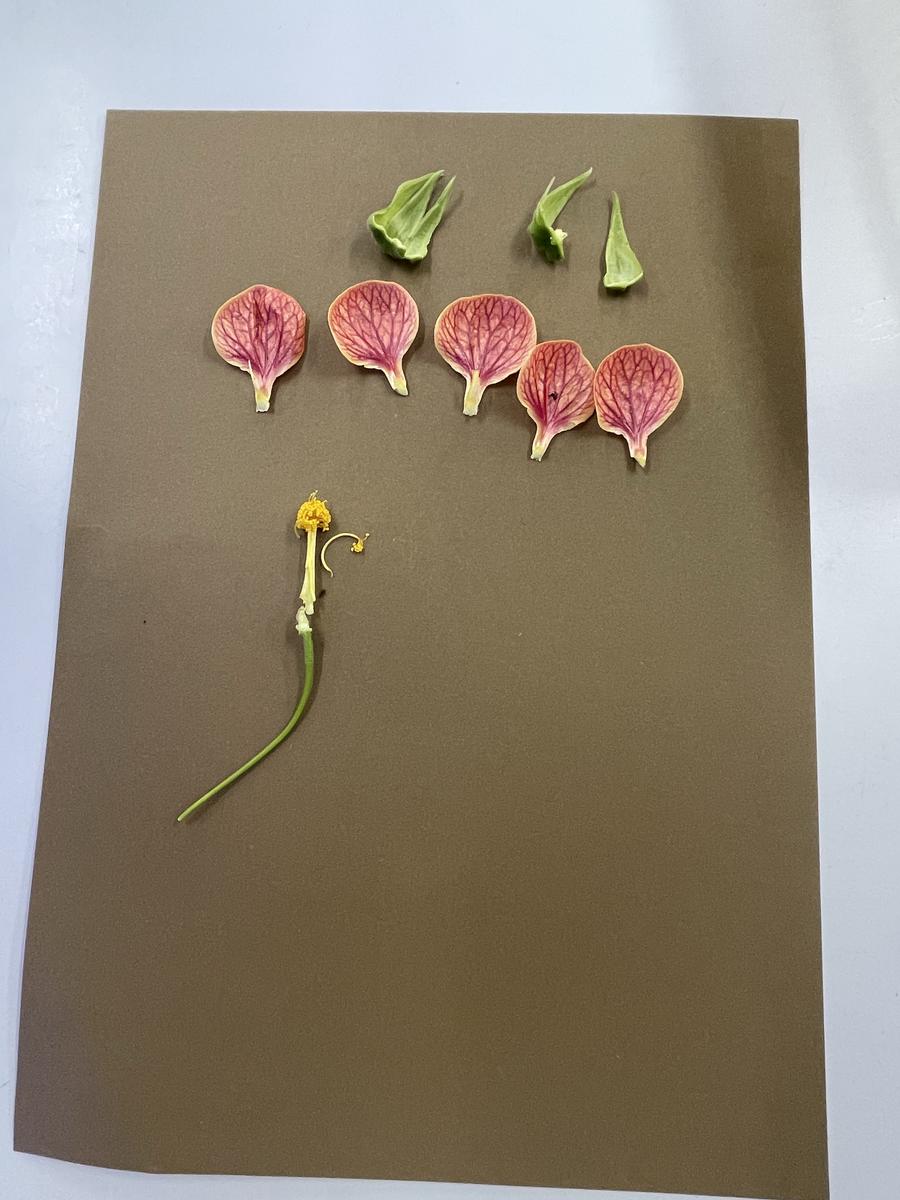
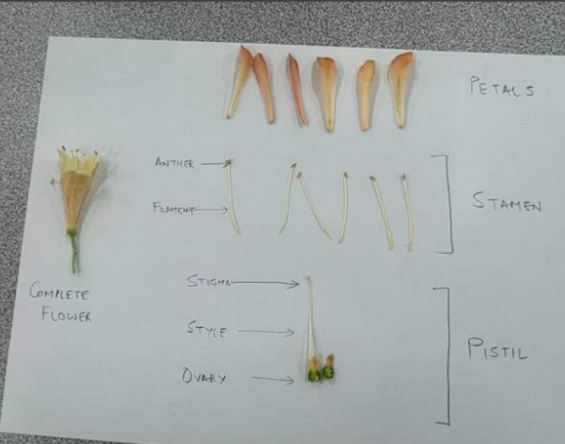
As part of our learning about plant , students became botanical investigators for the day, carefully dissecting clivia and hibiscus flowers to uncover the structures hidden inside. 🌸
Using careful observation and scientific skills, students identified the sepals, petals, stamens and carpel, examined their structures and compared the two different flowers. Instead of simply looking at labelled diagrams, students were able to see these structures first-hand and investigate how they are arranged within a real flower.
We then connected our observations to the science behind reproduction—discovering how stamens produce pollen and how the carpel plays an important role in pollination and seed formation.
From colourful petals to tiny reproductive structures, the investigation showed students that there is much more to a flower than meets the eye! 🌿✨
A great reminder that some of the best science happens when we stop looking at the textbook and start investigating the real world around us. 🔬🌺
🐟 From Scales to Organs: Exploring Fish Anatomy by Year 7 Science Students
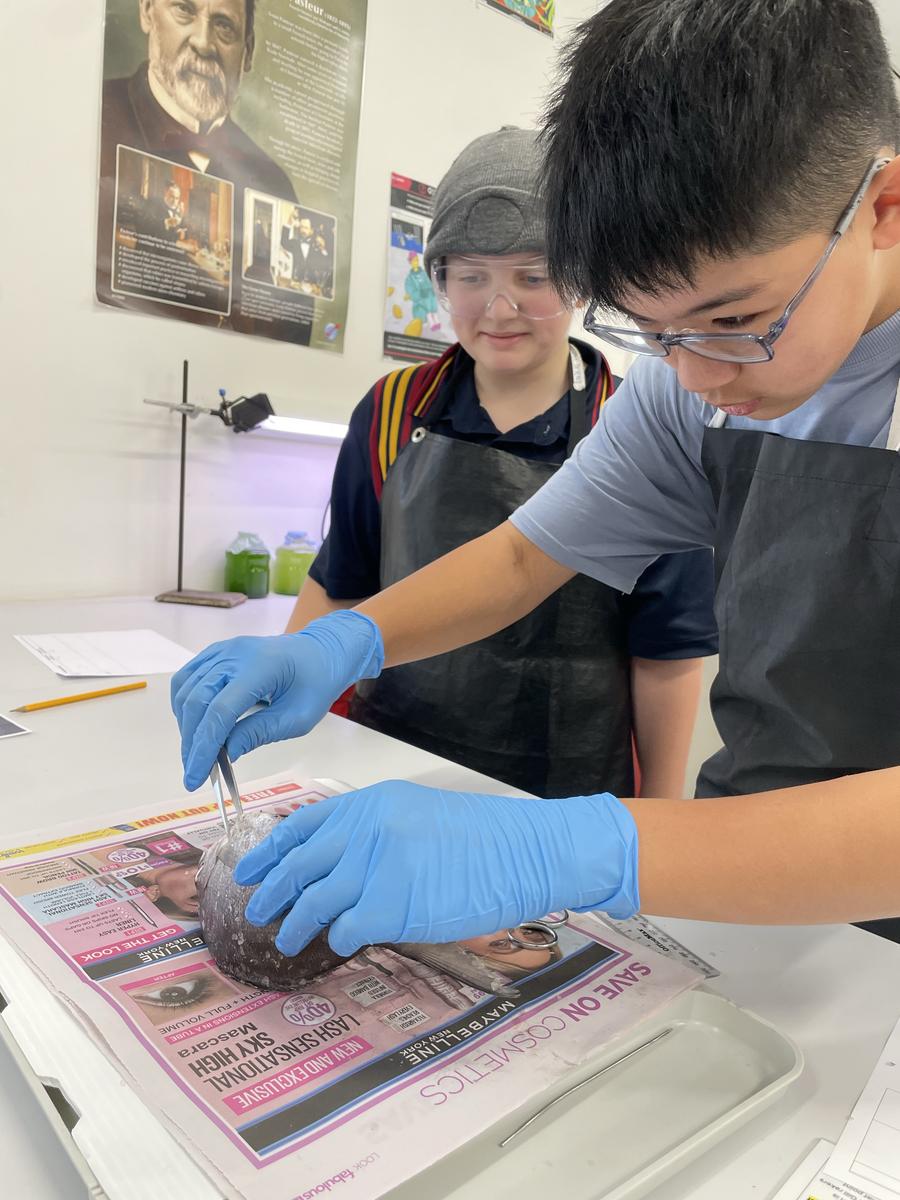
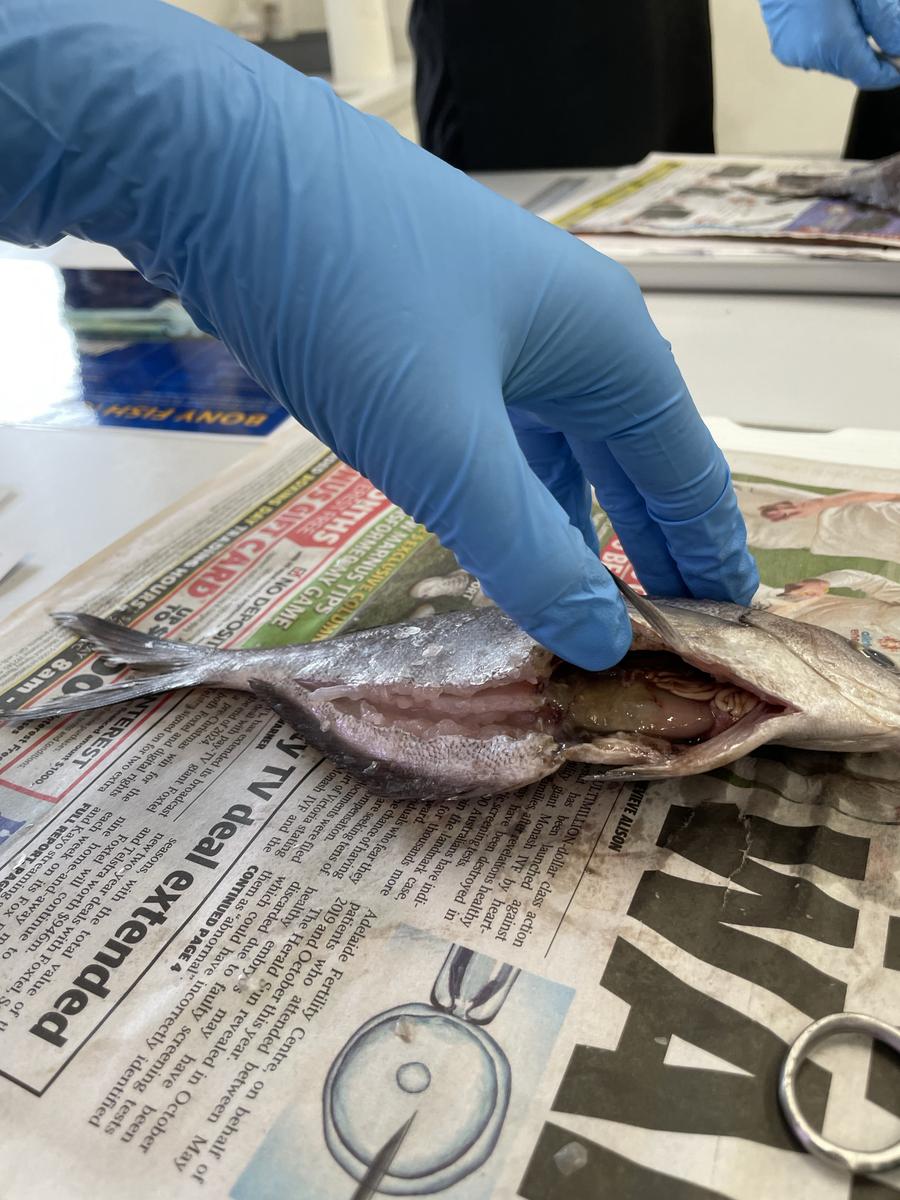
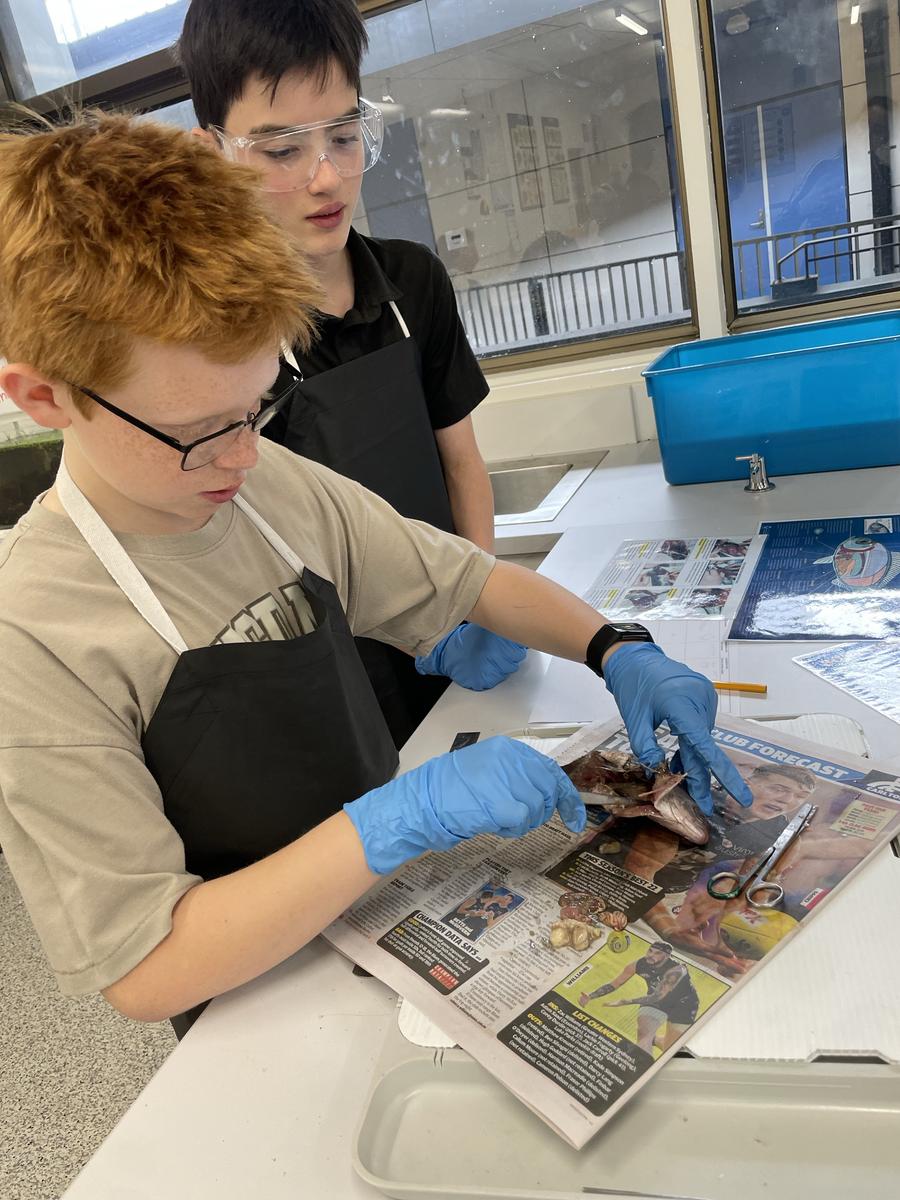
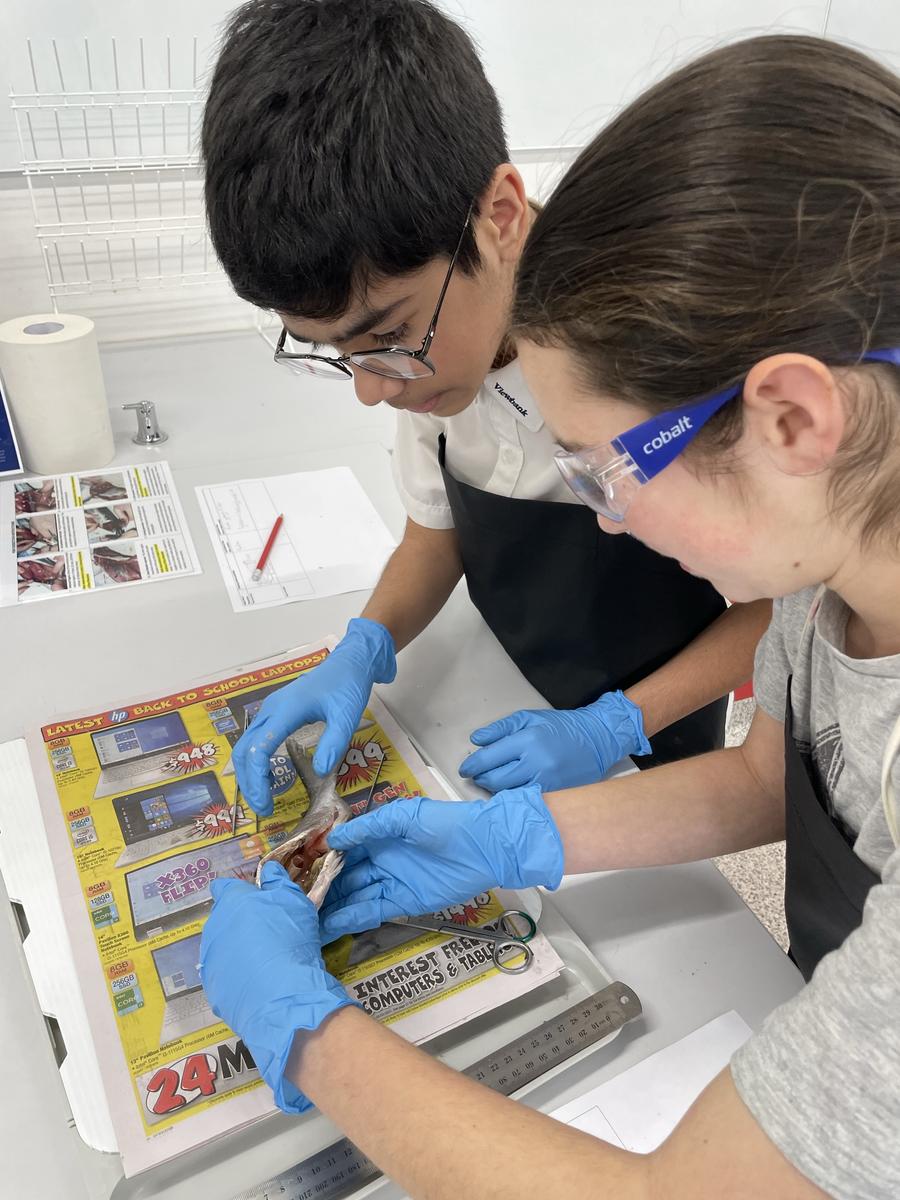
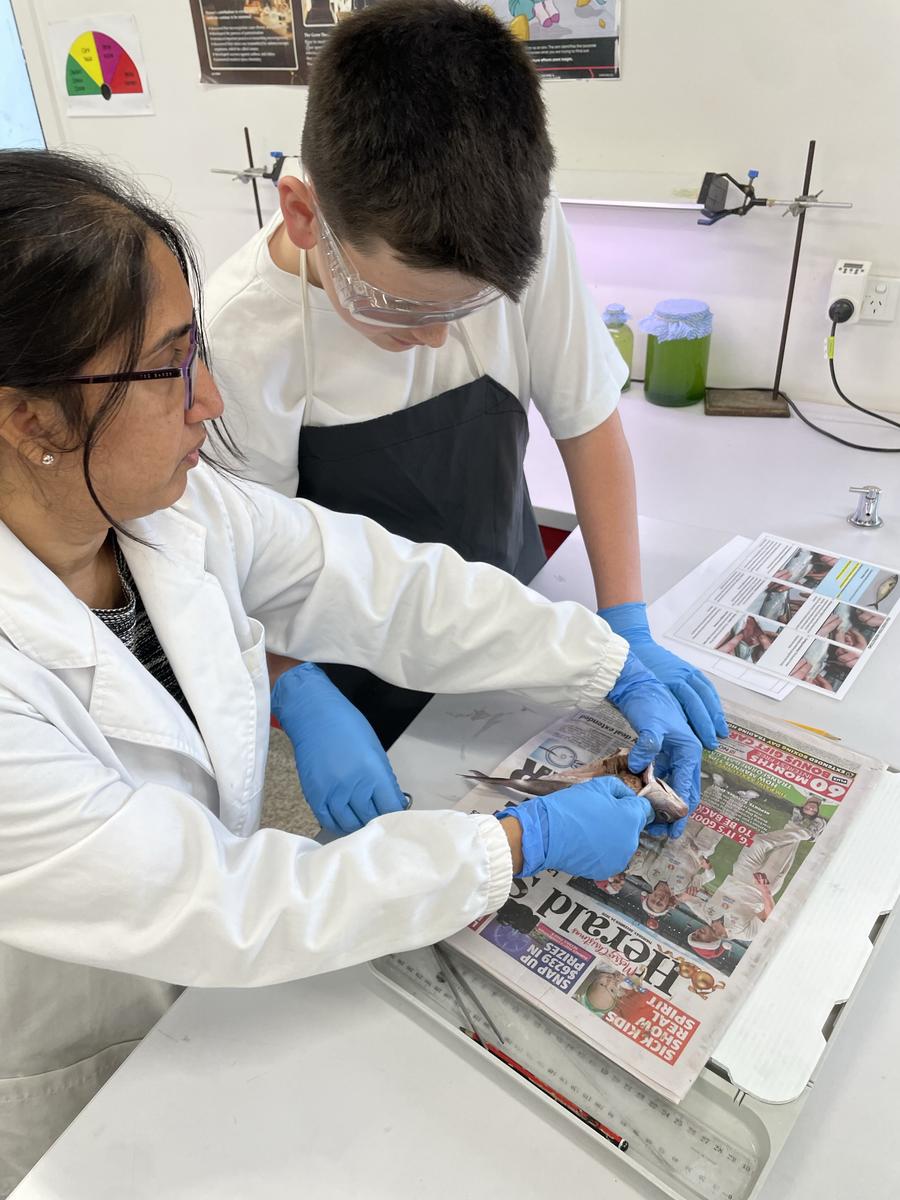
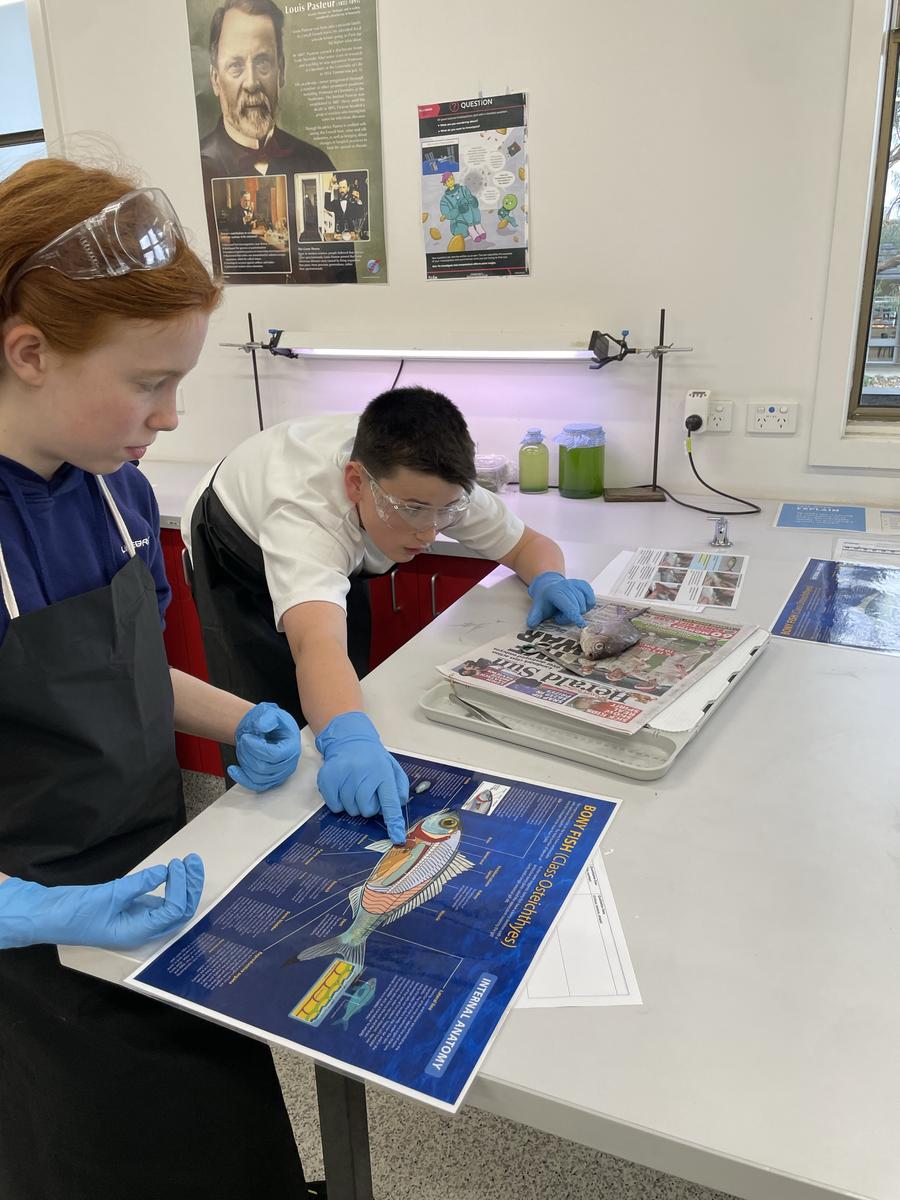
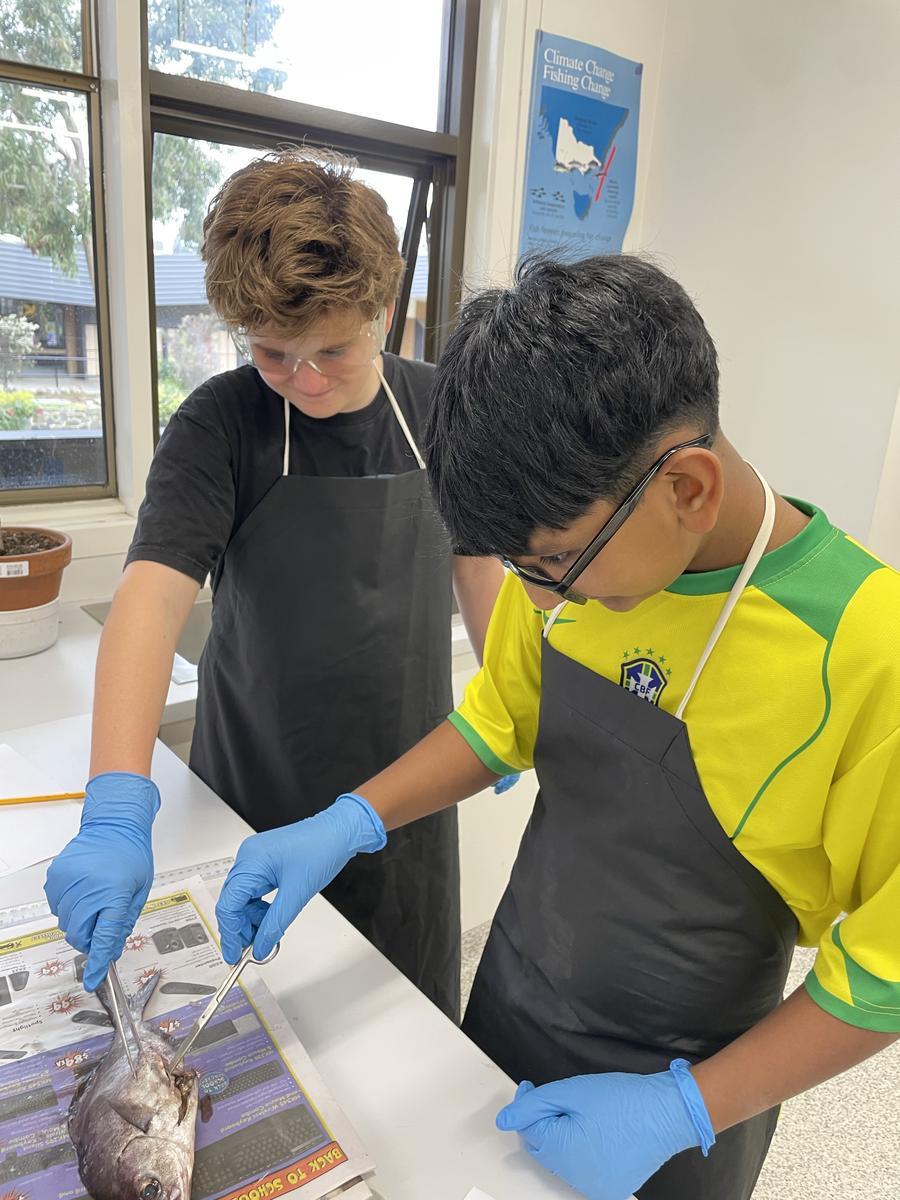
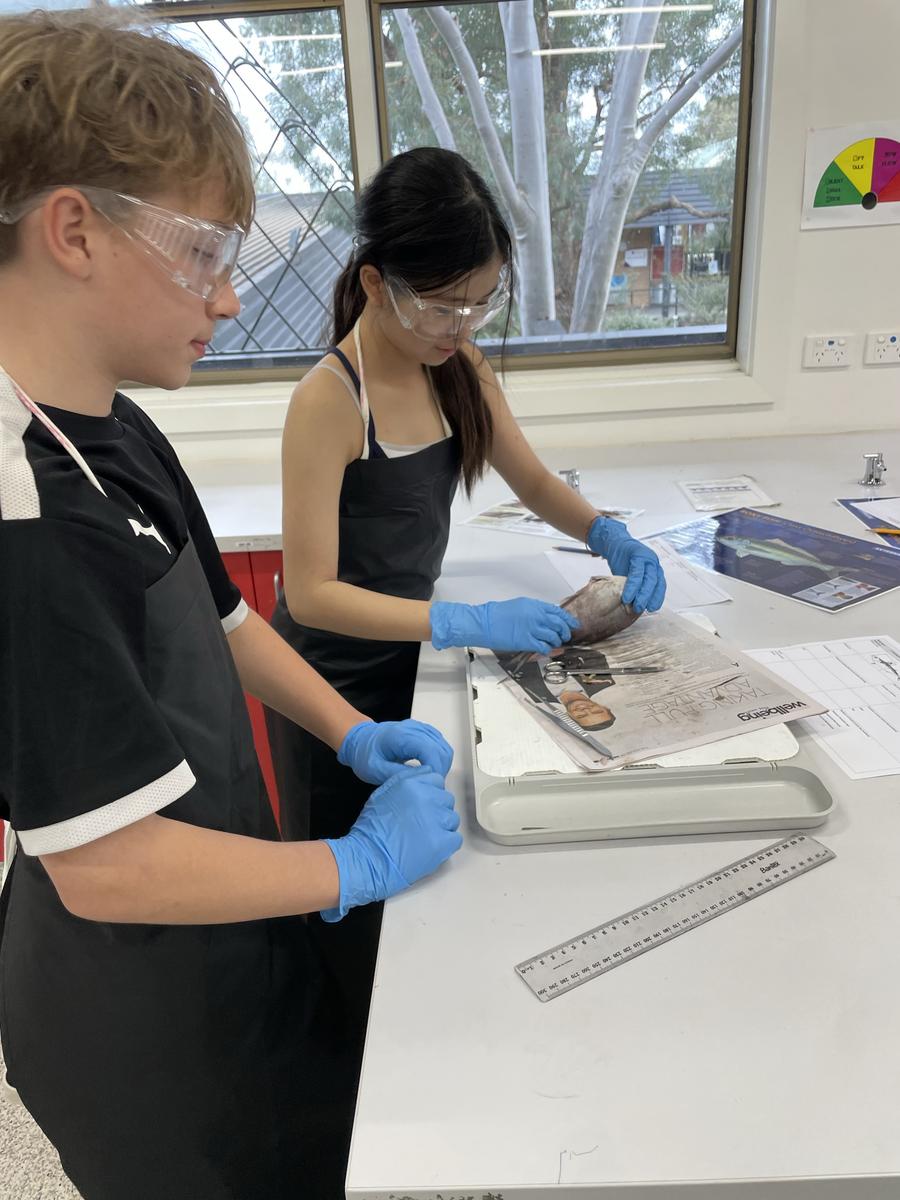
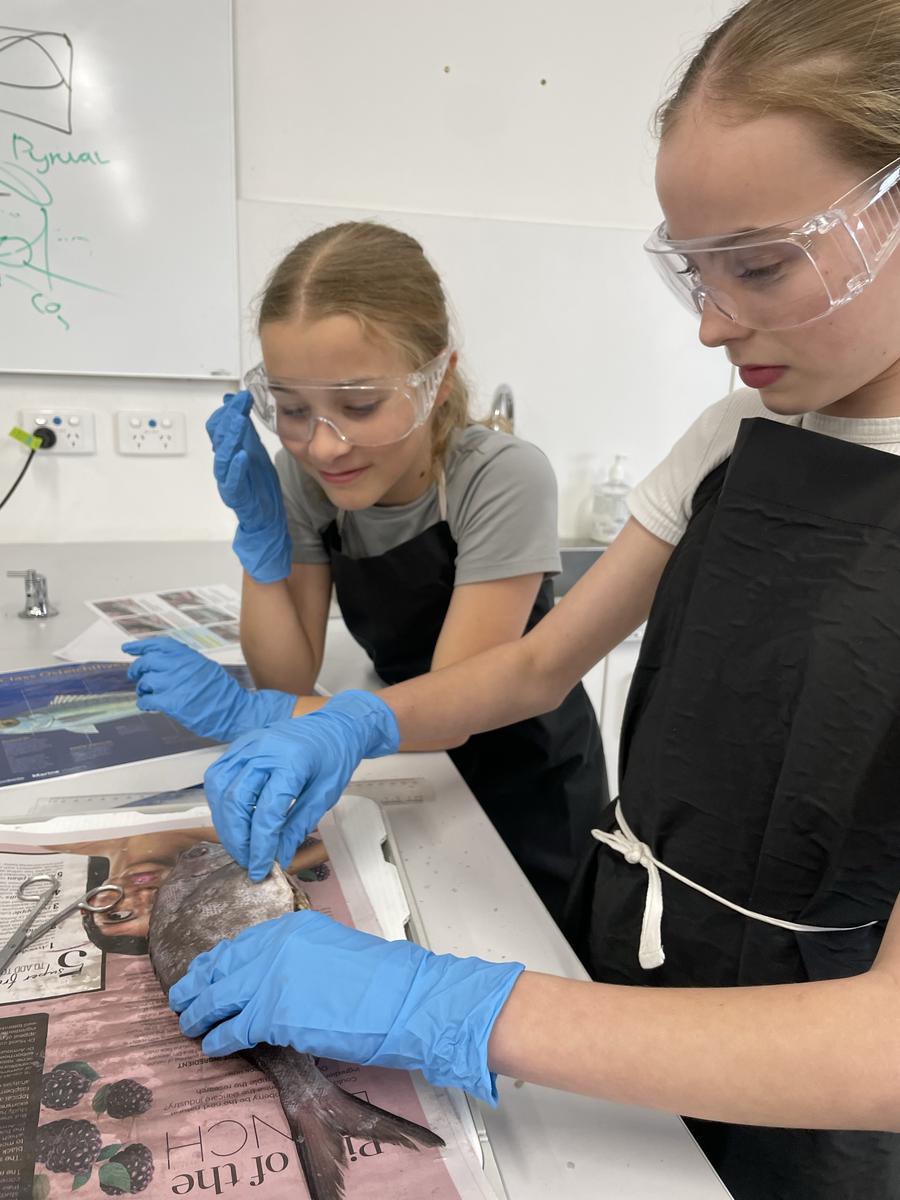
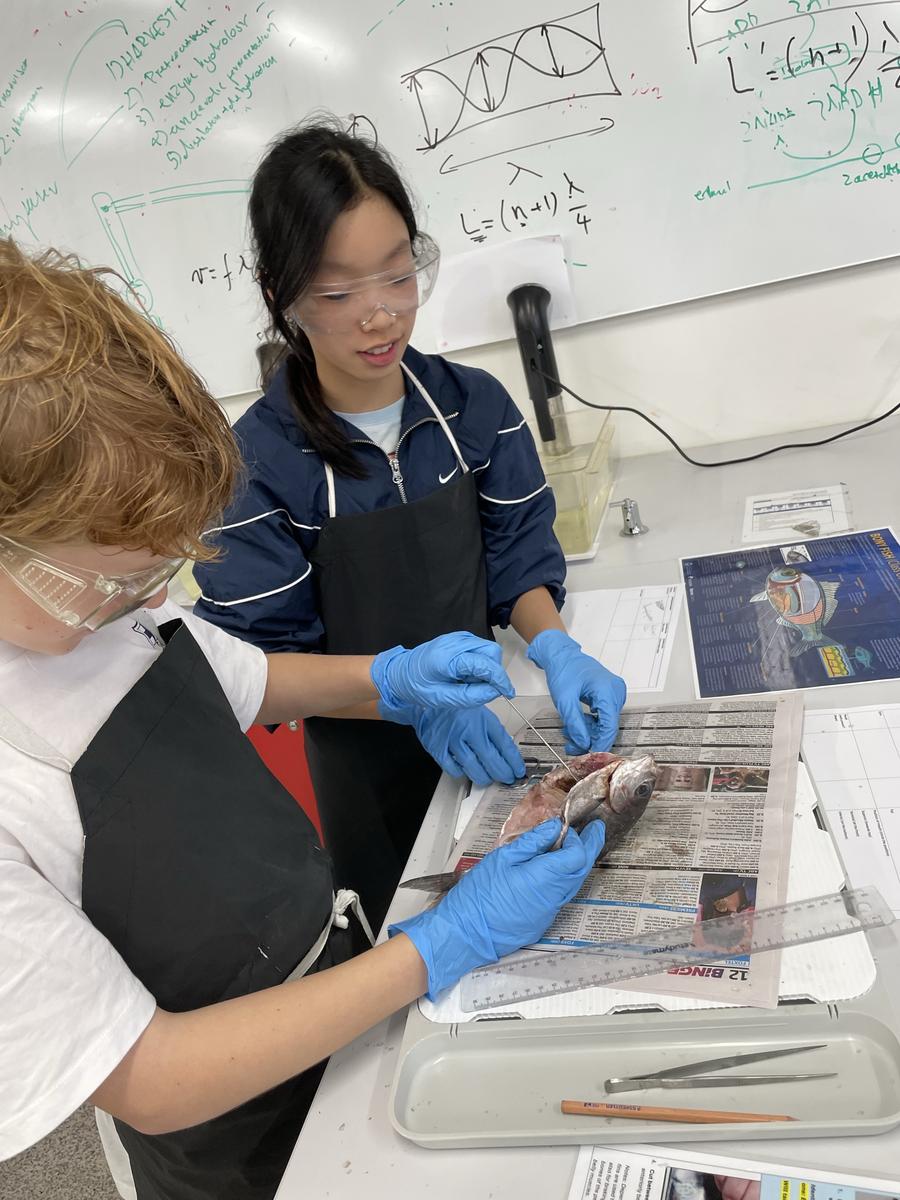
Our Year 7 students had the opportunity to get hands-on with fish dissection, using pomfret to explore the fascinating world of fish anatomy. Students examined both the external and internal structures of the fish and investigated how each structure helps the fish survive in its aquatic environment.
Students identified external features such as the fins, scales, eyes, mouth and gills, before carefully examining internal organs including the heart, liver, stomach, intestines and swim bladder. The practical allowed students to connect what they have learned in class with real biological structures.
It was a fantastic opportunity for students to develop their observation, scientific investigation and dissection skills while gaining a deeper understanding of how the different body systems work together. 🐟🔬
Guest appearances - Frankie & Ash!
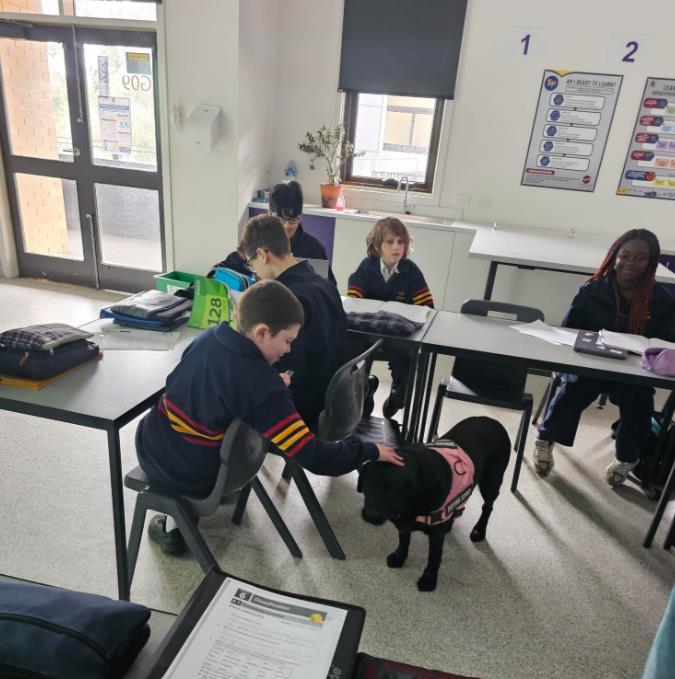
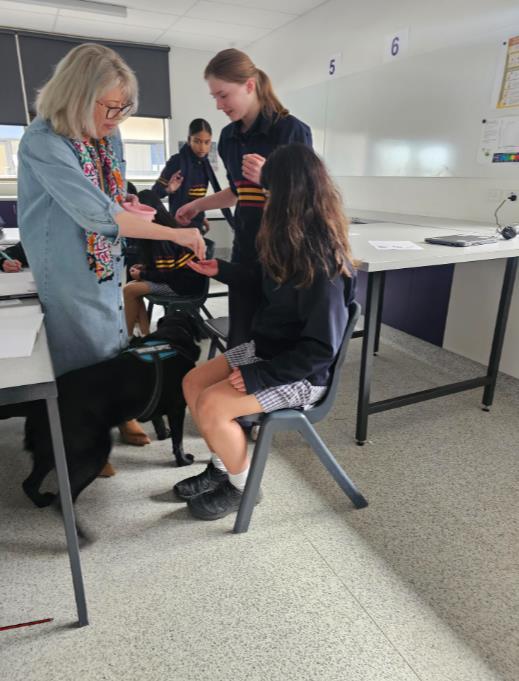
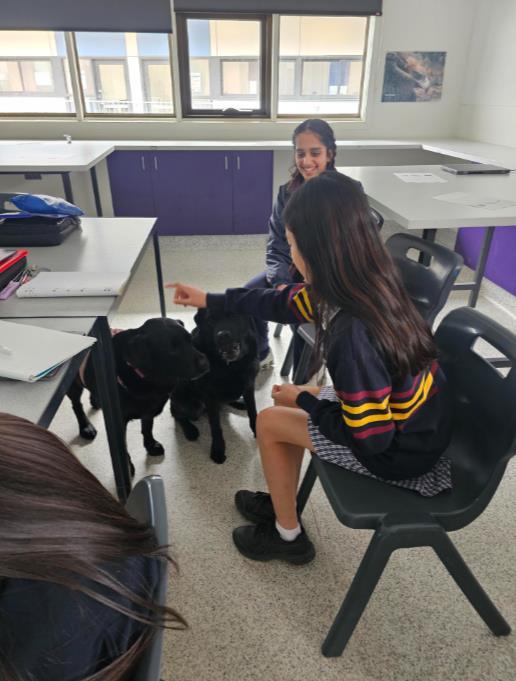
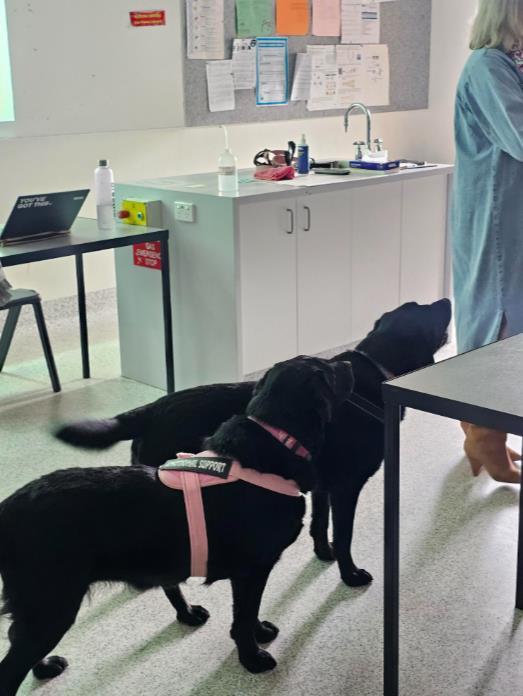
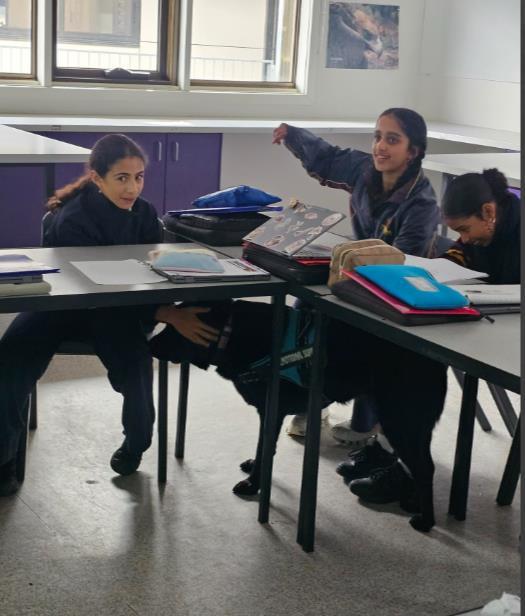
🐾 Year 7 science class had a few special visitors recently! 🐾
Our (semi) resident Service dogs Frankie & Ash came to the classroom, which suited beautifully as part of our Biology classification unit! Students loved getting up close and playful with Frankie & Ash, learning about the fascinating origin of Black Labrador retrievers, having real-world connection and hands on learning.
A big thank you to Acting Principal, Karen Terry for this opportunity and memorable experience for the students.
Year 9 Science
Every Fingerprint Tells a Story-Year 9 Forensic Science
Cracking the Case with Fingerprints!
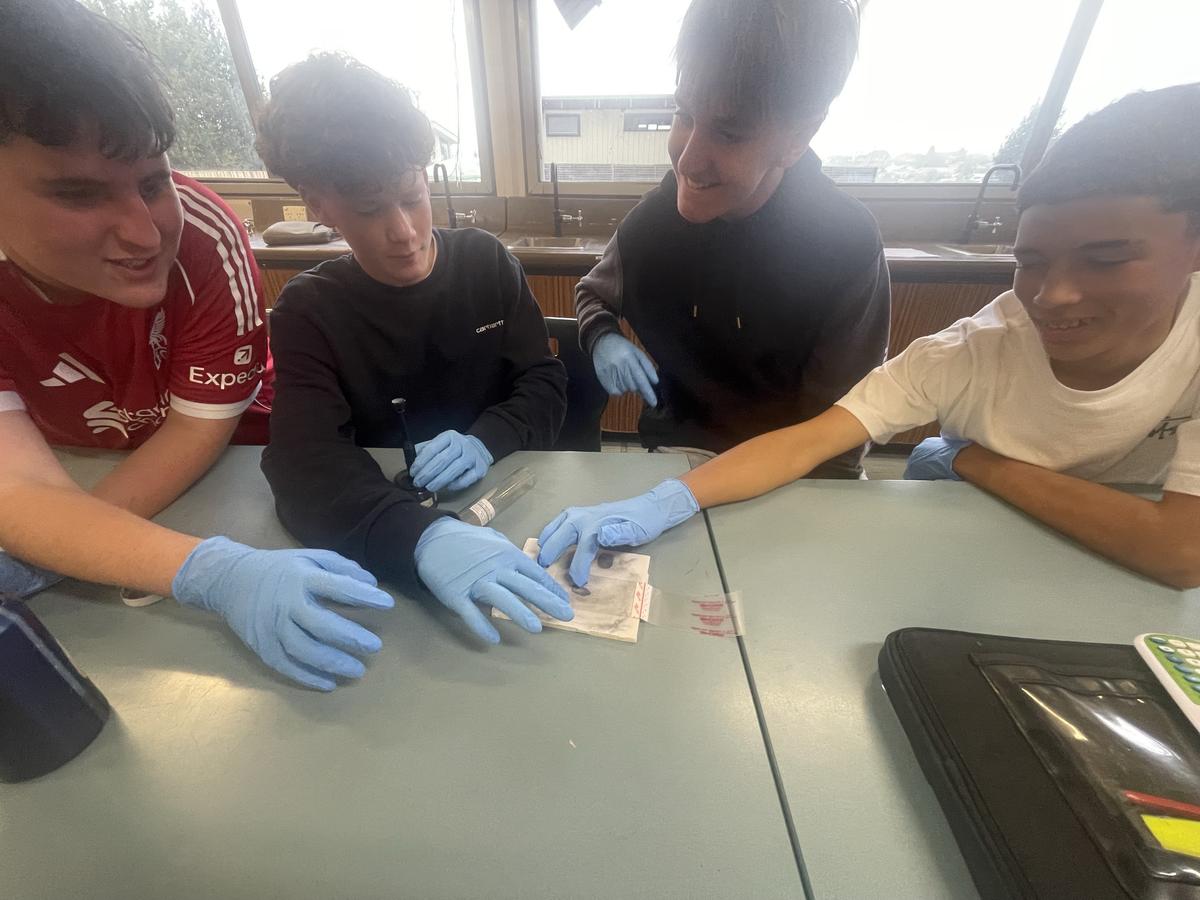
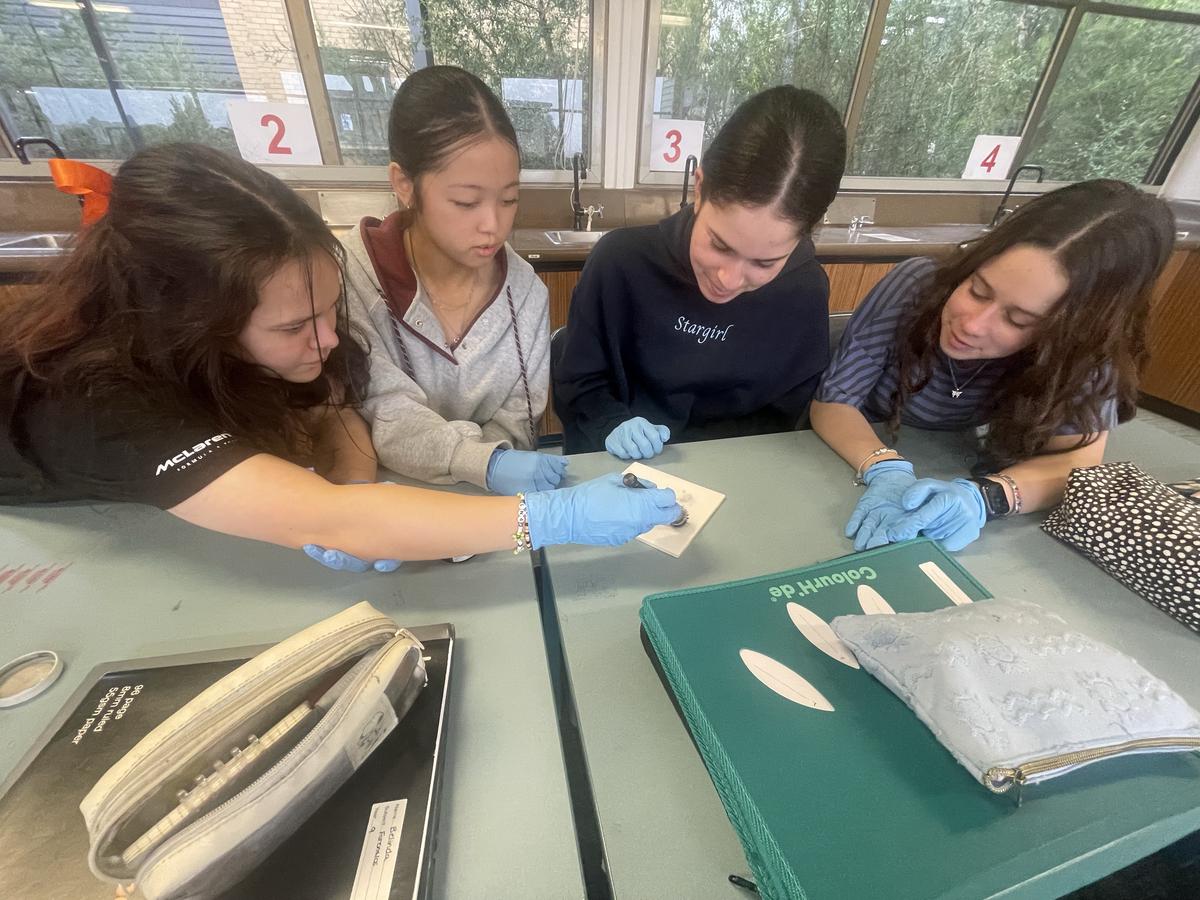
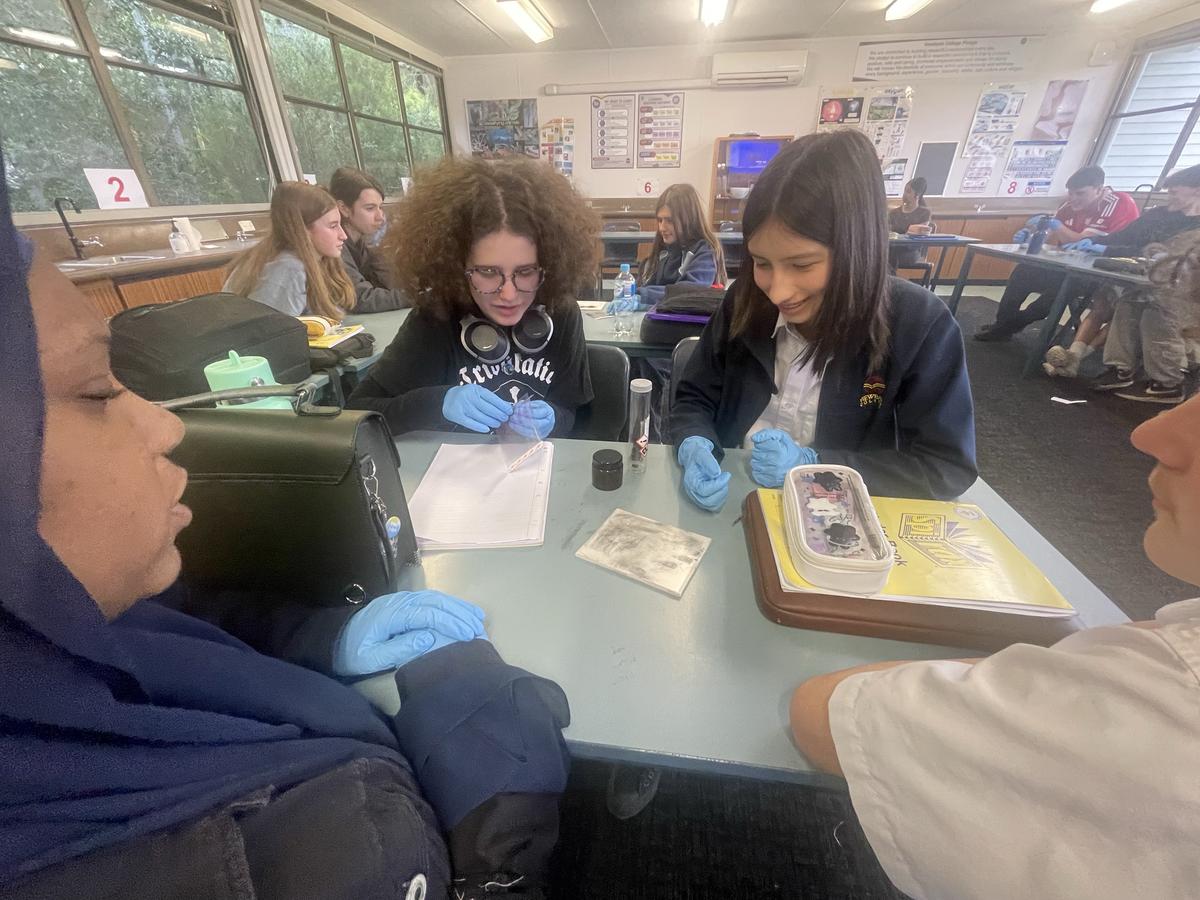
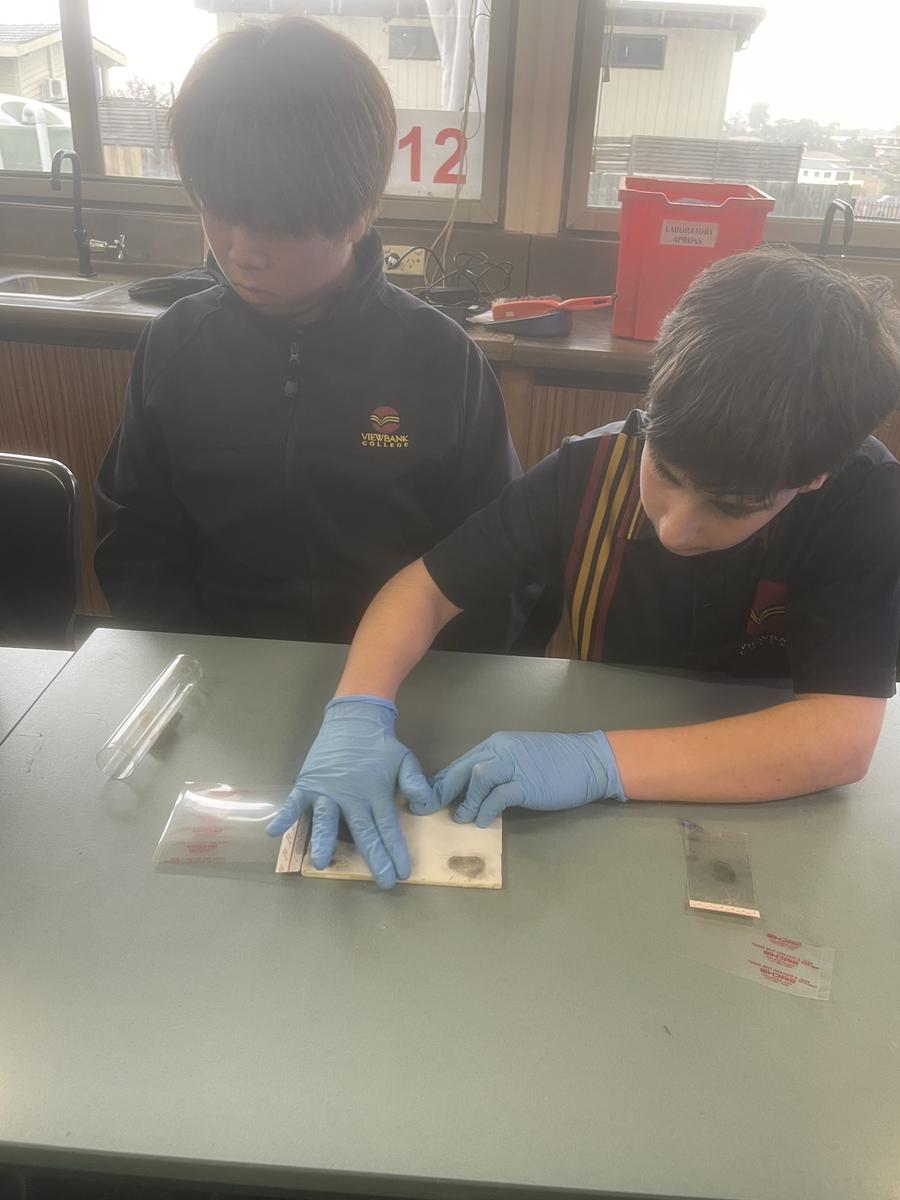
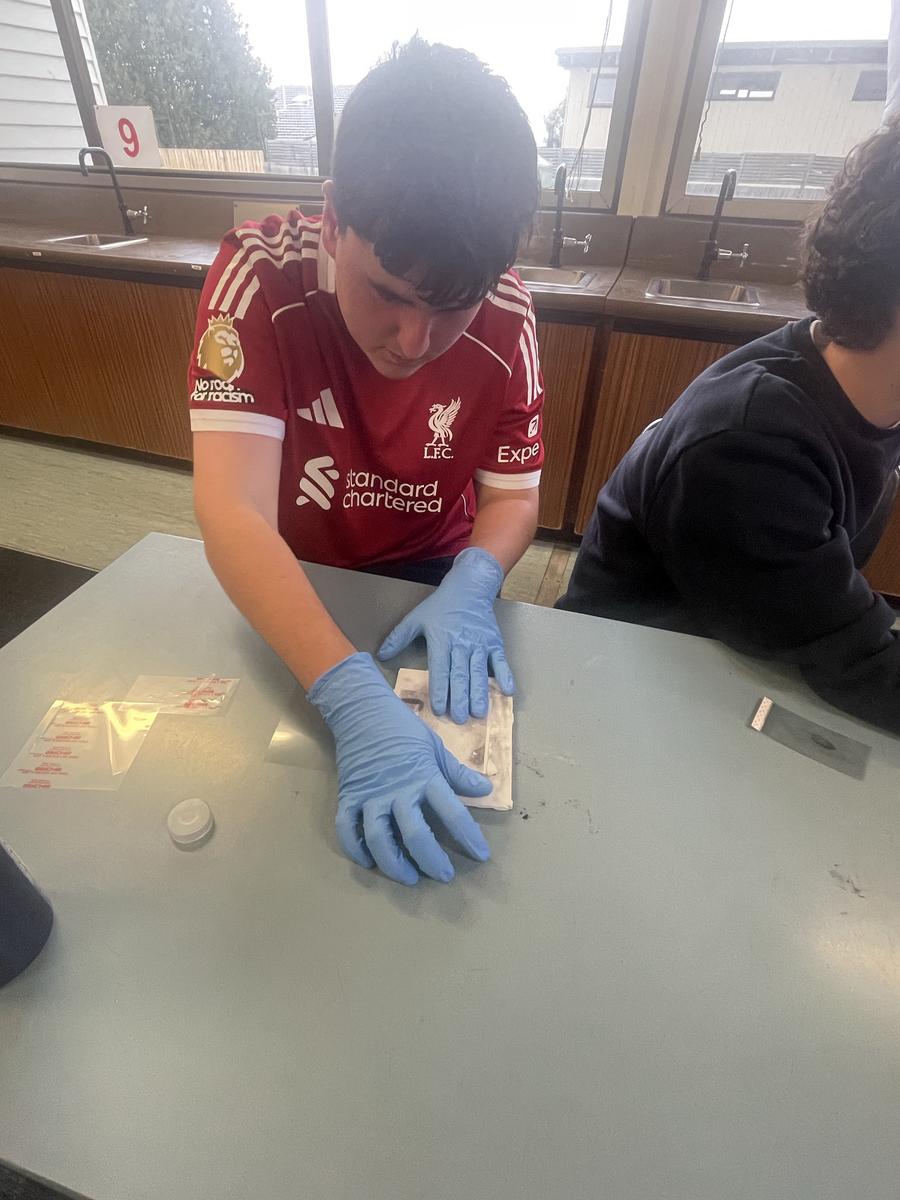
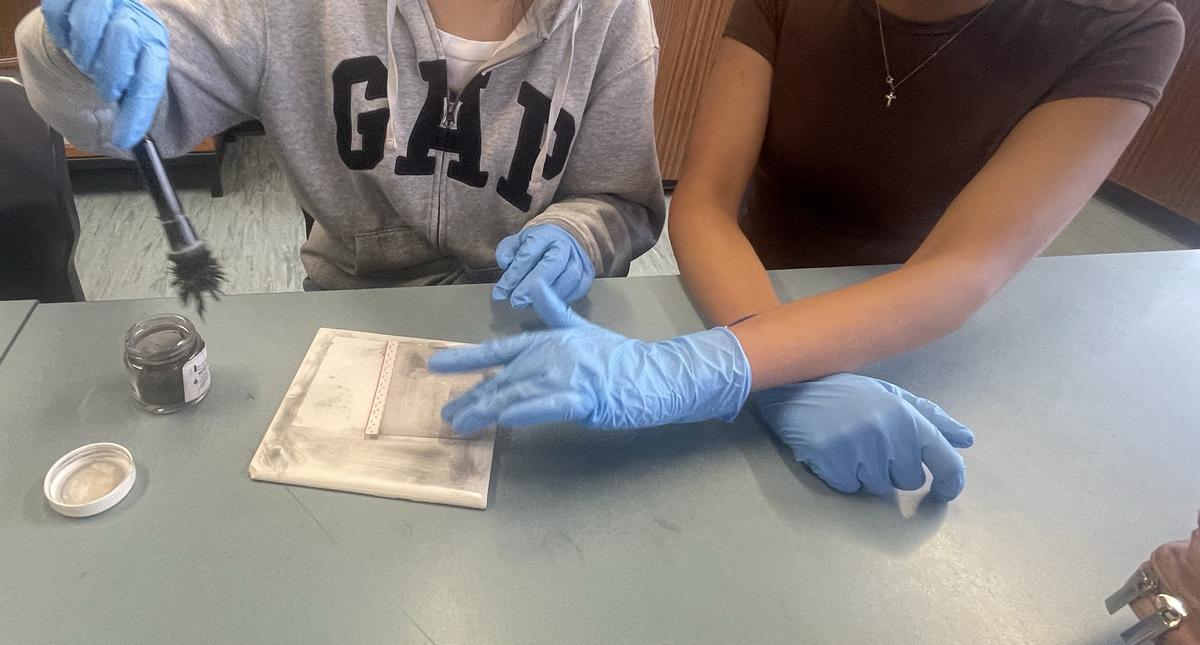
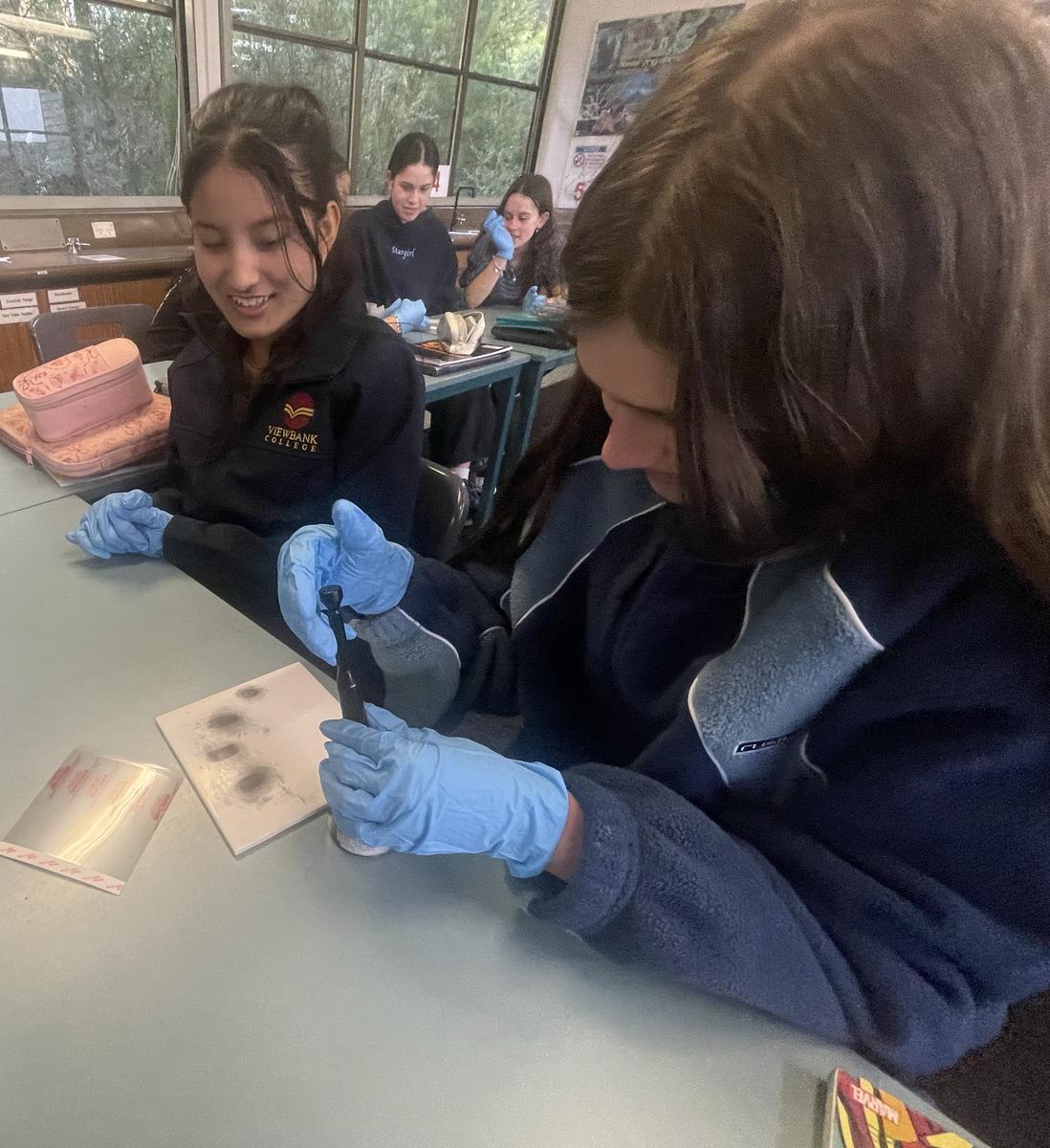
Our Forensic Science students stepped into the role of forensic investigators as they explored the fascinating world of fingerprinting. Students learned how fingerprints can provide valuable evidence at a crime scene and investigated techniques used by forensic scientists to reveal and collect them.
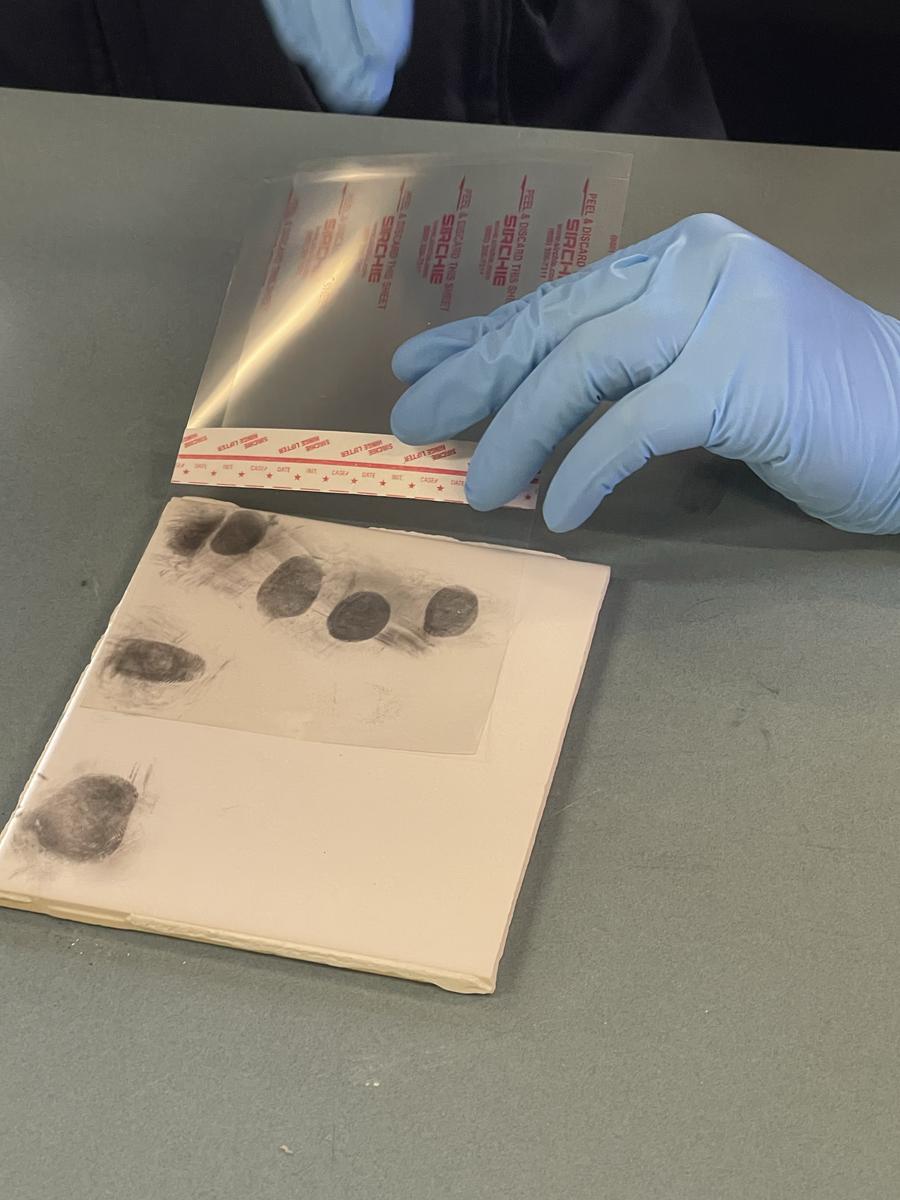
Students created their own fingerprints using stamp pads, then experimented with magnetic powder to develop latent fingerprints. They carefully lifted the prints using hinge lifters, developing their precision and observation skills along the way.
It was a hands-on investigation that brought forensic science to life — with students discovering that every fingerprint tells a story! 🔎🕵️♂️
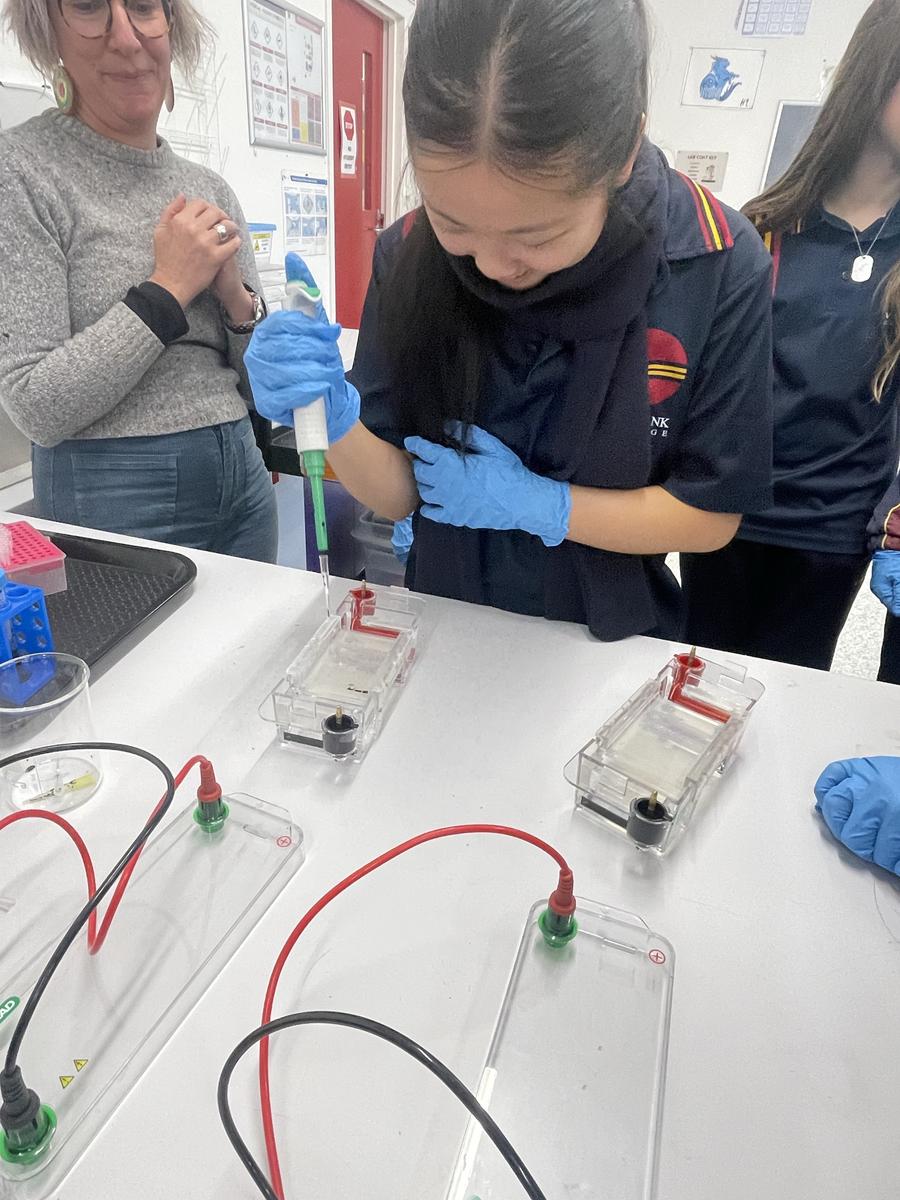
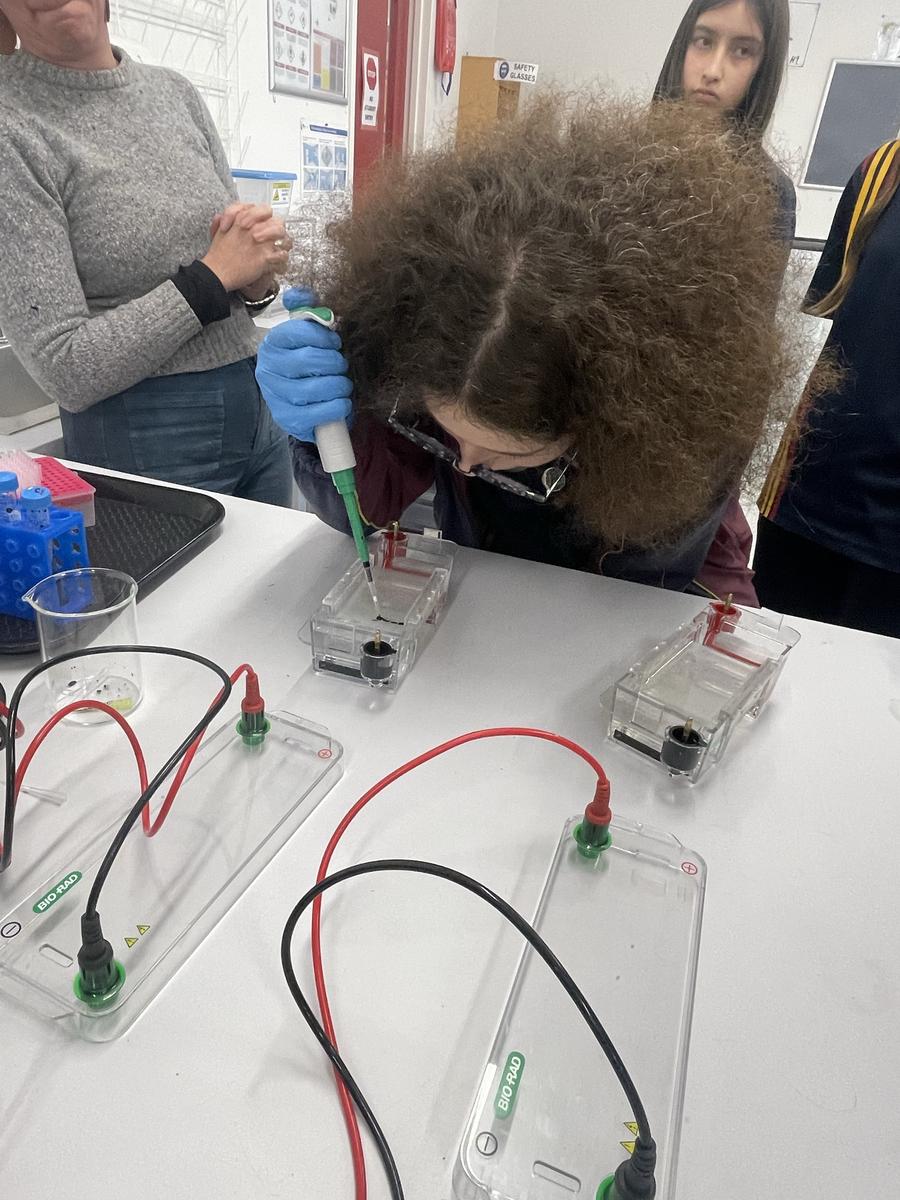
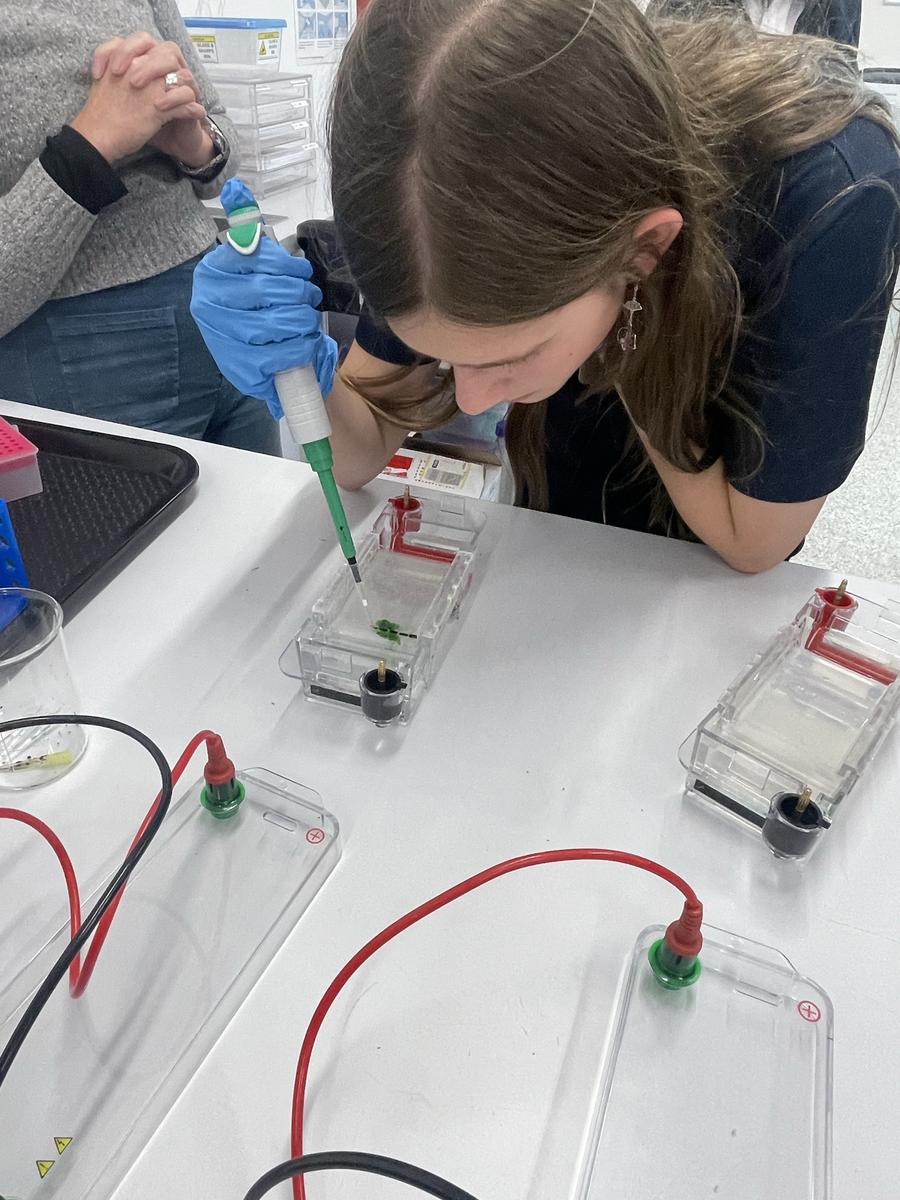
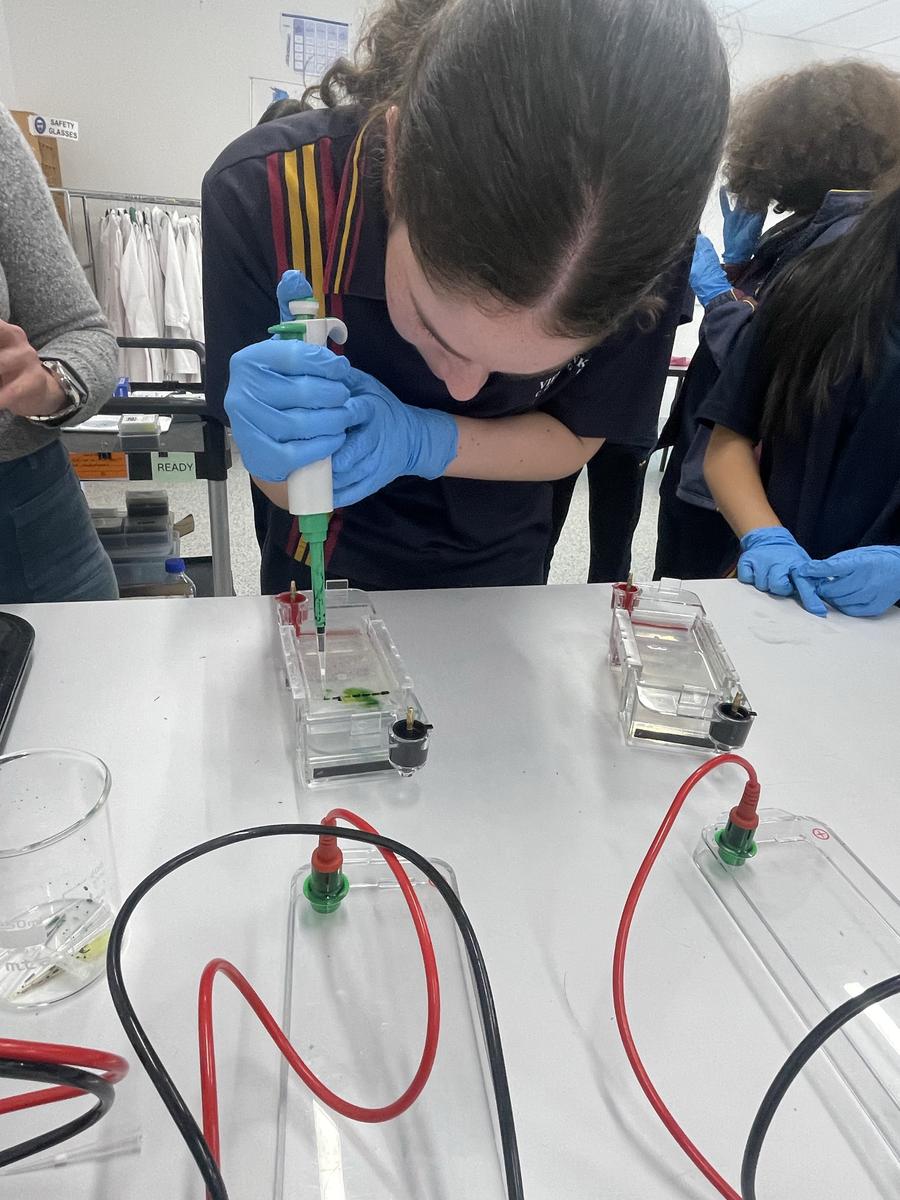
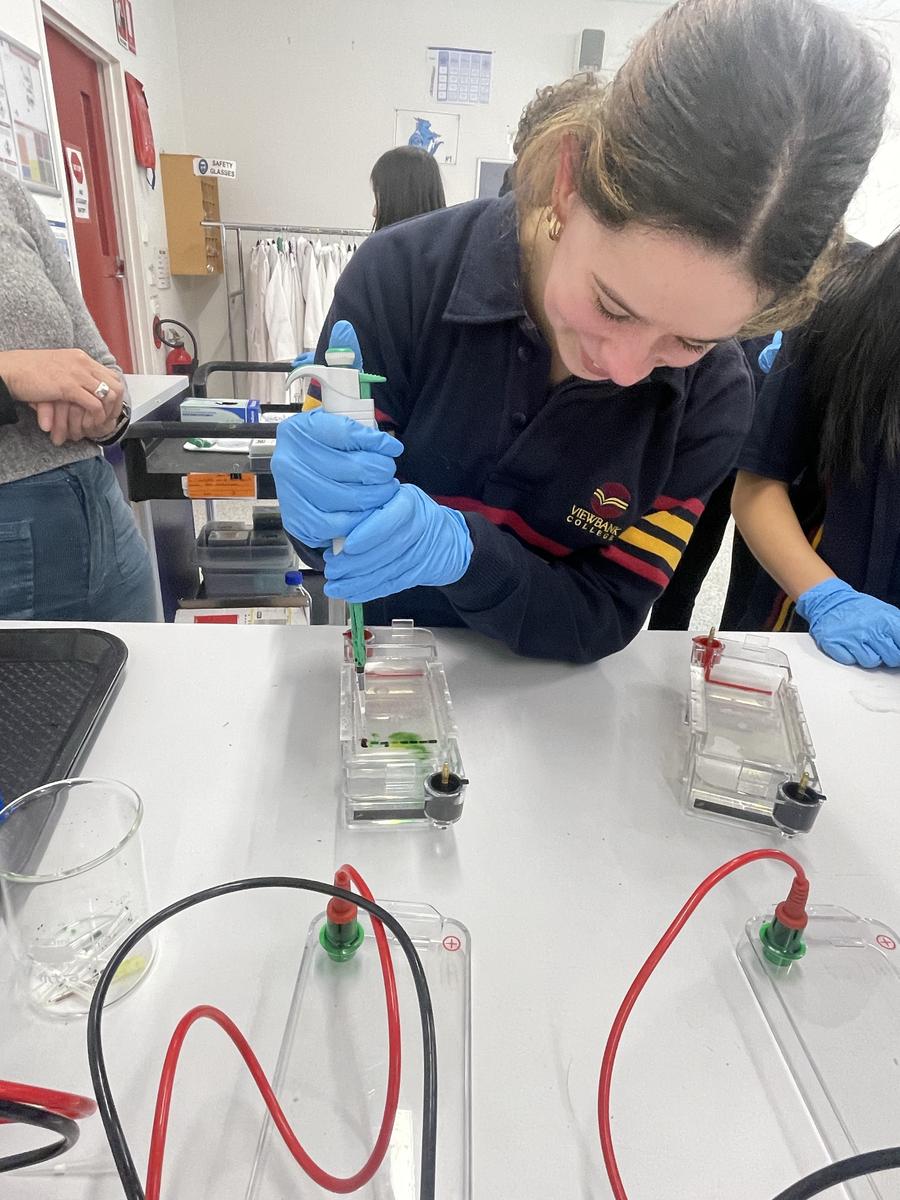
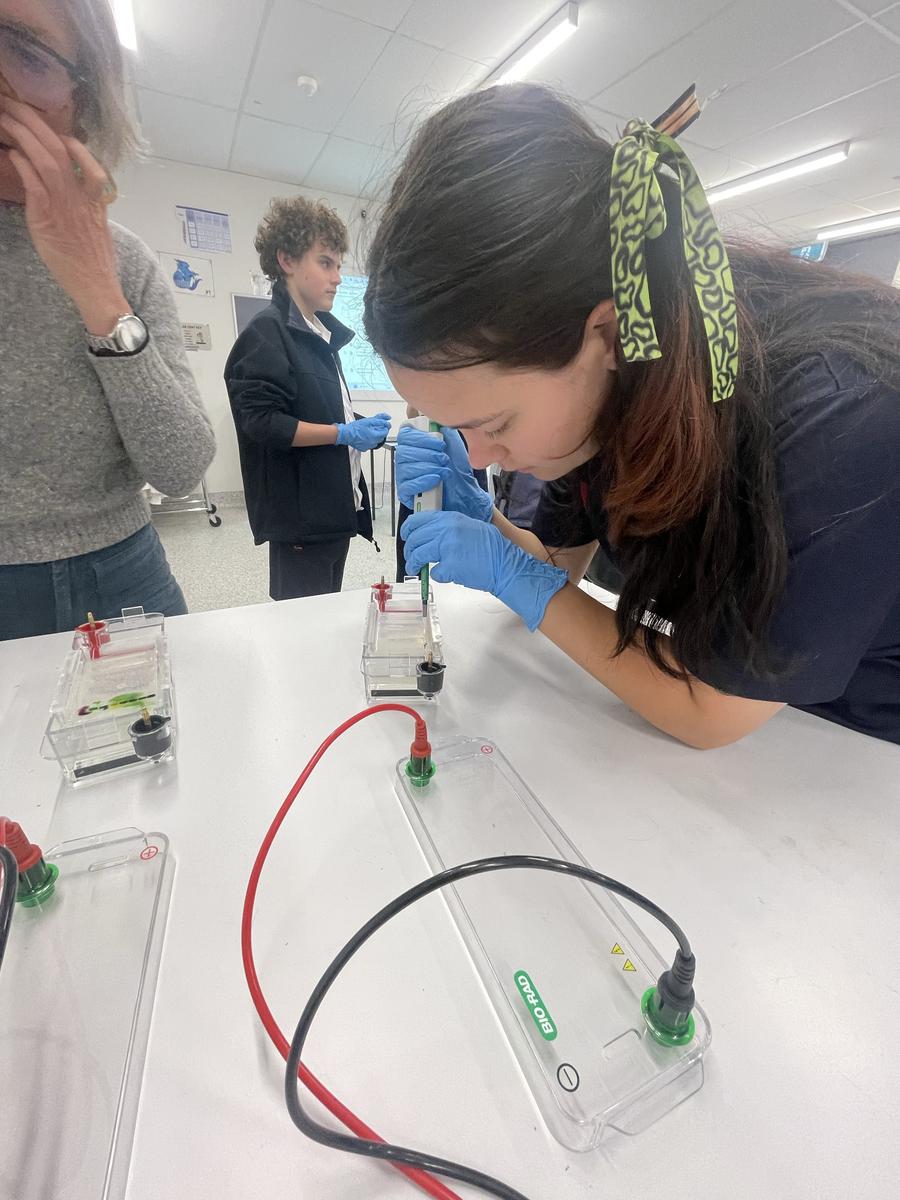
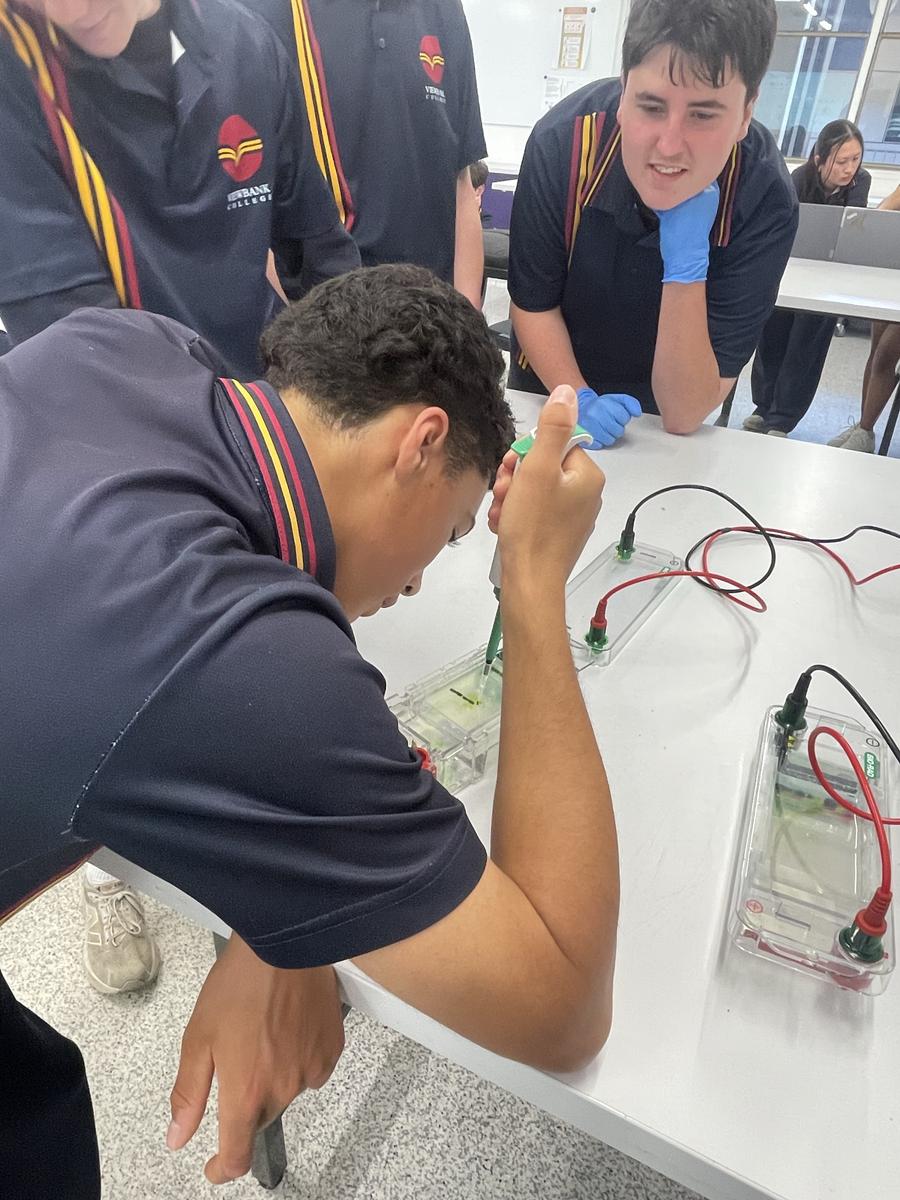
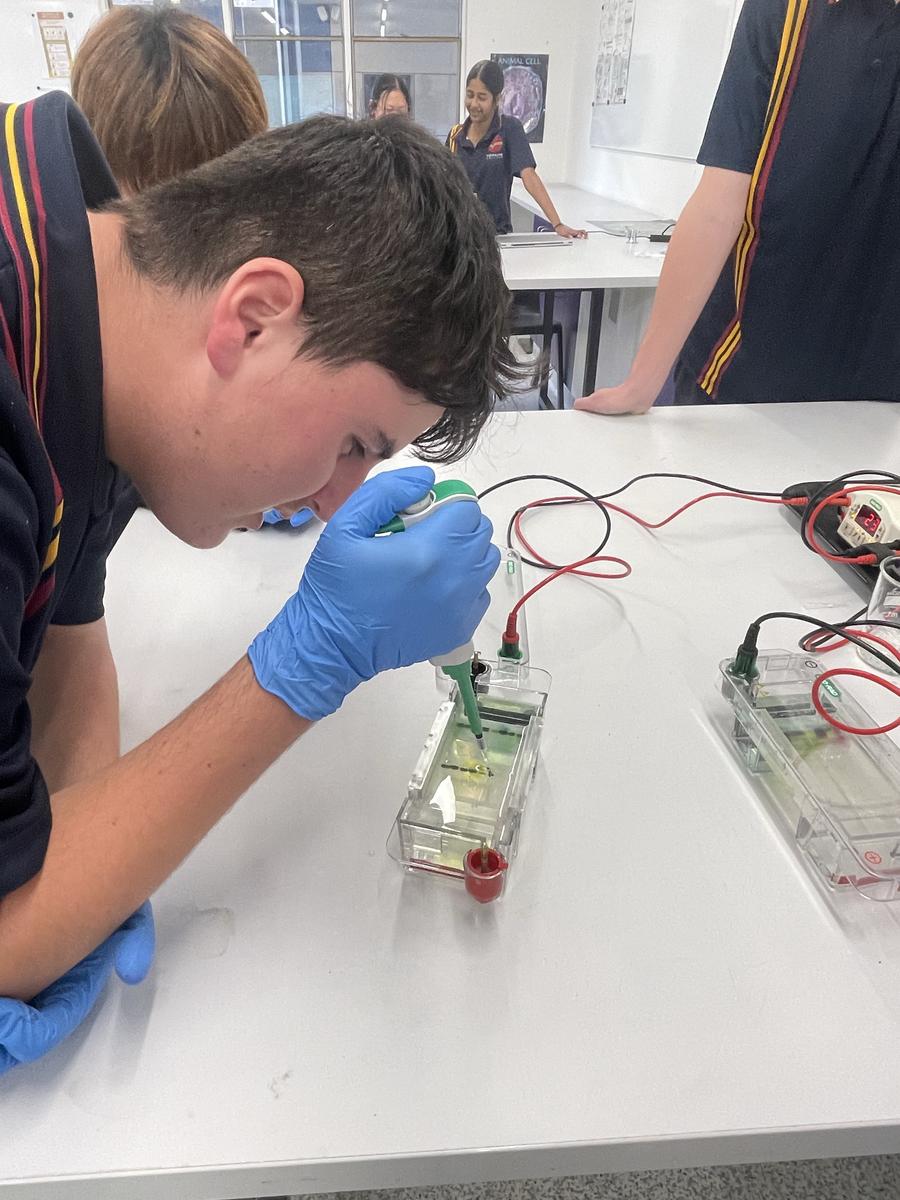
🕵️♀️🔬 Gel Electrophoresis: A Forensic Science Simulation
Our Year 9 Forensic Science students explored the principles of gel electrophoresis through a hands-on laboratory investigation.
As we did not have access to actual forensic or DNA samples, we used food dyes as a model to demonstrate how different substances move through a gel when an electric current is applied. Students learnt how to use a micropipette, accurately measure and transfer small volumes, and carefully load samples into the wells of an agarose gel.
Students then observed how the different food dyes travelled through the gel, producing distinct patterns. This helped us understand how gel electrophoresis can be used to separate substances and compare patterns when analysing evidence.
The practical provided students with valuable laboratory skills while giving them an insight into the techniques used in forensic science. 🧪🌈🔬