
Teenage Sleep: Why Are Teenagers Always Tired?
by Ms Brooke Jones, School Nurse

Teenage Sleep: Why Are Teenagers Always Tired?
by Ms Brooke Jones, School Nurse
It is a question many parents and carers ask? Perhaps your teenager struggles to get out of bed in the morning, falls asleep on the couch after school, needs a long weekend sleep-in or seems to have very little energy for school, sport or social activities.
While busy schedules, screens and late nights can certainly contribute, there is also a biological reason why teenagers tend to stay up later and find mornings difficult.
Understanding what happens to sleep during adolescence can help families establish healthy sleep habits and recognise when ongoing tiredness may require further attention.

Teenagers need approximately 8-10 hours of sleep each night. However, many adolescents regularly get considerably less than this. Research indicates that many teenagers average only around 6.5-7.5 hours of sleep per night, with some getting even less.
This means that a teenager who consistently loses one to two hours of sleep each night can quickly build up a significant sleep debt over the course of a school week.
Sleep is not simply a period of inactivity. During sleep, the brain and body have important opportunities to recover and develop.
For teenagers, adequate sleep supports:
concentration and attention
learning and memory
emotional regulation and mood
decision-making
physical recovery and sporting performance
general health and wellbeing
Ongoing sleep deprivation can contribute to difficulties with concentration, memory, mood, decision-making, academic performance and physical performance.
One of the most important things for parents to understand is that teenagers’ sleep patterns naturally change with puberty.
As children enter adolescence, their internal body clock, or circadian rhythm, shifts later. The body begins to feel sleepy later in the evening and wants to wake up later in the morning.
The sleep pressure that builds up during the day also develops more slowly, meaning a teenager may not feel ready for bed at the same time they did when they were younger.
This is a normal part of adolescent development and is not simply teenagers being lazy or difficult.
The problem is that this natural biological shift can clash with school start times. A teenager may not feel tired until later at night but still needs to wake up early for school the next morning. This can result in a cycle of insufficient sleep during the school week.
The biological shift is only part of the story. Modern teenage life can make getting sleep more difficult.
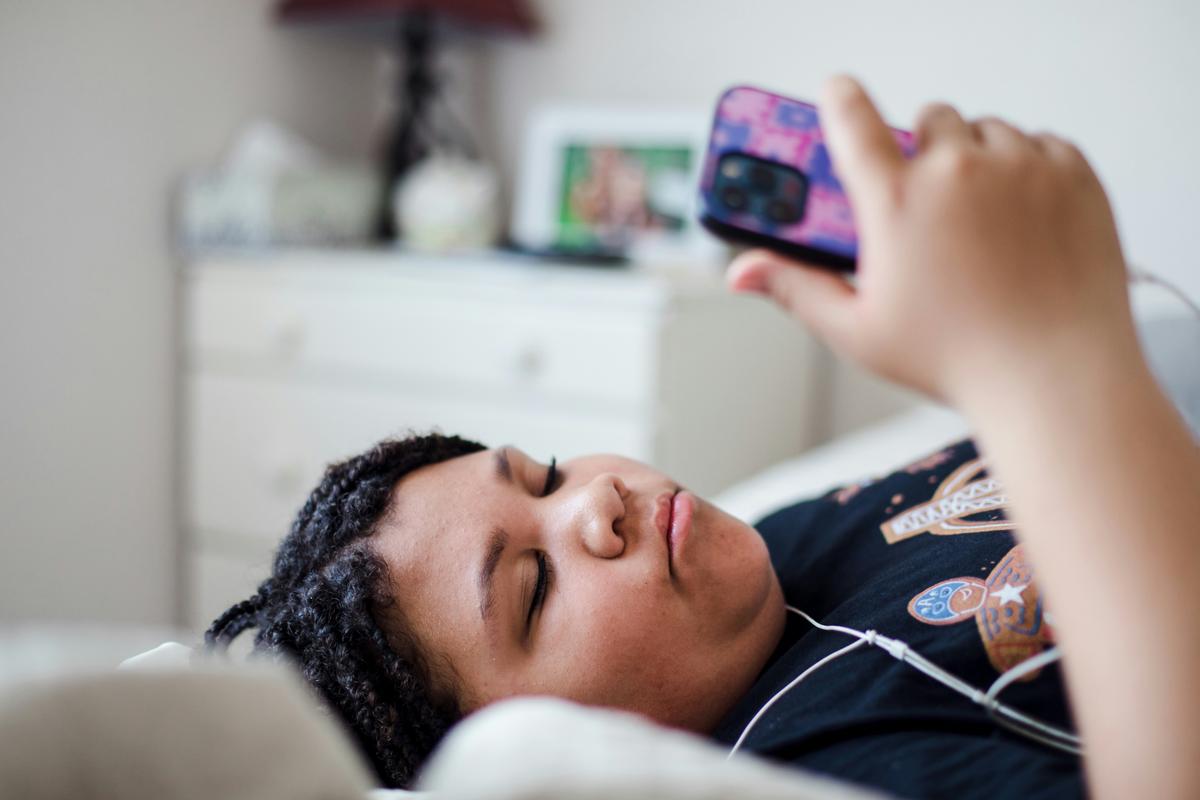
Screens and phones
Phones, tablets, computers, gaming and social media can all push bedtime later. Screen use before bed can also make it harder for the brain and body to wind down.
Research has found that teenagers who put their phones away an hour before bed gained an additional 21 minutes of sleep per night.
That may not sound like much, but over a five-day school week it adds up to almost two extra hours of sleep.
Homework and busy schedules
Schoolwork, sport, part-time employment, social activities, family commitments and extracurricular activities can all compete for a teenager’s limited evening time.
Sometimes the issue isn’t that a teenager doesn’t want to sleep, there simply isn’t enough hours available after everything is completed.
Caffeine and energy drinks
Coffee, tea, cola, energy drinks and other caffeinated products can contribute to sleep difficulties, particularly when consumed later in the day. Higher caffeine consumption amongst adolescents has been proven to be associated with sleep problems.
Stress and worry
Teenagers can have a lot on their minds, school, exams, friendships, family issues, relationships, sport and their future.
Feeling stressed or overwhelmed can make it difficult to fall asleep or stay asleep. Poor sleep and mental wellbeing can also influence one another, creating a cycle where stress affects sleep and poor sleep makes coping with stress more difficult.
Nutrition and tiredness
Nutrition can also play a role in how energetic a teenager feels.
Iron deficiency is particularly important to consider in adolescents. Iron is required to produce health red blood cells that carry oxygen around the body. Iron deficiency, with or without anaemia, can contribute to tiredness and weakness.
Teenagers who have ongoing unexplained tiredness should discuss this with their GP rather than assuming they simply need more sleep or starting supplements without medical advice.
Some signs of sleep deprivation or excessive daytime sleepiness include:
difficulty getting out of bed in the morning
regularly falling asleep during quiet activities or in class
difficulty concentrating or remembering information
declining school performance
irritability, mood changes or emotional difficulties
regular or profound afternoon naps
needing very long weekend sleep-ins
struggling to participate in usual activities
reduced sporting performance
appearing tired despite having sufficient opportunity to sleep
A large weekend sleep-in can be a sign that a teenager is trying to compensate for sleep lost during the school week. However, very large changes in weekend sleeping patterns can also make it harder to fall asleep on Sunday night and get back into the school routine.
A common pattern can develop:
Late bedtime → early school start → not enough sleep → tired during the day → afternoon nap/caffeine → less tired at bedtime → later bedtime → repeat.
Weekend sleep-ins can add another layer:
Late nights + sleeping late → body clock shifts later → difficulty falling asleep Sunday night → tired Monday morning.
Breaking this cycle doesn’t usually happen overnight. Consistency is important.

Families don’t need to completely overhaul their teenager’s life. Small, realistic changes can make a difference.
Establish a consistent sleep routine
Encourage a reasonably consistent bedtime and wake-up time. A regular routine helps the body’s internal clock know when it is time to sleep and wake.
Create a scree-free wind-down period
Consider establishing a family agreement around devices before bedtime. Ideally, phones and other devices should be kept out of the bedroom overnight.
Get morning light
Exposure to natural light in the morning can help regulate the body’s internal clock. Opening curtains, going outside, walking to school or spending some time outdoors early in the day can help provide this morning light cue.
Encourage physical activity
Regular physical activity during the day can support sleep and overhaul health. Encourage teenagers to participate in activities they enjoy rather than viewing exercise simply to “burn energy.”
Watch caffeine intake
Encourage teenagers to avoid caffeine later in the day, particularly coffee, cola and energy drinks.
Create time to wind down
A teenager’s bedtime routine doesn’t have to be complicated. Reading, listening to calming music, journalling, mindfulness or another relaxing activity can help signal that the day is coming to an end.
Look at the whole weekly schedule
Sometimes the solution isn’t simply an earlier bedtime. Take a look at the teenager’s entire week.
Are they balancing:
school + homework + sport + work + social commitments + family responsibilities + downtime + sleep?
If the schedule is consistently overloaded, there may be opportunities to reduce or rearrange commitments.
It can be tempting to let a tired teenager sleep until lunchtime on a Saturday or Sunday. Some additional sleep can certainly feel restorative, but very large changes between weekday and weekend wake-up times can disrupt the body’s sleep-wake rhythm.
The Black Dog Institute recommends limiting weekend sleep-ins to around two hours later than usual weekday wake-up time, where practical.
The goal isn’t perfection. Family routines, sport and teenagers’ individual needs vary. The important thing is avoiding a pattern where weekday and weekend schedules are completely different.
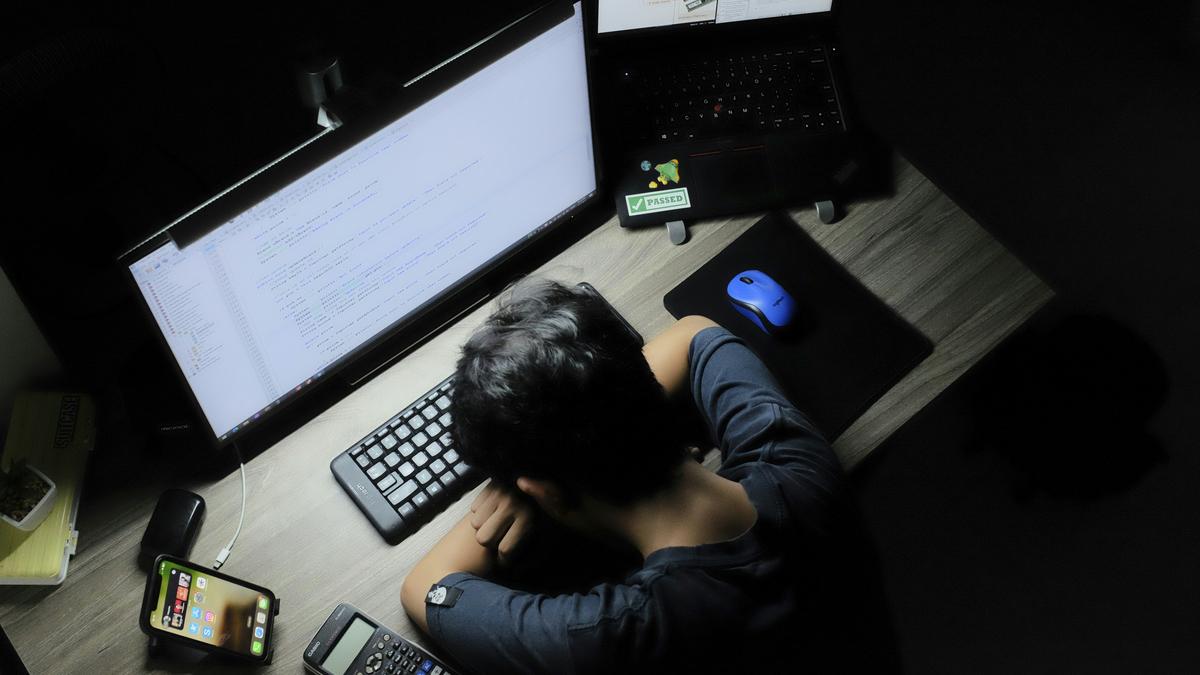
Most teenagers will experience periods of tiredness. However, persistent or excessive tiredness shouldn’t automatically be dismissed as normal teenage behaviour.
It is worth speaking with your GP if your teenager:
remains extremely tired despite having adequate opportunity for sleep
regularly falls asleep during the day
struggles significantly to wake for school
has ongoing difficulty falling or staying asleep
is experiencing a significant decline in school performance
is frequently missing school because of tiredness
snores heavily or has disrupted sleep
has other symptoms alongside their tiredness
appears to be experiencing ongoing stress, anxiety or low mood
There can be many causes of fatigue beyond lack of sleep, including nutritional deficiencies, medical conditions, medication effects, mental health concerns and sleep disorders.

Sleep and mental health are closely connected.
Research from the Black Dog Institute’s ‘Future Proofing Study found strong associations between sleep difficulties, mental health and daytime functioning in adolescents.
In their research, teenagers experiencing insomnia were more likely to experience anxiety or depression symptoms and difficulties with schoolwork and relationships.
This is why sleep should be considered part of a teenager’s overall wellbeing, alongside physical health, nutrition, exercise, relationships and mental health.
If you are concerned about your teenager’s sleep or wellbeing, speaking with your GP is a good place to start.
Teenagers are not simply ‘lazy’ because they struggle to get out of bed.
Their developing brains and changing body clocks mean that adolescence is a time when sleep can become particularly challenging. Add school, homework, sport, employment, social activities, technology and the normal stresses of growing up, and it is easy to see why so many teenagers aren’t getting the sleep they need.
The aim isn’t to create a perfect bedtime routine overnight.
Start small. Pick one change that is realistic for your family, perhaps putting phones away before bed or establishing a consistent wake-up time and build from there.
Further information can be found at Black Dog Institute’s Sleep Ninja, a free evidence-based resource designed to help teenagers develop healthier sleep habits.
Parents and carers who have concerns about persistent tiredness, sleep difficulties or their teenager’s health should speak with their GP.
Helpful online resources
Why does my teenager seem so tired? | UNICEF Europe and Central Asia