
Health Centre
Hay Fever
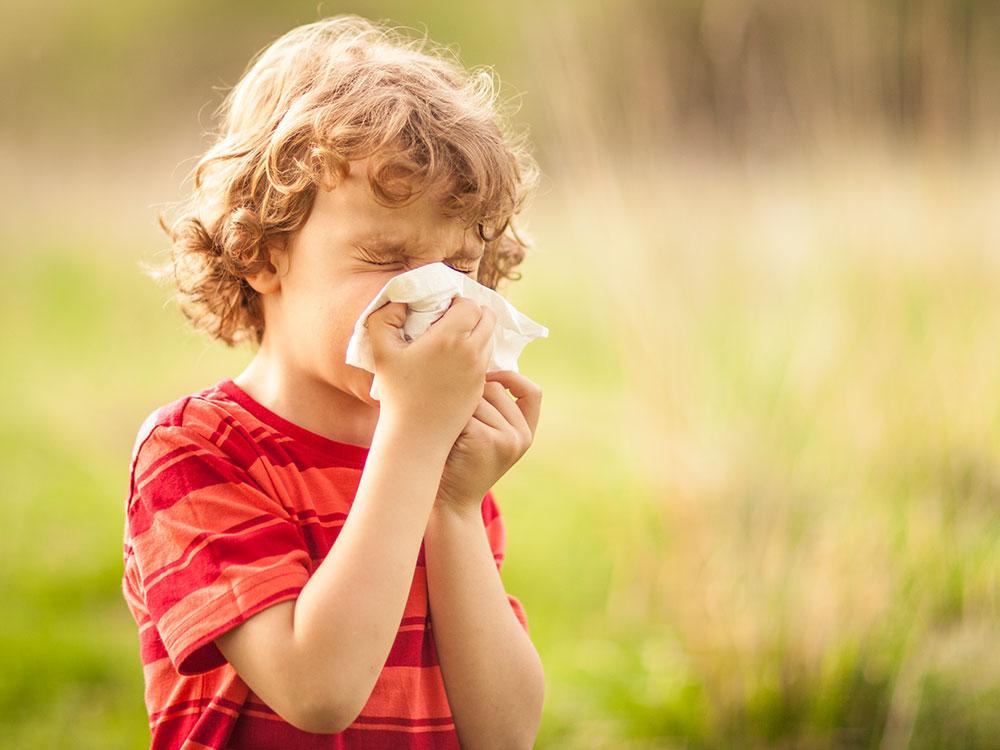
Hay fever is the common name for allergic rhinitis and is most commonly associated with Spring, when airborne grass pollens are at their peak.
Some of the immediate signs and symptoms of hay fever include:
- runny nose
- itchy nose
- sneezing
- itchy, watery eyes
In severe cases, a person can't sleep or concentrate, and may feel tired or unwell.
Children who suffer from hay fever (allergic rhinitis) are required to get an updated hay fever management plan each season from their doctor or pharmacist.
Warm, windy Spring days are most often the time of year that children who suffer with hay fever will have symptoms during the day that can significantly impact their learning.
We recommend that parents/carers of children with hay fever use the Melbourne Pollen Count app to assist with symptom management, particularly on predicted high pollen days:
If your child's hay fever management plan advises taking an antihistamine to control symptoms, parents/carers must administer an antihistamine in the morning before school so that it can take effect and manage their symptoms throughout the day.
We will not routinely be administering antihistamines at school to children who present to the Health Centre with hay fever symptoms during the day. We will treat symptomatically, e.g. give wet cloths for itchy eyes. However, if your child is not coping with their hay fever symptoms, parents/carers will be rung and asked to collect them from school.
We recommend providing your child's current hay fever management plan to our Health Centre; hand in at the School Office or email to essex.heights.ps@education.vic.gov.au
Cass Gleglakos
First Aid Officer