Glen Education Bentleigh East

























 Glen Education Inc.
Learning Begins with Children's Ideas
By Innesa Dorevitch, Early Childhood Teacher
At our kindergarten, some of the richest learning doesn't begin with an educator's plan, it begins with a child's question.
We believe children learn best when they have opportunities to investigate the things that genuinely interest them, and when they see that their ideas can influence what happens next.
Recently, one child asked a question about crocodiles. Rather than simply answering it, we wondered together, "How could we find out?" The children suggested looking in one of our reptile books, and together we searched for information, examined photos, compared different reptiles and shared what we had discovered. What began as one child's question quickly became an entire inquiry project, with many children across all groups contributing their own ideas.
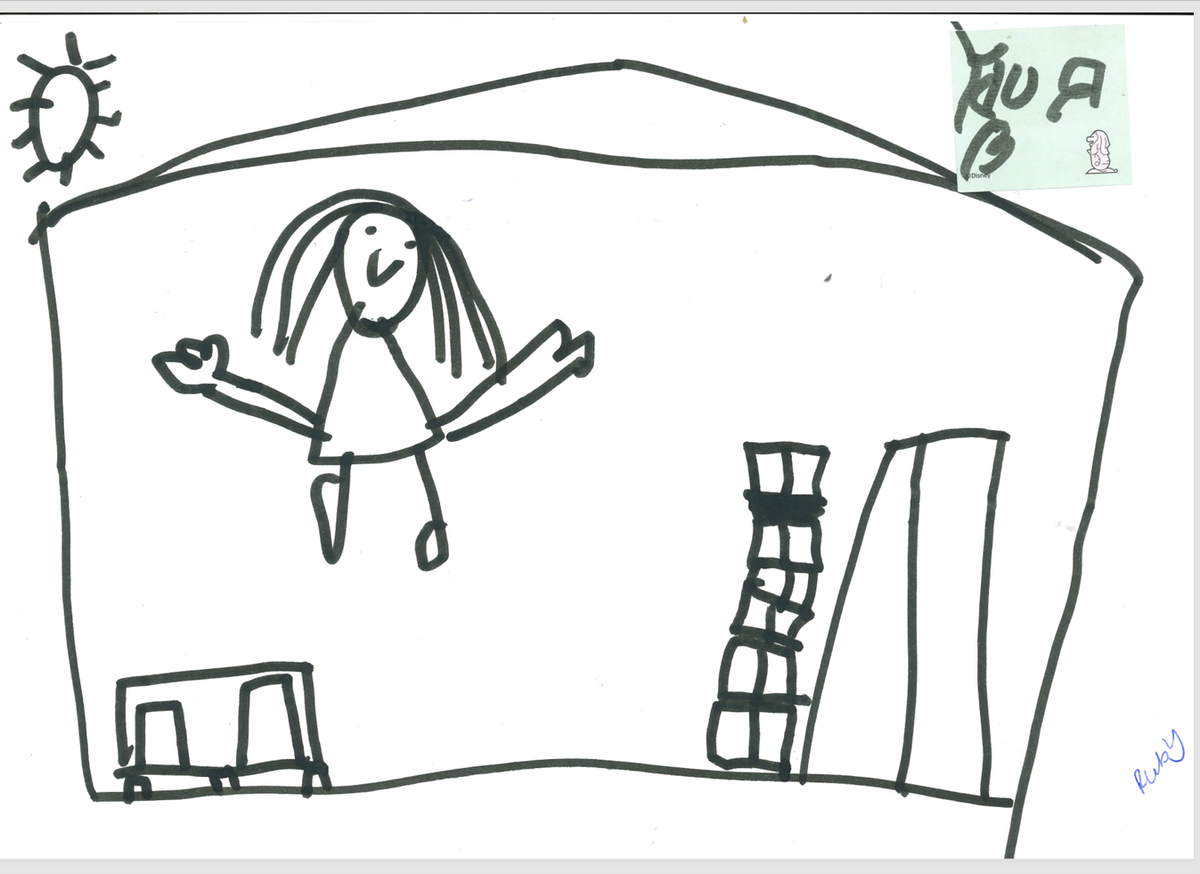
Children's voices are not only heard through spoken words. Every day we observe children communicating their ideas in many different ways. Some children express themselves confidently through conversation, while others communicate through drawing, painting, construction, dramatic play, movement, music or by carefully observing the world around them. As educators, we pay close attention to these different forms of communication, recognising that every child has something valuable to say.
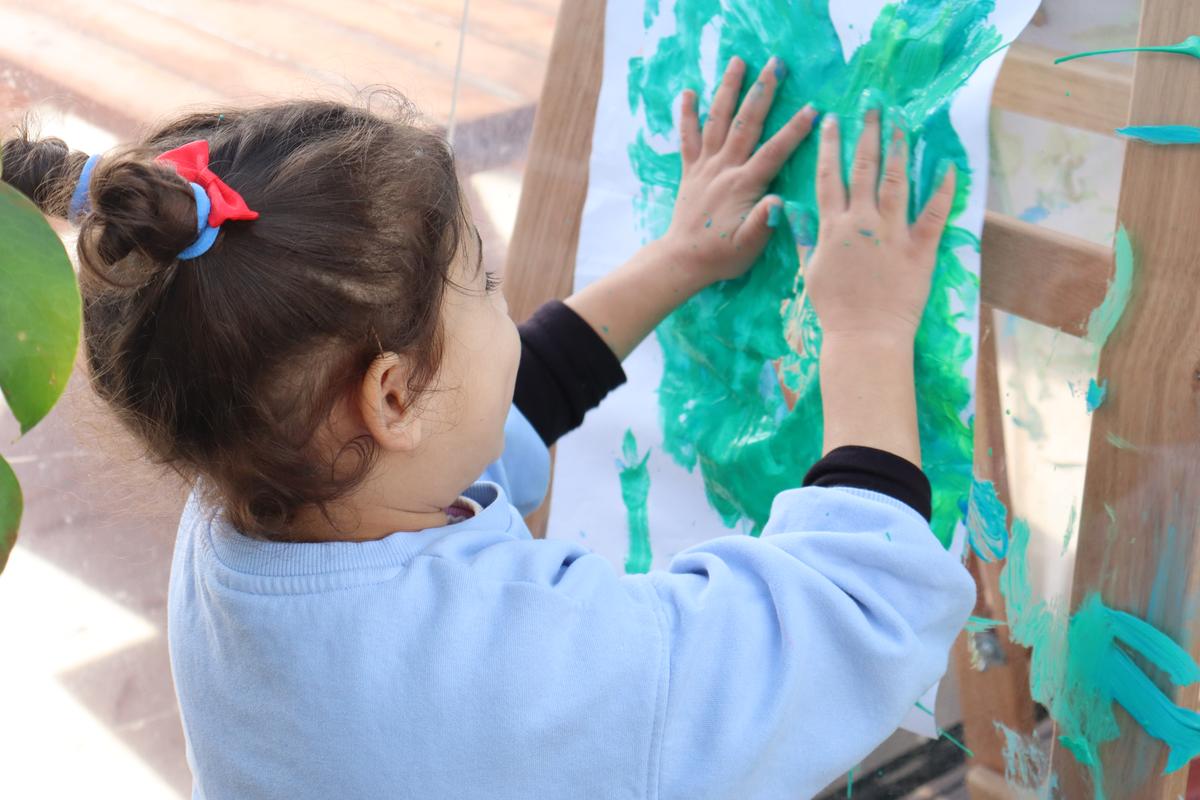
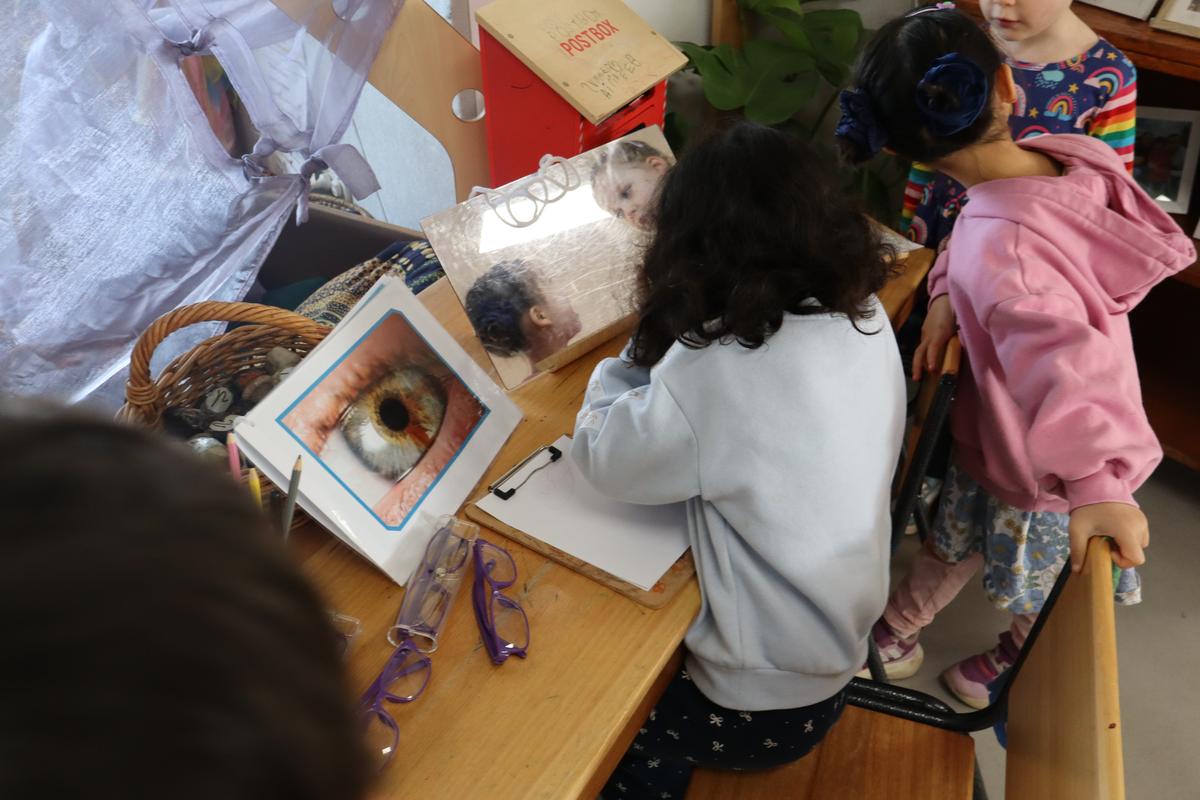
One way we honour children's thinking is through observational drawing. When children carefully observe a flower, shell, insect, leaf or natural object before drawing it, they are doing much more than creating a picture. They are slowing down, noticing details, asking questions, making comparisons and communicating what they see from their own unique perspective. Every drawing tells a different story because every child notices something different. These drawings become visible evidence of children's thinking and encourage them to look more deeply at the world around them.
Families are an important part of this process. The conversations they have at home, the interests the children bring with them and the stories they share all enrich our understanding of who they are. These connections between home and kindergarten help us create learning that is authentic, meaningful and responsive to each child.
If children are truly co-constructors of the curriculum, their ideas must do more than inspire isolated activities. They should influence the direction of learning. This requires educators to listen with intention, observe closely and remain responsive to children's questions, interests, theories and many ways of communicating. By documenting children's thinking, revisiting their ideas and allowing these to shape our planning, environments and inquiry projects, we demonstrate that their voices are not only heard but genuinely valued.
When children see their thoughts leading to meaningful action, they develop a strong sense of agency, belonging and confidence as active participants in their own learning