Glen Education Chelsea



































 Glen Education Inc.
Children’s Voice at the Heart of Curriculum
By Indigo Reith, Early Childhood Teacher
At Glen Education Chelsea Kindergarten, we value and honour children's voices and recognise that every child has the right to express their thoughts, ideas, interests, and opinions in ways that are meaningful to them. Children's voices are embedded throughout our curriculum and are central to our planning, reflection, and evaluation processes.
Educators actively gather children's perspectives through a range of documentation tools, including the floor book, observations, learning stories, photographs, children's work samples, conversations, group discussions, and daily reflective practice. We also acknowledge that children communicate in many different ways. While some children confidently express their ideas verbally, others communicate through play, drawings, gestures, body language, creative experiences, and interactions with their peers and educators. We value all forms of communication and use them to inform our curriculum decisions.
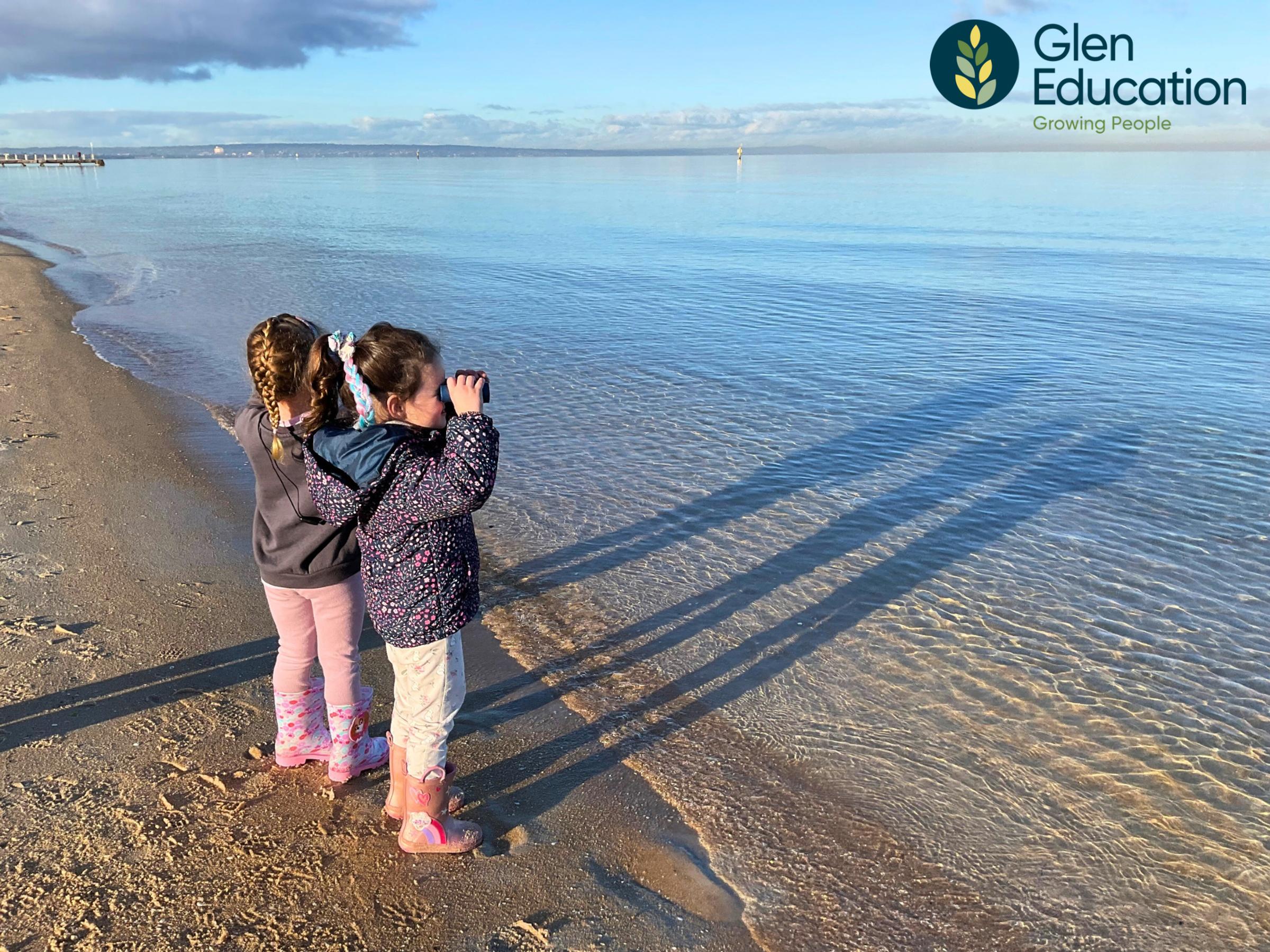
Recently, educators reflected on our end-of-day routine, which included a daily group time. Through observations, conversations, and children's actions, we identified that some children were finding it difficult to remain engaged at this time and were expressing a desire to continue their play, particularly outdoors. These observations were documented and discussed as part of our reflective practice, prompting educators to evaluate whether this routine was meeting the needs of the children.
As a result of this reflection and evaluation, we trialled a more flexible approach to end-of-day group time. Rather than expecting all children to participate every day, educators now consider the needs, interests, and engagement levels of the group when deciding whether a group gathering is appropriate. Since implementing this change, children have appeared more settled and regulated, and have been able to continue engaging in meaningful indoor and outdoor experiences until collection time.
This example demonstrates how children's voices directly influence our planning cycle. Educators collect and document children's perspectives, reflect on the information gathered, implement responsive changes, and evaluate the outcomes to ensure our program remains relevant and meaningful. By listening and responding to children, we create an environment where they feel heard, respected, and empowered to contribute to decisions that affect their daily experiences.
This practice supports VEYLDF Outcome 1 as children are encouraged to express their preferences, ideas, and needs, knowing that their voices are valued and respected. By incorporating children's feedback into planning and decision-making, educators foster a strong sense of agency, confidence, belonging, and wellbeing, helping children understand that they are active and important contributors to their learning environment.