Glen Education Oakleigh South






 Glen Education Inc.
Children's Voice at the Heart of the Curriculum
By Poonam Negi, Early Childhood Teacher
At Glen Oakleigh South kindergarten, we recognise children as capable, competent and active participants in their own learning. Their ideas, questions, interests, opinions and perspectives shape our curriculum and inform the decisions we make within our learning environment.
This term, our Fairy Garden and Dinosaur Garden became a meaningful example of how children’s voices can influence curriculum, learning environments and our wider community.
Listening, Observing and Responding
Our learning journey began with noticing the children’s growing interest in fairies and dinosaurs. Through conversations and observations, we heard the children talking about fairies, including the tooth fairy, wondering where fairies lived and imagining what they might find in a fairy garden.
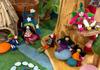
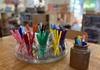
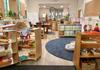
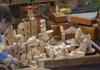
To extend these interests, educators introduced provocations in the indoor environment, providing opportunities for the children to explore their ideas through imaginative play, conversations, drawing and storytelling.
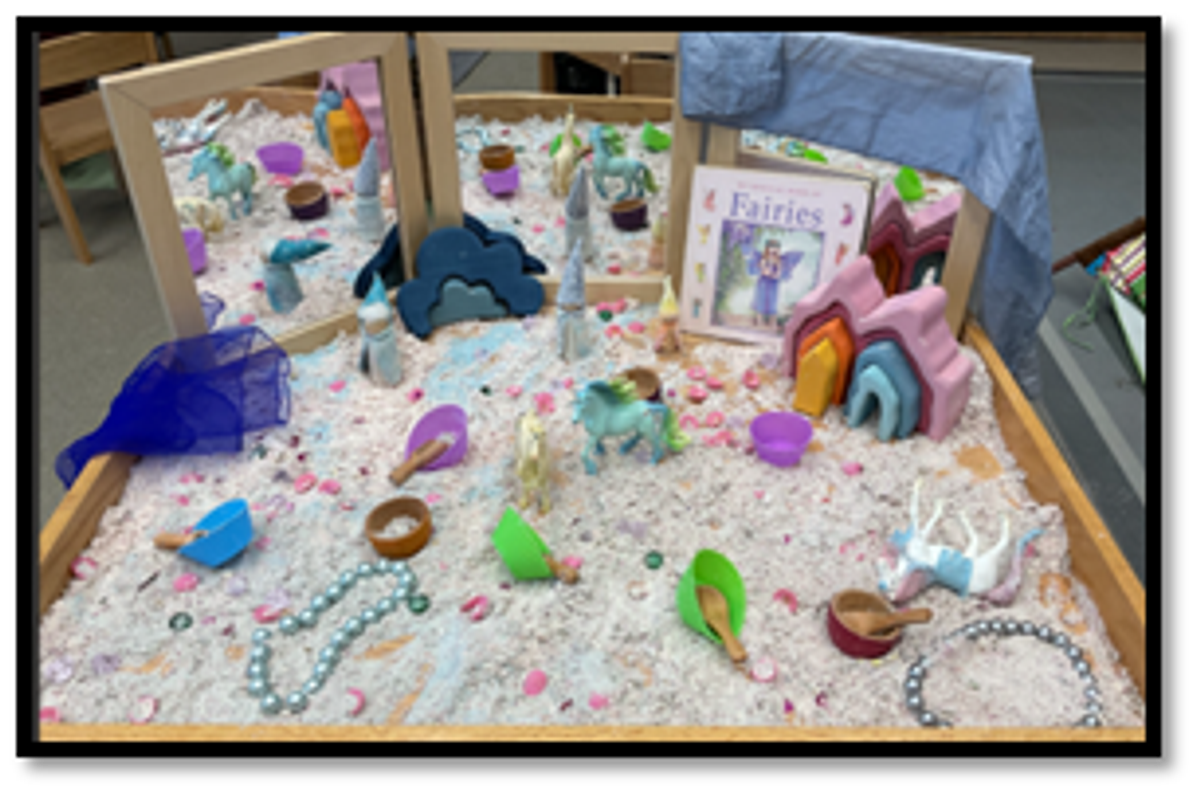
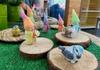
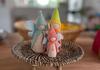
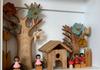
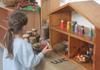
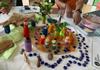
Fairy provocation
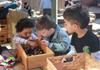
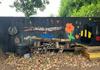
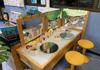
We also noticed these interests continuing outdoors. The children frequently took their dinosaurs into the garden, created imaginative worlds, collected leaves and natural materials, and used these resources in their cooking and mud-kitchen play.
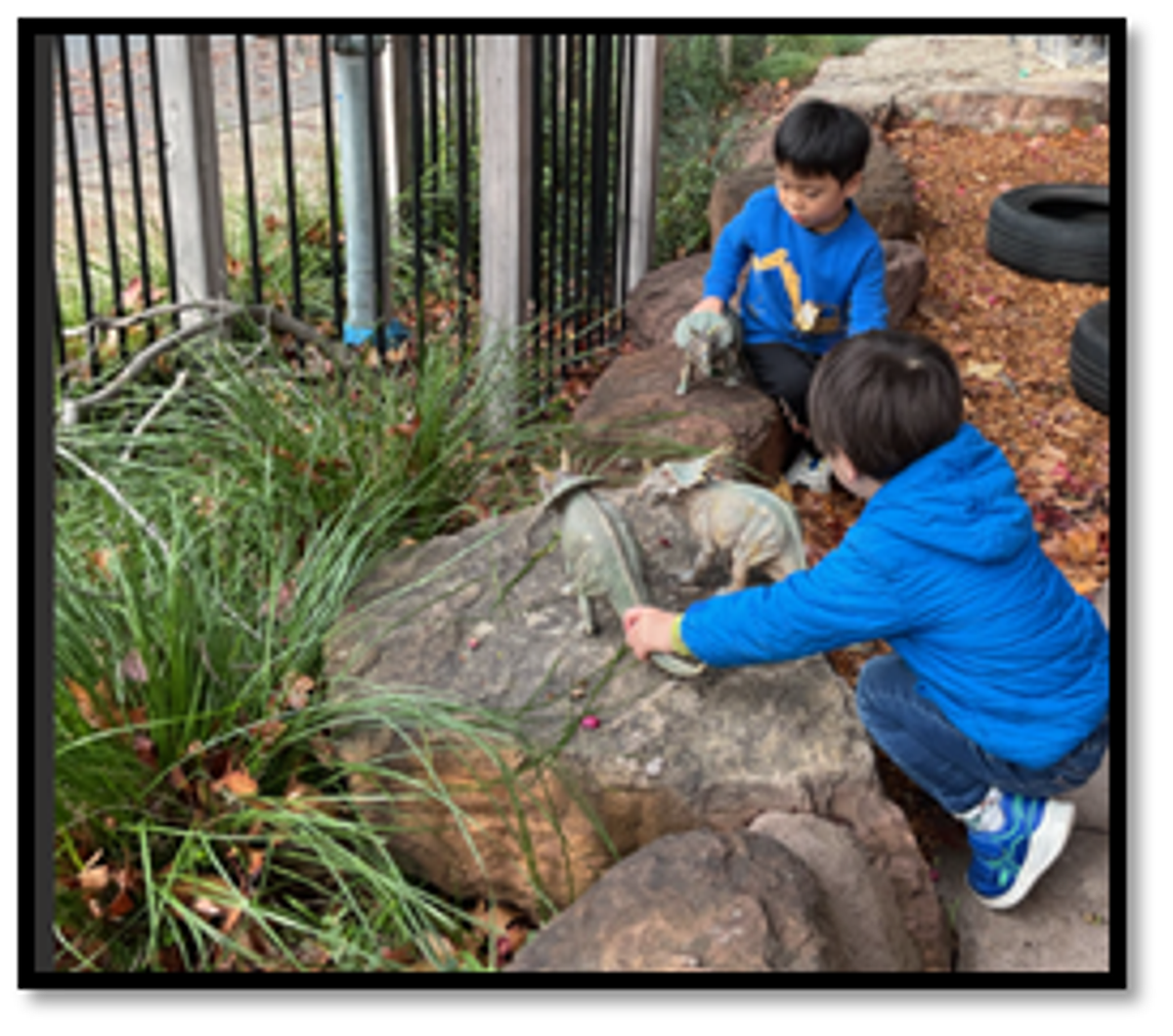
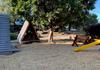
Interest extending outdoors
One particular area along our fence became a favourite place for exploration. However, we noticed that the area contained a significant amount of spiky grass. As children collected natural materials and engaged in play, some experienced little cuts and scratches on their fingers.
Rather than simply removing the grass, we asked ourselves:
How could we respond to what we were observing and create a space that was safer, more inviting and meaningful to the children?
The children’s interests gave us the direction. The idea of creating a Fairy Garden and Dinosaur Garden began to emerge.
From Children’s Voices to Curriculum in Action
After seeking permission from the council, we began planning how to transform the space.
This was not simply an environmental improvement; it was an opportunity to make the children’s interests visible within their learning environment.
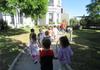
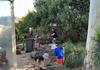
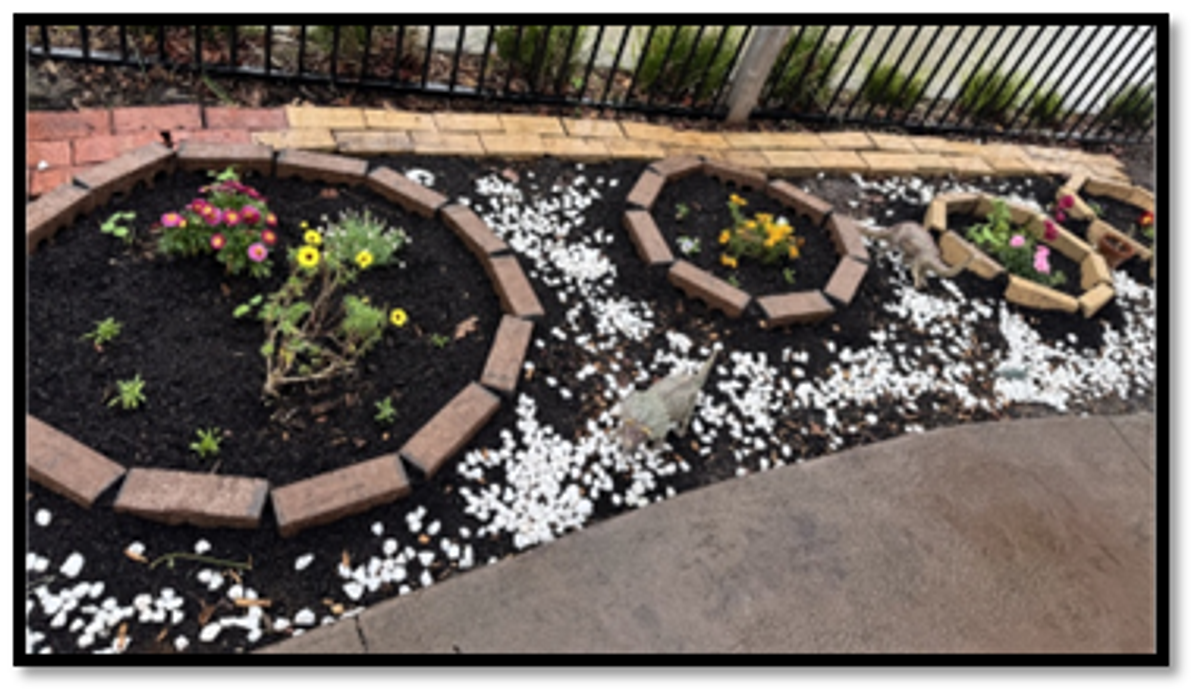
Families were invited to become part of this journey. During our working bees, families came together to help transform the space. For our term2 working bee, families helped remove the spiky grass, dig and prepare the ground and create the foundation for the new garden. During our Term 3 working bee, the space continued to evolve as flowers and other elements were planted to make it more inviting and connected to the children’s imaginative play.
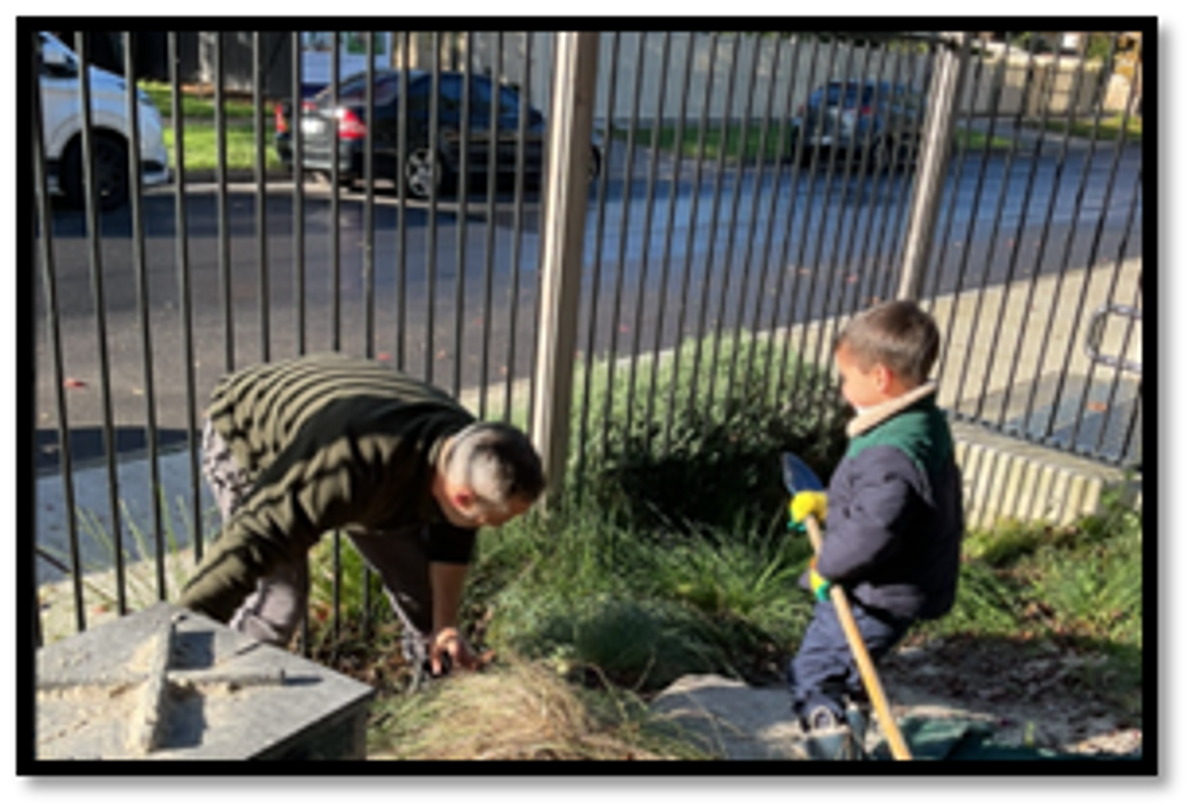
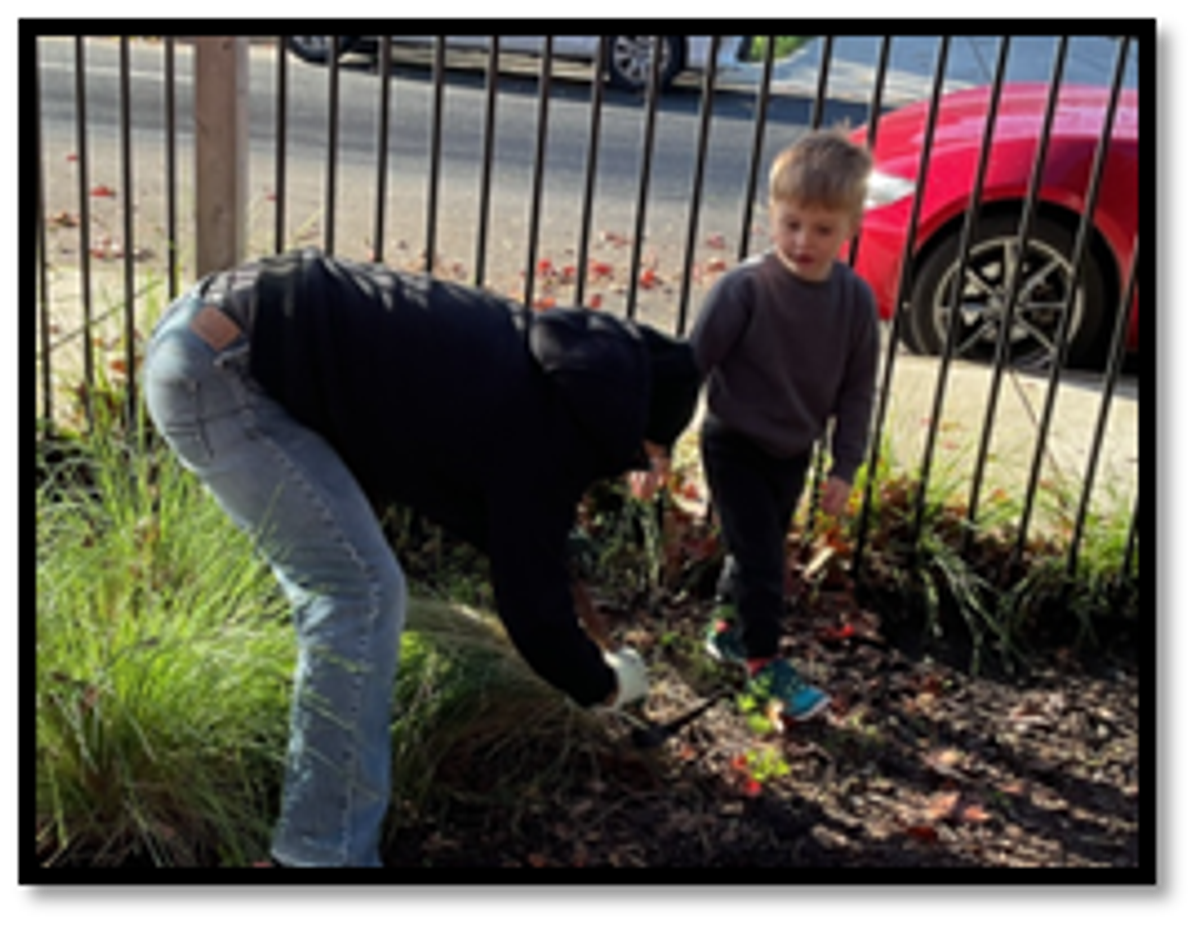
Term2 Working Bee – Children and Families preparing the ground
Term3 Working Bee - Educators and families working alongside adding other elements like bricks, plants
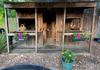
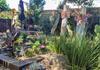
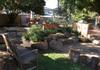
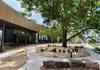
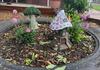
The space continues to evolve as Fairy and Dinosaur garden
Children as Co-Constructors
At GOSK, listening to children goes beyond asking them direct questions. Children communicate their perspectives through their words, play, choices, interests, relationships, actions and the spaces they are naturally drawn towards.
By observing the children closely, we were able to identify their emerging interests and respond intentionally. Their fascination with fairies and dinosaurs influenced the direction of the project, while their use of the outdoor space helped us identify an opportunity to create a more meaningful and safer learning environment.
The children have also become active participants in the ongoing life of the garden. They can now use the space to continue developing their imaginative narratives, explore nature, collect natural materials, care for living things and create their own stories and worlds.
The Role of Families
Children’s voices become even more powerful when the important adults in their lives listen, value and respond to what they communicate.
Inviting families into this project strengthened the connection between the children’s learning, our curriculum and our wider community. Families became active participants in transforming a space that was meaningful to the children, contributing their time, skills, resources and ideas.
This experience reminds us that when children, educators and families work together, learning extends beyond the classroom. A simple observation can become a shared project, a shared project can transform an environment, and a transformed environment can create new possibilities for learning.
We listened to their interests. We noticed their ideas. We responded through our curriculum. And together, we created a space where their voices can continue to be heard.