Glen Education Carnegie
















 Glen Education Inc.
Children’s Voice at the Heart of the Curriculum
By Sandy Mendis, Early Childhood Teacher
In what ways do children influence the direction of experiences, projects, and learning environments?
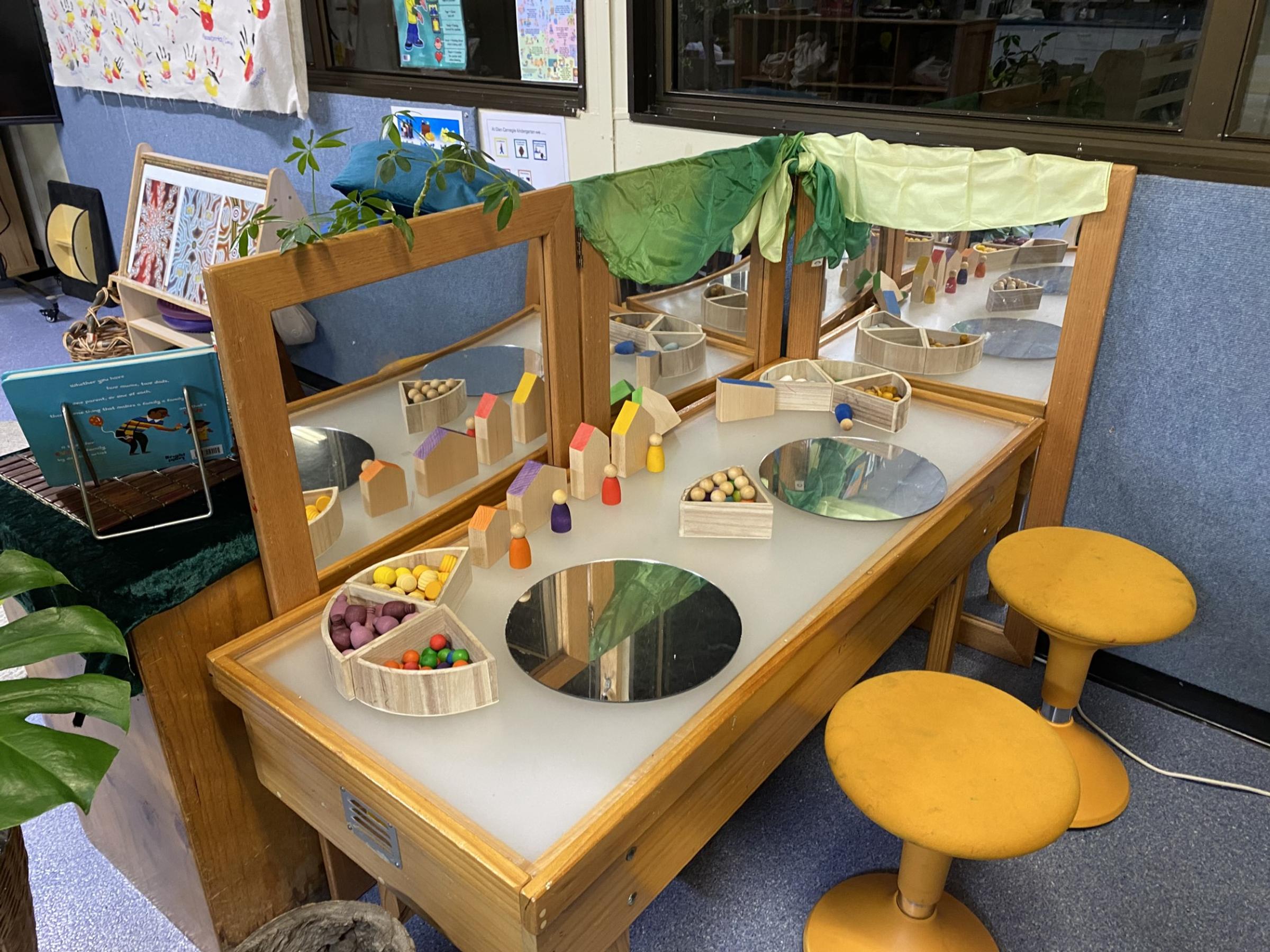
At Glen Education Carnegie, children are recognised as active participants in their own learning. Their ideas, questions, interests, and perspectives help shape our curriculum planning and learning experiences in the kindergarten environment. Educators provide meaningful opportunities for children to share their thinking, make choices, ask questions, and influence what happens in their learning throughout the day.
Children’s ideas shape their learning
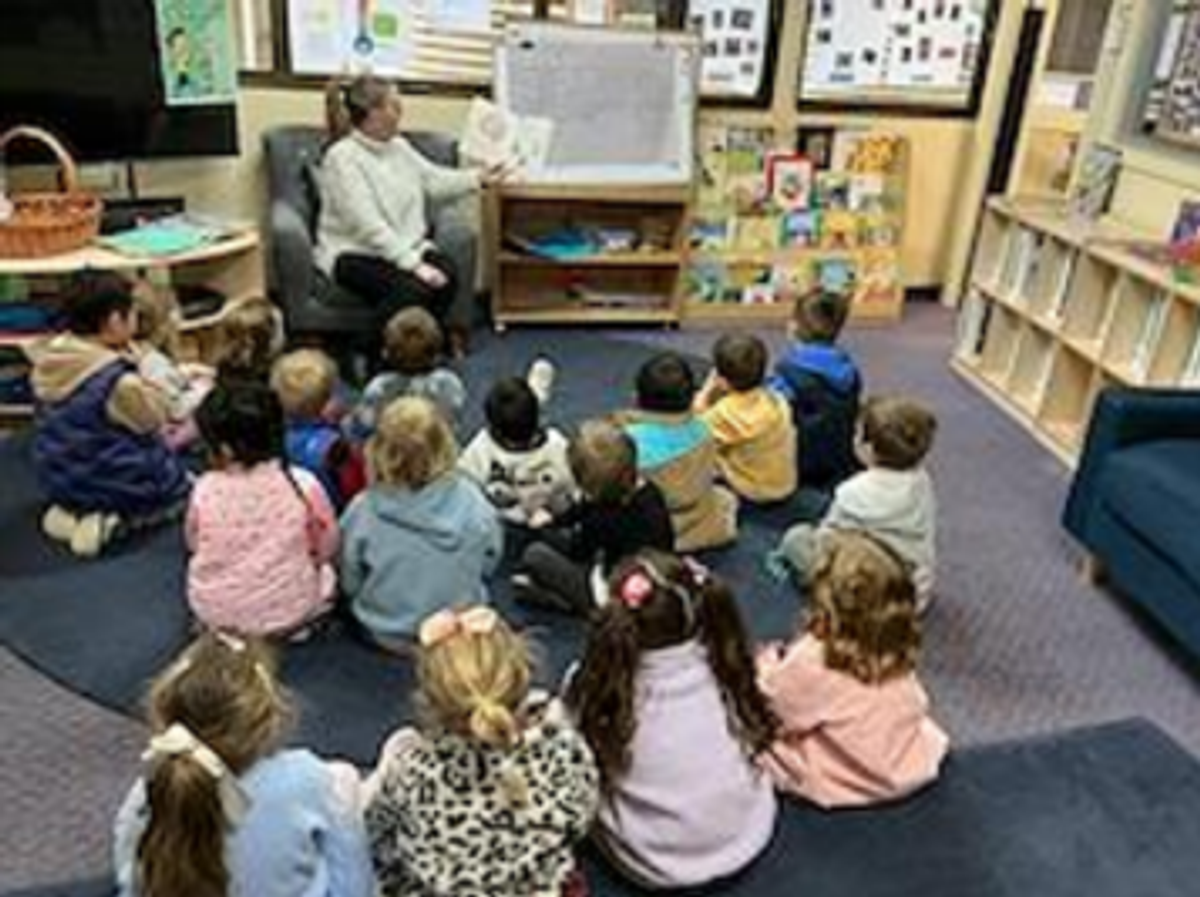
As an extension of the SRF Lending Library Program, children were introduced to the Brain Book series by Orlanda Bettison. The series introduces three engaging characters who represent different parts of the brain and help children understand how their brains work. Professor Wise, representing the prefrontal cortex, helps children with thinking and making decisions; Hippocampus the Hippo supports learning and remembering; and Amygdala the Guard Dog helps children understand emotions, recognise danger and keep themselves safe.
The books also introduce practical tools, such as The Problem Scale, which uses a scale from 1 to 5 to help children think about how big a problem is before deciding how to respond. This gave children a simple and meaningful way to talk about their emotions, problem-solve and consider different ways of responding.
The Brain Book series provided a wonderful starting point for brainstorming and encouraged children to share their thoughts, ideas and questions. During group discussions, children’s voices and responses were outstanding. Their enthusiasm, curiosity and willingness to contribute helped guide conversations and provided educators with valuable insights into their interests, thinking and emerging inquiries.
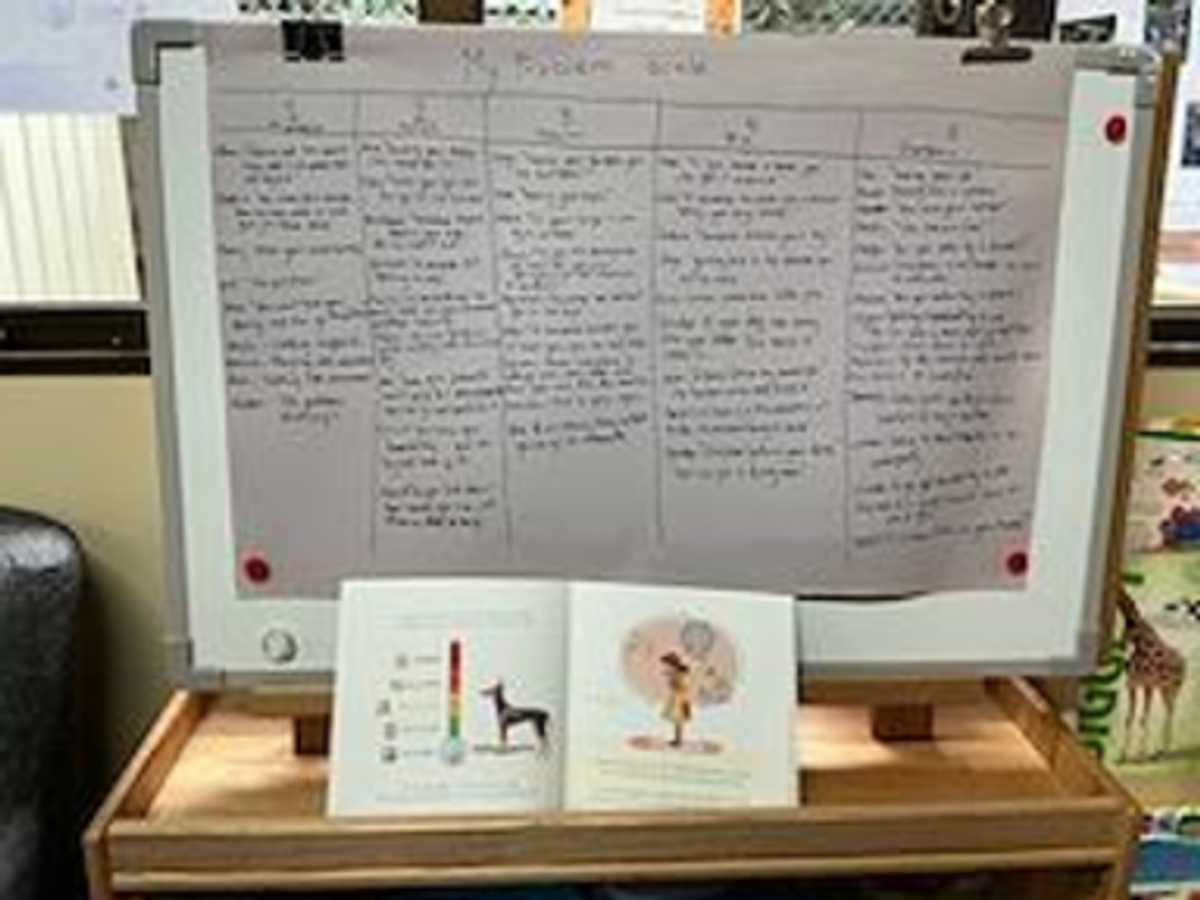
Some excellent examples given by the children:
No problem (1) – Kevin: “Nothing happened”.
Patrick: Playing with someone”.
Small problem (2) – Ava M: “loosing your teddy, you can look for it.
Medium problem (3) – Yaman: “When someone is hitting you, say stop and then you can tell the teacher”.
Big problem (4) – Sage: “If you get lost in the forest, call for help”.
Keegan: if there is a thunderstorm at kinder, the teachers bring us inside.
Emergency (5) – Max C: “A bushfire”.
Skyler: “Getting squashed by a car. Solution, you can look up and down, left and right”.
Exploring sustainability through children’s ideas
Children’s curiosity has also led to a deeper exploration of sustainability. Everyday questions such as “Which bin do we put the rubbish in?” and “Which bin does the paper go in?” showed children’s growing awareness of caring for the environment and opened opportunities for further learning.
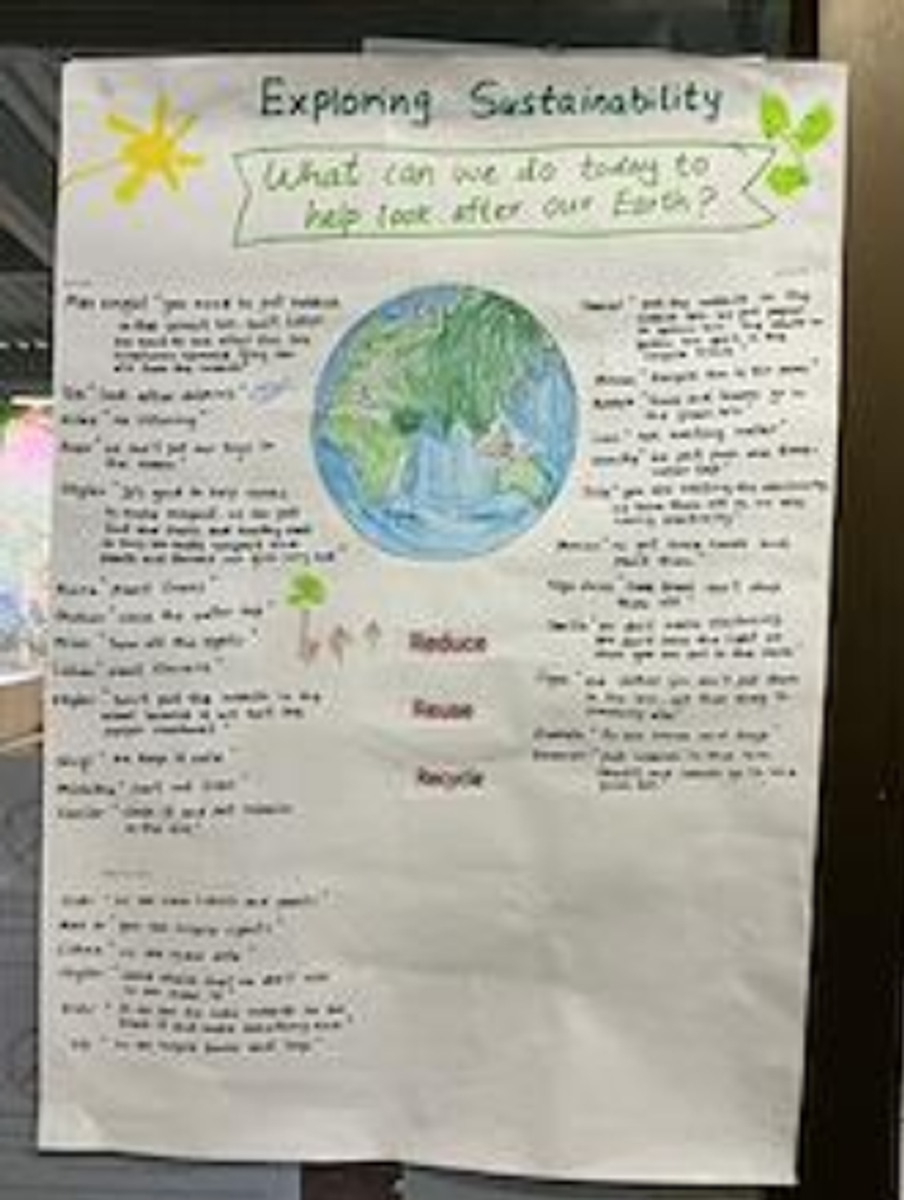
The question “What can we do today to help look after our Earth?” encouraged children to share their ideas and think about simple actions they could take each day.
Through discussions and hands-on experiences, children have been exploring Reduce, Reuse and Recycle. Educators have supported children to find practical ways to reduce waste, such as using both sides of a piece of paper to draw, using leftover paper pieces for collages, and reusing materials for creative experiences.
Some excellent examples given by the children:
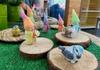
Recycled and open-ended materials have also been incorporated into art experiences, giving children opportunities to transform materials that might otherwise be discarded into something new and creative.
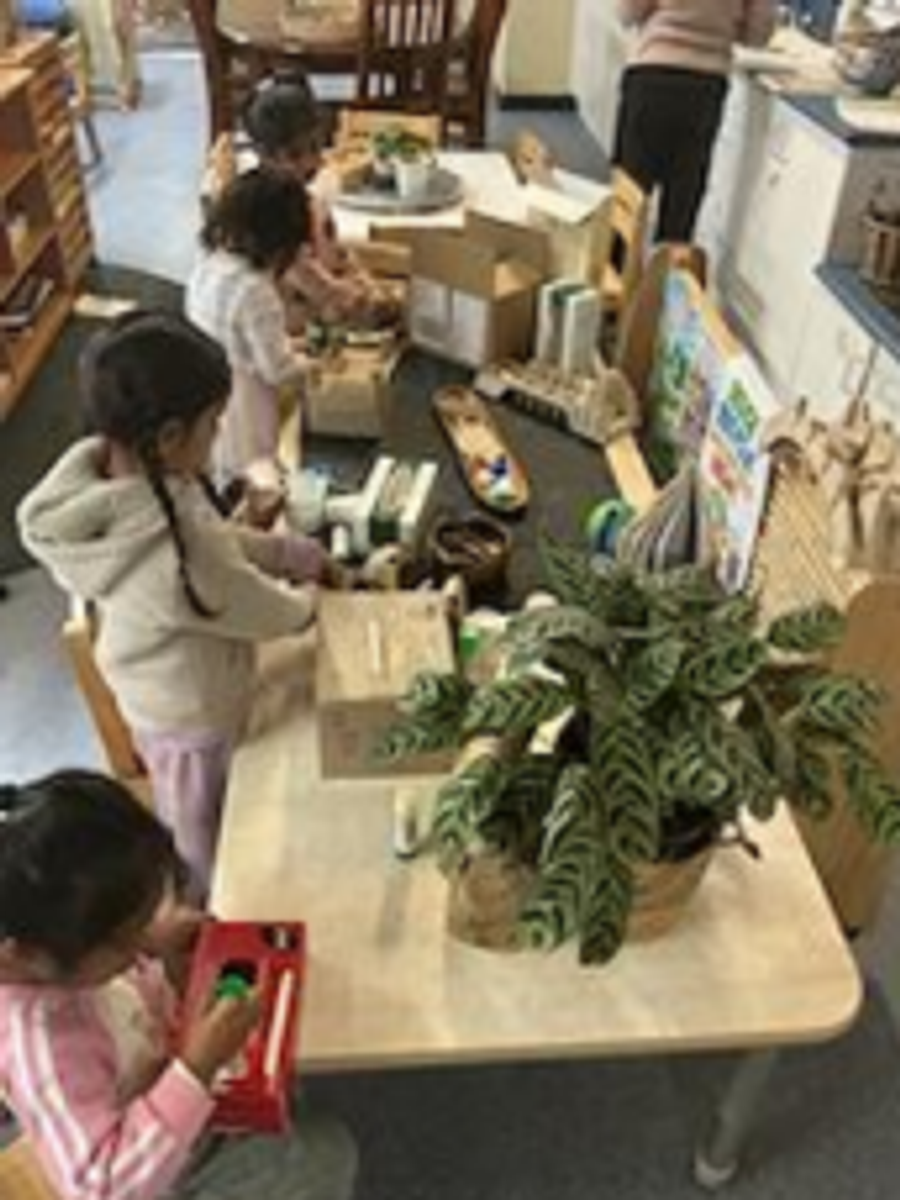
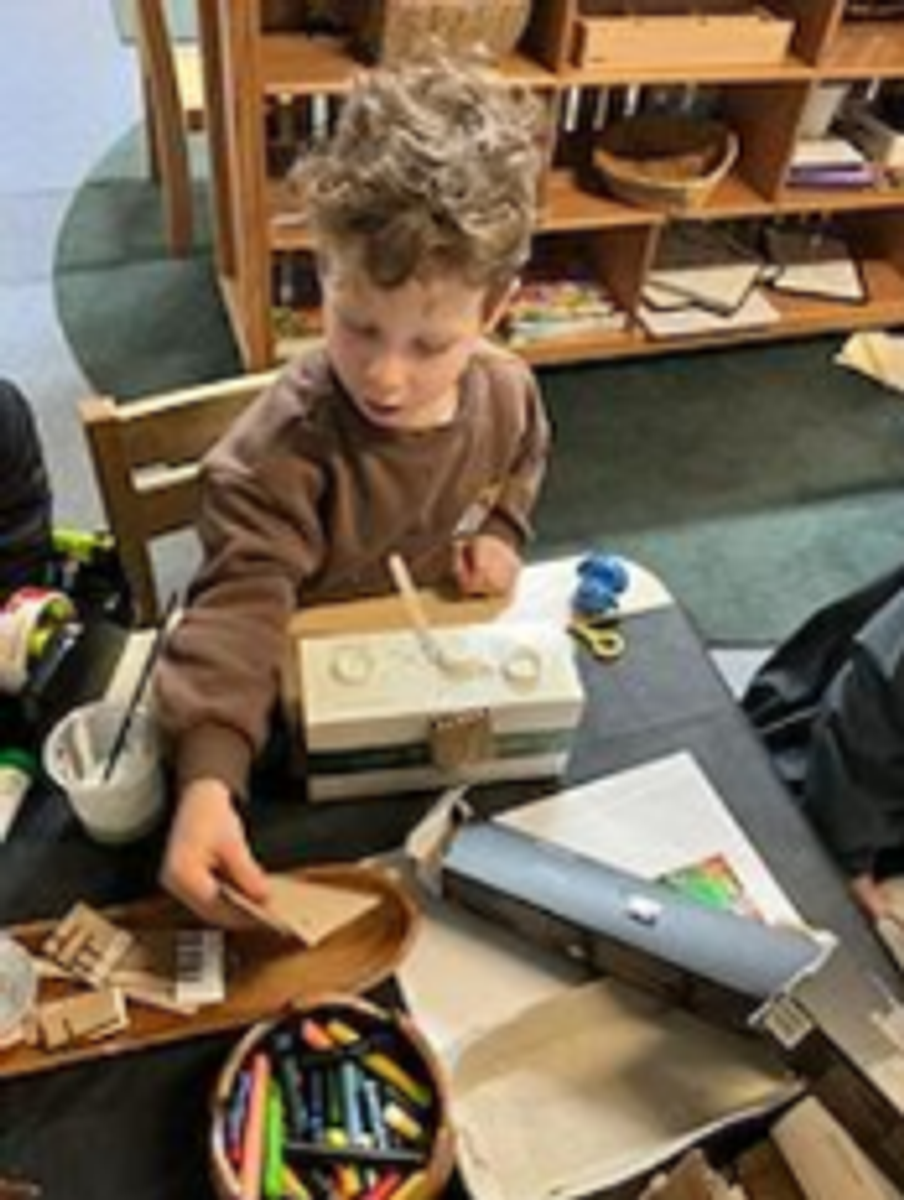
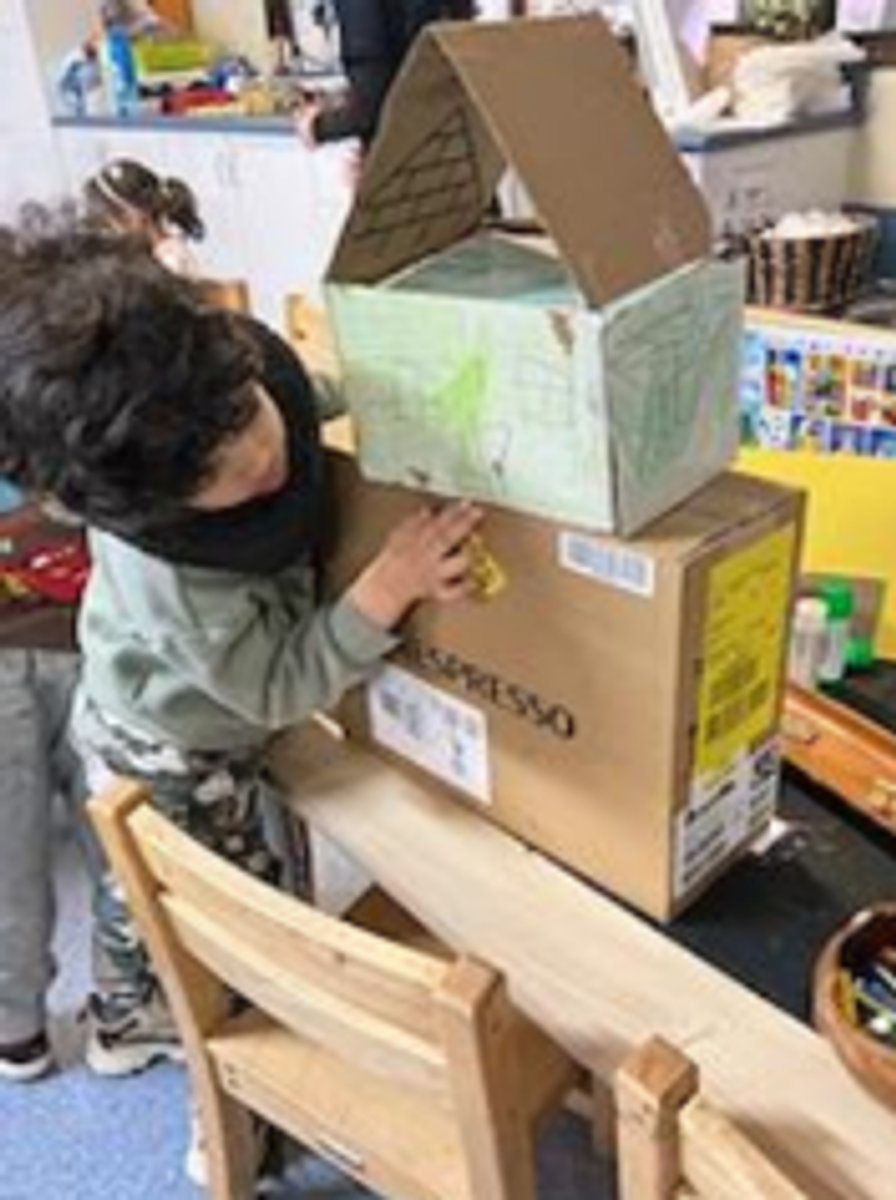
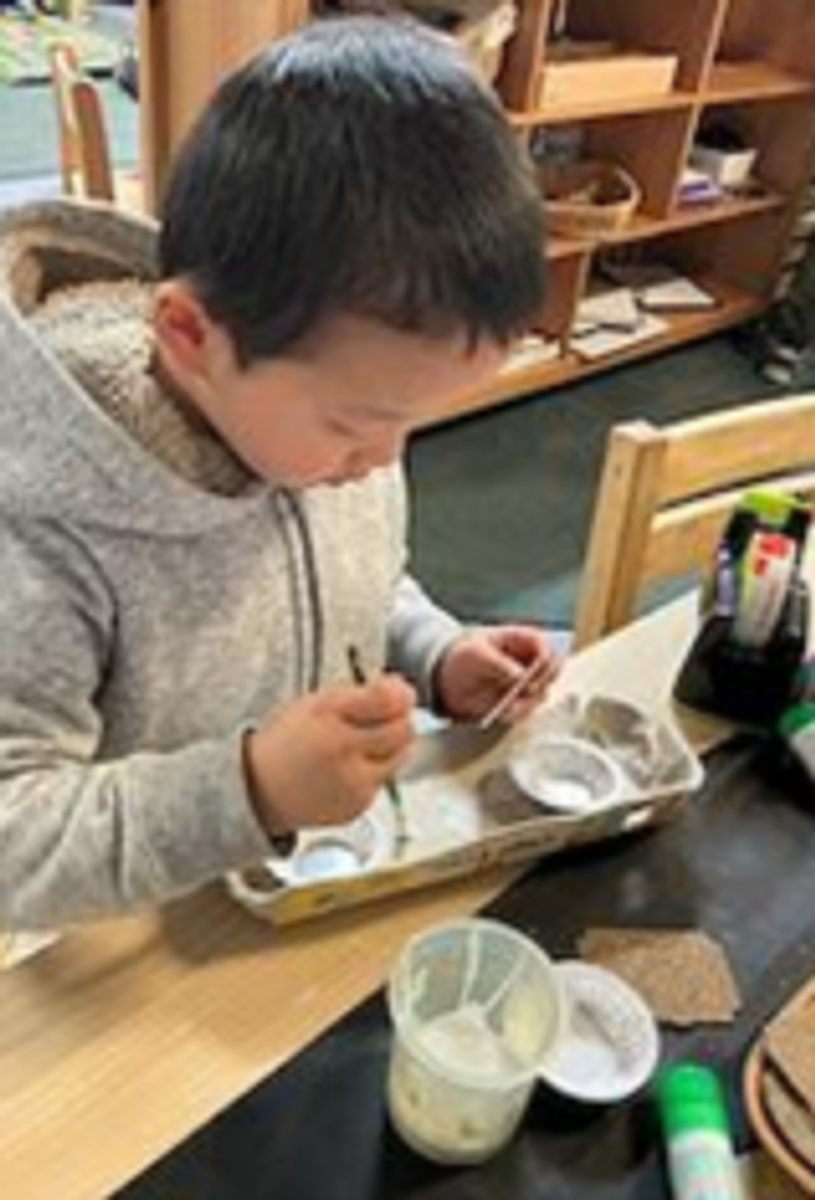
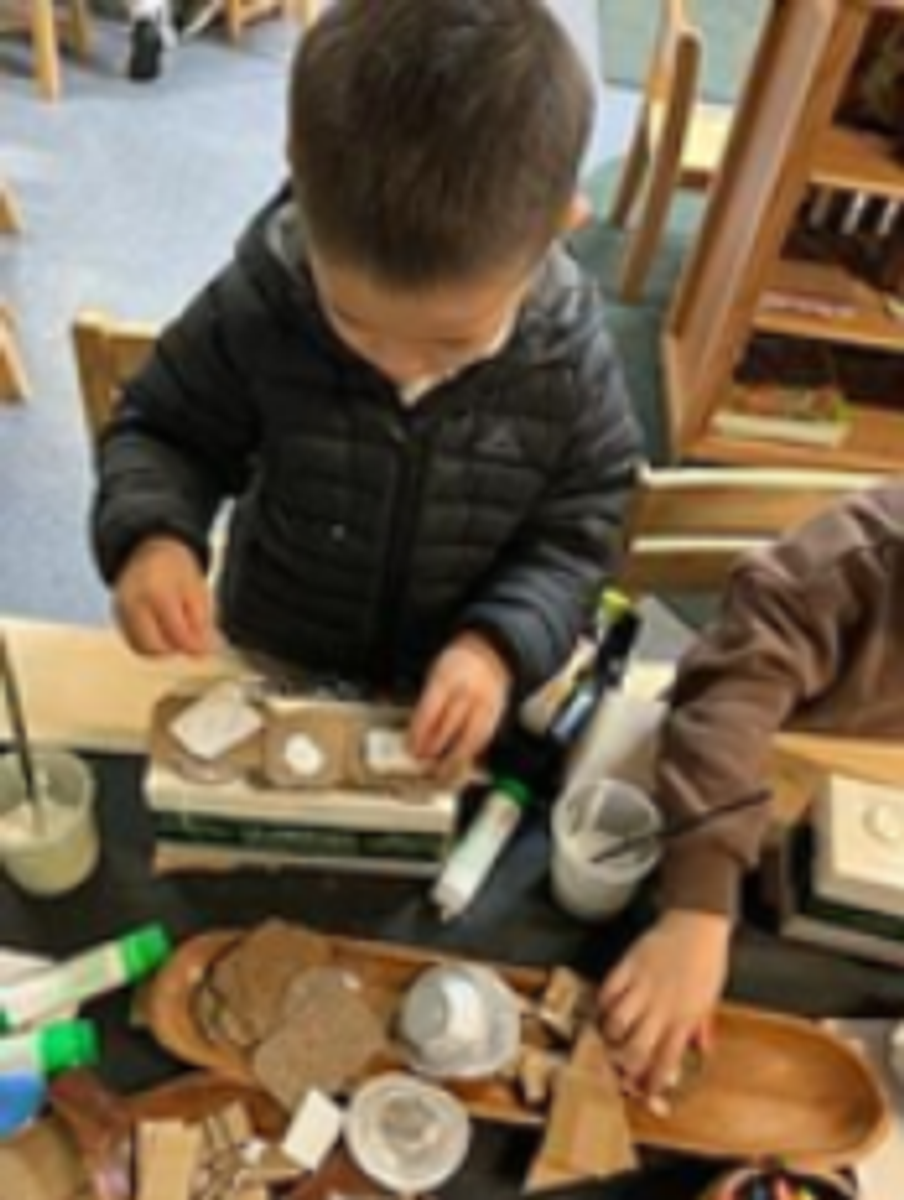
Children’s questions and ideas have therefore become a starting point for meaningful learning, helping to shape both planned experiences and everyday sustainable practices.
Listening to what makes children happy at kindergarten
Throughout the term, children were invited to share their thoughts and ideas about “What makes them happy when you come to Kindergarten?”
Their responses provided a wonderful insight into what makes kindergarten meaningful and enjoyable for them.
Children shared:
- Jasper: “I love playing with my friends.”
- Levi: “I love group time at kinder.”
- Ava M: “I like drawing and playing with my friends.”
- Myron: “I like playing with toys.”
- Sage: “I like to do craftwork.”
- Raffy: “I like playing with my friends.”
- Oliver: “I like playing with Raffy.”
- Noa: “I like playing with my friends.”
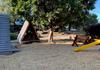
- Priya: “I like to play outside on the slide and swing.”
- Atli: “We have so many toys at kinder.”
- Lucas: “I love group time.”
- Max C: “I like to write my name in the morning.”
- Spencer: “I like monkey bars and swing.”
- Yaman: “I am excited to be back to play with my friends.”
- Clemente: “I like to play with monkey bars.”
- Sia: “I like playing in the kitchen”
These children’s voices provide educators with valuable information about their interests, relationships and sense of belonging. Their comments continue to inform the learning environment and the experiences offered throughout the program.
Most importantly, children’s voices are not simply recorded — they are listened to and acted upon. Their questions can lead to new inquiries, their interests can inspire experiences, and their ideas can influence the way learning environments are planned.
By placing children’s voices at the heart of curriculum decision-making, educators support children to develop a strong sense of agency, belonging and confidence as active participants in their kindergarten community.