Glen Education North Cheltenham




























 Glen Education Inc.
Children's Voice at the Heart of Our Curriculum
By Clare Pollock, Early Childhood Teacher and Sarah Goninan, Early Childhood Teacher
This term, our curriculum focus has been on recognising and celebrating the significant role children's voices play in shaping their learning. At kindergarten, children share their ideas, interests, questions, theories and opinions in many different ways. Through their conversations, play, drawings, choices, friendships and interactions with others, children help us understand what is important to them.
When educators take the time to listen, observe, and respond to children's ideas, it sends a powerful message that their thoughts and experiences matter. We believe children are capable and active participants in their own learning, and we strive to create opportunities for them to contribute to decisions about experiences, projects, routines, and the learning environment.
Throughout the year, educators build on children's interests to create meaningful learning opportunities. Whether children are fascinated by bugs, the solar system, creative arts, construction, dramatic play, sport or nature, their interests help guide the experiences, investigations and discussions that take place each day. By following children's curiosity, learning becomes more engaging, relevant, and enjoyable.
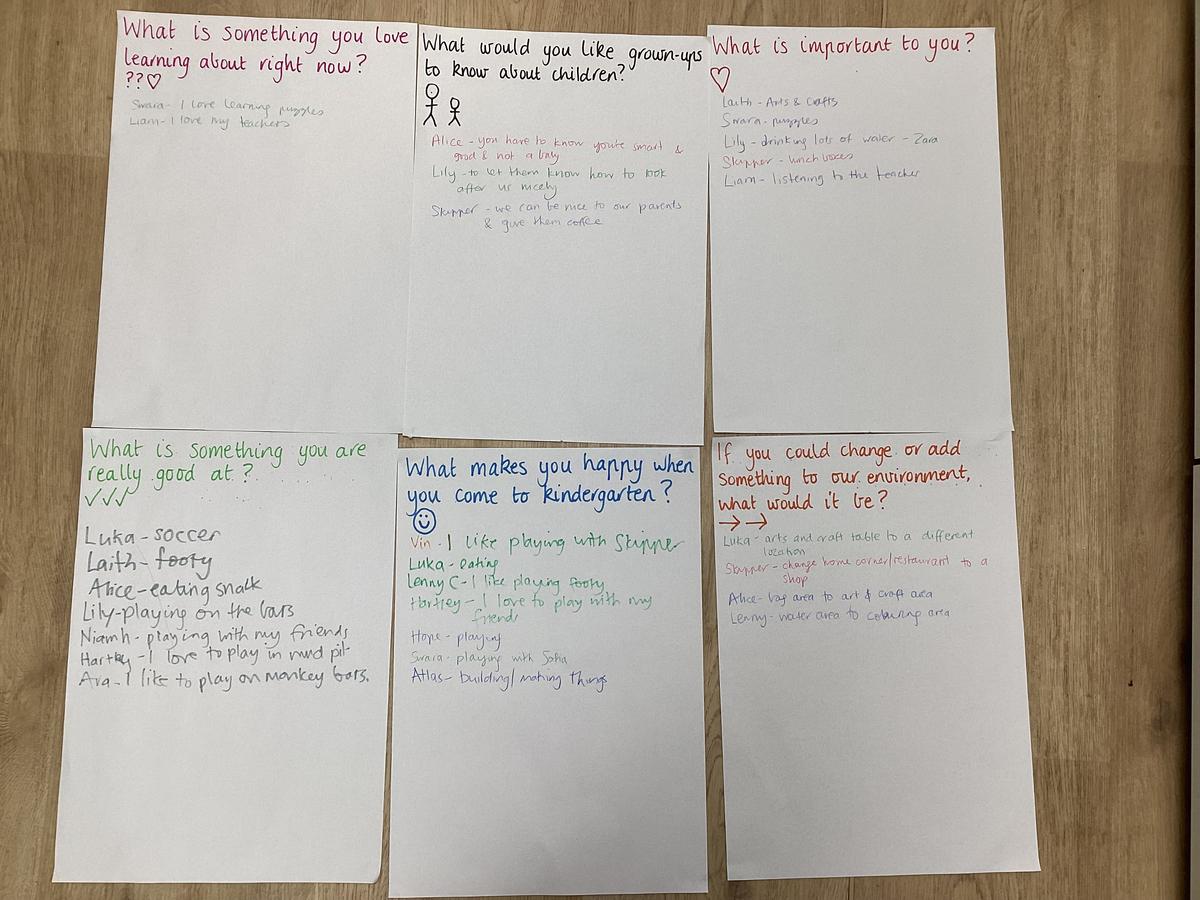
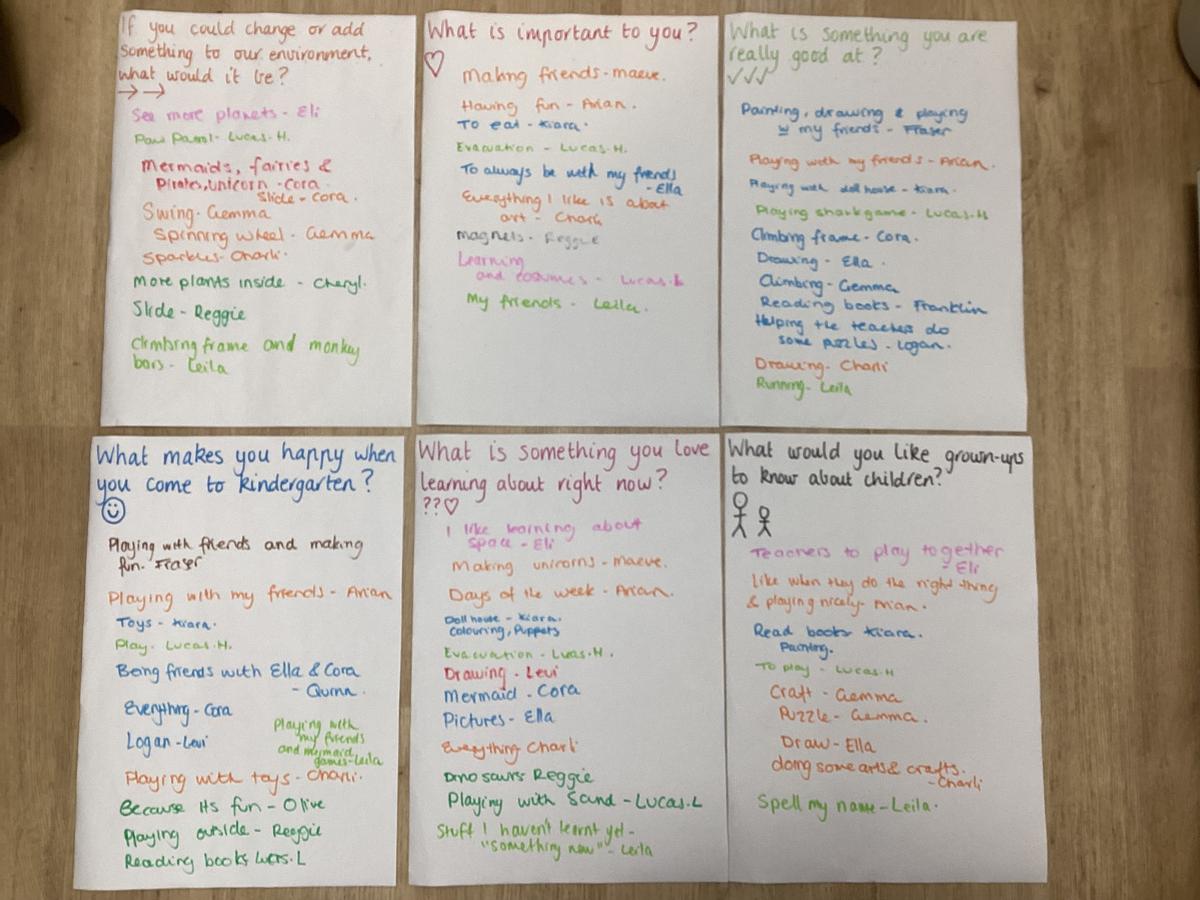
Children's voices are also reflected in the choices they make throughout the day. Opportunities to choose where they play, who they play with, which experiences they engage in and how they express their learning support the development of independence, confidence, and a sense of agency. Extended periods of uninterrupted play allow children to immerse themselves in their interests, explore ideas deeply, and develop their own learning pathways.
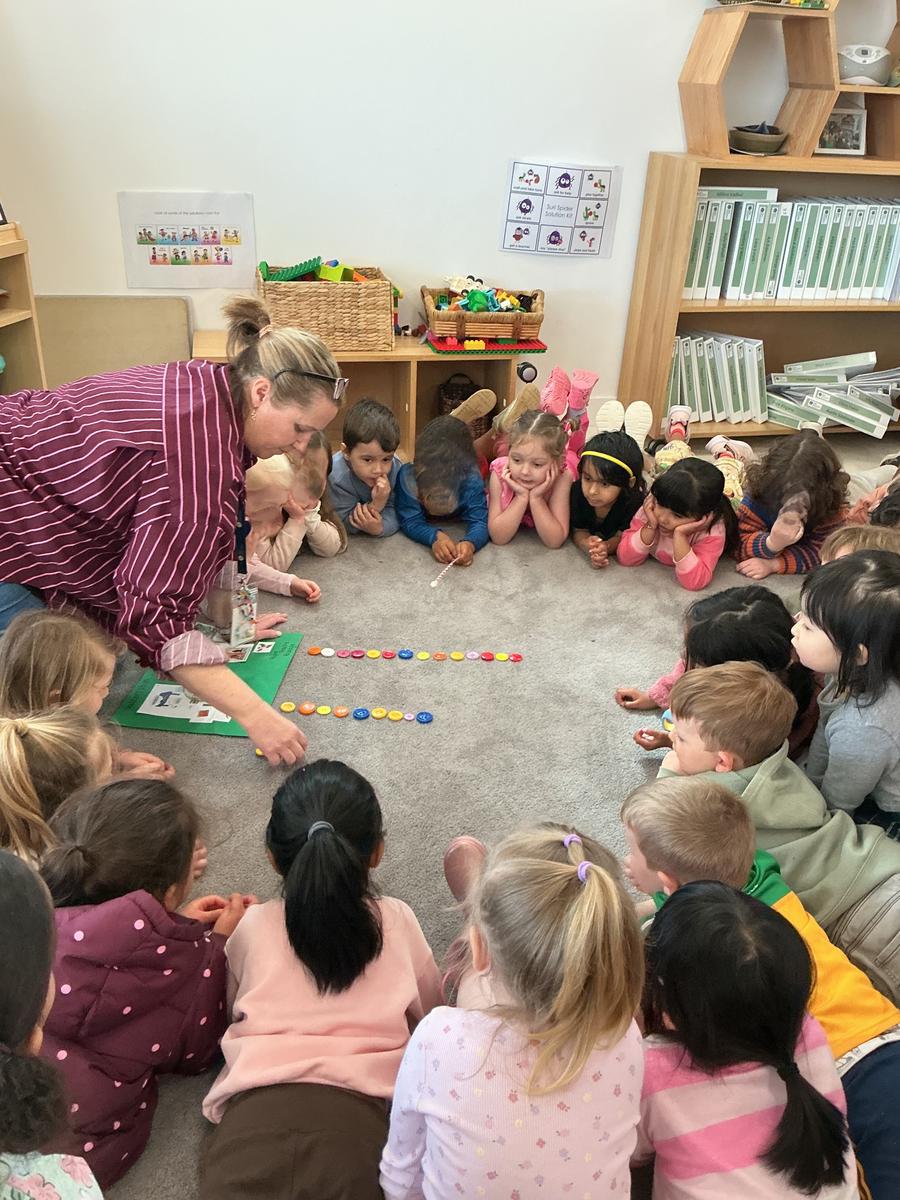
One example of children's participation in decision-making occurred this term when our Leadership Team offered a gift for the curriculum as a thank you to our kindergarten for participating in the School Holiday Program. While educators could have made the decision themselves, we felt it was important to invite the children to have a say. A voting station was created using a visual poster of the available choices and labelled jars. Children were encouraged to cast their vote by placing a button into the jar representing their preferred option.
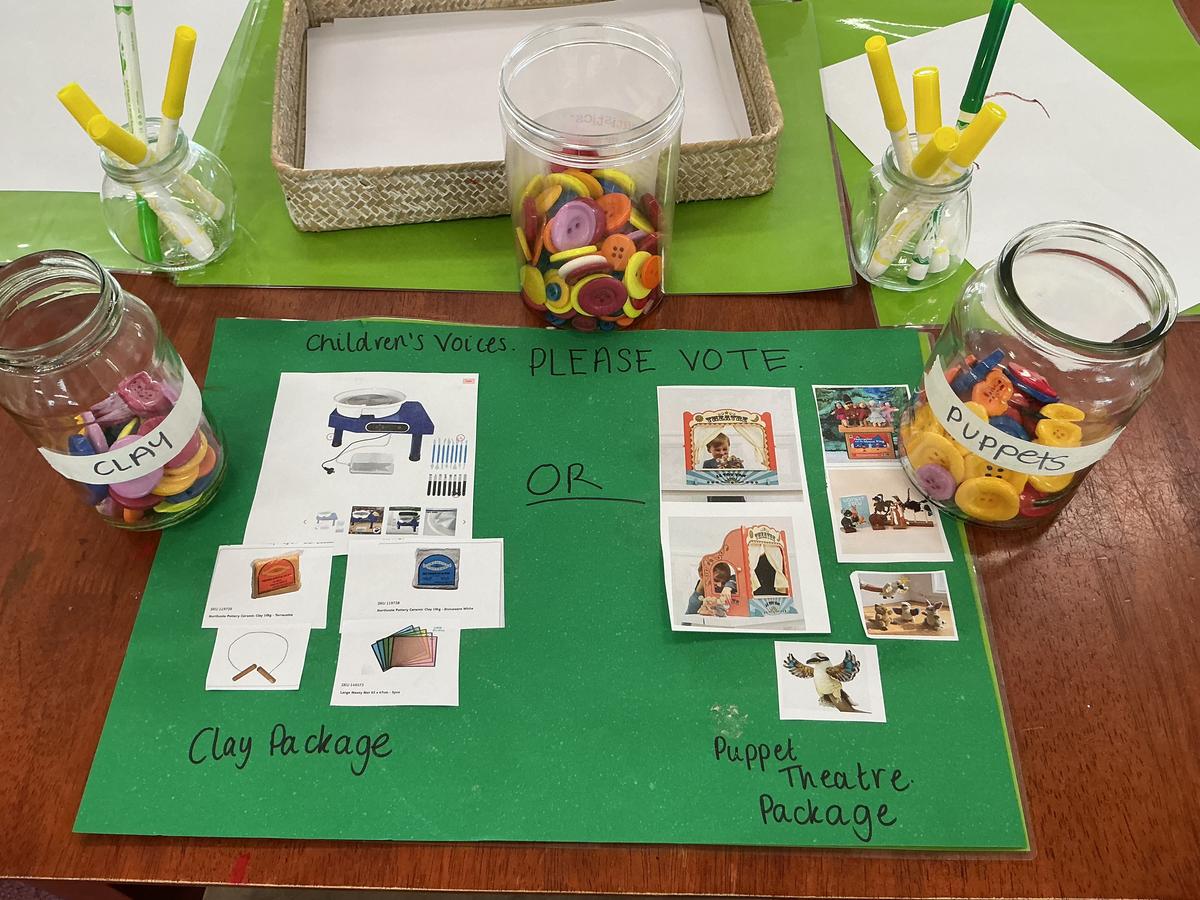
This became much more than a simple choice. Children were introduced to the concept of voting and were encouraged to think about why they preferred a particular resource. Through meaningful discussions, children shared their opinions and listened to the ideas of others.
Some of their responses included:
Callan: "I chose the clay because I like how it feels."
Daisy: "I chose puppets because I like playing with them."
Luke: "The puppet jar has 14 and clay 15. The puppet is more."
The final decision is still being counted, but the process itself has been a valuable learning experience. It has supported children to express their opinions, understand that their ideas are valued and experience first-hand how their voices can influence decisions within their kindergarten community.
Children's voices also play an important role in our planning, reflection, and evaluation processes. Educators gather information through observations, conversations, children's work, and family feedback to ensure our program remains meaningful, responsive, and engaging. Children's interests, questions, and ideas help shape future experiences and learning opportunities throughout the year.
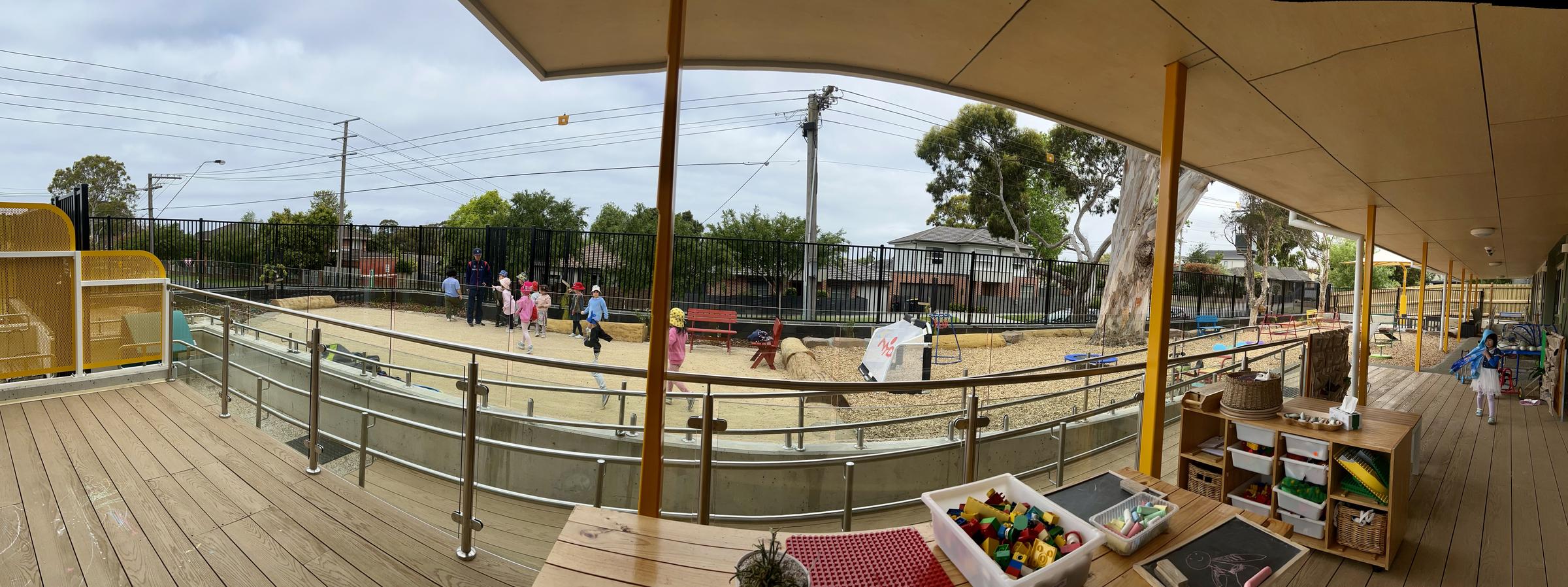
A wonderful example of this occurred when Luka shared that he loves soccer and is very good at the game. When our soccer goal broke, we recognised how important this interest was to him and ordered a new goal so he could continue developing his skills and sharing his passion with his friends. Experiences like these demonstrate that children's voices are not only heard but can directly influence the learning environment and experiences available to them.
Children's perspectives are also made visible through learning stories, floor books, portfolios, photographs, displays of their work and documented conversations. These records allow children, families, and educators to revisit learning experiences and celebrate children's ideas, achievements, and contributions.
We recognise that children communicate in many different ways. While some children express themselves through spoken language, others may communicate through gestures, drawings, body language, play, visual supports or Key Word Sign. We are committed to ensuring that all children have opportunities to share their thoughts, preferences, and ideas in ways that are meaningful and comfortable for them.
Families play a vital role in supporting children's voices. By sharing stories, photographs, observations and conversations from home, families help us build a richer understanding of each child's interests, strengths, and perspectives. These insights allow us to create stronger connections between home and kindergarten and ensure children's experiences are reflected across both environments.
As one family shared:
"I make sure I pause and give my children the chance to respond and voice their ideas in their own time." – Sheridan
This quote is a wonderful reminder that children's voices become most powerful when the important adults in their lives listen, value, and respond to what they have to say. When children feel genuinely heard and respected, they develop confidence, a sense of belonging, and the understanding that their ideas matter.
By working together with families and creating opportunities for children to share their thoughts, interests, and ideas, we continue to build a learning environment where every child feels valued, capable, and empowered to contribute to their community.