Glen Education McKinnon








 Glen Education Inc.

Children’s Voice at the Heart of the Curriculum at Glen McKinnon Kindergarten
By Phoebe Xu, Early Childhood Educator and Sharon Cashmore, Early Childhood Teacher
In 2026, we have continued to build strong and meaningful connections with children and families. We spend time getting to know each child by asking questions about their lives, interests, ideas and opinions. This helps us understand what is important to them and ensures their voices are reflected throughout our curriculum.
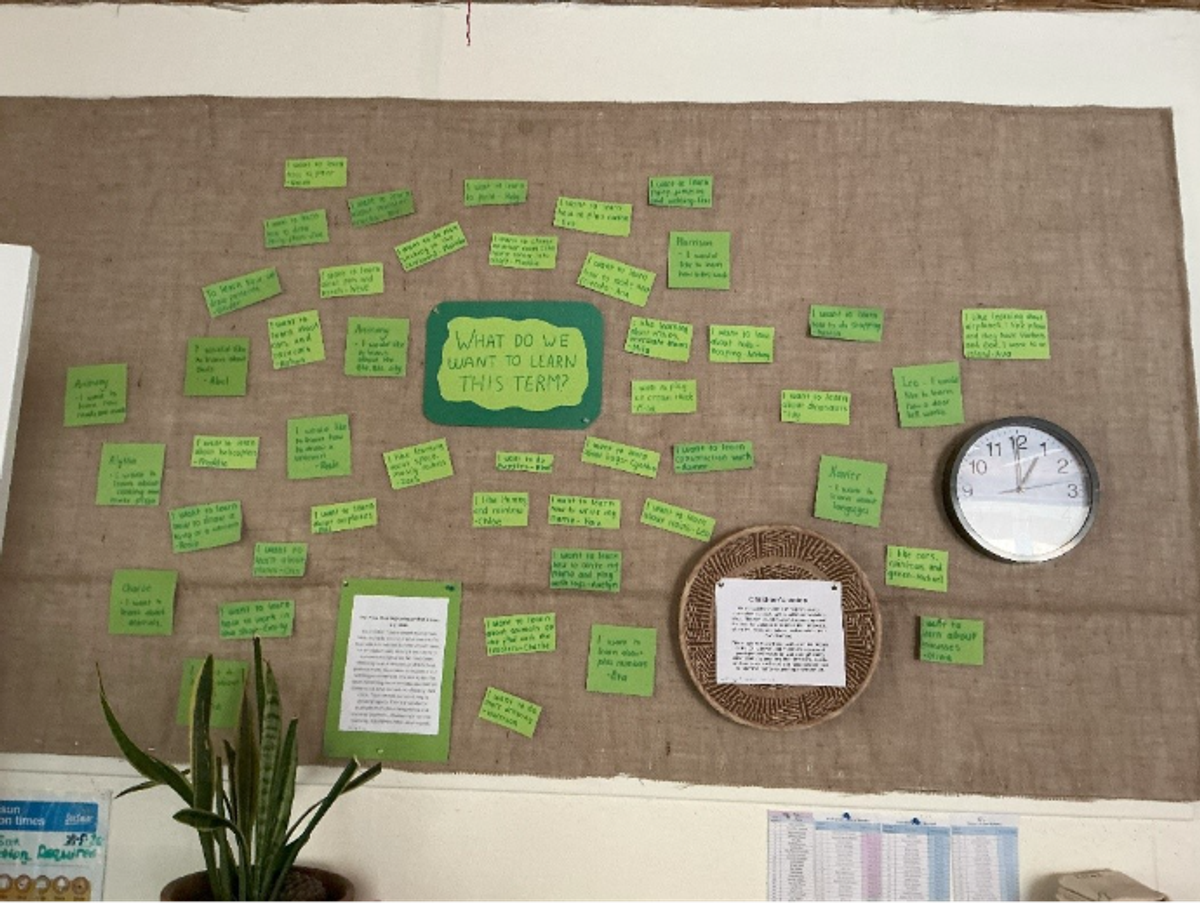
During Term 2, we asked the children what they would like to learn about. Their thoughtful responses were displayed on a learning wall and then incorporated throughout the program and into a range of experiences. This provided opportunities for children to see their ideas valued and acted upon, while also sharing their interests and learning with families.
The service has also strengthened children’s voices by inviting them to contribute to the development of kindergarten rights and rules. Through discussions with their peers and educators, the children identified that they needed additional support to feel safe, respected and included. Together, they agreed on a set of rights and rules that reflected what was important to them.
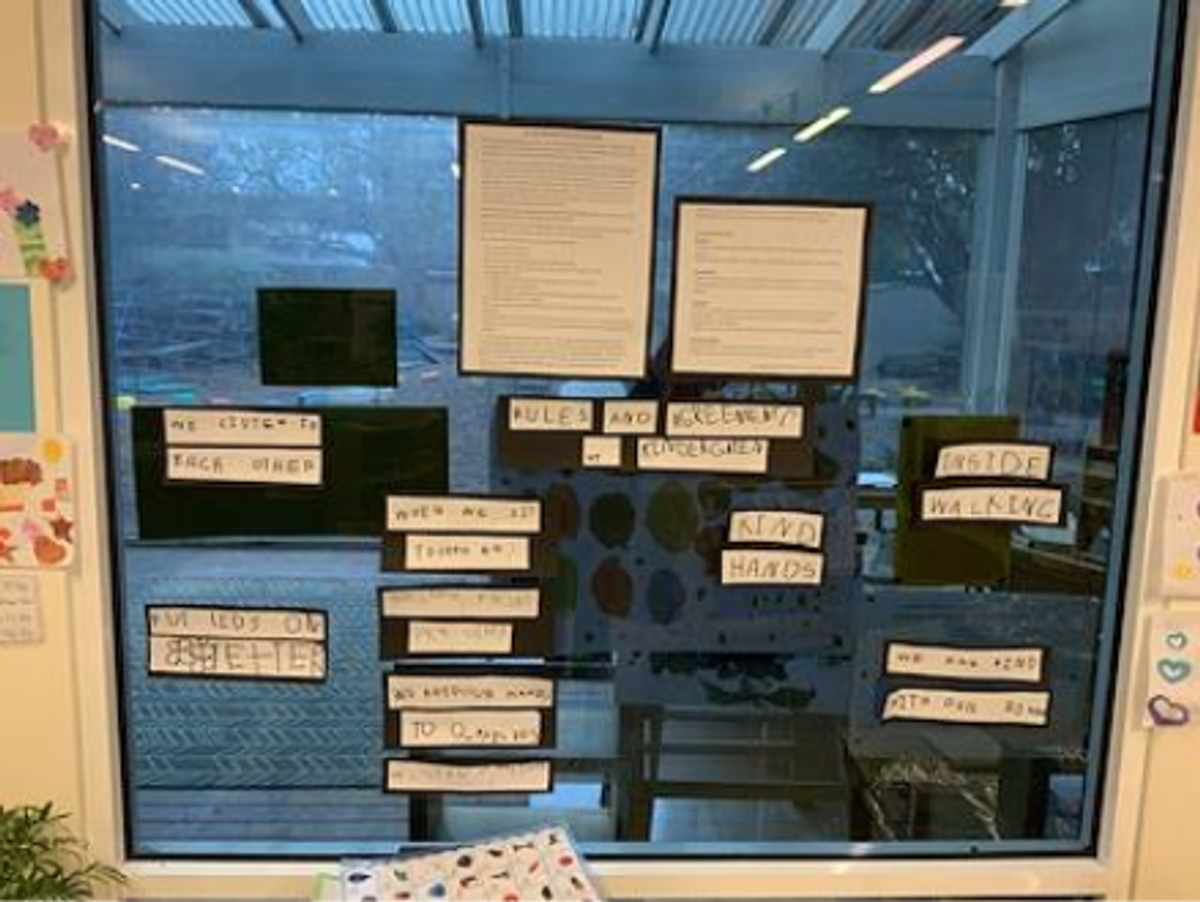
Children are encouraged to have a voice, express their opinions and contribute to decisions that affect them. We recognise every child’s right to feel safe, heard, valued and seen, and we continue to place children’s perspectives at the heart of our curriculum and everyday practice.
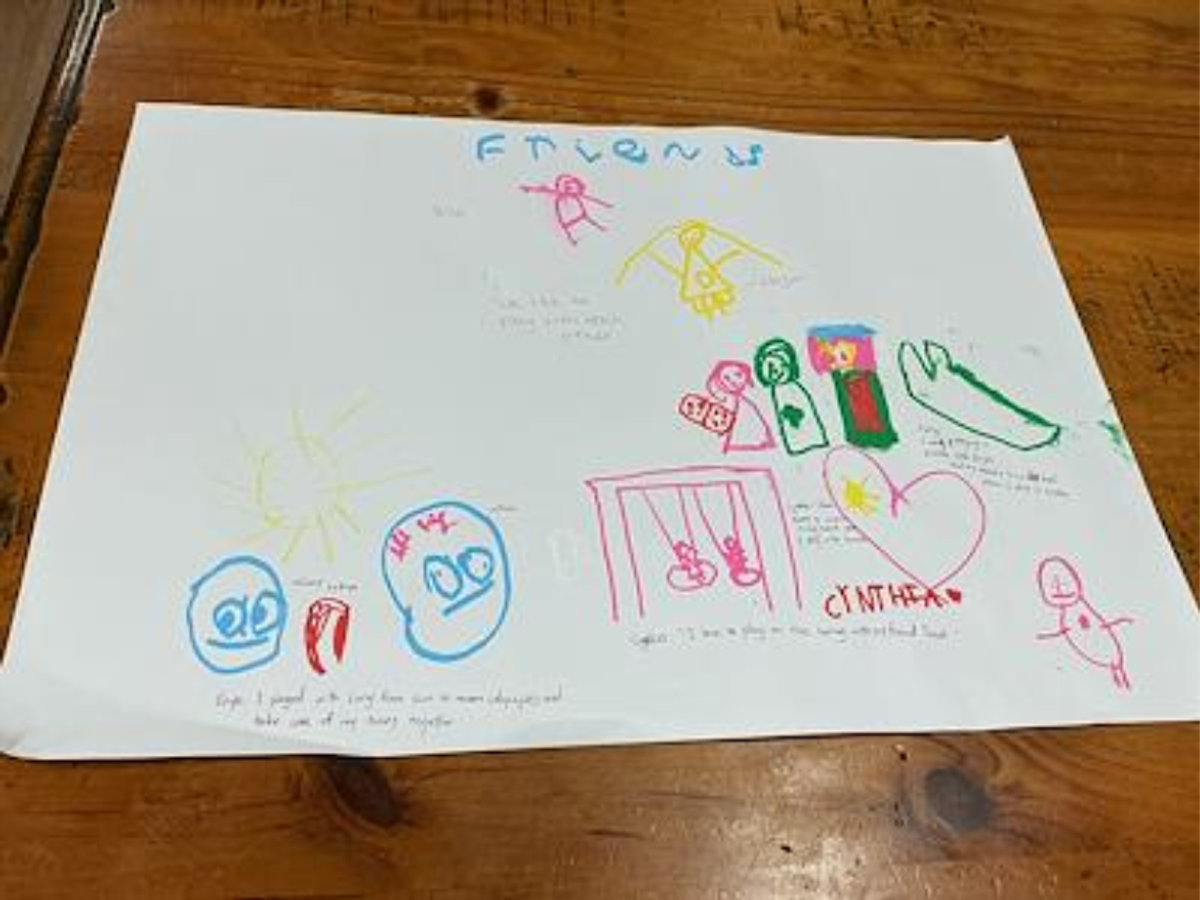
In Term 3, as part of our ongoing commitment to the Pyramid Model, the children have been exploring what it means to be a good friend.
Through everyday experiences, conversations and interactions, the children have shared their ideas about kindness, sharing, inclusion and caring for others. We have introduced new friendship skills and modelled these during group times, inviting the children to help us act out different scenarios in front of their peers.
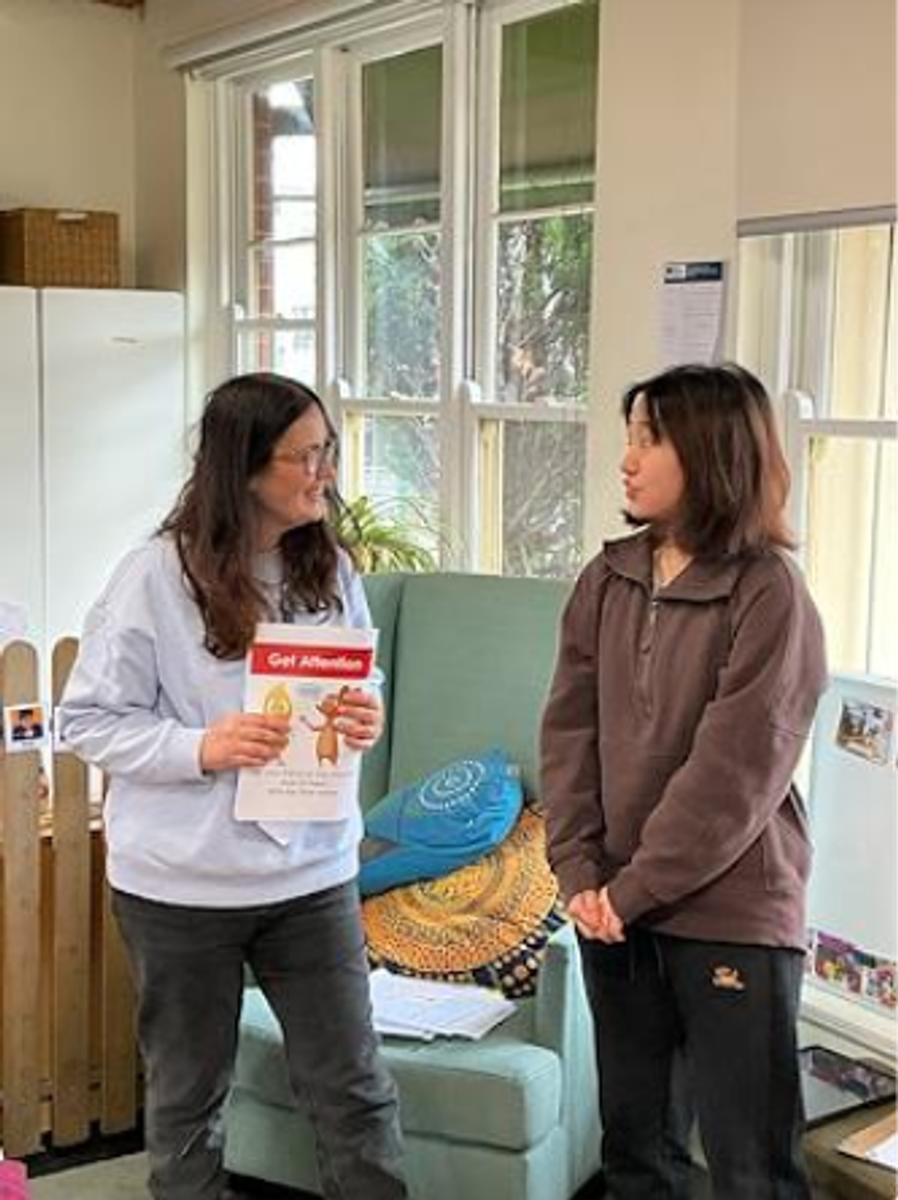
We have been amazed to see the kindness, empathy and care the children have demonstrated throughout the day as they practise these skills with one another.
In the children's words "what makes a good friend?"
- Neve “at the swing we took turns,”
- Freddie “we can be a good friend by listening”
- Tyler “Be kind-everyday”
- Oliver “Be nice and say can I play with you?”
- Hazel “We can help our friends to get up when they fall.”
- Otis “We can share’
- Emma “Sharing your toys.”
- Chloe “Being Kind”
- Archer “Never Hitting”
- Artham “No pulling”
- Mila “Helping people”
- William “Always good to ask”
- Luca P. “Caring; taking care”
- Lucas “No pulling hair”
One of our goals from the Pyramid Model, is to explore with the children how we can help others feel included at kindergarten and beyond. We have been talking with children about ways they can notice when someone is feeling left out and what they can do to help that child feel welcome and included in their play.
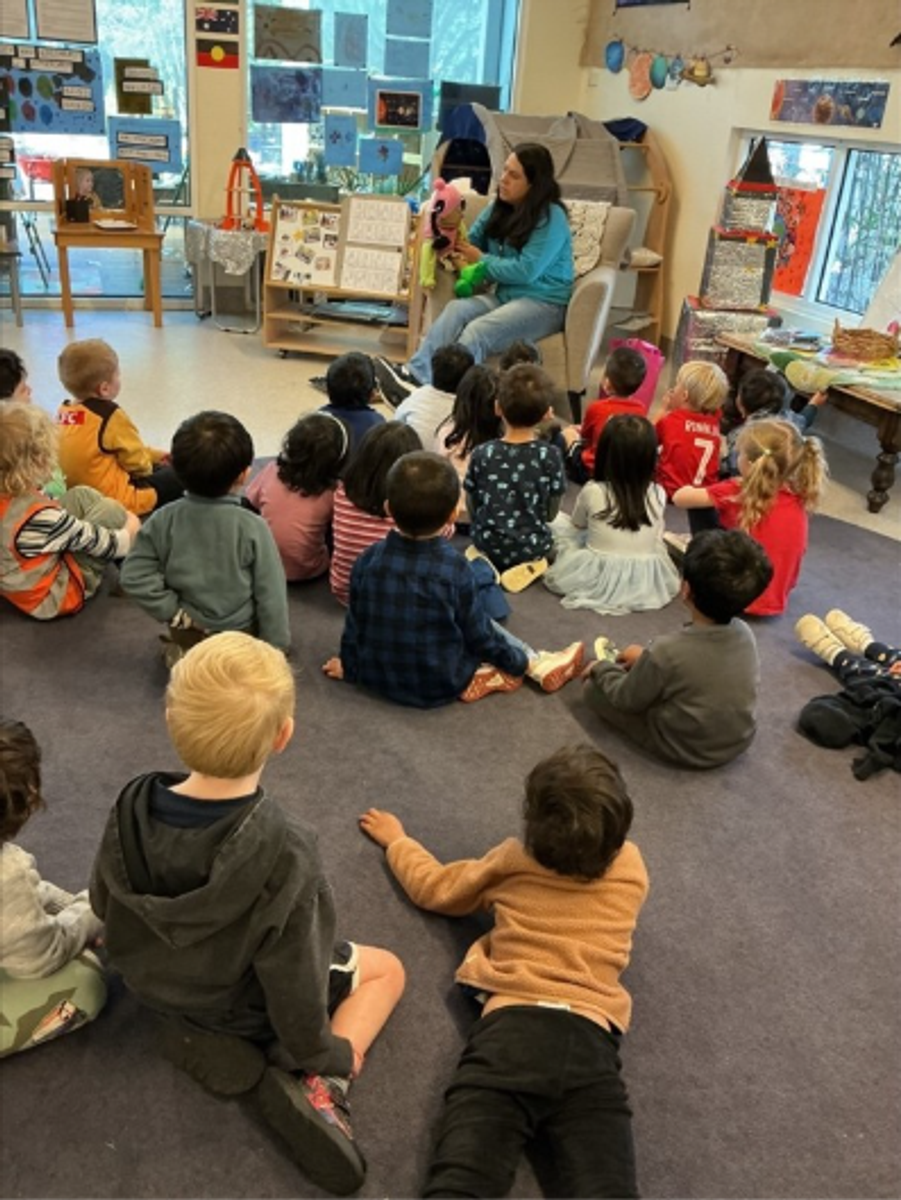
To help explore social scenarios in a safe and engaging way, our educators used a puppet named Panchita during group time. Acting through Panchita allows the children to step into the role of problem-solvers, helping her navigate challenging social interactions and figure out thoughtful solutions together.
Our educators also shared this scenario experience to all in our team:
Today, Panchita was feeling embarrassed, but after being reassured that our group was a safe space and that we could help her, she shared a scenario where she had been rude to a friend—snatching a toy and saying, "I don't like you." She asked the group what she should do to fix it:
Victor: "Wrong choice"
Matthew: "You can give it back"
Emma: "We can take turns"
Cayson: "You can share"
Isaiah: "Say sorry"
We then explored a deeper question together: What can we do to really mean we are sorry... what if you just say sorry and the friend is still very sad?
Eugene: "If you don't mean it your friend can feel even sadder. Say sorry and ask, are you OK?"
Darcy: "You can give a cuddle"
Lucas: "You can say sorry that I hurt your feelings."
Panchita thanked everyone for their wisdom and promised to practice these ideas!
We believe that children’s voices become most powerful when the important adults in their lives listen, value and respond to what they have to say. To extend this learning beyond our kindergarten environment, we invited families to share their children’s ideas about friendship and inclusion at home.
We are also grateful to our families for sharing these meaningful insights. When families and educators listen to children together, we create stronger connections between home and kindergarten and ensure that children’s voices, ideas and experiences are genuinely valued and reflected in their learning environment.
We received some wonderful responses from our families:
Matilda’s family shared:
“We can play together, play nicely.”
“They might tell other friends they need a best friend.”
Charlie’s family shared:
“We ask them if they would like to play with us. We could also ask them what they may like to play.”
Chloe’s family shared:
“If I see someone looking sad by themselves, I can go give them some water and ask them if they want to play together.”
Oliver’s family Shared: “If someone is sitting by themselves, looking sad, we would ask them if they are ok and if they would like to play.”
These family contributions have helped us gain a richer understanding of how our children are developing their social and emotional skills across both home and kindergarten. We can see that children are beginning to recognize that being a good friend involves noticing others, inviting them to play, listening to their ideas, sharing, cooperating and helping everyone feel that they belong.
At Glen McKinnon Kindergarten, children’s voices continue to shape our curriculum, relationships and everyday practice. By listening closely to children’s ideas, responding to their interests and inviting families to share their perspectives, we create a learning environment where every child feels valued, respected and included.
Through our ongoing work with the Pyramid Model, children are developing the social and emotional skills needed to build positive friendships, show kindness and empathy, and help others feel a sense of belonging.
We look forward to continuing this journey in partnership with our children and families, ensuring that children’s voices remain at the heart of our program and that every child feels safe, heard and empowered to contribute to their kindergarten community.