Glen Education Bentleigh

































 Glen Education Inc.
Children’s Rights, Voice and Autonomy at the Heart of the Curriculum
By Jo Peterson, Early Childhood Teacher
At Glen Education Bentleigh, we believe every child has the right to be heard, respected and actively involved in decisions that affect their learning and daily experiences. We recognise children as capable, competent and active participants in their own learning, valuing their ideas, questions, theories, interests, opinions and perspectives.
Children's rights, voice and autonomy are at the heart of our curriculum, shaping the environments we create, the relationships we build and the learning experiences we provide. Our program is intentionally child-led, with many of our play spaces, experiences, projects and investigations emerging from what children say, do, wonder about and choose to explore.
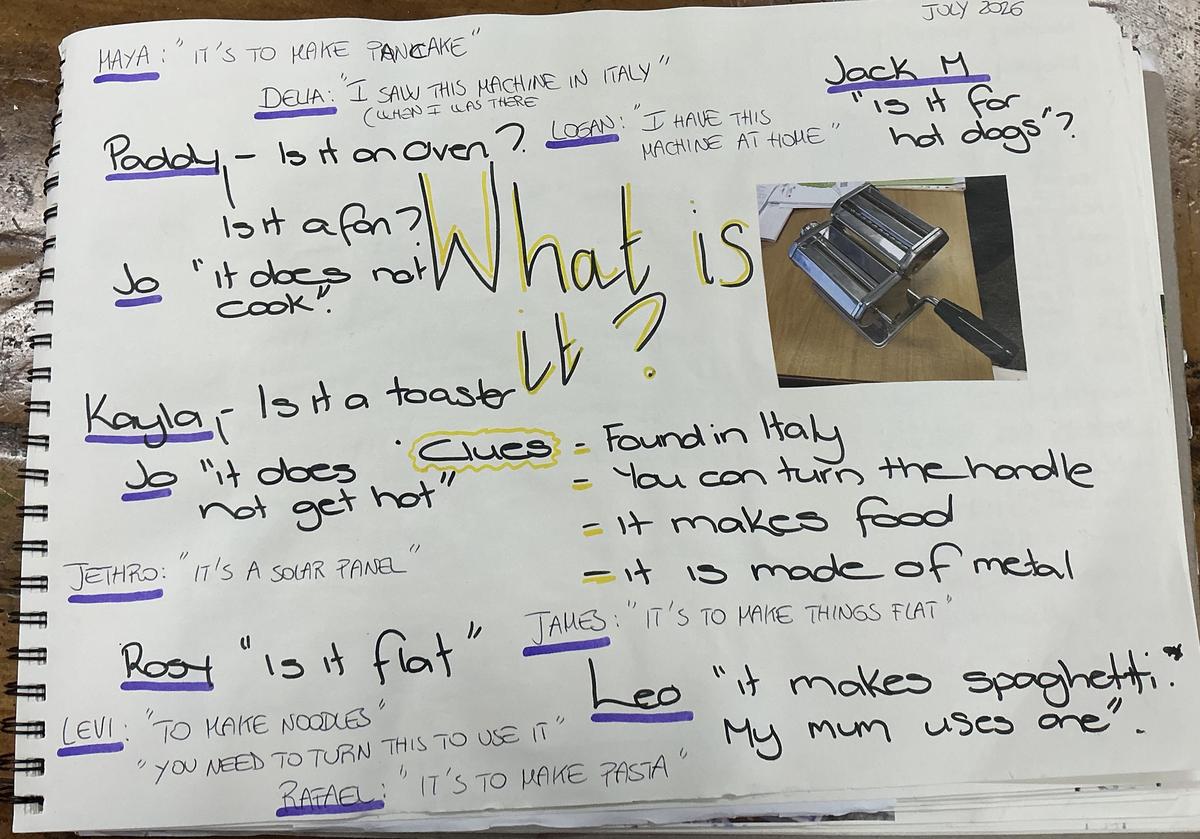
Children are active participants in both the documentation and planning process. Their authentic thoughts, ideas and theories are recorded in real time, capturing not only what they are doing, but also the thinking and conversations that underpin their learning. Mind maps, children's words, observations and shared discussions become visible elements of our program, helping educators identify where children's interests may lead next. When a child's question sparks an investigation, a conversation evolves into a project, or an emerging interest influences the environment, children see that their ideas are valued and have a genuine impact on their learning journey.
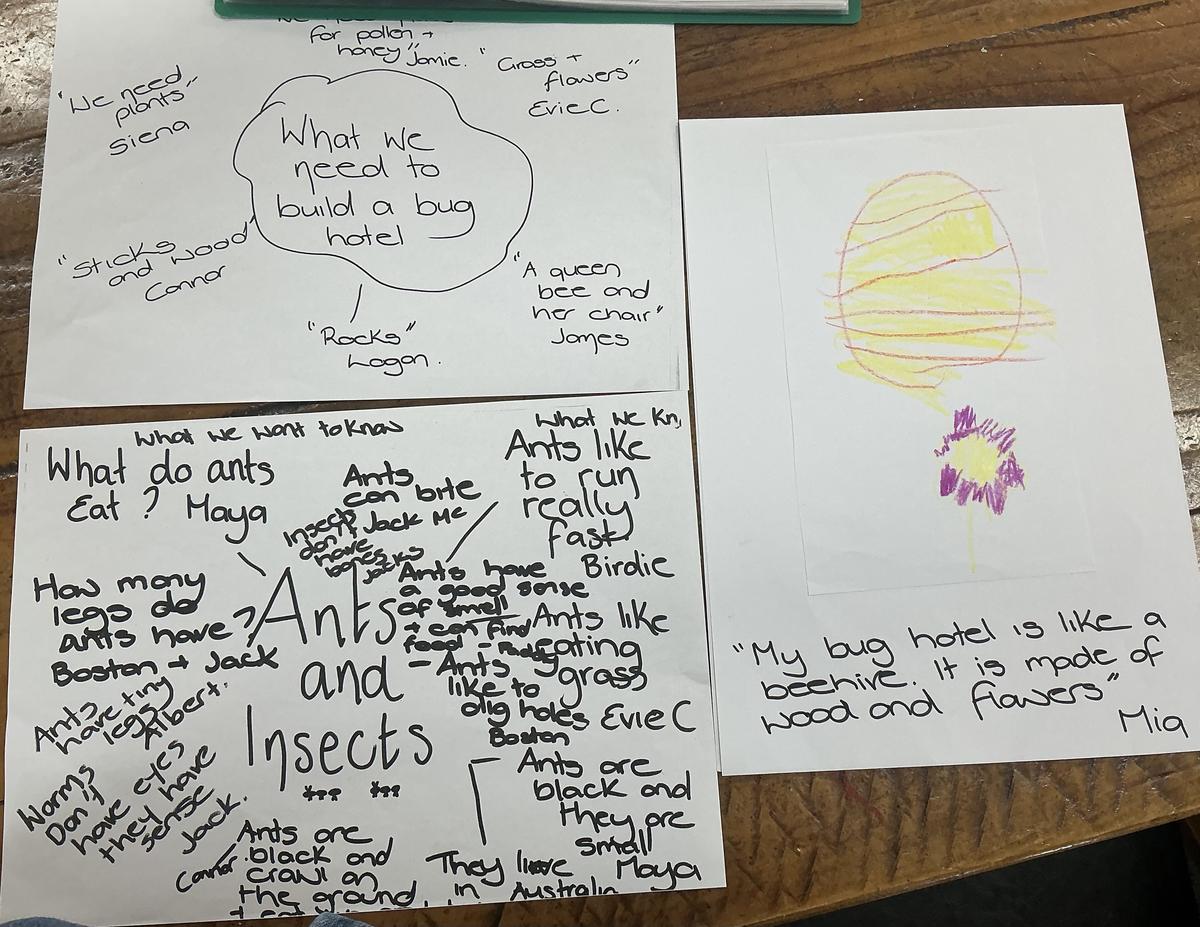
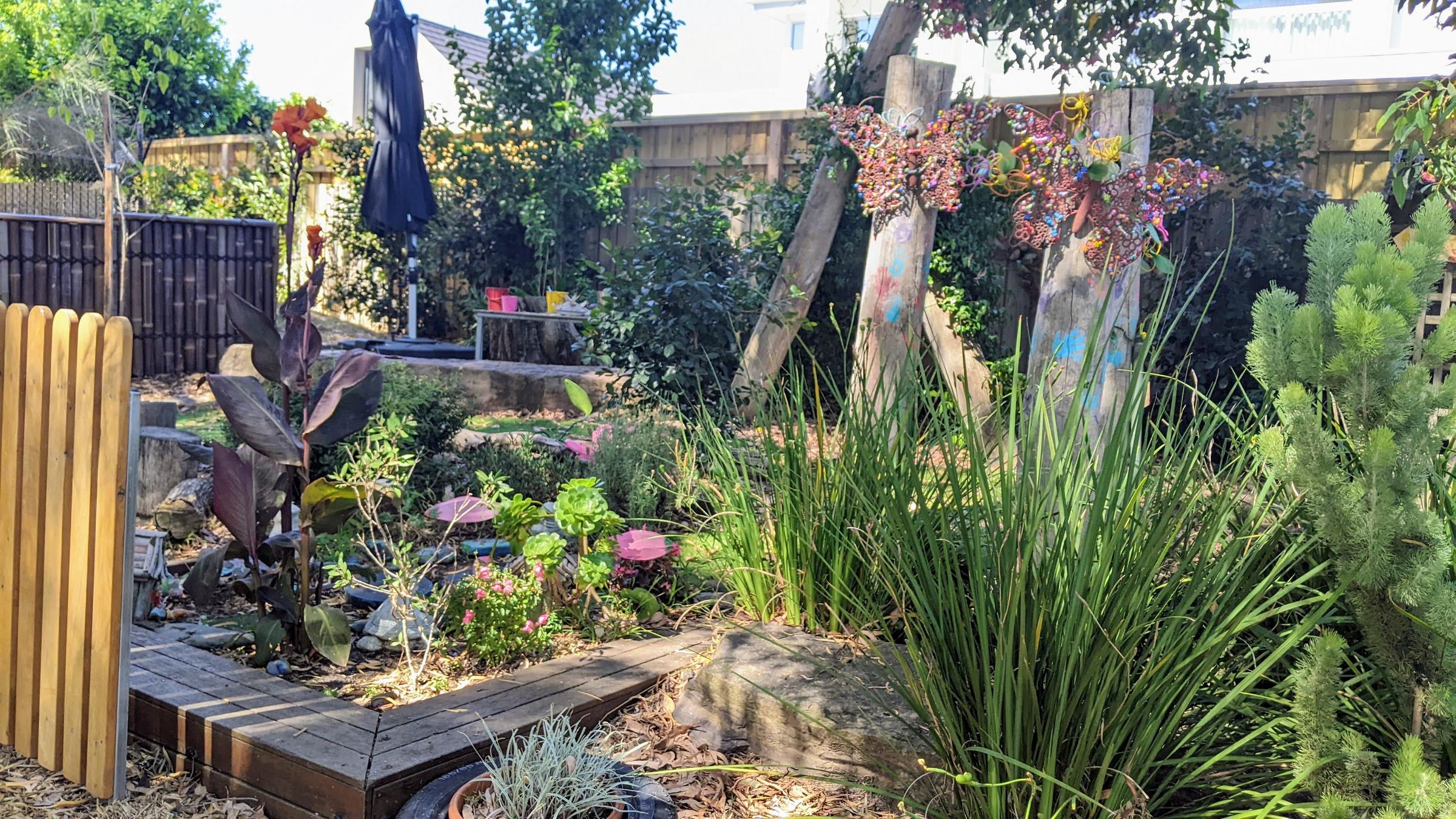
A strong sense of autonomy is central to our approach. We believe children have the right to make meaningful choices and contribute to decisions about their play, learning, eating and rest throughout the day. Our environments are intentionally designed so children can independently access materials and resources, enabling them to follow their interests, solve problems, take appropriate risks and develop confidence in their own capabilities. These everyday opportunities support children's agency and help them develop a strong sense of identity, belonging and self-determination.
Our days follow a predictable rhythm and sequence. This helps children develop a sense of safety, security and understanding about what comes next. Within this rhythm, there is flexibility to respond to children's needs, interests and emerging ideas. We also recognise the importance of protecting extended periods of uninterrupted play. When children are deeply engaged, they are developing theories, negotiating with others, experimenting, problem-solving and constructing knowledge. Educators intentionally protect this flow, allowing children the time and space to become immersed in meaningful self-directed learning.
We understand that children express their views, opinions and ideas in many different ways. We listen not only to spoken language, but also to gestures, facial expressions, actions, play, creations, relationships and choices. By being attentive and responsive, educators ensure every child, including those who communicate in diverse ways, has genuine opportunities to have their voice heard, influence decisions and contribute meaningfully to their environment and learning experiences.
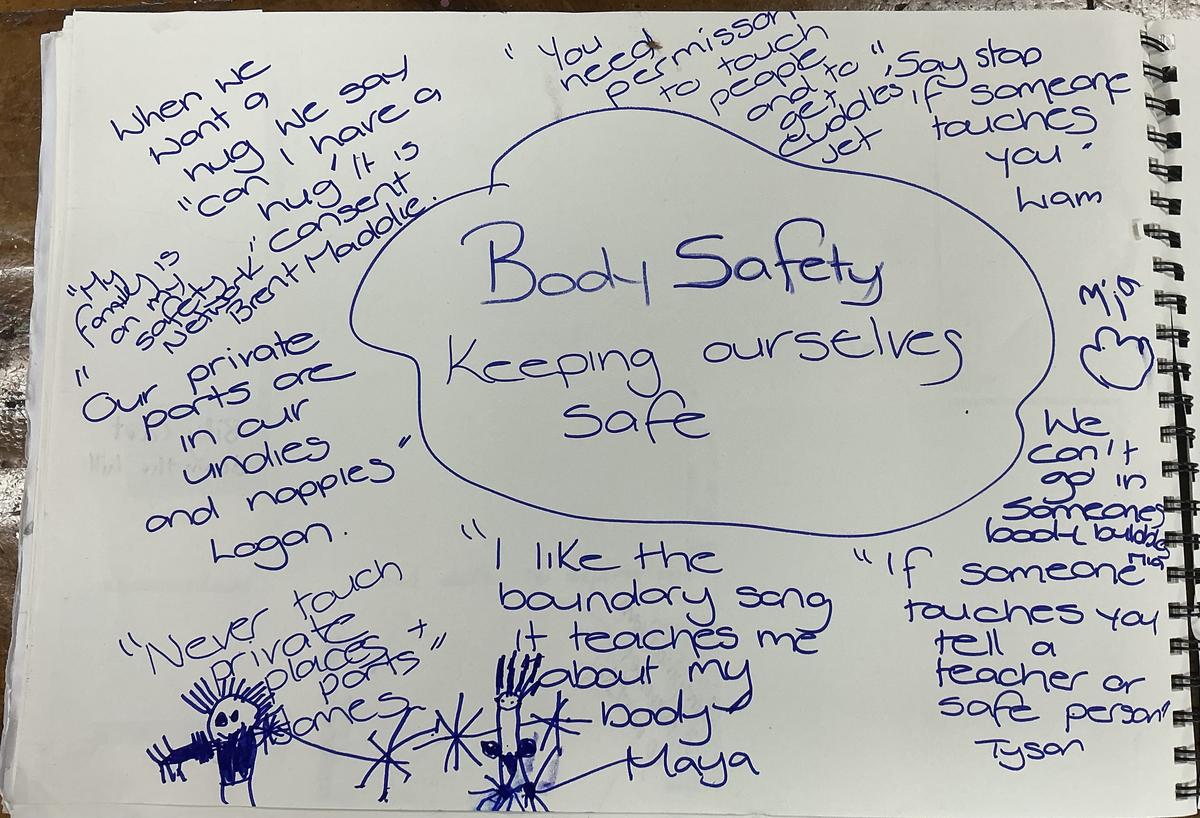
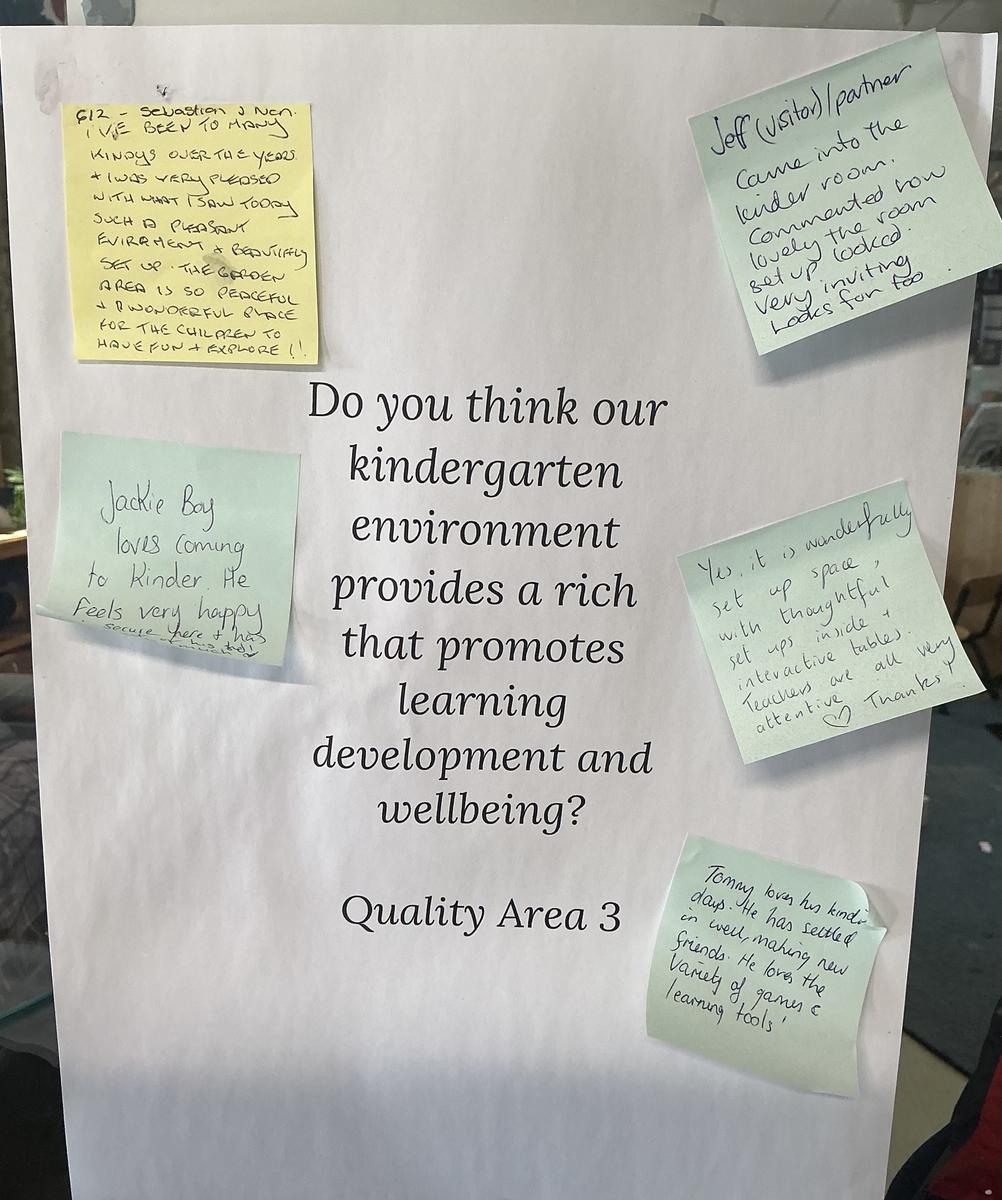
Children's voices are further strengthened through our partnerships with families. Family perspectives, goals and involvement help guide our program and provide educators with a deeper understanding of each child's interests, strengths, identity and experiences. When children, families and educators share their knowledge and perspectives, we can create a curriculum that is meaningful, inclusive and responsive to each child's unique context. This collaborative approach ensures children's rights, cultures, identities and lived experiences are respected and reflected within the curriculum.
Ultimately, children's rights, voice and autonomy are meaningful only when they lead to action. We continually reflect on what children are communicating, how their ideas are influencing our environments and experiences, and what their play and conversations reveal about their learning. By listening carefully, documenting authentically and responding intentionally, we ensure children are not simply participants in our curriculum but genuine co-constructors of their education. Their voices, choices and ideas are embedded throughout our everyday practice because we believe that when children know their rights are respected, their voices are valued and their decisions have an impact, they develop a stronger sense of belonging, agency, confidence and ownership of their learning.