Glen Education Syndal











 Glen Education Inc.
Listening to Children’s Voices Through Everyday Learning
By Lyna Choi, Early Childhood Educator and Jessica Kneale, Early Childhood Teacher
At Glen Syndal, children’s voices are at the heart of everything we do. We believe that children are capable, curious learners, and we value their ideas, questions, interests, and perspectives. By building strong relationships with children and families, educators create opportunities for children to share their thinking and contribute to the direction of our learning program. When we listen closely to what children are interested in, their curiosity helps guide our planning and creates meaningful learning experiences.
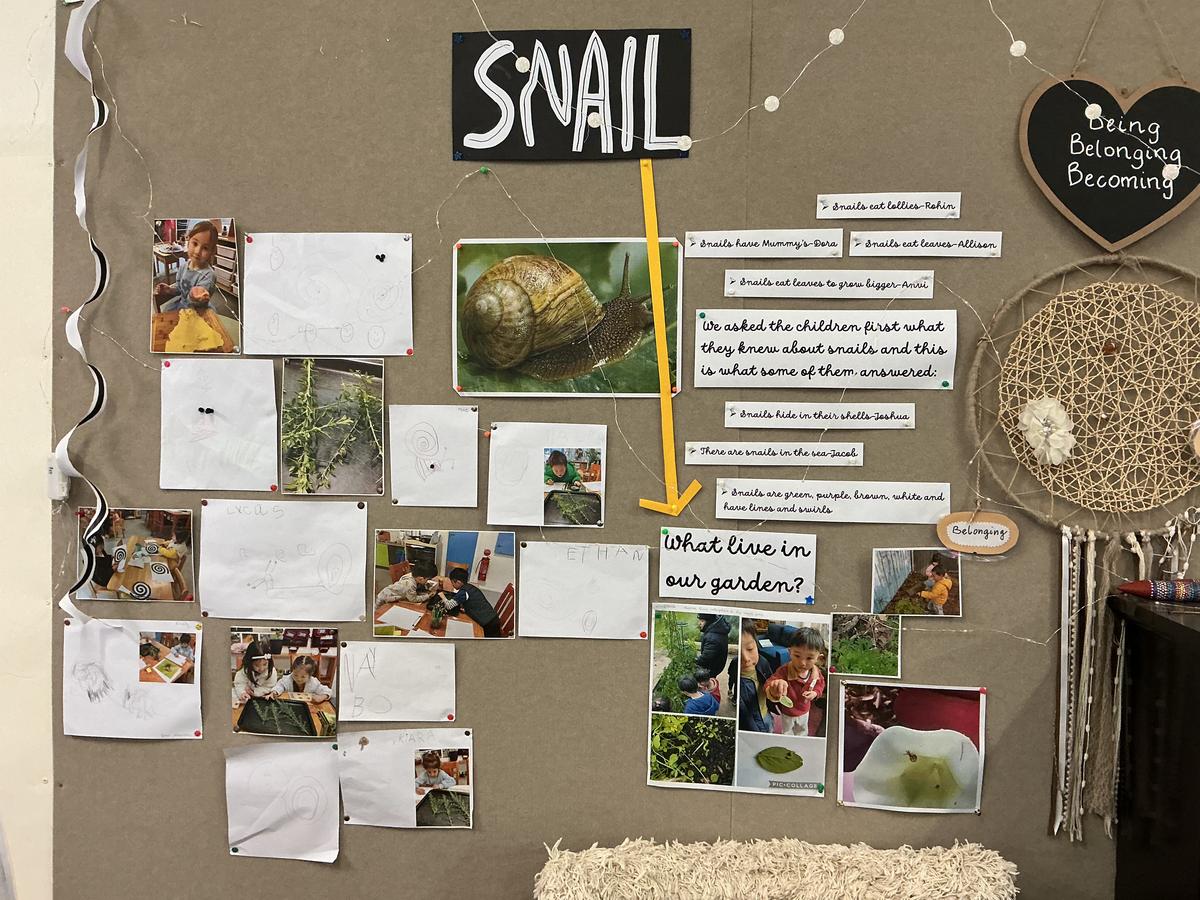
Recently, a group of children discovered baby garden snails in our outdoor learning environment. Excited by their findings, they eagerly shared their observations with educators and began asking questions about the snails. Their curiosity sparked a wonderful learning journey that grew from the children's own interests.
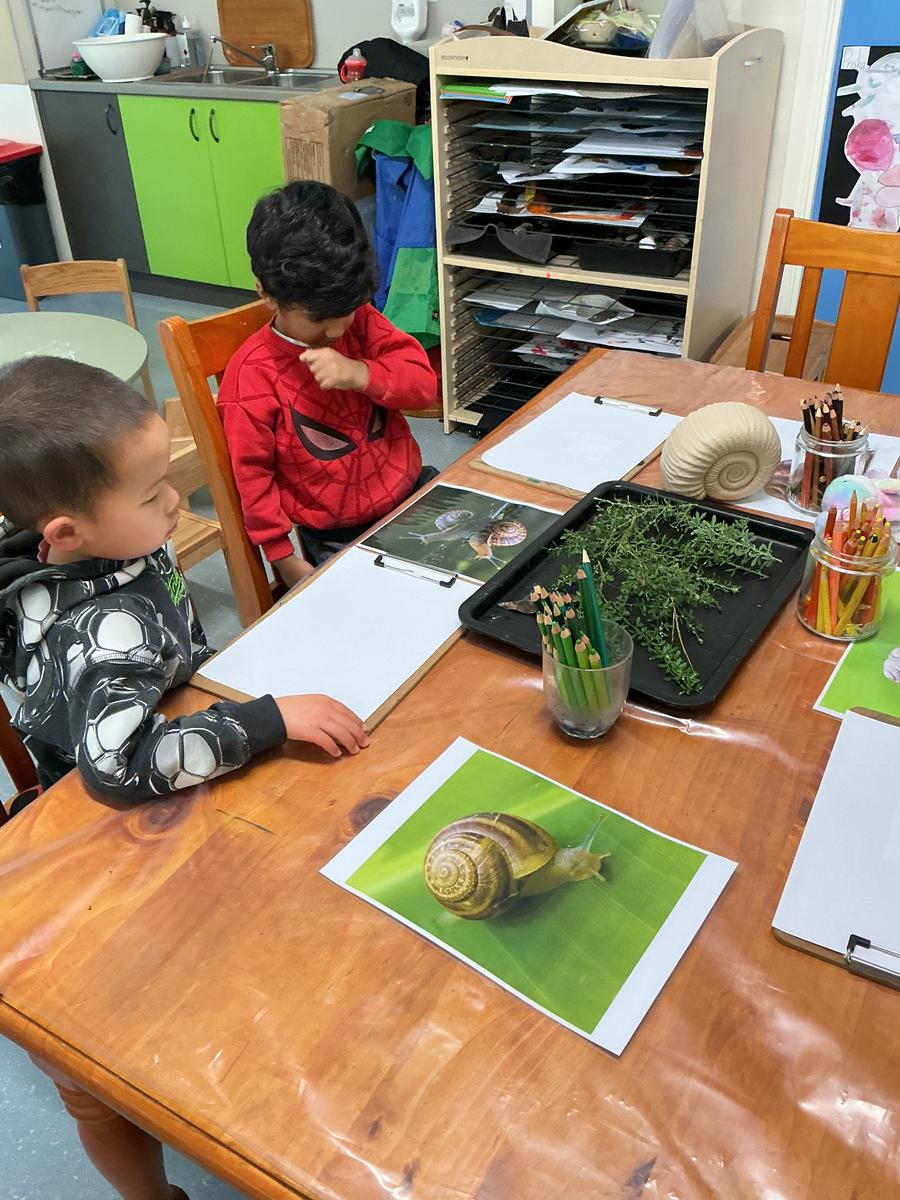
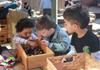
To support their investigations, we created a snail observation table with garden snails, magnifying glasses, drawing materials, and books about snails. The children carefully observed the snails, noticing details such as the spiral patterns on their shells. They shared their theories about what snails eat and used books to help answer their questions.
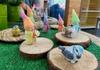
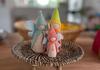
As the children became fascinated by the spiral shapes they observed, we extended their learning by providing spiral-cutting activities to strengthen fine motor and scissor skills. We also set up a creative space with clay, seedpods, native flowers, matchsticks, and a large snail shell. Inspired by their observations, many children used clay to create their own snails, proudly sharing their creations with educators and friends. Their artwork is now proudly displayed in the classroom.
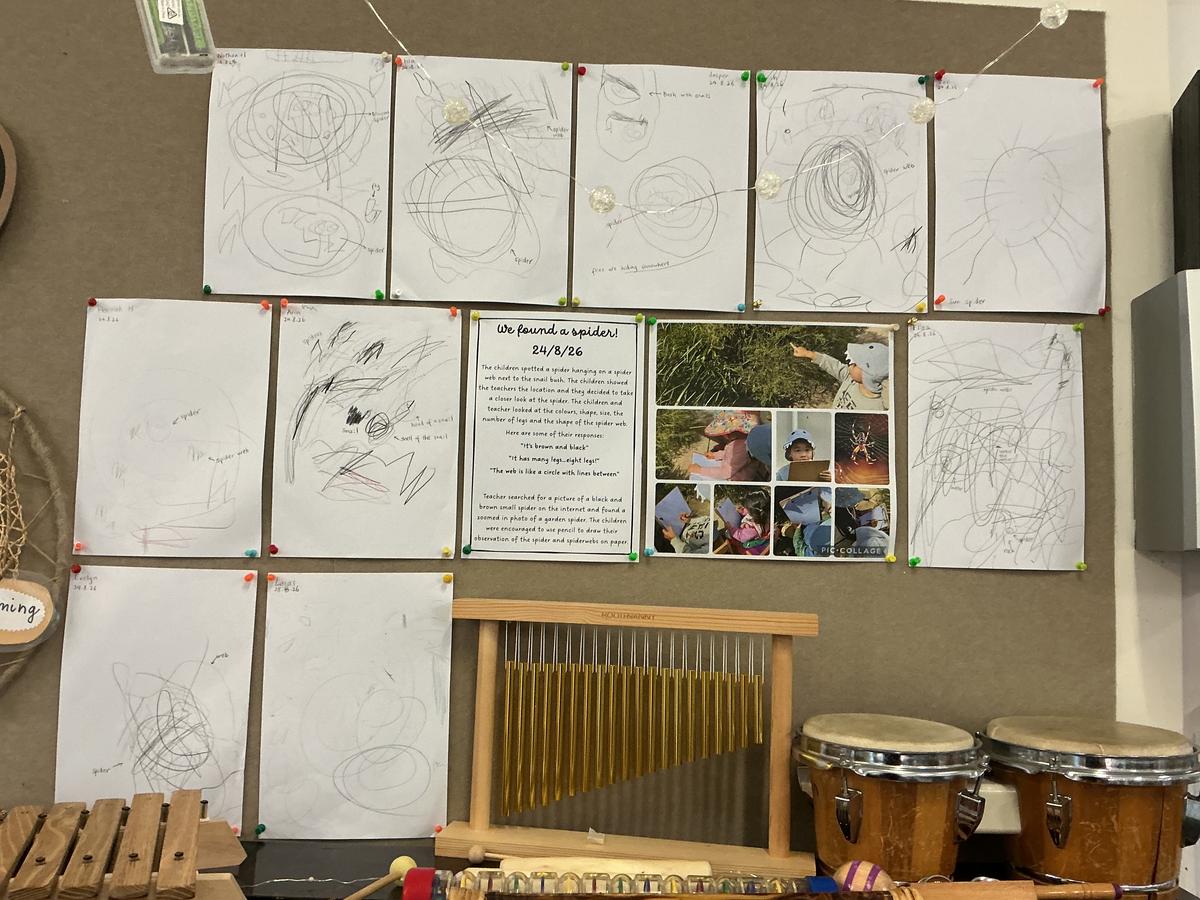
On another occasion, one child's keen observation led to a new area of investigation when he spotted a spider in its web near the snail bush. After sharing his discovery with others, many children became interested in learning more about the spider. Together, the children and educators observed its colours, size, shape, number of legs, and the intricate patterns of its web.
The children described what they noticed:
- “It’s brown and black.”
- “It has many legs... eight legs!”
- “The web is like a circle with lines between.”
By listening to the children’s ideas and observations, educators were able to build on their interest. We searched for images of garden spiders and looked closely at their features together. The children then documented their learning through detailed drawings and discussions, demonstrating their growing observation and communication skills.
This inquiry-based experience highlights how children's voices shape our curriculum. What began as simple discoveries in the outdoor environment developed into rich learning opportunities that fostered curiosity, creativity, problem-solving, communication, and collaboration. The children took an active role in directing their own learning, asking questions, sharing ideas, making connections, and researching to find answers.
To make learning visible, we created a minibeast learning display that showcases children's photographs, artwork, ideas, and learning stories. We also document children's learning in Kinderloop, linking their experiences to the Victorian Early Years Learning and Development Framework outcomes. This helps families gain deeper insight into the meaningful learning that occurs through everyday play and exploration.
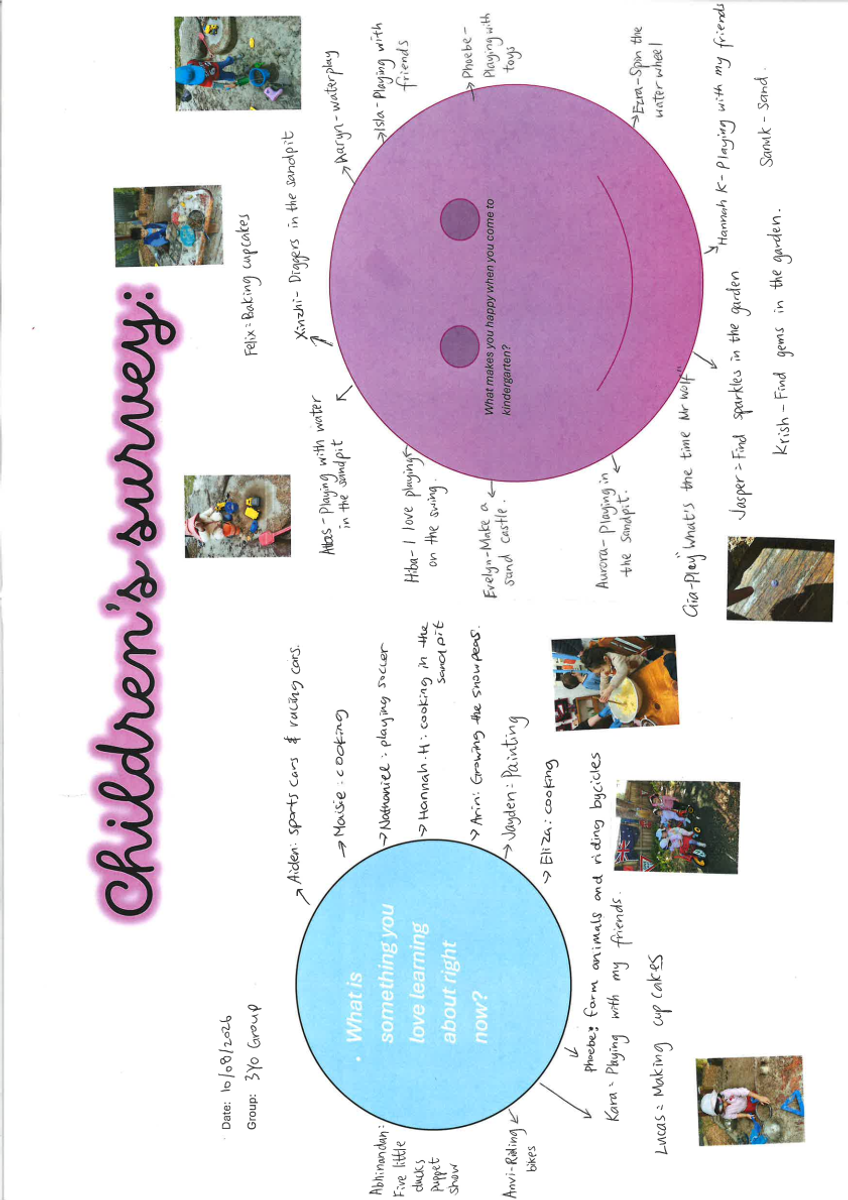
To support our ongoing planning cycle, we use a floor book to capture children's questions, theories, reflections, and feedback. These valuable contributions help us plan future experiences that extend children's interests and build upon their existing knowledge. By working in partnership with families and listening to children's voices, we can create a learning environment where every child feels valued, heard, and empowered to learn.