Glen Education Caulfield South









 Glen Education Inc.
Curious Minds: Exploring the World of Science
By Nancy Castillo, Early Childhood Educator
Science has been a growing interest within our kindergarten program, emerging through the children’s everyday curiosity, conversations and play.
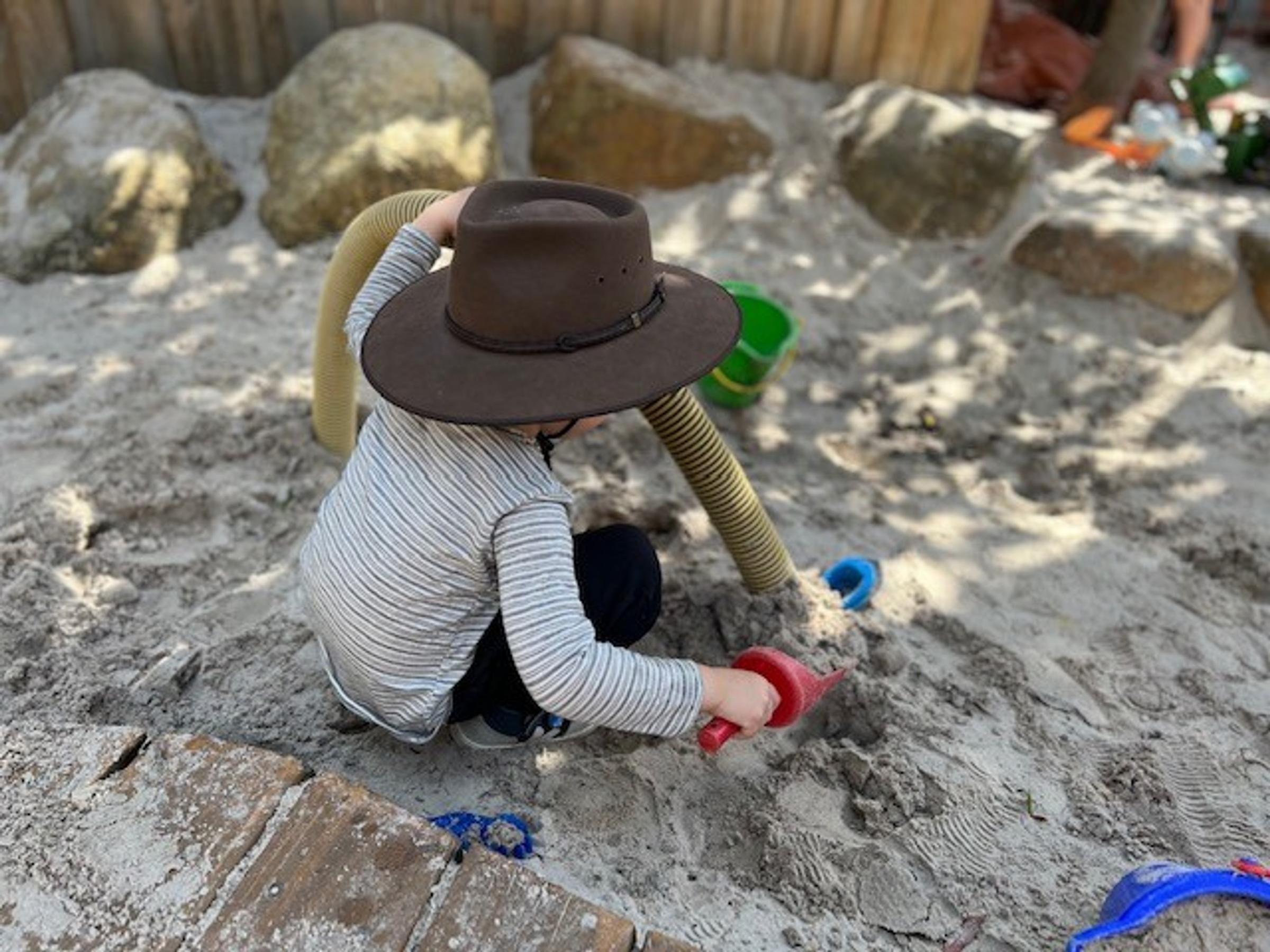
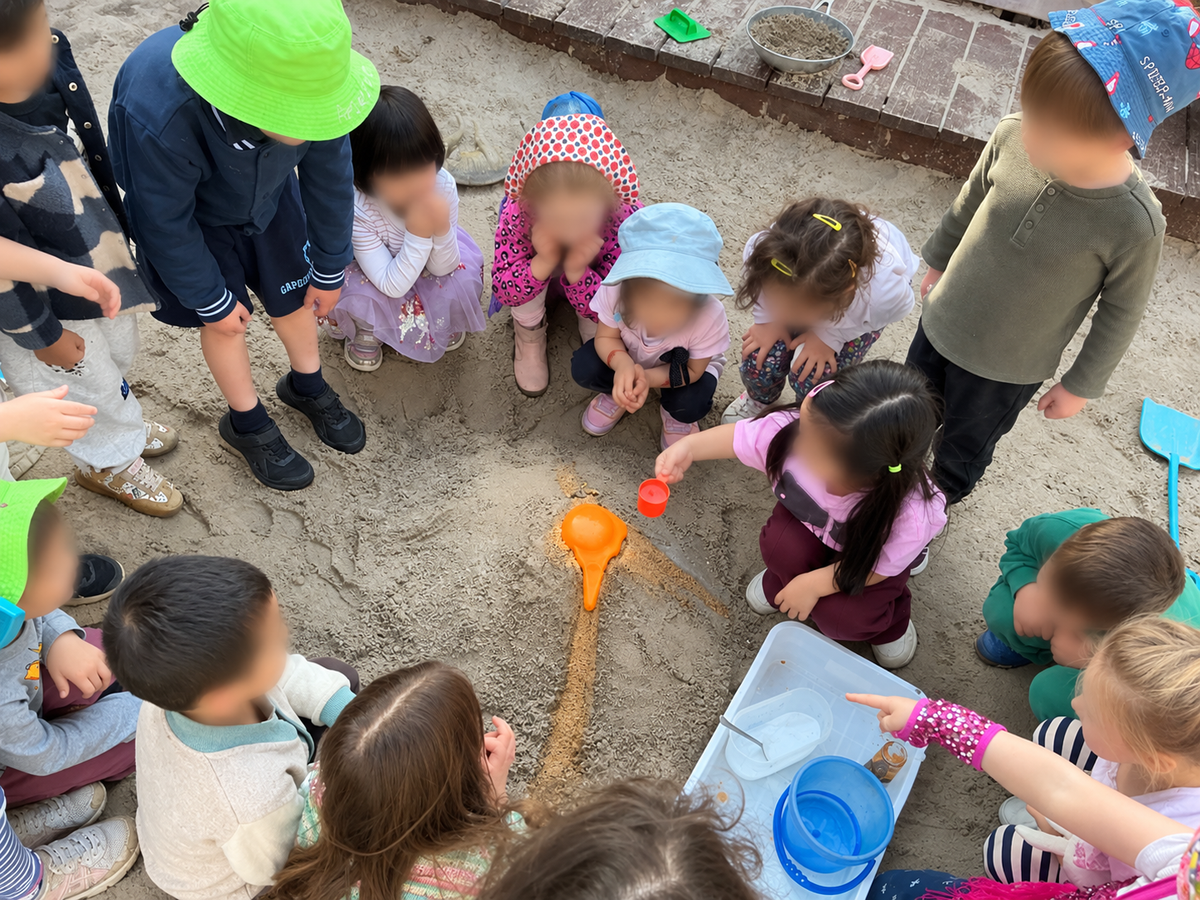
Across the term, children have observed birds and insects outdoors, explored the natural environment, built volcanoes in the sandpit and shown an ongoing enthusiasm for experiments and discovering how things work.
What Do We Know About Science?
To explore these ideas further, we invited the children to share what they already knew about science and scientists. Interestingly, many children initially agreed that science was about “doing volcano experiments, wearing white clothes and glasses.”
Their ideas gave us a valuable starting point for further discussion and investigation. We explored the book What Is Science? by Rebecca Kai Dotlich and watched a short educational video about the different things scientists do.
Through these experiences, the children began to extend their thinking and recognise that there are many different types of scientists who investigate different areas of the world. They began to understand that science involves curiosity, asking questions, observing, investigating and finding out how things work.
EYLF Outcomes: 4.1, 4.2, 5.2
From Ideas to Experiments
As our conversations continued, the children became increasingly interested in carrying out their own investigations.
Augie and Sophie and other children: “We want to do lots of experiments!”
Their enthusiasm helped influence the direction of the program and provided opportunities for them to move from talking about science to actively engaging in scientific thinking.
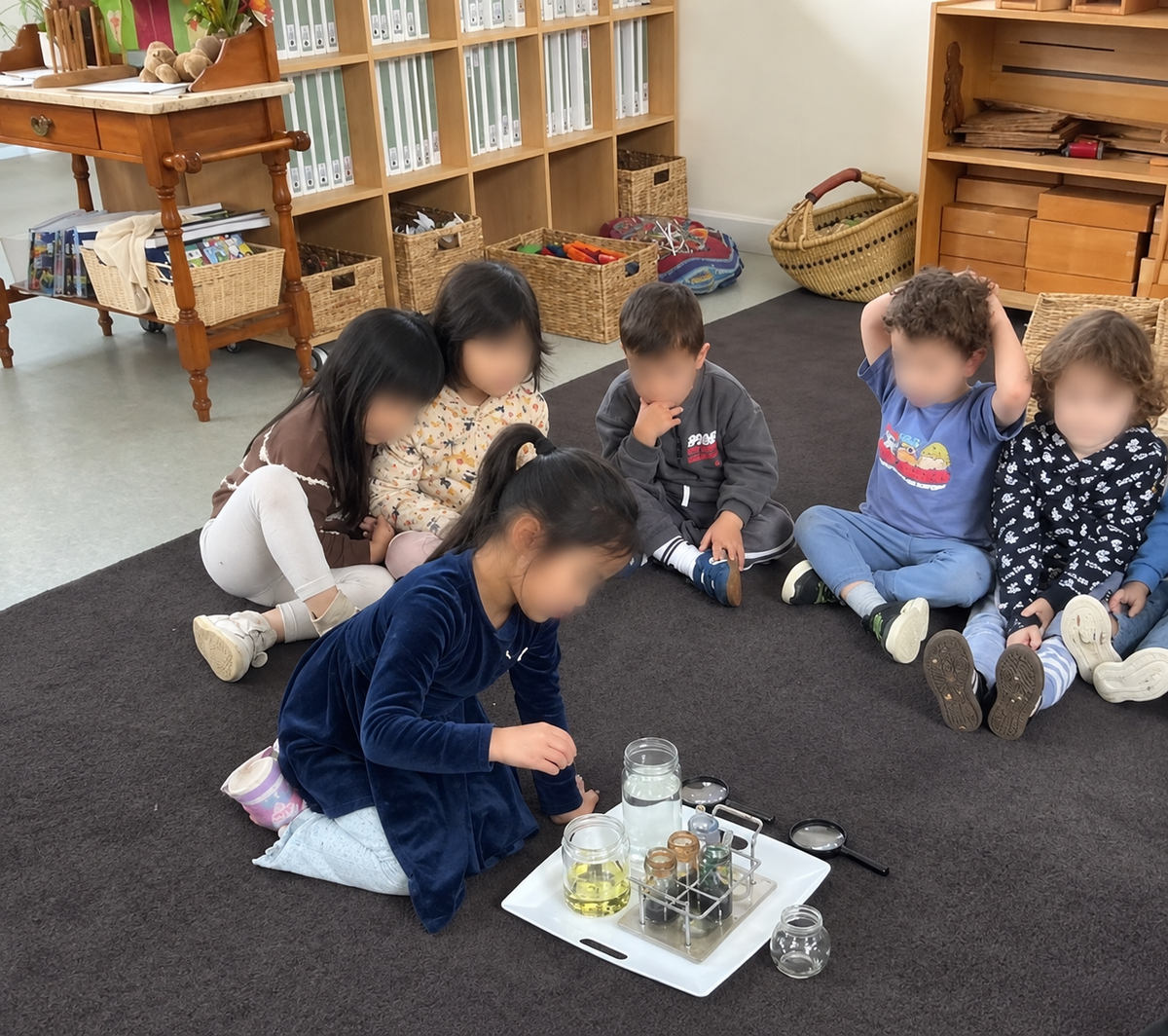
During Fireworks in a Jar, using oil, water and food colouring, children developed their observation skills as they noticed how the different materials behaved. They compared what they expected to happen with what they actually observed and began developing their own explanations for why the colours moved differently through the liquids.
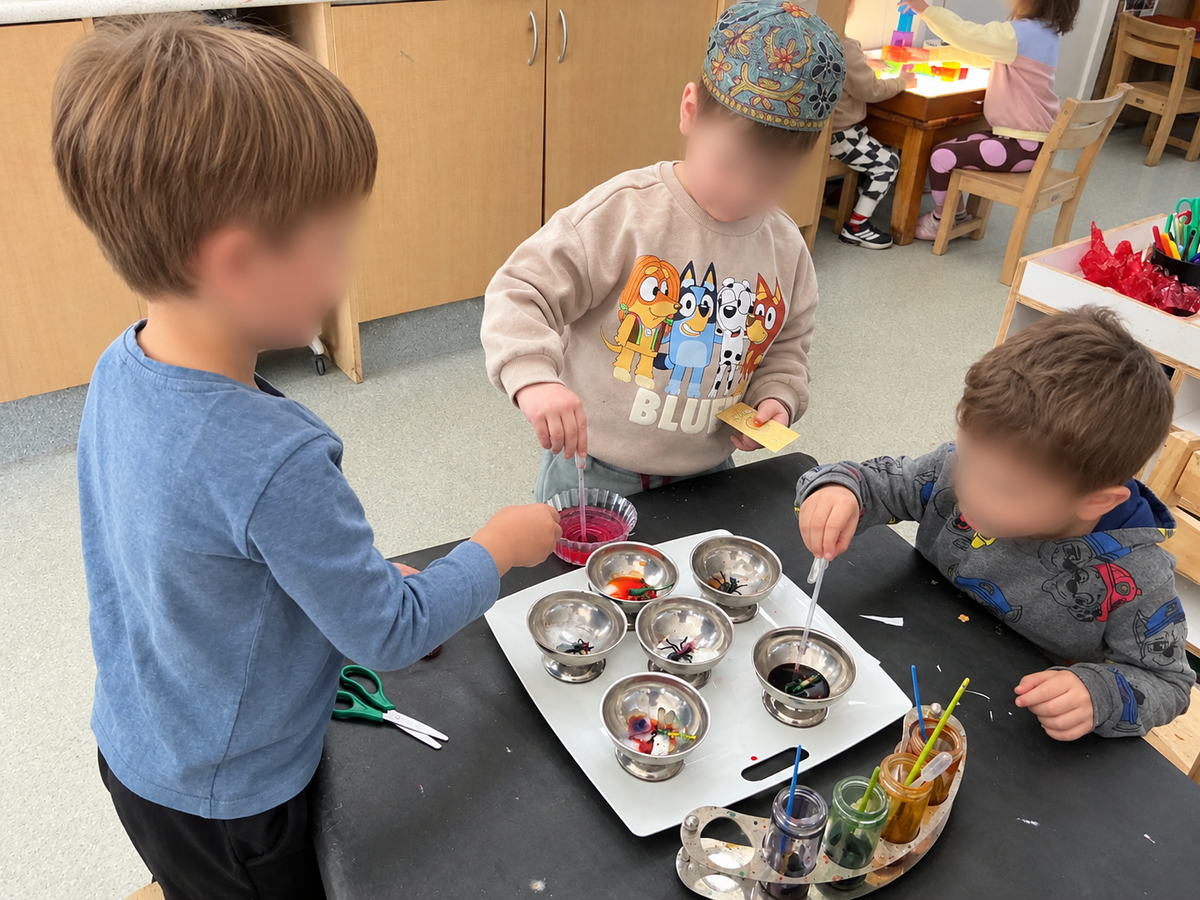
The Fizzy Bugs investigation created another opportunity to combine the children’s interest in insects with experimentation. Children closely observed the bubbling and fizzing reaction, described changes and shared their theories about what might be causing them.
Across these investigations, children were learning to approach experiences as researchers. They were developing skills in prediction, observation, questioning, comparison, problem-solving and cause-and-effect thinking.
Just as importantly, they were learning that their ideas can be tested, reconsidered and developed through investigation.
Victor: “This was fun, lots of fun.”
Tommy: “Yes, Can we do more of this?”
EYLF Outcomes: 4.1, 4.2, 4.3
Science Through Nature and Everyday Experiences
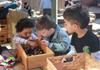
As children observed birds, insects and other living things, they practised noticing details, comparing similarities and differences and sharing questions about what they could see.
These experiences encouraged children to slow down, look closely and use their own observations to build knowledge about the natural world.
During Show and Tell, one child brought edible bugs to share with the group. This experience encouraged children to draw on one another’s knowledge, ask questions and consider new information.
Children were developing an understanding that knowledge can come from many sources, including peers, families, books, direct observation and shared experiences.
This also supported children to see themselves and each other as capable contributors to the learning of the group.
EYLF Outcomes: 2.4, 4.1, 5.1
How Our Thinking Changed
After reading, watching, investigating and discussing, we revisited our original conversation about scientists.
The children’s responses demonstrated how their understanding had expanded:
Tommy: “I want to be a scientist of nature. I want to study different types of bugs.”
Charlie: “Scientists are people with glasses, and they study insects and volcanoes.”
Ayla: “They also work with animals.”
Poppy: “You can be a scientist of the stars and space.”
Oliver: “They like volcanoes and dinosaurs.”
Sophie: “Now I know that there are different types of scientists, not only one.”
Augie: “They do lots of experiments about lots of things.”
Over time, children began to recognise that scientists can investigate many different areas, including nature, insects, animals, space and dinosaurs.
The children were not simply remembering new information. They were reorganising their existing knowledge, making new connections and developing a more complex understanding of what science can involve.
EYLF Outcomes: 4.1, 4.3, 5.1
Following the Children’s Curiosity
One of the most significant aspects of this learning has been the way the children’s ideas have influenced the direction of the program.
Their interest in insects led to closer observations of living things. Their repeated volcano play developed into scientific investigations. Their enthusiasm for experiments encouraged further opportunities to predict, test and observe. Their conversations about scientists led to new questions about nature, animals, space and other areas of science.
They are developing confidence to express theories, listen to different perspectives, test ideas and change their thinking when new information emerges.
Science in our kindergarten has therefore become much more than completing experiments. It has become a way for children to wonder, investigate, make connections, build theories and develop a deeper understanding of the world around them.
EYLF Outcomes: 4.1, 4.2, 5.1