From the Year 3 Classroom
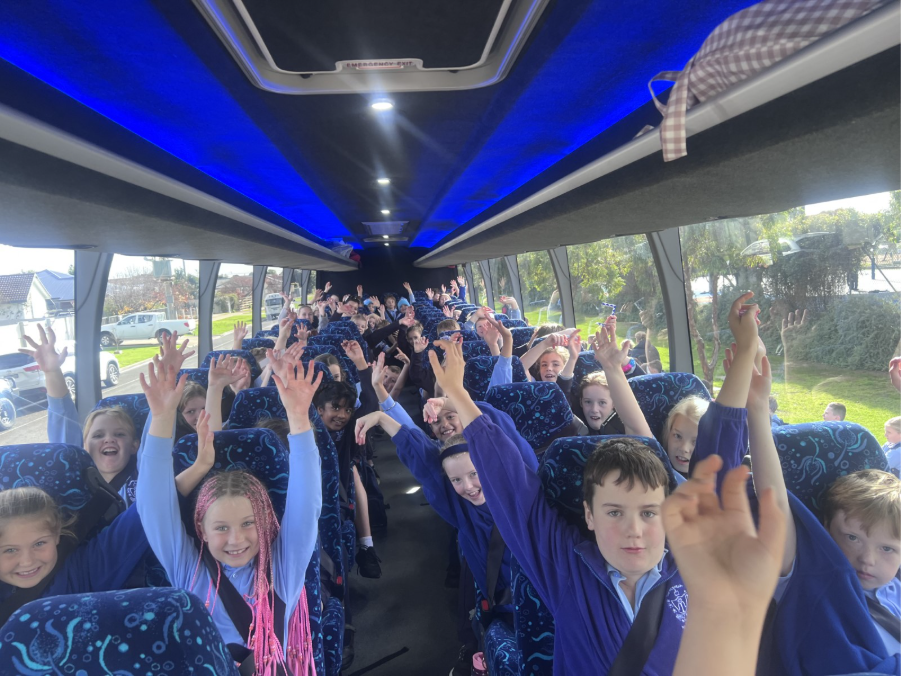
We had a fantastic day last Wednesday in Wangaratta at You, Me and the Land of the Lost things. Seeing one of our favourite author’s books come to life was an entertaining and fun experience we got to share with the Grade 1s and 2s.
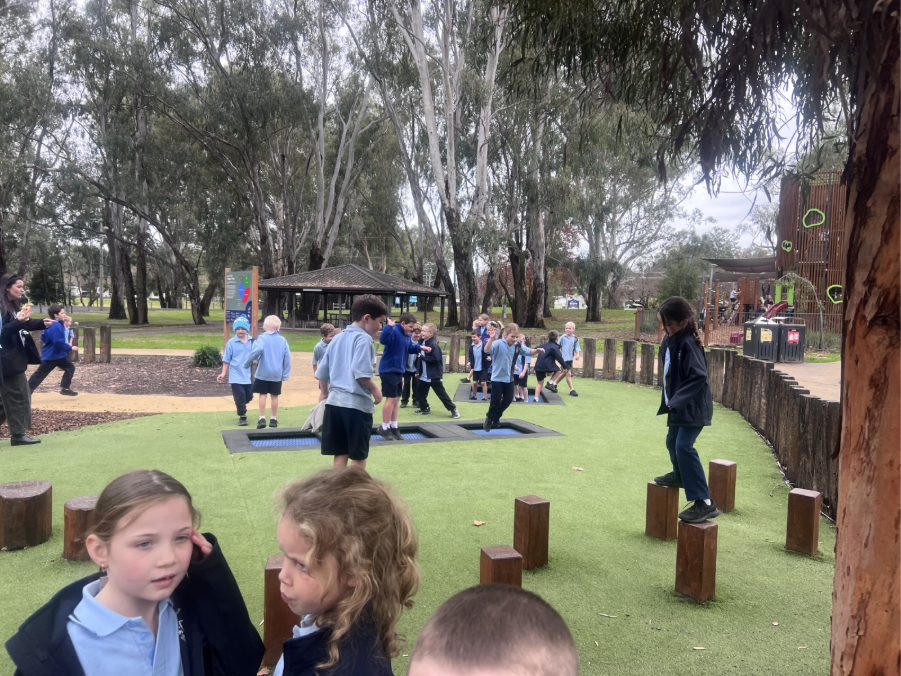
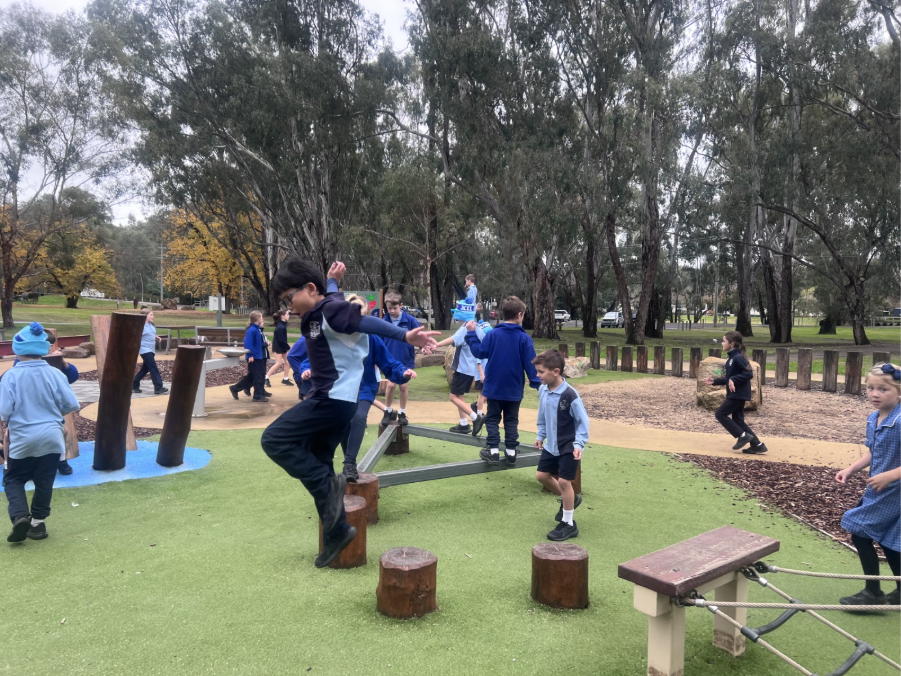
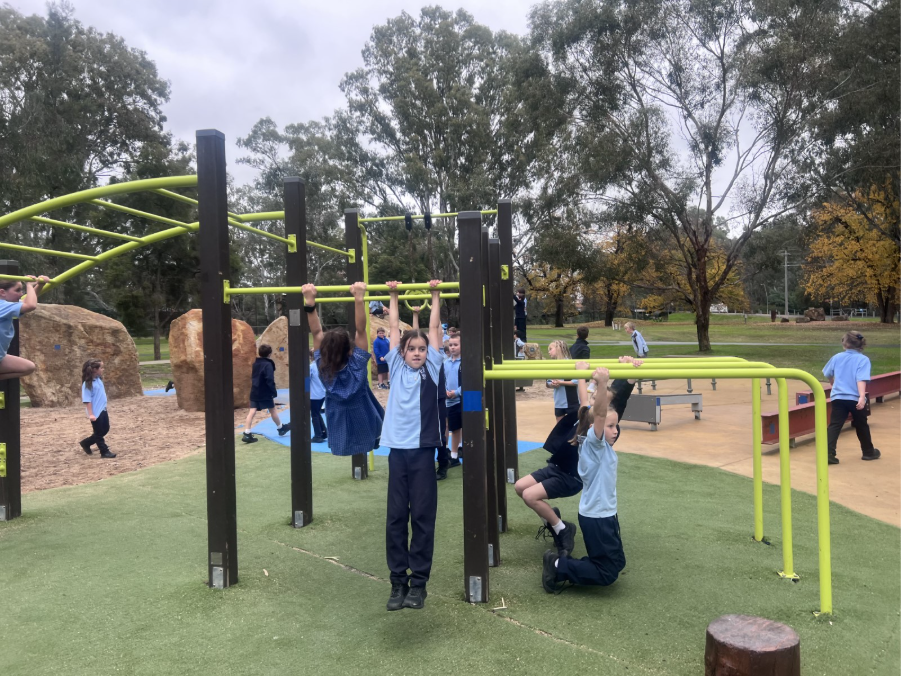
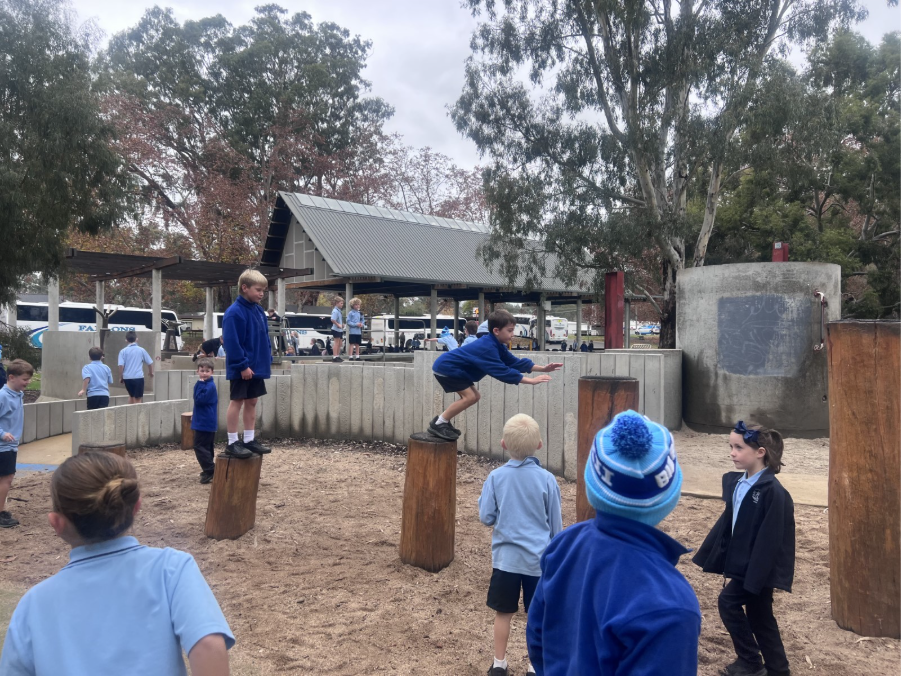
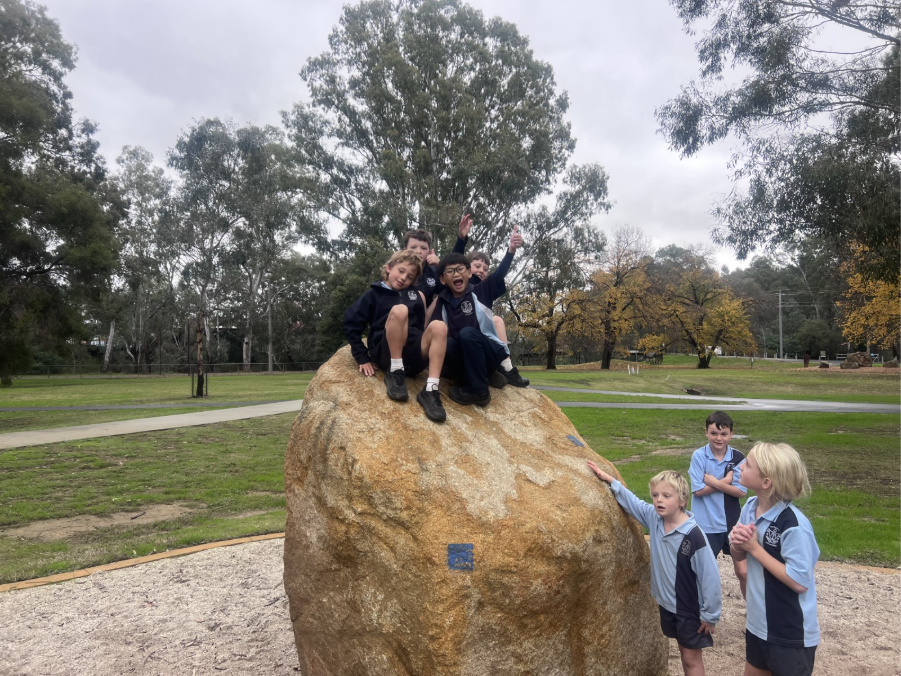
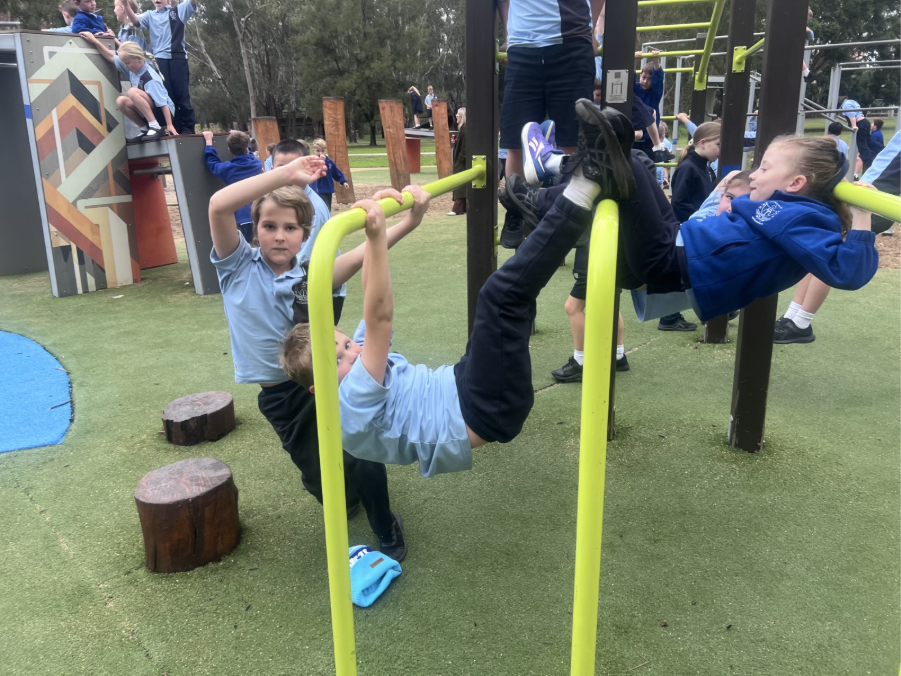
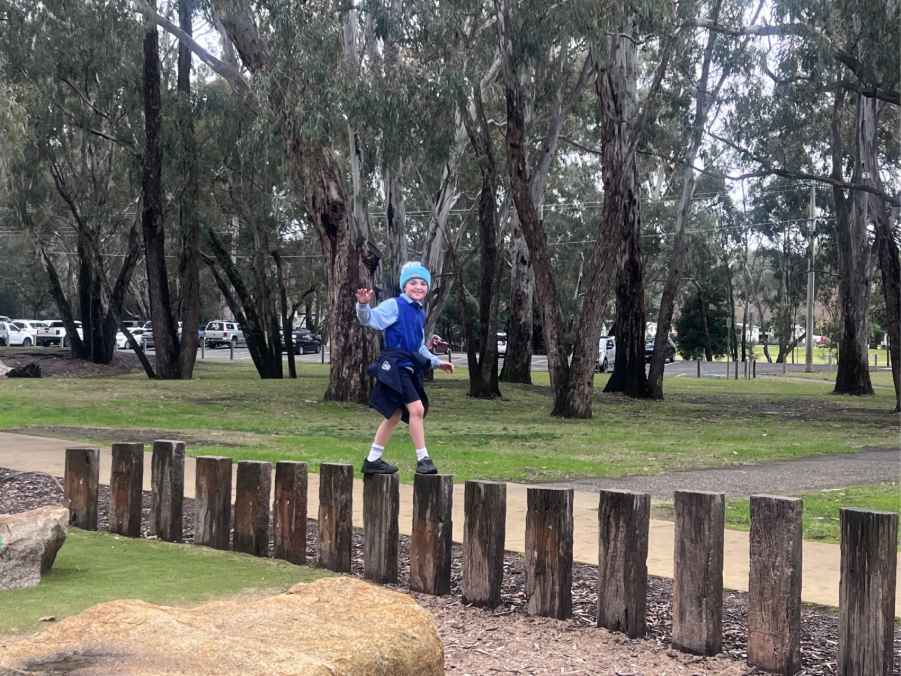
Lots of fun at the park afterwards as well!



Reading
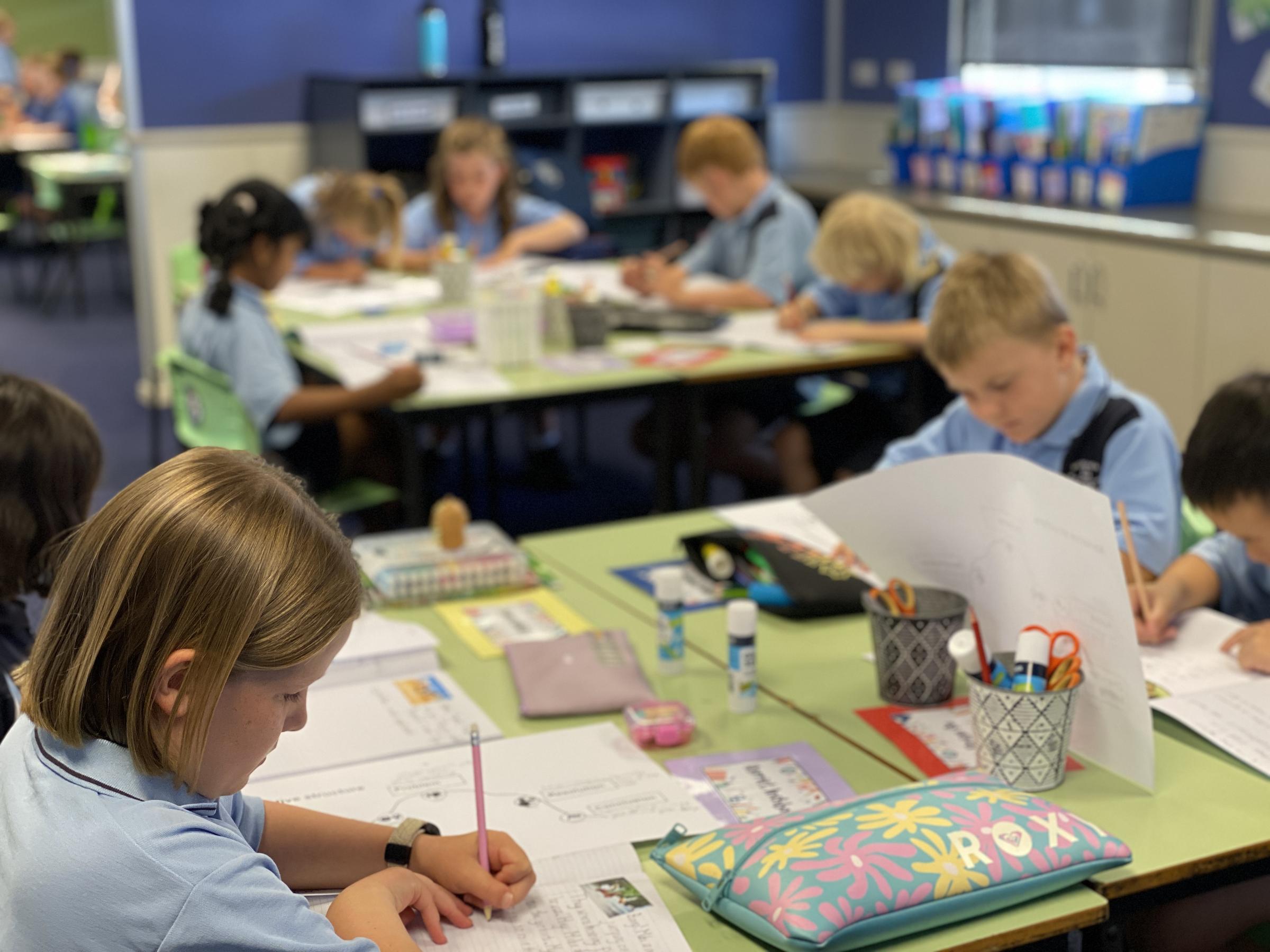
We finish Term 2 in Reading with our poetry studies. We have read about, and listened to many Haikus, identified what similes and metaphors are and have begun reading Free verse poems, looking for author’s craft and literary devices used so that we can transfer into our own writing. This next week we focus on phrasing, rhythm, and fluency reading poems for next week when we can present our favourite poem to our class.
Reminder Reading Diaries are due each Friday. It is a minimum requirement for Grade 3 students to be reading for a total of 60 minutes over the course of the week, 1hr of reading and signed by a parent/guardian. For your child to develop and improve their reading, please ensure that it is a Good Fit book they read, i.e. one that is not too easy and not too hard.
Spelling
In Spelling, students have been learning about important spelling patterns and rules. We have focused on the “drop the ‘y’ and add ‘i’ rule when adding suffixes. Eg. Cry + ed = cried. There is an excpetion though! This rule does NOT apply when adding ing e.g. cry+ing= crying. We have also been practising the long ‘u’ and ‘oo’ phoneme, building confidence in recognising and using these patterns in their writing and the ‘does it look right’ strategy. ‘ui’ as in ‘fruit’, ‘u_e ‘as in ‘flute’, ‘ue’ as in glue, ‘oo’ as in ‘soon’, ‘’ew’ as in ‘stew’.
Our current tricky words are- surprised, tomorrow, different, beautiful and through. Students are working hard to spell these correctly and use them accurately in their everyday writing.
Writing
In Writing, students have explored a variety of poetry styles, including free verse, haiku, similes, alliteration and limericks. With free verse poetry, students discovered the freedom to write without strict rules around rhyme or rhythm. This allowed them to focus on imagery, emotion, and personal voice.
We explored the traditional Japanese form of haiku, where students carefully chose their words to fit the 5–7–5 syllable pattern while capturing moments in nature or everyday life.
Students also learned about similes, using comparisons with “like” or “as” to make their writing more vivid and descriptive. Alongside this, we practiced alliteration, where repeated beginning sounds helped create rhythm and make phrases more memorable and fun.
Finally, we had great fun writing limericks—short, humorous poems with a catchy rhythm and rhyme scheme. These sparked lots of laughter while also challenging students to think creatively about structure.
It has been wonderful to see students growing in confidence and creativity as they experiment with different ways to express their ideas through writing
Maths
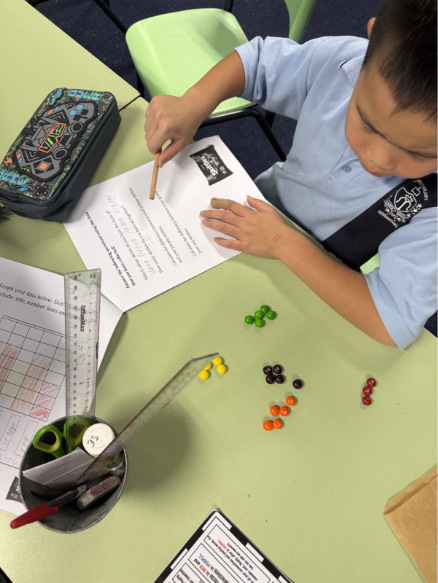
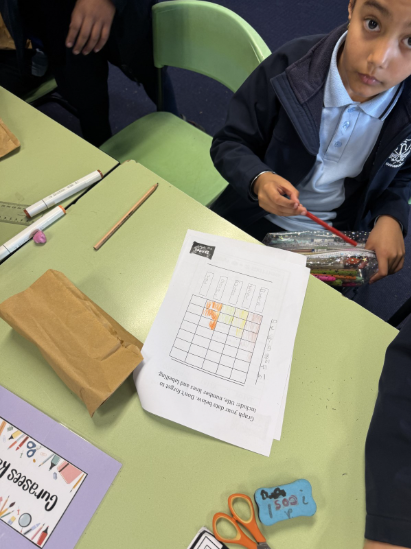
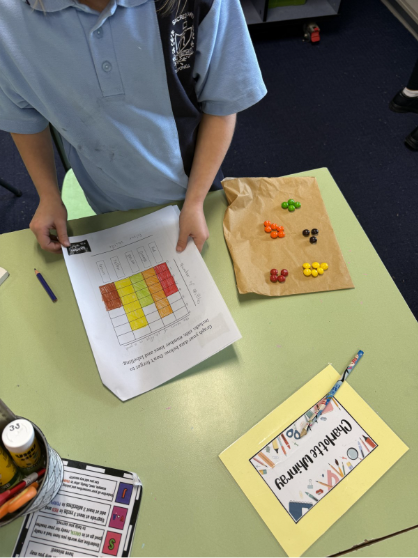
We have recently completed our engaging unit on Data, where students developed their skills in collecting, representing, and interpreting information. Throughout the unit, students explored how to compare different data sets and considered how data can be presented for different audiences. They learned that the way information is displayed can influence how easily it is understood and practised choosing appropriate formats depending on the purpose. Students designed and graphed their own data. This hands-on experience encouraged them to think critically about what data to collect and how best to present it using a range of graph types. To finish the unit on a fun (and colourful!) note, we completed a Skittles investigation. Students counted and recorded how many of each colour skittle they had, and then created a variety of graphs to represent their findings. This activity helped reinforce key concepts such as data collection, organisation, and visual representation, while keeping students highly engaged. It has been wonderful to see students grow in confidence when interpreting graphs and discussing their findings using mathematical language.
Timetables Challenge
Year 3 students have been enthusiastically taking part in our Times Tables Challenge, working hard to master each multiplication set with confidence and accuracy. Students will be tested, and they are only signed off once they can fluently and confidently recite the full times (out of order) they’re working on. To support their progress, students will be bringing home practice sheets to help build fluency. Strong times tables knowledge is important because it underpins so many areas of maths, including division, fractions and multi‑step problem‑solving, and gives students the number sense they need to tackle more complex concepts. It is also a curriculum standard to learn at least 2 X, 3 X, 4 X, 5 X, 10 X, 11X by the end of Grade 3. Please have your child practice daily to help improve their automatic recall. There are house points and exciting prizes up for grabs, adding an extra layer of motivation as students strive to achieve their personal best.
Library Schedule
Here is our Term 2 Library Schedule. Just a reminder that students are welcome to go to the Library anytime to return or borrow books. Students still need a library bag to take books home with them.
Week 10-3C
Week 1: 3E
Week 2: 3S
Inquiry:
We continue discussions about the relationships we share with our neighbouring countries, including how we support our neighbours and how they support us in return. We looked at government spending and why it is important to be good global citizens, helping countries out less fortunate than ours. This week we investigate some of the goals of the United Nations (with Australia as a member) including: Zero Hunger, Reducing infant mortality and Sustainable Environments. This learning is helping students develop an understanding of Australia’s place in the wider world and the importance of cooperation and connection between countries. We discussed ways in which we can do small things in our own home to help the greater good. A few suggestions from students include: less food waste, only buy what you need, donate unwanted goods to St. Vinnies and donate non-perishable food items to food drives such as Winter Appeal.
Religion
In Religion, we have begun a new unit titled “Celebrating the Gifts of the Holy Spirit.” Students are learning about the ways individuals can use their actions to support the mission of the Church and help build a strong and caring community. As part of this unit, we have explored the scripture Acts 2:1–4, which describes how God sends the Holy Spirit. Students have been identifying the main characters, setting, and key events in this passage, helping them develop a deeper understanding of their meaning and importance. This learning encourages students to reflect on how they can use their own gifts to support others and contribute positively to their community.
Have a good week,
Year 3 Team