STEAM
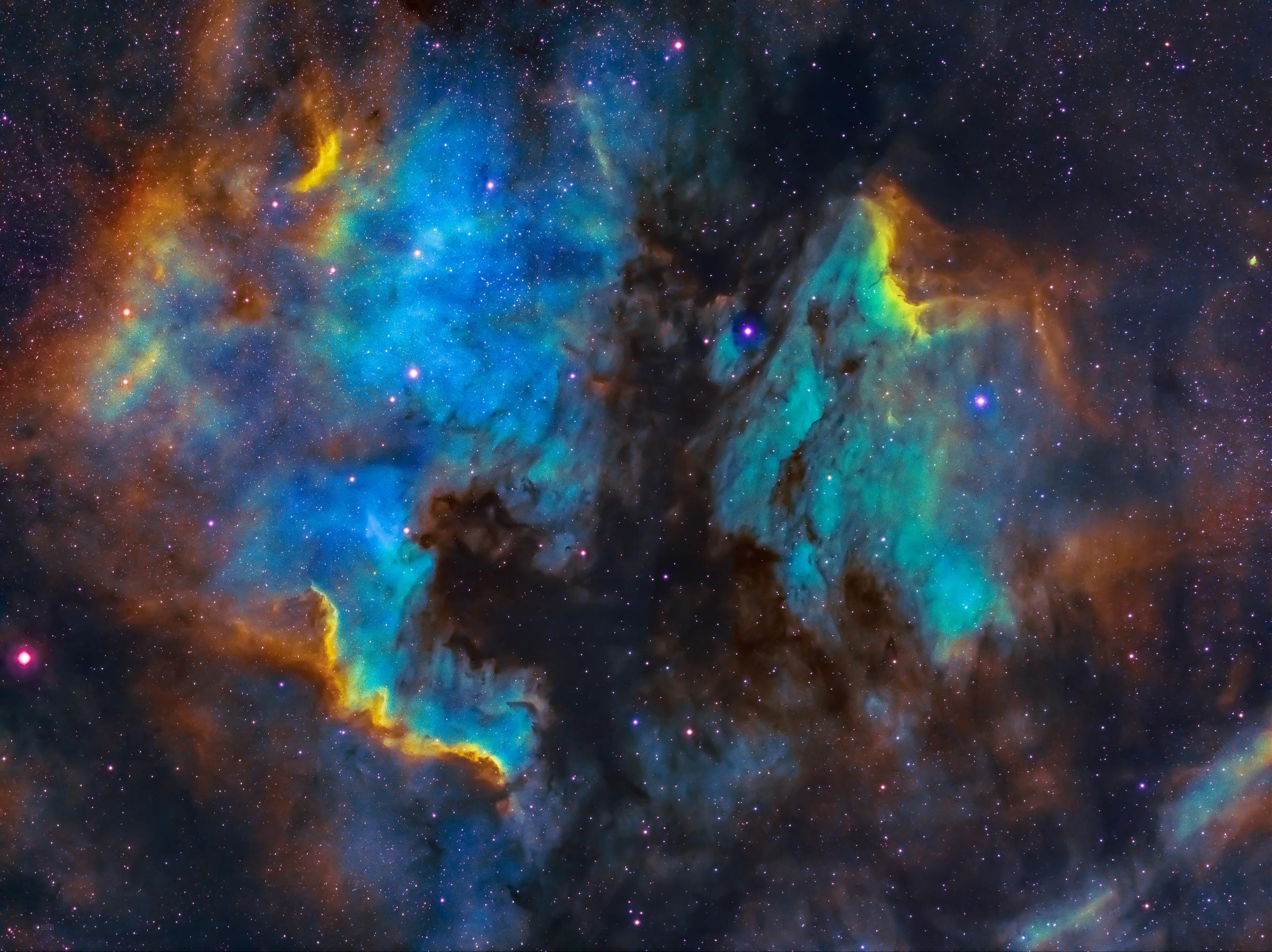
RMIT Space Teams Academy
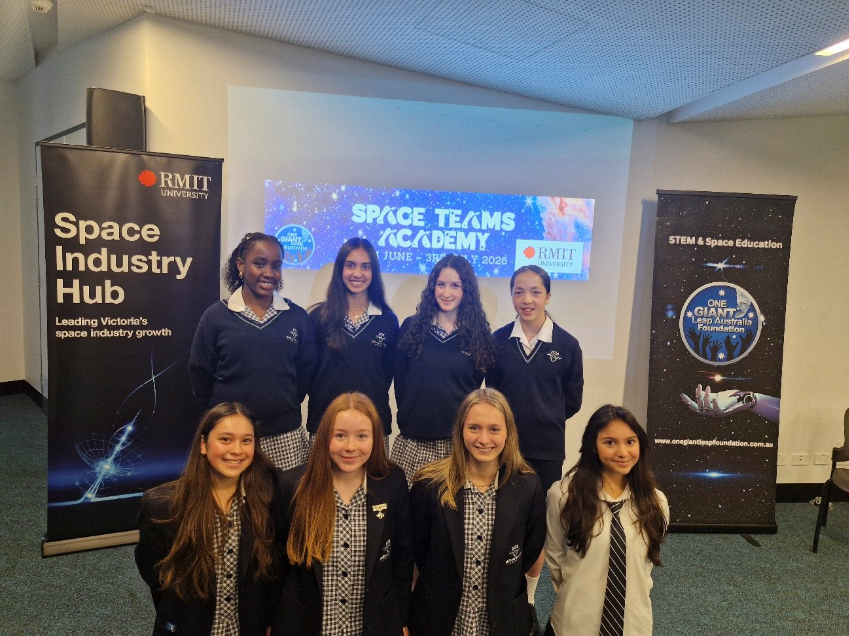
During the first week of the winter holidays, a dedicated group of Year 7 and Year 8 students attended the RMIT Space Teams Academy in the city. Space Teams Academy is a virtual mission training program that includes designing spacecraft, navigating between planets and locating resources on a strange exoplanet. Hear from two of the students who attended and survived their mission!
Space Teams Academy is a hands-on space and STEM camp where students work in teams to solve exciting challenges inspired by real space missions. Throughout the program, I learnt about topics such as rockets, planets, astronomy, engineering and how astronauts live and work in space. The activities encourage teamwork, problem-solving and creative thinking, giving us the chance to experience what it is like to tackle challenges as if we were part of a real space team. It’s a fun and engaging way to explore science while building confidence and making new friends. I highly recommend signing up for the program next year.
Izzy Morgan
Year 7
Space Teams was an incredible experience for me. Each day, I would take the train into the city and learn about the many different aspects of space with people who were as excited about it as I was. I was able to build a rocket, create a habitat on another planet, land a spacecraft, and plan a route from Earth to another planet, all online! Because the camp was extremely challenging in some parts, I have come into this semester with the confidence that I can do hard things. I would definitely recommend it to any students who are interested in space or just want to learn something new!
Mackenzie Cameron
Year 8
Girls in Physics Breakfast
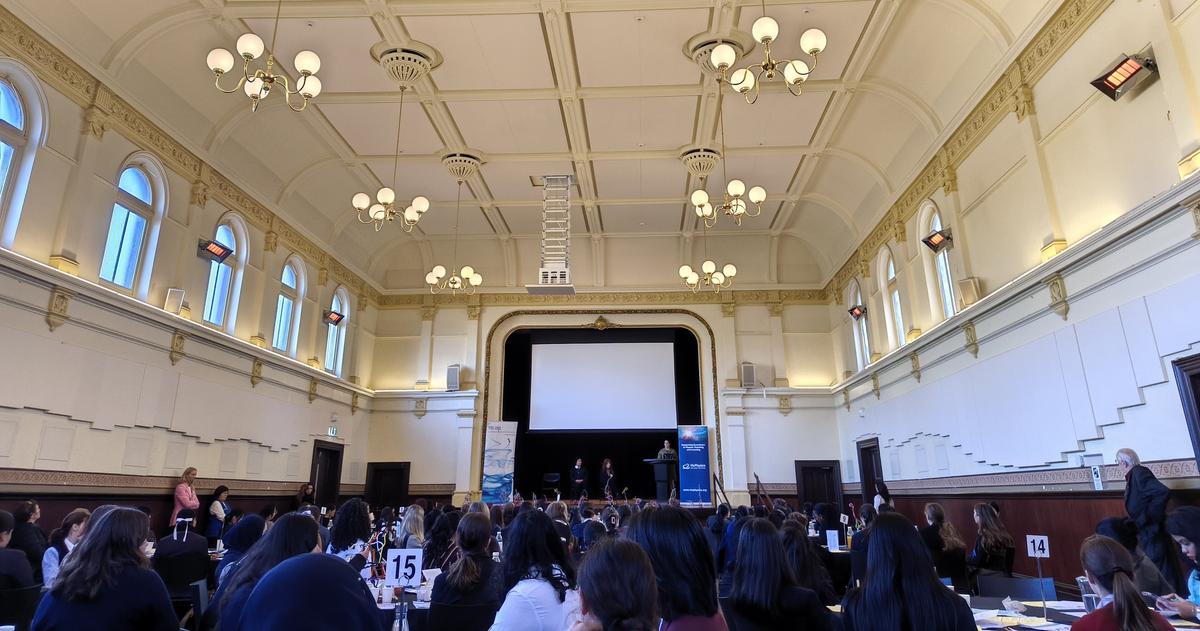
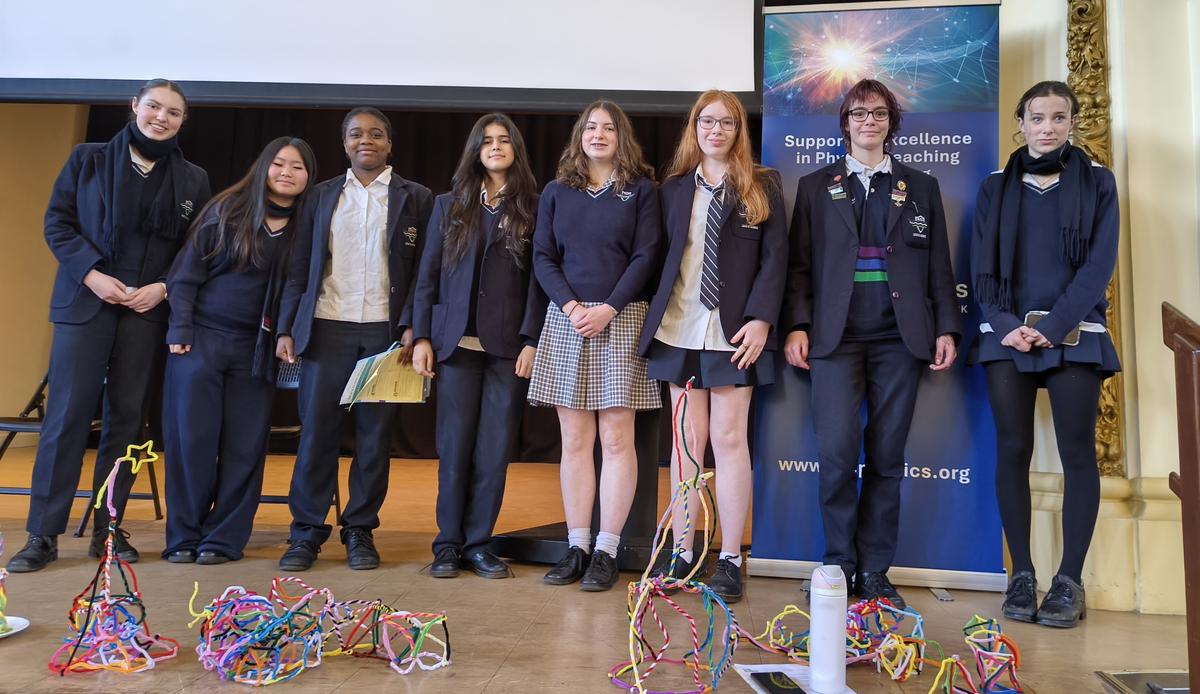
It was an amazing experience speaking to so many successful and inspiring women from different areas of physics. I was lucky enough to speak to women from a variety of fields, including biomedical imaging, mechatronics engineering and physics education.
During the breakfast, we listened to a presentation by astrophysicist and winner of the Special Breakthrough Prize in Fundamental Physics, Dr Karelle Siellez, who explained her work at the Mount Pleasant Radio Observatory in Tasmania, as well as her research into spacetime and gamma emitters. Her presentation gave us an idea of the discoveries and observations made every day in her field.
It was very inspiring to hear from so many intelligent women, each of whom has experienced a unique educational path!
Anna Chard
Year 11