
A Note from the Principal
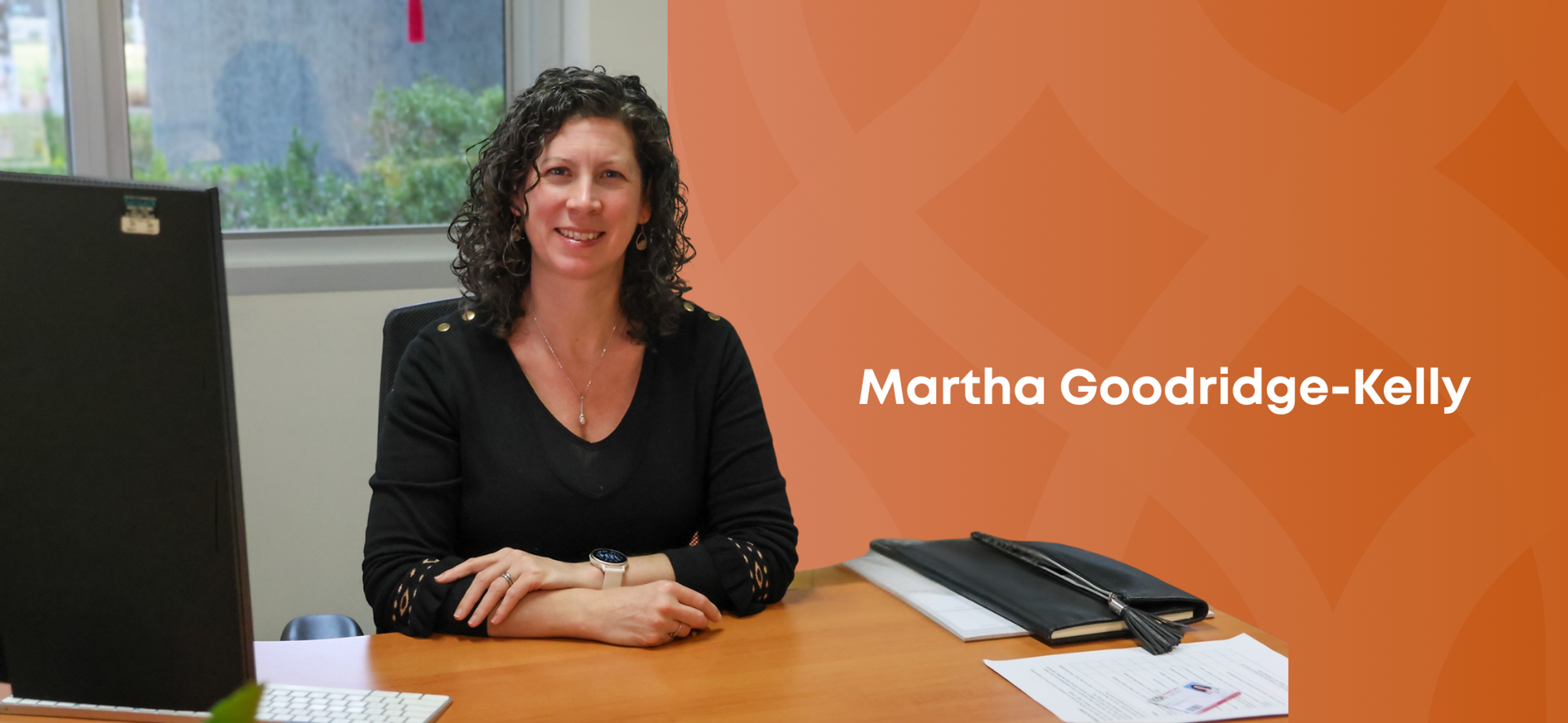
As we come to the end of Term 3, our senior students in final-year courses had the opportunity to undertake trial examinations this week, while our younger students should be looking ahead to their opportunity to sit exams in Week 7 of Term 4. I want to take a moment to talk about why I think assessment matters, and particularly why I deliberately use the word opportunity when I talk about exams.
For our senior students, trial exams are not simply a rehearsal for the final examinations. Their real value is in showing students what they know, what they can do, and, importantly, what they still need to learn. A trial exam gives students a very practical starting point for their concentrated revision period. It should help them identify the areas where their understanding is weakest, the types of questions they find difficult, or the knowledge that they have not yet consolidated. Knowing what you don't know is incredibly useful information. It allows students to direct their effort where it will have the greatest impact, rather than simply revising everything equally. That process of identifying a gap, working on it and then seeing understanding improve is what drives growth.
For our younger students, the exams in Week 7 will be a different kind of learning experience. For many, this will be the first time they have been assessed across a whole year's worth of learning. That makes the exams an important opportunity to consolidate their learning: to bring together ideas that they may have learned months apart, to see the connections between different parts of a subject, and to discover which knowledge and skills have become secure and which need more attention.
This is also why students should use some of the upcoming break to revisit their Semester 1 learning. The aim isn't to try to relearn an entire semester. Instead, they should be refreshing their memory and consolidating what they have already learned, so that when revision begins next term, they can spend their time improving the areas that need work rather than starting again from the beginning.
Assessment is most valuable when we use the information it gives us. A mark or grade tells us where a student is at a particular point in time; the more important question is what they do with that information afterwards. At SCHS, we talk a great deal about challenge, growth and developing students' capacity as learners. Assessment is one of the tools that helps them do that. The aim is not to demonstrate that they already know everything. The aim is to use what they discover about their learning to work out what comes next.
So, as parents and carers, I encourage you to help your children see these exams in that way. The result is useful, but the learning that comes from the process is even more important.
Finally, I hope students make good use of the break to rest and recharge. Time away from academic work allows the brain to recover from sustained concentration and gives students the opportunity to return to school with renewed energy and focus. For our younger students in particular, coming back refreshed will mean they are better able to engage with new learning, address the areas identified through their exams and make the most of the final weeks of the year. Rest is not separate from academic growth; it is part of creating the conditions for it.