
Year Two

Chocolate for Maths!
This term we have been diving deep into the land of multiplicative thinking. Students have moved through the processes of understanding multiplication as a representation of equal groups that show repeated addition. We then linked this knowledge to creating arrays. Students developed knowledge that a statement like 6x5 is the same as 6 fives which is also the same as 6 rows of 5. They have made arrays in the classroom and identified them in the world around them. You would be amazed at where arrays will pop up!
From this point, students linked their knowledge of arrays representing multiplication to the concept of division and the importance of understanding the connection between the two. Many students were quick to point out that addition and subtraction work together and are the opposite of each other in the same way that multiplication and division also work together and are the opposite of each other. Making these connections is especially powerful for students to develop number fluency and transferability of knowledge throughout their educational journey.
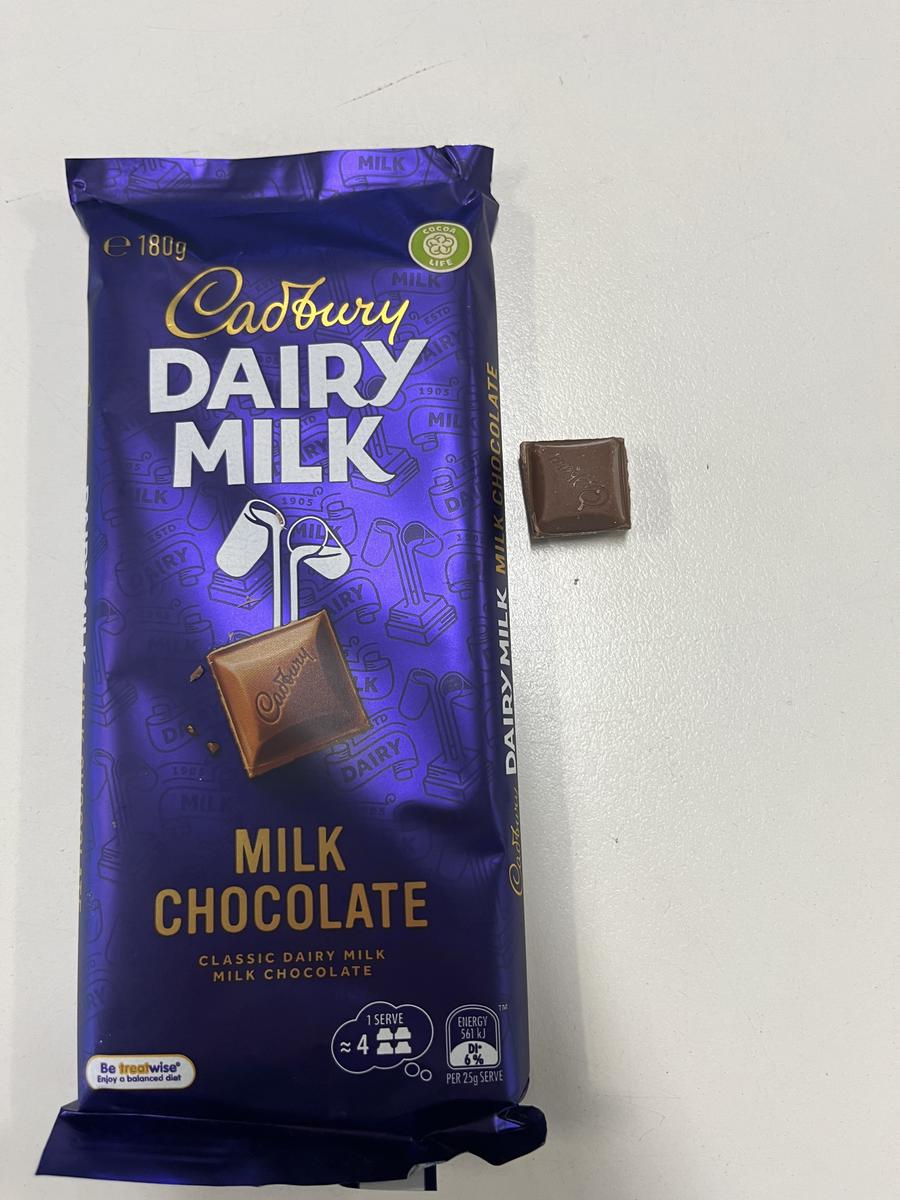
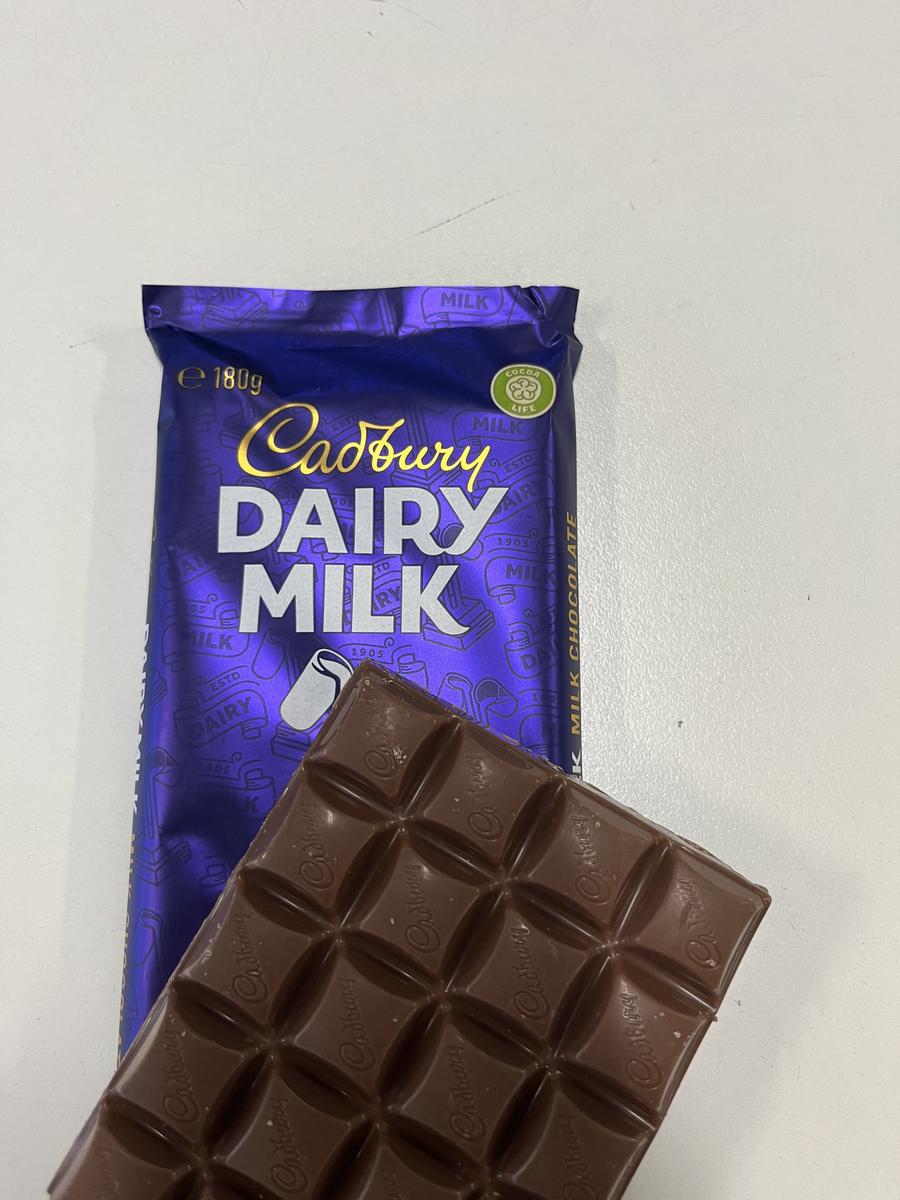
And now for the… CHOCOLATE! “What does chocolate have to do with maths?” you might ask, but the response would be “What can’t you do with chocolate that is mathematical?”! As a culmination of our developing knowledge, we completed a staged problem solving activity that challenged students to determine the number of squares in a block of chocolate but with a slow reveal of information. Students predicted based on the wrapper, then with the clue of one square of chocolate, then with a partial reveal, and finally confirmed their thinking with a great reveal. This knowledge was transferred to a challenge of an image of a larger sized block and determining the number of squares it may contain. It was incredible to see how students were able to transfer their thinking from the initial problem to the challenge. Some great mathematical vocabulary was used alongside excellent explanations of how thinking had evolved. We don’t have to have the ‘right’ answer first to be successful. The most successful mathematicians will check their answers and adjust their thinking.
This type of problem could be easily repeated at home, especially for parents with a sweet tooth! All you would need is to purchase a block of chocolate that is not the same as the one we used. Without unwrapping it or sneakily feeling through the wrapper, start by predicting the squares of chocolate. Draw out what you think the array would look like. Then a slow reveal of only the first row to allow for opportunity to think about how this row might change your array representation and final answer. Finally complete the big reveal and as you munch on some delicious sweetness you can talk about your mathematical thinking together.
Wishing everyone a happy and safe holiday, we can’t wait for Term Four!
The Year Two Team
Skye Bailey, Fiona O’Reilly, Molly Todd and Nicola Veneris