
Students & Wellbeing
Mr Ian Thompson
Students & Wellbeing
Mr Ian Thompson
While these articles generally explore themes relevant to our whole school community, in this issue I am focusing on our most senior students as they prepare for life after St George’s.
The transition from school to the next stage of life is one of the most important periods in a young person’s development. It marks the movement from a highly structured educational environment into higher education, employment, vocational training or other adult pathways. While this period can be exciting and full of opportunities, it can also bring significant challenges that affect students emotionally, socially and academically.
One of the main challenges associated with this transition is uncertainty about the future. Students are often required to make important decisions regarding university courses, apprenticeships, career pathways and personal goals. The pressure of making these decisions can lead to stress and anxiety, particularly for those who are unsure about their interests or career aspirations.
Data from the OECD (Organisation for Economic Co-operation and Development) indicates that approximately 13.3% of young people aged 15 to 29 across OECD countries were not in employment, education or training (NEET) in 2024, demonstrating that a significant number of young people face challenges during the transition from education to adulthood. Despite these challenges, graduation also provides valuable opportunities for personal growth and independence. Students must learn to manage their own time, make important decisions and take responsibility for their actions. These experiences help young people develop resilience, adaptability and self-confidence.
The transition period can also have a significant impact on social relationships. Leaving school often means moving away from long-established friendship groups and support networks. Some students may experience feelings of loneliness or isolation as they adapt to new environments. However, this period also offers opportunities to build new friendships, develop professional networks and strengthen social skills that will support future success.
Academically and professionally, students often encounter higher expectations. According to the National Centre for Education Statistics (NCES), 62% of high school completers enrolled in college immediately after graduation in 2022, requiring many students to adapt to more independent learning styles and increased academic demands. Those entering the workforce face similar adjustments as they learn to meet professional expectations and workplace responsibilities.
The transition period for students graduating from school is both challenging and rewarding. While uncertainty, increased responsibility and social adjustment can create difficulties, this stage also provides opportunities for growth, independence and self-discovery. With appropriate support from families, educators and communities, students can successfully navigate this important period and build the confidence and skills needed for lifelong success.
Back to life inside St George’s, and we were delighted to welcome a great turnout of parents to our recent Afternoon Tea & Talk, featuring keynote speaker Paris McNeil and a thought-provoking conversation about AI, social media and the digital world our young people are navigating.
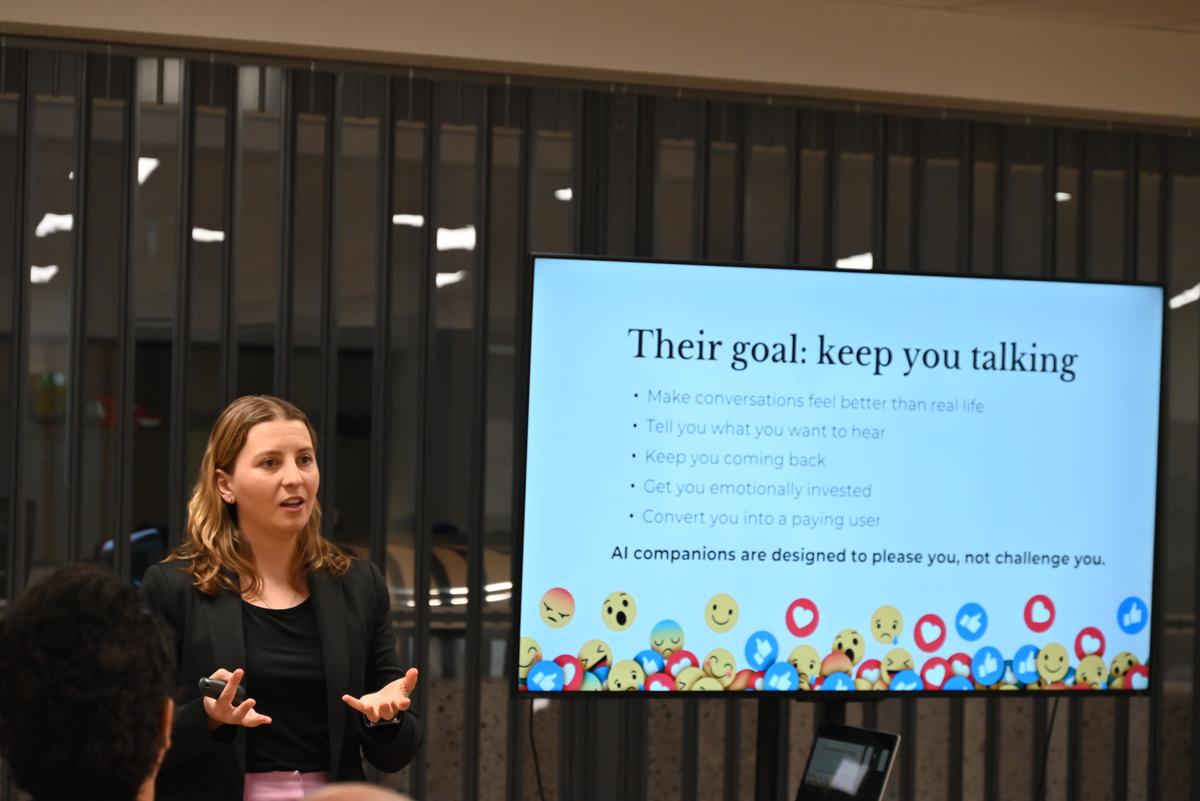
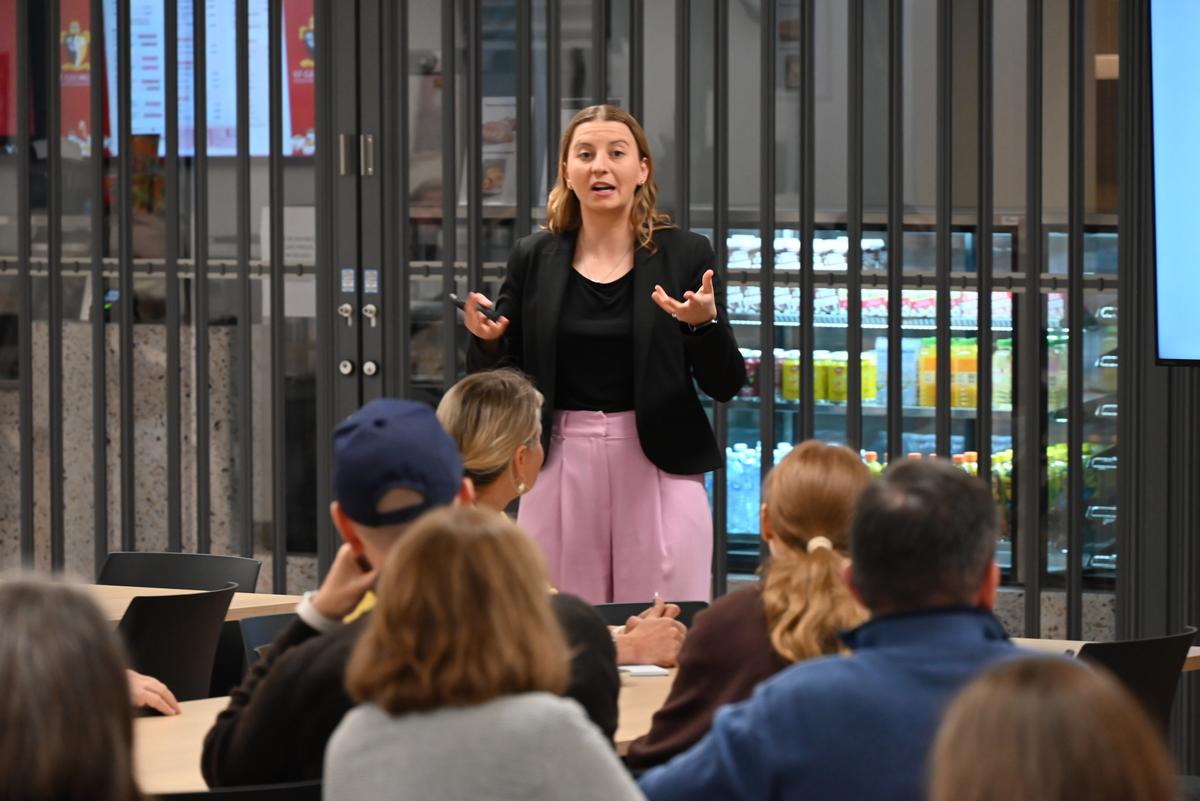
Paris challenged parents to think differently about technology and communication. Her message was simple but important: keep talking, keep questioning and keep the conversation open with our children. By creating confident and open conversations at home, we can help our young people navigate the opportunities and challenges of an increasingly digital world.
A big thank you to all the parents who joined us, and to Paris for sharing her insights and helping us support our families.
Mr Ian Thompson
Dean of Students & Wellbeing