
Counsellor's Corner
Ms Ebony Coldrey and Miss Emily Coffin
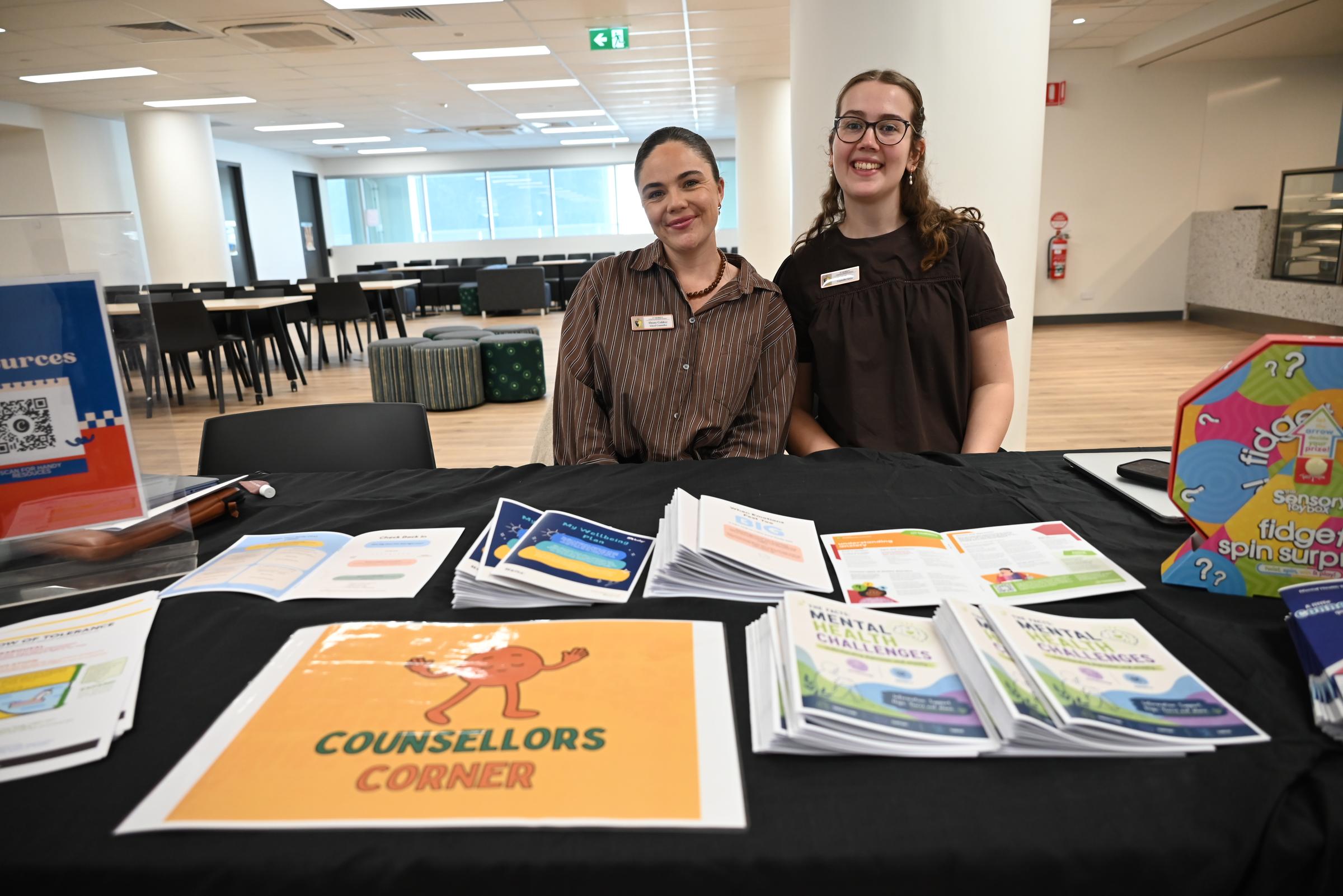
Counsellor's Corner
Ms Ebony Coldrey and Miss Emily Coffin
As a school counsellor, I see first hand how much effort parents invest in getting the big things right, from healthy sleep habits and screen time boundaries to consistent routines. These foundations are important.
But honestly, what protects a young person's mental health the most usually comes down to something far simpler: knowing they have someone in their corner to turn to when things get tough.
And it doesn't take a village, which is not always realistic for every family. Often, one consistent and caring adult is enough, whether that's a parent, grandparent, coach, teacher, aunty or family friend, as long as it's someone who makes them feel seen. That relationship can become the anchor on which so much else is built.
Adolescence is when kids naturally start pulling away, chasing independence and leaning more on their peers, and it can feel like you're fading into the background. But it's usually the opposite. Teenagers still need to know you are there, watching, listening and supporting them. The difference is that they often need that support from a respectful distance, giving them room to grow while knowing they have someone to turn to when they need it.
Connection also isn't really built in the big heart to heart talks we imagine we're supposed to have. It's built in the side-by-side moments: the car ride, walking the dog, doing the dishes together, half watching a show. Teens tend to open up more easily when they're not being looked at directly, so shoulder to shoulder often works better than face to face.
A few small ways to build that at home:
It's easy to feel like you need the perfect thing to say. Most of the time, what a teenager actually needs is just you, present and not going anywhere. They won't remember most of the advice you give them, but they'll remember how safe they felt around you.
Further Reading
If you'd like to go deeper, ReachOut Parents Australia has some genuinely useful, practical resources:
ReachOut Parents: Building Positive Relationships with Your Teen
Miss Ebony Coldrey
School Counsellor