STEM
Welcome to our STEM update for the end of term 2 - what a busy term it has been with lots of learning, investigations and hands-on tasks!
Foundation
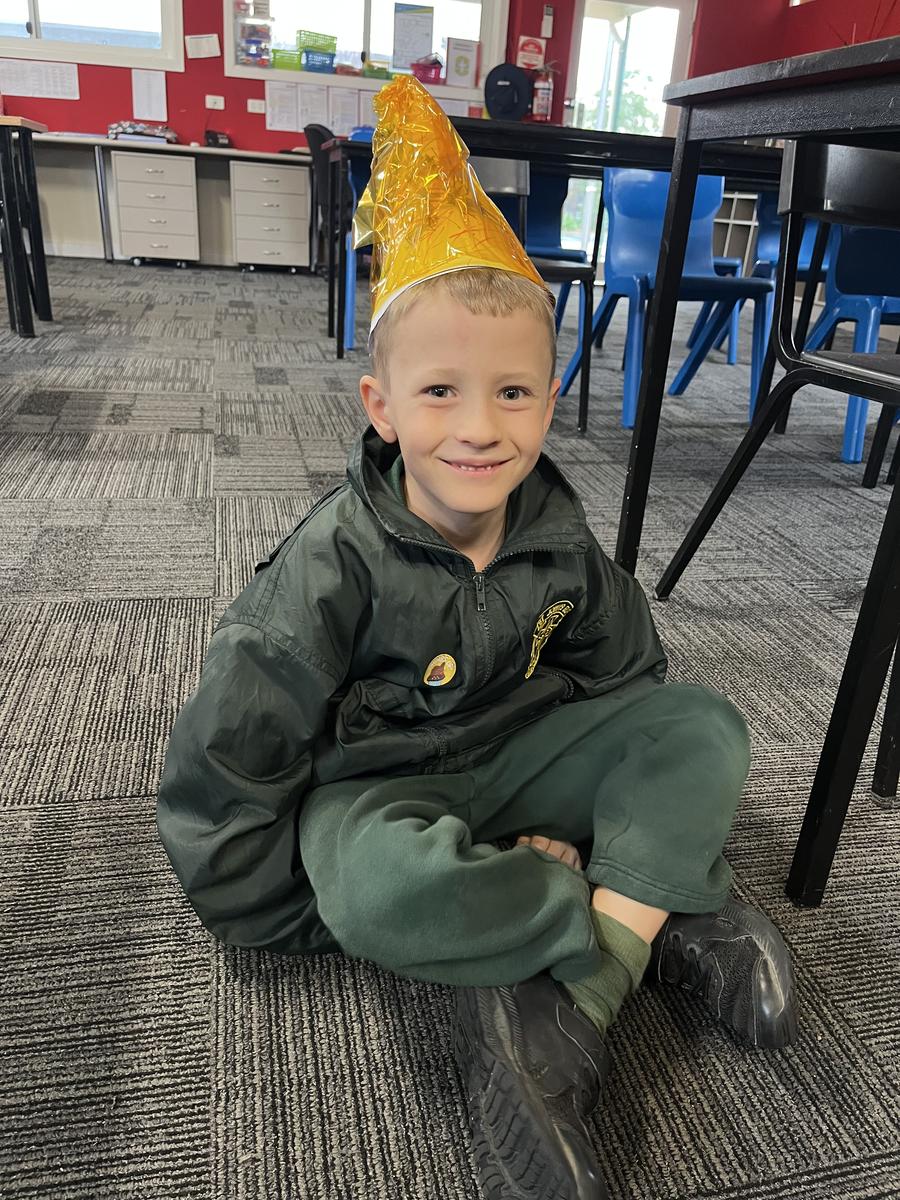
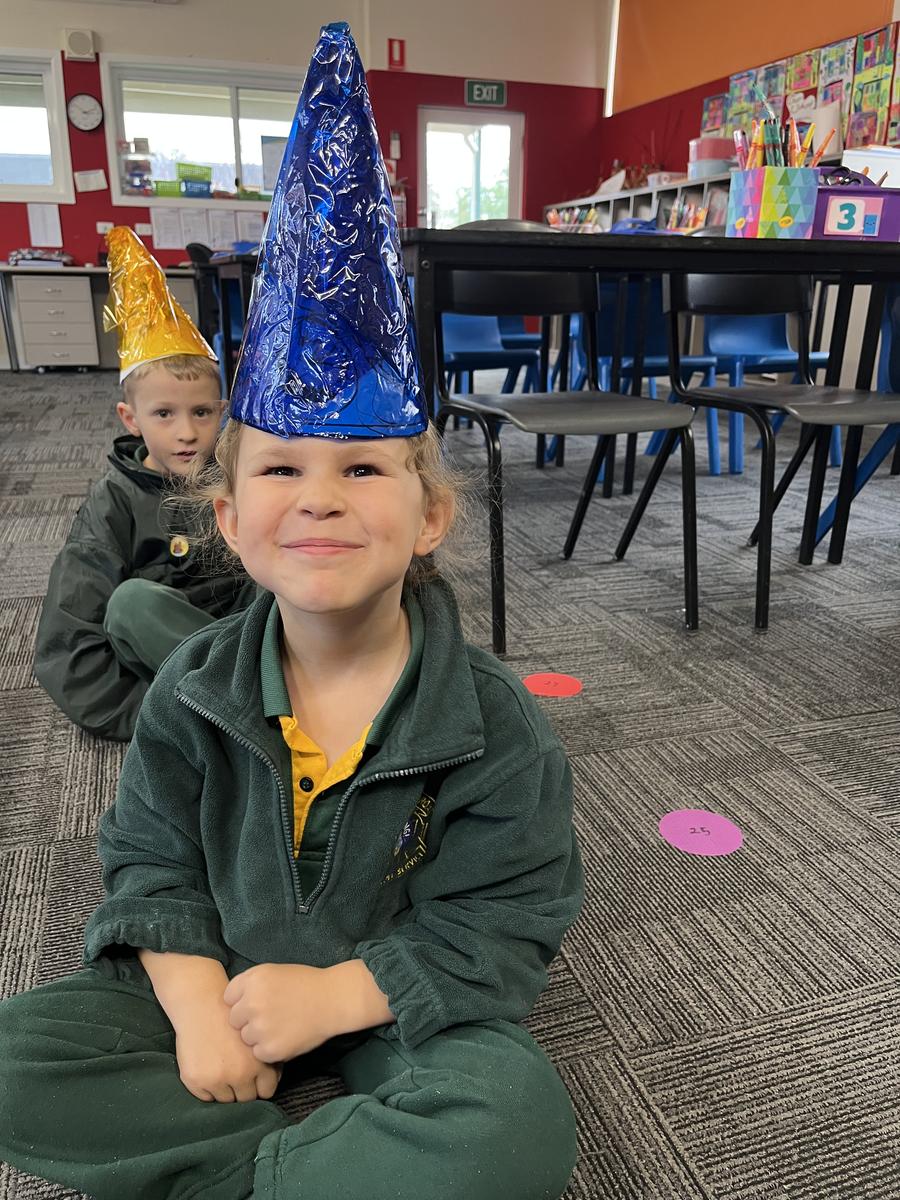
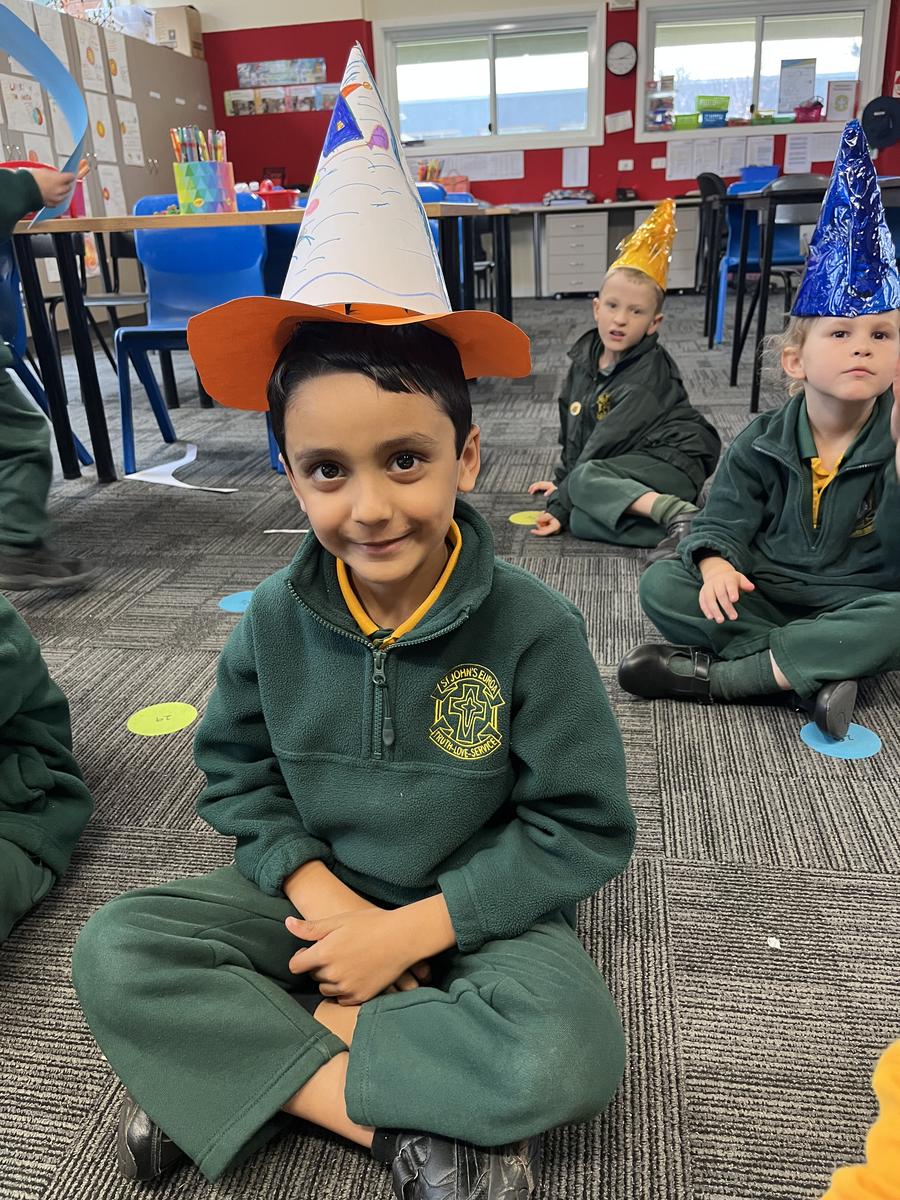
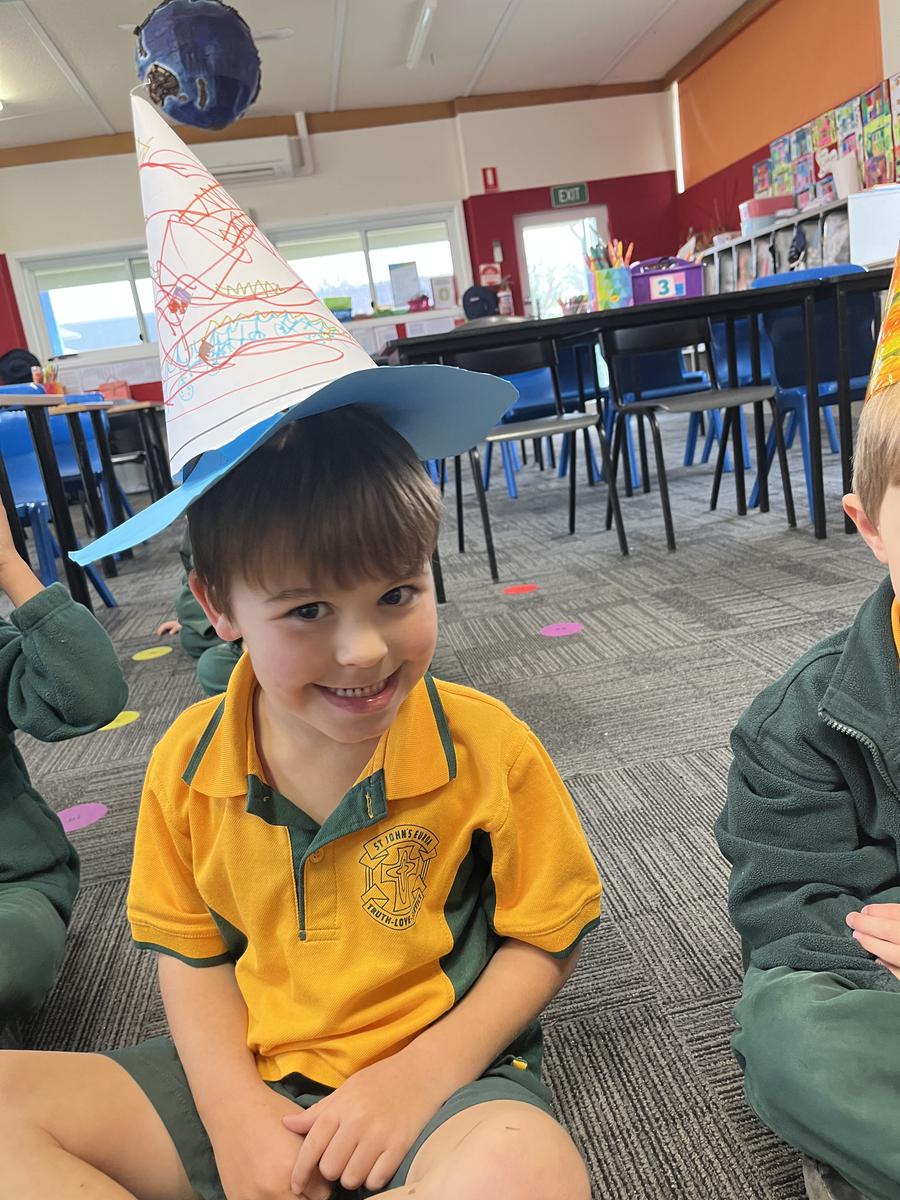
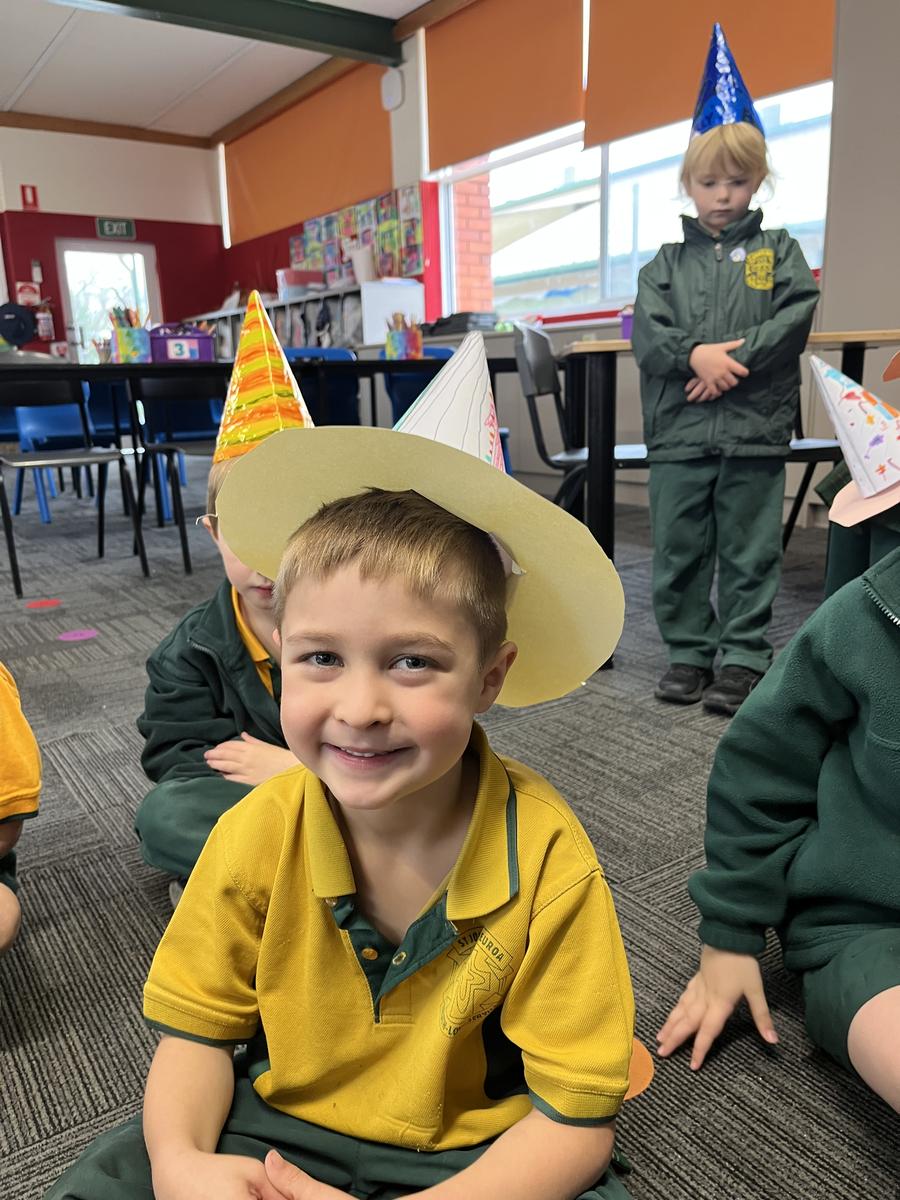
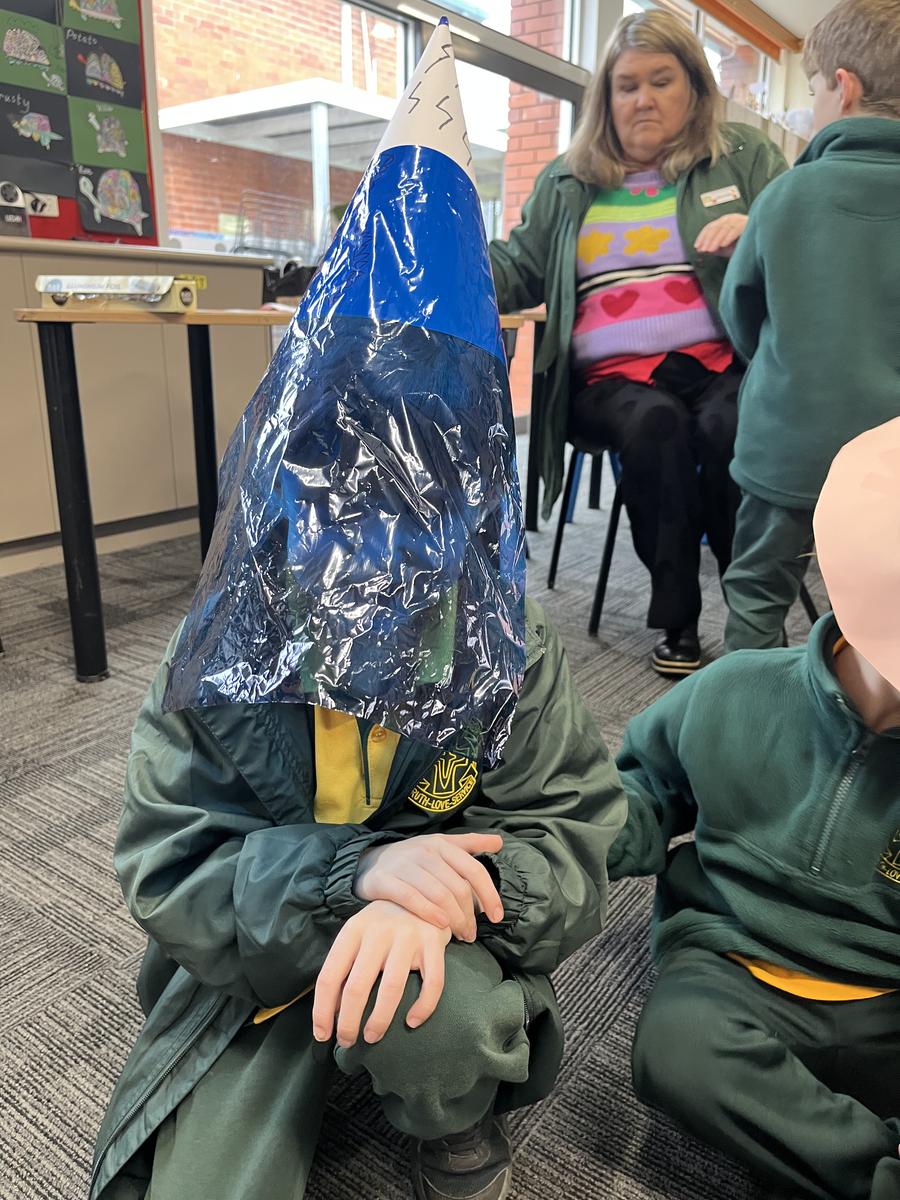
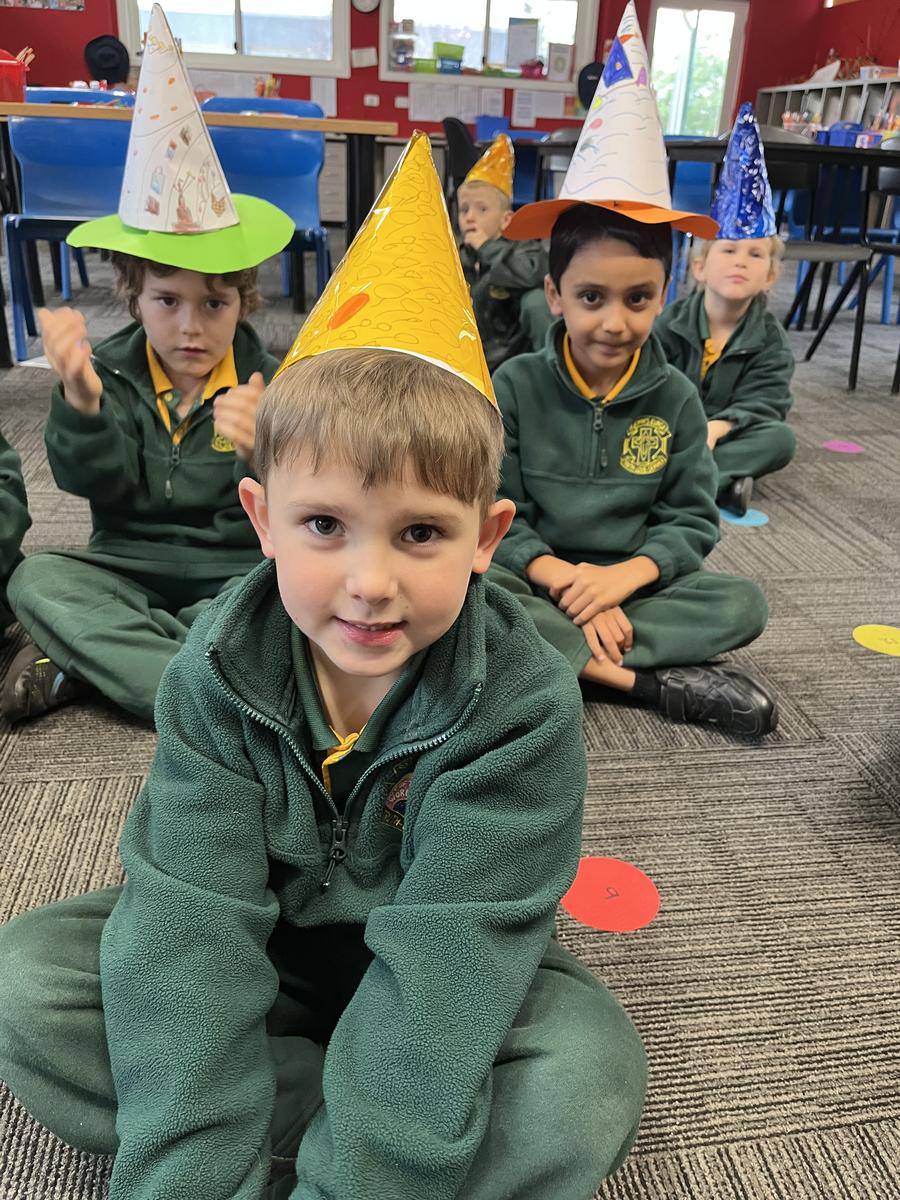
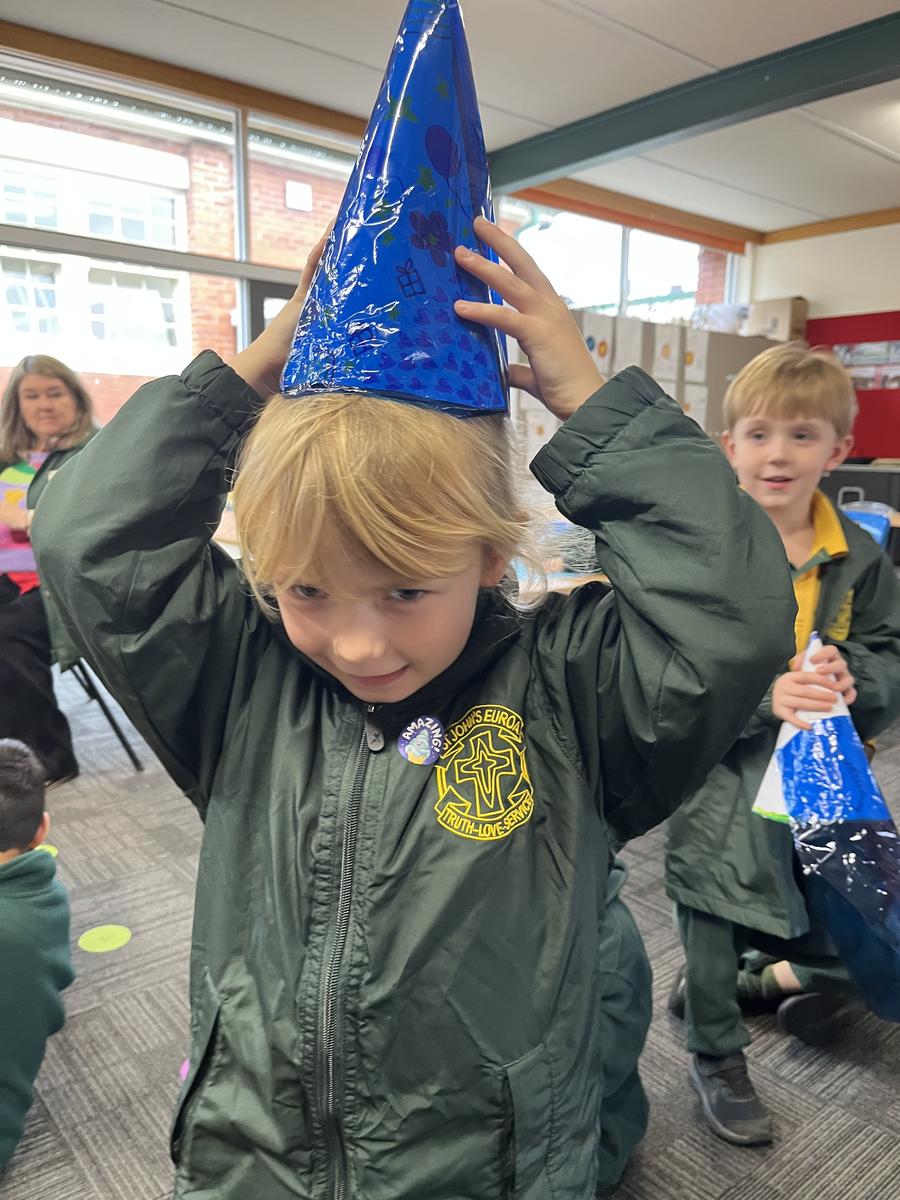
That's My Hat! (Observable properties of materials)
We completed our unit of work investigating the properties of materials and created party hats that were suitable for either a sunny or rainy day. Students loved the opportunity to put their creativity and design skills to use as they modified their party hat using suitable materials to protect them from the sun or rain.
Movement
After investigating the features and properties of materials, we have now shifted our focus to how objects move and how different factors such as shape, size and material influences their movement. To anchor our learning, we have explored how people and animals move, and as we move into next term, we will extend this and make connections to how objects move.
Year 1 and Year 2
Push-Pull (Investigating Forces)
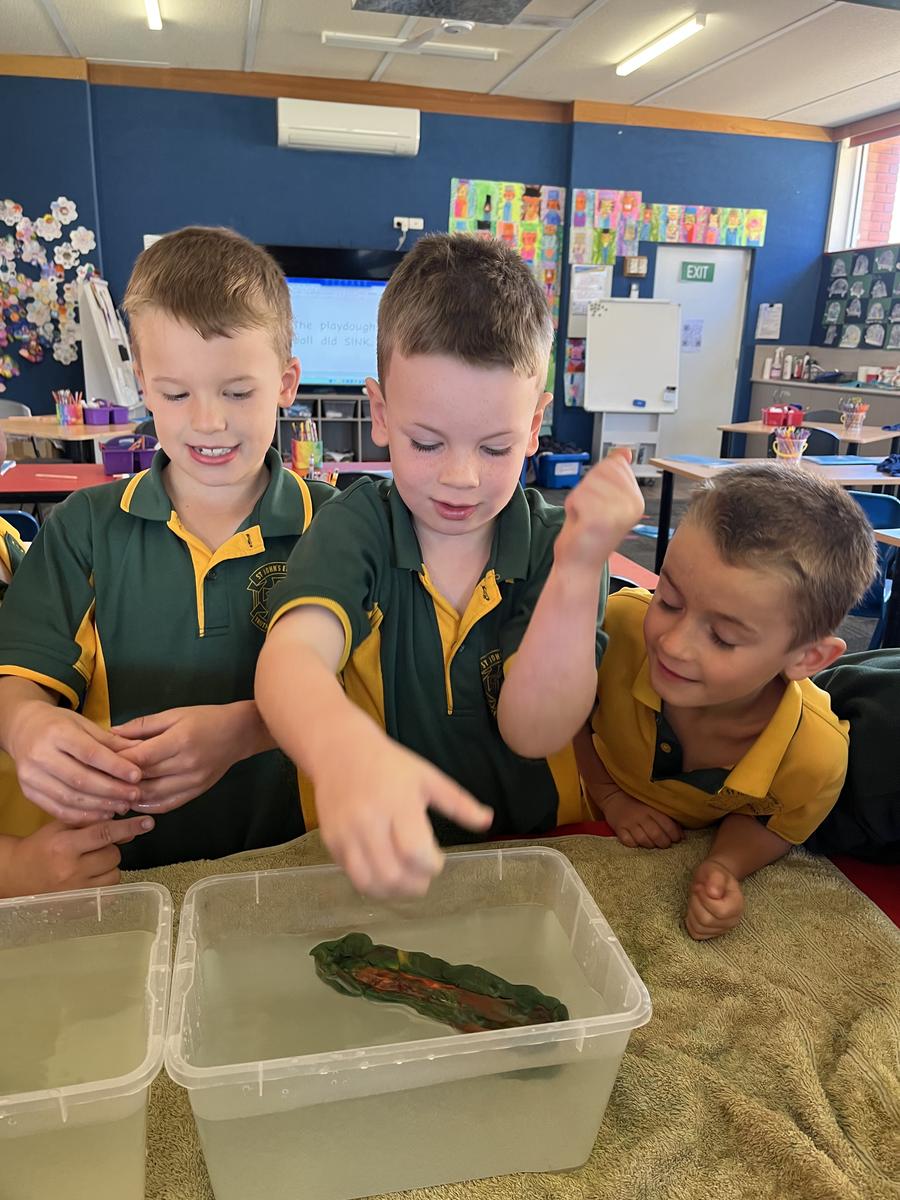
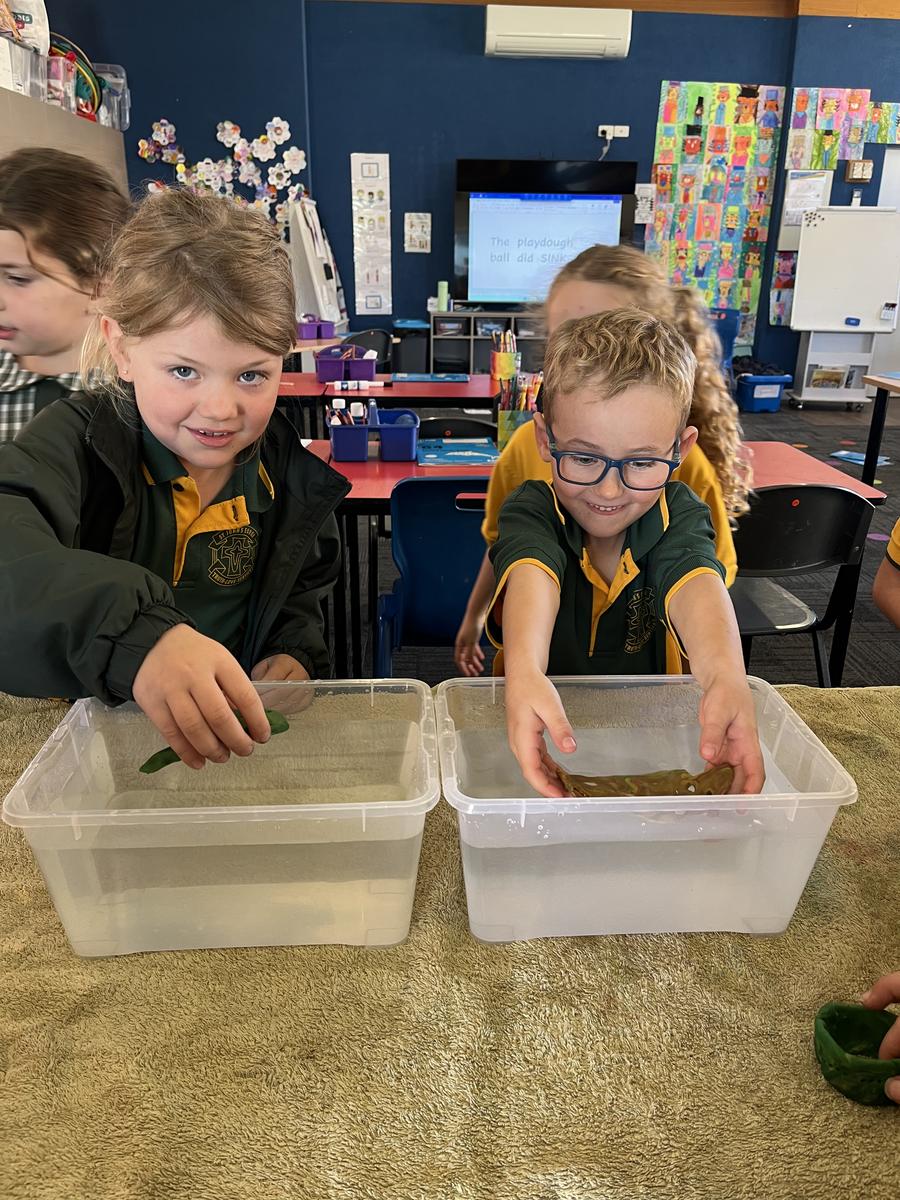
In the second half of the term, Year 1/2 have continued to build on their understanding of push and pull forces through a series of hands‑on investigations. We explored how we can use the forces of push and pull to change the shape and movement of objects, such as playdough. We challenged ourselves to use these forces to change the shape of playdough to make it float - it was more challenging than we expected!
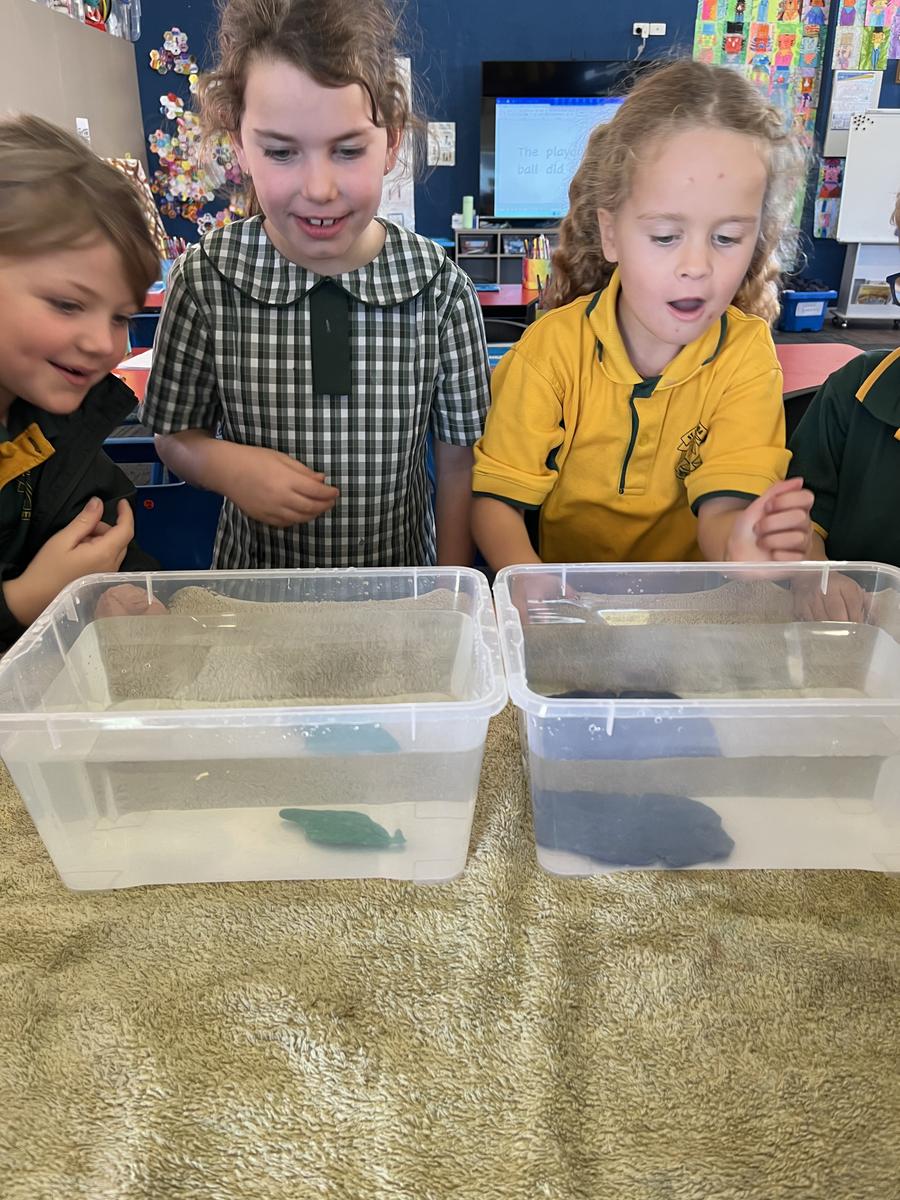
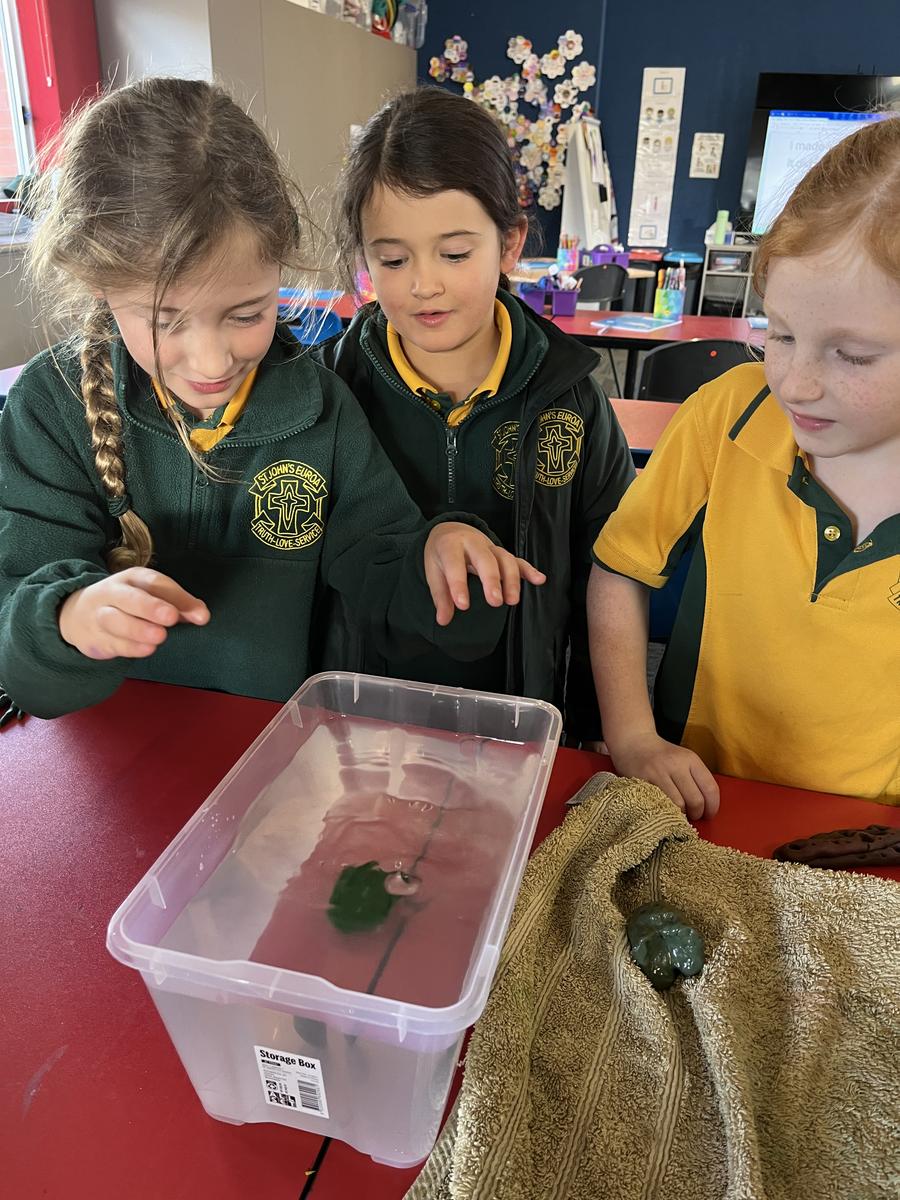
We also explored how the pull of gravity and push of air can affect objects and their movement. We began by experimenting with pieces of paper, testing how changing their shape could make them fall faster or slower. This helped students explore how the push of air can change the movement of everyday objects. To extend this learning, students created kites and paper helicopters, observing how air can lift, spin, and support objects as they move.
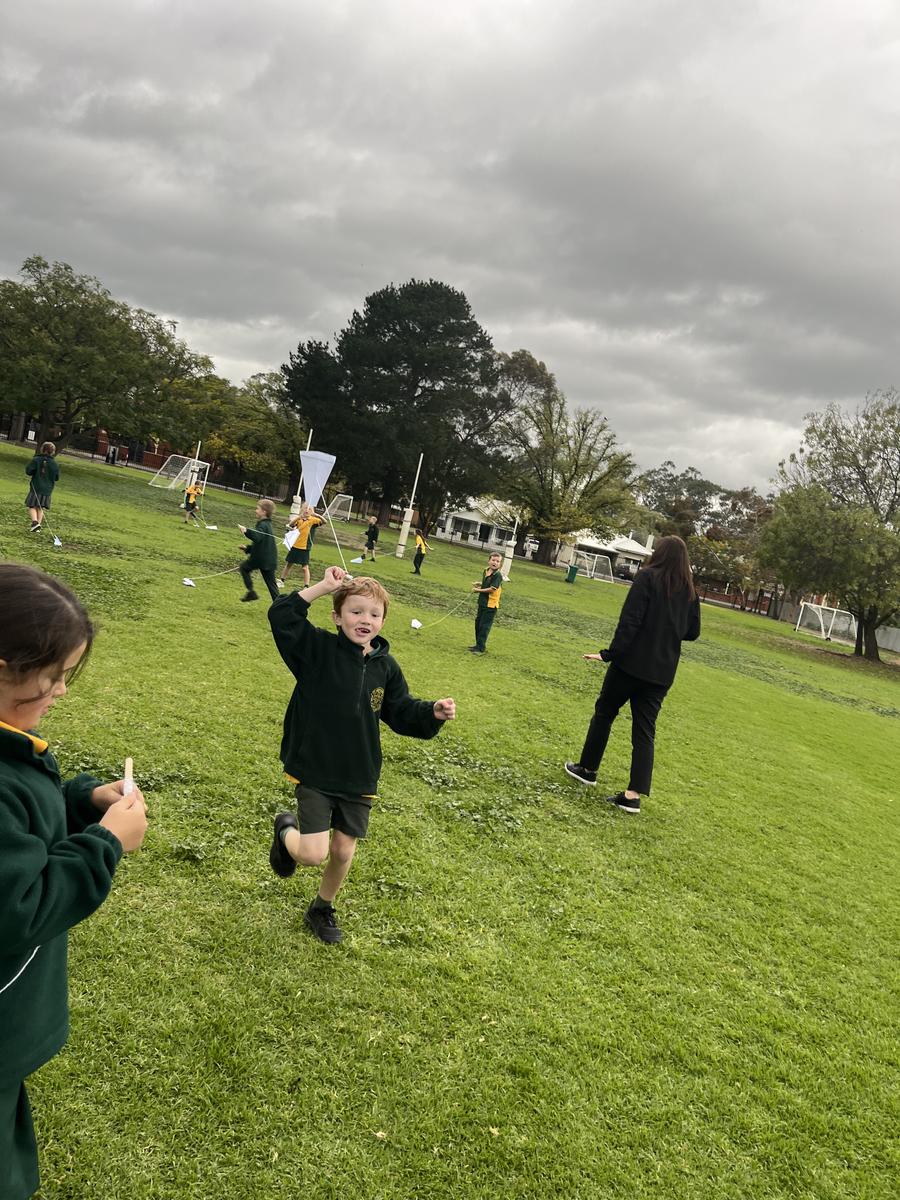
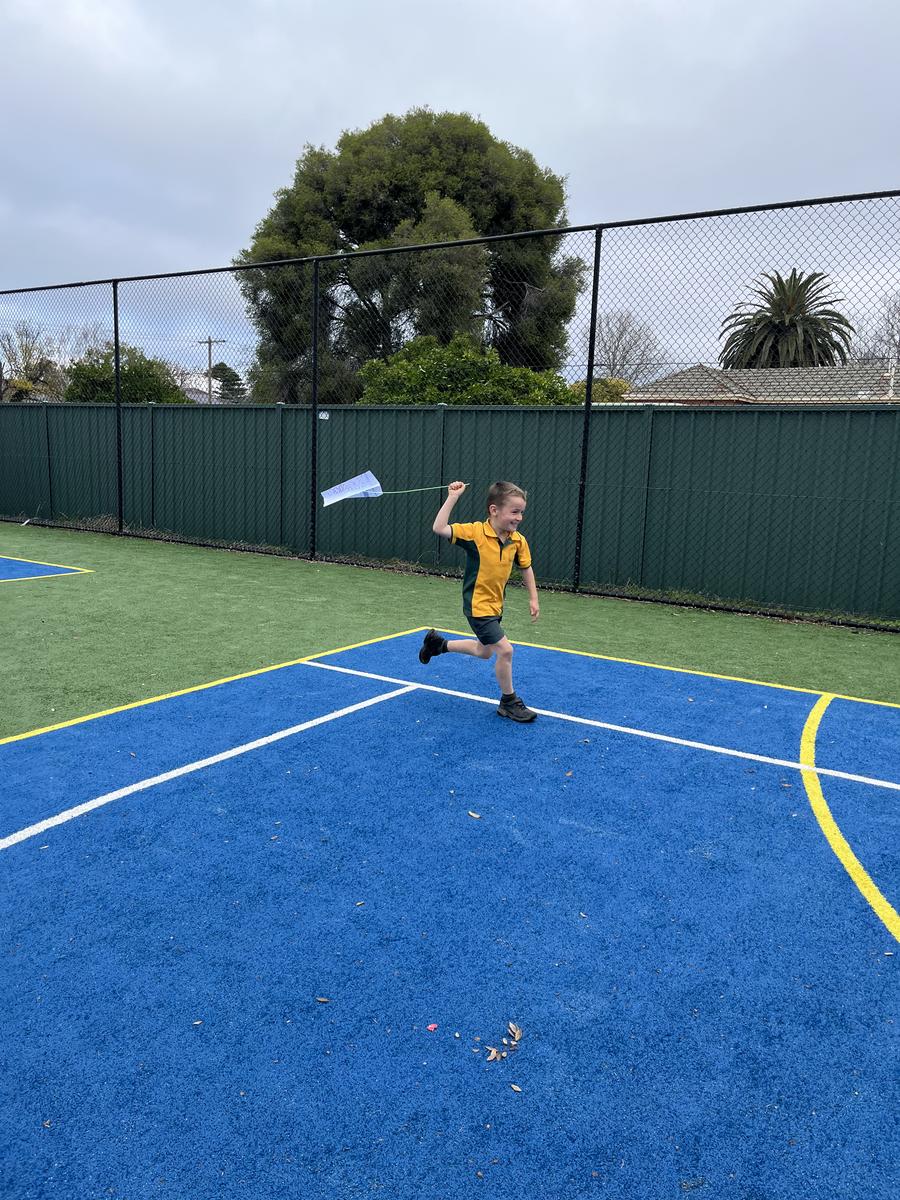
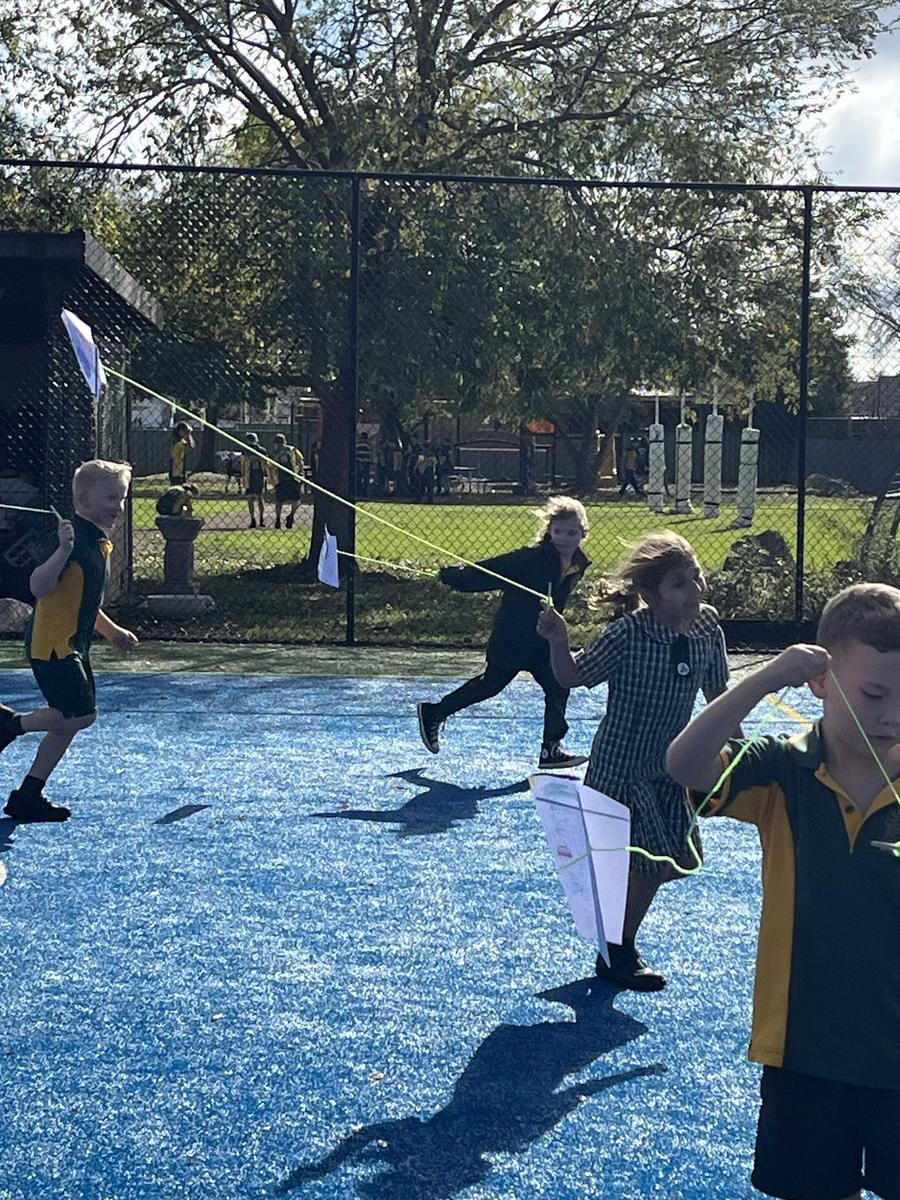
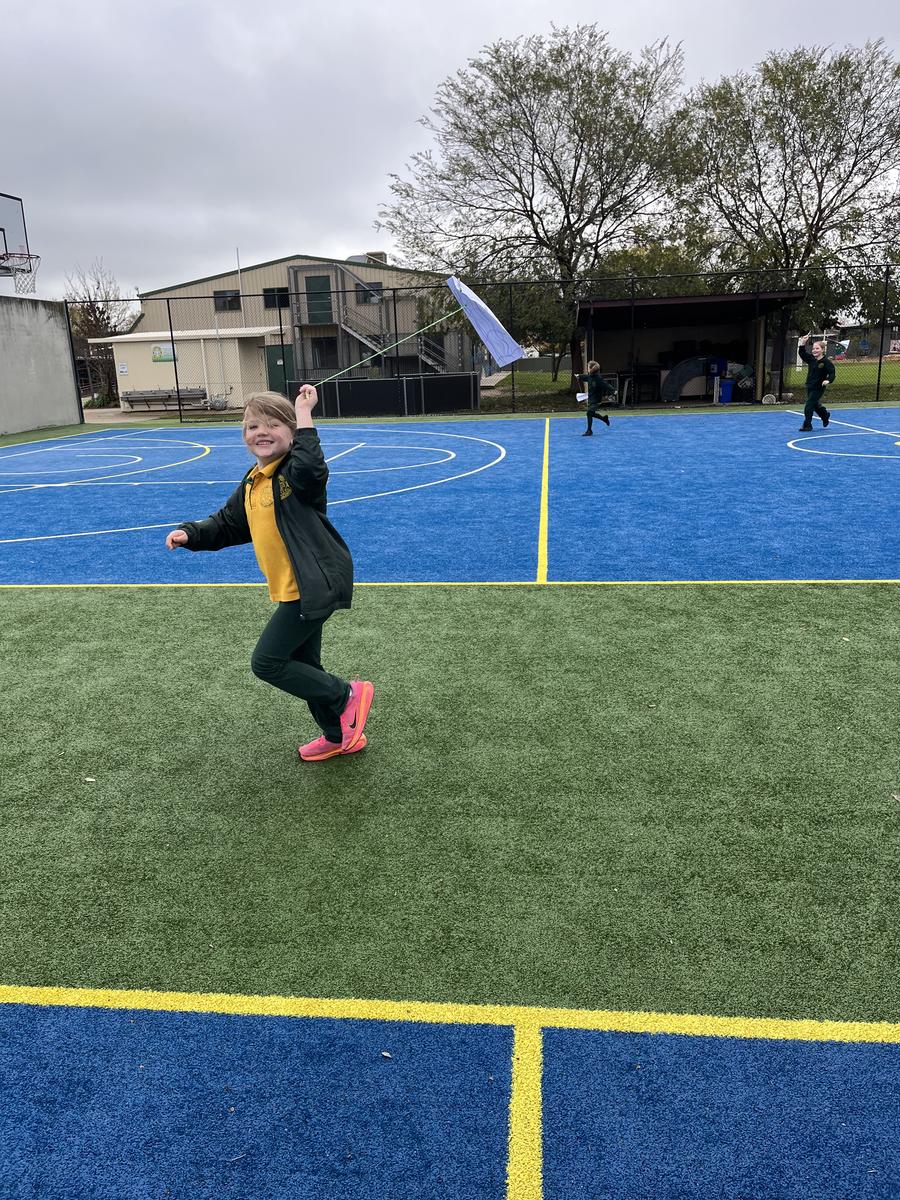
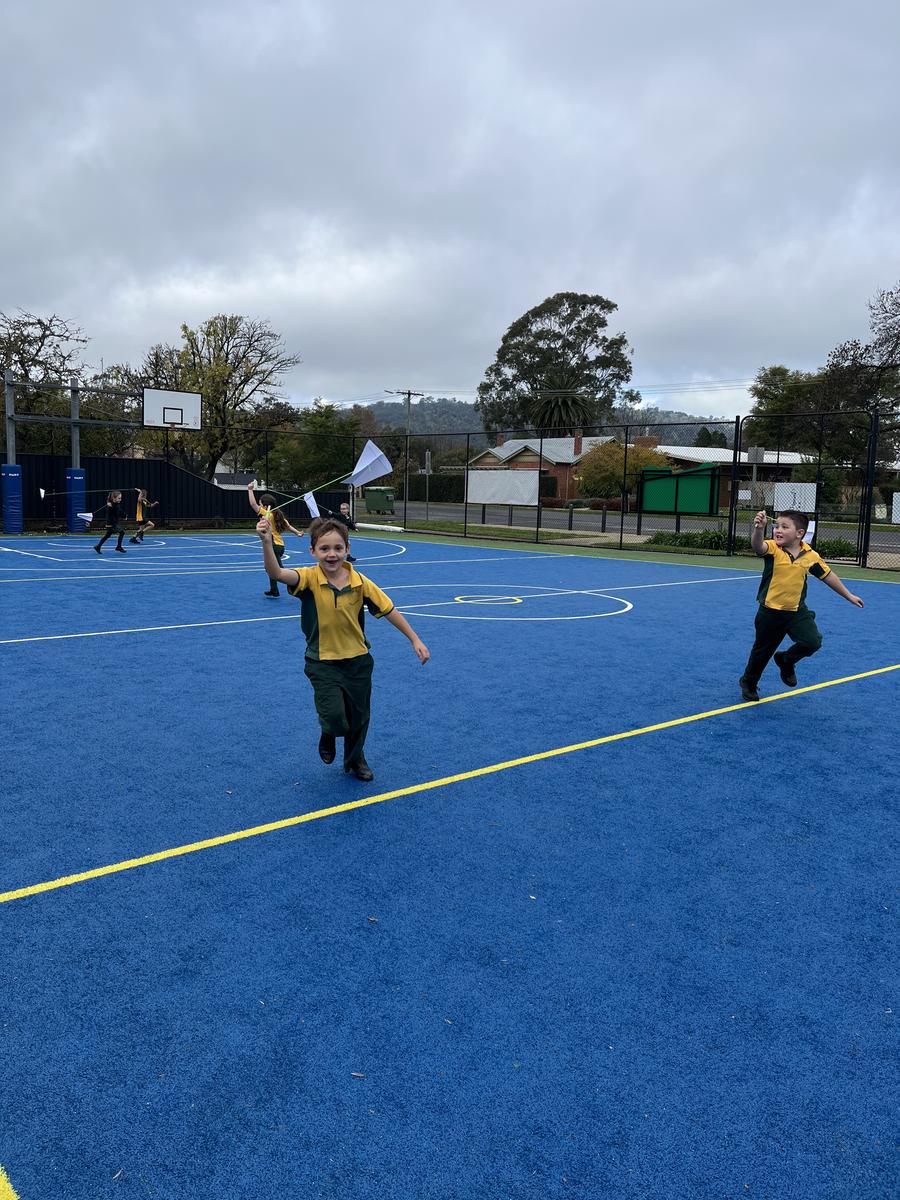
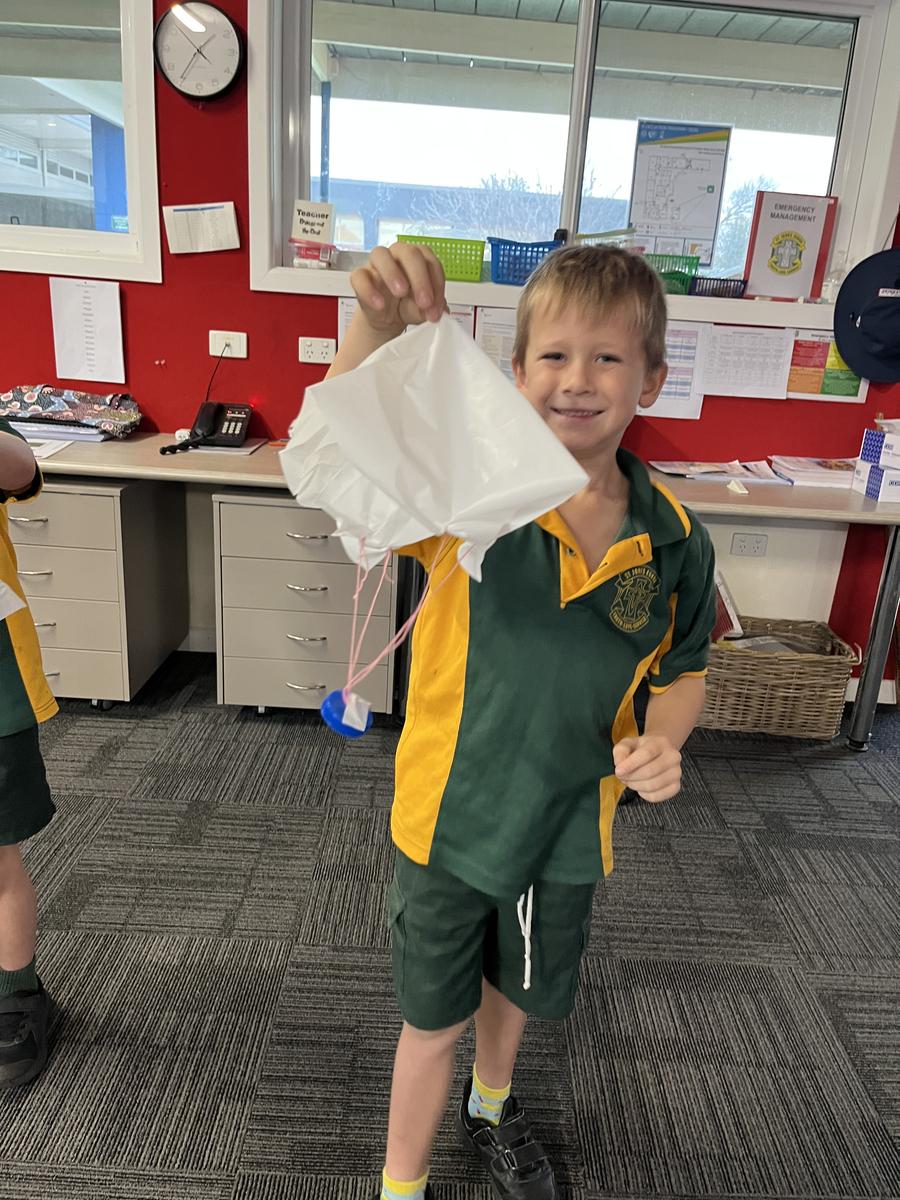
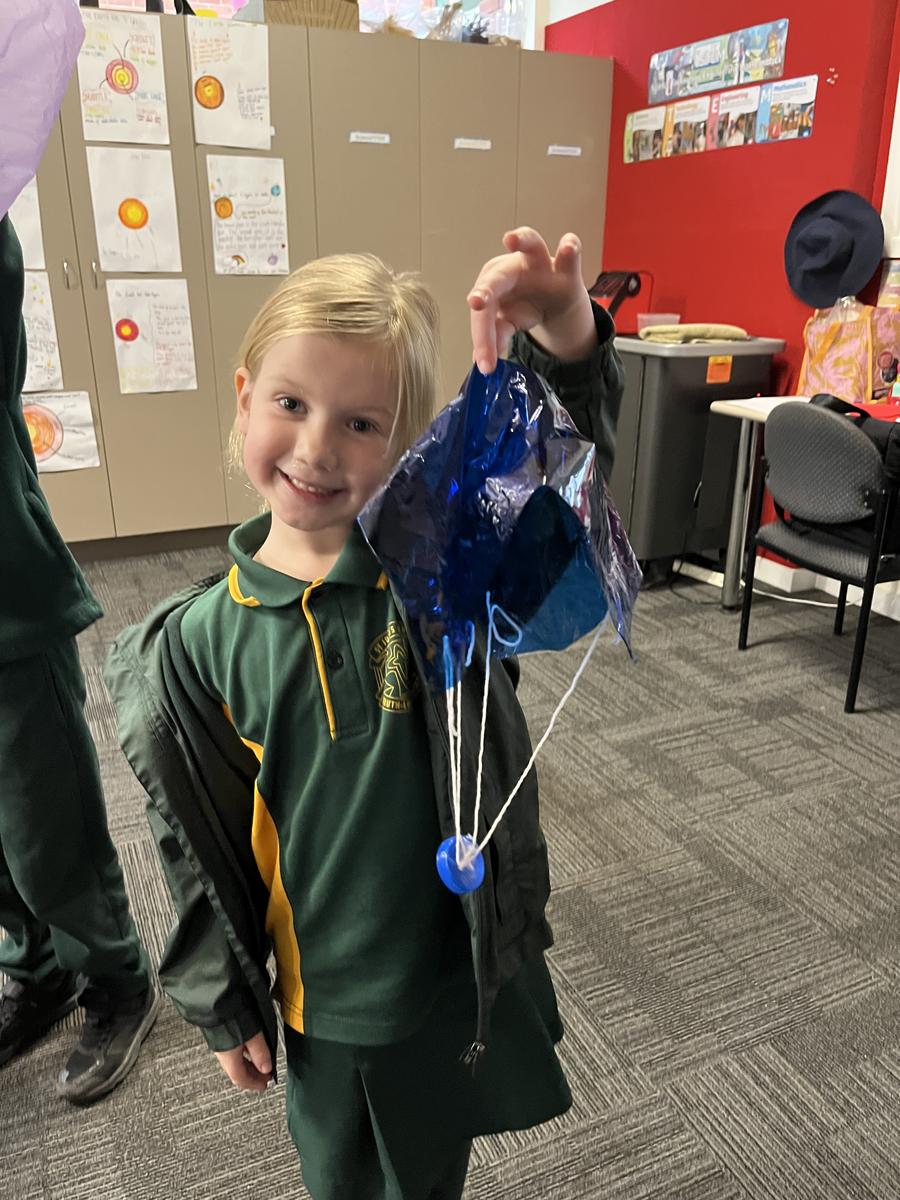
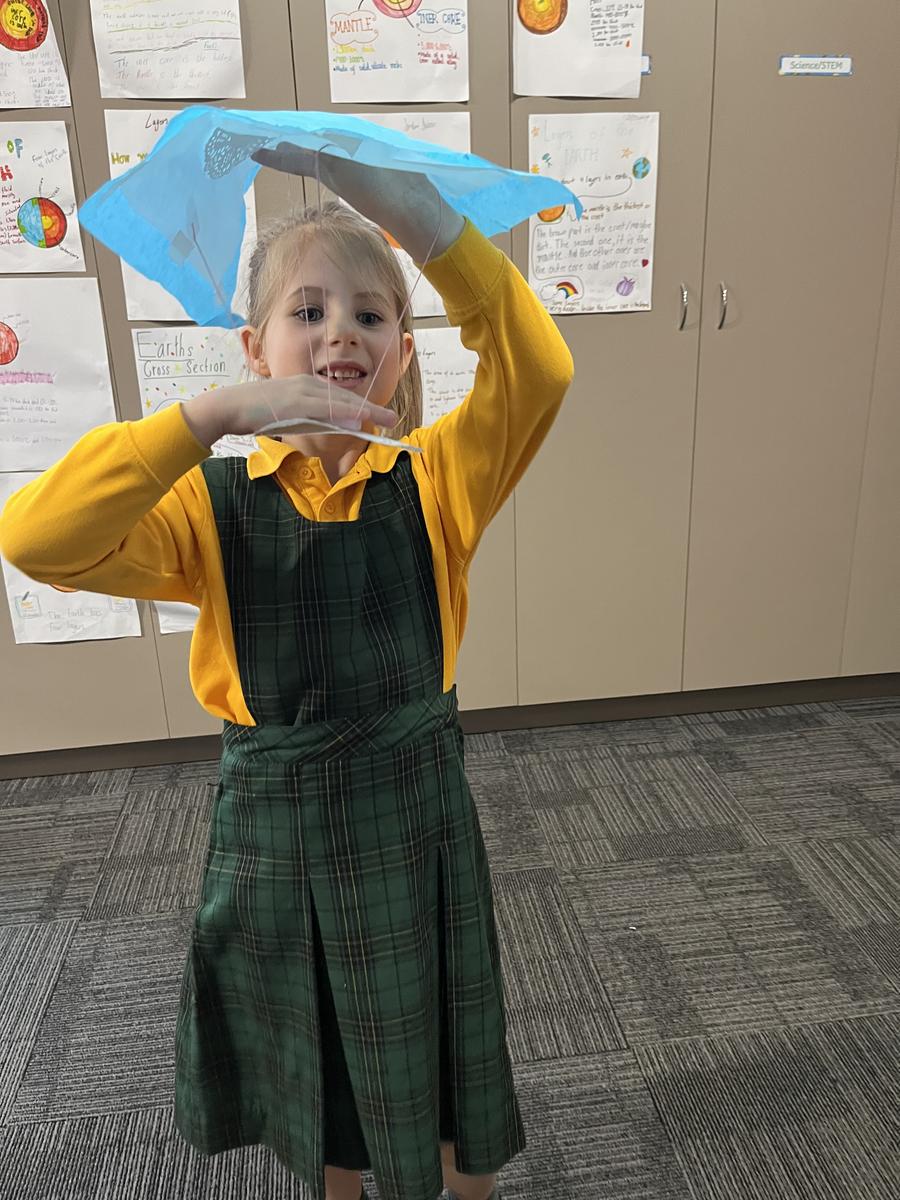
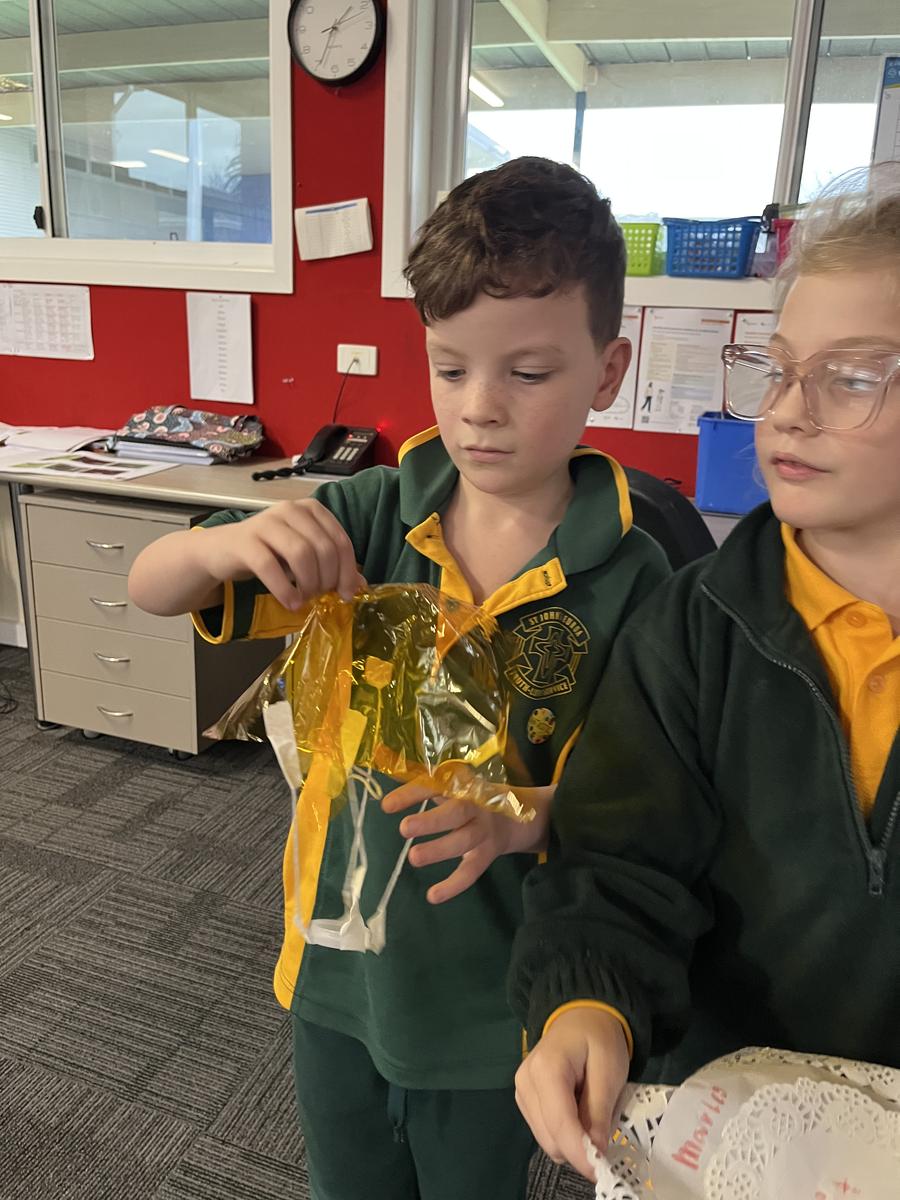
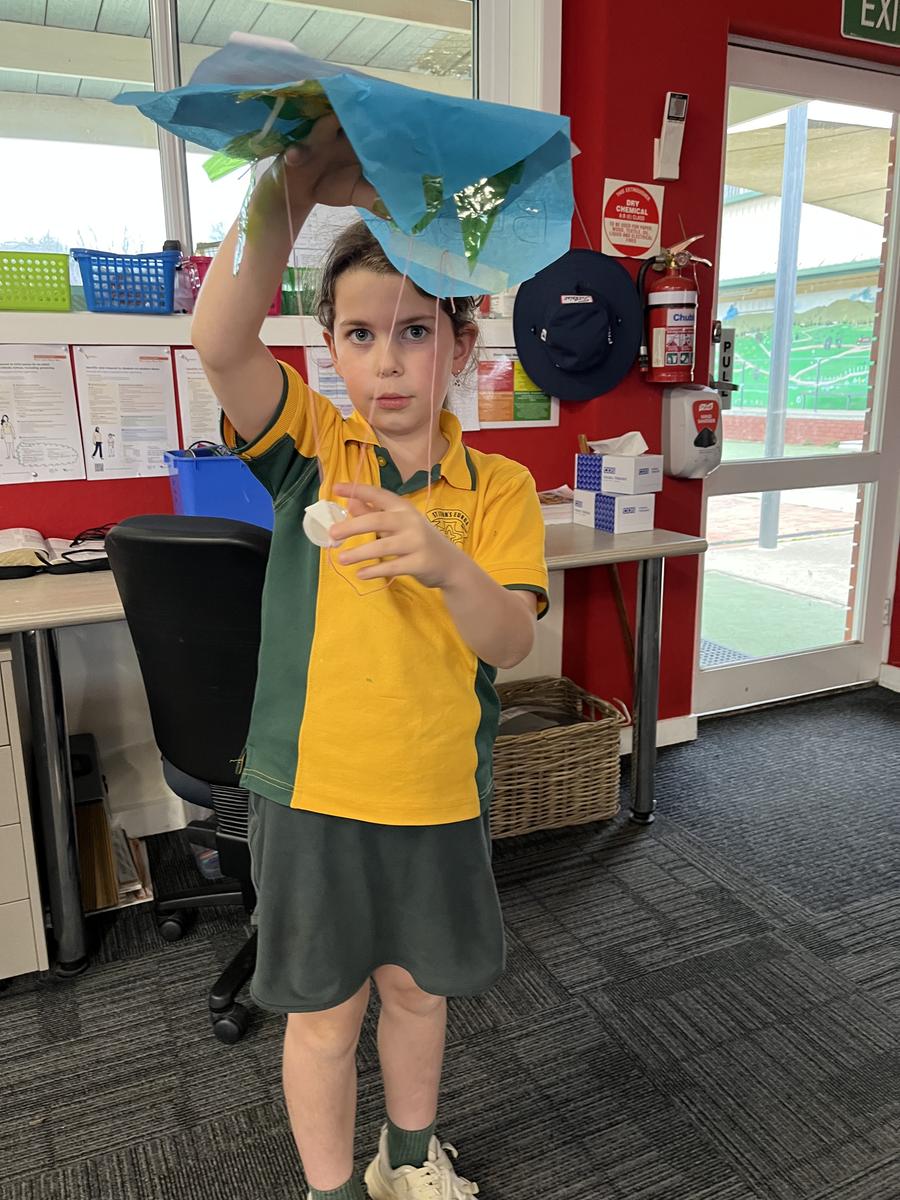
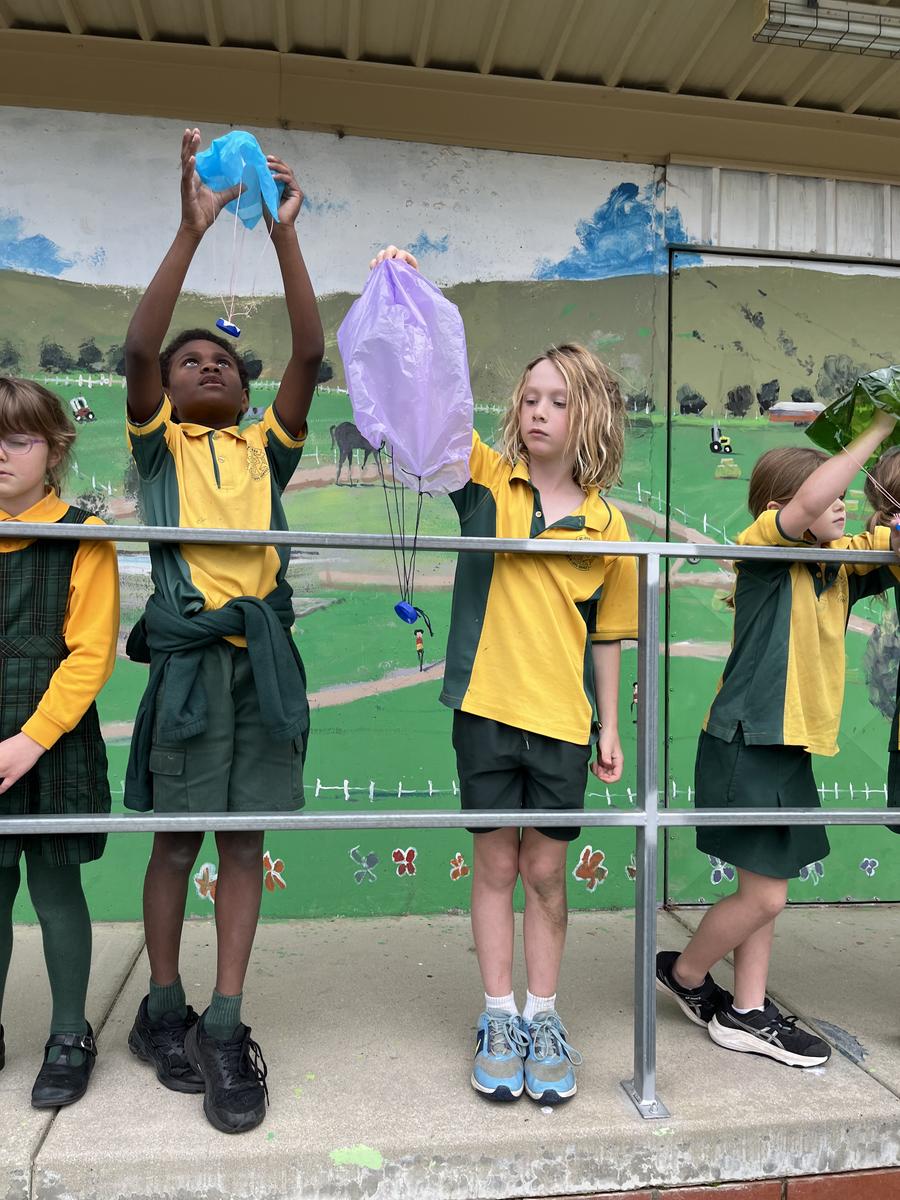
To bring all our knowledge together, we designed and built parachutes that would slow the fall of a small object.
Year 3 and Year 4
Distant Forces
In the second half of the term, Year 3/4 have continued their investigation of forces, with a focus on the non‑contact forces of magnetism and electrostatic force. Through a series of structured, hands‑on activities, we developed our understanding of how forces can act on objects without direct contact.
In addition to developing our understanding of forces, we also learnt how to conduct a fair test. We explored the importance of changing only one variable at a time while keeping all other conditions the same. For example, when testing which materials were attracted to a magnet, we ensured that the only variable that changed was the material being tested. This helped us gather reliable data and draw accurate conclusions.
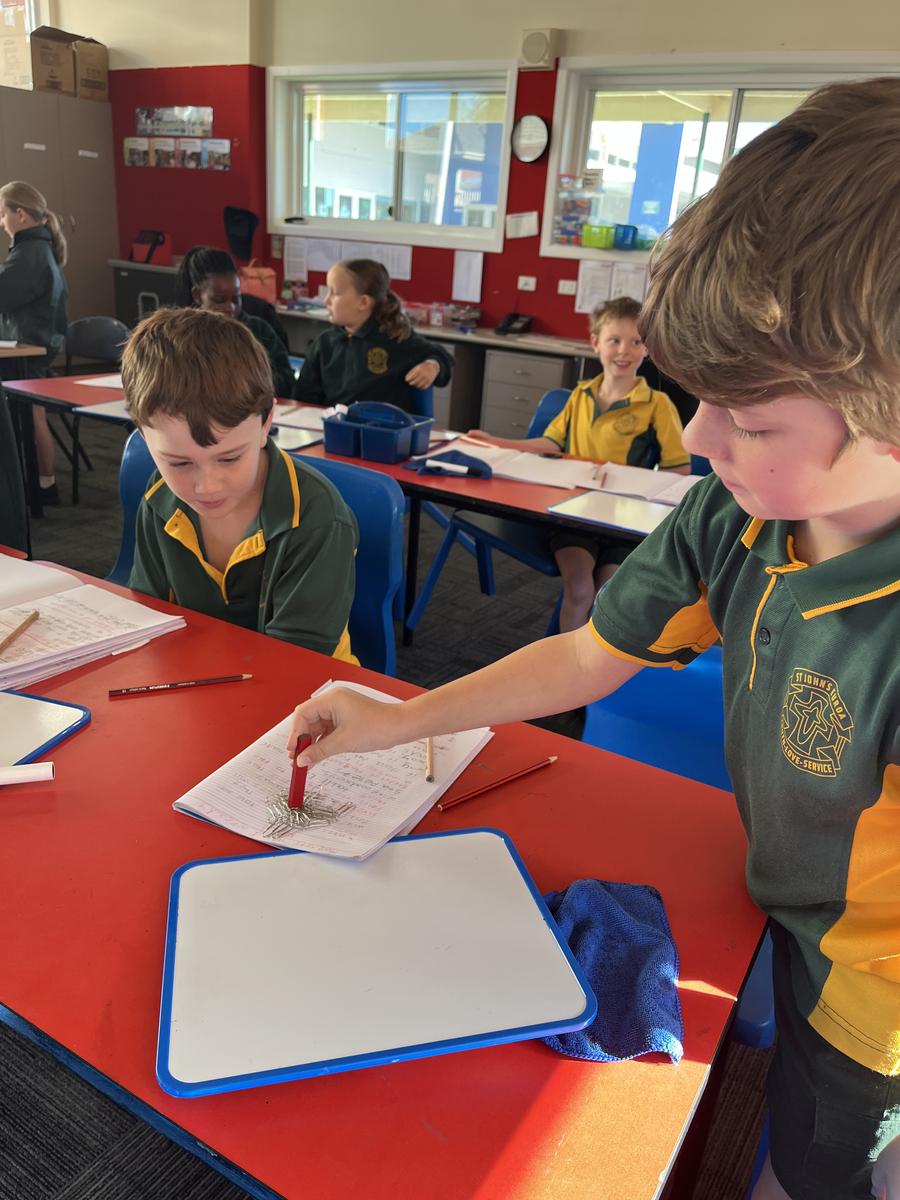
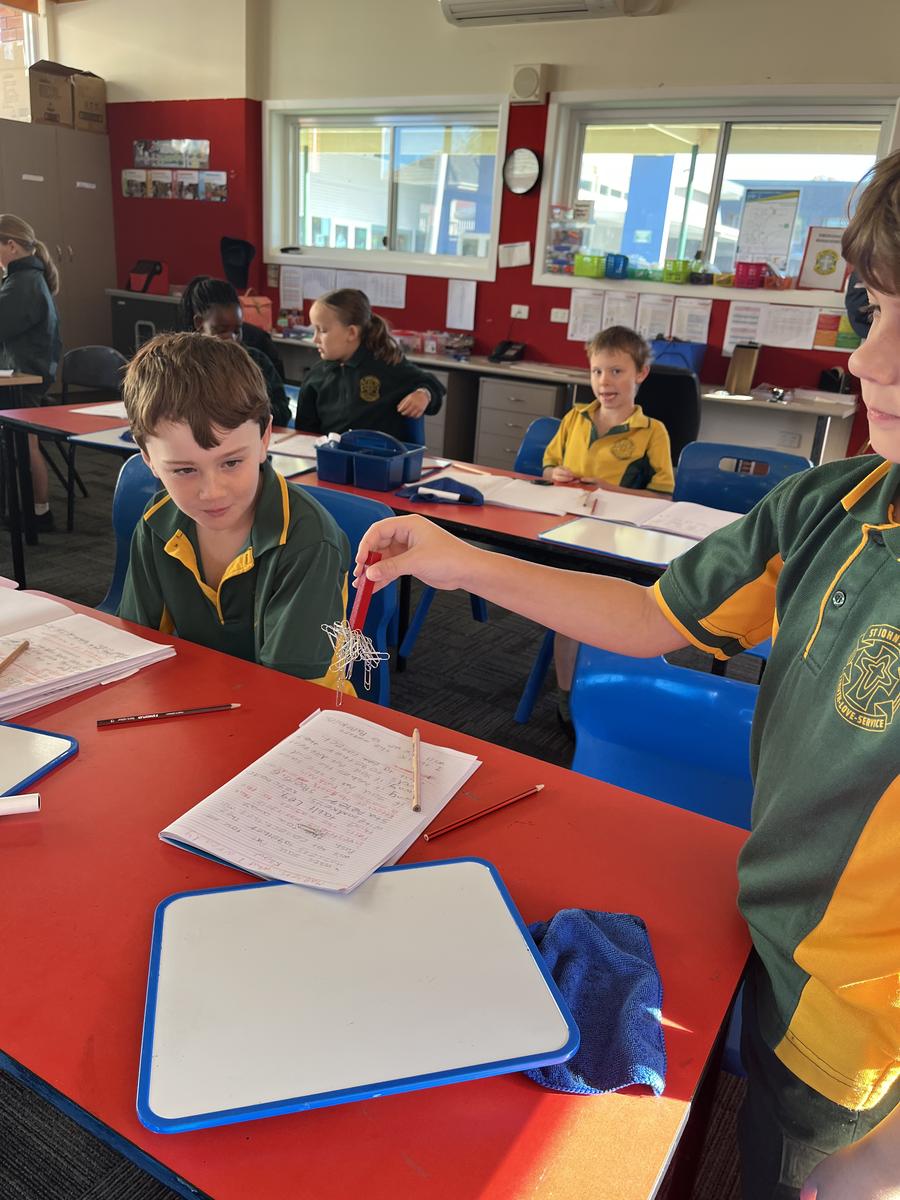
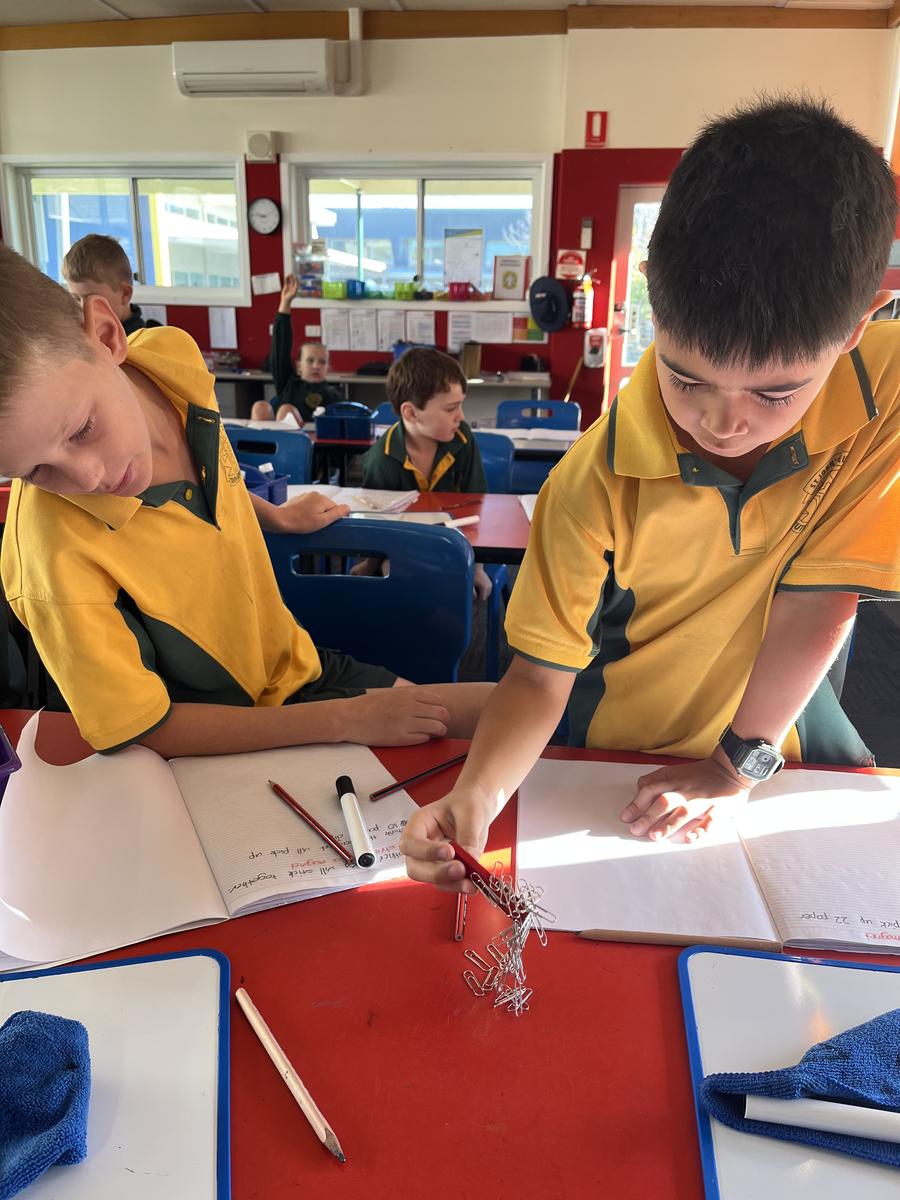
Using our knowledge of magnetic forces, we experimented with ways to make paperclips move, dance and appear to defy gravity, observing how magnetic fields can influence objects from a distance.
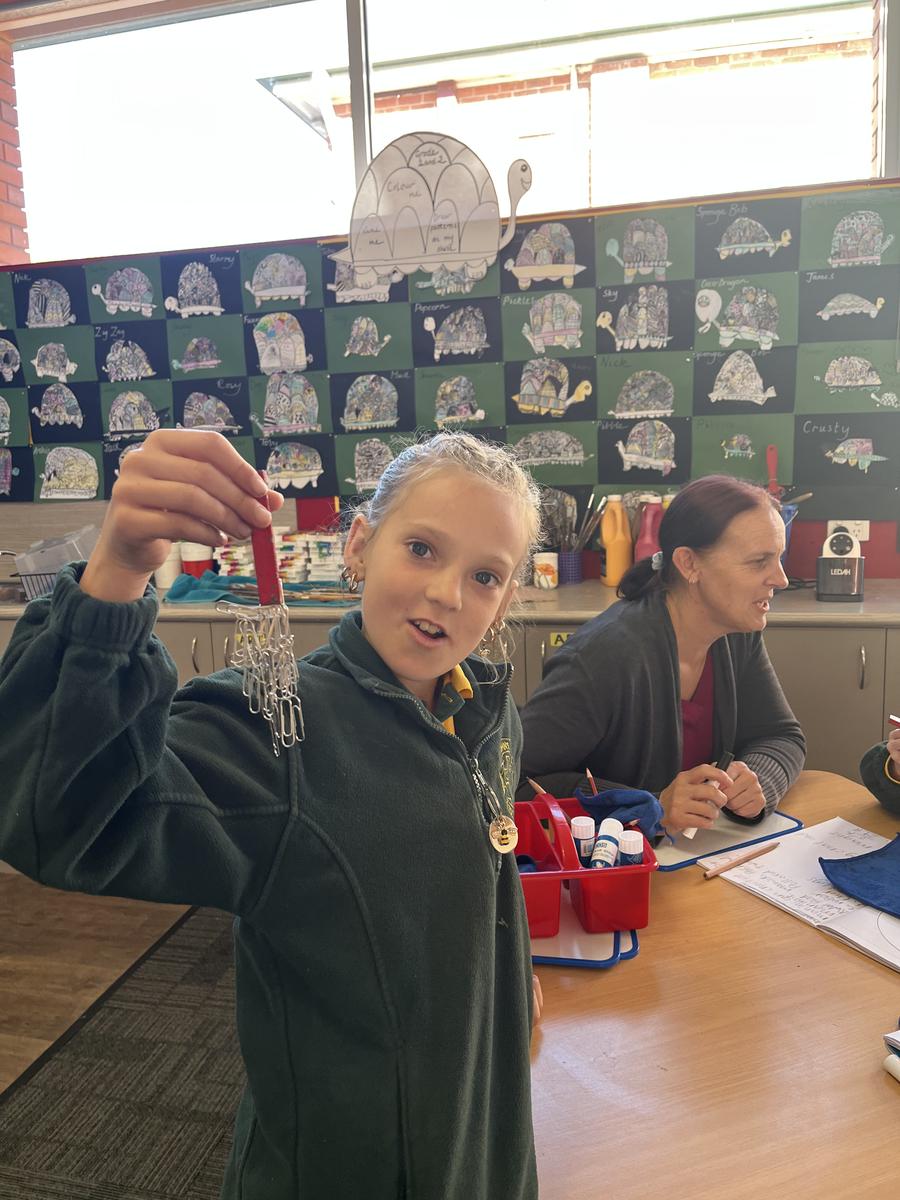
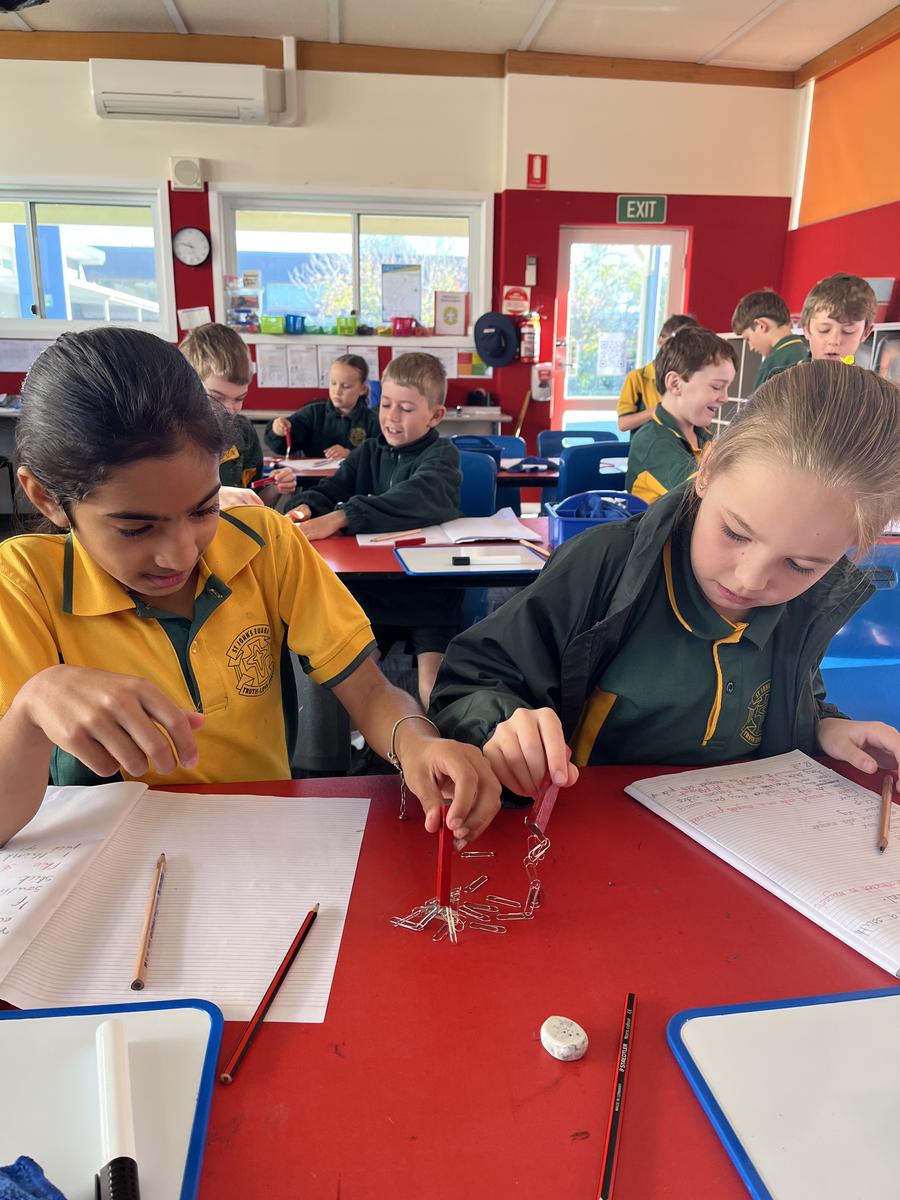
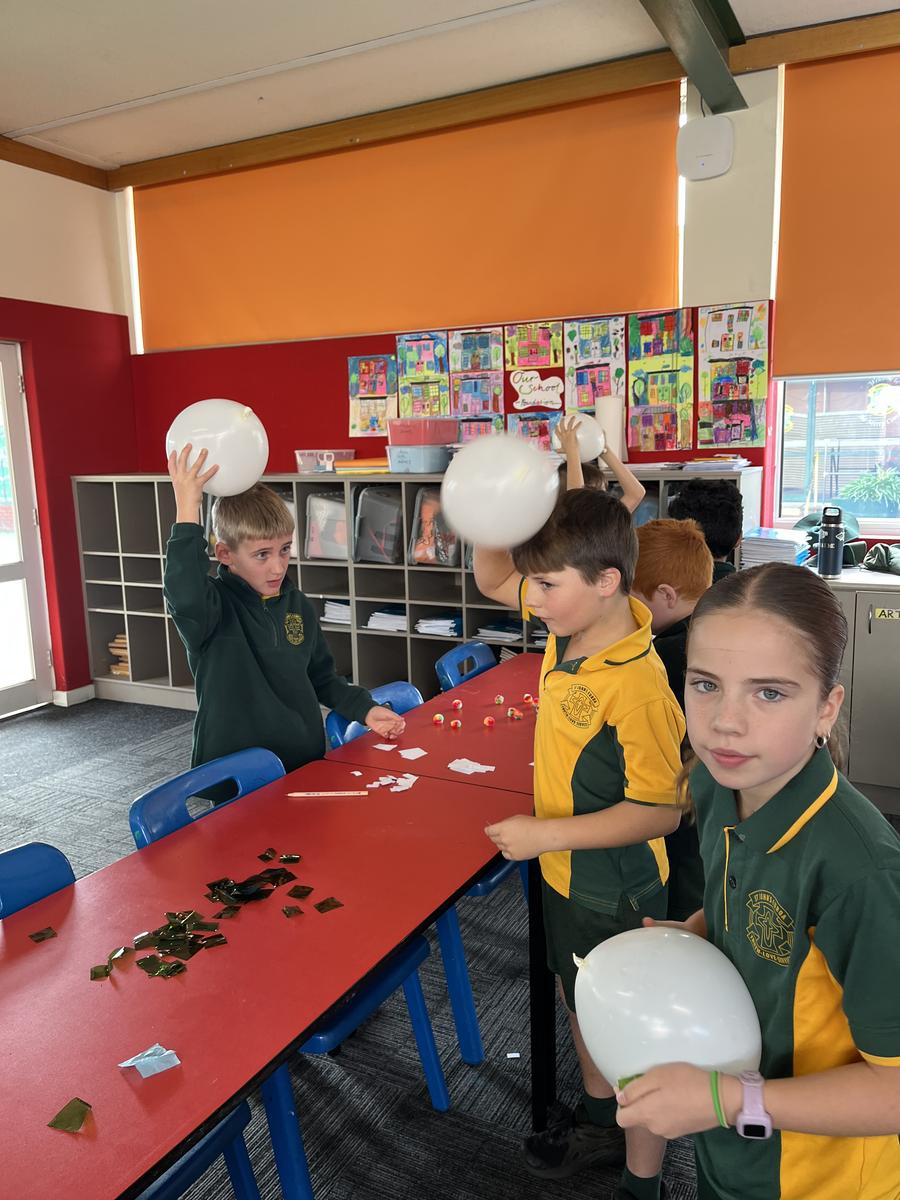
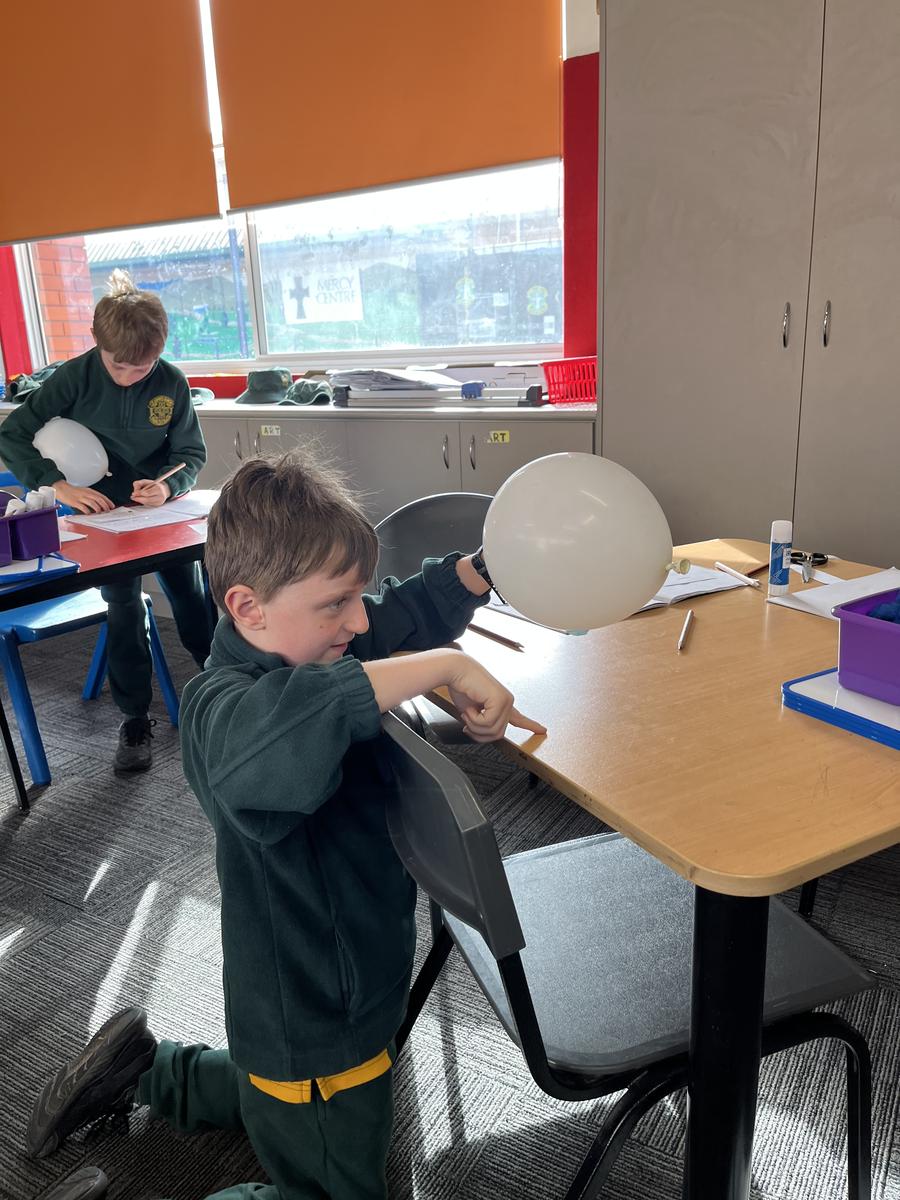
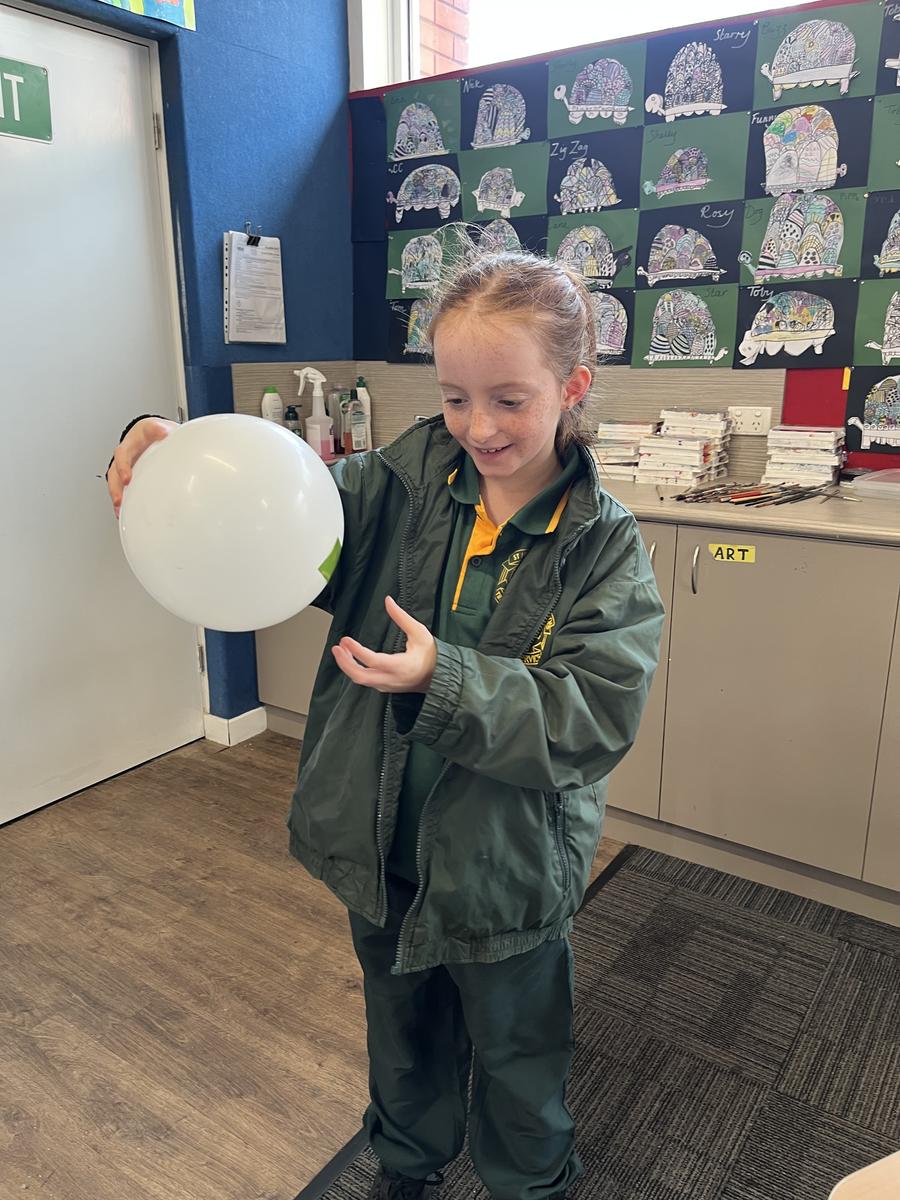
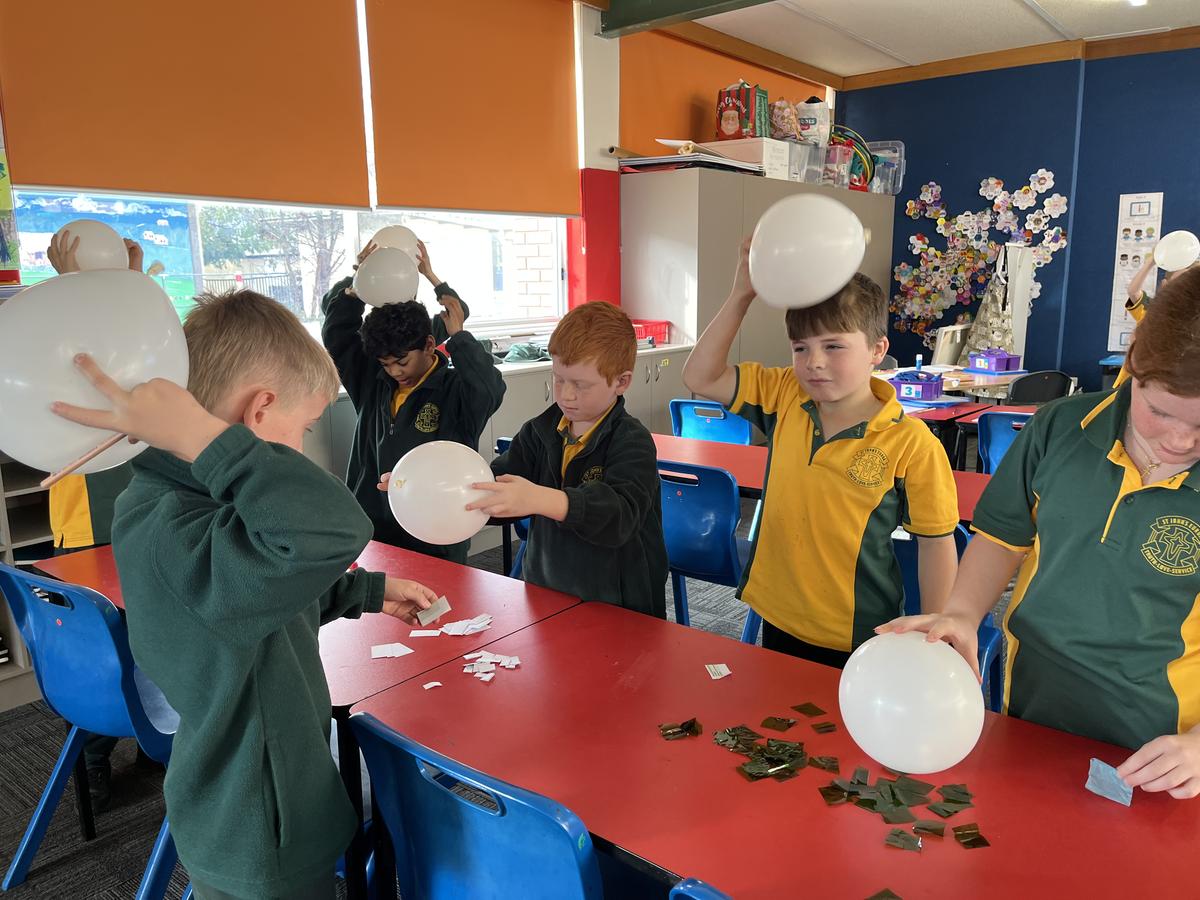
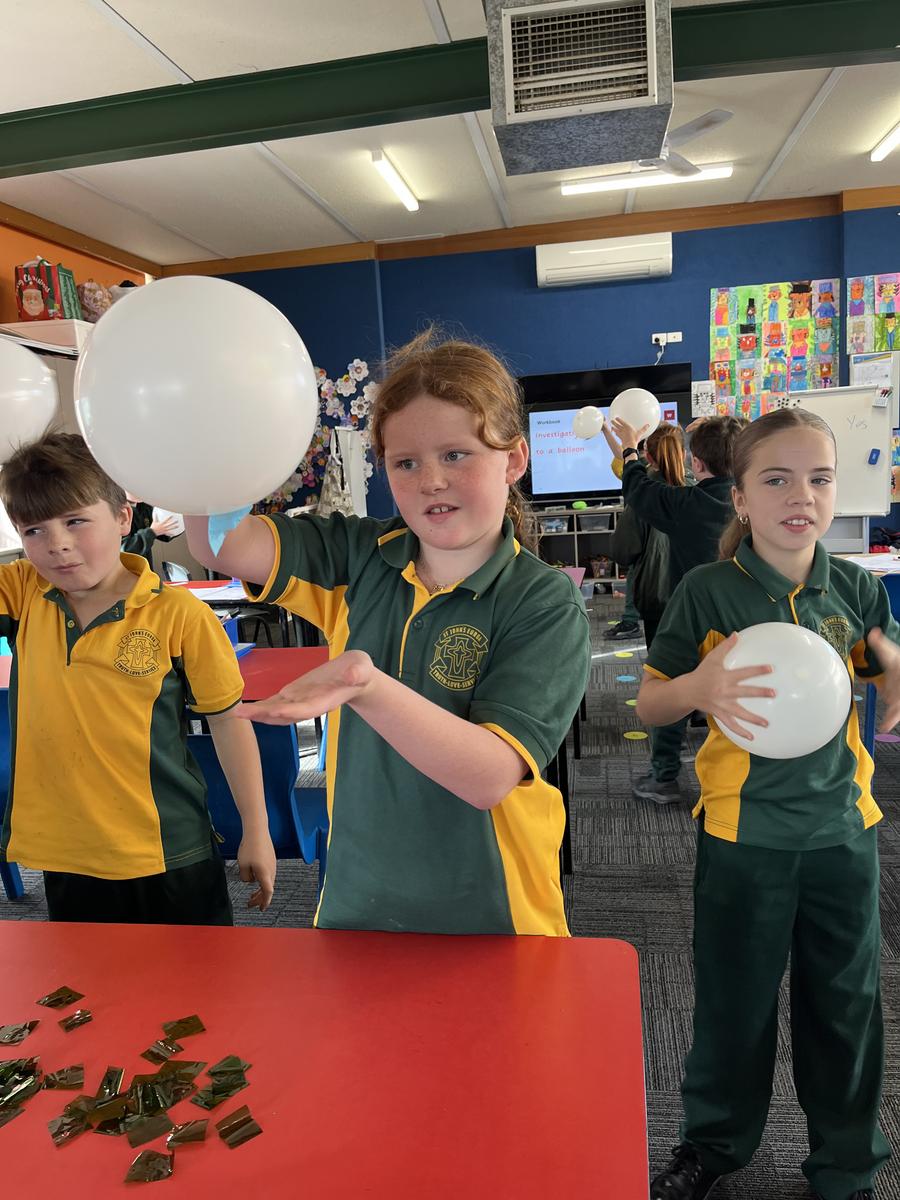
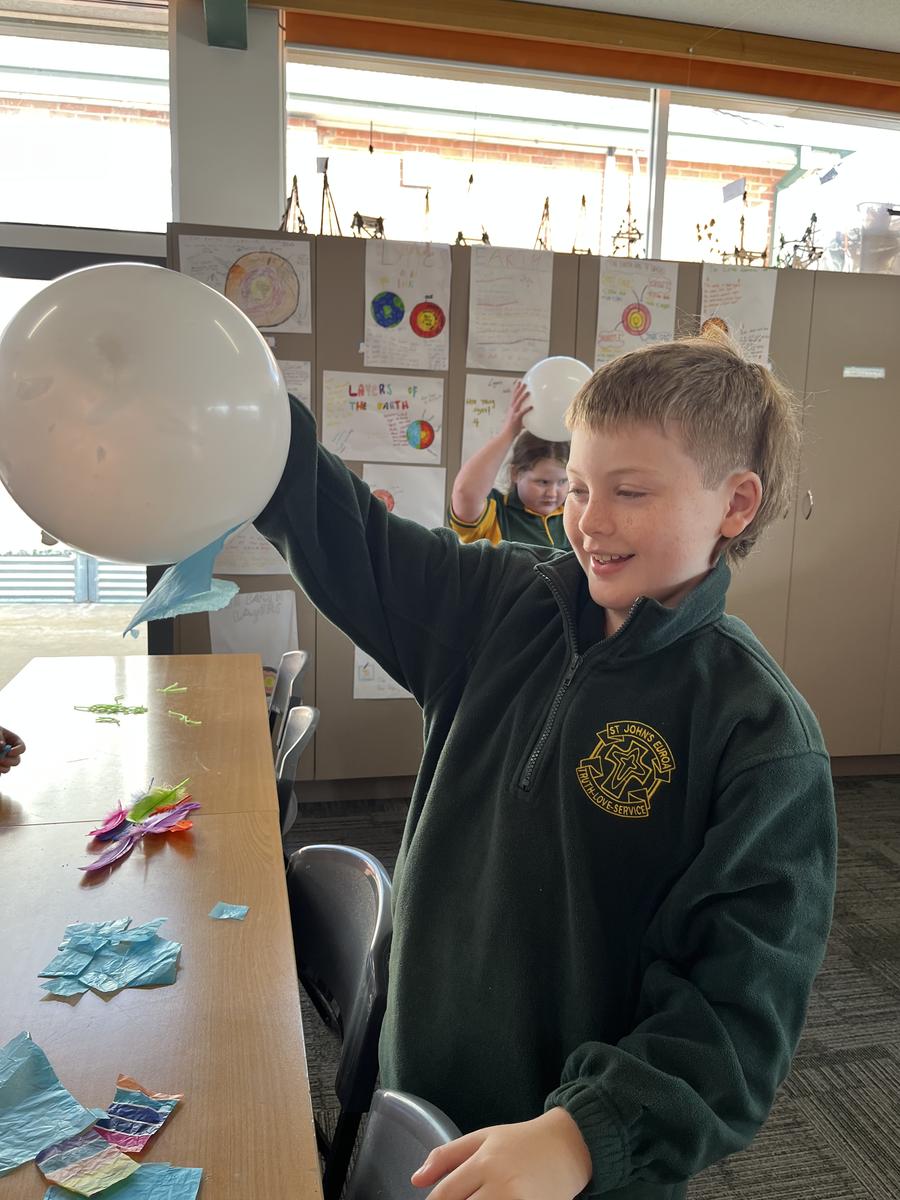
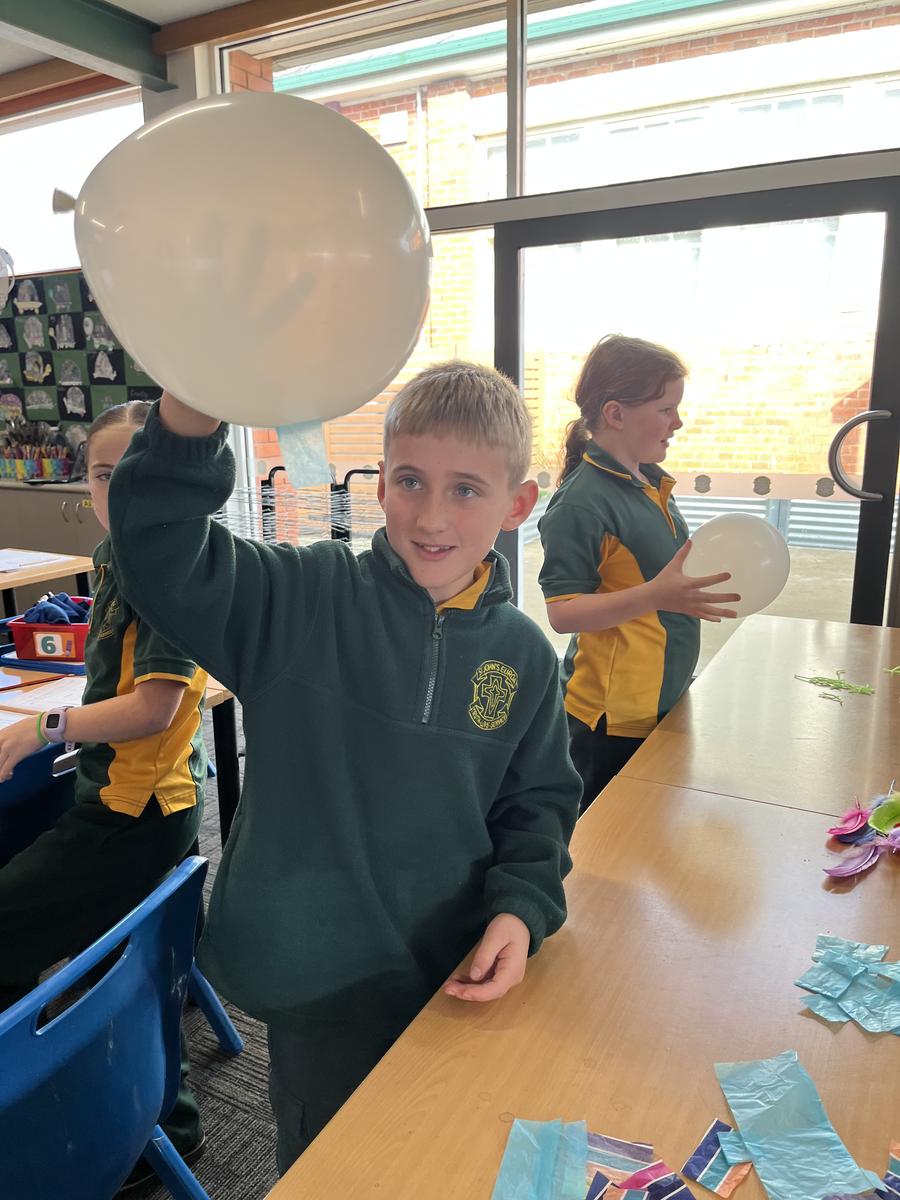
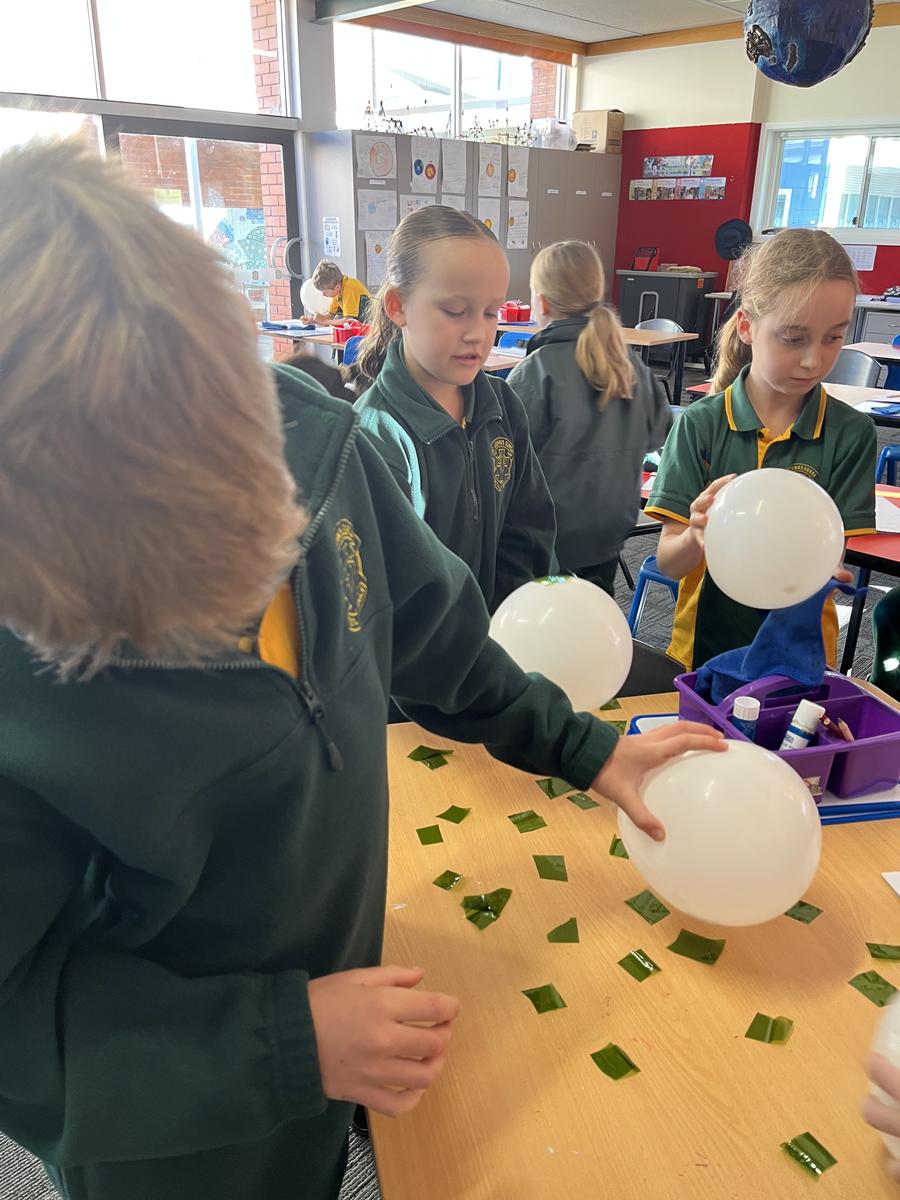
To broaden our understanding of non‑contact forces, we also explored electrostatic force. Using balloons and a range of lightweight materials such as paper, feathers, cellophane and pom poms, we investigated how static electricity can attract objects. These activities encouraged careful observation, prediction and reflection as we compared how different materials responded.
Year 5 and Year 6
Natural Disasters
This term, Year 5/6 students extended their understanding of Earth by exploring both the structure of the Earth and the layers of the atmosphere. Building on this foundational knowledge, we investigated major geological events such as earthquakes, volcanoes and the effect these can have on Earth's surface and atmosphere.
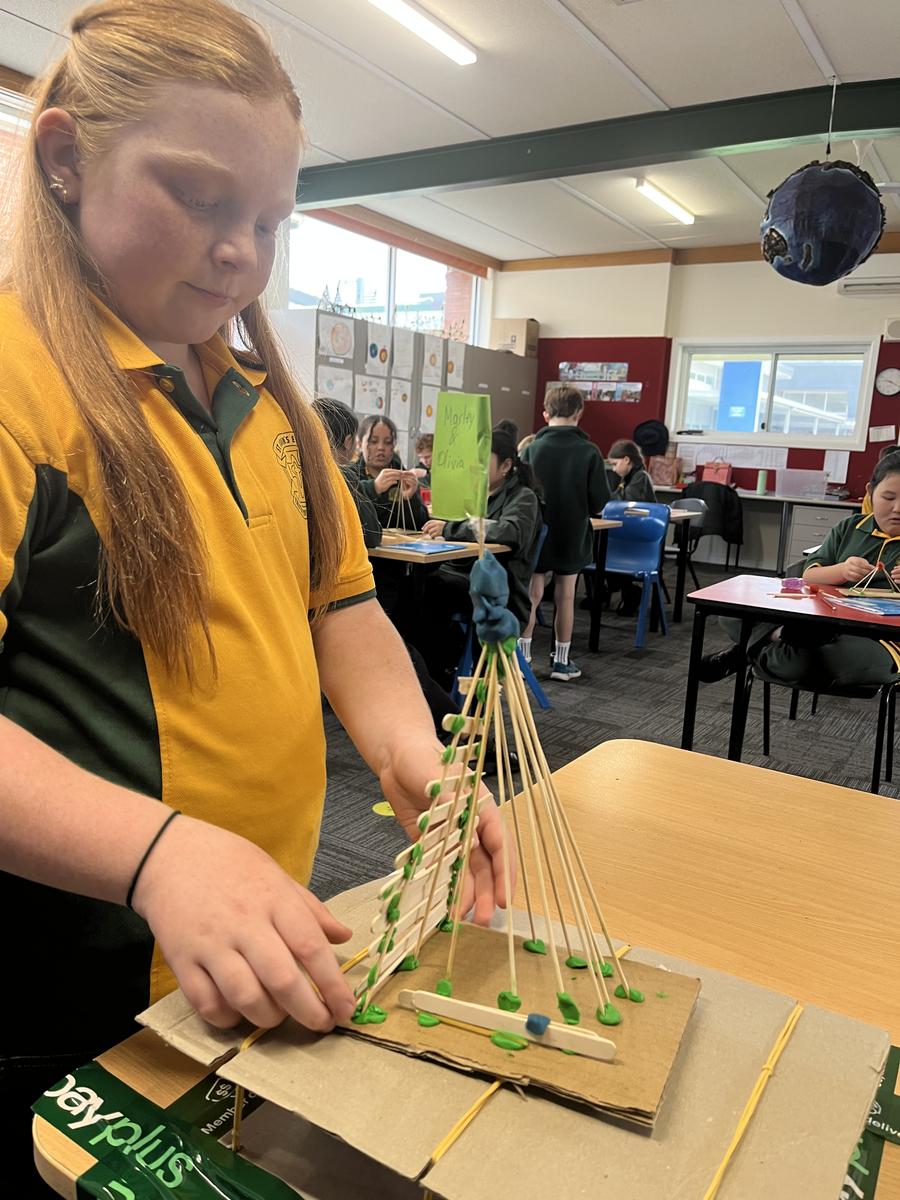
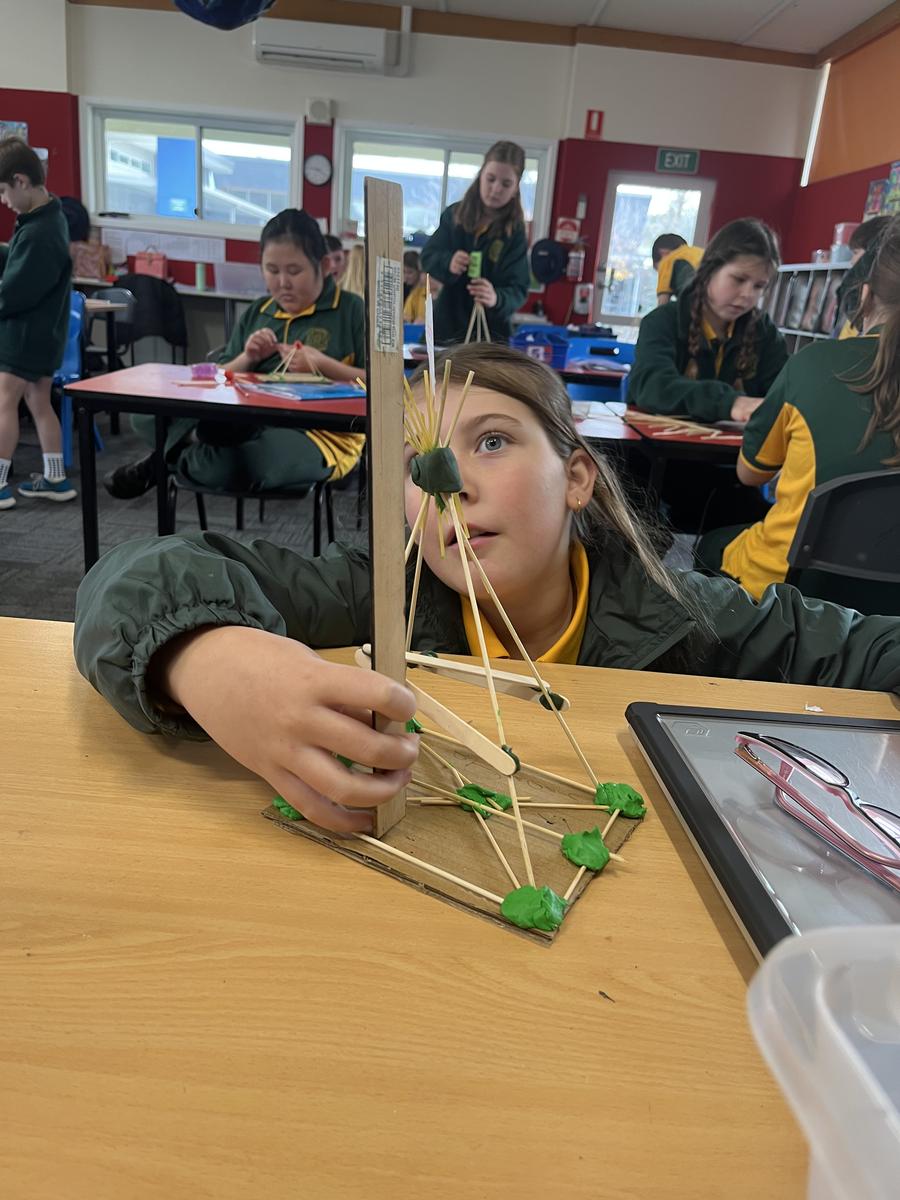
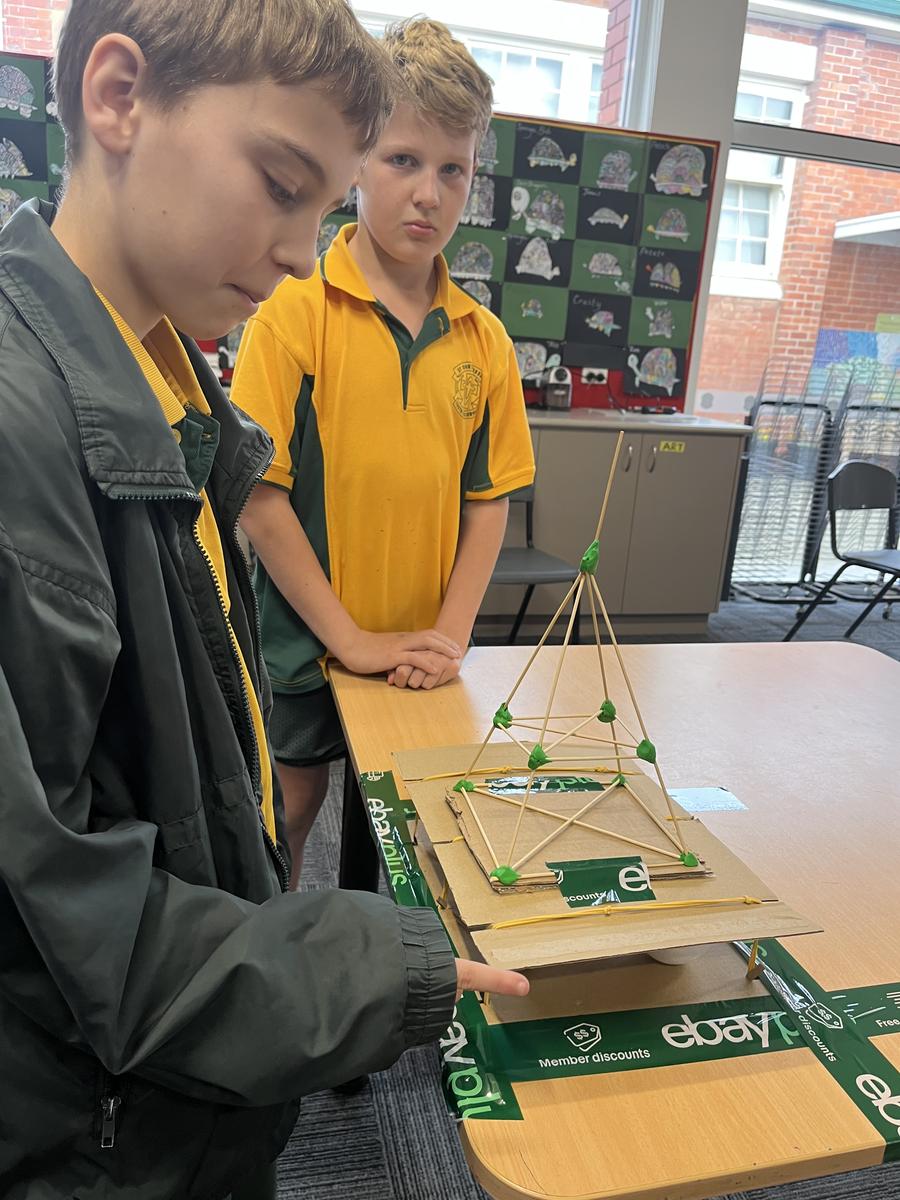
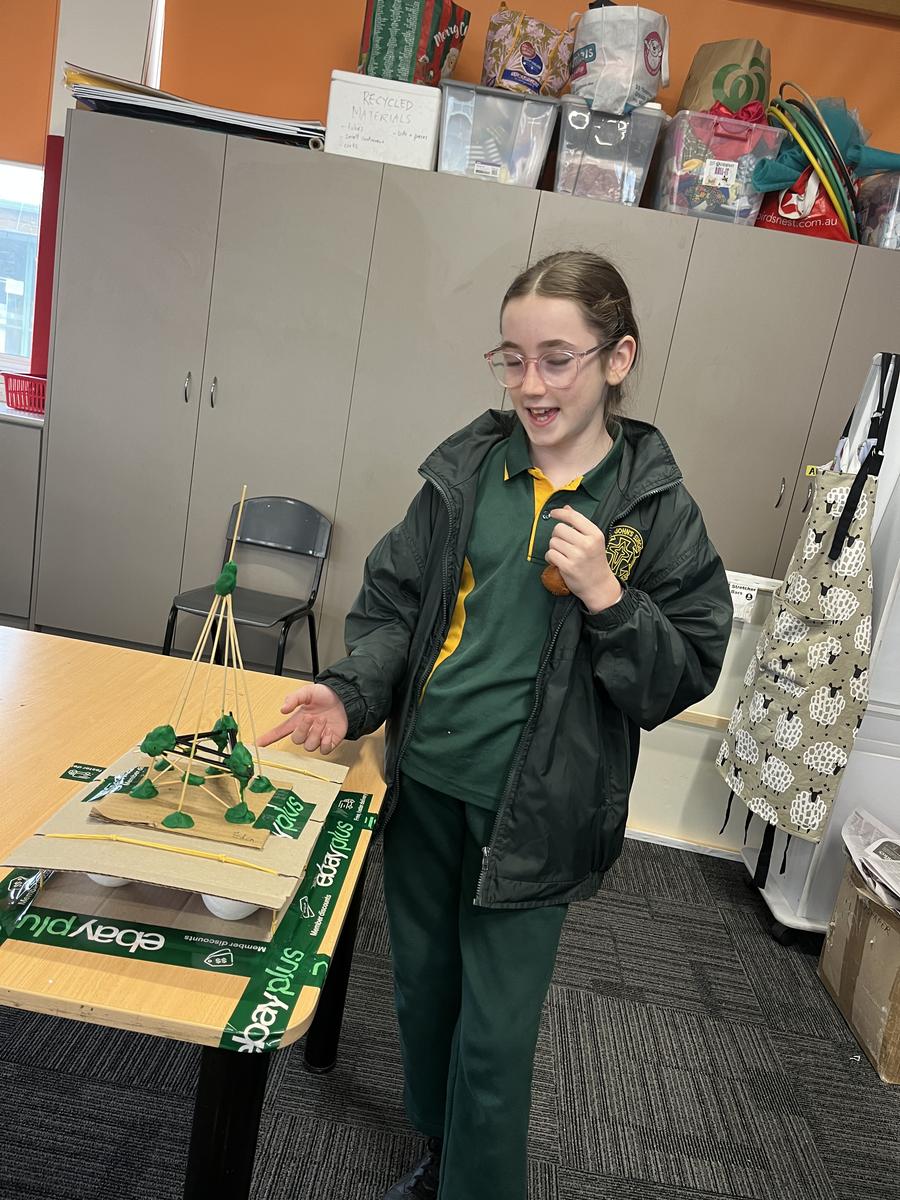
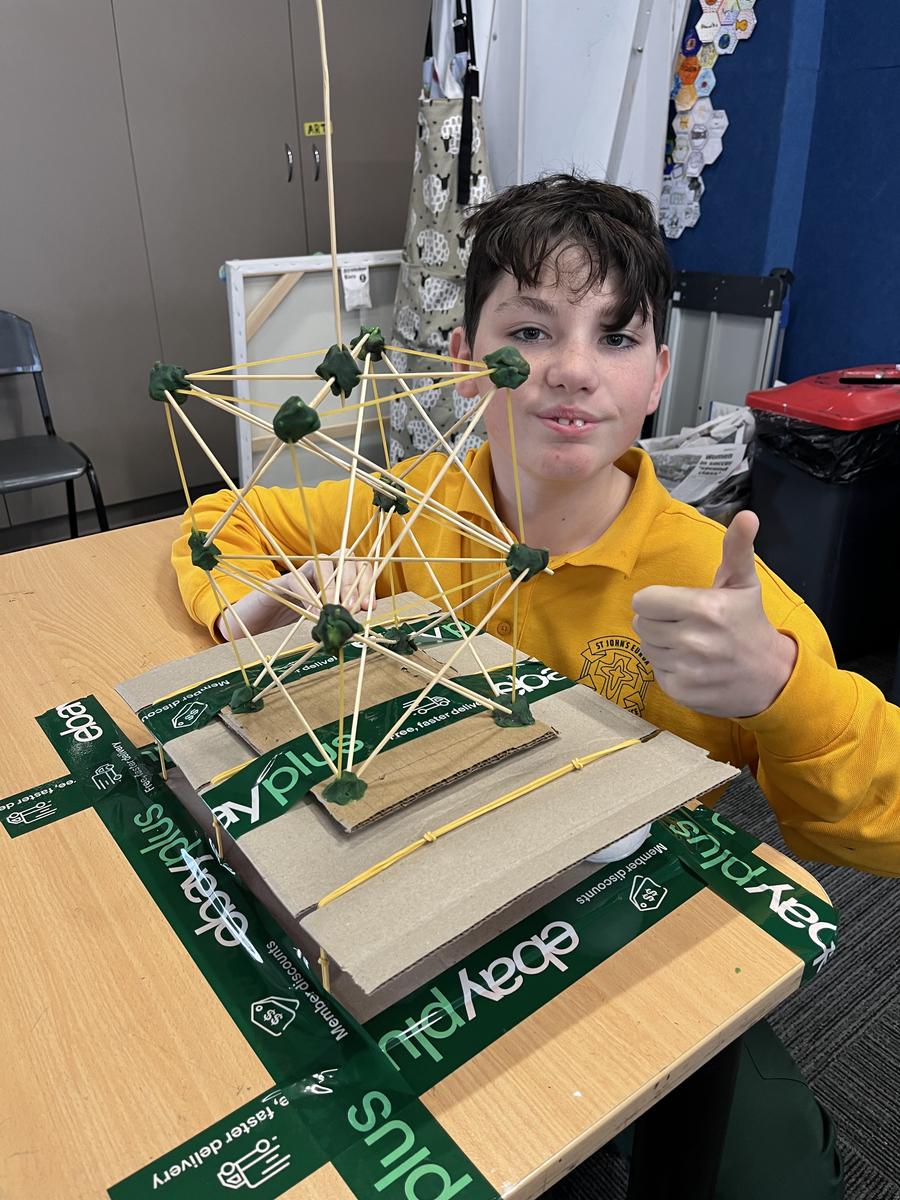
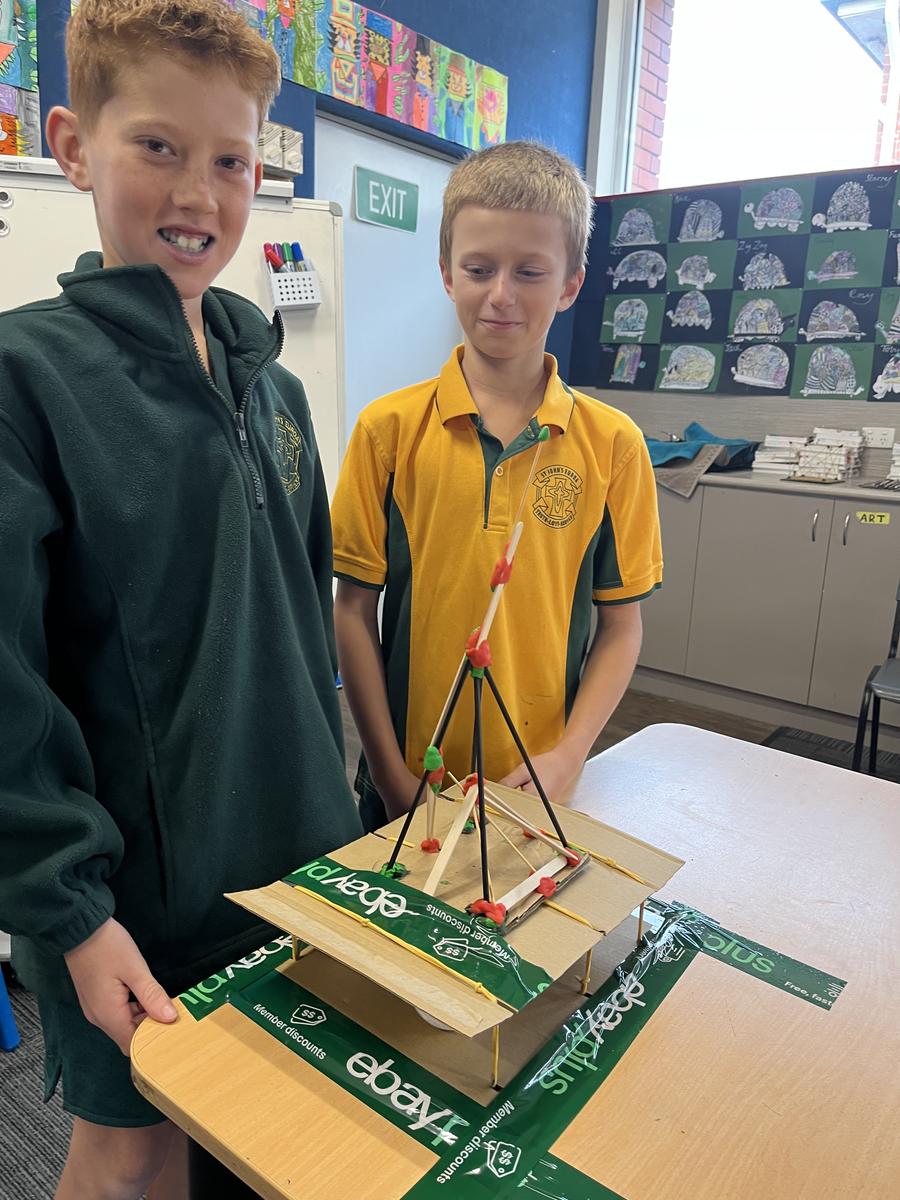
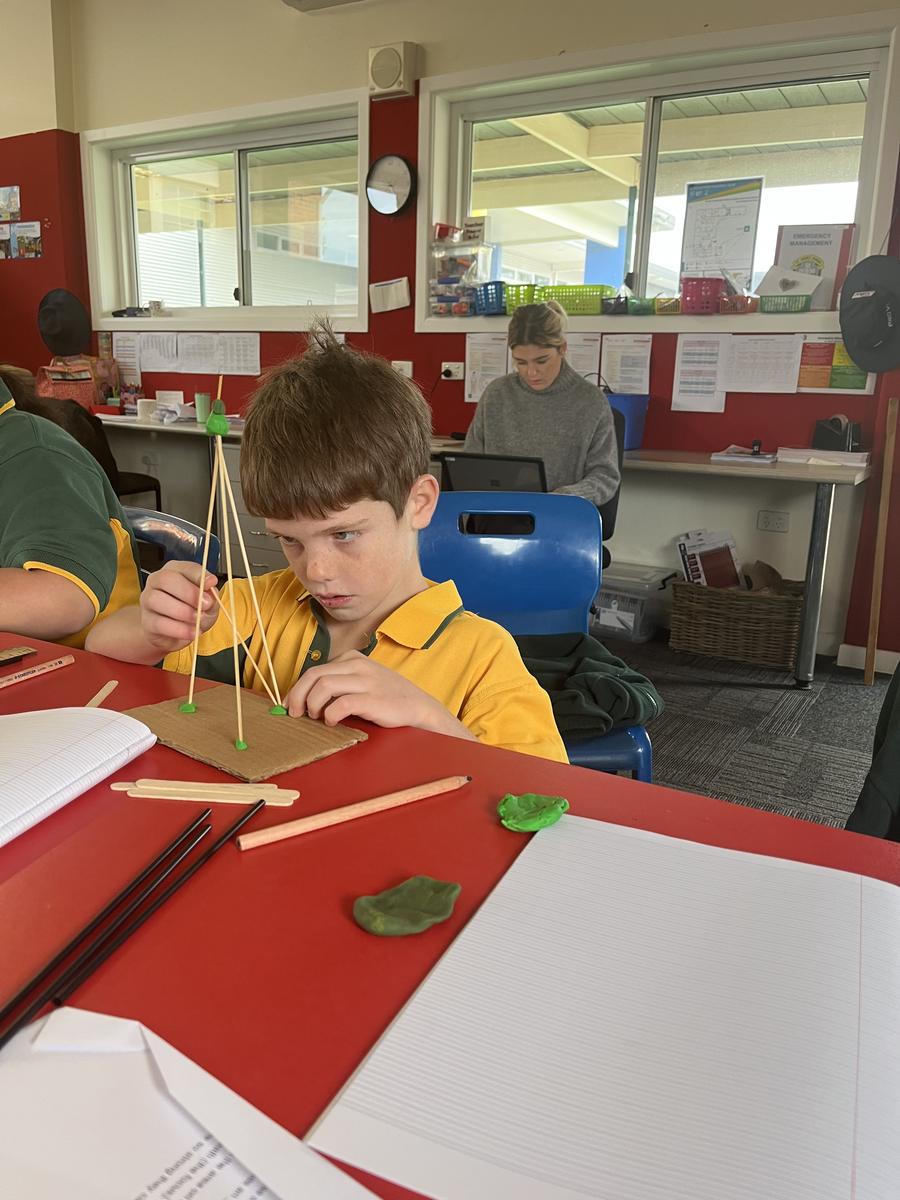
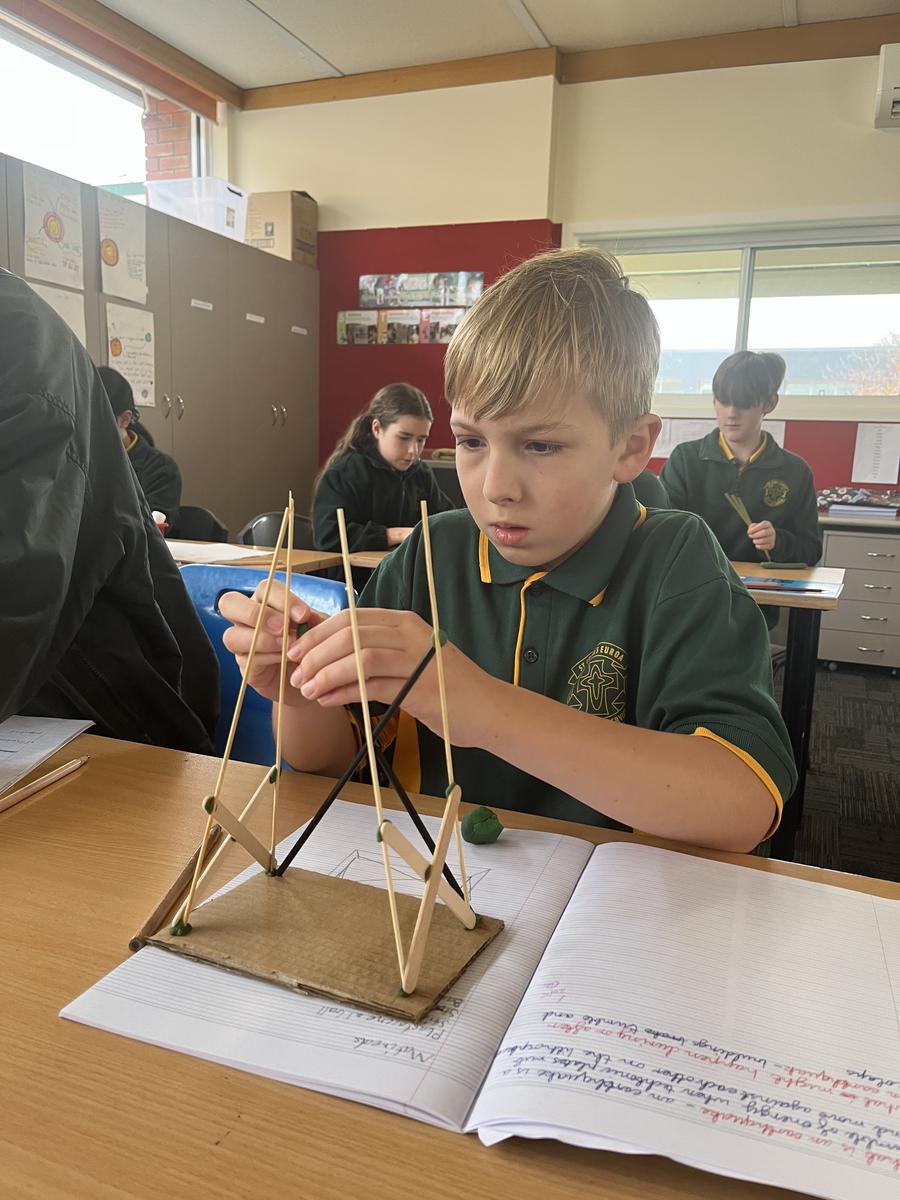
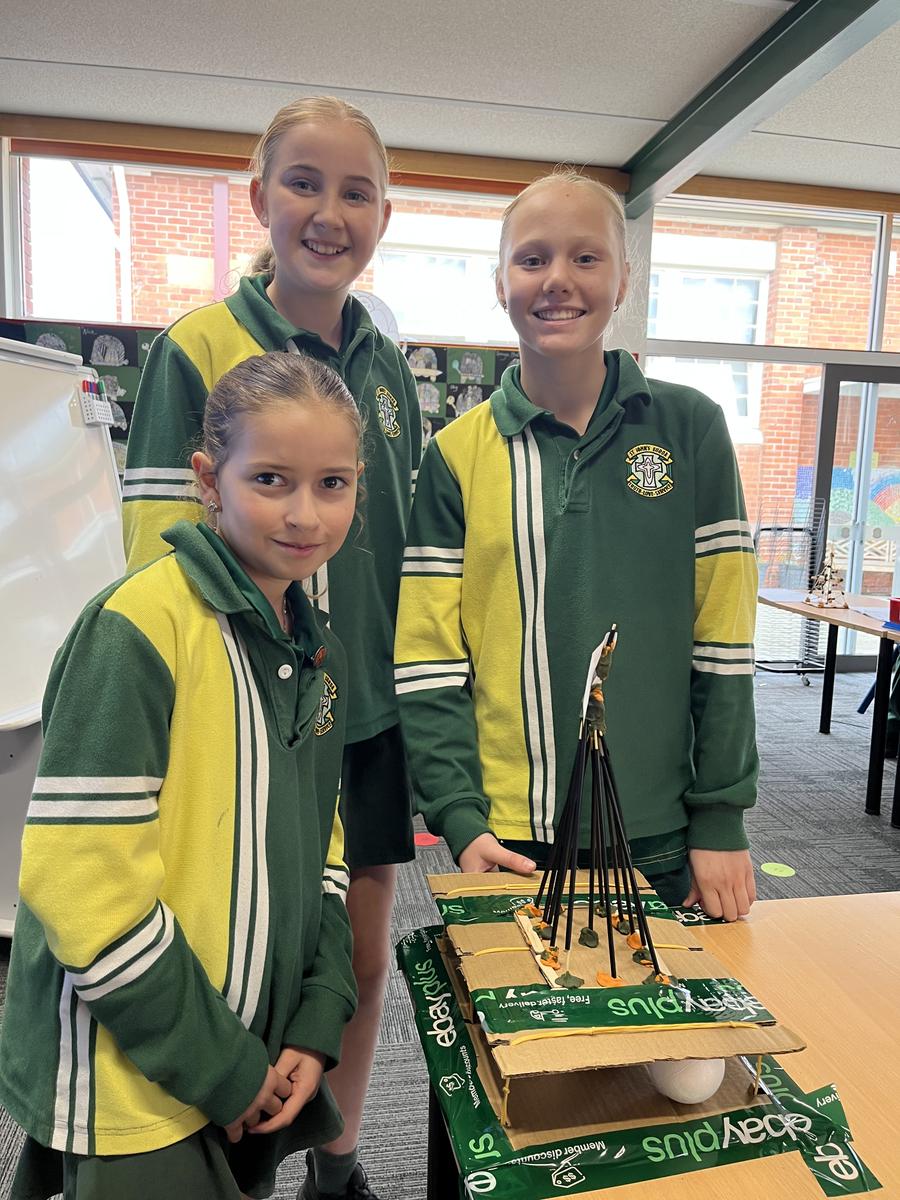
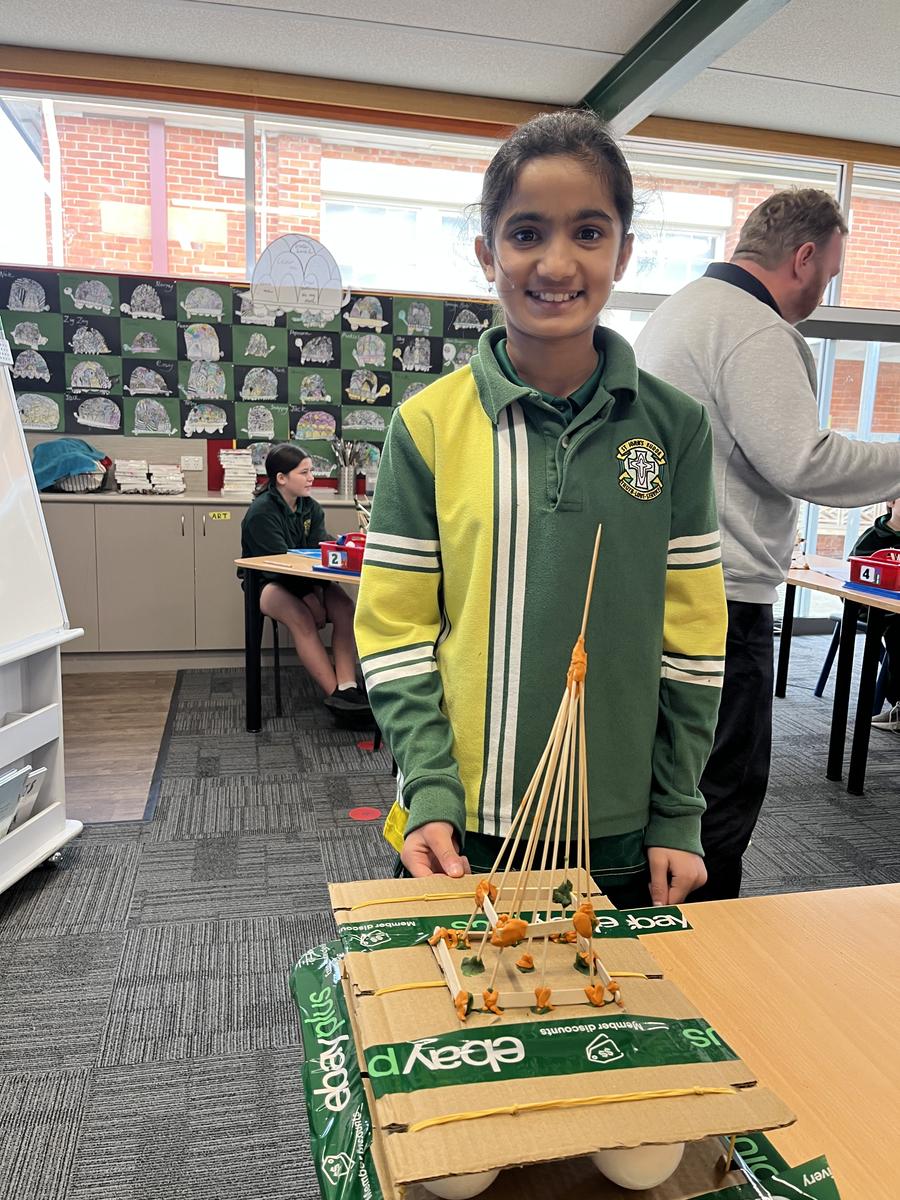
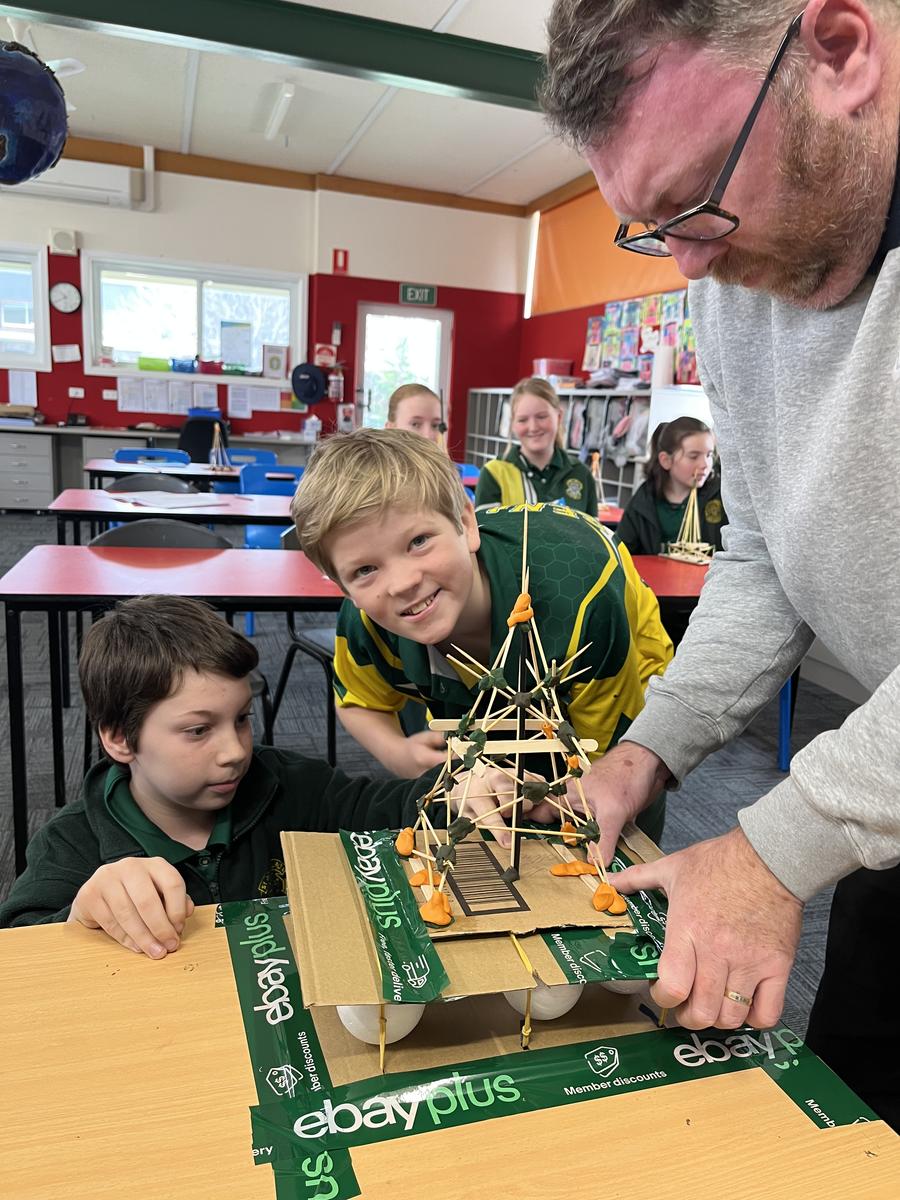
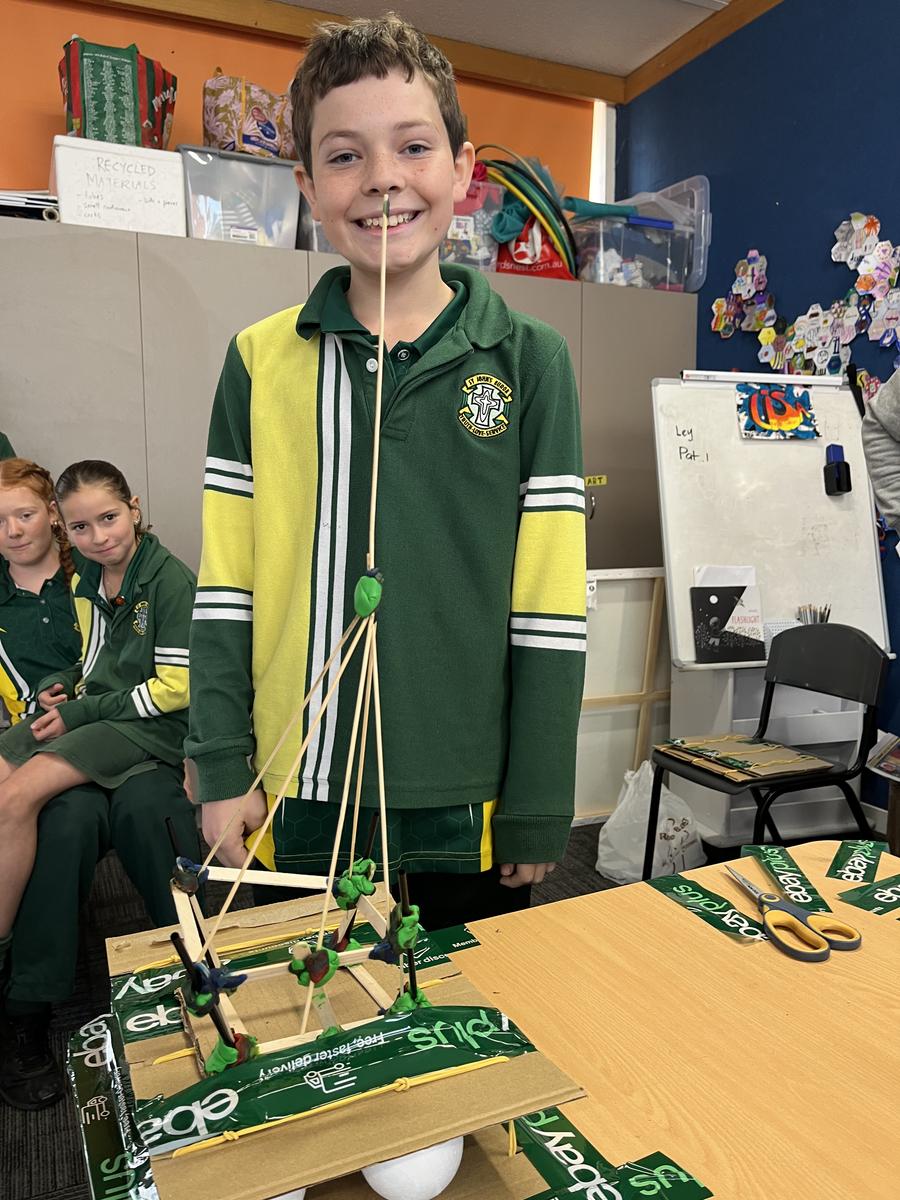
A highlight of the unit was our engineering challenge: designing and constructing earthquake‑resistant structures. We applied our scientific understanding to create buildings that could withstand movement when tested on a classroom “shaker” table. Throughout the design, build and test process, we reflected on the effectiveness of different structural features, including cross‑bracing, base width, and the overall shape of their buildings.
This hands‑on experience encouraged us to think like engineers—planning, testing, analysing results and refining designs.