
Glen Education Bentleigh
Empowering children about their rights through the Body Safety Australia incursions
By Jo Peterson, Early Childhood Teacher
At Glen Education Bentleigh Kindergarten, The Right of The Child are at the heart of all we do: "We empower children to share their thoughts and ideas to enhance the program; our inclusive approach to support children’s growth of identity and self-esteem; to support children to be active citizens, and our play-based curriculum supporting uninterrupted play.”
Our curriculum is governed by the Early Years Learning Framework, that guides educators’ day-to-day practice and recognises and promotes children’s developing autonomy and increased awareness and strengthen children’s responsibility for their own mental and physical health and personal safety. Teaching Body Safety aligns with our commitment to embed the Victorian Government Child Safe Standards.
The standards states: Children and young people are empowered about their rights, participate in decisions affecting them and are taken seriously.
This is why each year the Glen Education-Bentleigh team implements a Body Safety Awareness Program. Body Safety Education aims to empower children with skills and knowledge to communicate the rights around their body safety and consent. We know that when children learn how to identify their emotions and feelings it helps them to communicate and talk about feeling safe and unsafe and early warning signs they may feel when they are feeling unsafe.
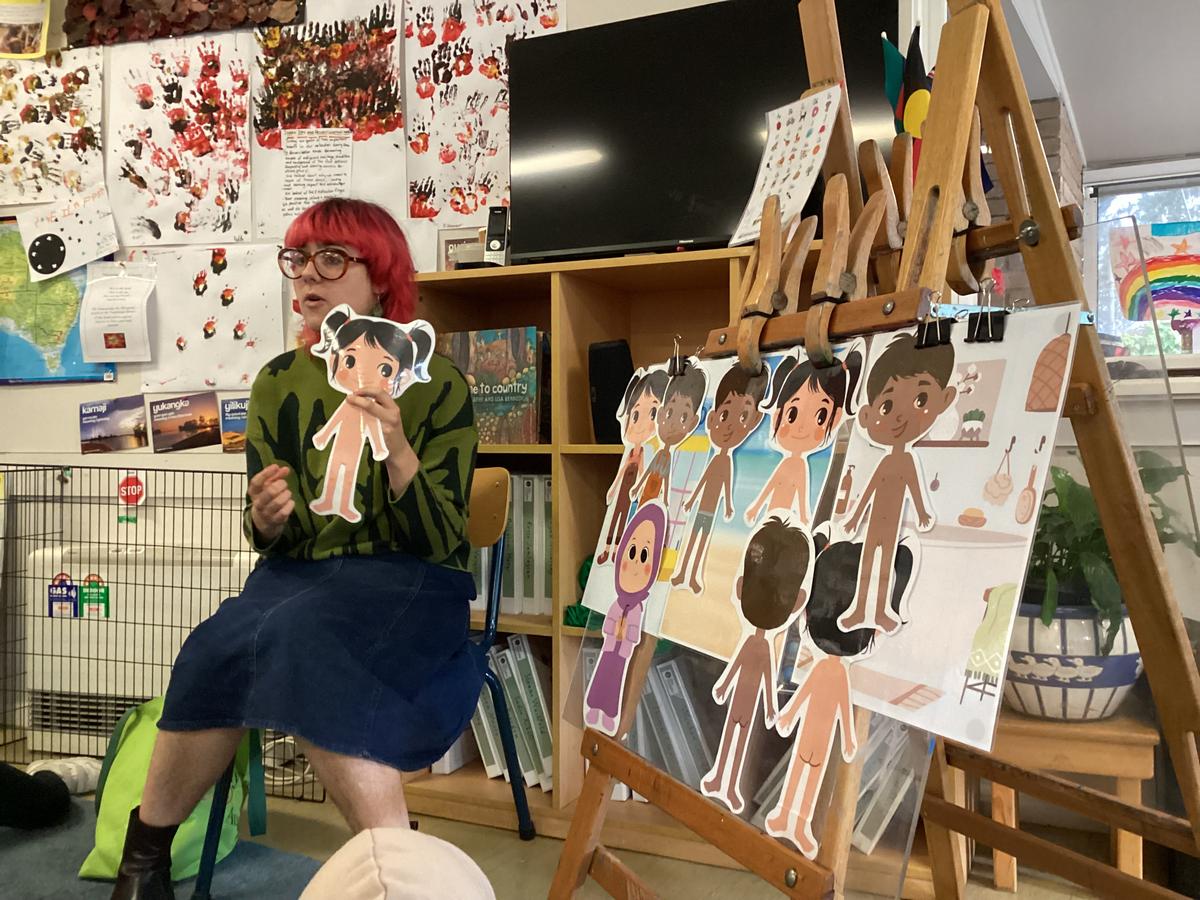
Body Safety Awareness supports children to advocate for their safety by teaching children strategies to advocate for themselves. The Body Safety Program.
Body boundaries and personal space
Children learn how to set and respect body boundaries, as well as the importance of asking for consent before entering someone else's personal space. These lessons lay the foundation for respectful relationships and healthy communication throughout life.
That’s why we teach children:
- The anatomical names for their body parts. These were introduced as Doctor Names
- Which body parts are private, which body parts are personal, and which are public
- How to identify our emotions and how they feel inside and outside
- We must give consent before we touch someone, and they must ask our consent to touch us.
By giving children the correct language and tools to describe how they feel and what they experience, we create a culture of openness and trust.
Secrets vs. Surprises
Children learn the difference between secrets and surprises:
- Surprises are fun and short-term
- Secrets, especially those that make us uncomfortable, should never be kept
This important distinction helps children recognise unsafe situations and reinforces that they can always speak up.
Assertive Communication
- In the body safe program children are given verbal scripts to use when they do not want to be touched. "Stop! Don’t touch me. I don’t like it."
- They learn that it’s okay to speak up, say “no,” and trust their instincts. Assertiveness is a powerful tool for safety and self-respect.
Creating a Safety Network
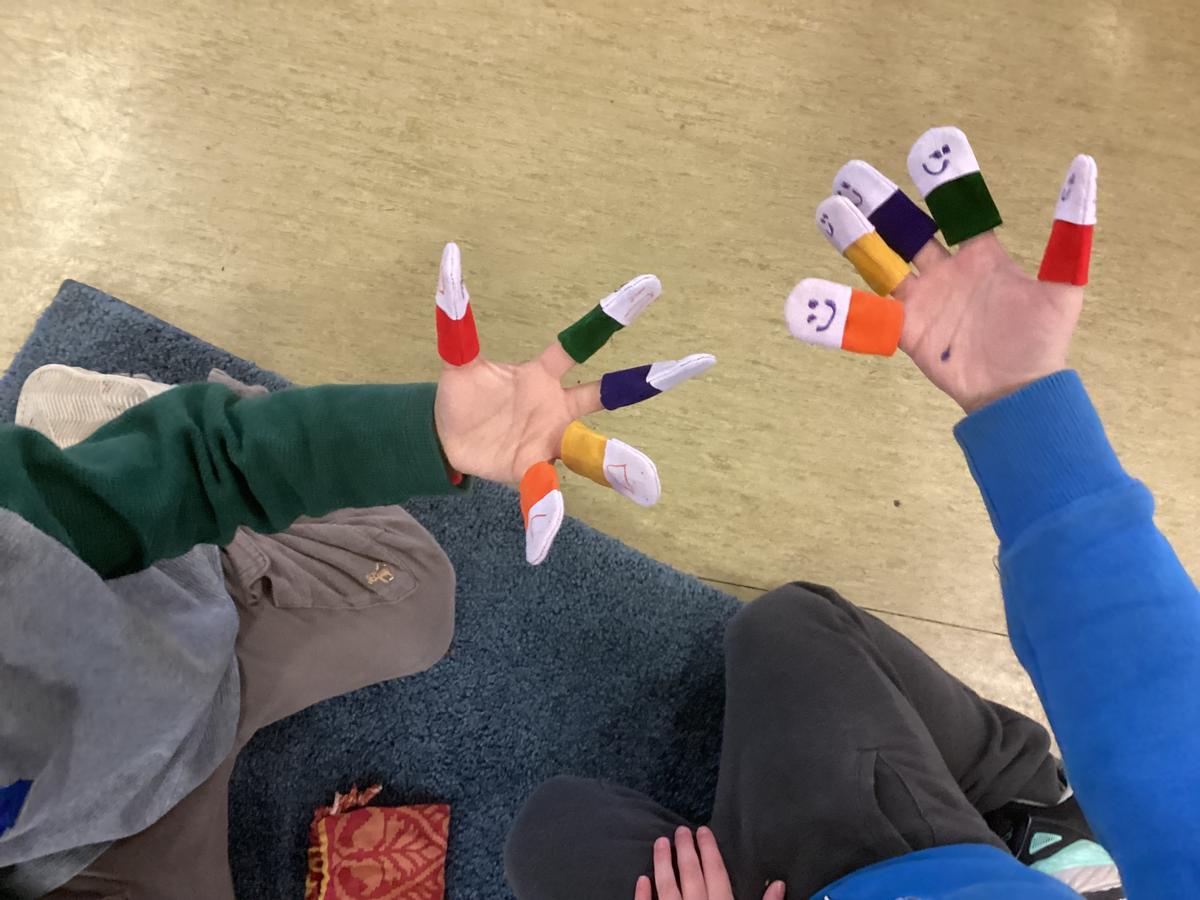
- Every child identifies their own Safety Network – a group of trusted adults they can turn to when they feel unsafe, worried, or unsure. Knowing who to talk to builds confidence and ensures children know they’re never alone.
- Wach child should have 5 adults that can help them Our trusted network must be old enough to drive a car or work.
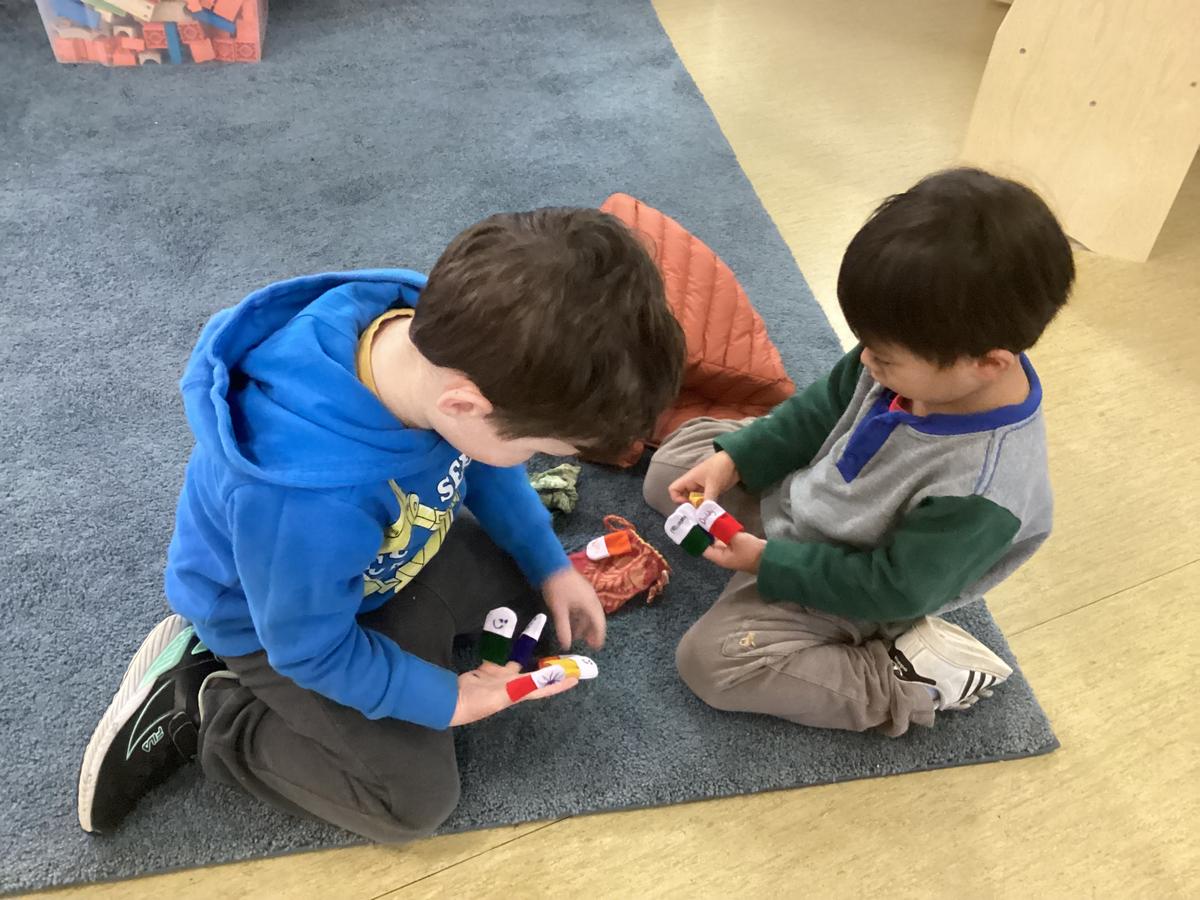
Body safety is an ongoing focus throughout the year — it’s embedded in our daily practice and communication. When children feel comfortable talking about their bodies and learn to advocate for themselves, they build self-esteem and confidence. This empowerment helps them make healthy, respectful choices.