
Glen Education St Patrick's
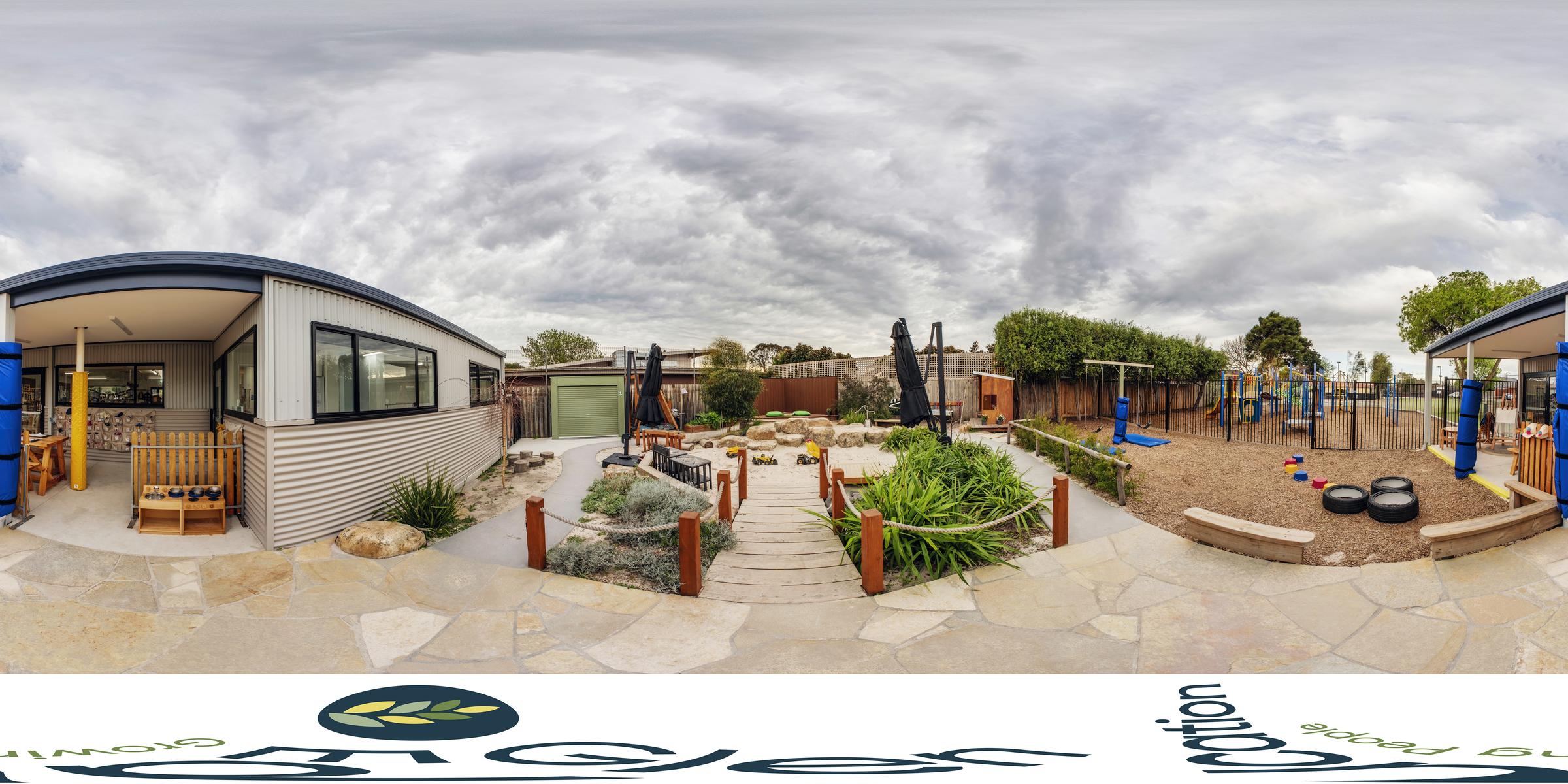
Empowering children about their rights
By Glen St Patricks Team
Every child has the right to feel safe, be heard, and make choices about their own body.
Body Safety Australia turns those rights into everyday skills through age-appropriate, in-class incursions that build language, confidence, and clear help-seeking pathways.
At Glen St Patrick’s Kindergarten, we believe that every child has the right to feel safe, be heard, and make choices about their own body. This term, our focus on child safety was enriched through the Body Safety Australia incursions, which transformed these important rights into everyday skills for our children.
Through engaging, age-appropriate workshops, the children explored body autonomy, healthy relationships, emotional literacy, and personal safety in a supportive, respectful, and inclusive environment. These sessions were not just about “teaching safety” — they were about empowering children with the language, confidence, and strategies to protect their personal boundaries and seek help when needed.
Learning Through Story and Play
During the incursions, Jayde from Body Safety Australia shared the story It’s My Body, which sparked thoughtful discussion about personal boundaries and consent. Using “Ned” the skeleton penguin, the children practised saying “yes” with a nod and verbal agreement, and saying “no” clearly when they didn’t want a hug. This hands-on activity made consent tangible, helping children understand that their body belongs to them.
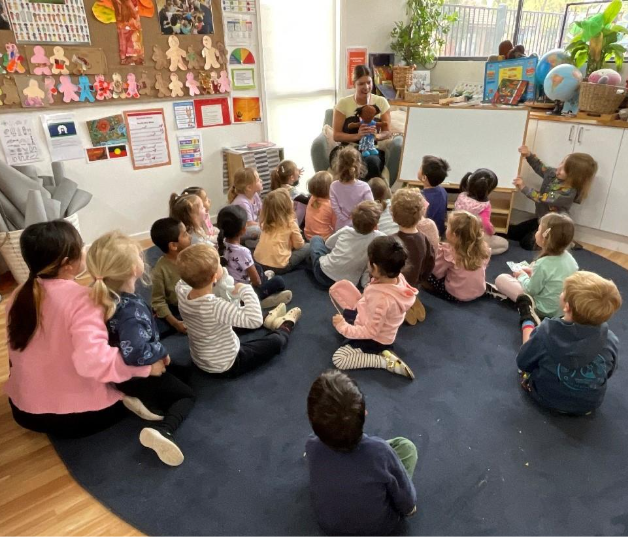
By using both verbal and non-verbal communication, children built their emotional vocabulary and confidence to express themselves. This learning supports emotional regulation, empathy, and respectful relationships — skills that will serve them for life.
Promoting Respectful Interactions and Boundaries
Respect is a core value in our learning environment — not just respect for adults, but for peers, for belongings, for different perspectives, and for personal space. We actively teach children about personal boundaries and mutual respect through everyday experiences.
One way we support this is through the concept of the “body bubble.” Children learn that everyone has a personal space — their body bubble — and that we must always ask permission before entering someone else’s. This helps children feel confident in setting boundaries and respectful of others' boundaries, too.
We reinforce this understanding through language such as:
“Did you ask if it was okay to hug?”
“Your friend is saying stop — we need to listen.”
“How can you show respect for your friend’s space?”
“You are too close to my body bubble!”
These are not just words — they’re opportunities to build empathy, assertiveness, and social awareness.
Resources That Reinforce Safety Principles
We complement these workshops with ongoing learning through the “Little Big Charts” book series, which reinforces Body Safety Principles such as:
- Naming feelings
- Safe vs unsafe touch
- Understanding boundaries
- Asking for help until someone listens
These resources ensure that the language and strategies learned are revisited regularly, helping them become second nature for the children.
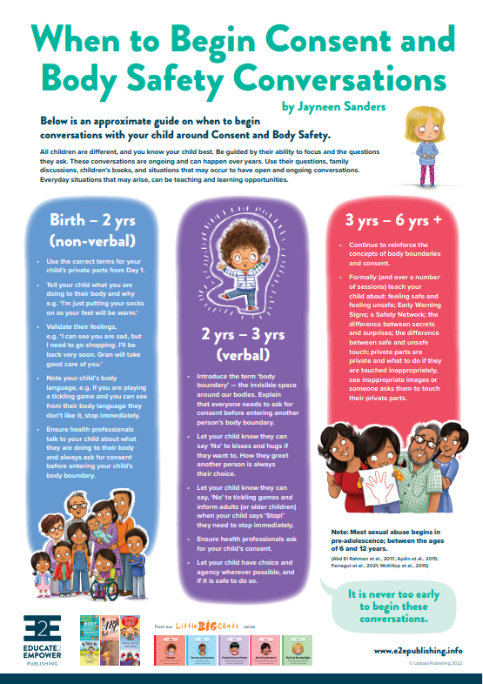
Why This Matters Our approach aligns with Australia’s Child Safe Principles and fosters a whole-service safety culture — not just policies on paper. Protective-behaviours education improves children’s knowledge and confidence to speak up, both online and offline. When families, educators, and children use the same plain, consistent language, we build a community where children know they are supported, valued, and heard.
Child safety is not a one-off lesson — it’s an ongoing journey we take together. By embedding body safety education into our everyday practice, we are nurturing confident, self-aware, and respectful children who understand their rights and know how to protect them.