
Glen Education Mordialloc

Balancing physical safety with the need for risky play
By Marie Davis, Diploma Educator
Allowing risky play while keeping children safe is a delicate balance. Risky play offers a lot of benefit to children, particularly in gaining confidence, and importantly testing limits and working out for themselves where those limits are. If adults are always controlling the play, children don’t gain experience working out their own boundaries. For example, a child climbing a tree needs to work out how to place their hands and feet, how to test branches for strength, and how high they can climb before feeling scared. Some will cheerfully climb to the top while others will become fearful and hesitant, calling for an adult to rescue them. Some children start out hesitant, or even terrified. As they take small steps towards the risk, maybe starting out on a low branch, then one day they find themselves at the top. The expression of pride on their face when they conquer the challenge is immeasurable, and this is a skill that will follow them in their life as they learn that they can overcome fears and develop skills.
However, this can also become dangerous. A child climbing to the top of a tree may now be high enough to cause themselves serious injury – broken bones, or even head injury and in worst case scenario, death. If they climb too high, it may be difficult for an educator to rescue them if they become stuck.
So where do we draw the line?
Some questions to ask are:
- What is risky play vs unsafe play?
- At what point does an experience become unsafe to the point of serious injury?
- At what point are educators being overprotective?
- What is the benefit for the children in undertaking this risk?
- Where is the line between a conscious allowing of risk, and negligence?
Glen Education lists the four areas of risk types as: Organisational risks, vulnerability risks, environmental risks and propensity risks.
As educators, it is our job to evaluate these risks for any activity or experience where danger is involved. We review and assess the danger, the likelihood of an accident happening, and what steps we can take to mitigate the risk.
At Glen Mordialloc, some of these include:
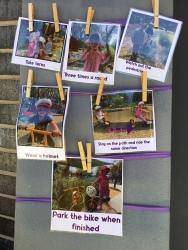
We have helmets for our bikes, and strict rules. The bikes are only taken out on days when one group is attending, as too many children in the yard causes accidents. They may only ride on a set path and in one direction. These expectations are clearly listed with photographs for the children’s understanding.
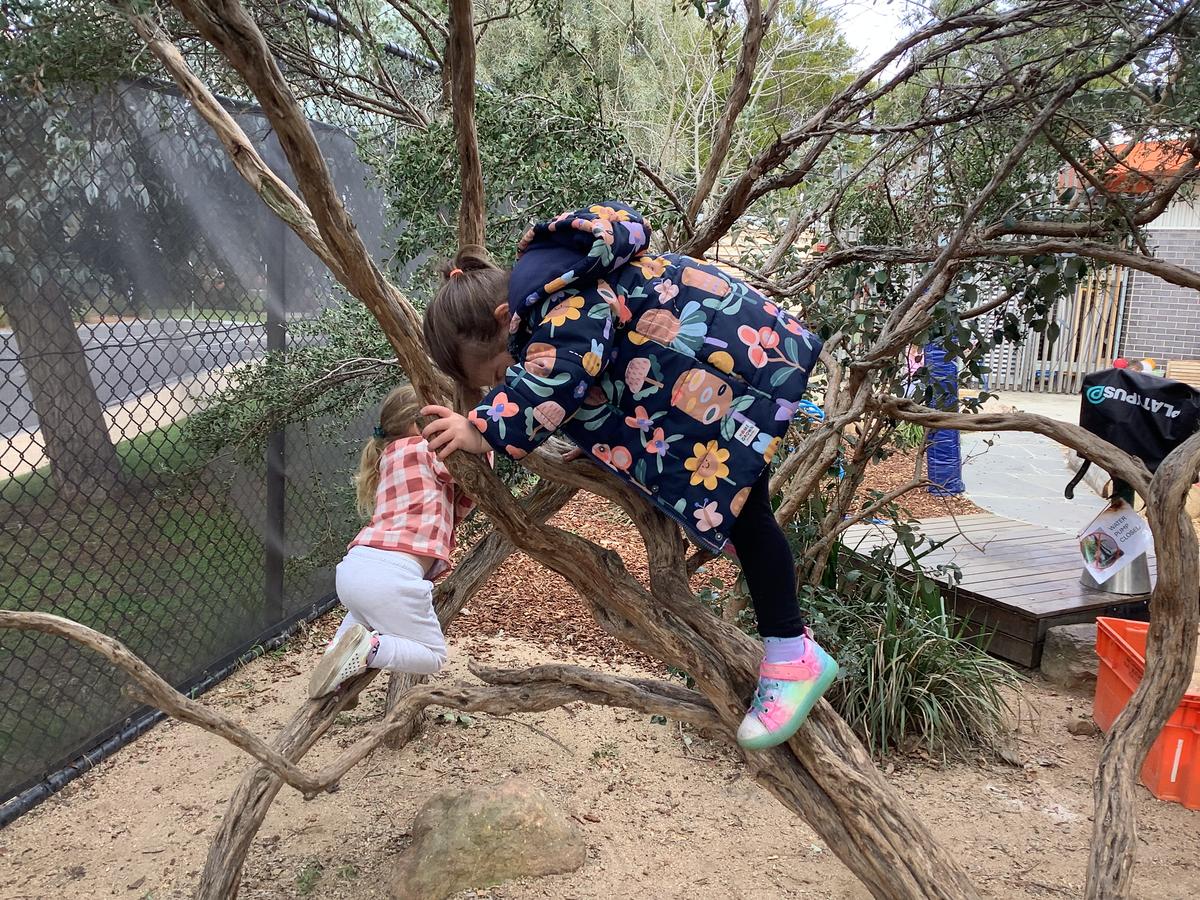
Tree climbing can only be done in one area, the back corner. These trees aren’t high enough for children to gain too much height and are in an area without much traffic. There are no obstacles or equipment that would make a fall extra dangerous.
We have a rock area, as many Glen services do. The children often pick up and transport these large rocks without incident. Children are taught to lift, carry and place down. When temptation to throw rocks, usually with the intention of creating a splash, children are reminded of the place down rule with an explanation of safety. If the rocks became an issue, that’s when the team would review the safety of having large rocks. Do we need to gather the children for an intention teaching time? Is extra supervision required or enough? Or do the rocks need to be removed? Such questions would be posed, discussed and evaluated in terms of risk verses safety.
By continuously reviewing risk assessments, we can strike a balance between physical safety and risky play. What was not a problem last year may become a problem this year with different children at different levels and behaviours. You could go ten years without a rock being thrown, and one new child changes that until the rock area becomes a source of daily injuries. That’s when the risk is reviewed and adjusted, with all educators contributing when they have noticed a particular danger. Sometimes a new educator brings a fresh pair of eyes in noticing a risk that the other educators have become blind to or have experienced something at another service that caused a major incident that nobody has realised before. Parents may also contribute to this, sometimes pointing out a potential danger that nobody else has seen. By working together, the goal is to keep children as physically safe as possible while allowing them freedom to take those risks and develop their autonomy.