Glen Education North Cheltenham
Embedding Cultural Safety at Glen NCK
By Sundeep Hayes, Early Childhood Teacher
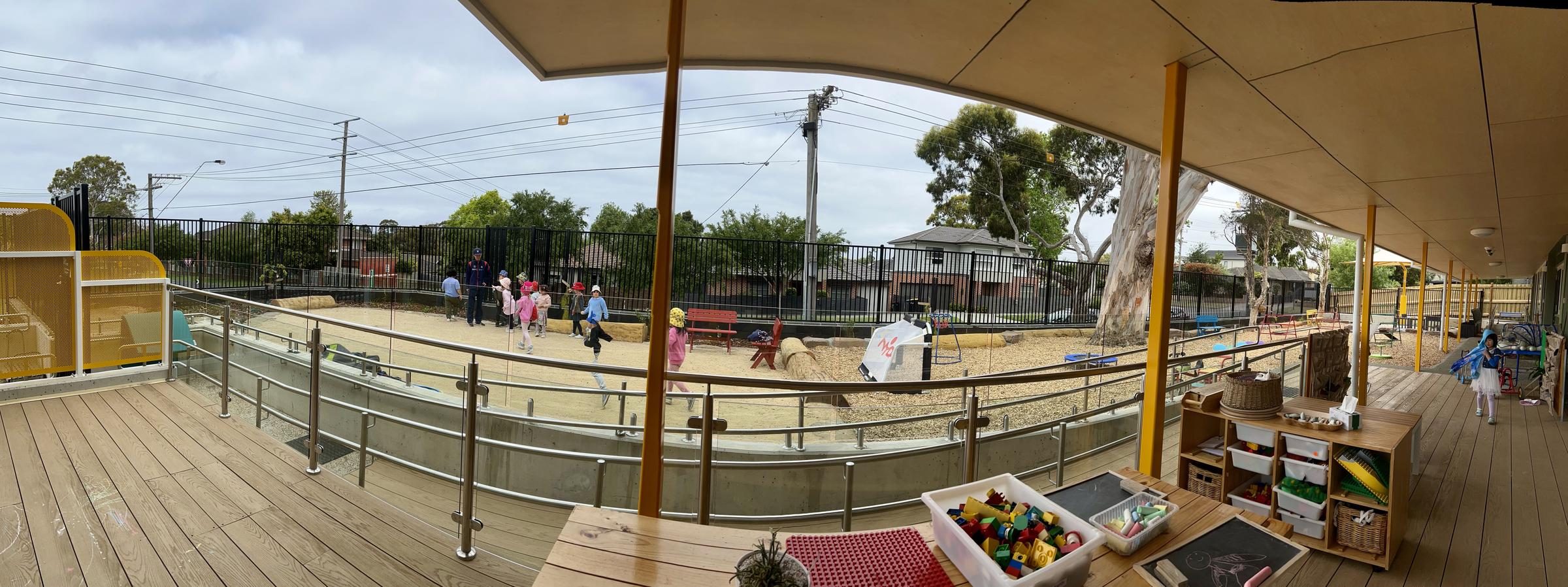
Embedding cultural safety ensures that every child experiences a sense of belonging, security, and respect regardless of their cultural background. Cultural safety is actively creating environments where children and families feel respected, valued, and free from discrimination. It requires a commitment to equity and inclusion. One of our service goals is to build an inclusive community with meaningful connections, respect for each other, respect for Aboriginal and Torres Strait Islander culture and all cultures within the Glen NCK community.
Our community is diverse with a range of ethnicities, languages, religions, family structures and connections to the wider world. So, how are we meeting this goal?
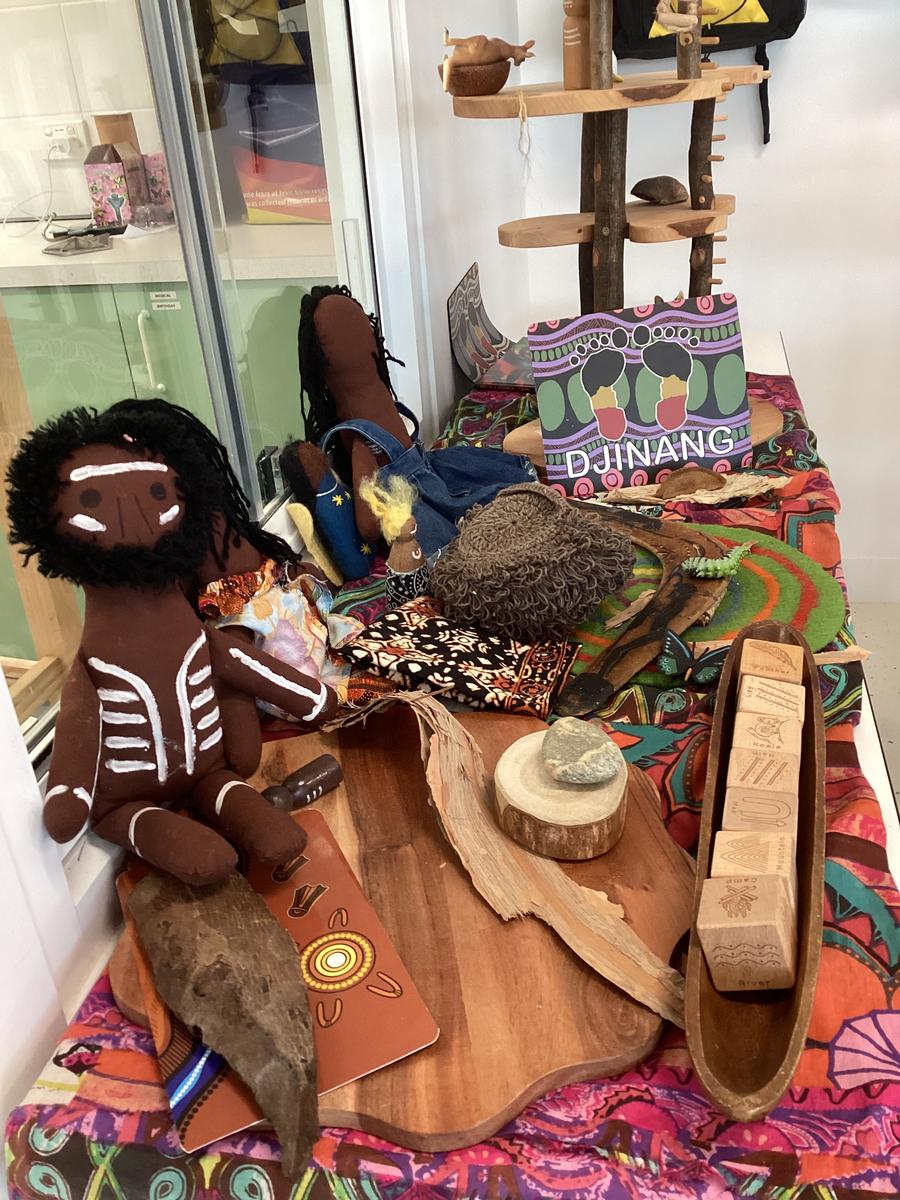
At Glen NCK we represent cultural diversity in our play environment. We provide books, puzzles, posters, and dolls that reflect a wide range of cultures, abilities, and family structures. We invite the children to play and interact with these items allowing children to respond to diversity with respect. Play is used to explore identity, relationships, and culture in a safe way.
We display children’s names, home languages, and have family photos in the room. The family board demonstrates visually who our community is. Every family is welcome, and they all belong here. The children can observe that there are many families, and they are all different from their own. Children develop a sense of belonging to their group and their community.
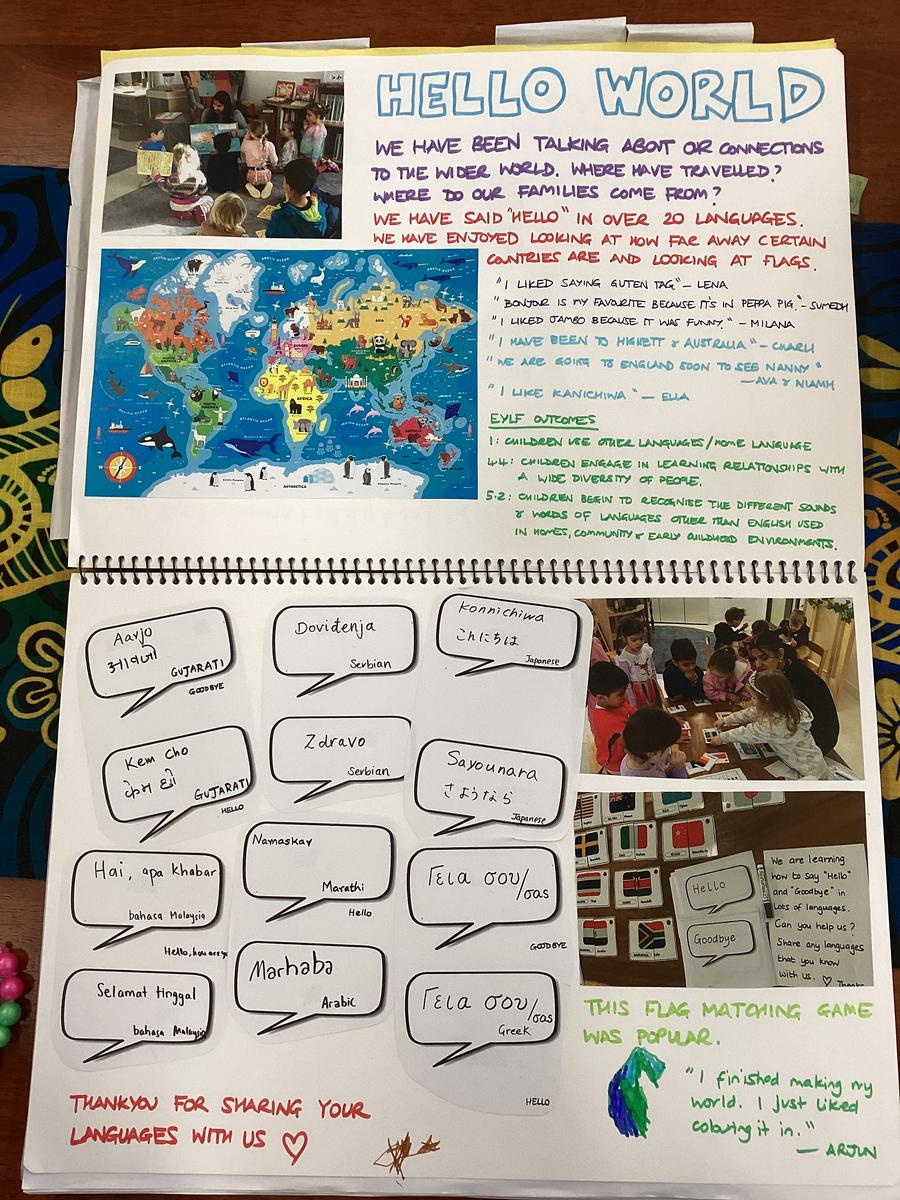
We have used intentional teaching to discuss cultures and languages. In the back room this year we have said “Hello” in over 20 languages. We have a map of the world and as children travel, we add their comments around the map to remind us of how we are connected to the wider world. We asked families to write greetings in their home languages, and they have been displayed in the foyer area.
During group time we read books about various cultures and sing songs in languages other than English. We have sung “heads, shoulders, knees and toes” in Punjabi, Russian and Mandarin. Of course, we Include Aboriginal and Torres Strait Islander perspectives with the Acknowledgement of Country at group times, artwork, stories and songs.
Intentional anti-bias education invites children to explore concepts of fairness, respect, and justice. Through age-appropriate conversations, stories, and guided play, educators can support children to recognise and challenge exclusion or prejudice.
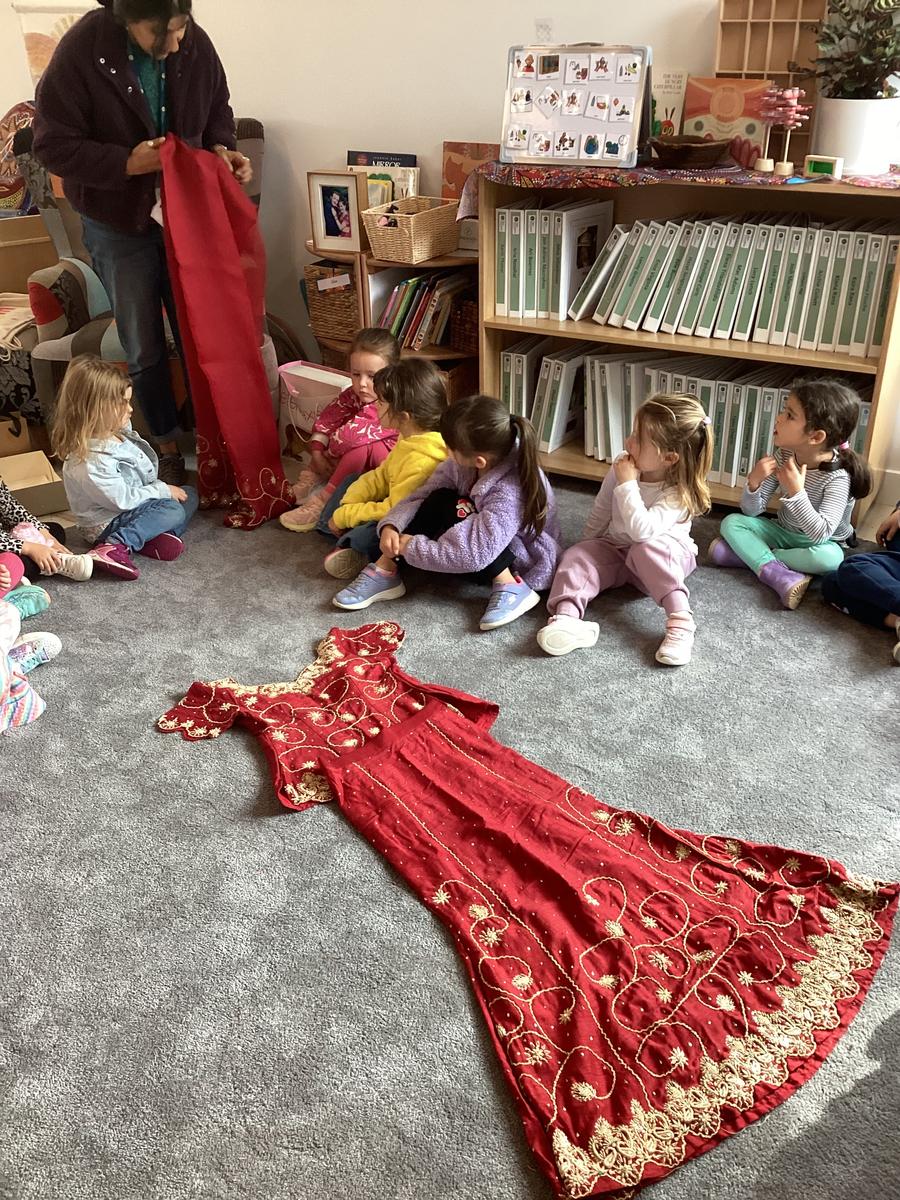
Both rooms have being sending home “Me” bags. This offers the opportunity for children to bring in and discuss anything they’d like to. We have shared toys, books, family photos of cultural celebrations, and even traditional cultural outfits.
Even lunchtime or snack is an opportunity for us to discuss all the delicious food items we see in the children’s lunch boxes. We get to learn what some of the dishes are called and children can see the wide range of foods that are eaten in their community.
It is important to embed cultural safety within our practices for many reasons. When children see their cultures reflected and respected, they develop confidence and a positive sense of self, which is crucial for social and emotional development, and this promotes wellbeing.
Inclusive environments reduce feelings of isolation and help all children and families feel part of the community which encourages a sense of belonging. Children who feel safe and valued are more engaged and open to learning.
Lastly, cultural safety aligns with the United Nations Convention on the Rights of the Child, ensuring that every child’s right to identity, language, and culture is respected.
We invite families to share about their special celebrations, food, languages, and cultures or experiences. This helps us to gain more understanding and connection with you all. Effective and respectful relationships with our families help us to understand their needs, strengths and perspectives. It opens conversations and extends the action taken to be more inclusive. We want every family to be seen, heard and feel valued as part of our beautiful community.
Embedding cultural safety is a shared journey with our community of children and families. As the cohort evolves so will our practices to ensure a continuation of equity and inclusion. It is important for us to build strong relationships within our community so that we can understand the needs and align our practices to meet them. By committing to cultural responsiveness and the child safe standards as a service we ensure every child is safe, belongs and feels valued.