
Glen Education Bentleigh East
Ensuring online safety and digital vigilance: Balancing the use of technology (cameras, iPads, etc) in the curriculum with the rights of children.
By Glen Bentleigh East
Glen Education’s initiative to support children to ensure online safety is relevant and focused. There is no doubt that Glen Education has reflected deeply about online security.
Glen Education states in their child safe Environment and Wellbeing policy “that it is intended to empower children who are vital and active participants in our organisation.”
We also follow the guidelines set out by ACECQA, the Australian Children's Education and Care Quality Authority, which gives us very detailed and specific information about how to embed and implement online safety and digital vigilance. Glen Education supports families through their online safety hub, which gives information on things like cyberbullying, screen time, and safe internet use.
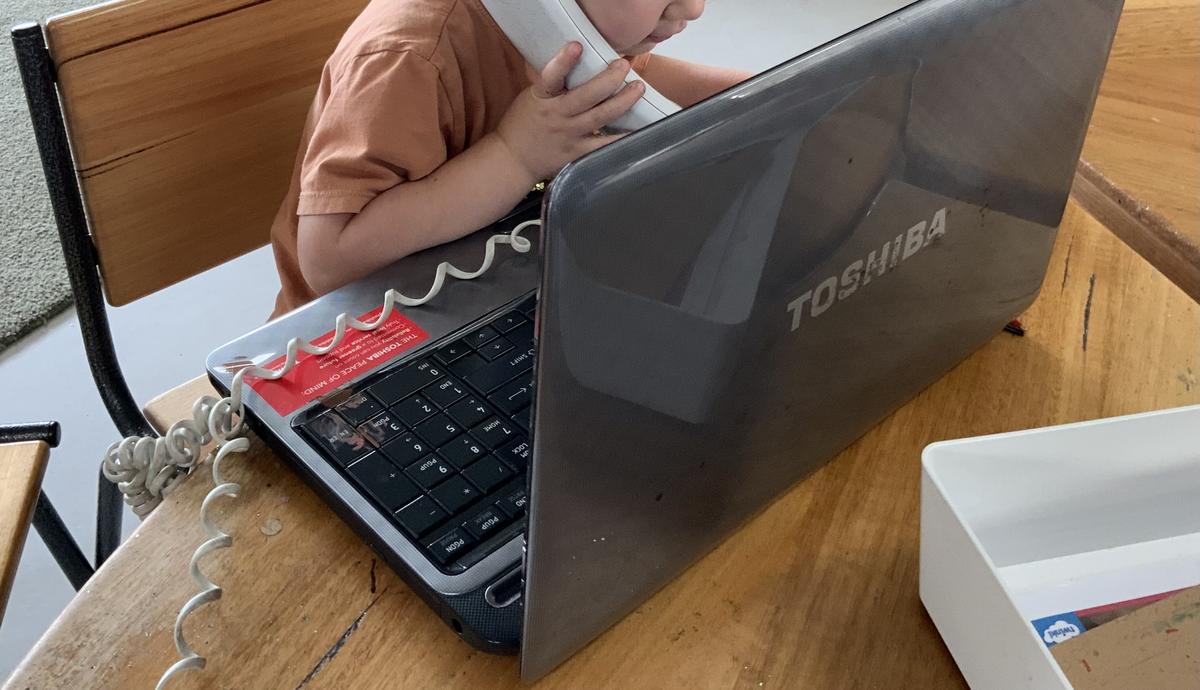
But, what about on the ground level? How are we translating this into supporting children to understand their rights? How do we explain to children about exercising their own power and decisions to keep safe when using technology? How can we support children to make judgments about what is safe and what to be aware of? The world of online safety is extremely complex and there are so many variables to look out for. We know that for children to understand how crucial it is, we need to be able to begin where they can connect and relate to the information. Every individual child’s experience of online safety will look different depending on their family values, the structure of the use of technology within their home and the attitude their primary caregivers have about this safety. So, when we support children within our curriculum, we need to start at their own understanding of what online and digital technology is and their own experiences within their immediate family home. By understanding what children already know, then, we can build upon and scaffold their knowledge and create a safe environment within our service.
However, it’s not as simple as this. We also need to talk to children about being able to recognise their feelings and how “unsafe" might make them feel. We want children to feel empowered to ask for their trusted adult to stay with them and monitor what they are seeing online. We start with simple conversations. We encourage children to talk to their trusted adults about what they are engaging with online. To feel comfortable to talk about how they feel and what to do if something makes them feel scared and they sense it’s not meant for children. We show patience with children that a conversation about “safe” may come incidentally. We take every opportunity possible to give children information and encourage open discussion. Open ended questions like, “what are you learning when you play on the iPad? What can you do to quickly to stop a show or game if you feel sad, scared or unsafe." Children often already have an idea of this concept through discussions on body safety. We listen to children and work out how we can add more to give them valuable information about “what safe online" looks like.
We encourage children to practice asking a trusted adult, “please can you stay with me while I play this game on the computer or iPad.” We role play using puppets to show children how they can seek a trusted adult in any situation that they feel unsafe. A big part of this is also empowering children to be able to tell others when they don’t want their photo taken. We practice this daily with in our own service by asking children directly. “Would it be ok if I take your photo and print it out to give to your family?” We encourage children to practice saying, “no thank you I don’t want my photo taken.” We empower children to understand that for these situations they can listen to their inner instinct and say ‘No!’ to protect their own safety.
The work to support children to learn how to keep safe is ongoing and as the world changes, we have to continuously evolve to be able to support this initiative. No matter how complex online safety become, the true resistance against its variables is empowering our children with knowledge, skills, confidence and tools to adapt in an ever-changing world.
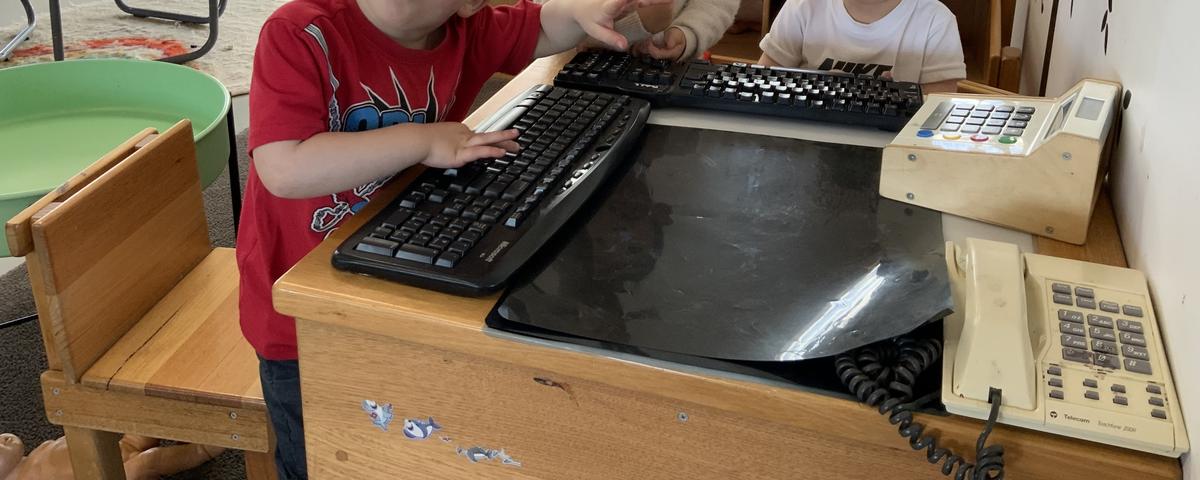
I’ll leave you with some powerful insights from children themselves. When we asked the children about their use of technology, their responses showed just how much they already understand about staying safe online. These conversations may be simple, but they’re incredibly meaningful—and remind us how important it is to keep listening to children’s voices.
“Mummy and Daddy turn the iPad on for me; I’m not allowed to do it by myself.”
“Mummy says, “That’s enough screen time now turn it off please!” and she turns it off.”
“If your Mum says it’s ok. IT’S OK!” if Mum says it’s not ok IT’ S NOT OK!”
“My brother hides the iPad so he can have a longer turn, but Daddy always knows where it is and then we all sit together on the couch and look at Paw Patrol. I like it.”
“When I go swimming, I don’t play the iPad because iPads don’t swim, they can’t swim they just can’t swim, but I can swim!”
“Mummy only lets me play on the computer when she is right next to me and we play together we do a story too.”
Online safety can begin with just one conversation.