
Glen Education Chelsea
Safety and Risk at Beach Kinder
By Natalie Andrews, Early Childhood Teacher
Balancing physical safety with the need for risky play is something that we at Glen Chelsea have been particularly mindful of with the planning and implementation of our new Beach Kinder program. Beach Kinder offers children the opportunity to engage with the natural environment—playing in the sand, jumping in the water, finding treasures and studying creatures, and so much more. These experiences offer numerous benefits, including promoting physical development, resilience, problem-solving skills, and a strong connection to nature and Country. However, they also present inherent risks that educators must manage thoughtfully.
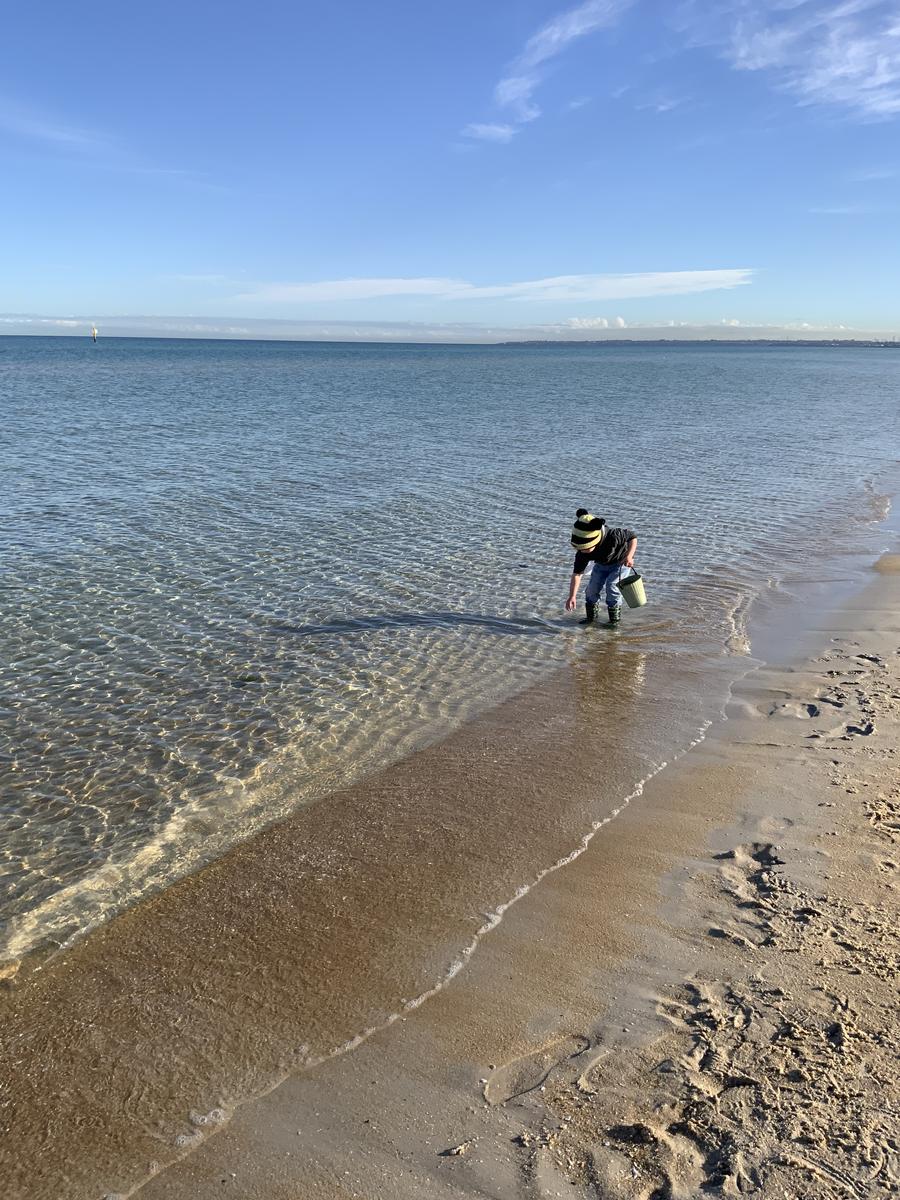
Risky play refers to activities that involve a chance of physical injury but also offer significant developmental benefits. At Beach Kinder, this might include running along uneven terrain, jumping from logs or rocks, balancing on slippery surfaces, or wading into shallow water. These activities help children learn to assess risk, build physical coordination, and gain confidence in their abilities. Importantly, risky play supports children’s autonomy, encouraging them to make decisions, take responsibility, and learn from their mistakes.
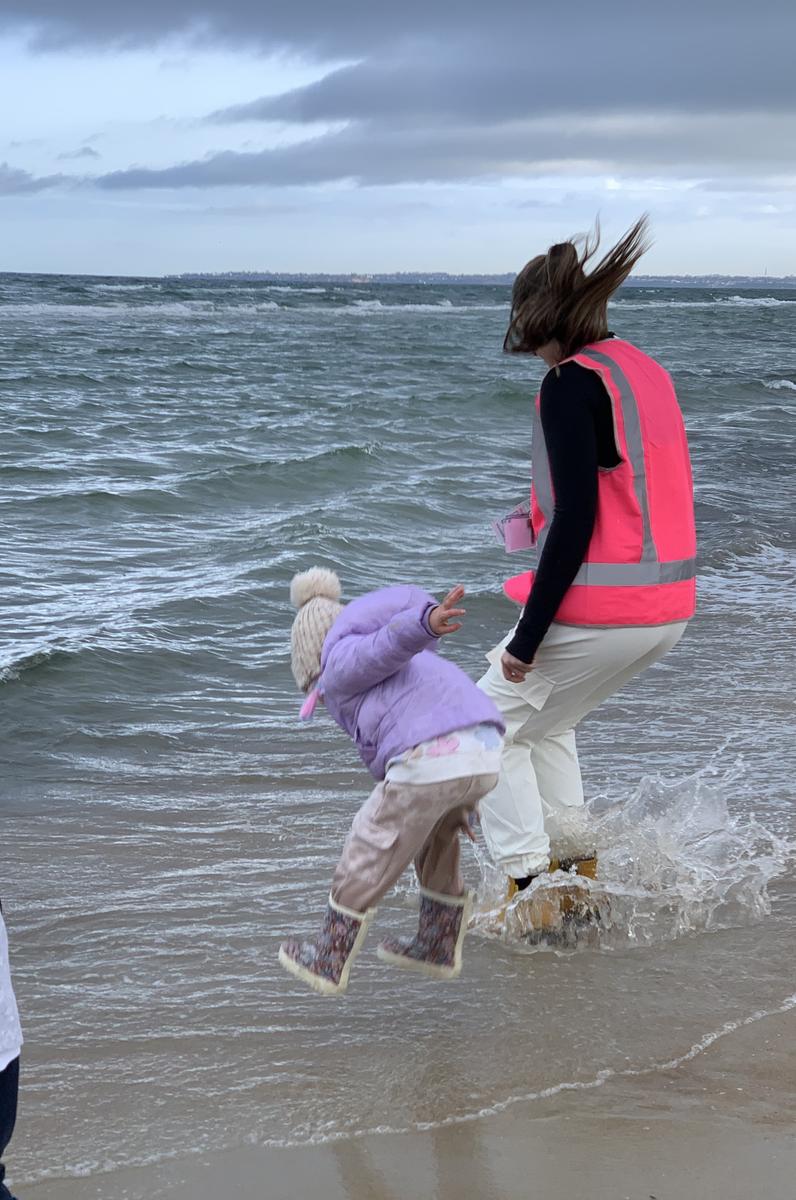
The open and unpredictable nature of the beach requires vigilant planning and risk management. Strong waves, sharp shells, sudden weather changes, or unfamiliar wildlife can all pose threats. Rather than eliminating these risks entirely, we reflected on the importance of risk-benefit assessments. Guided by the Glen Education Organisational Risk Assessment, we created our own Beach Kinder Risk Assessment. In addition, we are dynamic with our assessment of risk, carefully weighing the value of a spontaneous experience that may arise, against its potential dangers, and implementing strategies to mitigate harm without removing the element of challenge or excitement.
Before a Beach Kinder session begins, educators inspect the area for hazards. We establish clear boundaries for where children can play and ensure that the educator-to-child ratio is sufficient to allow for close supervision. Where appropriate, we involve the children in these safety routines throughout the session, teaching them about currents, litter, dog safety and weather patterns. Whilst we have some predetermined Beach Kinder rules, we also encourage the children to use their own critical thinking and safety awareness and support them to make considered risks as they move out of their comfort zone.
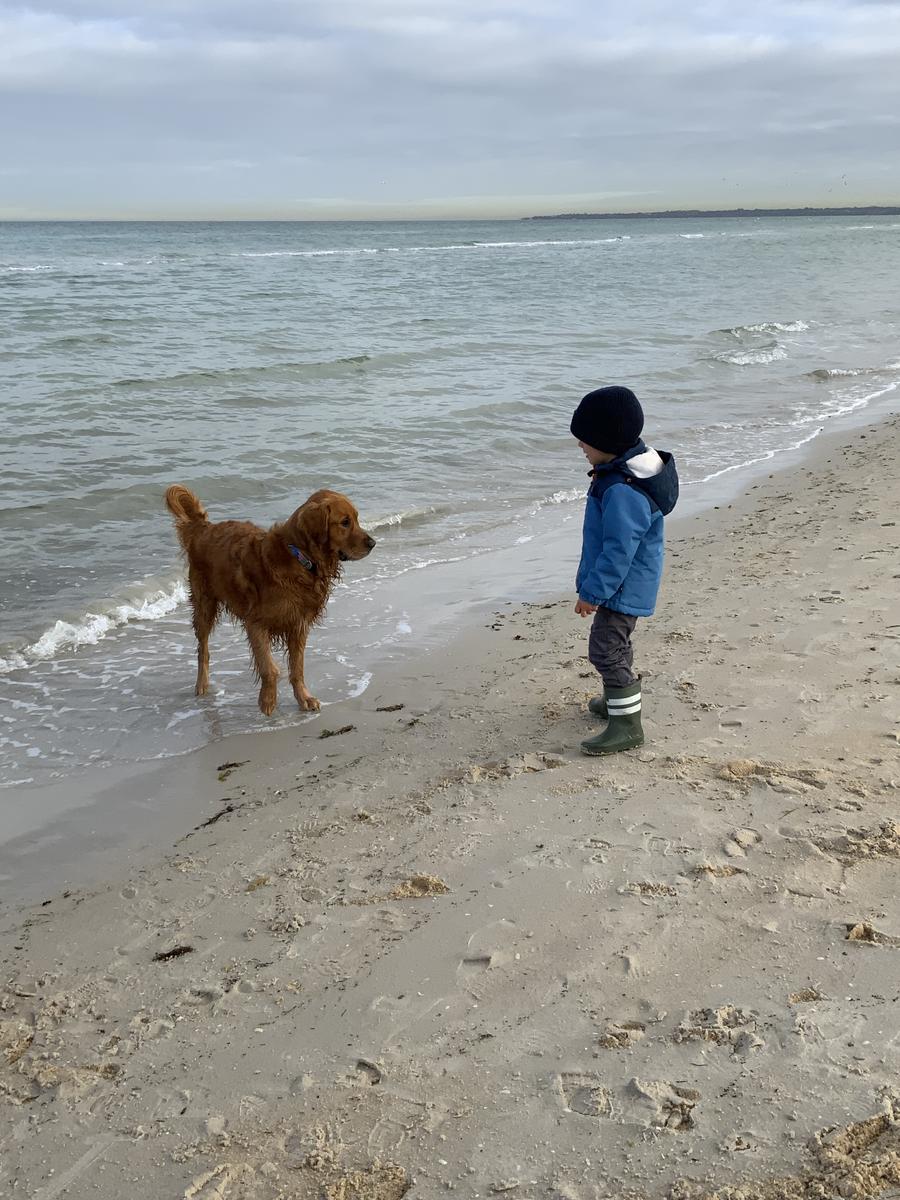
Critically, this balance fosters emotional resilience. Children learn that falls, scrapes and getting dirty and wet are part of learning, not something to fear. They develop perseverance and an understanding of their own capabilities. Over time, they build not only physical competence but also the confidence to navigate uncertain situations—skills that extend well beyond the beach.