
Glen Education Centre Road
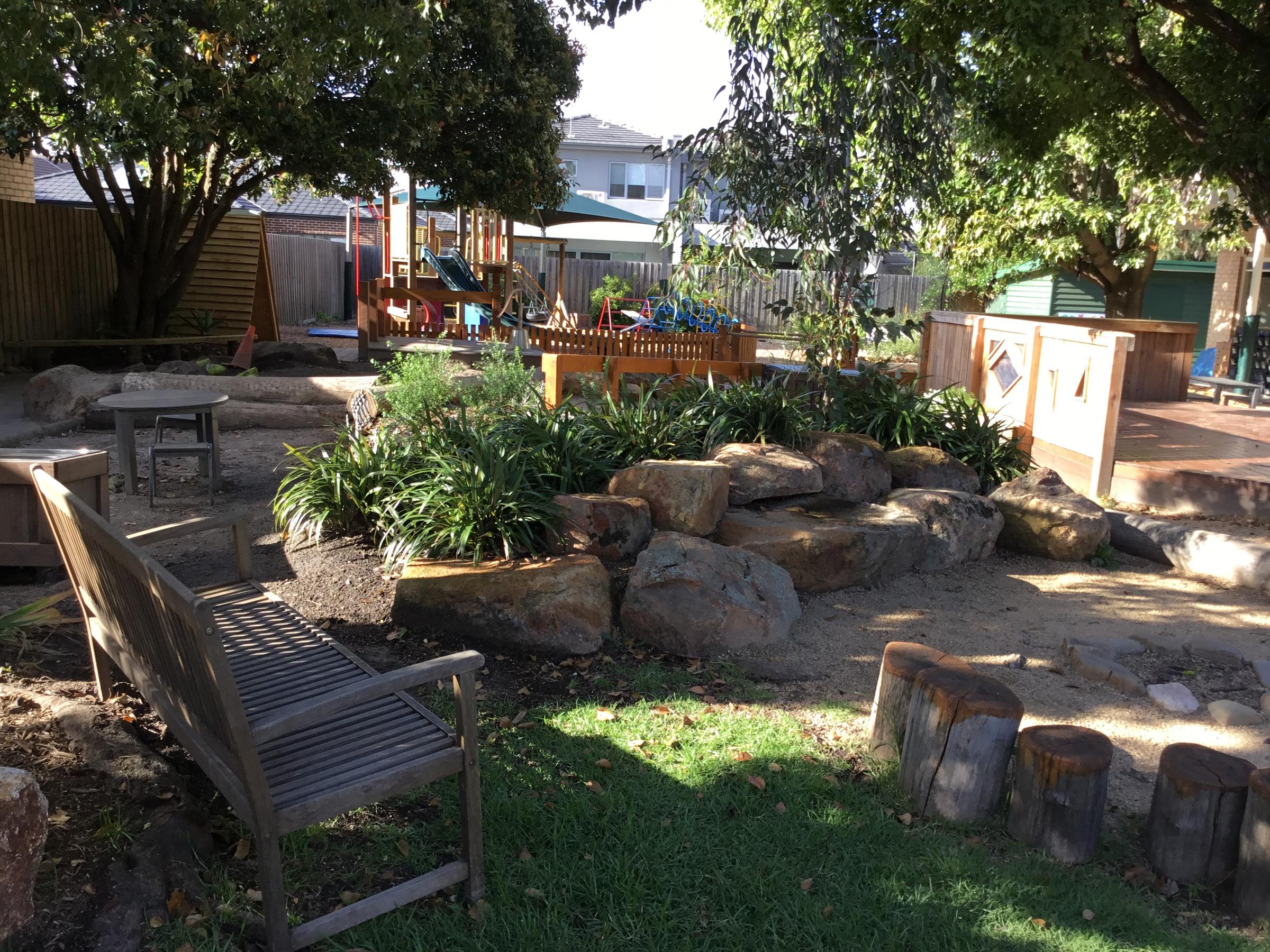
Empowering children about their rights through the Body Safety Australia incursions
By Kelly Sando, Early Childhood Teacher
Following our Body Safety Australia incursions, our learning focus has been on understanding the right to feel safe and respected. Children have been developing the confidence to speak up, learning that their bodies belong to them, and that it’s always okay to say “no” if something doesn’t feel right. These discussions directly support Outcome 1 of the Early Years Learning Framework – Children have a strong sense of identity.
We’ve been exploring a wide range of emotions – including happiness, excitement, nervousness, anger, and sadness – and recognising that all feelings are valid. Through drawings, mirrors, stories, and group discussions, children are learning to identify, express, and understand their own emotions, as well as empathise with others. Children are also learning to recognise physical signs of discomfort or danger, such as “butterflies” in the tummy or a fast heartbeat, which help them identify when something might not be safe. We’re supporting them to use their strong voices to say “No,” “Stop,” or “I don’t like that,” and encouraging them to seek help from trusted adults – such as teachers, parents, and carers – when needed.
Within our program, we consistently link back to our 3 Bees Kinder expectations – Be Kind, Be Safe, Be Respectful – during group experiences and daily routines. These shared values guide our conversations and remind us to be mindful of body bubbles (personal space), and how we feel when someone crosses a boundary or does something we don’t like. Children are learning that it’s okay to speak up, to set personal boundaries, and to respect the boundaries of others. Through creative and practical experiences – such as making puppets, creating feelings faces, storytelling, and role play – children are provided with safe and supportive opportunities to express their thoughts and feelings. These experiences also build empathy and help children learn how to support their peers.
During group time, we’ve had open conversations about what makes our learning environment safe, welcoming, and inclusive. Children have shared their ideas about kindness, respect, and how they can support friends who may feel sad, worried, or unsure. These discussions foster a sense of connection and help build a strong sense of belonging. We’ve also placed strong emphasis on personal boundaries and consent. Children are learning to always ask permission before physical contact – such as hugging or holding hands – and to respect others’ right to say “no.” We know it’s okay to say “no,” and we always respect when someone else says “no,” too.
As part of these ongoing discussions, we’ve talked with children – both in groups and individually – about their safety networks: trusted adults they can go to for help. Identifying who these people are helps children feel safe and supported in their environment, and empowers them to express themselves confidently when they need help.