Glen Education Sacred Heart
"My Safety Network"
By Glen Sacred Heart Kindergarten Team
At Glen Sacred Heart Kinder, we are deeply committed to providing a safe, respectful, and supportive environment for all children. Embedding child safety into our everyday curriculum is a vital part of this commitment. We aim to ensure that children feel secure, heard and confident in their right to always be safe.
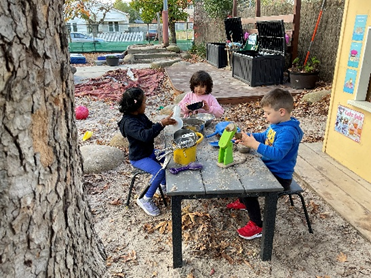
Throughout term 3, we’ve continued to strengthen our approach to child safety education by incorporating purposeful, age- appropriate learning experiences.
We engaged in a “My Safety Network" activity with the children, and through this experience, where children traced the palms of their hands and identified five trusted adults they could go to if they felt unsafe, worried or unsure. This activity is great as it helps the children recognise that they are never alone and that there are safe adults in their lives who are there to support and protect them. It empowers children to seek help and reinforces the importance of having a support network.
During group times, we also read the book "I am the boss of my body”. This engaging and accessible story opened conversations about body safety, consent, and personal boundaries. It helps children understand that their body belongs to them, and they have the right to say “no" to unwanted touch or uncomfortable interactions. This book supports our teaching around seeking permission before touching others and encourages respectful interactions among peers.
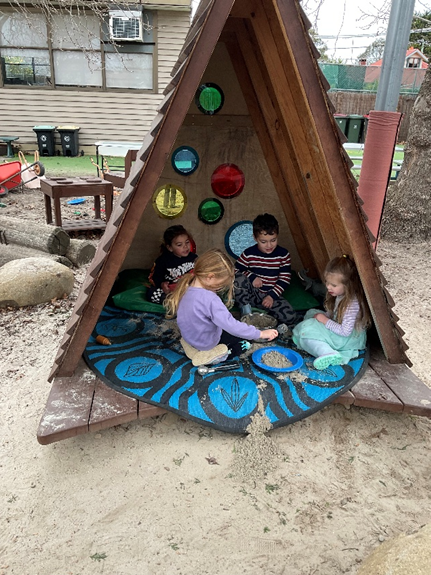
At Glen Sacred Heart Kindergarten, we understand that while physical safety is a top priority, children also need opportunities to take age-appropriate risks in their day-to-day play. Climbing, balancing, jumping, building and just exploring the natural environment are all essential for developing children’s confidence, resilience, coordination and problem- solving skills. As educators and teachers, we carefully assess each play area and experience for safety before the session starts, risky play is always child-led and supported. We also encourage the children to assess risk themselves while playing by asking open ended questions like “Is this safe” Or “what do you think could happen if?”. By doing this, it builds confidence in the children, and they are better equipped to navigate challenges later in life.
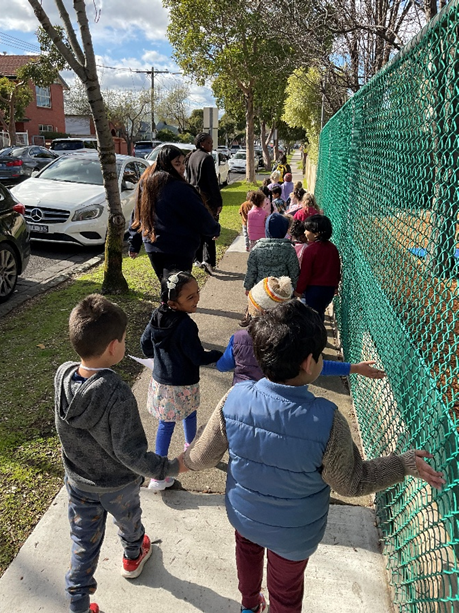
Another engaging experience we include is a problem-solving activity during group time, where the teacher presents everyday social scenarios for the children to solve. For example, if someone wants a toy that someone else is using, do they snatch it or ask kindly? These discussions helped the children reflect on sharing, fairness, and respectful communication, and also greatly encouraged them to speak up when something happens that makes them uncomfortable. This has promoted both emotional literacy and assertiveness, which are some key skills we are trying to instill in them to keep themselves and others safe.