Glen Education Serrell Street
Balancing freedom and safety - the need for risky play
By Esma Cinar, Early Childhood Teacher
What is risky play?
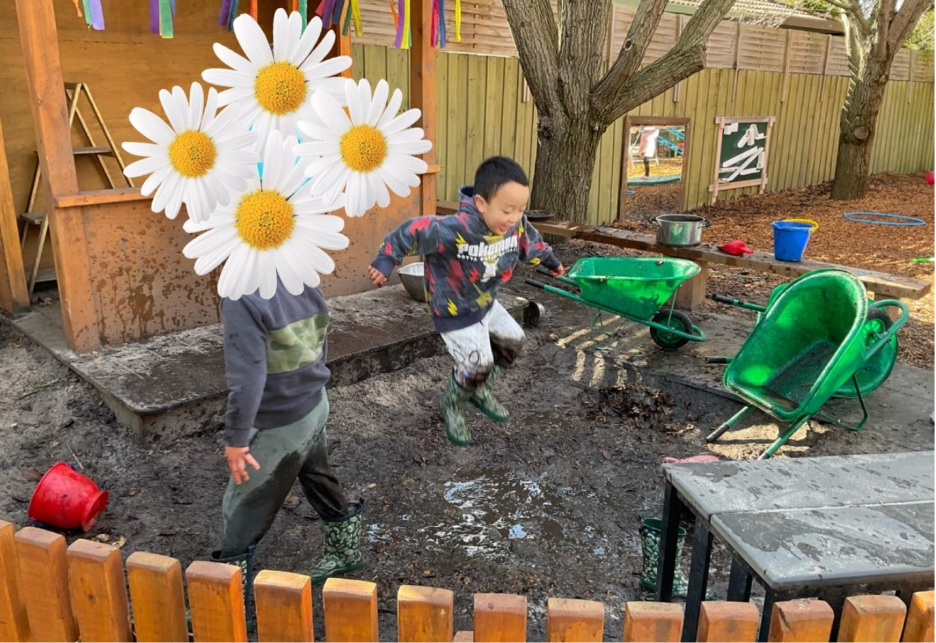
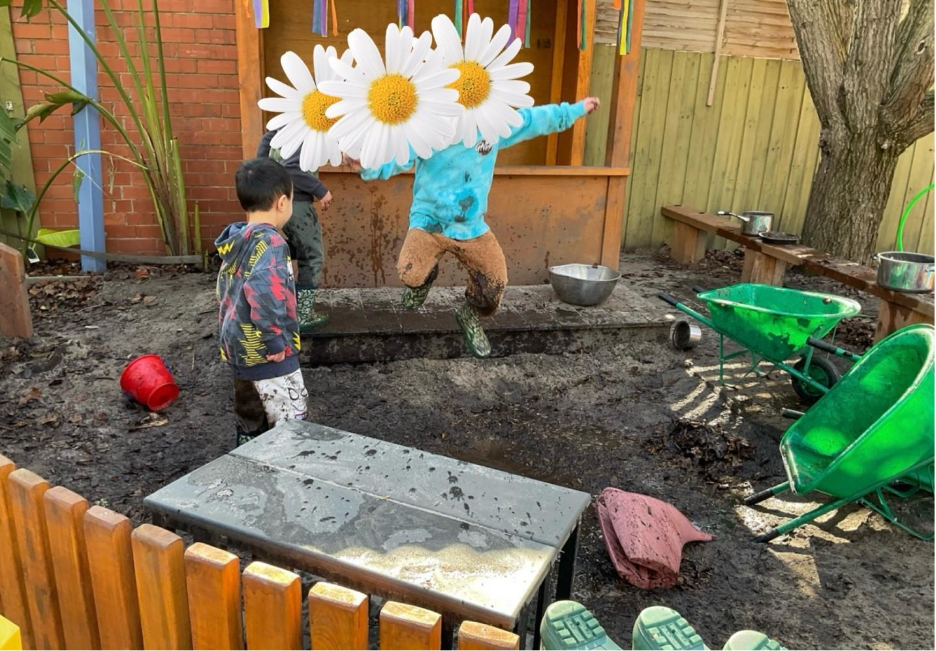
Risky play refers to thrilling and exciting play where children explore boundaries and test their physical limits. Risky play involves physically challenging activities like jumping, balancing, climbing. Such activities provide children with a sense of enjoyment, thrill and confidence. Risky play is all about allowing children the space to take age-appropriate challenges under supervision and guidance.
At Glen Education Serrell Street Kindergarten, we balance freedom and safety—encouraging exploration while setting clear limits. We also use positive language around risky play – rather than telling children ‘be careful’ we ask them ‘Do you feel safe about climbing the wall or jumping off that high?’’. Giving children the autonomy to assess their abilities and encourage them to recognise their limits.
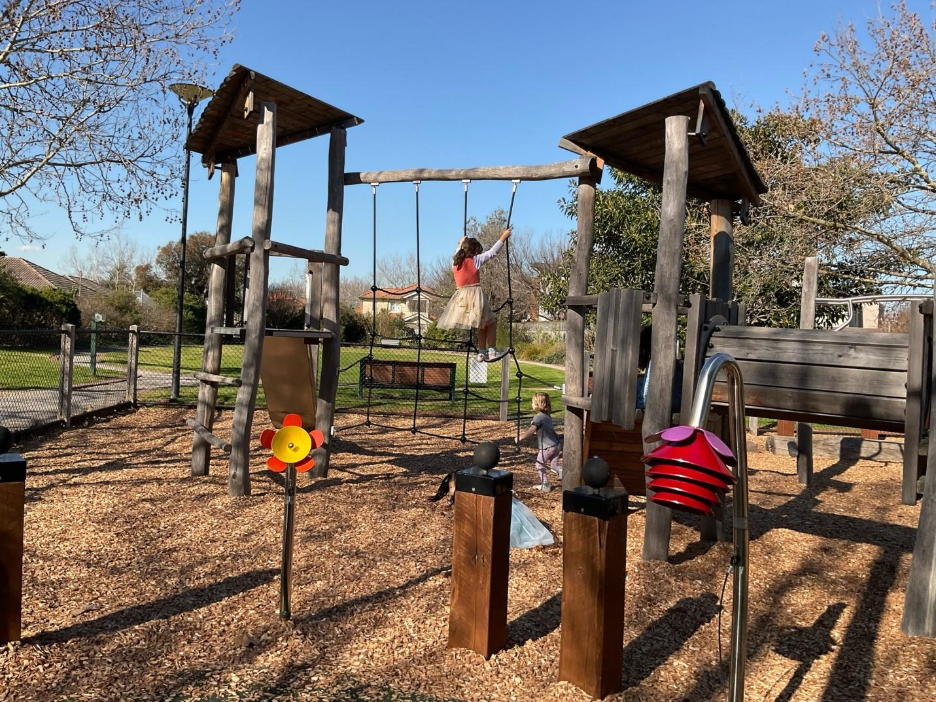
At Glen Education Serrell Street Kindergarten, we provide a great range of risky play to support children’s learning and development. We are also very fortunate to have a climbing wall and a tree house where children can jump off. Educators also intentionally set up experiences such as walking on balancing steps, obstacle courses.
Benefits of Risky Play
Risky play has many important learning and developmental benefits for children. Engaging in fundamental physical movements such as running, jumping, climbing, or balancing helps children develop muscle and skeletal strength, physical fitness, wellbeing, and endurance.
Beyond physical growth, risky play also supports:
- Confidence and resilience – Children learn to assess challenges, take safe risks, and persist when faced with difficulties.
- Problem-solving and decision-making – Negotiating how to climb, balance, or jump fosters critical thinking and self-regulation.
- Spatial and body awareness – Moving in different environments strengthens coordination, balance, and understanding of physical limits.
- Social skills – Risky play often occurs in groups, encouraging cooperation, negotiation, and turn-taking.
- Emotional growth – Experiencing small risks helps children manage fear, excitement, and uncertainty in safe ways, building coping skills.
- Independence and responsibility – Children learn to trust their own judgment and understand consequences.
Providing safe opportunities for risky play in early childhood supports children in becoming confident, capable, and resilient learners.
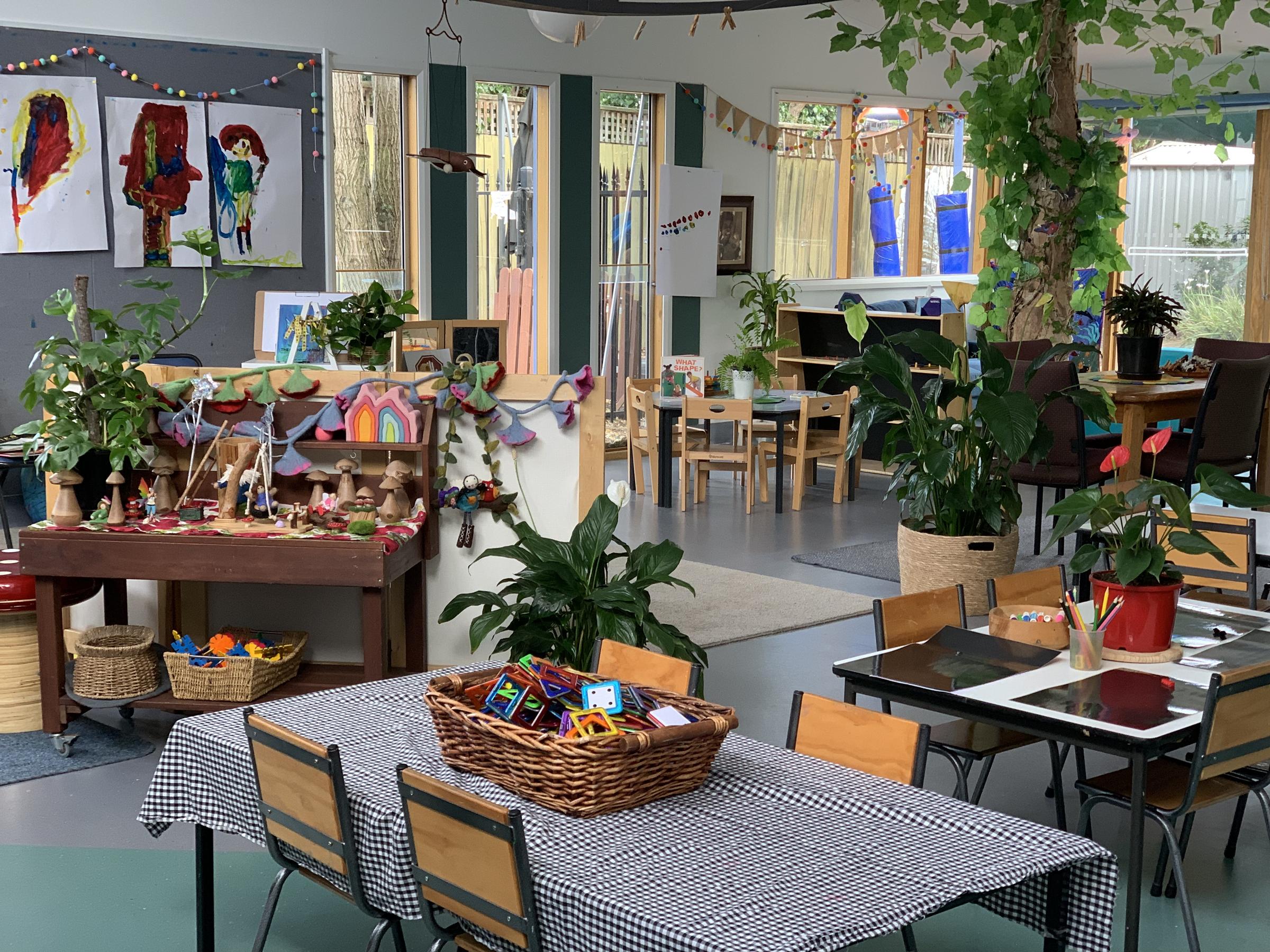
To make sure that both indoor and outdoor areas are safe from hazards and harm, we conduct daily safety checklist daily before the educational session starts. By identifying and managing risks at our playground and the places we do excursions to, we take the fundamental step to keep children safe from potential harm. By adopting and updating our risk assessments we actively reduce the likelihood of children from harm. While identifying and managing risk, it is critical for us to balance the need to manage the risk of harm and benefits to children of an experience. Active supervision of children minimizes the risk of harm and helps children to explore on their own feeling safe.