
Nurse's Notes

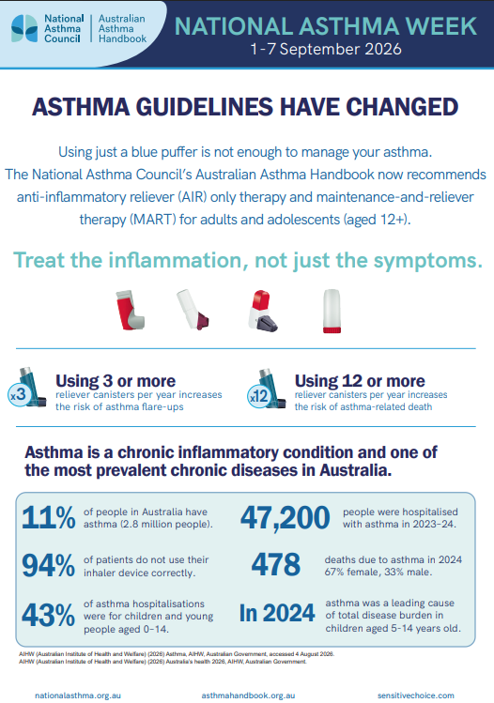
Asthma treatment has changed for over 12s and adults
Asthma
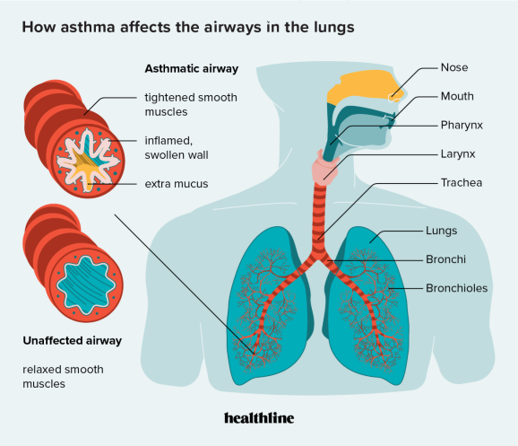
Asthma is a chronic inflammatory condition where your airways narrow, swell and may produce extra mucus. This makes breathing difficult and trigger coughing, wheezing and shortness of breath.
For some people, asthma is a major issue that can interfere with day-to-day activities causing life threatening problems and Asthma attack. For others it’s a minor nuisance.
Asthma is a lifelong condition and can’t be cured, but the symptoms can be controlled. It's important that you work with your doctor to track your signs and symptoms and adjust your treatment as needed.
Causes of Asthma
We do not yet know why some people develop asthma and others do not, however, some risk factors are:
- Family history of asthma
- Other allergic conditions like eczema, hay fever and food allergies
- Exposure to environmental factors
Signs/Symptoms
Asthma symptoms could vary from person to person, and asthma exacerbation could be caused by triggers like allergies, weather change, illness and exercise.
Symptoms include:
- Shortness of breath
- Chest tightness or pain
- Wheezing when exhaling, which is a common sign of asthma in children
- Trouble sleeping caused by shortness of breath
- Coughing or wheezing during sleep
Coughing or wheezing attacks that are worsened by a respiratory virus
Triggers
Someone that suffers from Asthma could have multiple triggers.
The triggers may include:
- Allergens- pollen, grasses, pet fur.
- Airborne Irritants
- Smoke: Tobacco smoke, vaping, bushfires, and wood heaters.
- Air pollution:
- Smog, traffic exhaust, ozone, and particulate matter in the air.
- Strong smells
- Illnesses (Respiratory infection): coughs/ colds/ flu
- Weather changes: Cold air, dry wind, extreme heat, high humidity, and thunderstorms.
- Physical activity, especially when breathing cold or dry air.
- Stress, anxiety, crying, or intense laughter.
Medicines: Aspirin/ Nurofen and other nonsteroidal anti-inflammatory drugs (NSAIDs) or beta-blockers could be a trigger for some people.
To stop allergy related asthma symptoms, please remember to give your children antihistamine medication, after consulting your Dr. Especially when you notice your children’s asthma worsen during spring season and due to hay fever.
During an asthma flare-up, air gets trapped inside the lungs. This makes it harder to breathe in and out, causing symptoms like wheezing and coughing. When your child is having a flare-up, you need to follow their asthma action plan which will assist you on what to do. If the symptoms don’t ease and persist see your GP or go to the hospital, as your child might need extra medications like steroids, different inhaler and a change of their asthma care plan.
Medications to improve Asthma symptoms
Relievers: Salbutamol (SABA)Used for children under 12 years old
- Control asthma flare-ups
- Relax muscles inside the airways so that air can get through more easily
- Works very quickly – within minutes
Sometimes used before exercise to prevent symptoms.
Preventers: (Flixotide, Pulmicort, Qvar, Symbicort)- Low dose inhaled corticosteroids
- Prevent asthma flare-ups and manage symptoms
- Reduce swelling and inflammation, and dry up mucus
Needs to be taken every day, even when your child is well.
It is important to learn how to use asthma medication and teach your children how to use the medication, to help them receive the full benefit of the medication and to be independent when you are not present. Which will insure they get a full dose of medicine. They should always use a spacer to make sure more of the medicine gets to their lungs. By using a spacer about 50%-85% of the medication enters their airway while without only about 10%-40% enters the lungs.
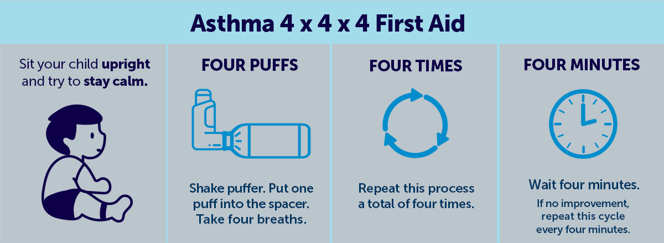
Asthma first aid graphic for children under 12, (called 4x4x4) that explains when and how to use asthma first aid.
Poor controlled asthma is when your child is needing their Ventolin more than twice a week outside exercise. Which means airway inflammation is not managed, and overuse of reliever inhaler can increase the chance of flare-ups. If this is the case, you need to speak to your GP and ask for a referral to Complex Asthma Service- The Royal Children’s Hospital.
Treatment Update for children 12 and over, in more detail
There are some updates released by National Asthma Council for children over 12 years old. Short-acting Beta-2 agonist (SABA) alone is considered inadequate treatment for anyone over 12. They do more damage than good and don’t treat the problem, relief the symptoms, but don’t the core problem, which is the inflammation in your airway.
The use of SABA alone and low use of preventer/anti-inflammatory is associated with more severe asthma exacerbation and death.
Some doctors might not be aware of the new changes, that is probably why you have seen your children come home with sheets of information to provide your GP on your next consult.
The new first line treatment is anti-inflammatory relievers (ICS - inhaled corticosteroids).
- No one over the age of 12 should be using SABA (i.e. salbutamol) alone.
Using about 3+ canisters of SABA a year can increase exacerbation, hospitalisation and using over 12 SABA canisters a year can increase death.
About 63%of young people have poor Asthma controlled and experiencing shortness of breath at least once a week. This impacts their quality of life and leads to your children missing school and affects their day-to-day activities.
Care plan and inhaler
https://files.nationalasthma.org.au/images/SymbicortRapihalerAction-Plan_Mar2021.pdf
The goal in asthma care is good asthma control for our students.
Which means:
- Symptoms less than twice a week
- No need for care in a hospital emergency department
- No need for oral steroids
No limits on physical activity.
Useful Information/ links
Asthma action plan for under 12 years old
https://files.nationalasthma.org.au/images/NAC-Asthma-Action-Plan-Update-2023.pdf
Asthma care for 12 years and older. Including which information and Paperwork to take for your GP consult.
Asthma action plan for 12year and older
https://files.nationalasthma.org.au/images/SymbicortRapihalerAction-Plan_Mar2021.pdf
Complex Asthma Service- The Royal Children’s Hospital
Ms. Monaliza Tebeje, College Nurse