
What's going on in
EEHL?
What's going on in
EEHL?
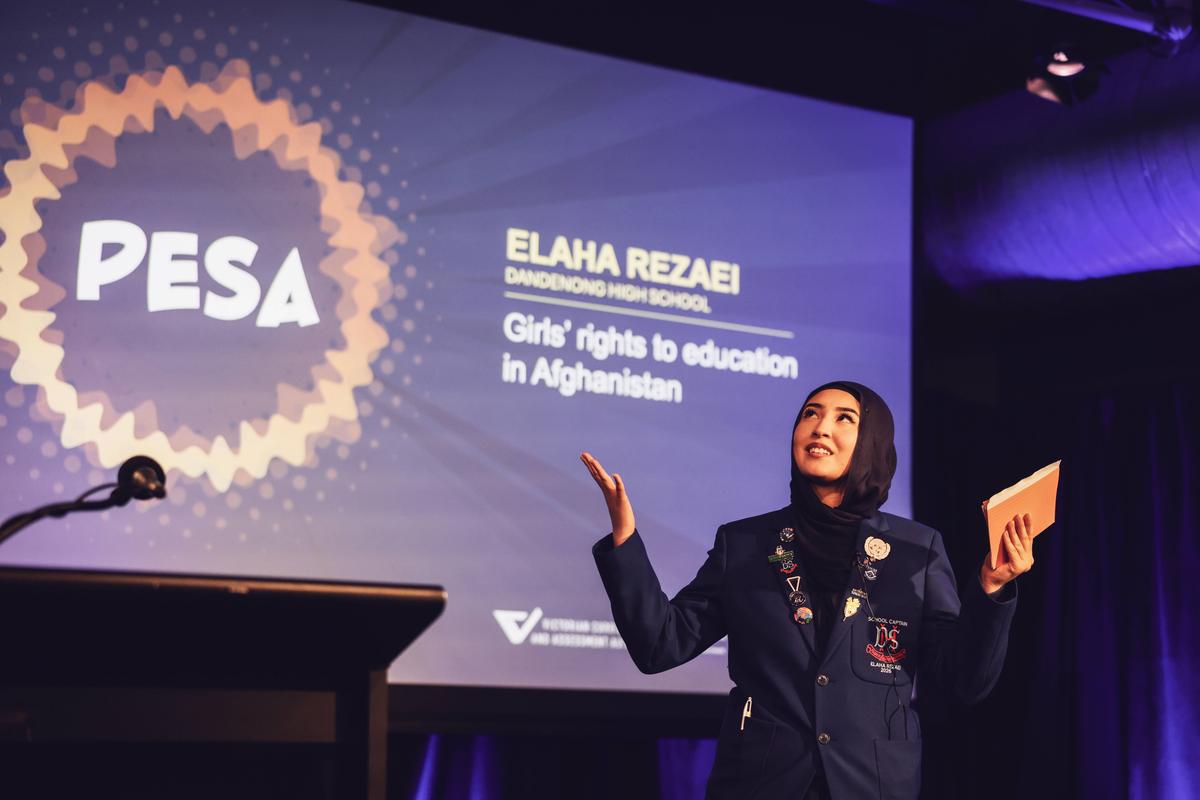
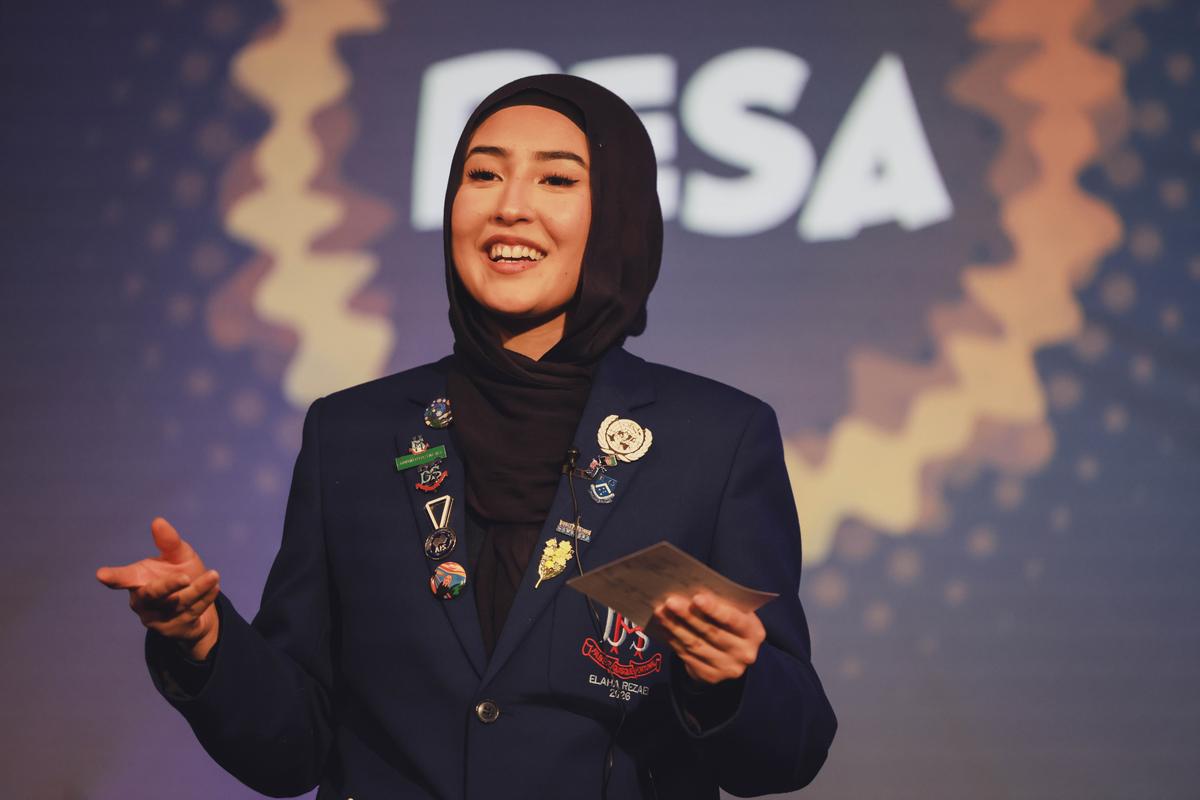
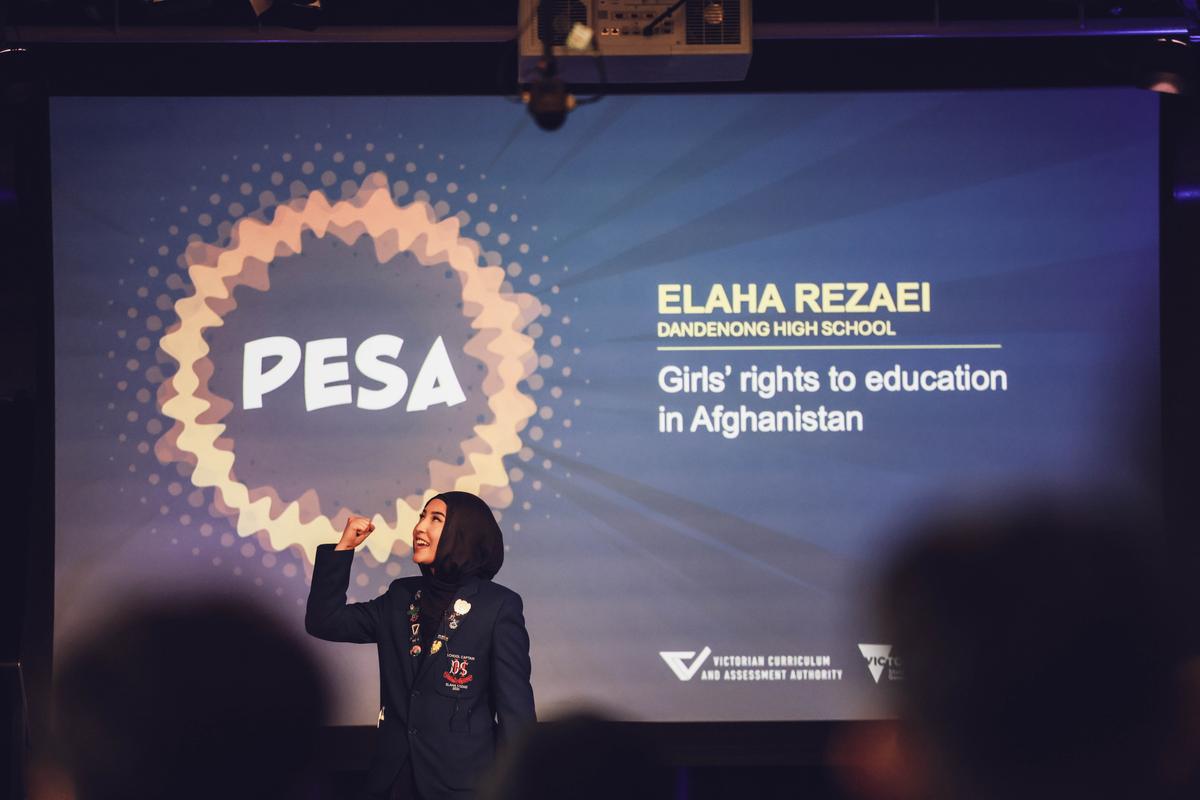
Good morning everyone, my name is Elaha Rezaei and I stand before you as an educated Australian Afghan woman.
Every morning, I engage in a ritual of academic safety. I reach for my pen. In the quiet of a Melbourne classroom, the rhythmic click of this pen is nothing more than an ordinary punctuation to my day. It’s the simple sound of a student preparing for her tests, a poet searching for a rhyme, a girl with a future. But as an Afghan girl, every click of this pen feels like a sharp, metallic betrayal. Because I am navigating an education system built to empower me, while in the back of my mind, I carry the cognitive dissonance of my own privilege. I am haunted by the very fact that I do not have to calculate the probability of my death every time I step outside with a book in my hand.
We often speak of “injustice” as if it’s a distant, abstract concept; a headline that simmers in our guts before it’s eclipsed by the next cycle of news. But for me, the injustice is far greater than a headline. It is a family tree.
On September 30th, 2022, the Kaaj Education Centre in Kabul was not only a classroom but a sanctuary of intellectual defiance. Hundreds of young girls, including my own aunt, sat in that very room to undertake a practice university entrance exam. Chasing a dream in the sun in a country forcing them into permanent eclipse. But years of dreams shattered with a single detonation of a Talib suicide bomber. My aunt was one of the few survivors, returning home covered in the ashes of her friends’ dreams. The embodiment of the visceral carnage that occurs when a society decides a girl with a pen is more dangerous than a man with a bomb.
In the last 3 years, Afghanistan has become the only country in the world to formally ban education for half it’s population. Since then, UNESCO estimates that 80% of school aged Afghan girls, over 2.5 million, are systematically shut out of classrooms. To put that into perspective, there’s 2.3 million secondary students in the entirety of Australia. Imagine for a moment, every one of our high schoolers shut out of their own classrooms. Imagine every uniform burnt, every textbook ripped apart, and every future teacher, nurse, scientist and lawyer told that their minds are now forbidden from use. Our nation would not only be in crisis; we would be in a national state of intellectual and economic collapse. Yet the only thing dividing our reality and theirs is an ocean.
At the United Nations in 2024, Meryl Streep articulated a reality so gut wrenching, it should have shattered our collective conscience. She highlighted that today in Afghanistan, a female cat has greater agency than a woman. A squirrel has more autonomy than a girl. A bird’s voice is more valued than a woman’s opinion.
Take a moment to deconstruct the zoological hierarchy of that very statement. We have constructed a world where the domestic animals in Kabul possess a higher status than the architects of its future.
This isn’t just a “ban of education” but a systemic debasement of an entire gender. A deliberate effort to render half the nation’s populations to ghosts on their own streets. The haunting sentiment of the American biologist, Stephen Gould, echoes: “How many Einsteins have spent their lives washing dishes? How many Mozart’s bent over stoves instead of pianos because they had the misfortune of being born a woman?”
Except in Afghanistan today, this isn’t a philosophical question; it is a literal census of suppression. And we are sitting back watching the protentional of our society be scrubbed away over a kitchen sink. We must ask ourselves: how have we allowed this absurdity to become normalised? And why is the world so dismissive?
It’s because we have succumbed to the institutionalised fatalism. By using phrases such as “cultural complexities” as a moral shield, we avoid the discomfort of our own inactions. We have been conditioned to believe that because the geography is different, the suffering is inevitable for these women. We treat the gender apartheid in Afghanistan as an “unfortunate tradition”, rather than a humanitarian emergency. This belief that nothing can be done, is the most effective weapon the Taliban have.
And here I am standing in my school blazer, with my arms filled with books and the unearned luxury of safety. I sit in my classes, feeling the weight of every page I turn. Should the simple act of learning feel like a stolen treasure? Should I have to carry this guilt of walking safely into school each morning?
The simple truth is that my education is no longer just a personal pursuit; it is a precarious inheritance. Every word I speak, I am aware that my voice is a placeholder for the millions who have been forcefully silenced. And I finally understand we are not “voiceless”. The girls of Kaaj were not voiceless. Their voices were engraved in the scratches of their pens, in their defiance of their very attendance and in their blood stained exam papers. They were not begging for our pity; they are demanding our solidarity.
We must move beyond our roles as witnesses and instead become the advocate. We must demand our governments make women’s education a non-negotiable condition for any diplomatic recognition or aid supplied to Taliban government. We must provide digital lifelines to the underground “secret schools” operating across Kabul, such as Kaaj, where teachers and young women risked their lives to feel the turning pages of their books.
We often hear about the survivor mentality and hypocrisy of the witness. Yet the greatest hypocrisy is the lie in our own apathetic silence. If we acknowledge the absurdity of a cat possessing more rights than a girl in Kabul but simply return to our coffee and go on with our day, we become complicit in their erasure.
We must whole heartedly reject that the plight of Afghan women is a “lost cause” or that it lies upon “cultural complexity”. But rather, declare it as the humanitarian emergency it truly is. And be the unyielding amplifiers to their truths.
I pack my bag every morning, not only for myself, but for every girl from who Kaaj never got to see her results. I pack it for my aunt who had to help scavenge her friend’s remains like a puzzle. I pack it to remind myself that my books are not burdens, they are weapons against a society who deems my knowledge a danger.
We cannot reach through our screens and break off the padlocks off the school gates. But we can refuse to let dust settle of their truths. We can refuse to allow a bird or squirrel to have more presence in the global conscience than a woman. We can refuse to turn our hearts and minds from the reality of girls lives in Afghanistan.
The weight of my privilege will no longer be my anchor, but my catalyst. Because as long as one of us remains forbidden from the sun, none of us are truly out of the shadows.
So, I invite you to not just hear my words; hear the silence I am breaking. By recognising the power and the privilege you carry when you pick your school bag up each morning, you ensure your education isn’t taken for granted, as it is the key that will unlock the world for you and millions of others.
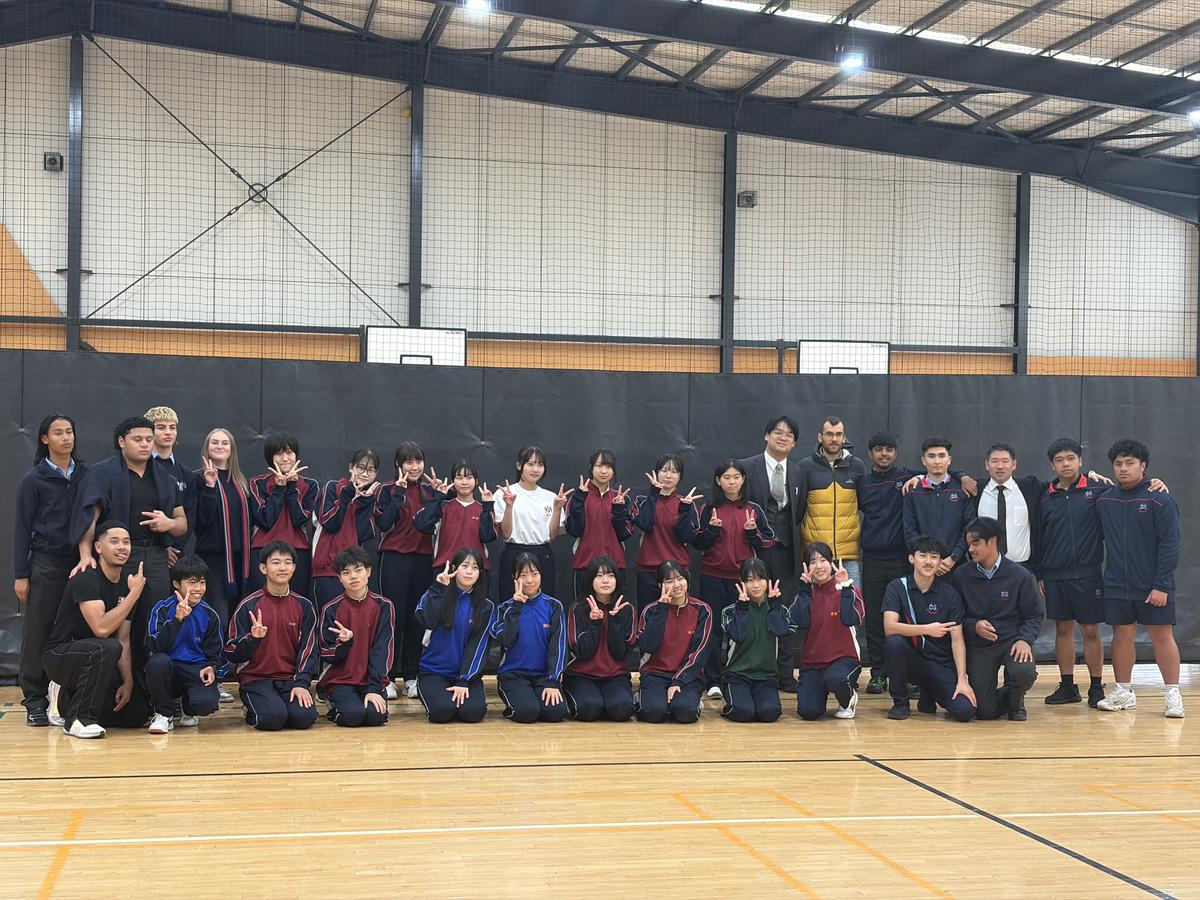
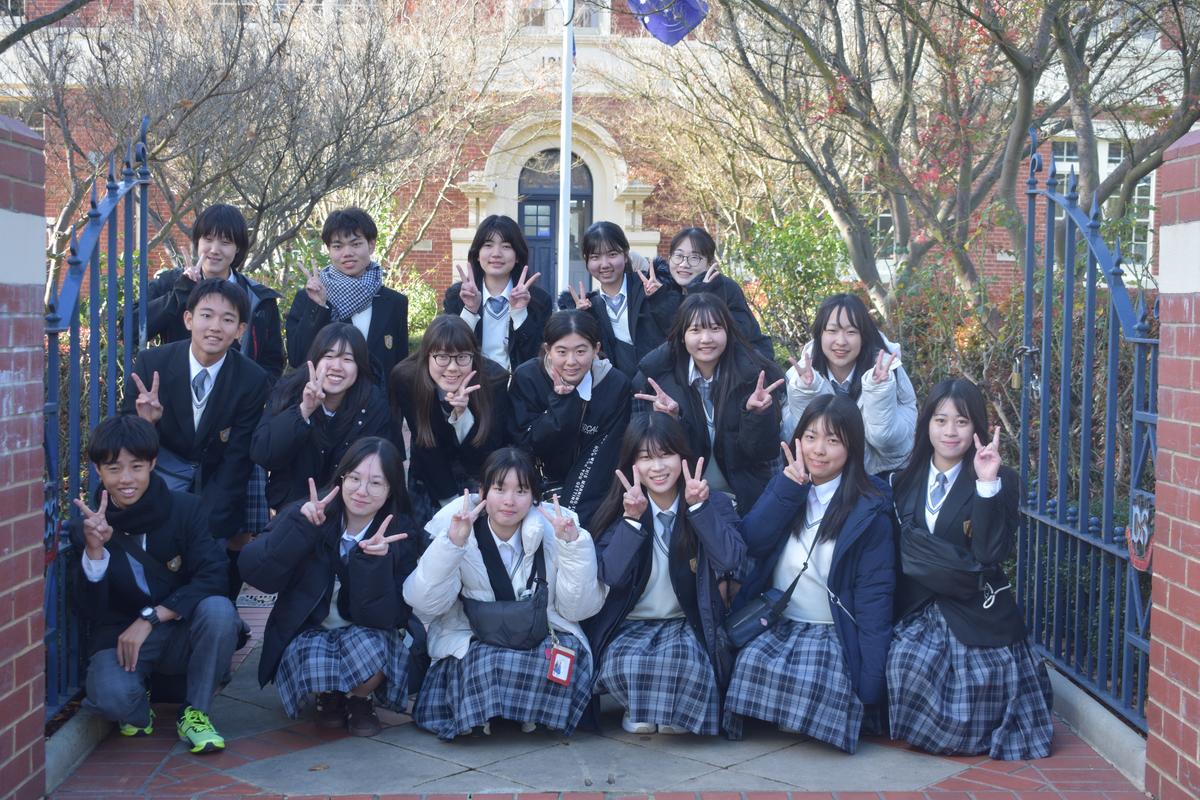
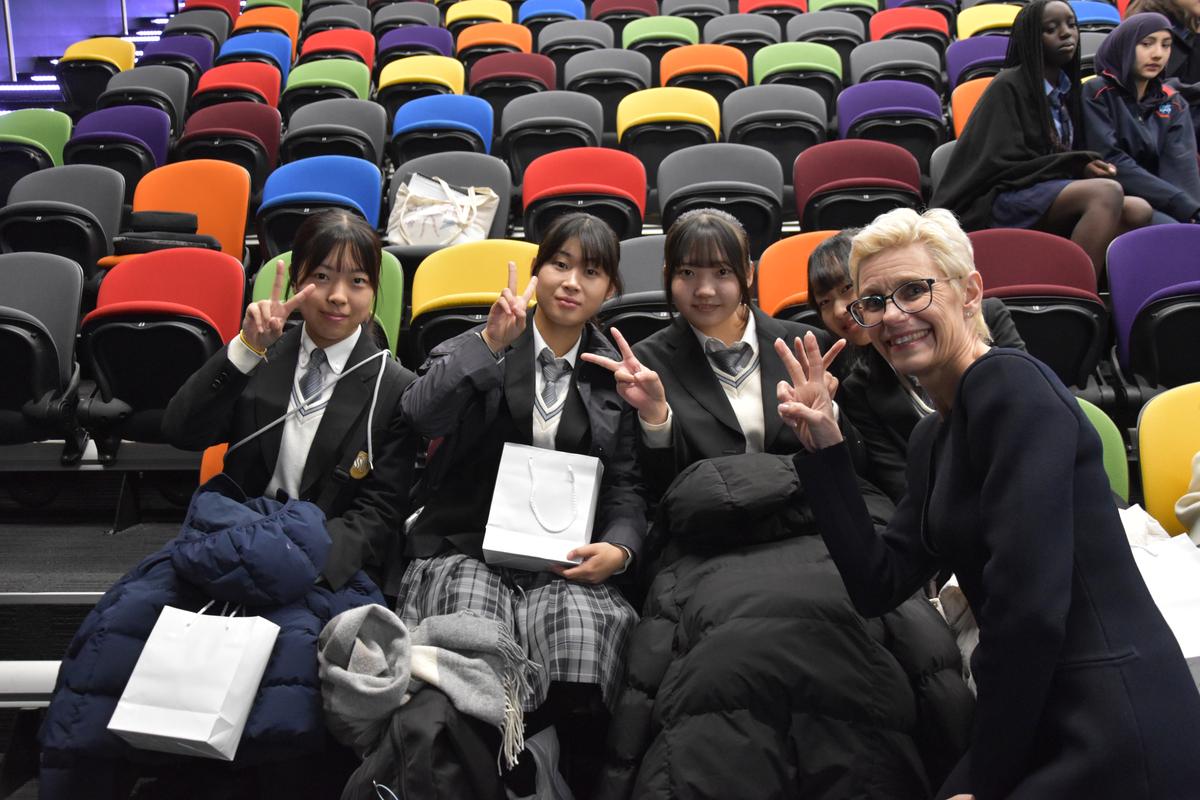
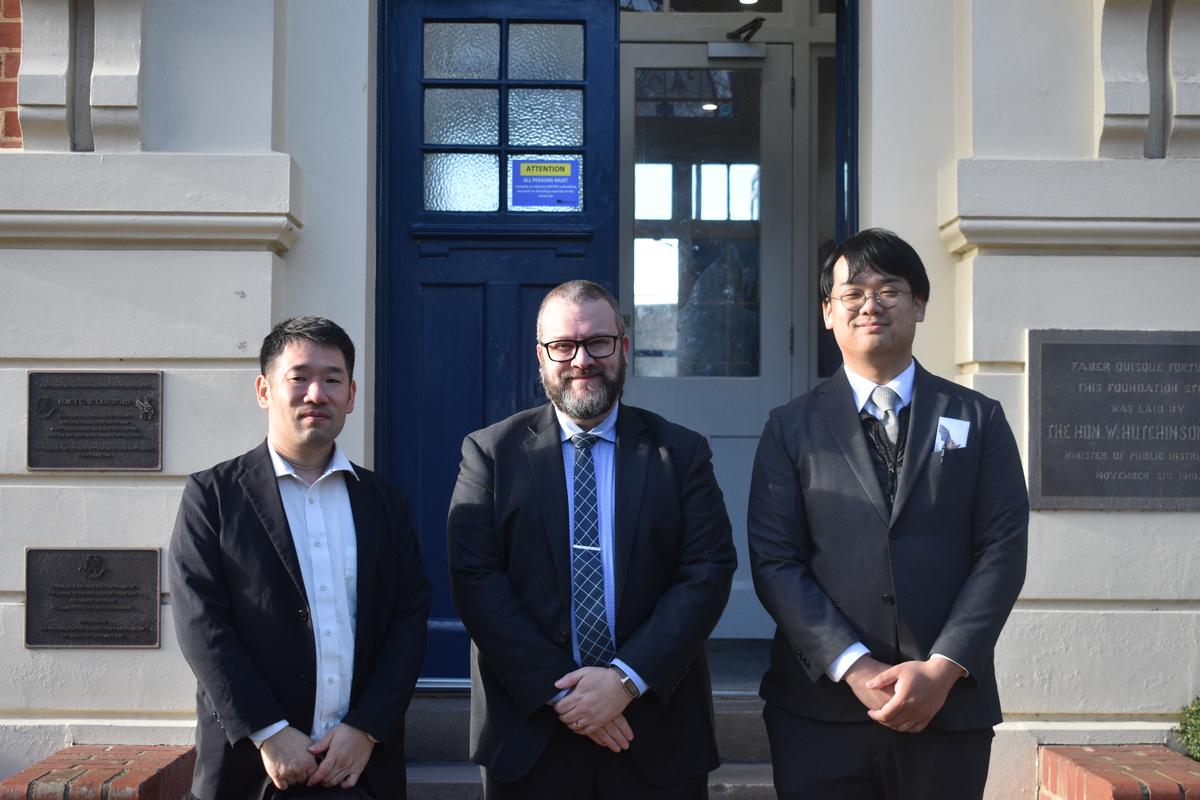
Last week, the Japanese sister school students came to visit Dandenong High School for about a week. During their visit, they took part in many different activities and had the opportunity to experience Australian school life and culture.
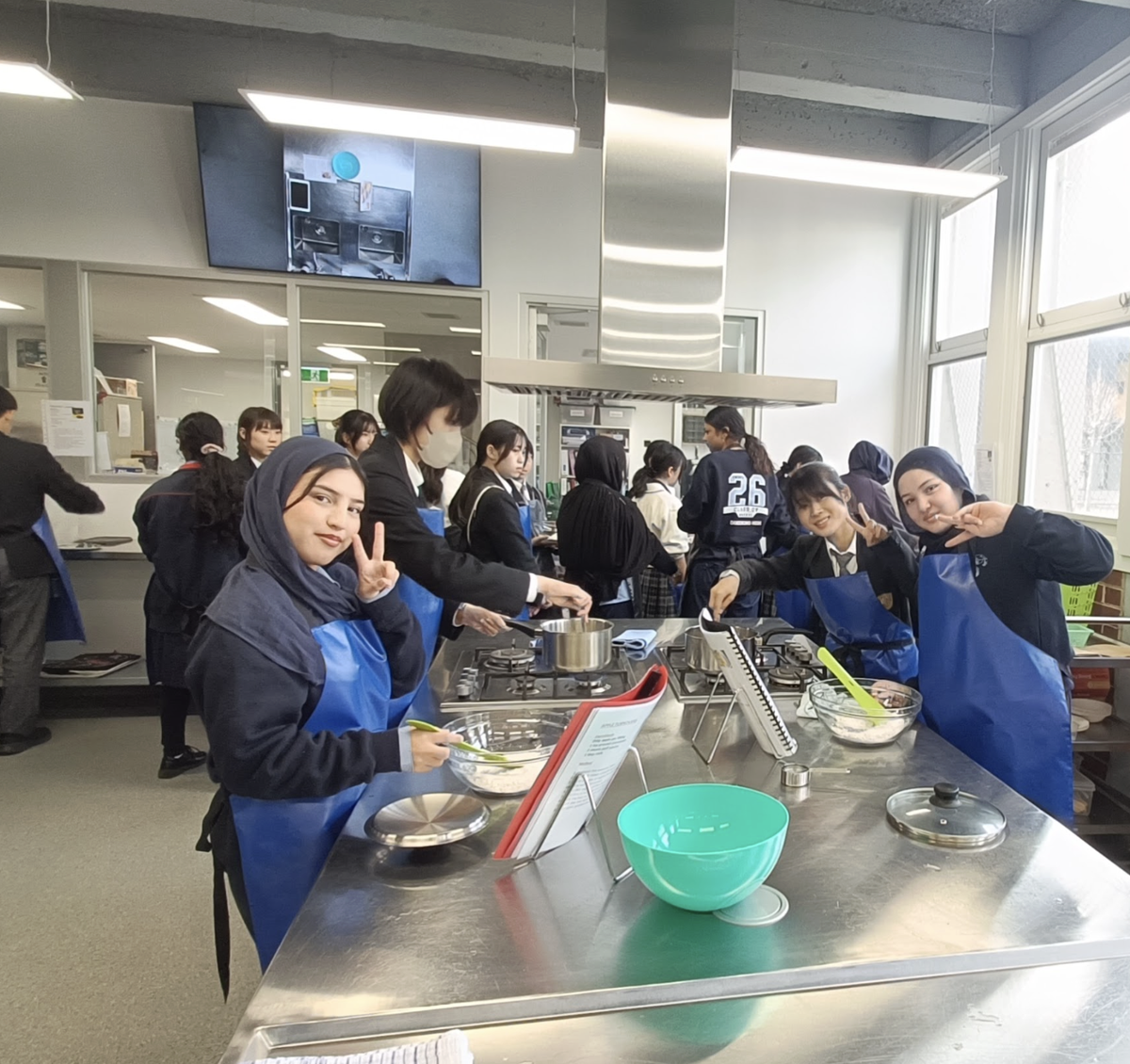
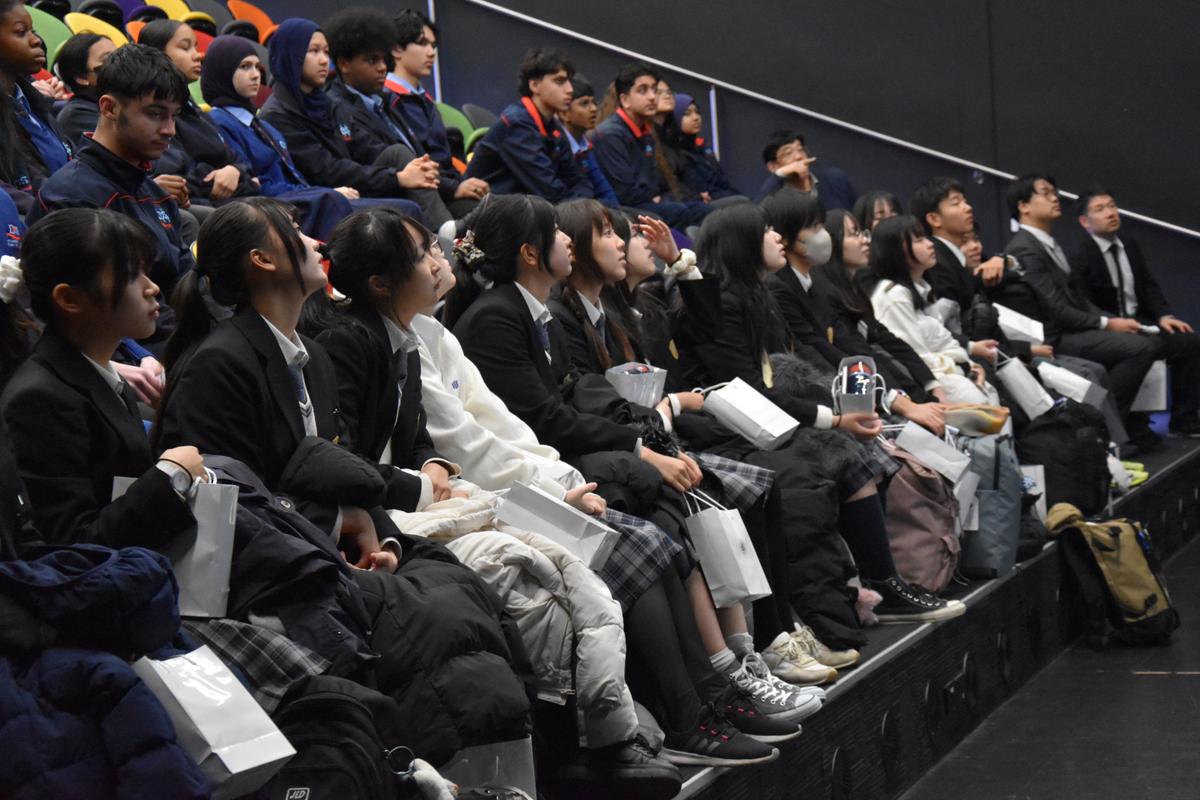
When the Japanese students first arrived, they were welcomed at a welcome assembly. On the same day, they participated in a cooking class, where they got to spend time with students from Dandenong High School and experience a class that is part of our school life. During Period 4, the Japanese students also had an AFL session. Although not everyone participated in AFL with them, it gave the Japanese students an opportunity to experience one of Australia's popular sports.
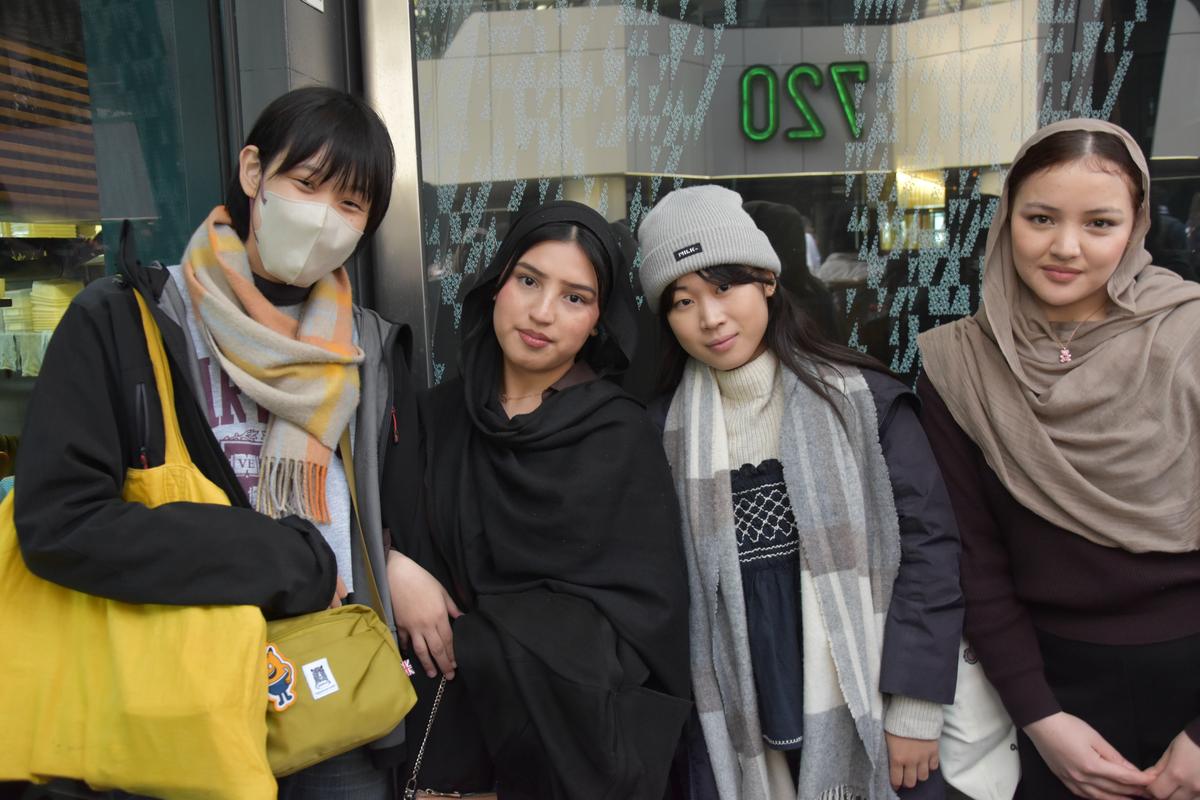
On the weekend, the Japanese students visited Queen Victoria Market. They explored the market and experienced the busy atmosphere of one of Melbourne's well-known markets. After visiting the market, they went to an AFL match at Marvel Stadium, which was another opportunity for them to experience Australian culture and sport.
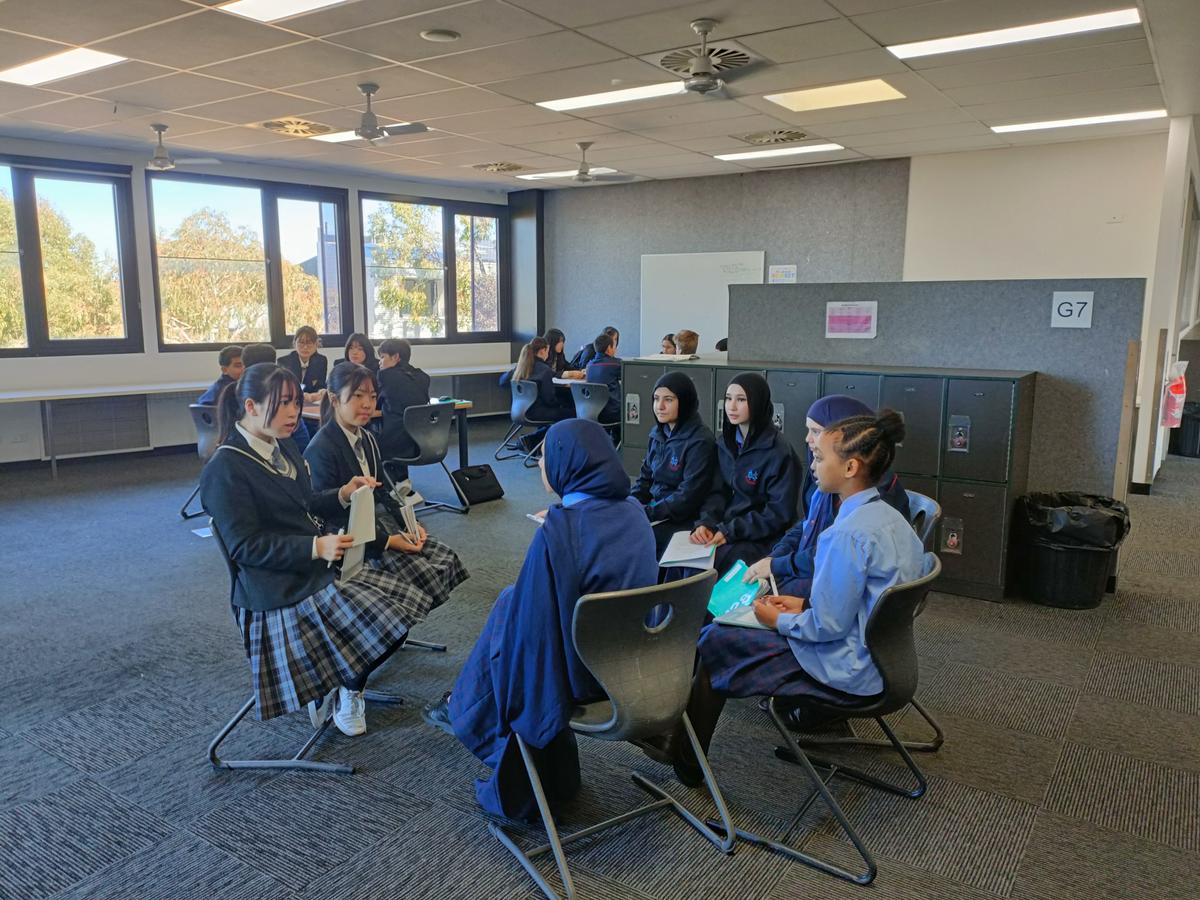
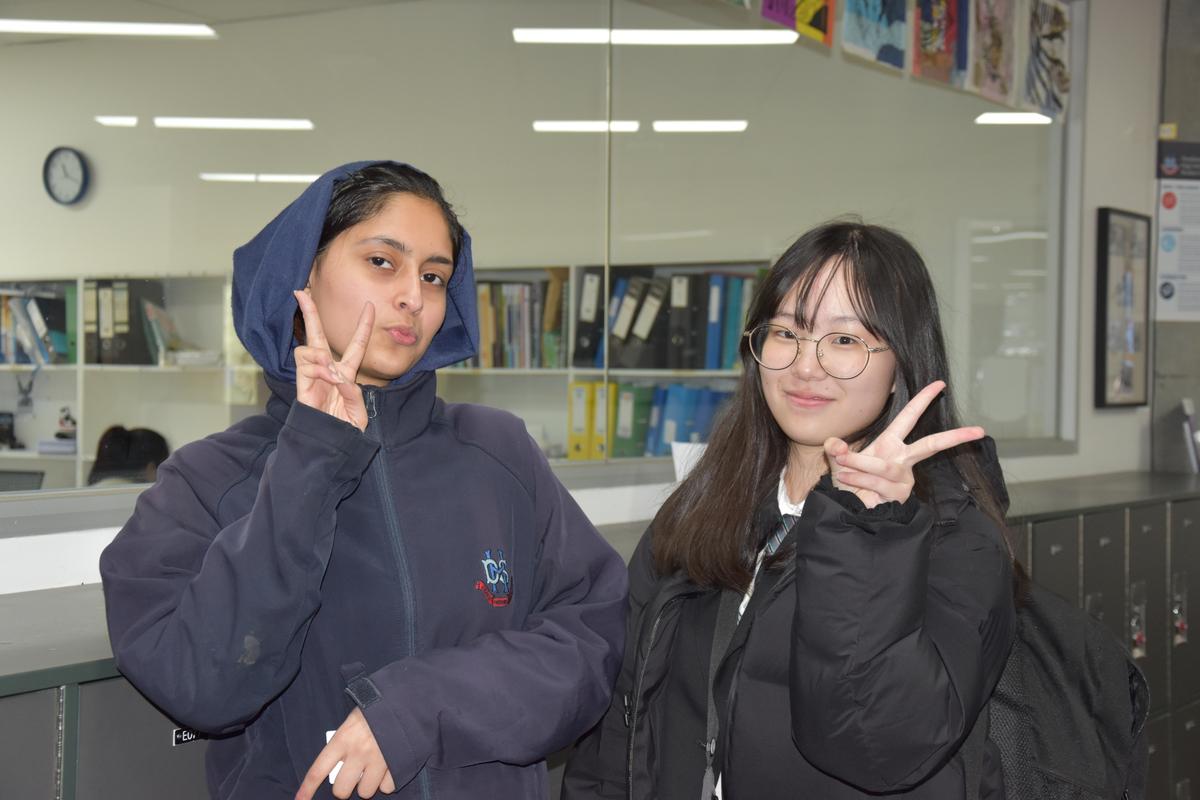
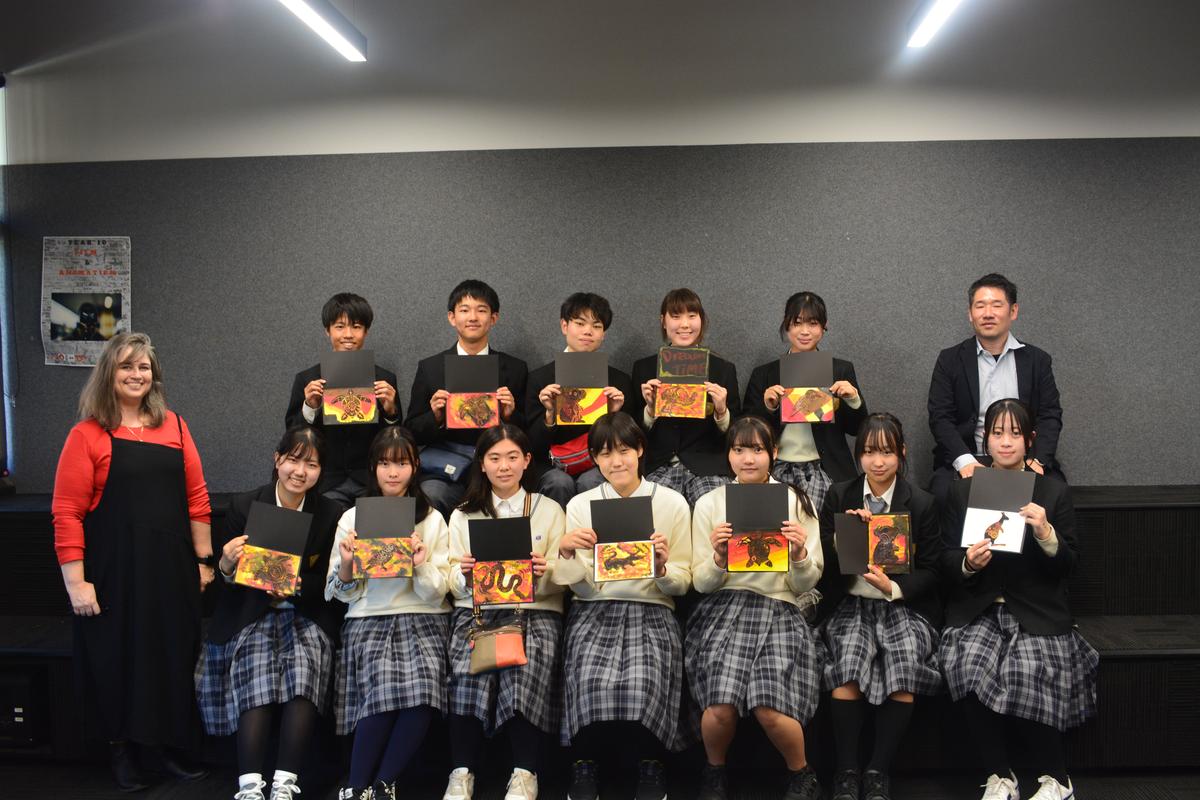
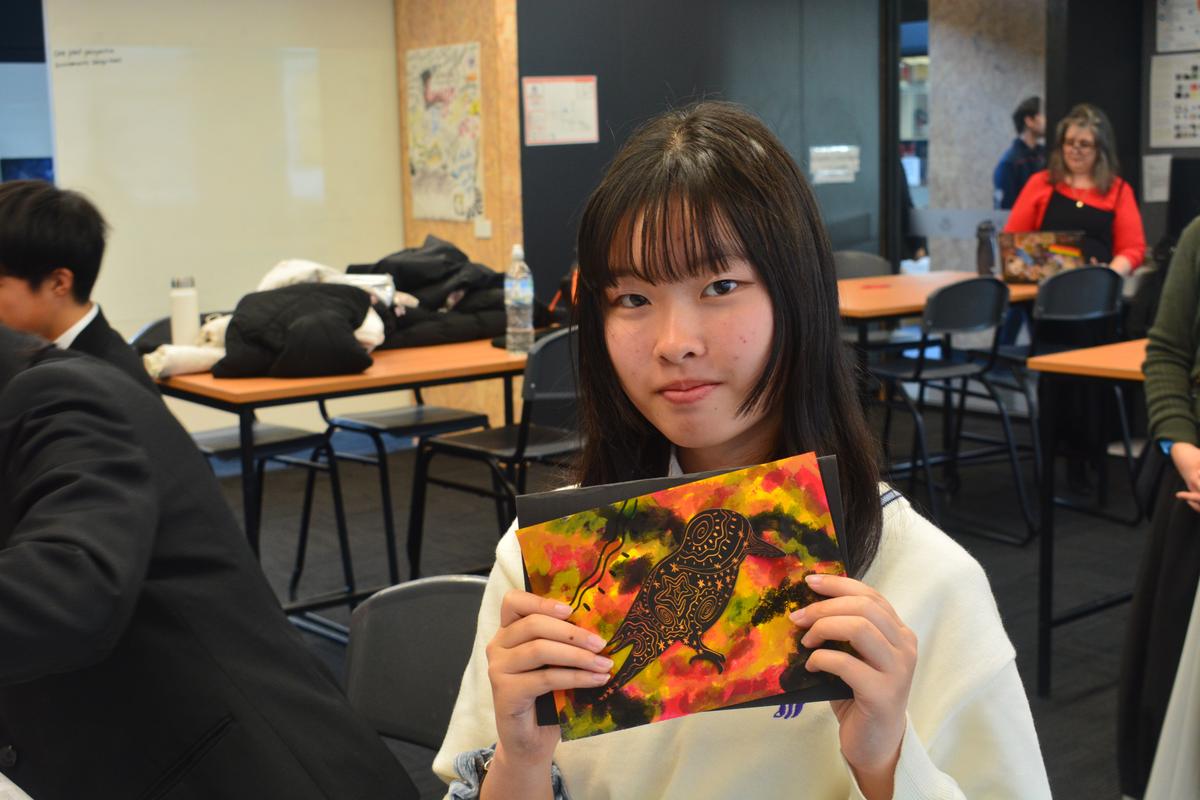
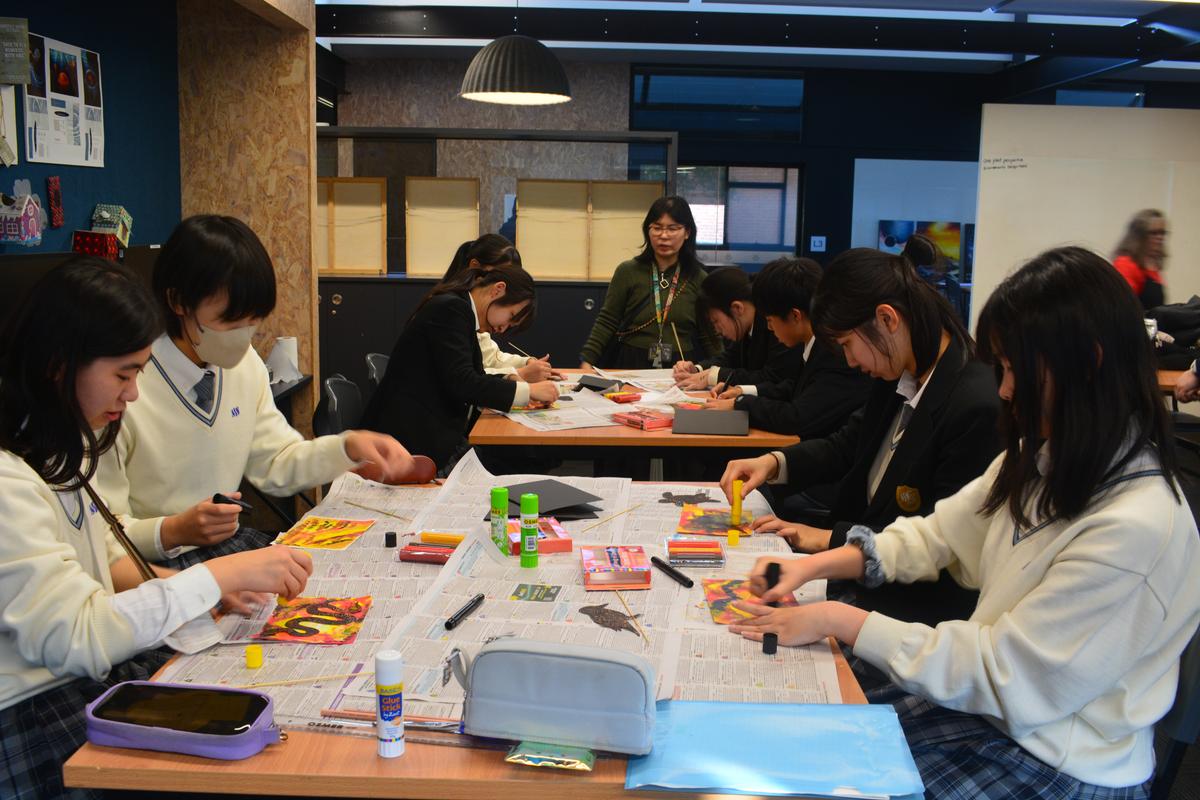
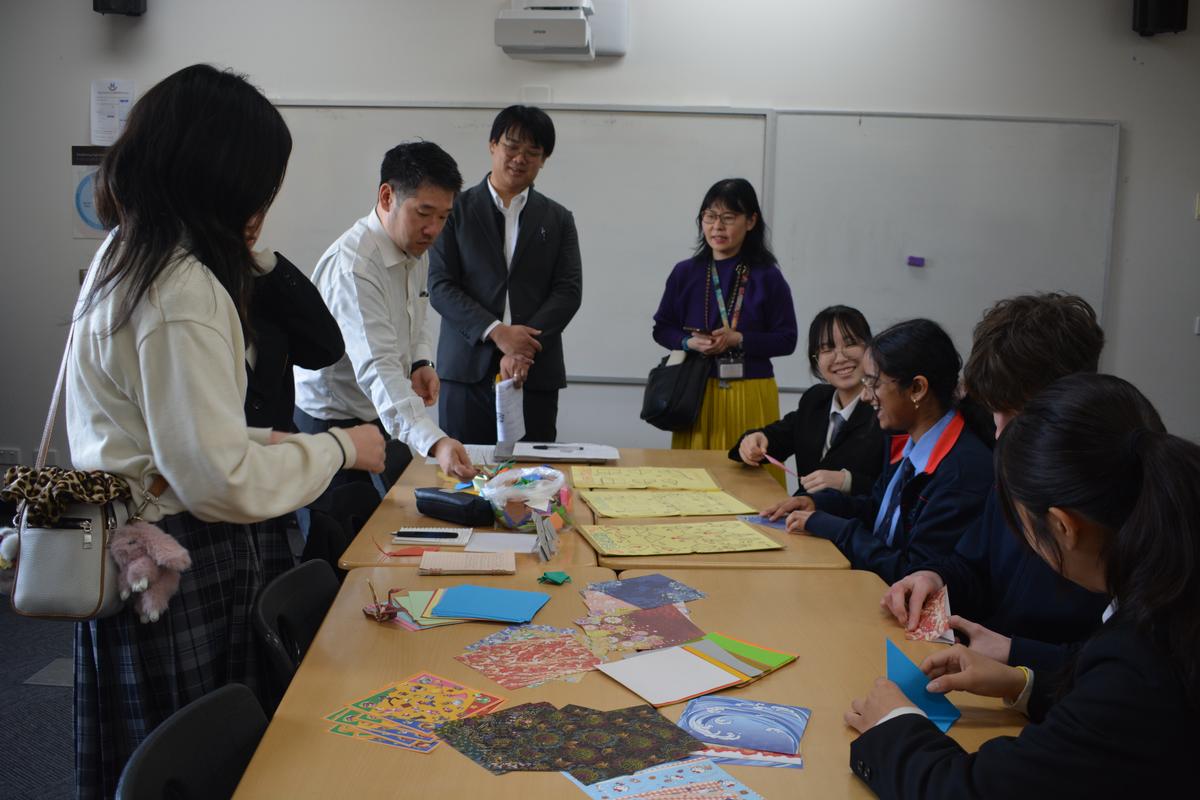
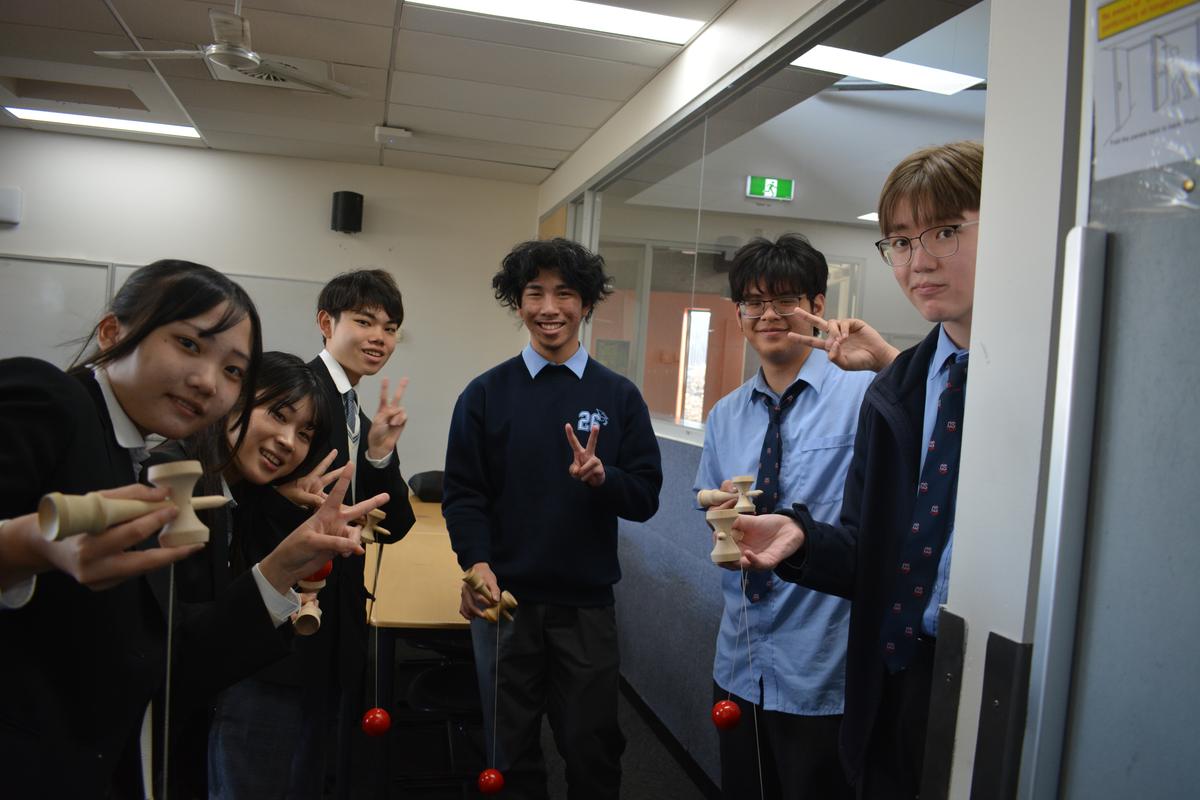
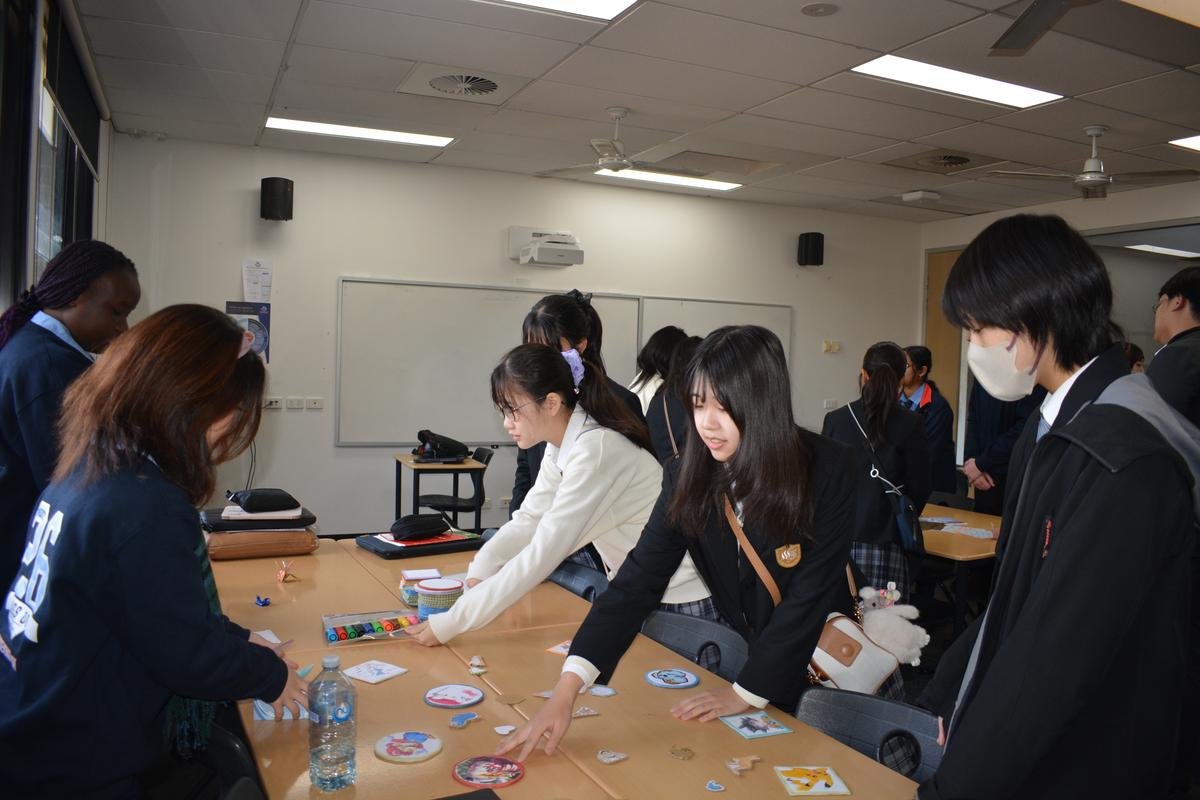
During the school week, the Japanese students took part in a cultural exchange with the Year 10 Japanese class. They shared some of their own games with the students, allowing everyone to learn about Japanese culture in a fun and interactive way. They also participated in art related activities.
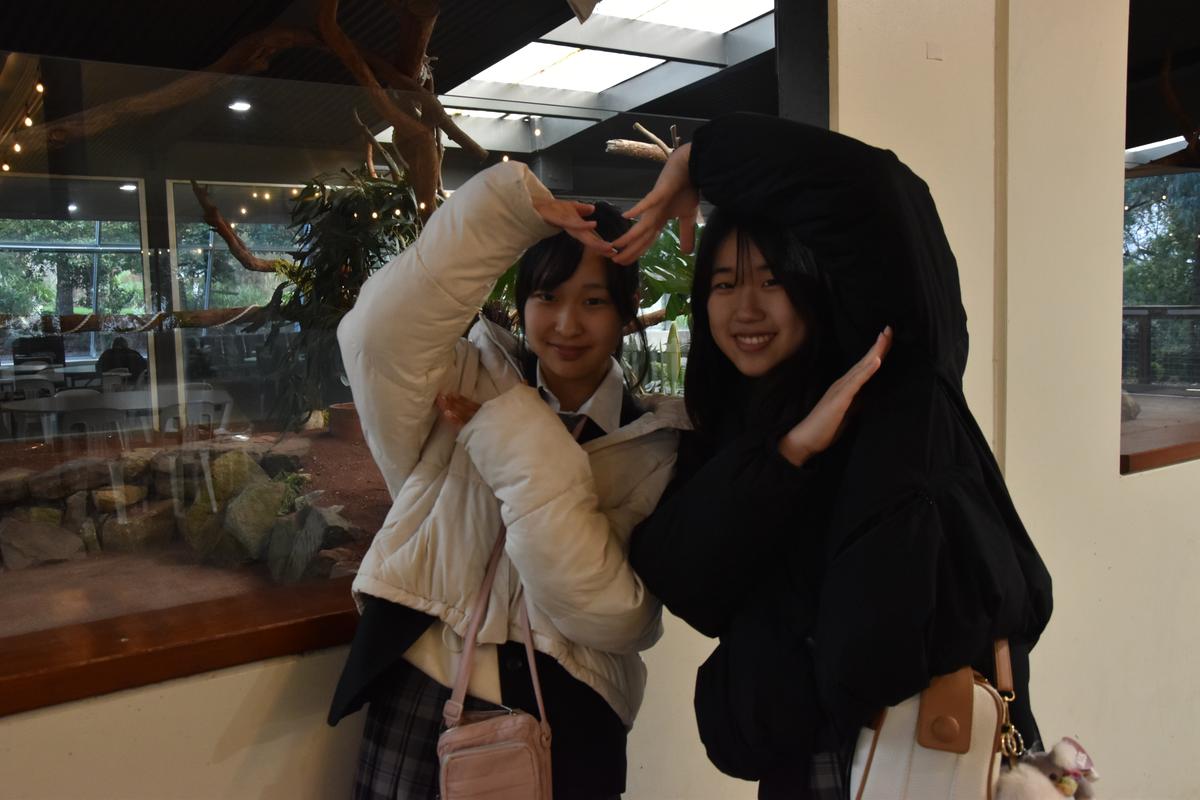
Another activity the Japanese students enjoyed was visiting Gumbaya World, where they were able to feed the animals. They really enjoyed the experience, and it was a fun opportunity for them to see and interact with Australian wildlife.
As their visit came closer to an end, the Year 10 Japanese class spent more time with the Japanese students playing games. There was also a farewell assembly and a BBQ lunch held for them. Later, they participated in a volleyball session, giving everyone another chance to spend time together before their departure.
The final day was very emotional. After spending around a week at Dandenong High School and taking part in so many different activities, the Japanese students had to say goodbye. Many students became close during their visit, so there were lots of emotions and even tears when it was time for them to leave.
Overall, the Japanese sister school visit was a great cultural exchange. The Japanese students experienced different parts of Australian culture, including AFL, Australian food, school activities and wildlife, while also sharing their own culture and games with students at Dandenong High School. Even though their visit was only for about a week, they were able to create many memorable experiences and connections with the students here.
Asma A
Year 10 Eucalyptus
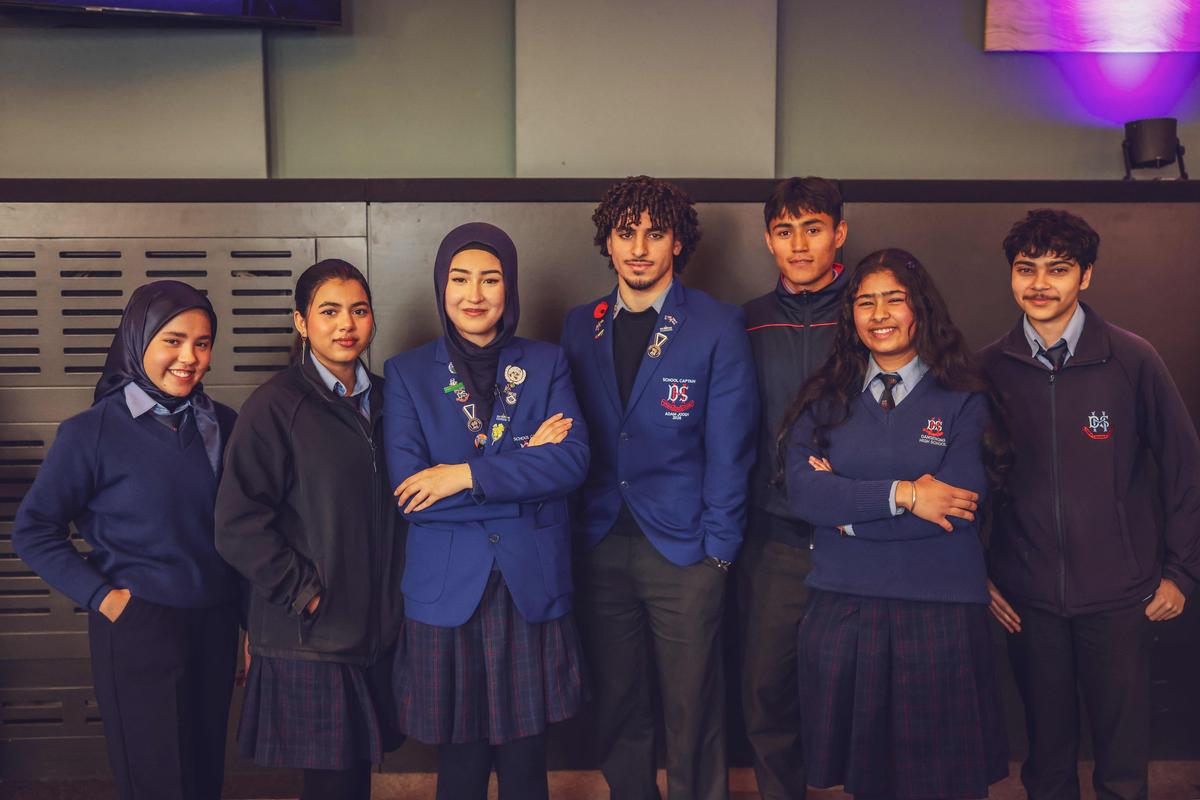
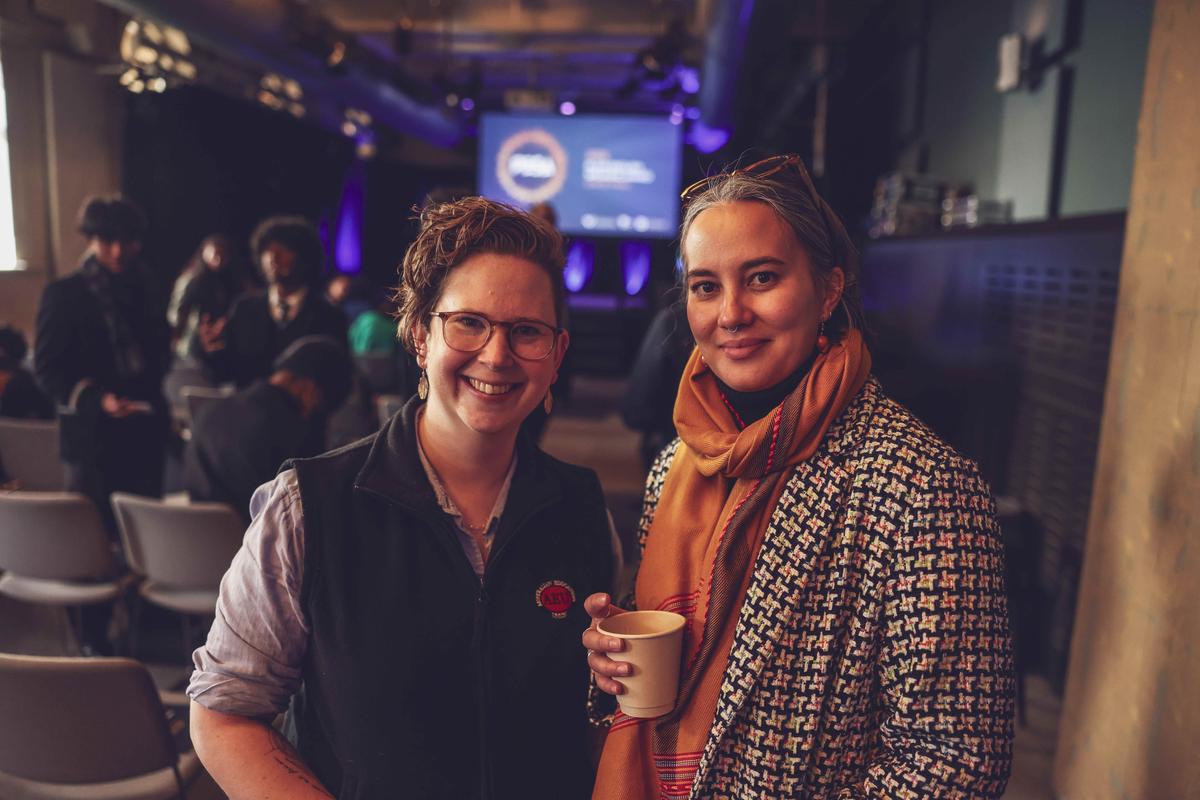
We were so excited to celebrate the creativity and imagination of young writers and artists from across our community at the awards event last week. The afternoon was SUCH a great success, bringing together over 60 workshop participants and in total 100 attendees, including participants, families, teachers, community members, and supporters to recognise the achievements of Greater Dandenong’s talented young people.
Well done to the DHS students who participated!