STEM
STEM Spotlight: A Week of Innovation, Robotics and Aviation at St Aloysius
It has been an action-packed and inspiring week for STEM at St Aloysius, with students engaging in cutting-edge learning experiences across both artificial intelligence and aviation.
On Wednesday, we welcomed Adrian from Neuranext, who brought an extraordinary collection of robots and interactive Artificial Intelligence [AI] technologies to the College. Students explored the current state of artificial intelligence, learning about the breakthroughs driving modern AI and the scientific principles behind computer vision. They experimented with live demonstrations of object detection, human pose estimation and face detection, observing how changes in movement, expression and positioning influence AI outputs in real time.
Students then compared human decision-making with autonomous systems by navigating a driving track using remote control cars before analyzing how AI-powered autonomous vehicles interpret data, make mistakes and correct errors. A highlight was the chance to interact with quadruped robots, exploring how AI enables these machines to entertain and, looking to the future, imagining creative applications in industry and everyday life. The session concluded with an engaging dive into generative AI, where students explored text, image, music, voice, code and video generation, and discussed how to critically evaluate AI-produced media.
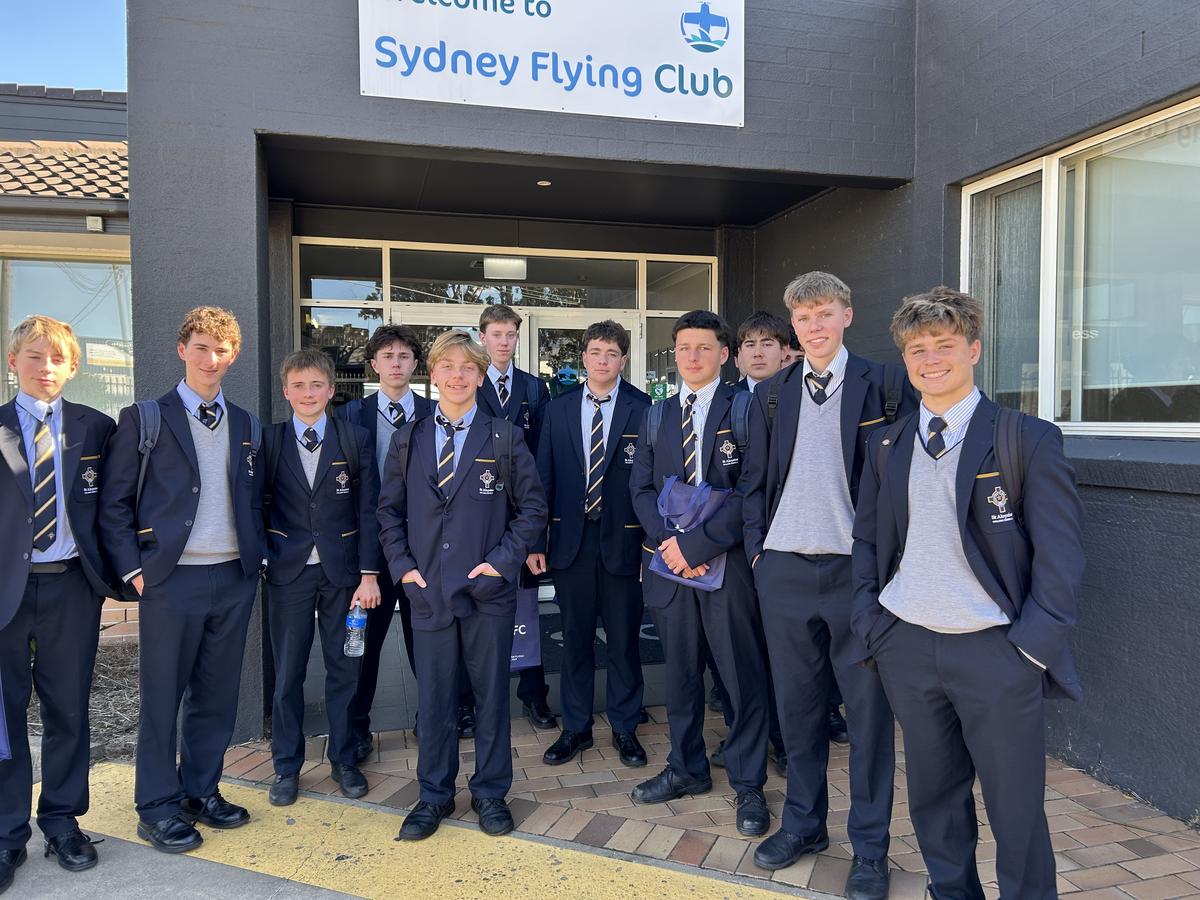
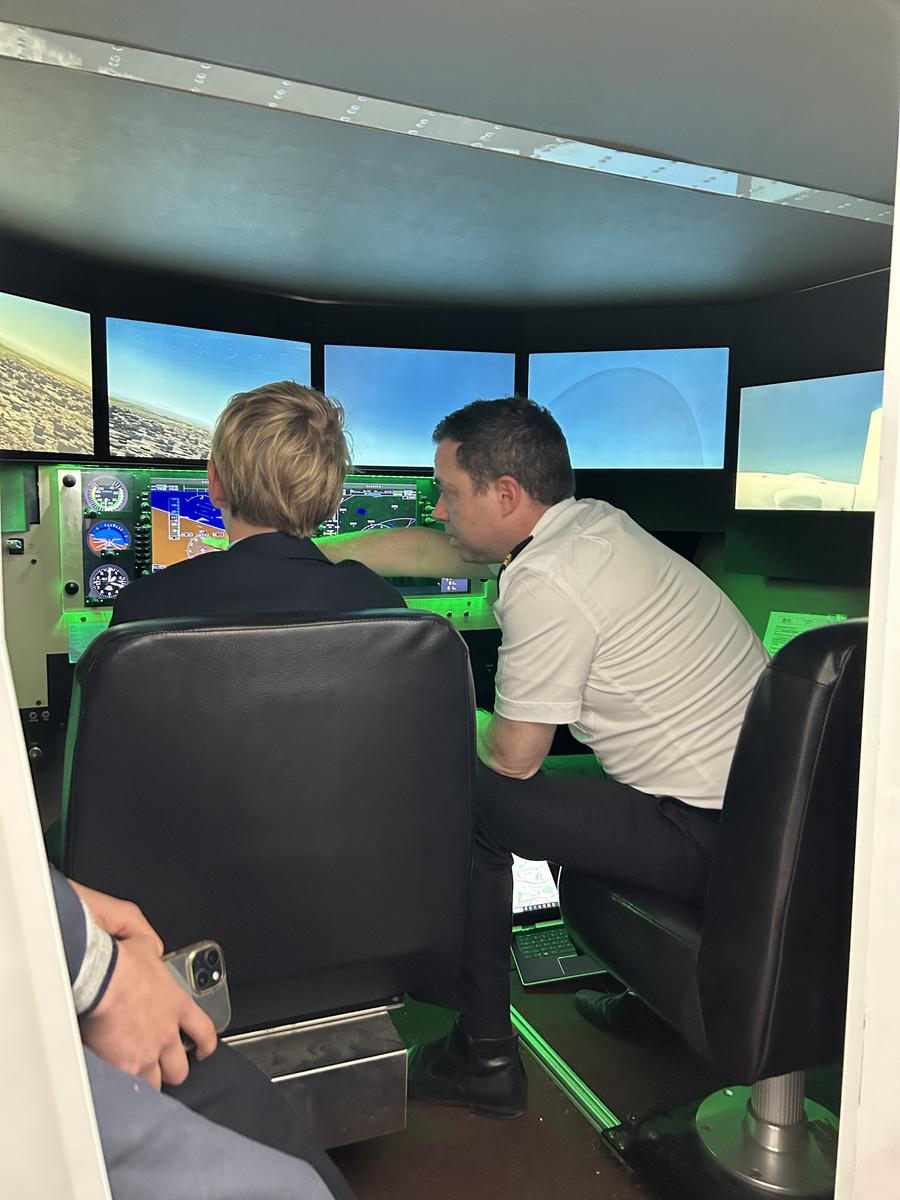
On Friday, the STEM excitement continued as Year 11 Engineering students and a group of enthusiastic Year 9 students visited Sydney Flight College [SFC] at Bankstown Airport for an immersive aviation experience. Students began in the FMX Redbird Simulator, a professional grade training simulator used by SFC’s own pilots. Here, they took the controls, practiced manoeuvres and gained an authentic insight into what it feels like to learn to fly in a safe, highly realistic environment.
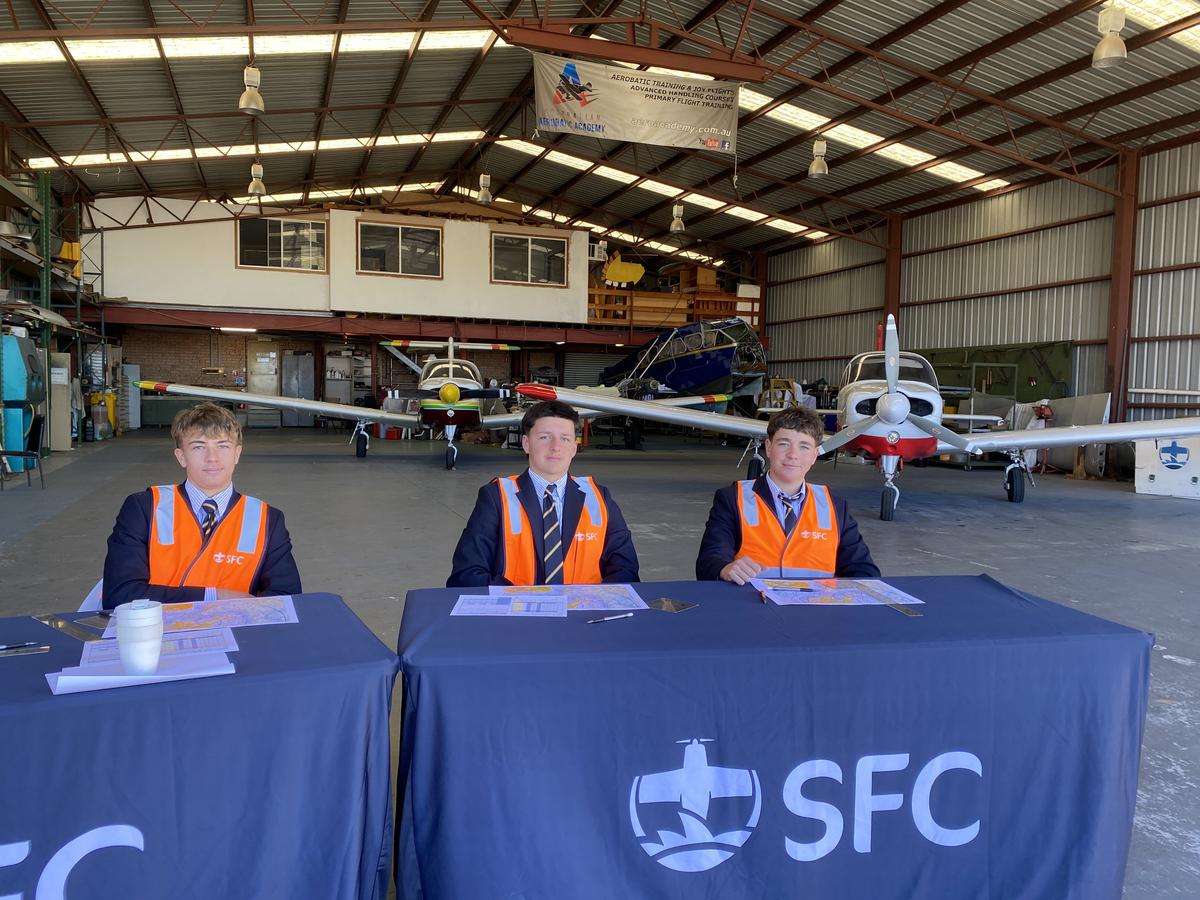
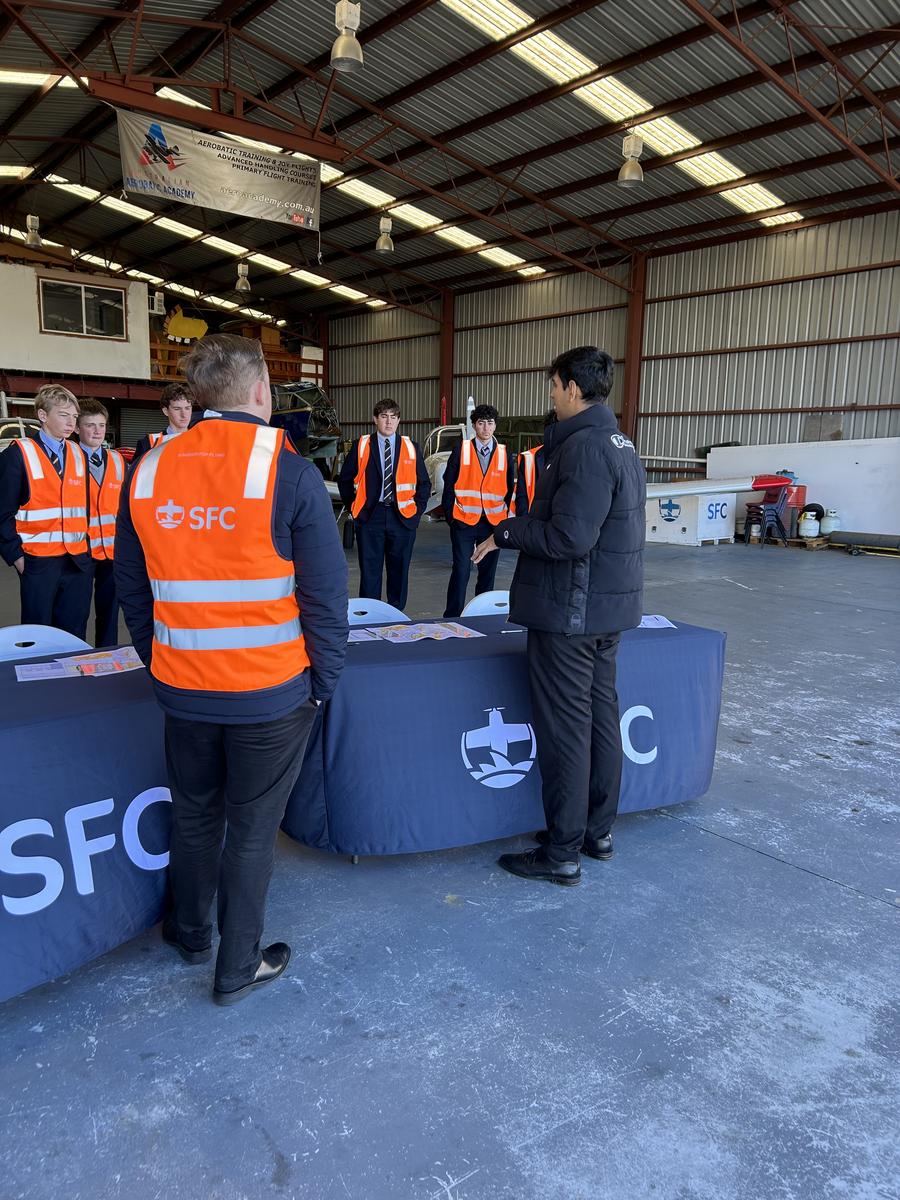
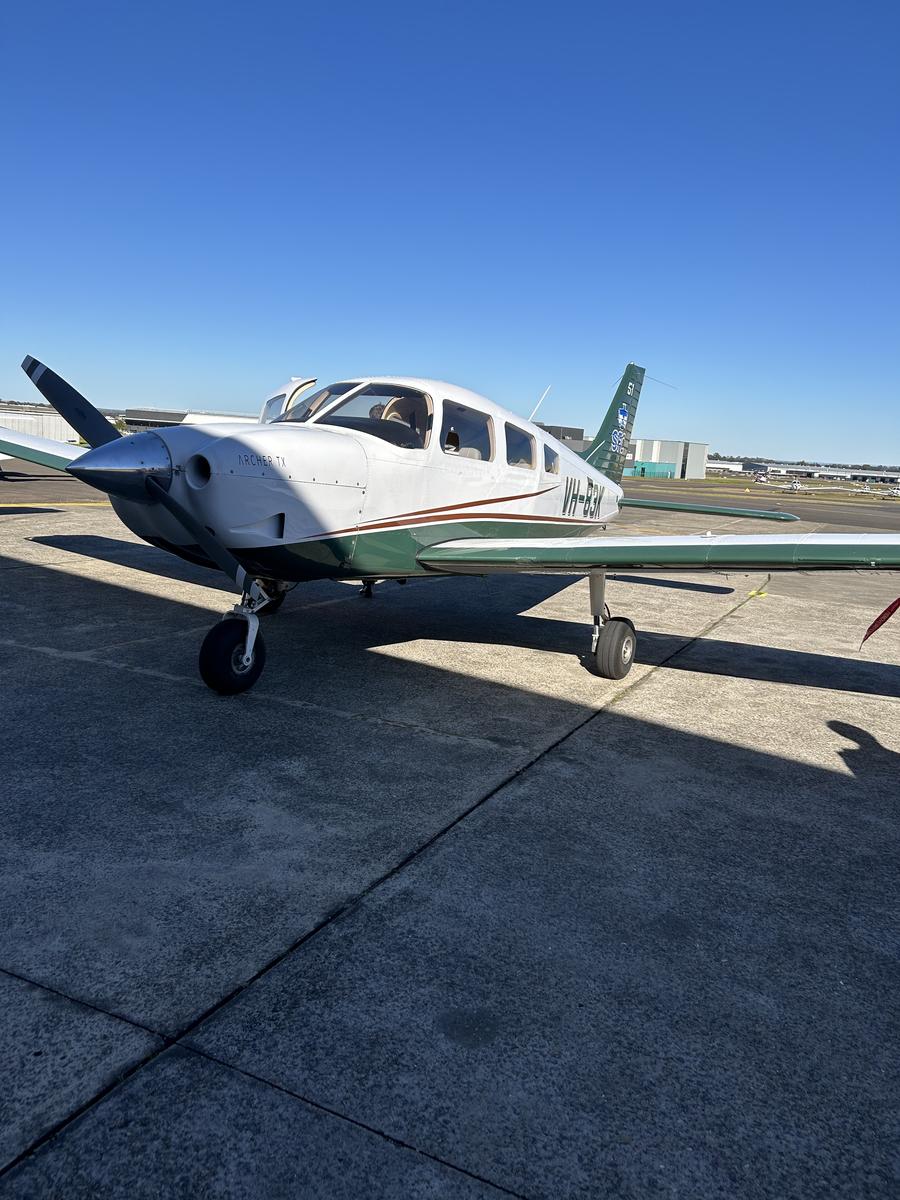
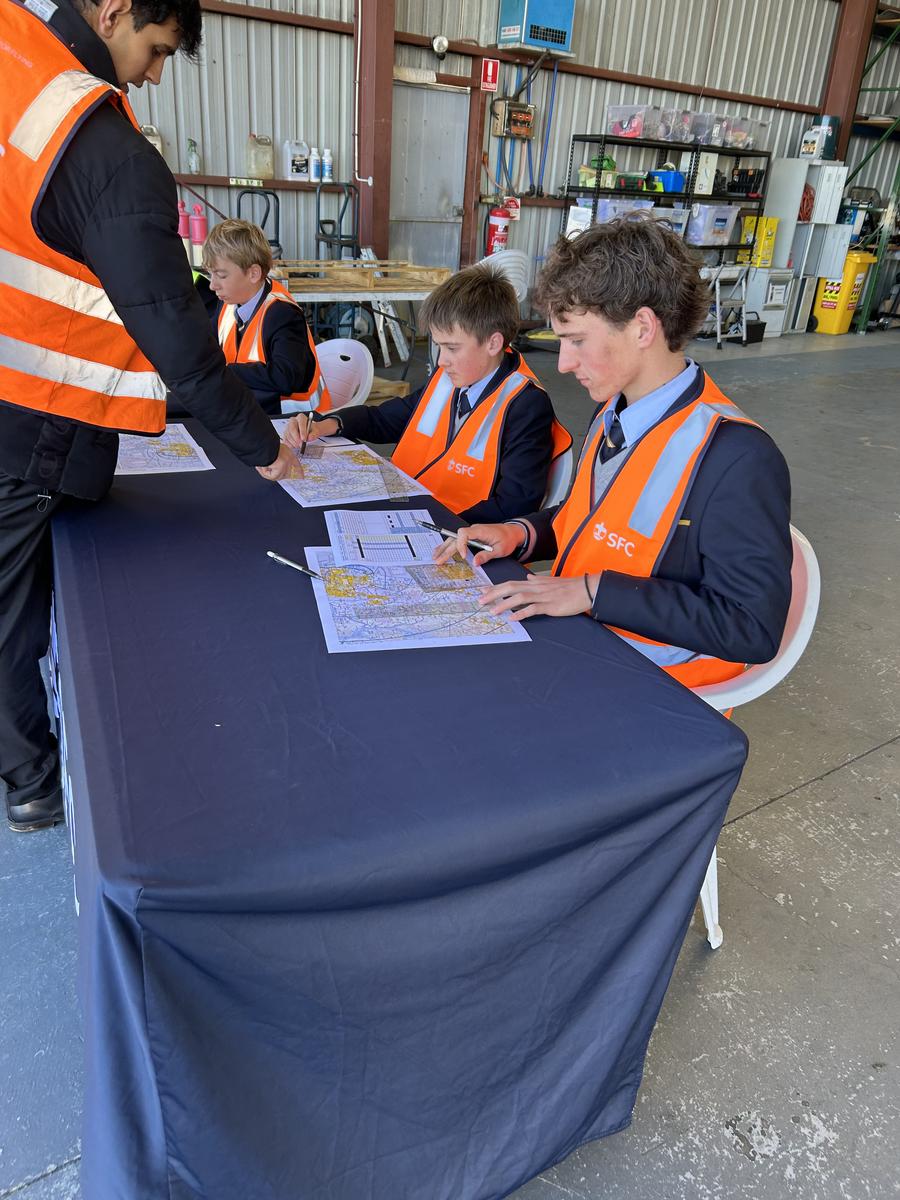
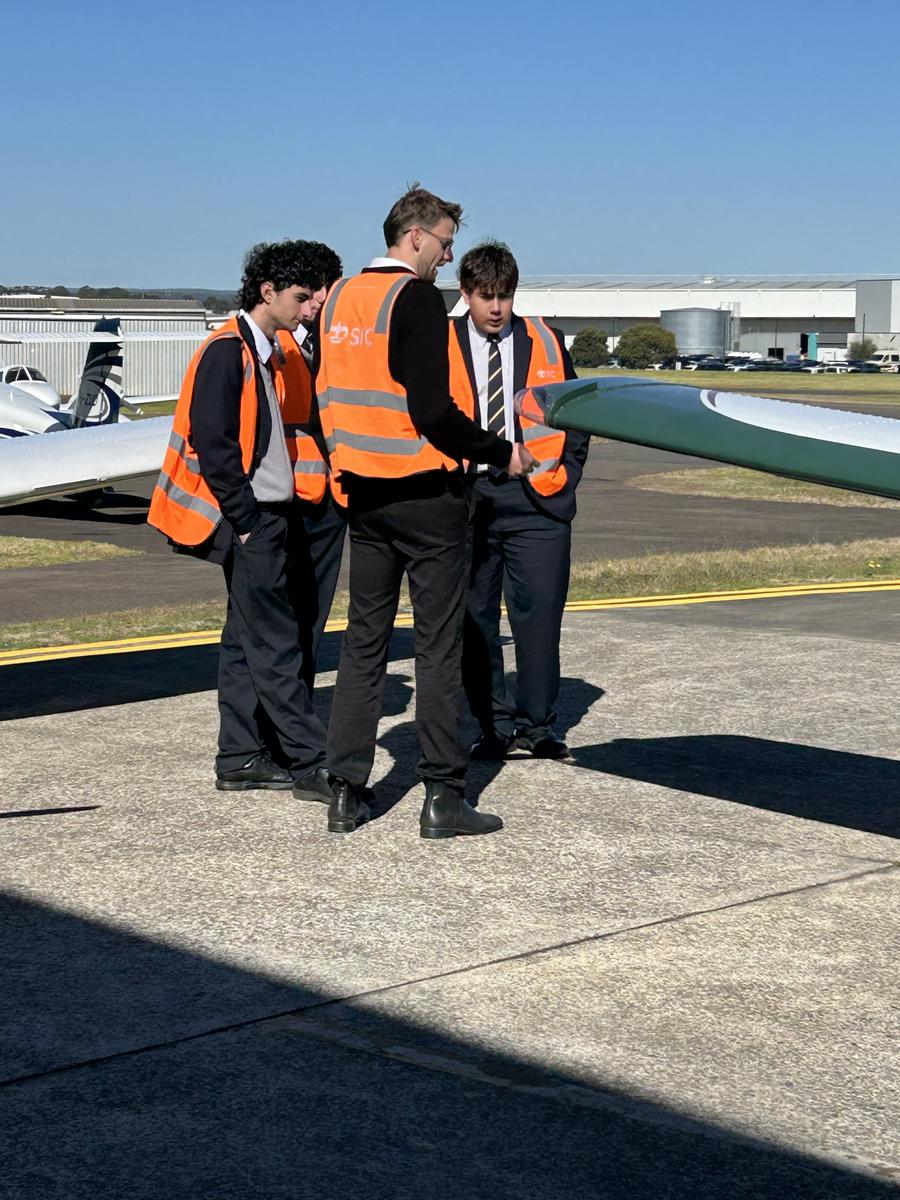
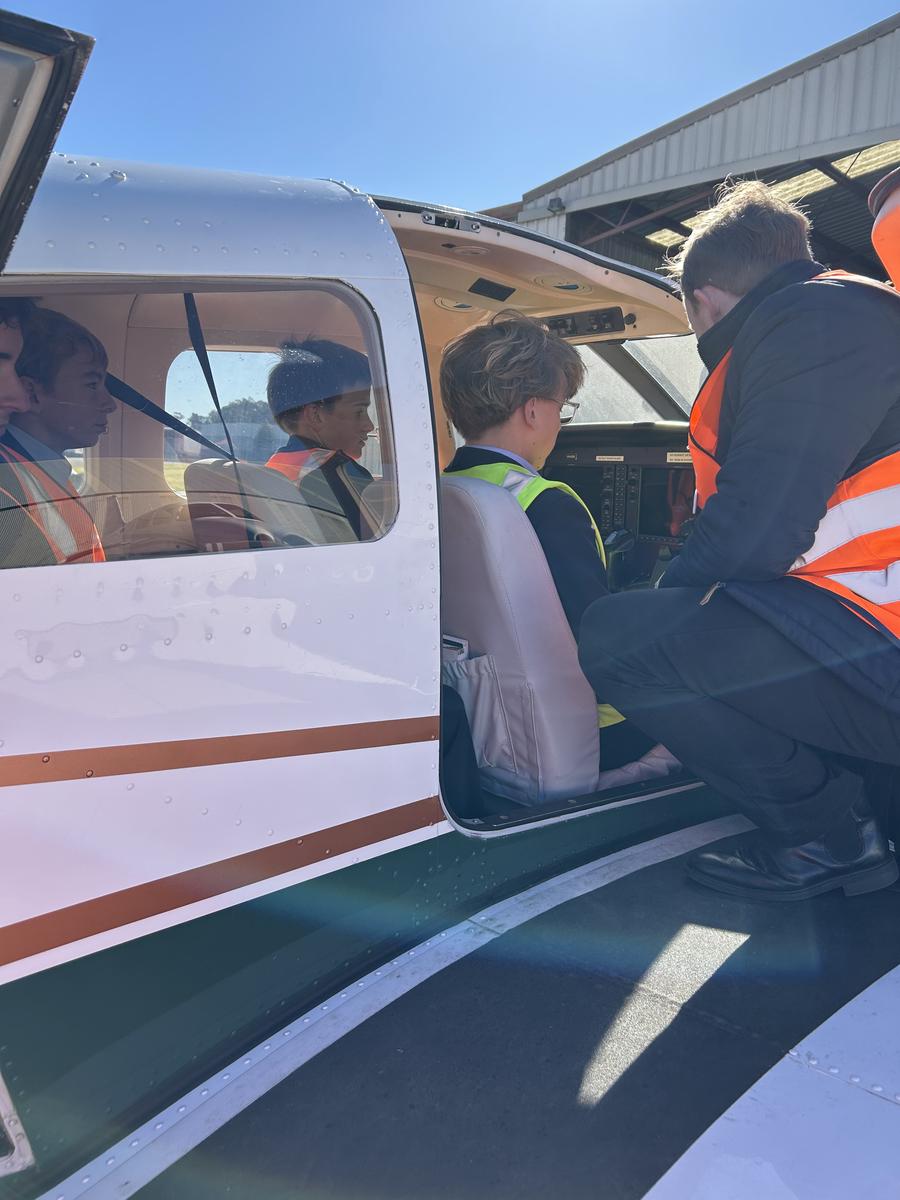
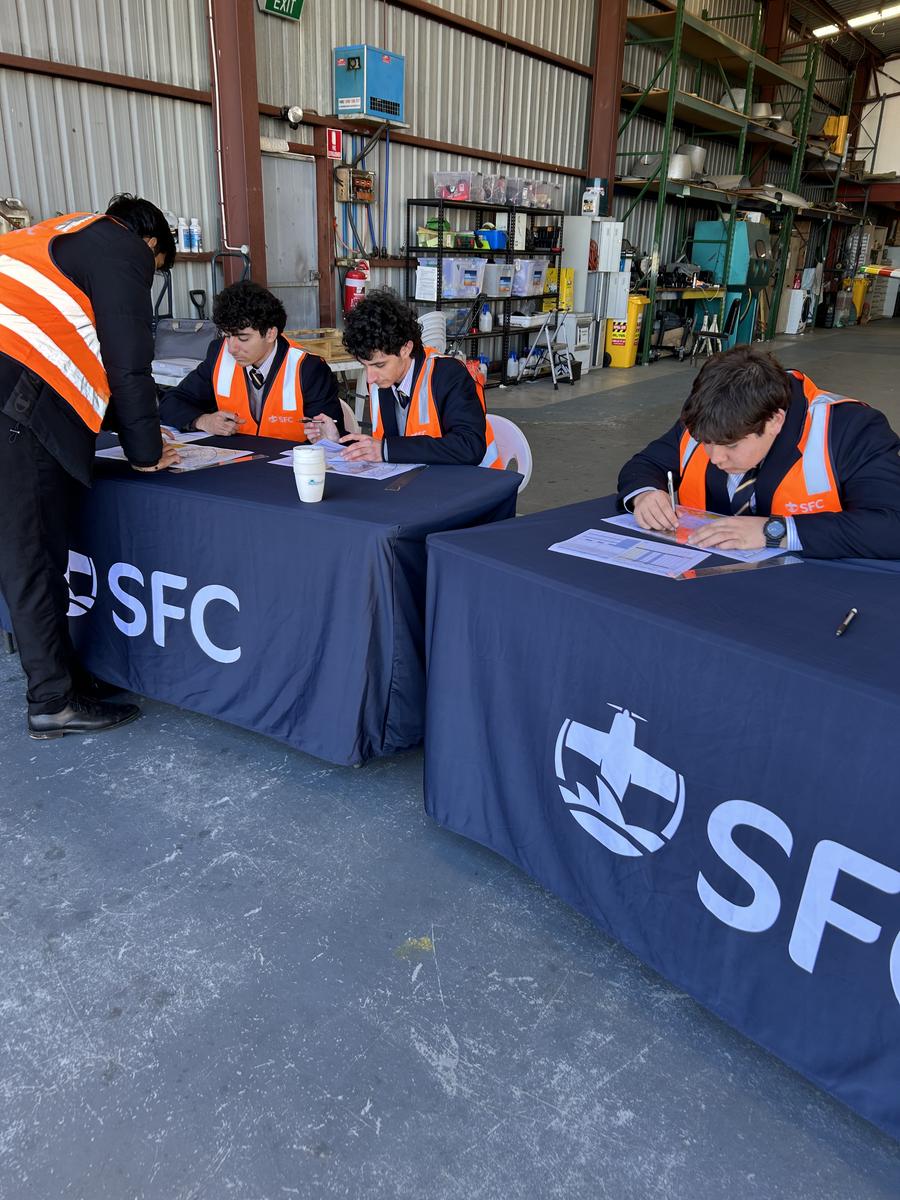
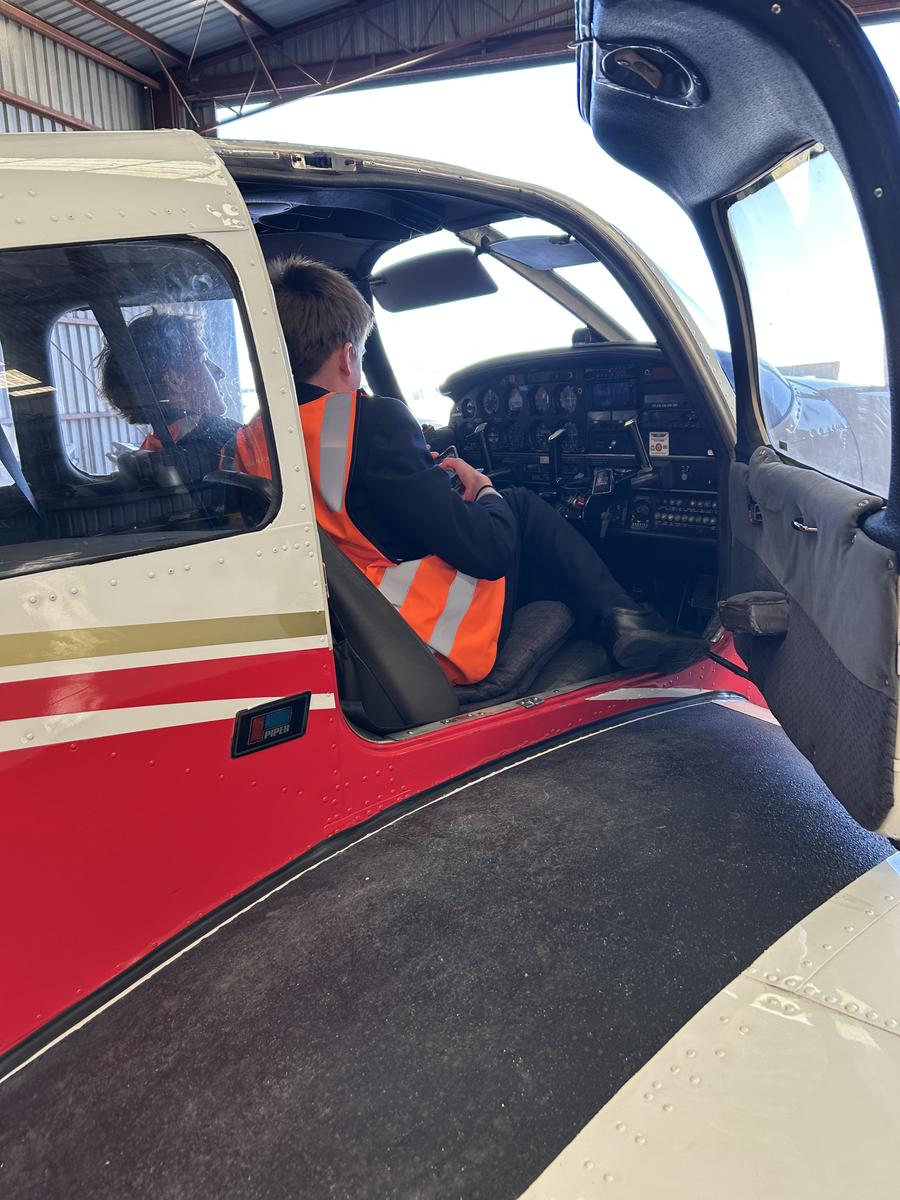
The group then toured the SFC Hangar, where licensed pilots introduced students to the Piper Archer LX training aircraft. Students completed physical pre-flight checks, explored cockpit controls and manipulated the flaps and ailerons to understand how pilots manage the aircraft during flight. They also learned how pilots plan a journey using mathematical tools to calculate distance, speed, time and fuel requirements. Under staff supervision, a few students even assisted in repositioning an aircraft on the tarmac to allow another plane to depart.
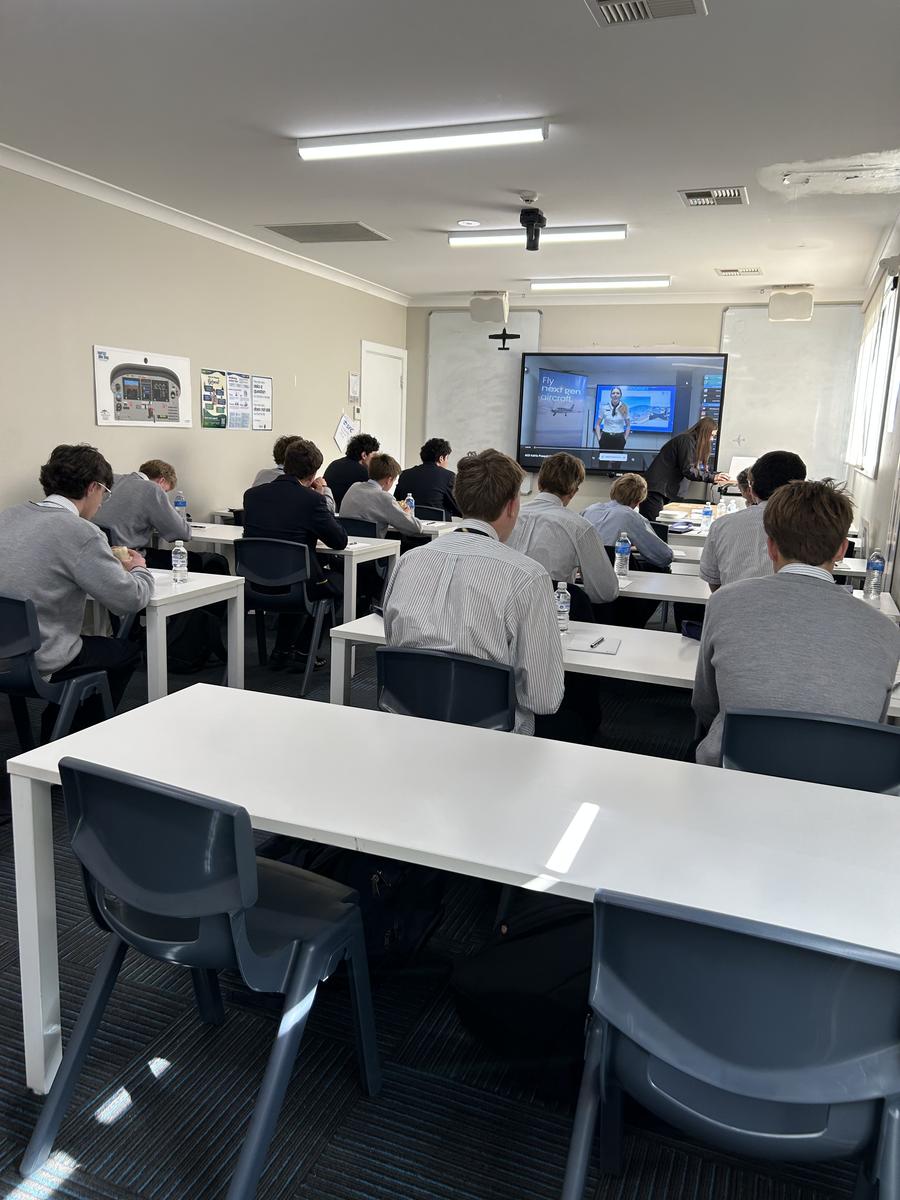
The excursion concluded with lunch and a seminar on pathways to becoming a pilot, giving students valuable insight into aviation careers and training opportunities.
Across both experiences, students engaged deeply with real-world STEM applications—exploring how emerging technologies shape the future of engineering, robotics, aviation and innovation. It was a week filled with curiosity, hands-on learning and unforgettable moments.