From the 3/4
Classrooms
From the 3/4
Classrooms
The first four weeks of Term 3 have been filled with so many exciting learning experiences! From conducting stimulating science experiments and reading a mysterious story set in Far North Queensland, to learning how to calculate the area of shapes using formal units, there certainly hasn’t been a dull moment!
Keep reading to discover exactly what the students in Team 3/4 have been learning, exploring and enjoying throughout the beginning of Term 3.
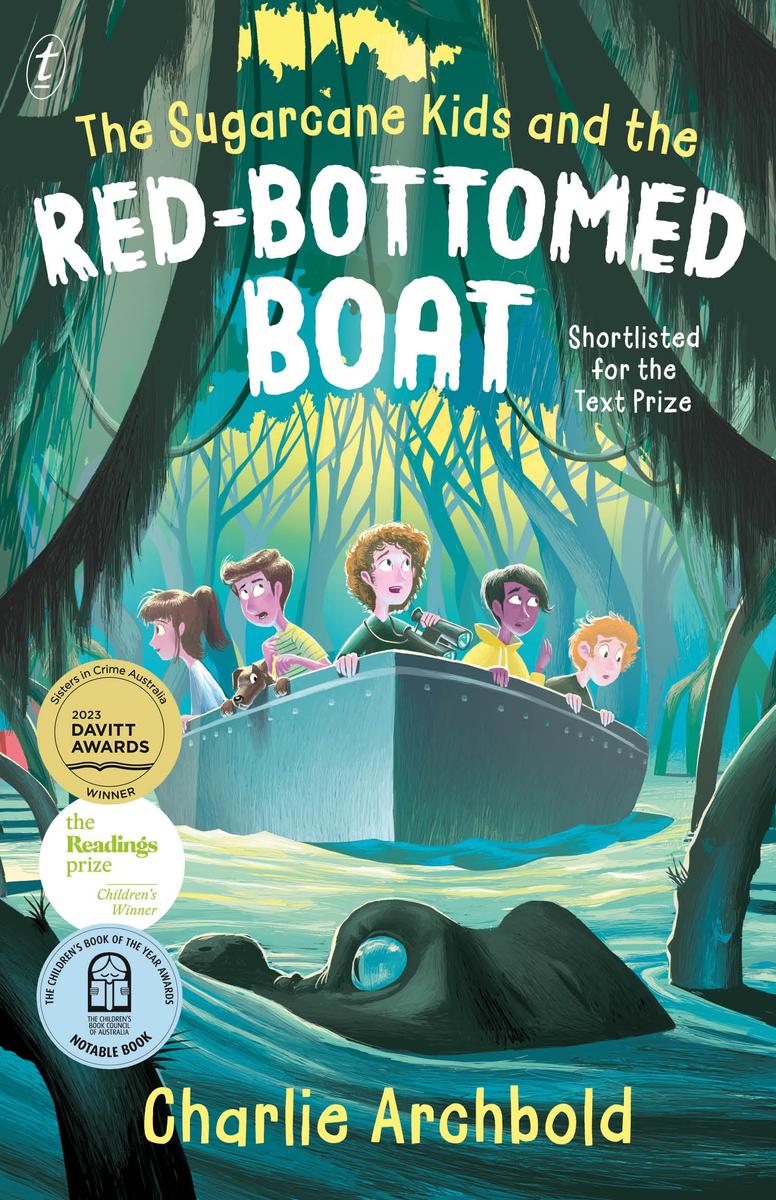
In Reading, students have continued to be immersed in the mystery of 'The Sugarcane Kids and the Red-Bottomed Boat', set in Far North Queensland. They have explored how media and legends can shape people’s opinions before writing a news article about the character Jacob’s arrest, from a neutral point of view. Students have also examined how the Sugarcane Kids demonstrate trust and teamwork, responding to questions using the conjunctions ‘because’, ‘but’ and ‘so’.
As the mystery unfolds, students have investigated clues found at Jacob’s hut and considered how the setting creates a sense of mystery and helps to advance the investigation. They then used these ideas to write detailed paragraphs explaining the role of setting in the story.
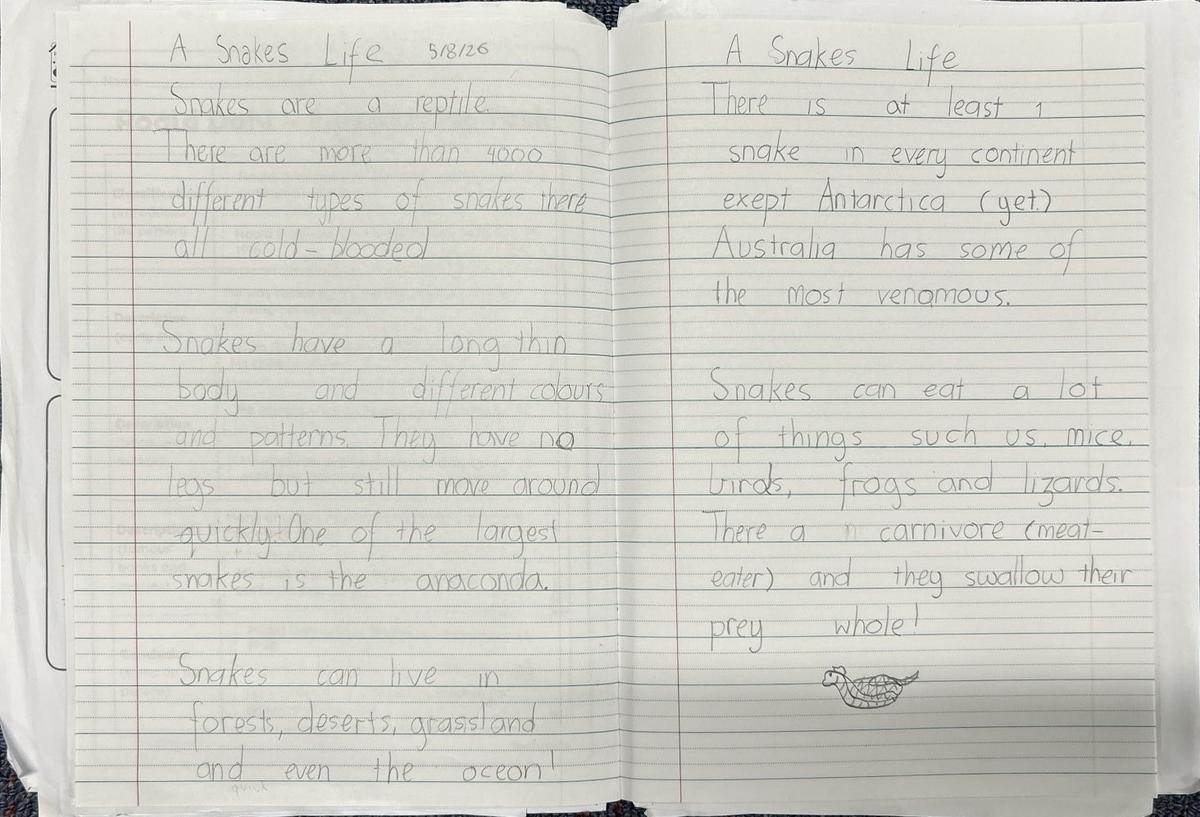
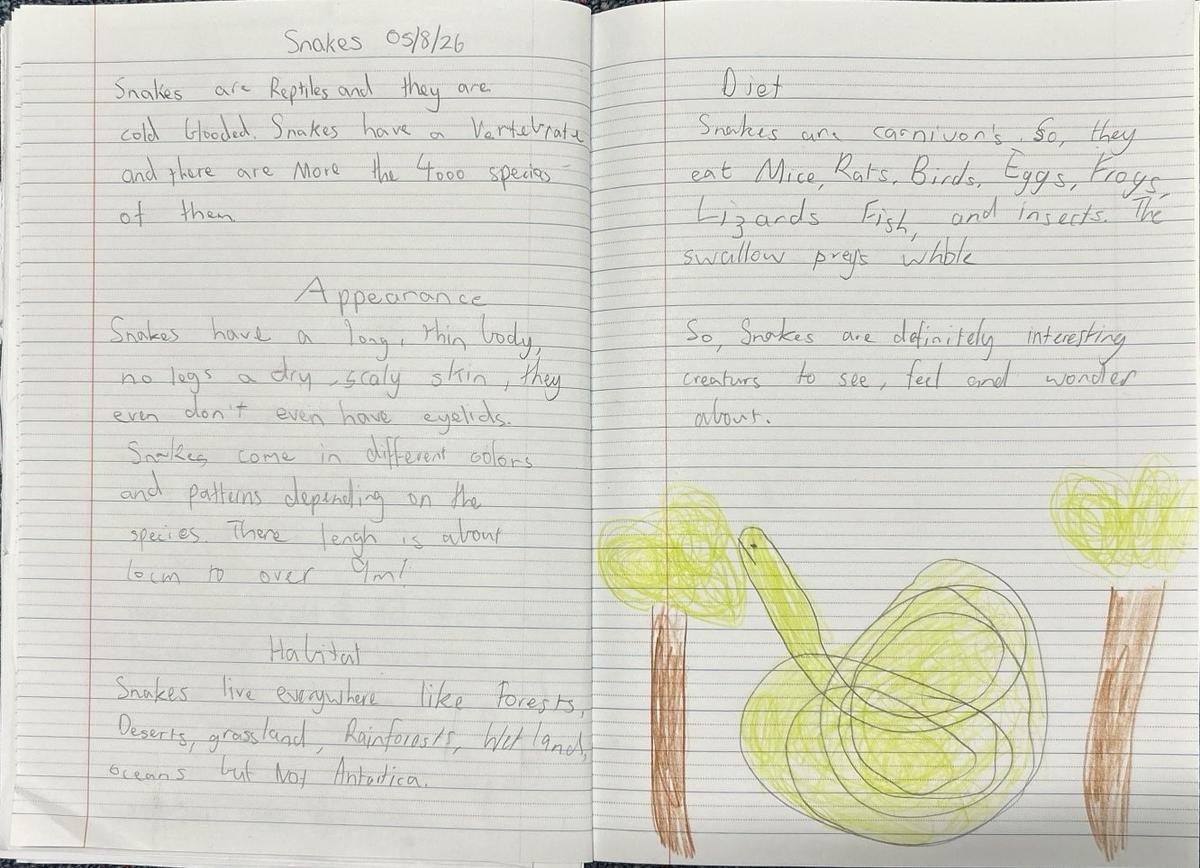
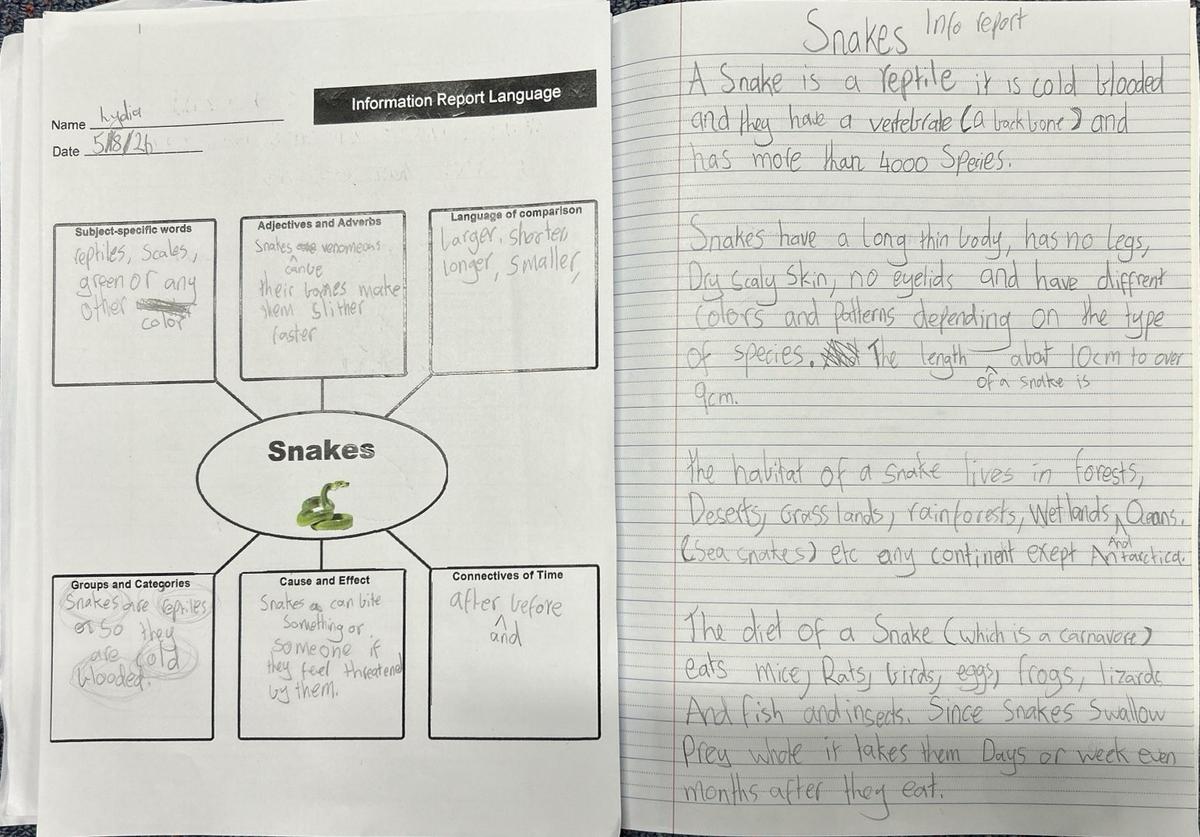
Students are learning to write an Information Report by sequencing an introduction that defines the topic, organising body paragraphs that describe key information, and sequencing a conclusion. They are also learning to use specific language features to make their writing informative and engaging, including subject-specific vocabulary, group and category words, adjectives and adverbs, time connectives, phrases that show cause and effect, and comparative language.
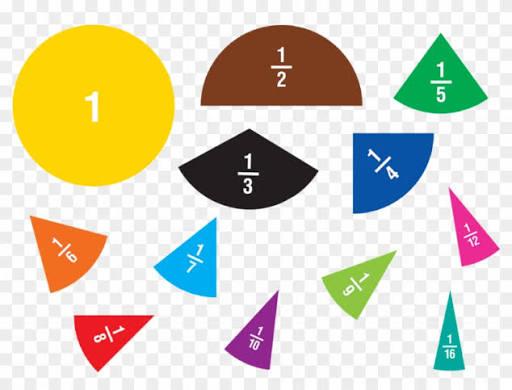
This week, we have begun learning about the mathematical concept of Fractions. Students are learning to partition shapes into equal parts and understand the meaning of the numerator and denominator when working with halves, thirds, quarters, fifths and tenths. This learning provides a strong foundation for working with fractions across a range of models and representations throughout the sequence.
Students will also deepen their understanding of reading analogue clocks in 5-minute increments by learning to accurately translate times onto digital clock displays. They will then practise translating digital times back onto analogue clock faces. Students will reinforce their ability to identify hour zones and count in 5s, developing greater accuracy and confidence when representing digital times using clock hands.

Over the past few weeks in STEM, students have been researching scientists from the past and have explored how these individuals made observations, collected data and used evidence to make important discoveries. Students have discovered how the work of these scientists has had a significant impact on the way we see, understand and experience our world today. These courageous and curious individuals have certainly paved the way for future scientific discoveries and continue to inspire generations of scientists.
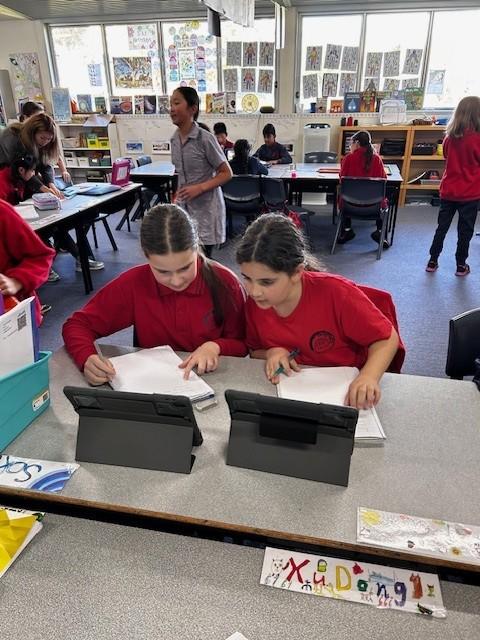
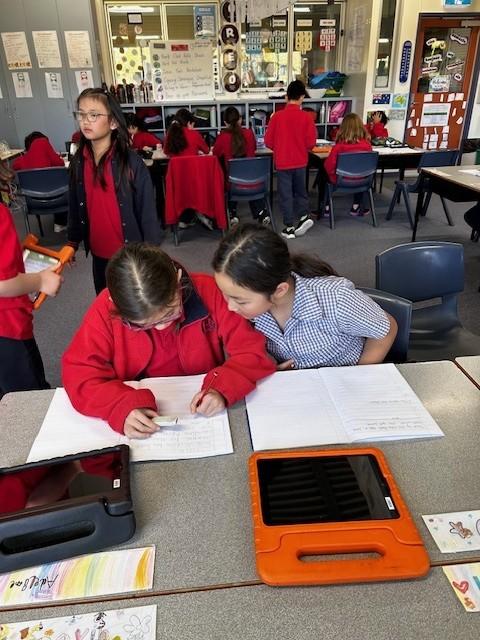
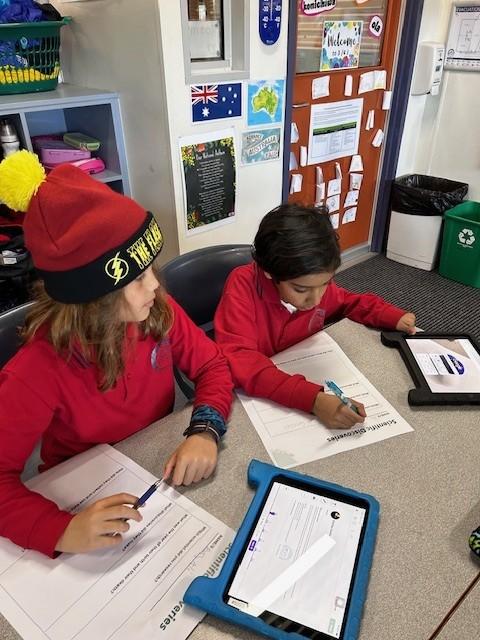
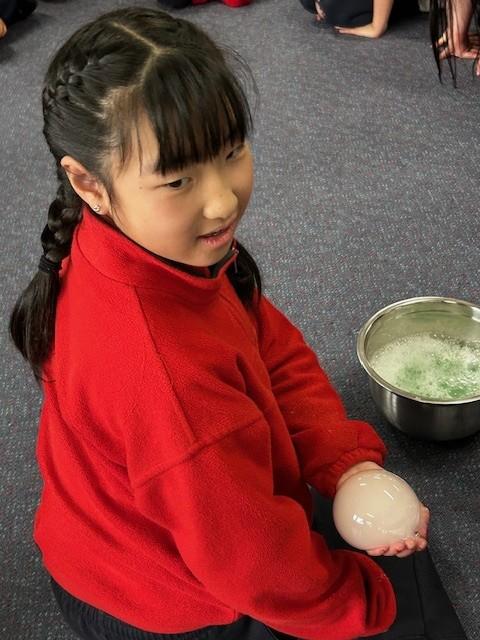
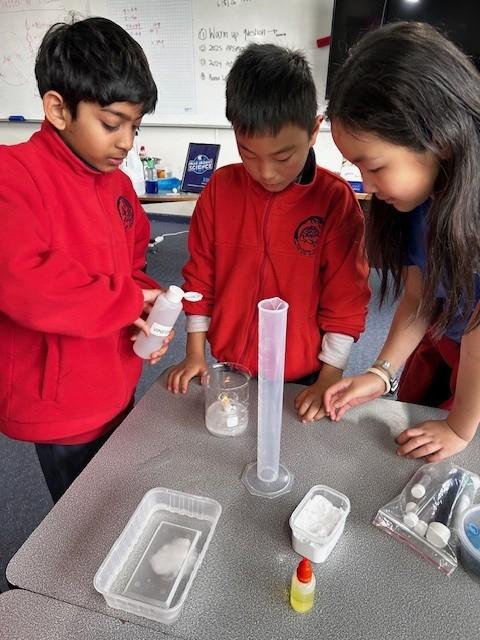
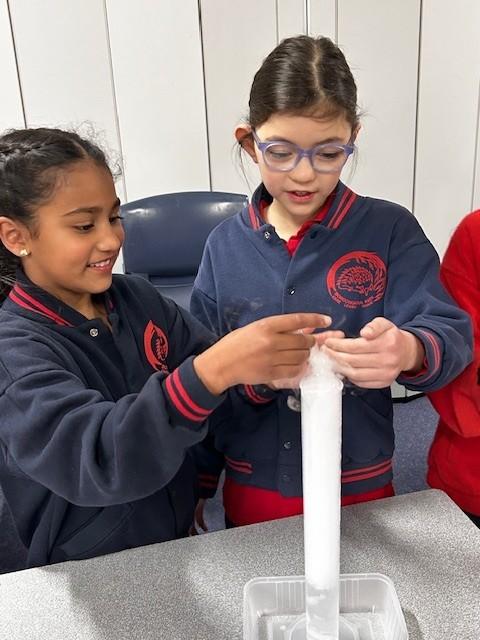
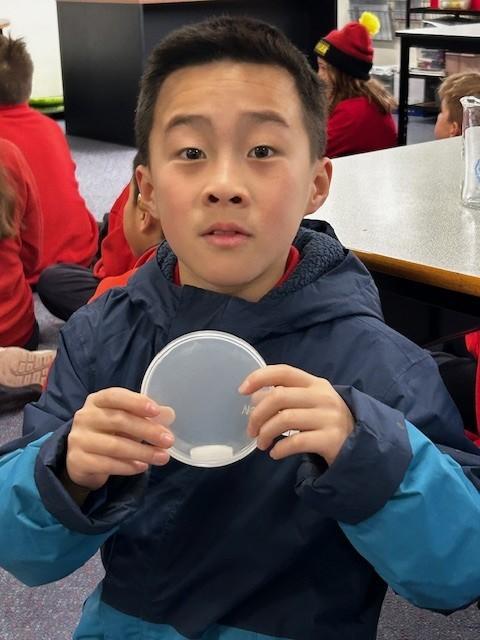
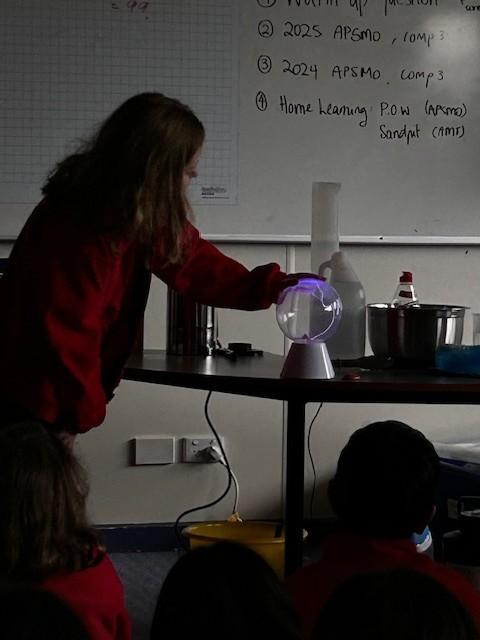
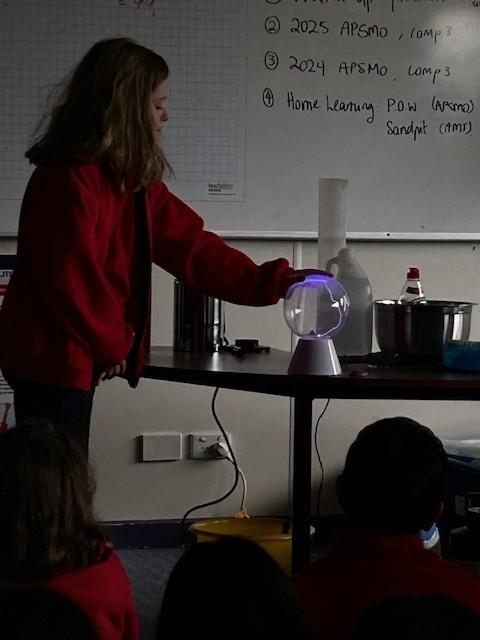
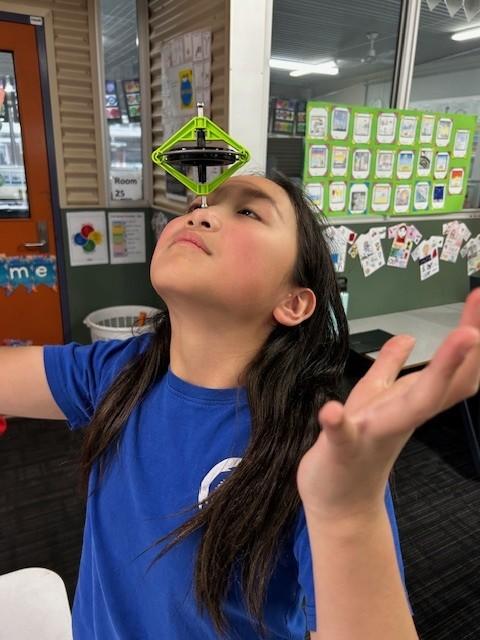
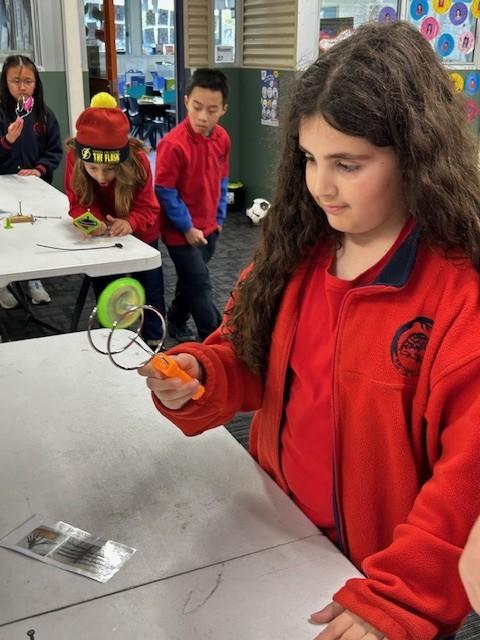
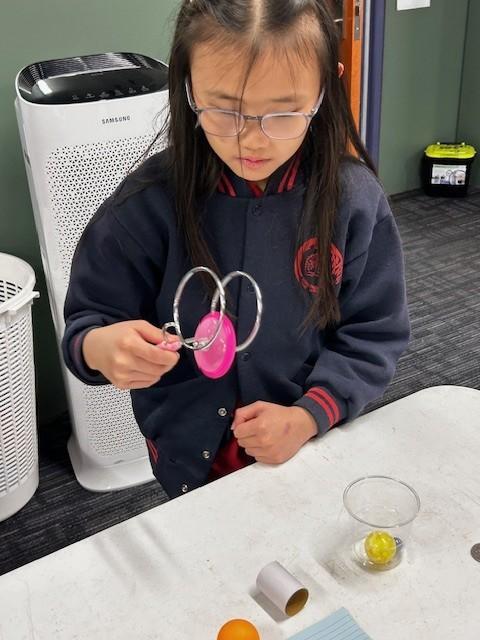
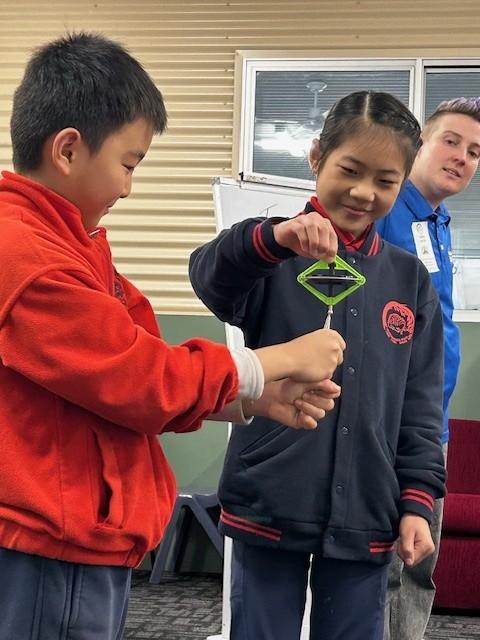
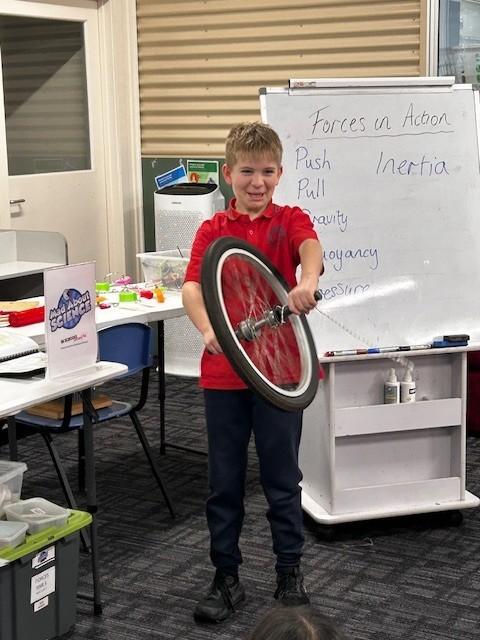
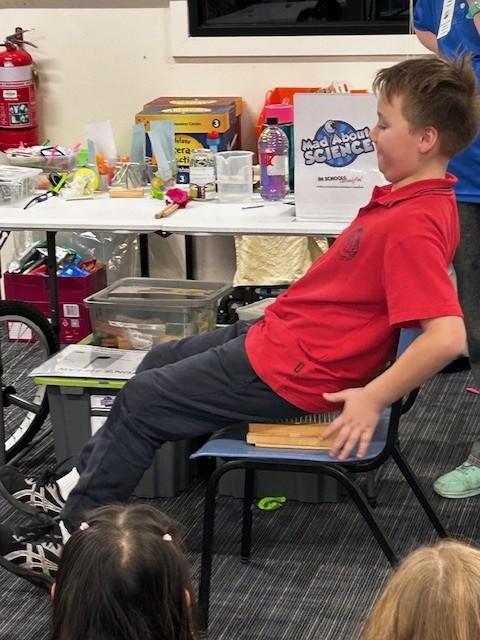
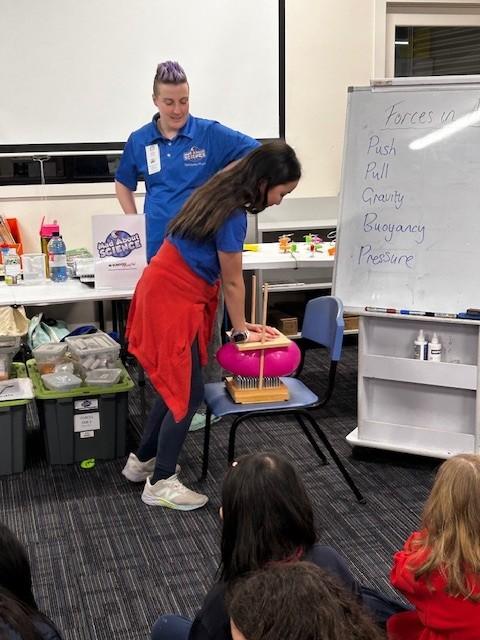
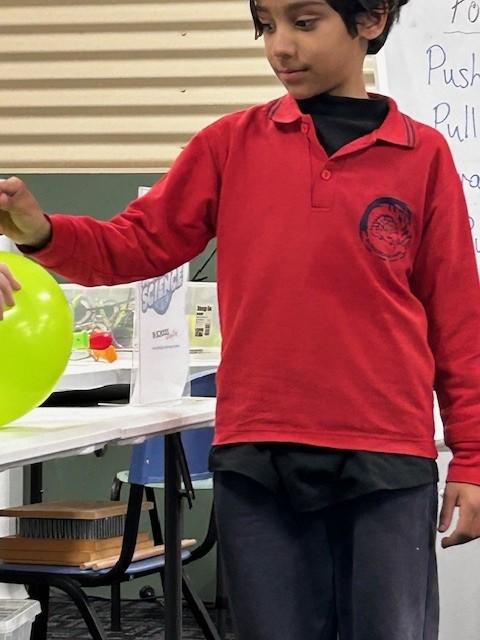
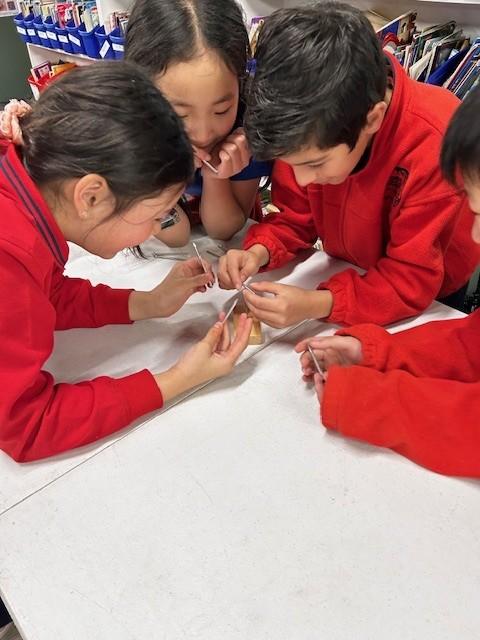
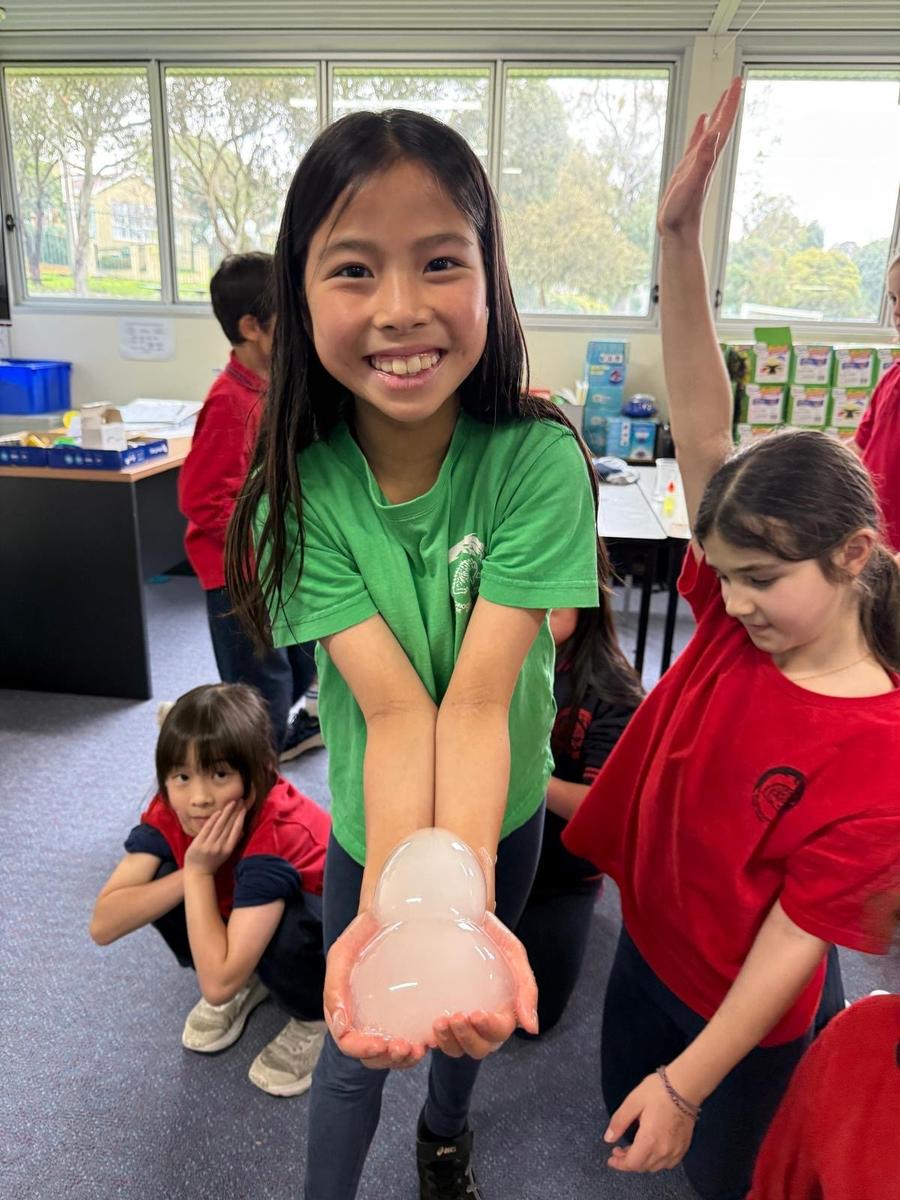
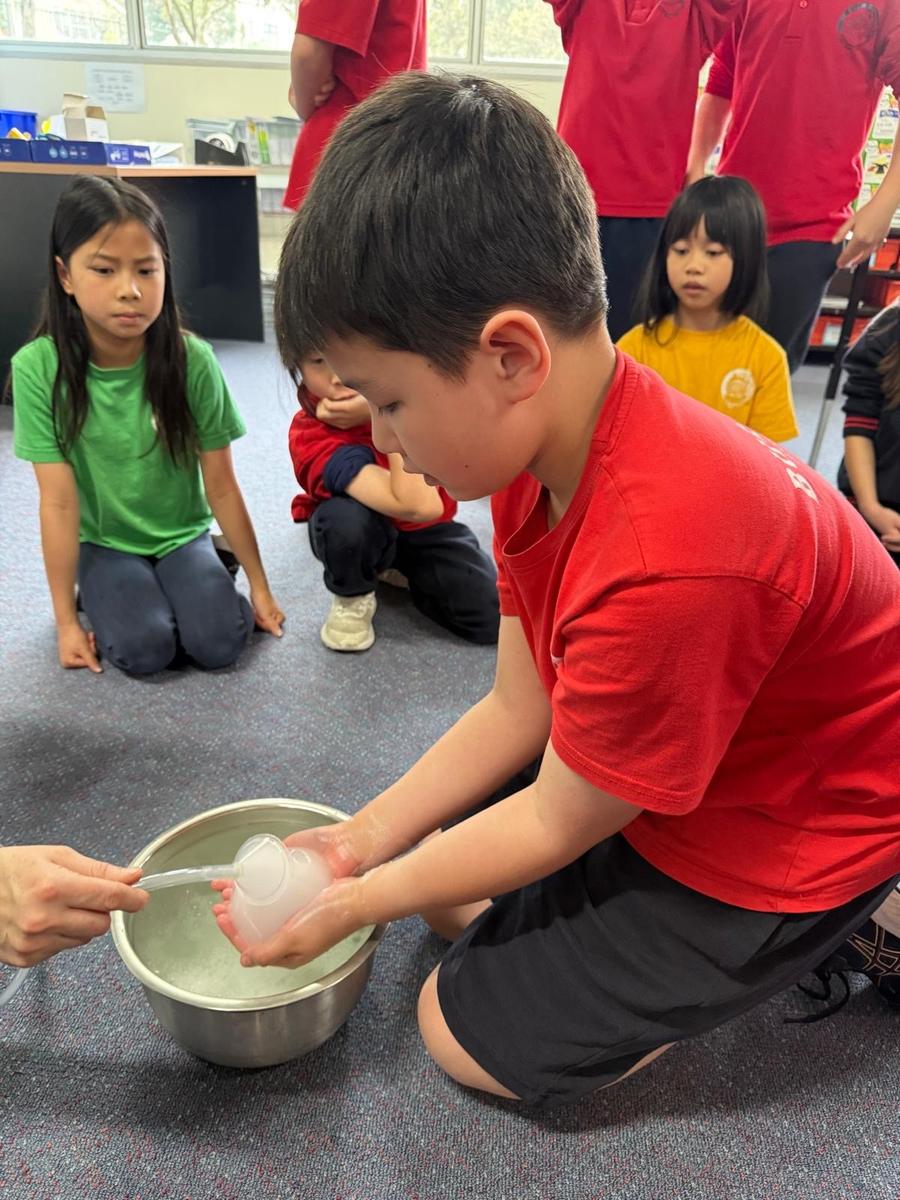
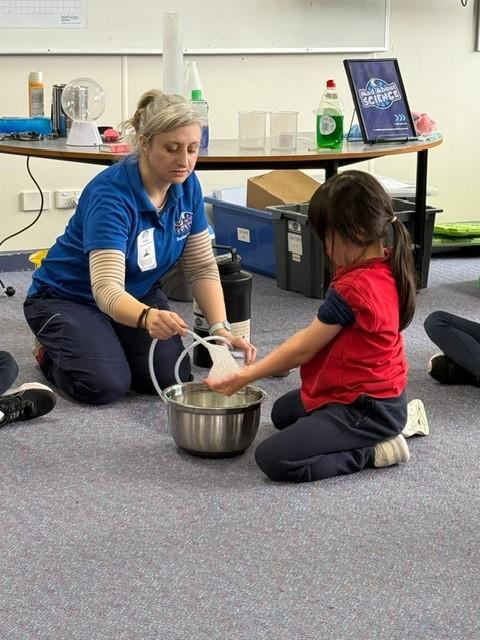
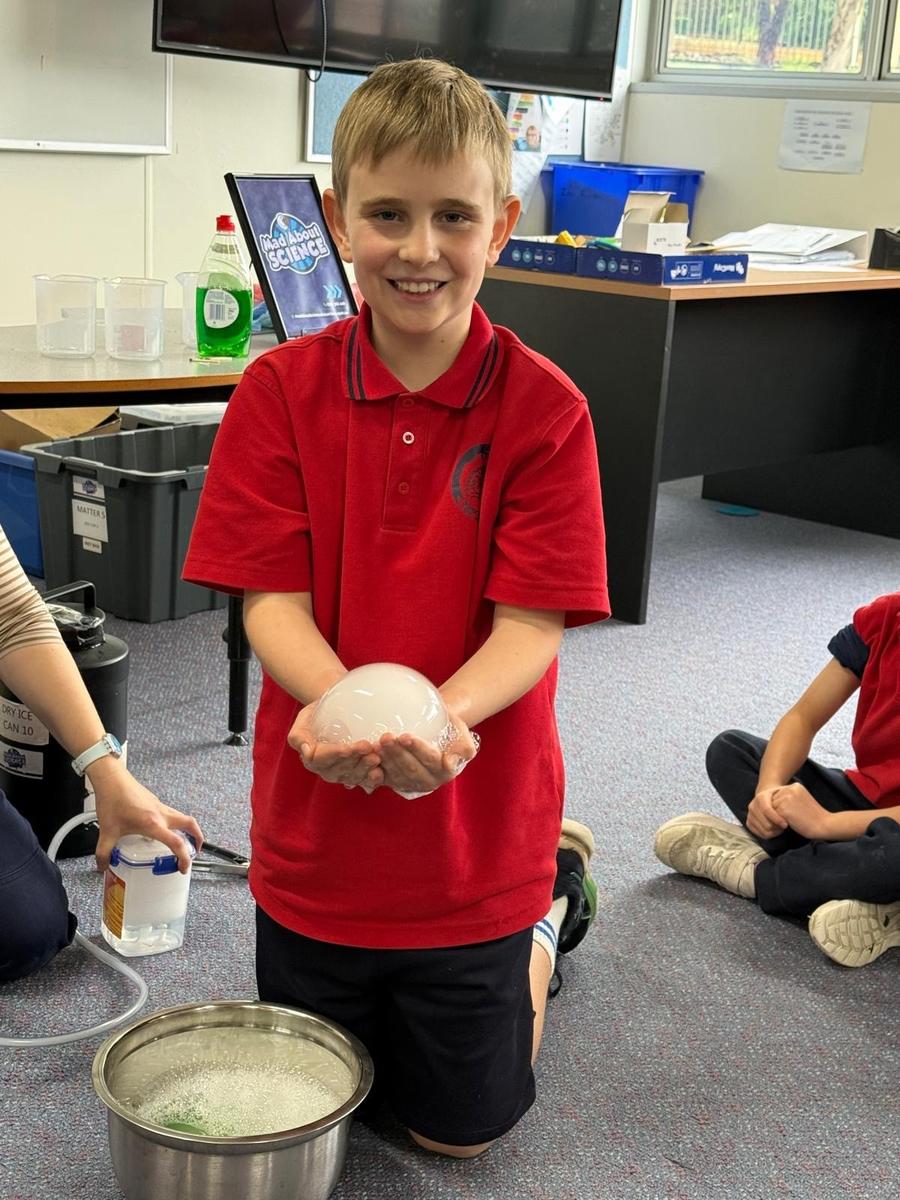
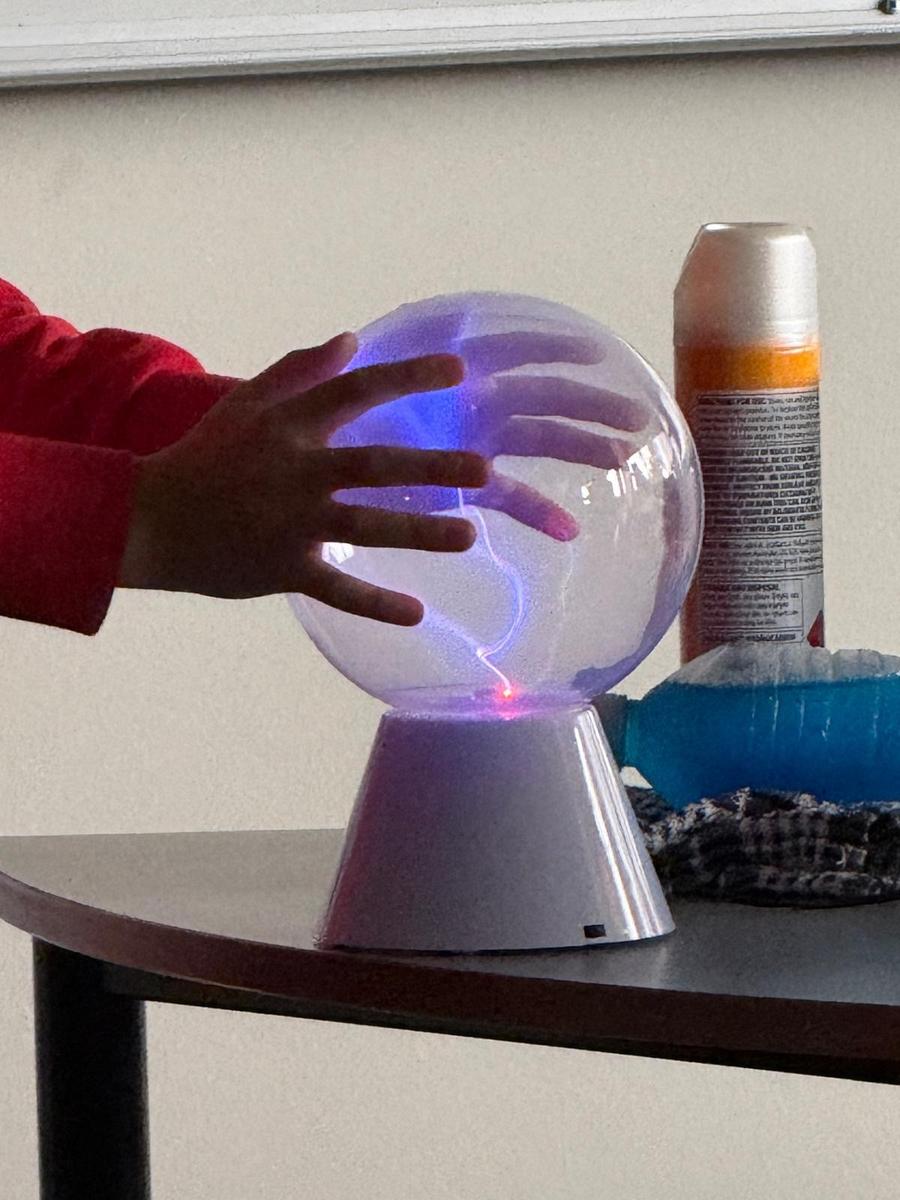
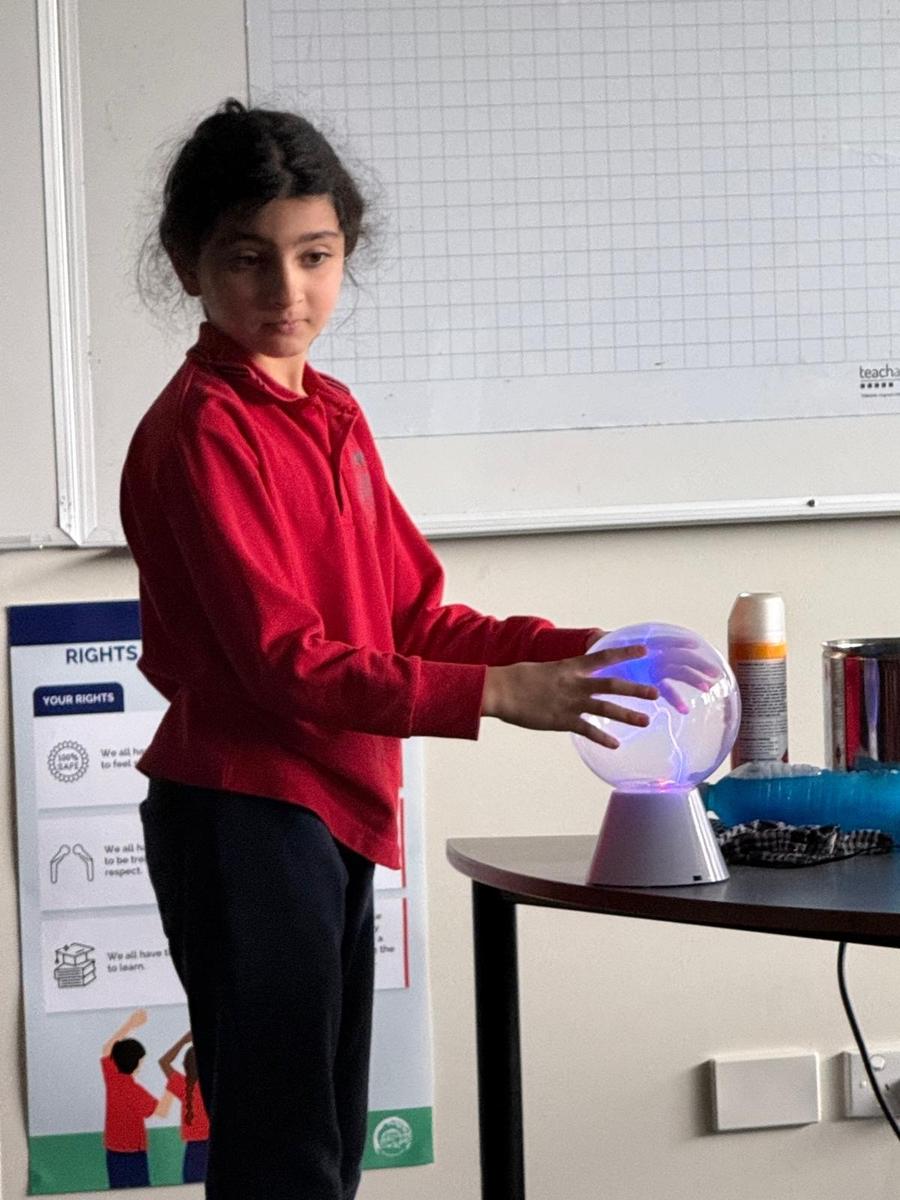
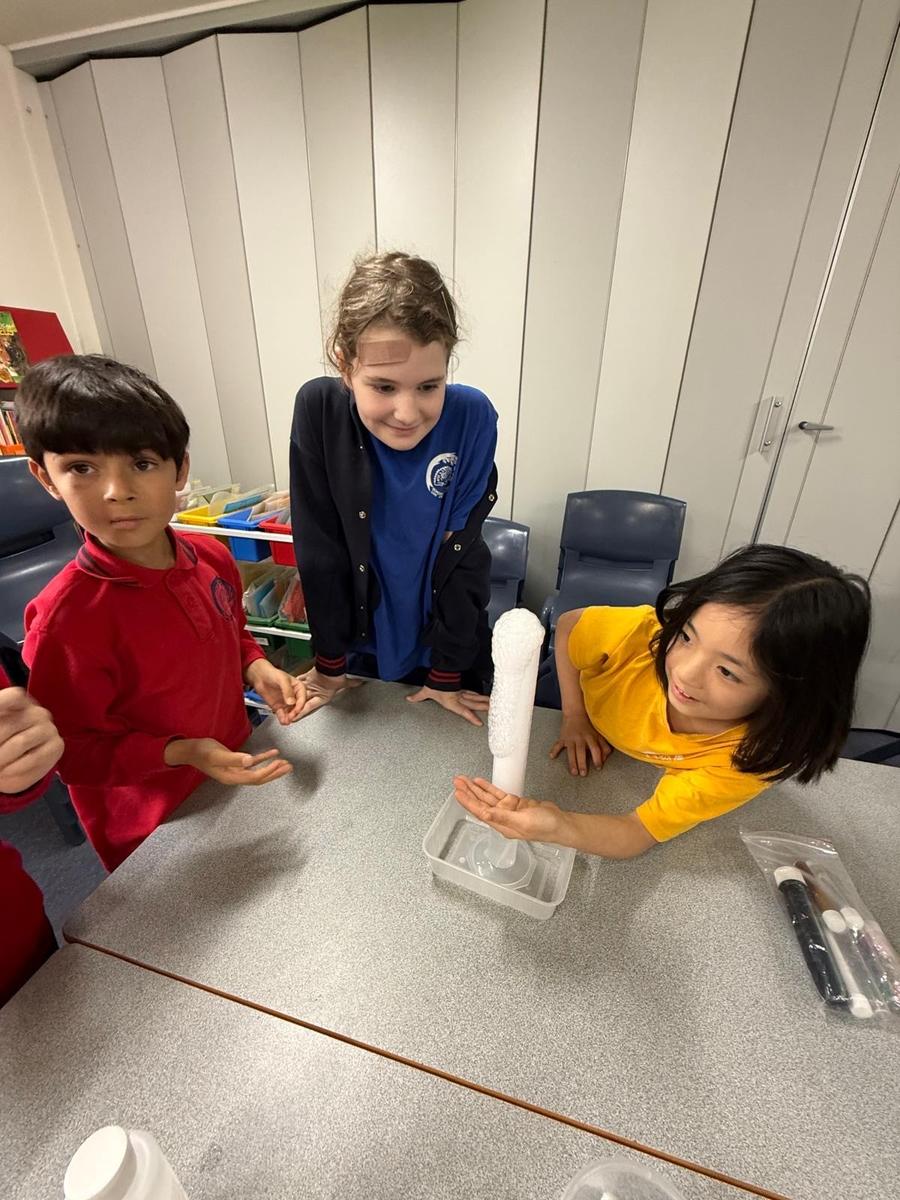
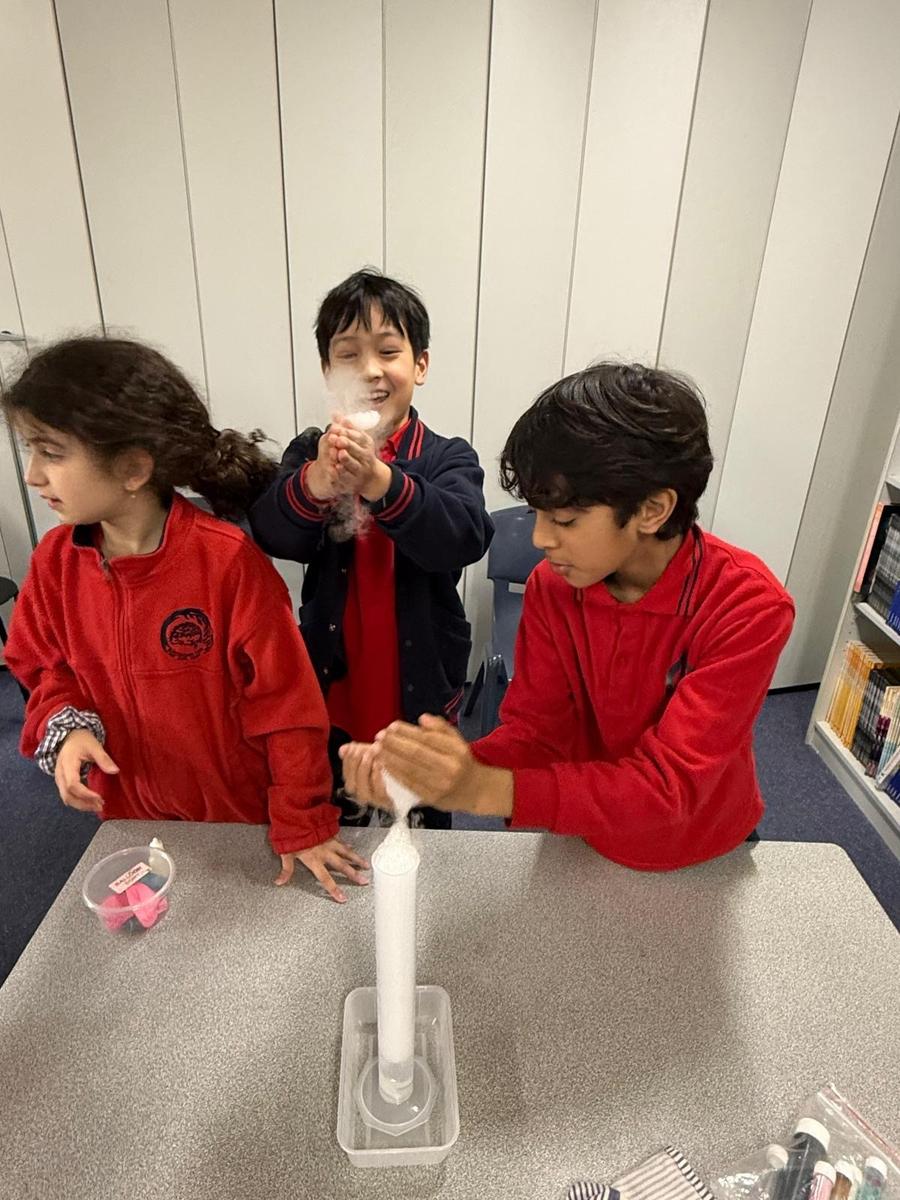
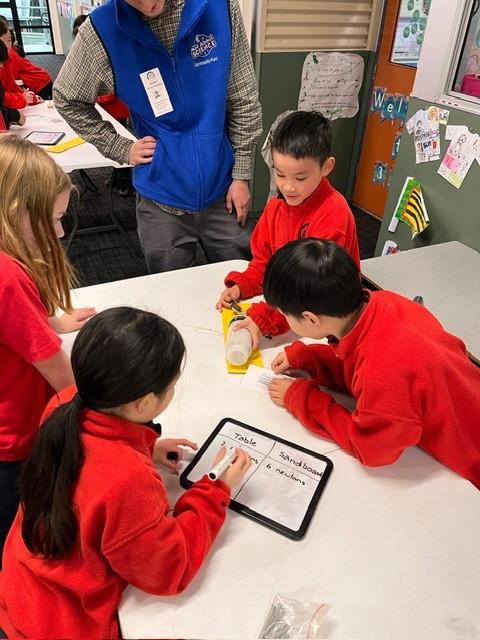
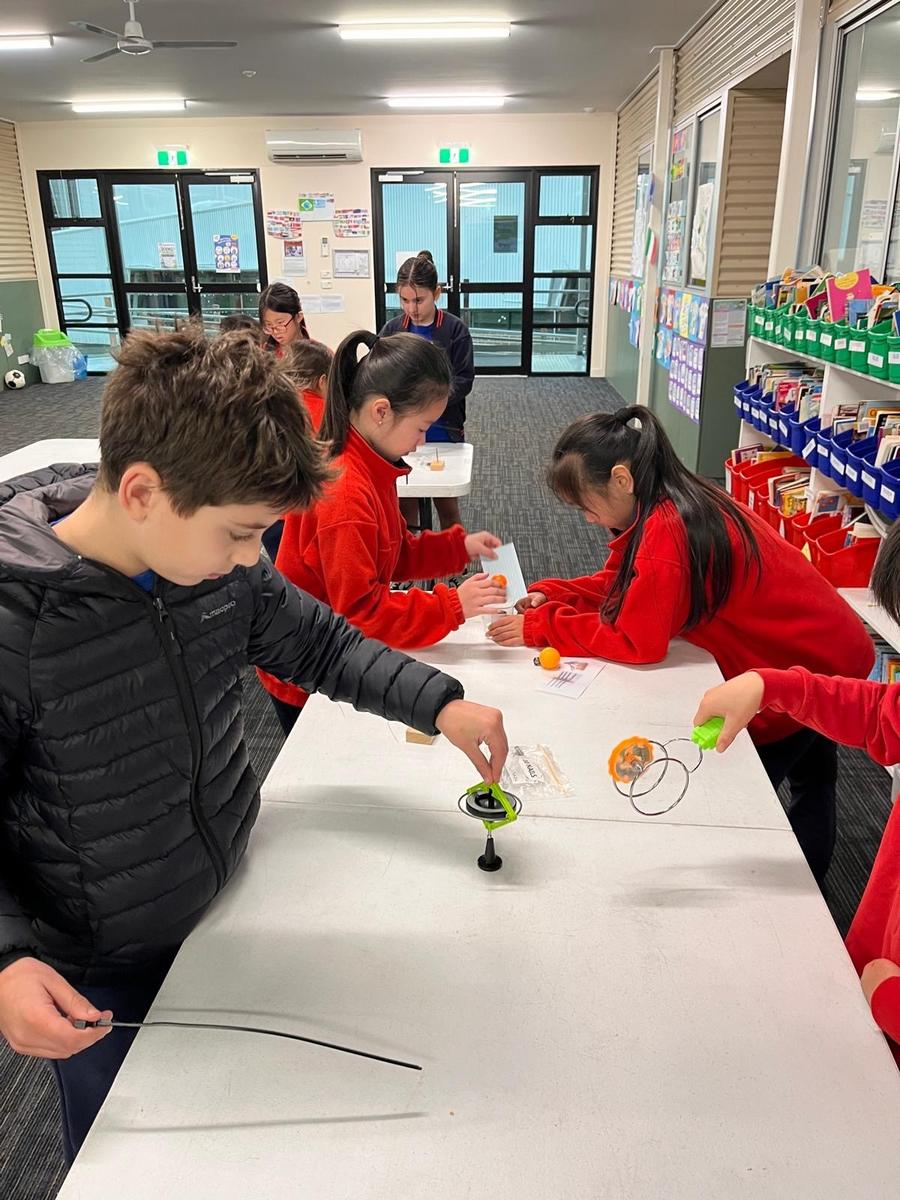
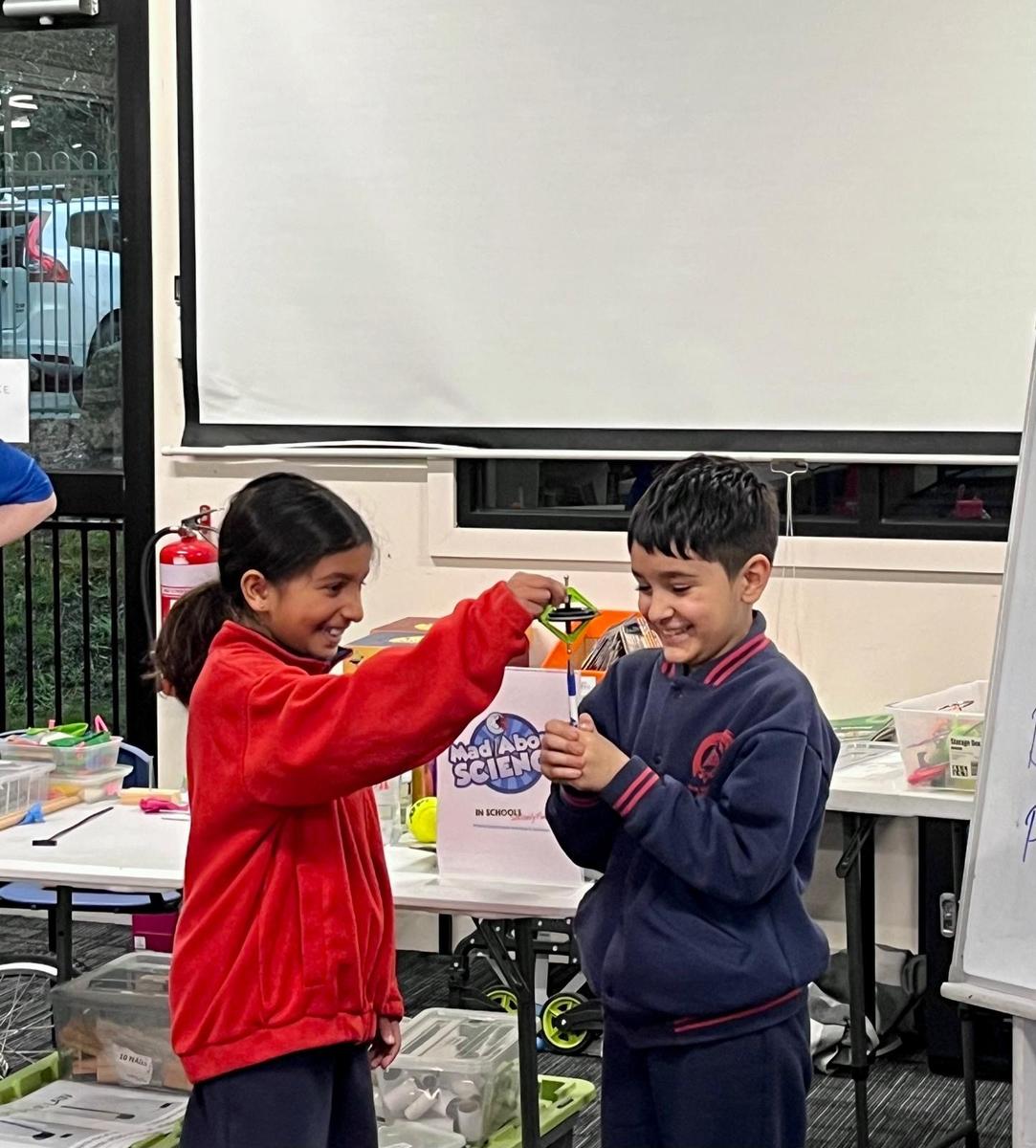
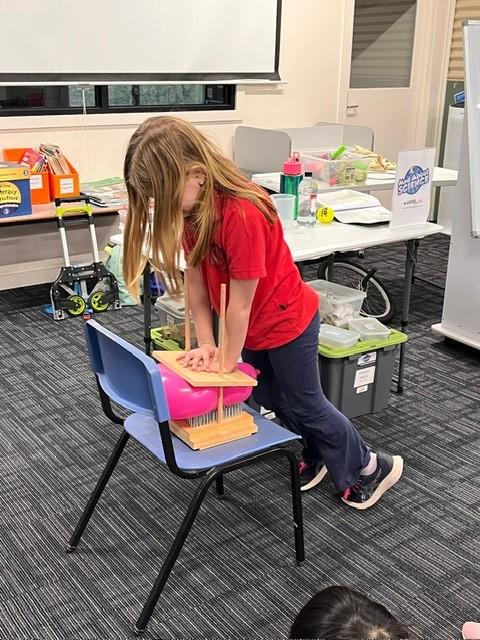
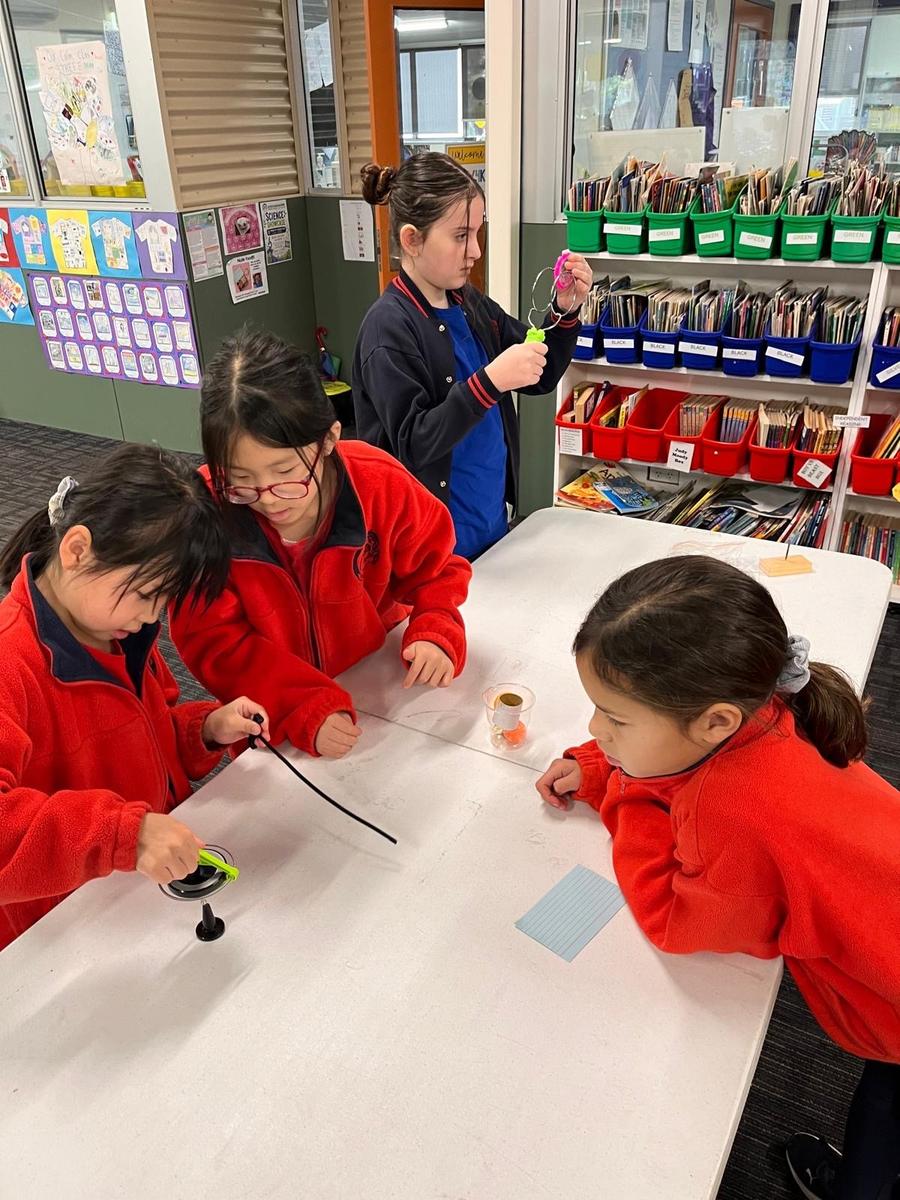
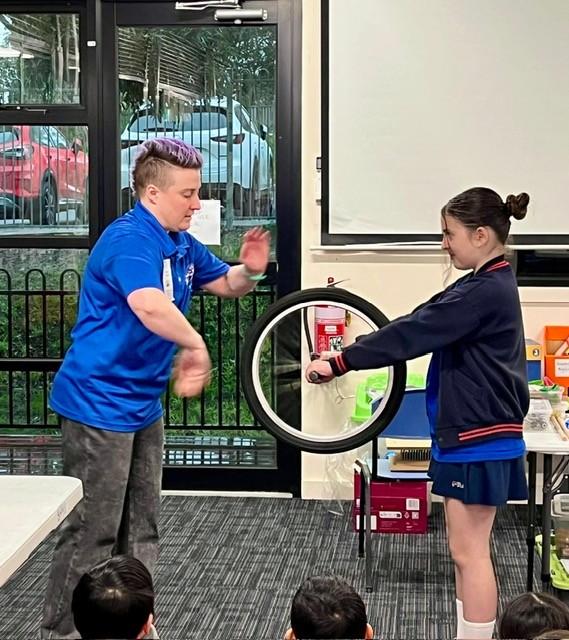
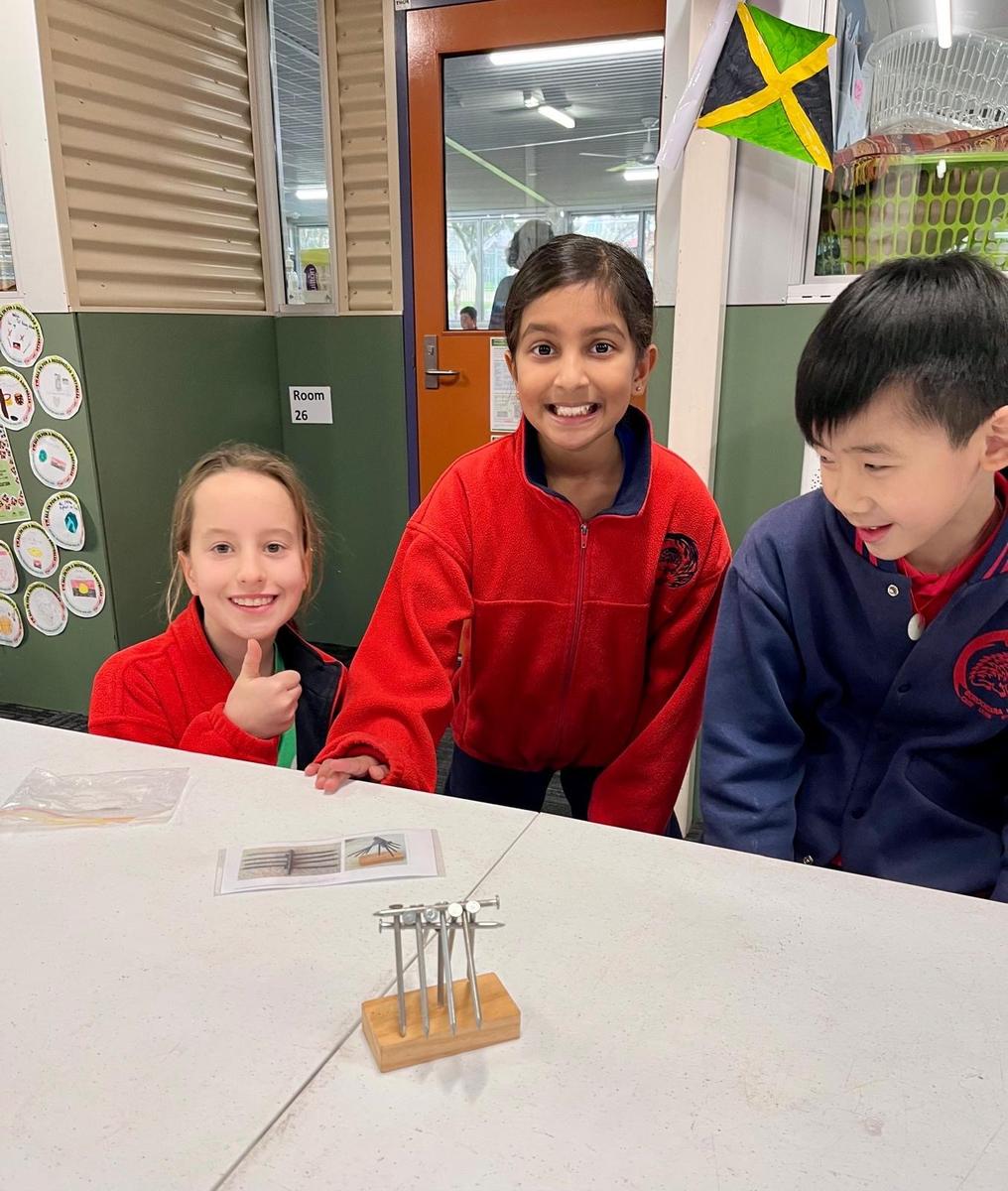
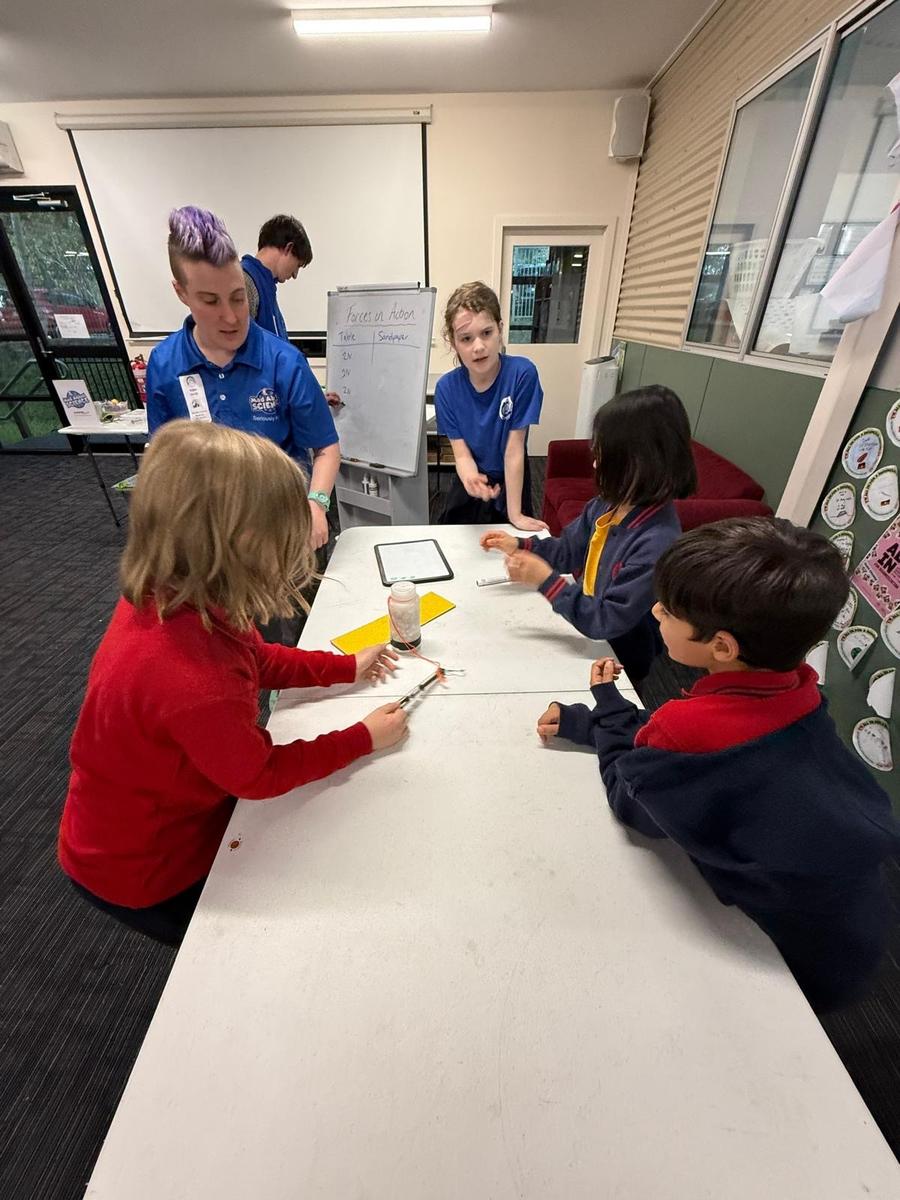
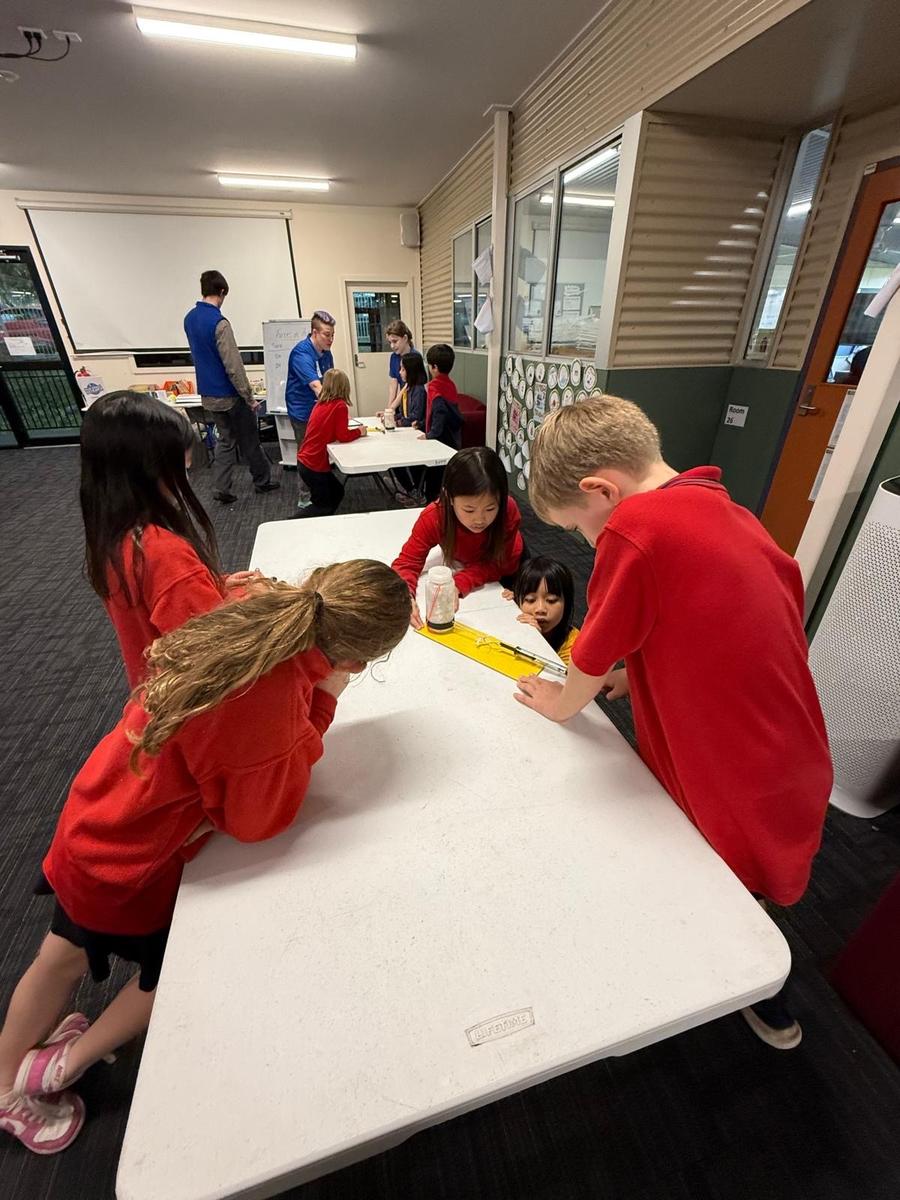
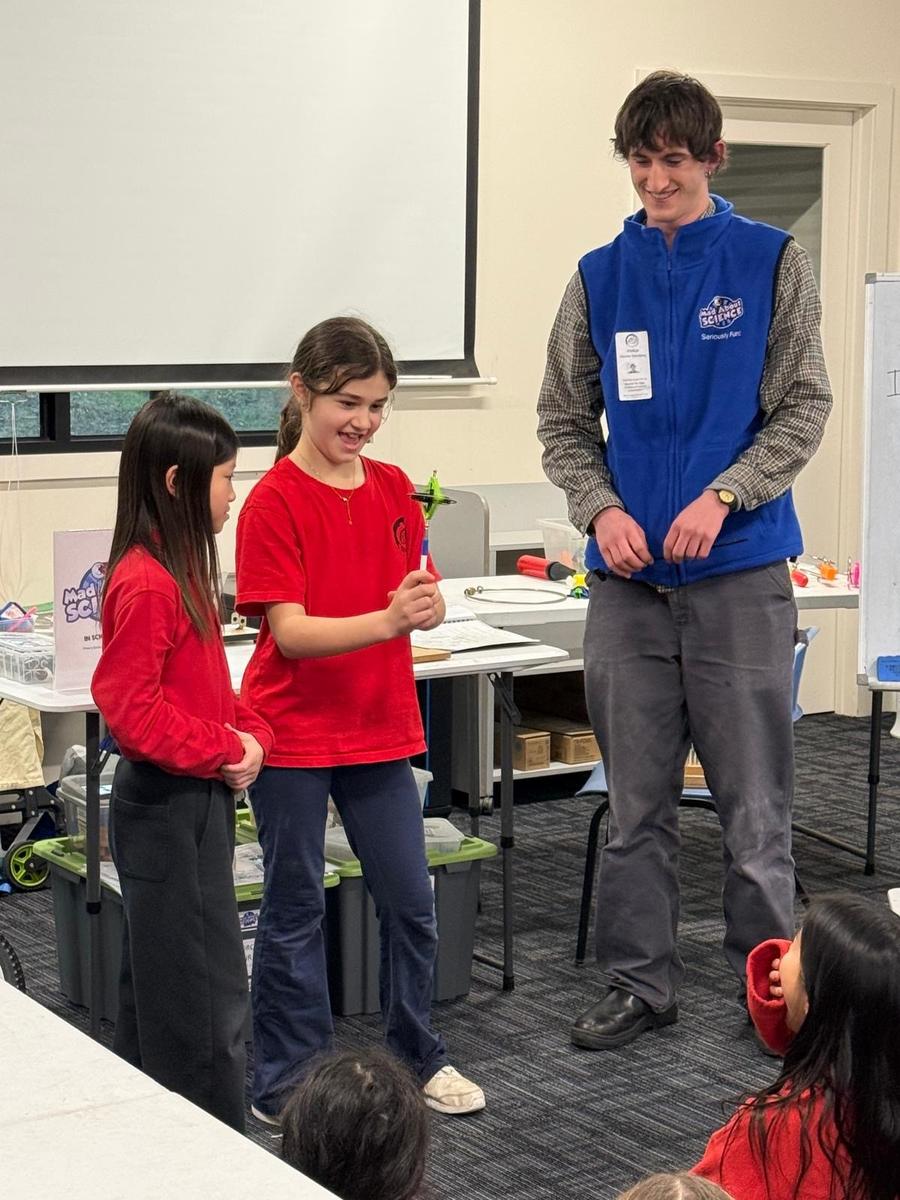
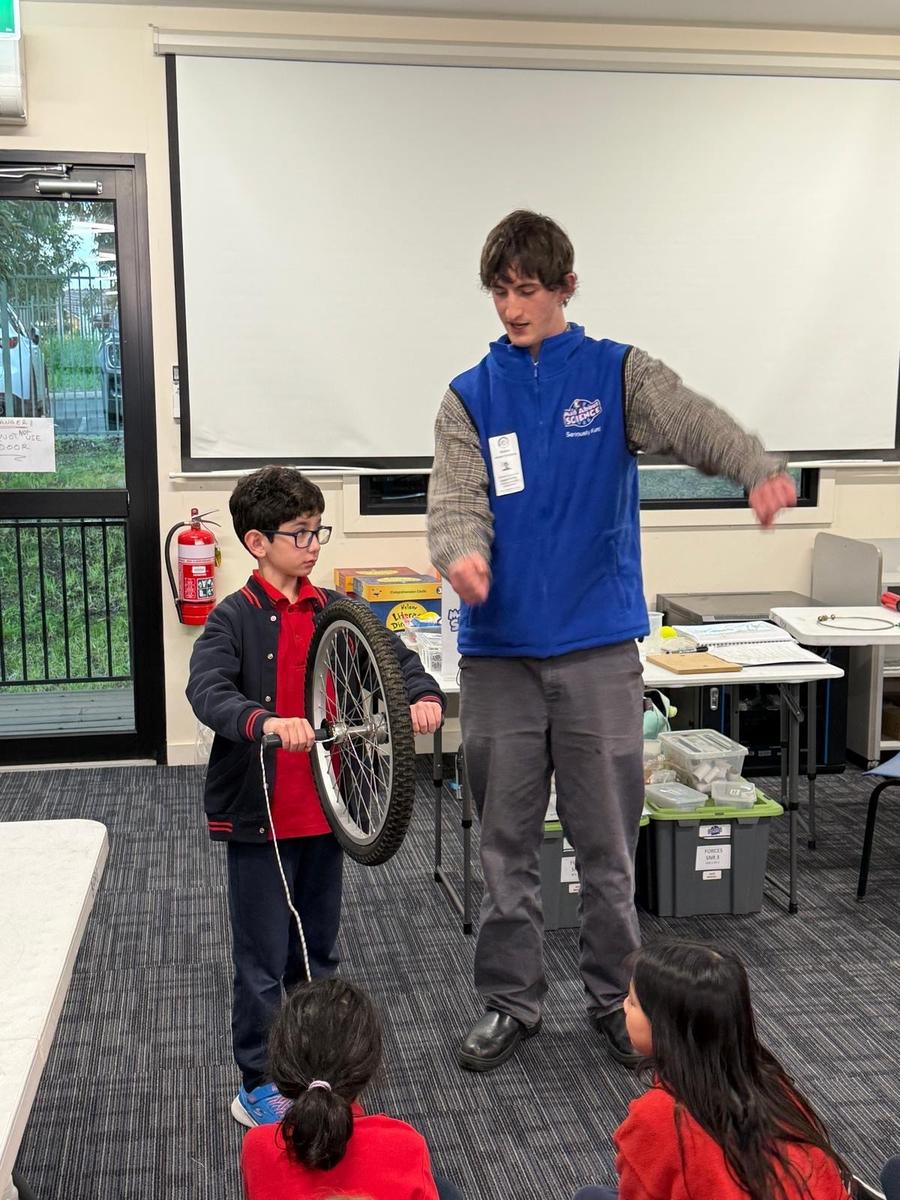
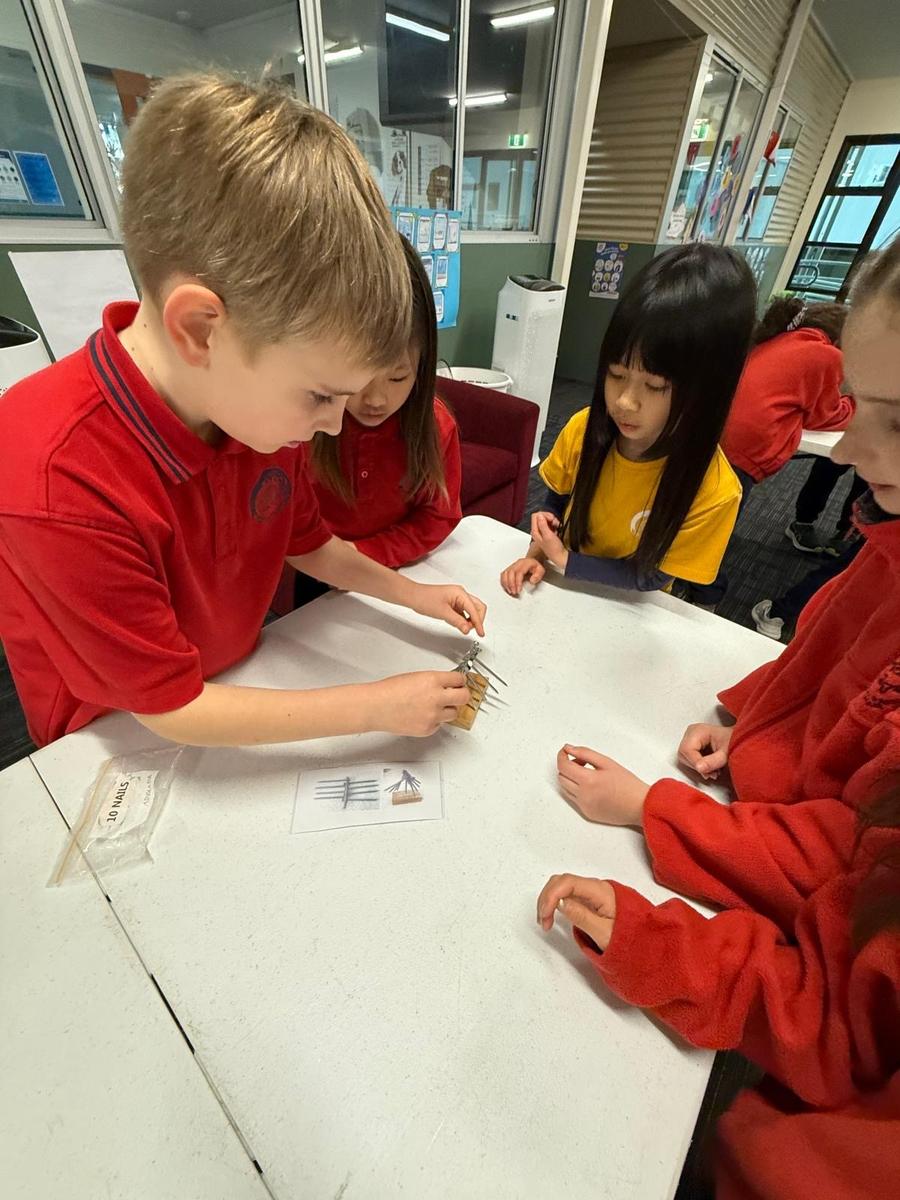
Our planned Mad About Science incursion literally went off with a bang! Students were introduced to forces in nature, including gravitational and frictional forces, as well as the different states of matter. They explored the magic of dry ice and investigated the three common states of matter: solids, liquids and gases. Students touched bubbling fountains, observed colour-changing reactions and even experienced a DIY fire extinguisher!
From an apple falling to the ground to a car rolling to a halt, forces are constantly at work all around us. The incursion provided students with a stimulating, hands-on opportunity to explore things that move and investigate why they move, bringing their learning about forces and matter to life.
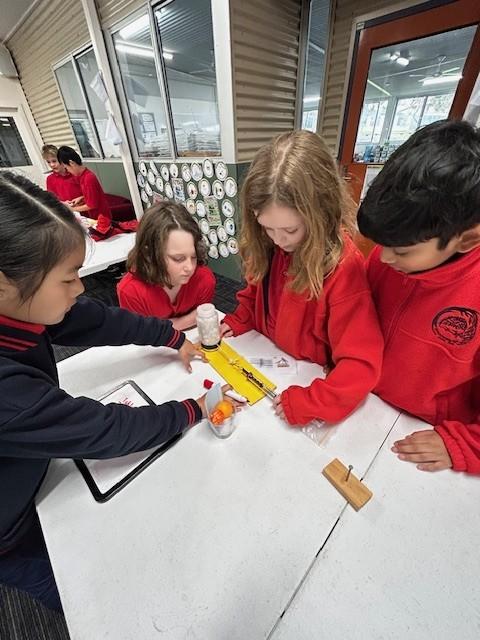
Next week, students are excited to celebrate Science Week! This year’s theme celebrates the International Year of the Woman Farmer, which aims to raise awareness of the important contributions women make to agrifood systems, as well as the challenges they face.
As educators, we can draw meaningful parallels between planting and nurturing seeds and the way we cultivate ideas, knowledge and curiosity in our students. Over the past few weeks, students have been conducting biology-based experiments focusing on seeds, plant parts and plant growth.
Students are very excited to share the results of their experiments with you next Friday, 14 August, at 3:00pm. We look forward to seeing you there and sharing our scientific discoveries!
To support our learning at school, we ask that students complete the following home learning each week:
Multiplication Practice - sent home each week
The maths, spelling and multiplication sheets are glued in Home Learning books, and students should bring these each Monday to receive new home learning for the week ahead and to submit their homework for the previous week to their teachers.
14th August - Science Showcase in classrooms 3:00 to 3:30pm
15th - 23rd August - Science Week
Friday 28th August - Book Week Dress Up Parade
Prepared by the Grade 3/4 Teachers