
From the 1/2 Classrooms
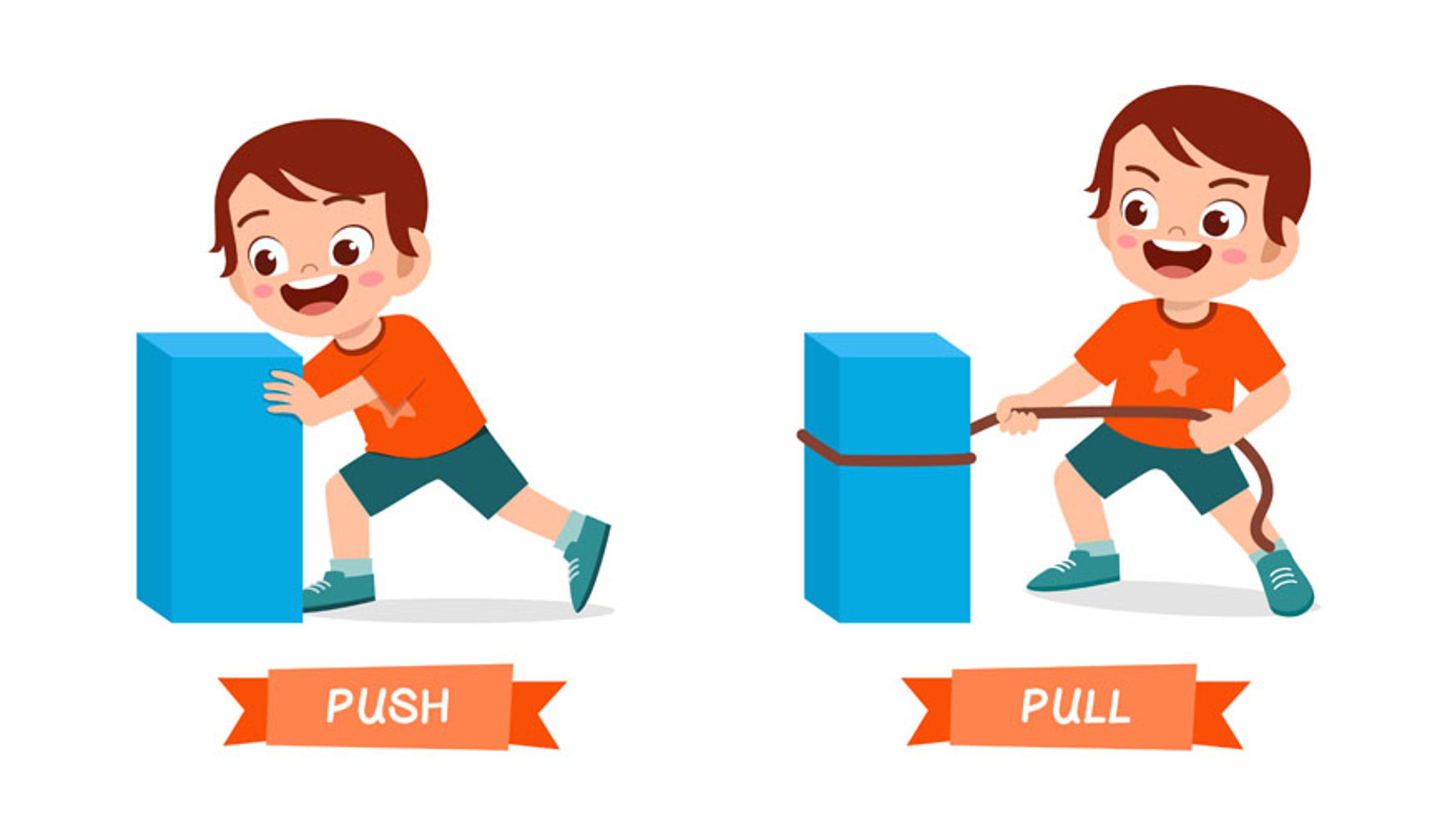
All Things Push and Pull!
Last week, our learning was all about exploring the physical science concepts of push and pull! Students investigated how different forces are used in everyday life by identifying and creating examples of actions that involve pushing and pulling. They designed interactive push and pull diagrams, helping them make meaningful connections between science and the world around them.
To deepen their understanding, students became scientists as they watched an informative video about forces. Before viewing, they made predictions by examining the title and image, discussing what they thought they would learn. Using our Watch - Think - Record strategy, students gathered important information by listening for key words, identifying important facts and recording their thinking using simple notes.
Step 1: Watch
Good viewers look and listen for: important words, labels on diagrams, repeated ideas, facts explained by the narrator
Step 2: Think
Ask, does this information help me understand my topic?
Step 3: Record
Write short notes using key words.
Together, we added to our class anchor chart, building a shared understanding of how pushes and pulls affect the movement of objects.
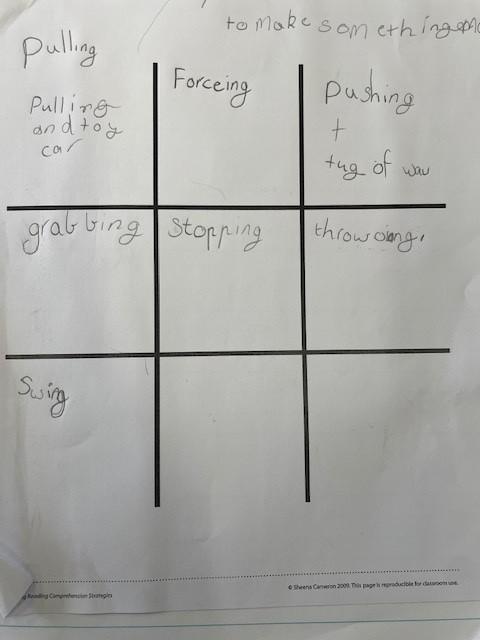
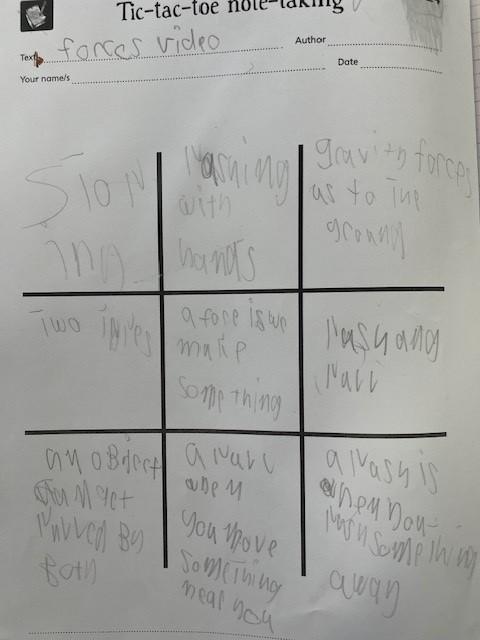
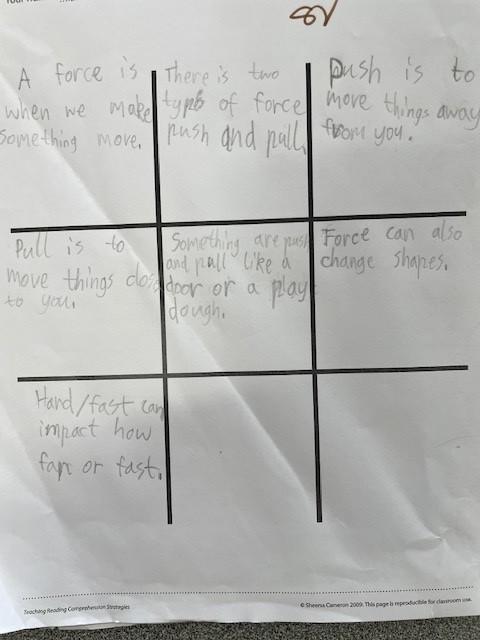
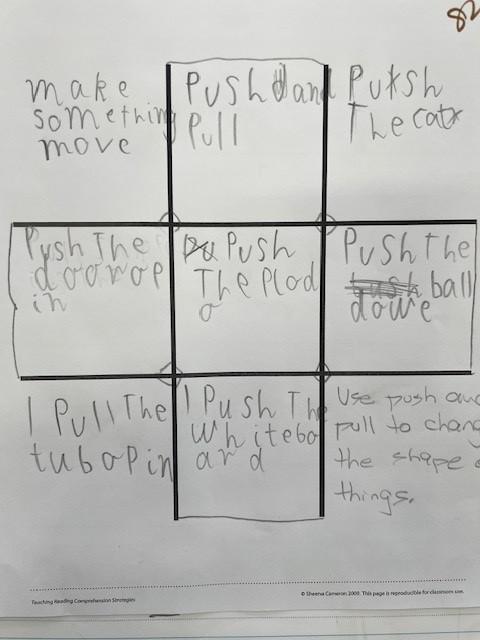
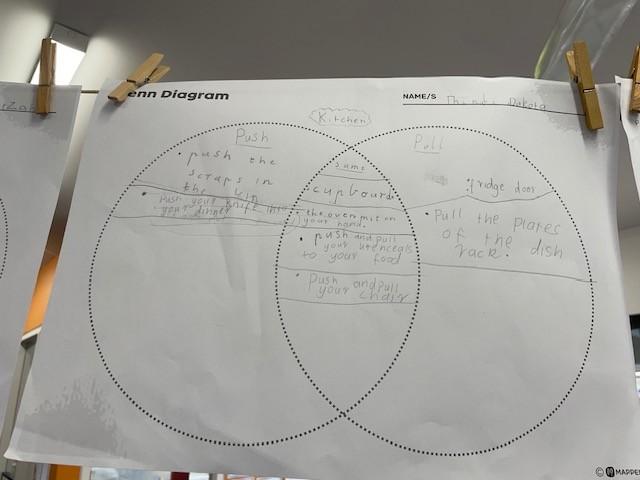
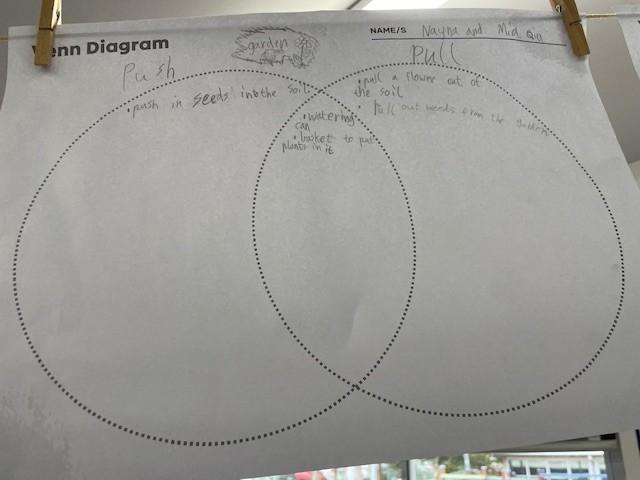
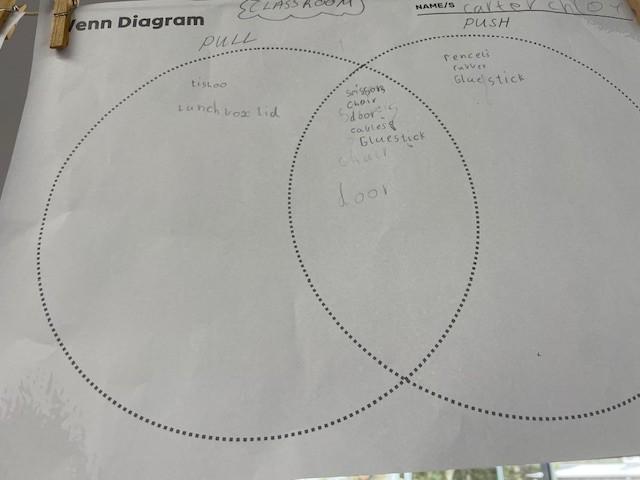
During our integrated sessions, students extended their thinking by comparing everyday objects using a Venn diagram. They sorted items into those that can be pushed, pulled or both, discovering that many objects can be moved in different ways depending on the situation. This encouraged students to justify their thinking and apply their scientific understanding to real-world examples.
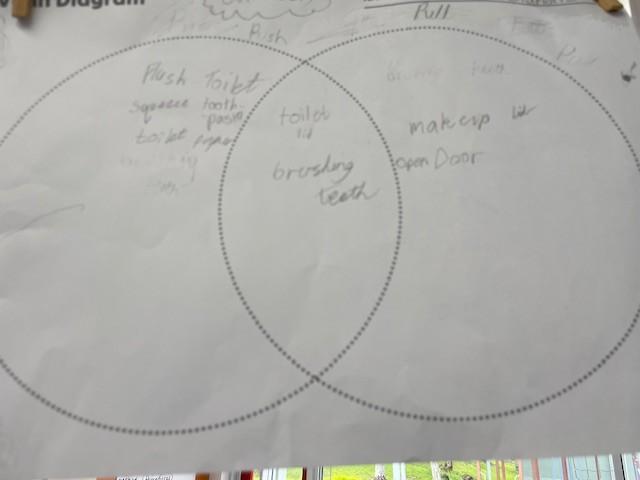
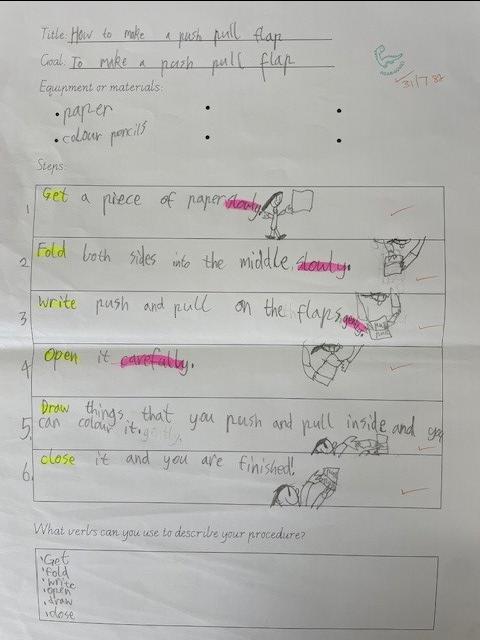
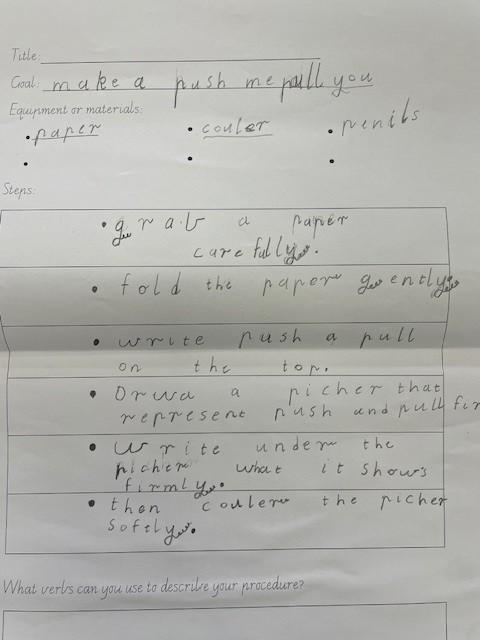
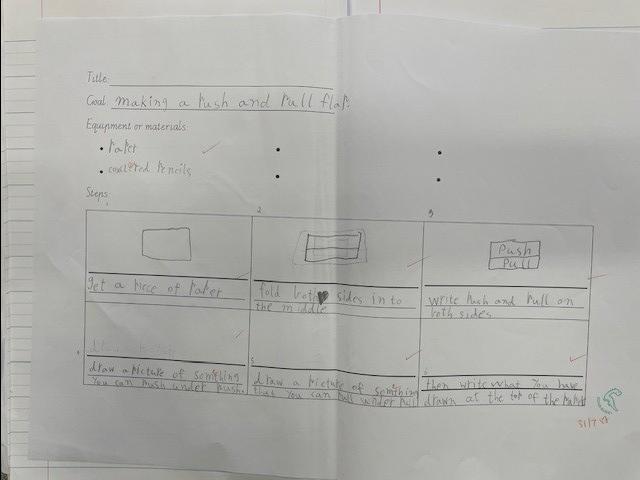
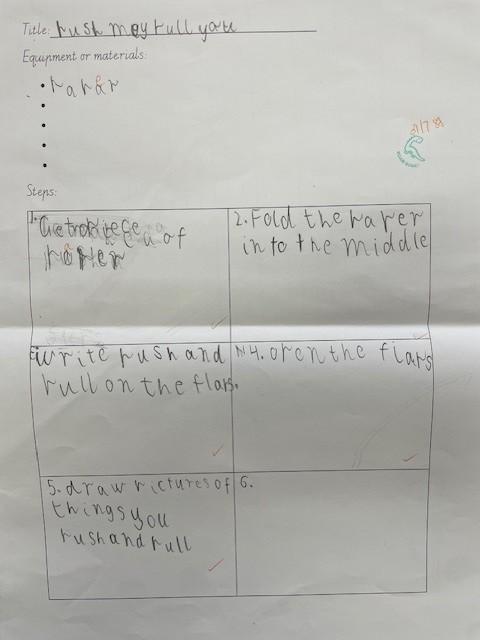
In writing, the focus was on procedural writing. Students revisited the key features of a procedural text- title, goal, materials and equipment, and discussed how each section helps readers follow instructions successfully.
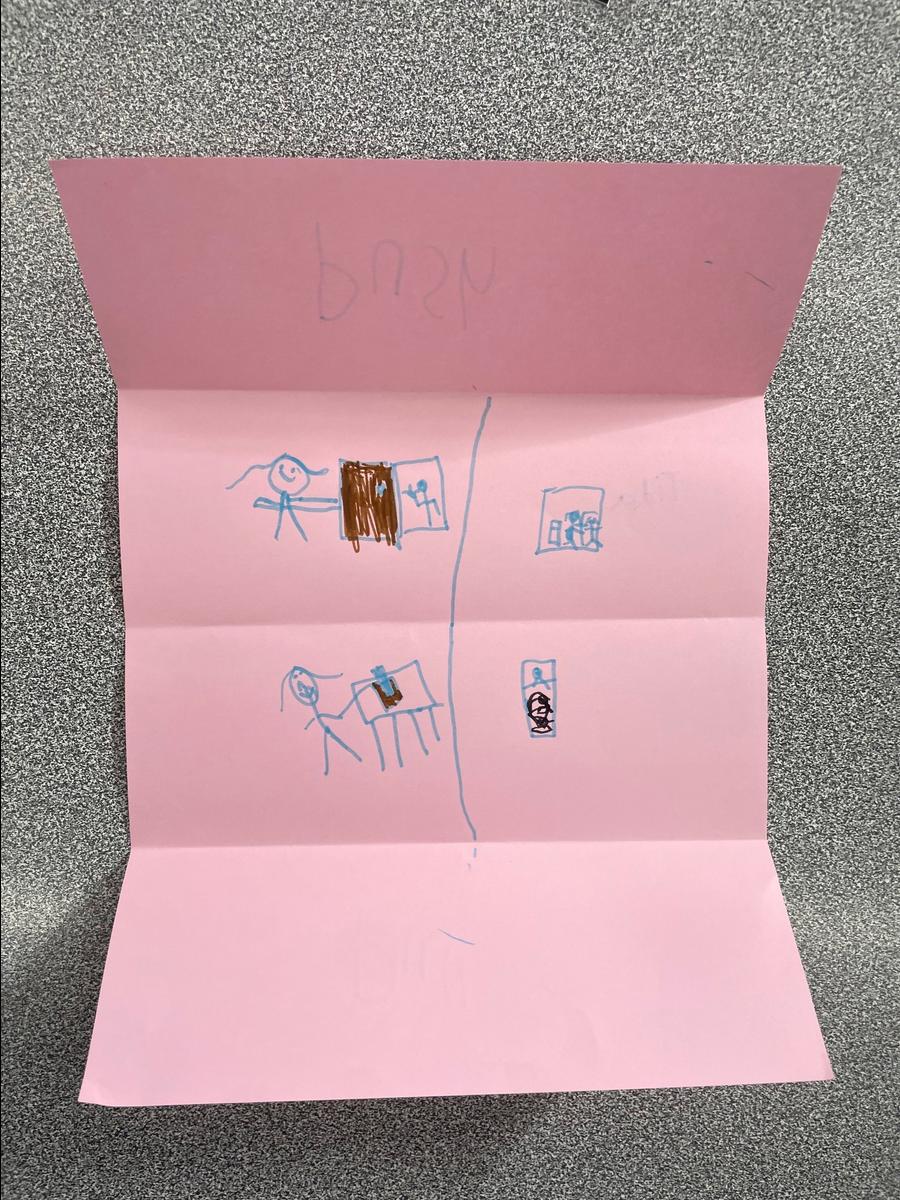
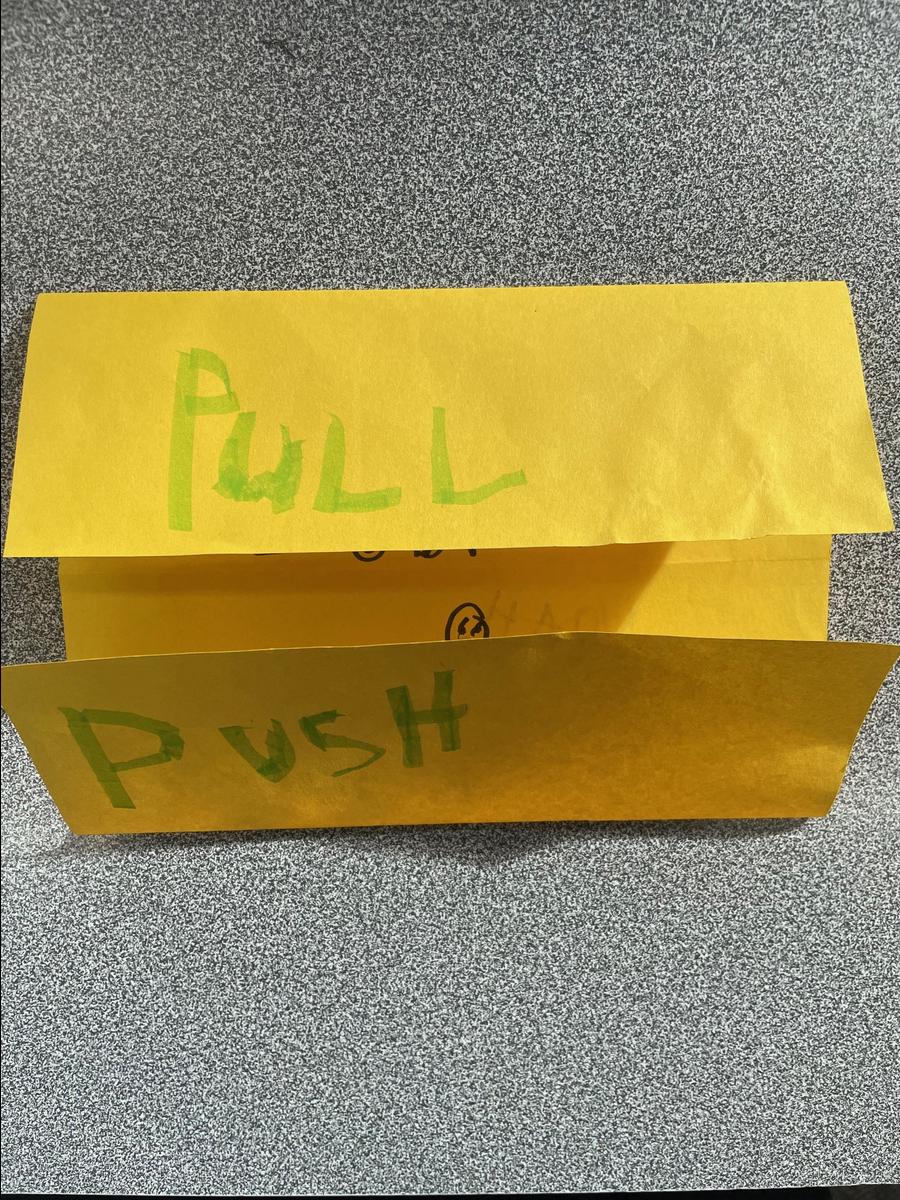
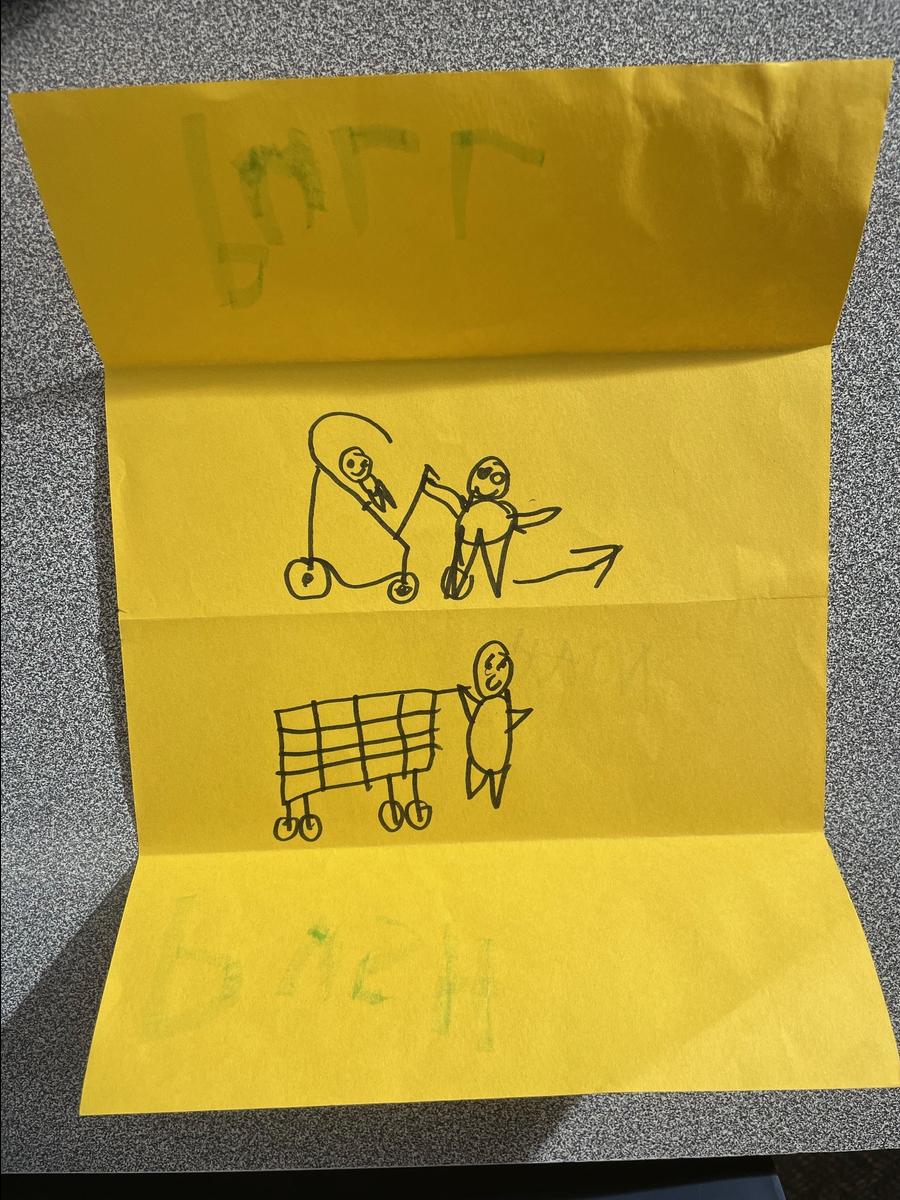
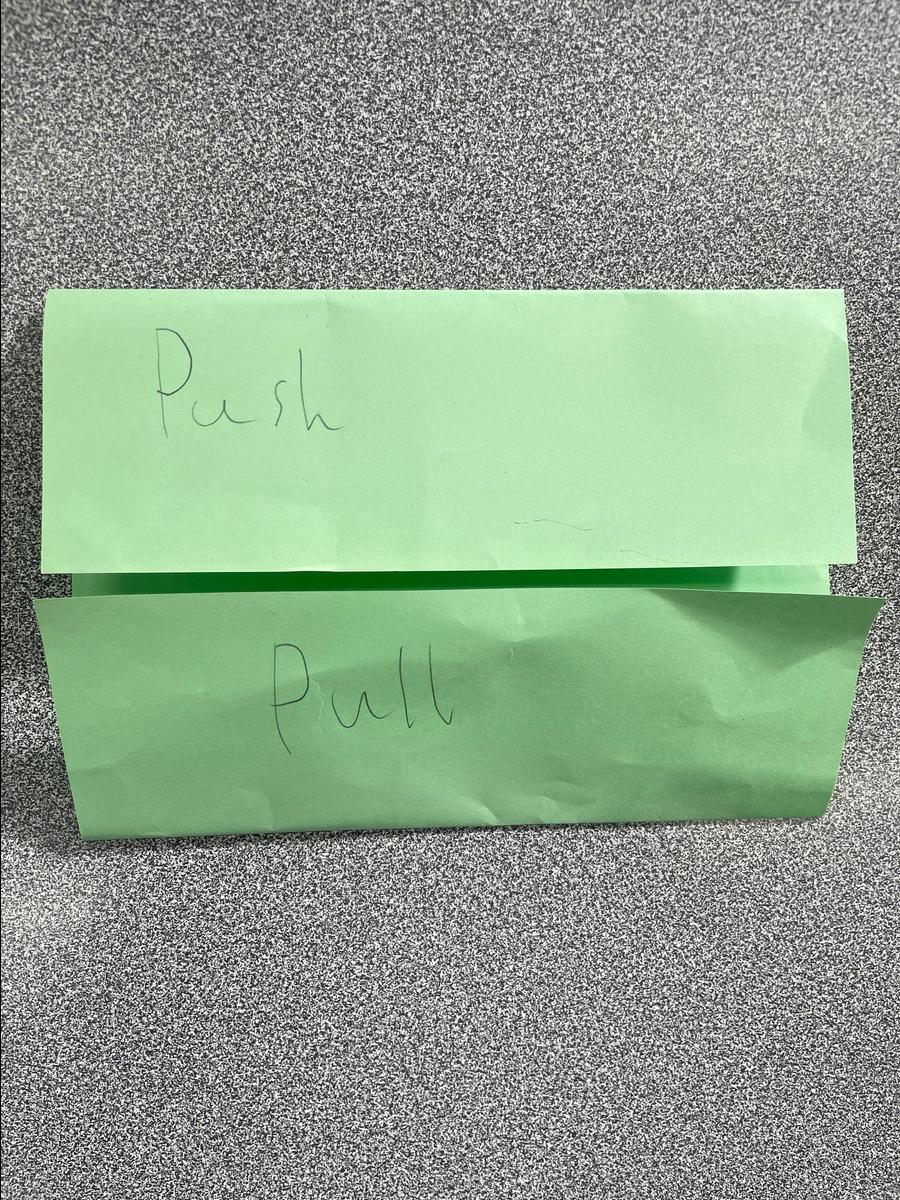
Using a teacher model, students created an interactive Push and Pull Diagram. They carefully folded paper to make flaps labelled Push and Pull. Under each flap, they drew pictures of objects that demonstrate each force, such as pushing a shopping trolley or chair and pulling a jumper off or taking part in a tug-of-war.
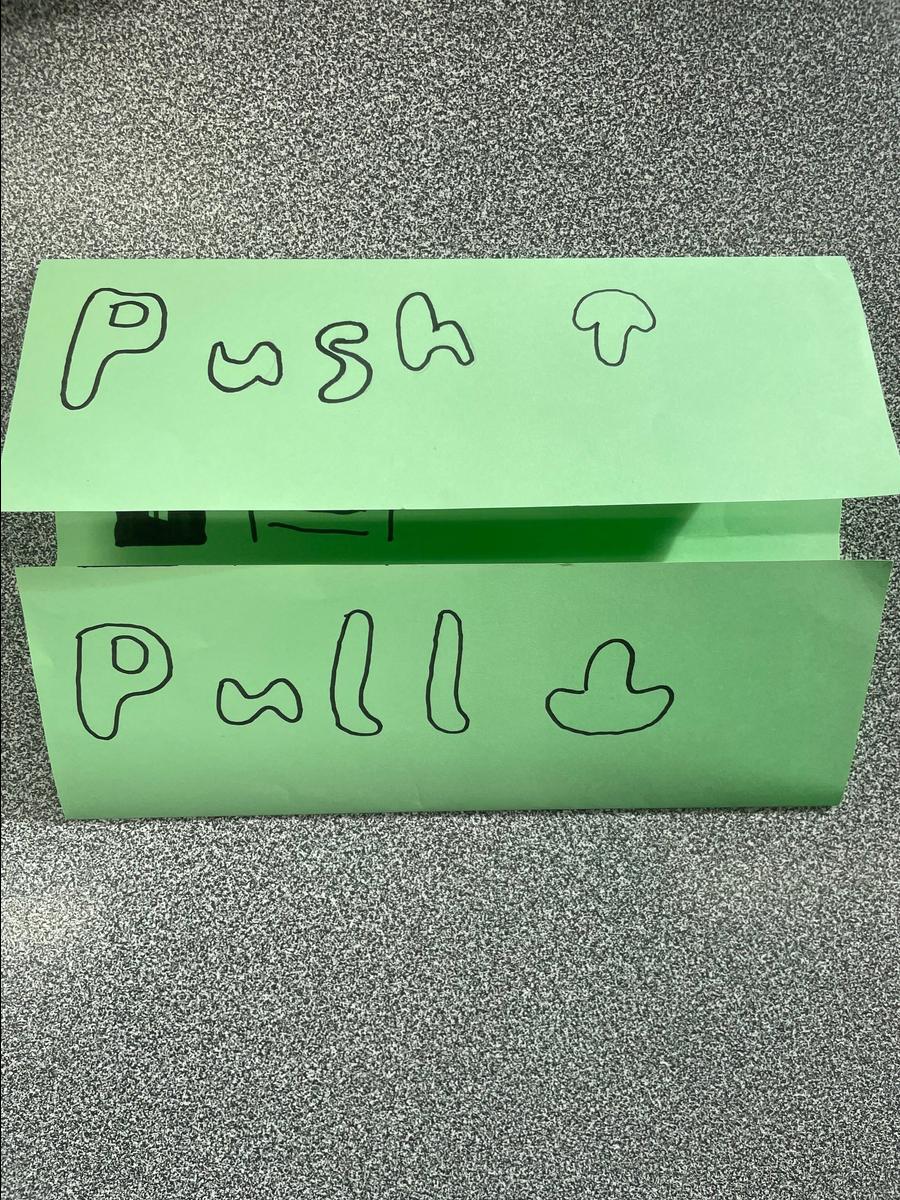
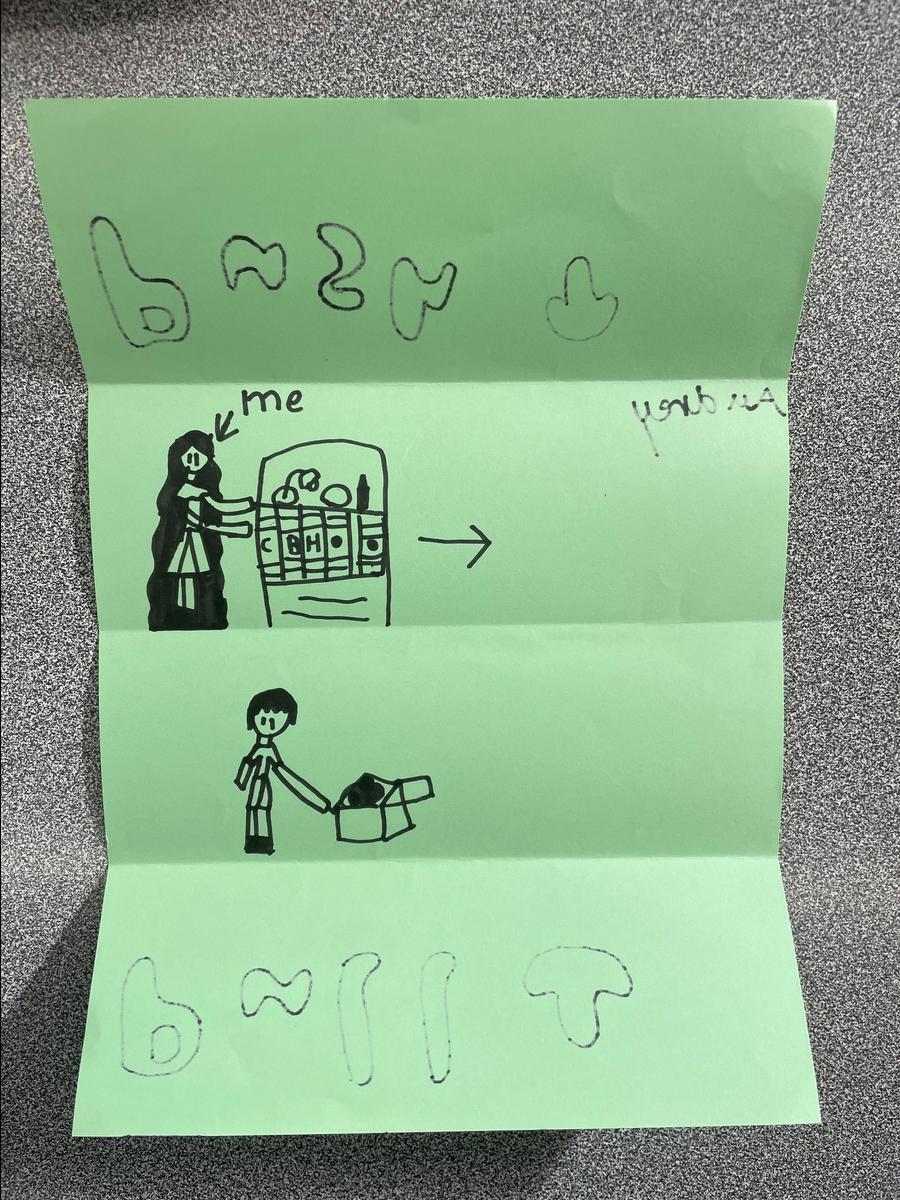
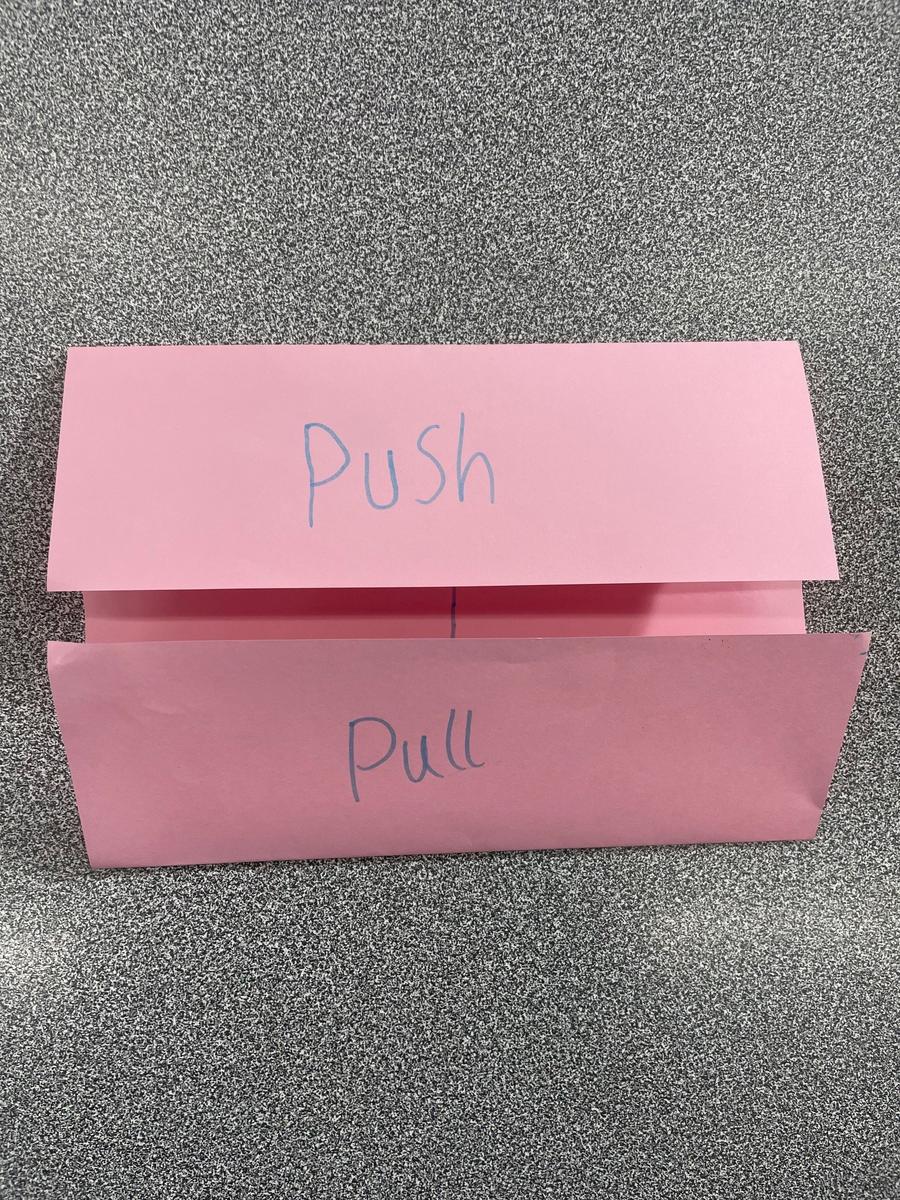
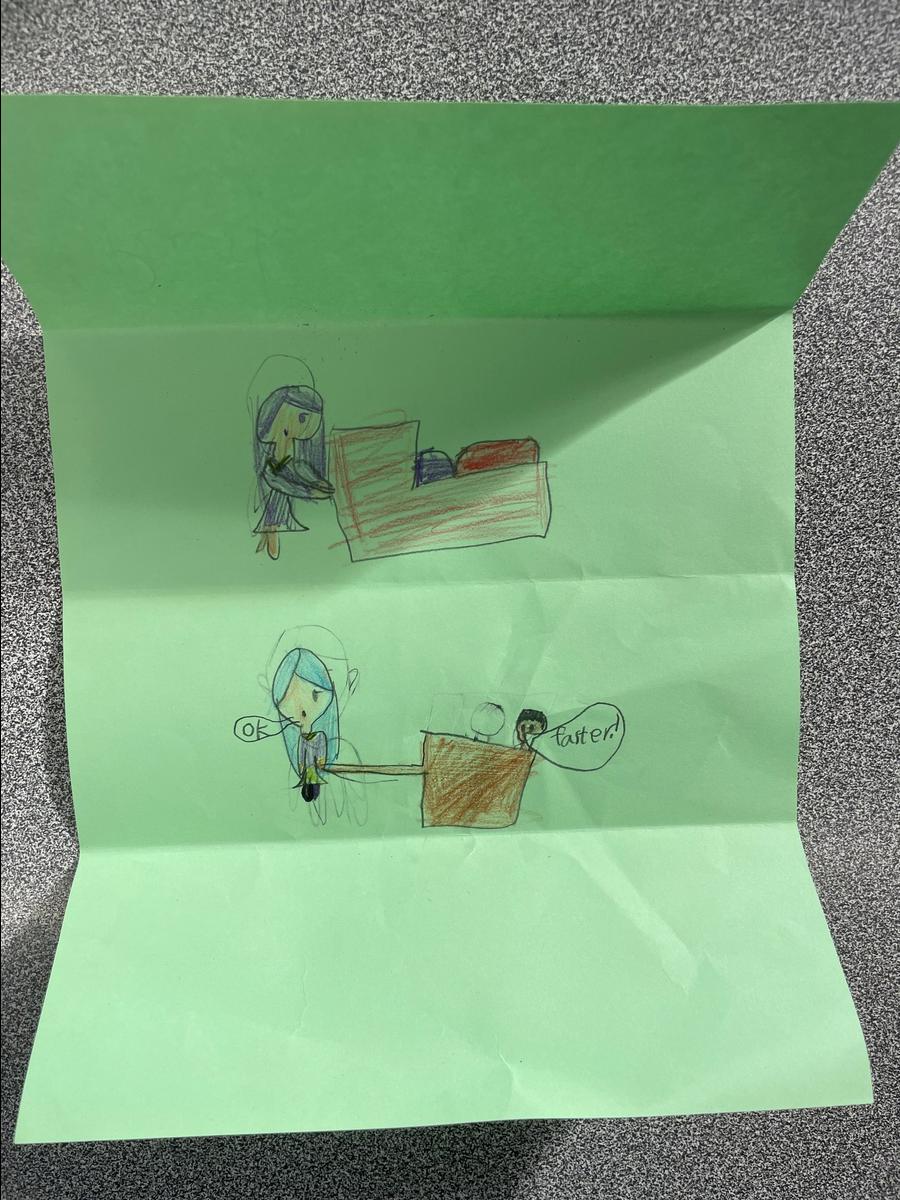
Students then applied their understanding by writing their own procedural text explaining How to make a Push and Pull Diagram. They carefully sequenced each step, used clear instructional language and included the important features of a procedural text.
It has been wonderful to see students making connections across learning areas as they explored all things push and pull!
Home Learning:
To support our learning at school, we ask that students complete the following home learning each week:
- Read take home reader book and complete that night's section of the reading log
- Complete the weekly activity from the Maths Home Learning Grid (this is glued into student's Home Learning book)
Kind regards,
Grade 1 and 2 teachers