
Wellbeing Moments

Welcome to your Wellbeing Moment: a chance to pause for a minute and reflect on something small but important. There’s nothing you need to do – just take from it whatever feels useful to you.
This week’s focus is Cognitive Flexibility
Adjusting to new situations and challenges.
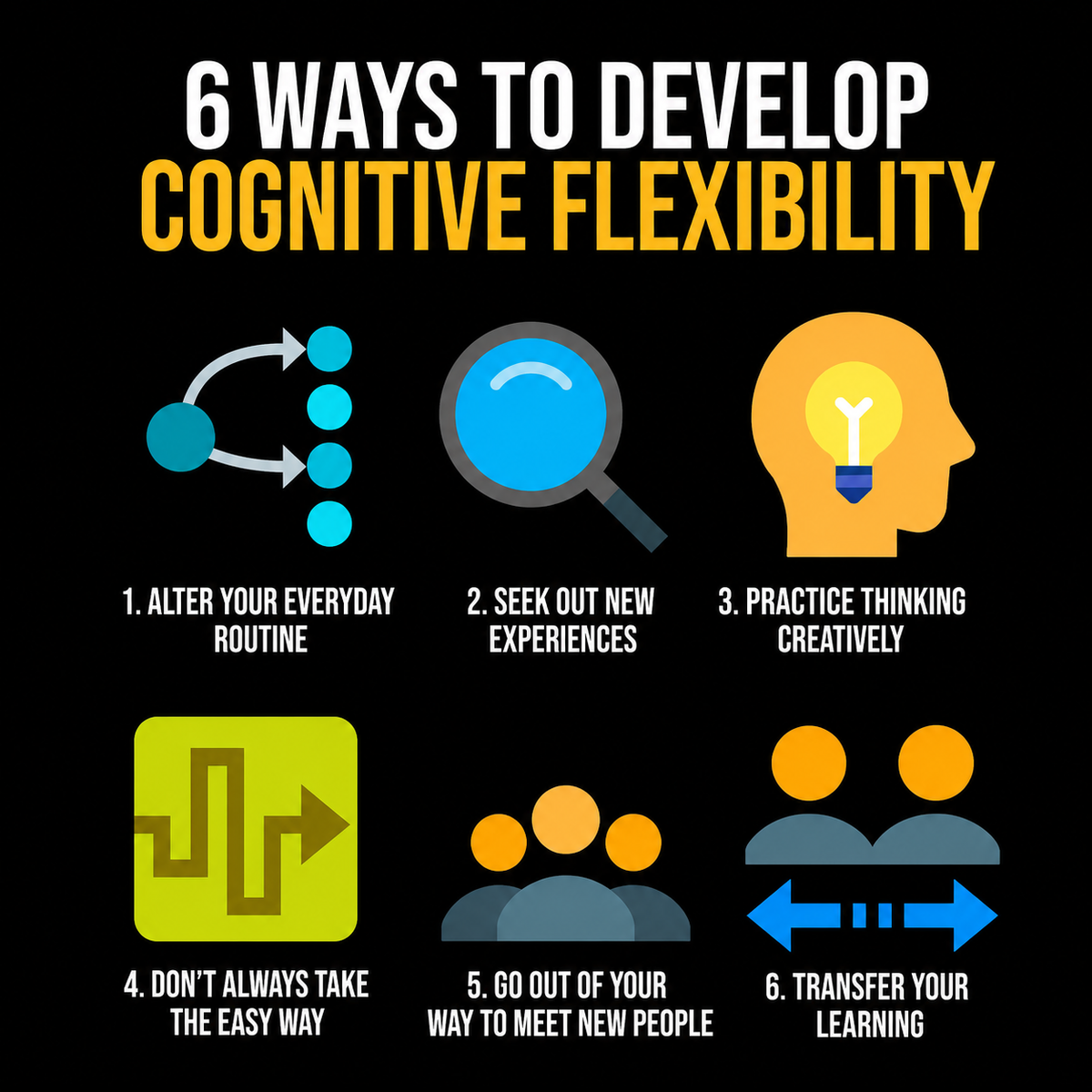
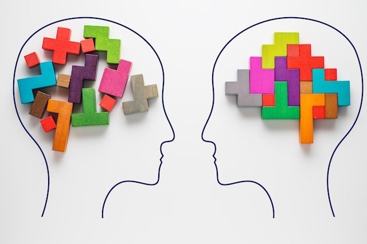
We all have days where things don’t go to plan. Maybe a test or exam doesn’t go as well as you’d hoped or you receive some feedback that you weren’t expecting. Maybe your team loses a game or your plans for the weekend are cancelled.
Cognitive flexibility is important because it helps us adapt when situations like these come up.
When things like this happen, it can help to remember:
- Not everything will go according to plan, and that’s okay
- There’s usually more than one way to solve a problem
- Being flexible is something you get better at with practice
Sometimes cognitive flexibility looks like:
- Trying a different way of studying when your usual approach isn’t working
- Adjusting your plans after something unexpected happens
- Listening to someone else’s feedback or point of view, even if it’s different from yours
- Learning from a mistake instead of seeing it as a failure
To summarise, cognitive flexibility means being willing to adapt and keep moving forward when things don’t go exactly as expected. It is something you are encouraged to do in your home, school and social environments.
If you ever want someone to talk to, please check in with your Head of Year or our College Psychologists.
Pia Kagi
Psychologist