Specialists:
Physical Education














Specialists:
Physical Education
Foundation
During Japanese lessons in Foundation in Weeks 1 and 2 this term, we will finalise our unit related to learning the parts of the body from the song “Head, Shoulders, Knees and Toes”. In addition to this, we will revise the Japanese number pronunciation from 1-6 learned in Term 2 and learn how to count from 7-10. During Week 3 and for the remainder of the term, our learning will be based around a well-known Japanese children’s song about 4 animals and the sounds they make.
Students will:
Year 1
During Japanese lessons this term, our learning in Grade One will focus on understanding how to tell the time in Japanese. Over the next 3 weeks, students will:
Year 2
During Japanese lessons this term, our theme in Grade 2 is "I Love Vehicles". Over the next 3 weeks, students will:
Year 3
During Japanese lessons this term, our focus in Grade 3 will be on the children’s story “Brown Bear, Brown Bear, What Do You See?”.
Over the next 3 weeks, students will:
Year 4
During Japanese lessons this term, our focus in Grade 4 will be on the children’s story “Where is the Green Sheep?”. Over the next 3 weeks, students will:
Year 5
During Japanese lessons this term, our focus in Grade 5 will be on thechildren’s story “The Very Hungry Caterpillar”. Over the next 3 weeks, students will:
Year 6
During Japanese lessons this term, students will deepen their understanding of Japanese culture by exploring two distinct styles of cuisine. Over the next 3 weeks this will entail:
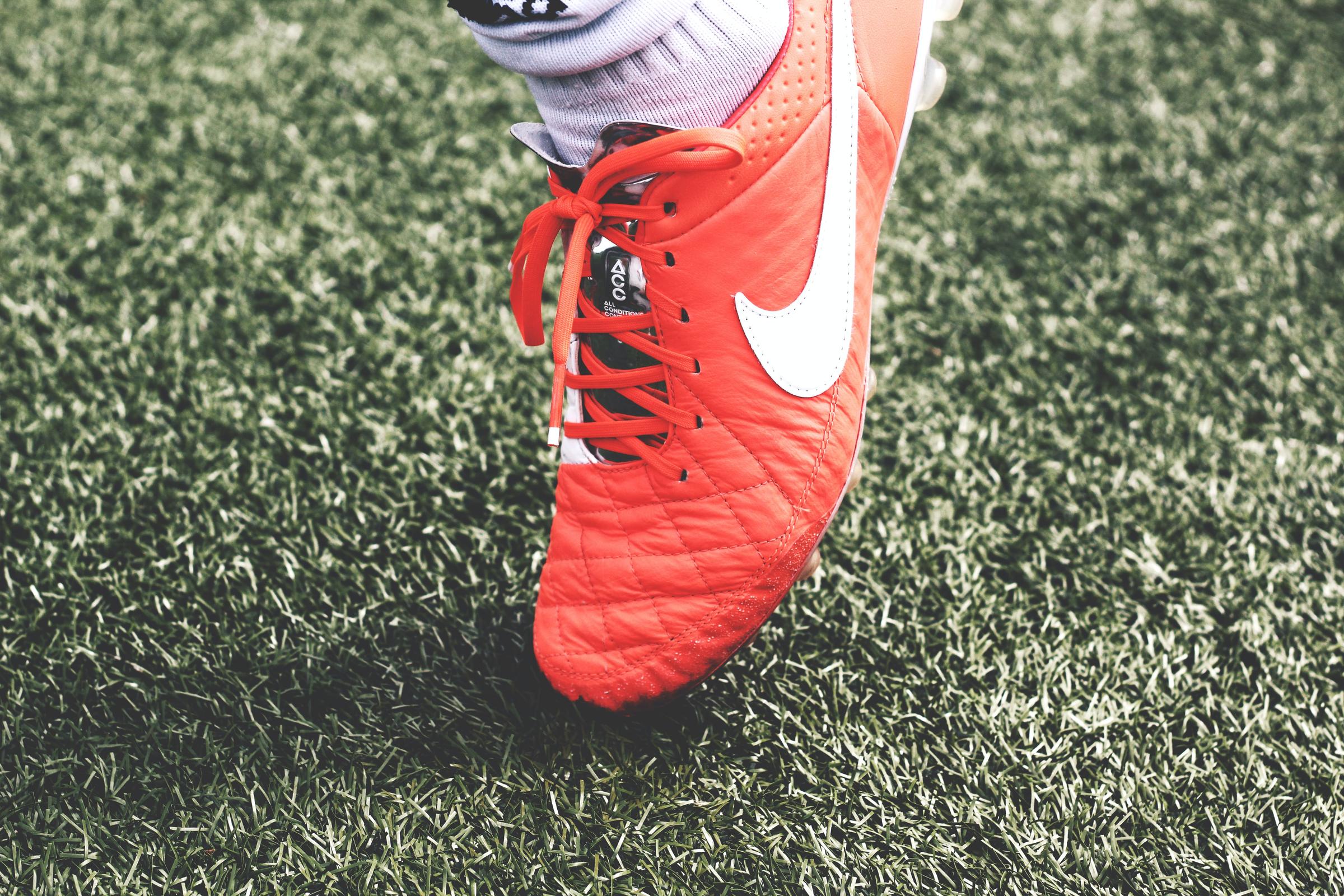
During PE, our Foundation students are developing their ball handling skills by rolling, balancing and bouncing a ball at different levels, then dribbling it while walking to the beat of music. They are learning to keep the ball close and under control while moving around cones, ropes and each other. Along the way they practise taking turns, sharing equipment and playing fairly with a partner.
Year 1 and 2 students are learning the forehand strike: standing side-on, watching the ball, stepping and swinging through to a target. They are repractising it first in T-ball and then in cricket, where they also learn a two-handed grip, and each lesson finishes with fun, fast-moving mini-games that include a taste of pickleball. Along the way, students test out ideas such as "Does using two hands help me hit more accurately?", build fair rules together, and encourage their team mates.
Year 3 and 4 students are learning basketball this term, building skills such as passing, catching on the move, pivoting, shooting and defending. In every lesson they put these skills into practice in a game of 3x3 basketball, where they learn to find space, call for the ball and work out tactics with their teammates. Along the way, they are also practising encouraging each other and playing fairly.
During PE for the first three weeks of Term 4, our Year 5 and 6 students are learning the skills of basketball and netball, including passing, catching, moving into space to get free for the ball, pivoting, shooting and defending. Every lesson ends with a game, where students take on team jobs such as captain, scorer and umpire, they learn to apply the rules fairly, and practise listening to one another. They are also finding out how their bodies respond to different levels of activity, and why a good warm-up and cool-down matters.
Foundation – Art & Digital Technologies
Foundation students will explore the world of minibeasts through art and technology. They will learn basic iPad skills, use digital resources to find facts and images, and create artworks inspired by insects and other minibeasts. Students will also begin coding with Bee-Bots and Blue-Bots, learning simple directions, sequencing, and problem-solving skills.
Year 1 – Media Arts
Year 1 students will create stop-motion animations using concrete materials, focusing on sustainability and protecting the environment. They will also explore Foley sound effects to add engaging audio elements to their animations.
Year 2 – Design, Media Arts & Digital Technologies
Year 2 students will use ScratchJr to design characters, backgrounds, and digital stories based on the theme of friendship. They will develop coding and design skills before presenting their creative projects to the class.
Year 3 – Drama
Using a variety of books as stimulus material, Year 3 students will explore the elements of drama through role-play, storytelling, and performance. They will create storyboards, present scenes to their peers, and develop social and emotional awareness through character exploration.
Year 4 – Art, Design & Digital Technologies
Year 4 students will investigate sustainability and adaptable living through a cross-curricular Art, Design, and Digital Technologies unit. They will research innovative solutions, generate creative ideas, and design concepts that respond to future living challenges.
Year 5 – Media Arts
Year 5 students will explore the art of filmmaking by learning how to plan and organise ideas through storyboarding. They will develop visual storytelling skills while designing and mapping out their own film concepts.
Year 6 – Design Technologies
Year 6 students will apply the design cycle to explore ways of supporting people experiencing homelessness. Through research, idea generation, and solution development, students will build empathy, critical thinking, and problem-solving skills while designing for a real-world issue.