Year 3









Important Dates:
Monday November 2nd - School Closure Day
Tuesday November 3rd – Melbourne Cup Public Holiday
Friday November 13th – Year Levels 2 and 3 Mass
Thursday November 19th - Intercultural Day/Japanese Day
Monday November 30th – Year 3 Moonlit Sanctuary Excursion.
Wednesday December 2nd – School Christmas Carols in the Church.
Friday December 11th – Whole School Mass at 2pm
Friday 11th December - Up Day and Last Day of Formal Classes
Monday December 14th – End of Term 4.
Religion
Love your Neighbour
From Week 4 onwards, in Religion, we are building on our inquiry into the Greatest Commandment: to love God and to love our neighbour as ourselves. Through the lens of Catholic Social Teaching, we are exploring the Dignity of the Human Person, the belief that every person is made in God’s image and deserves respect and care.
Students are unpacking the Parable of the Good Samaritan to discover who our neighbour is and how we can show kindness to others. Following this, we will move into Advent, a time of hope and preparation for the birth of Jesus. We will also be practising our Advent carols as we get ready to celebrate Christmas together.
English
Reading
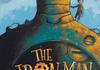
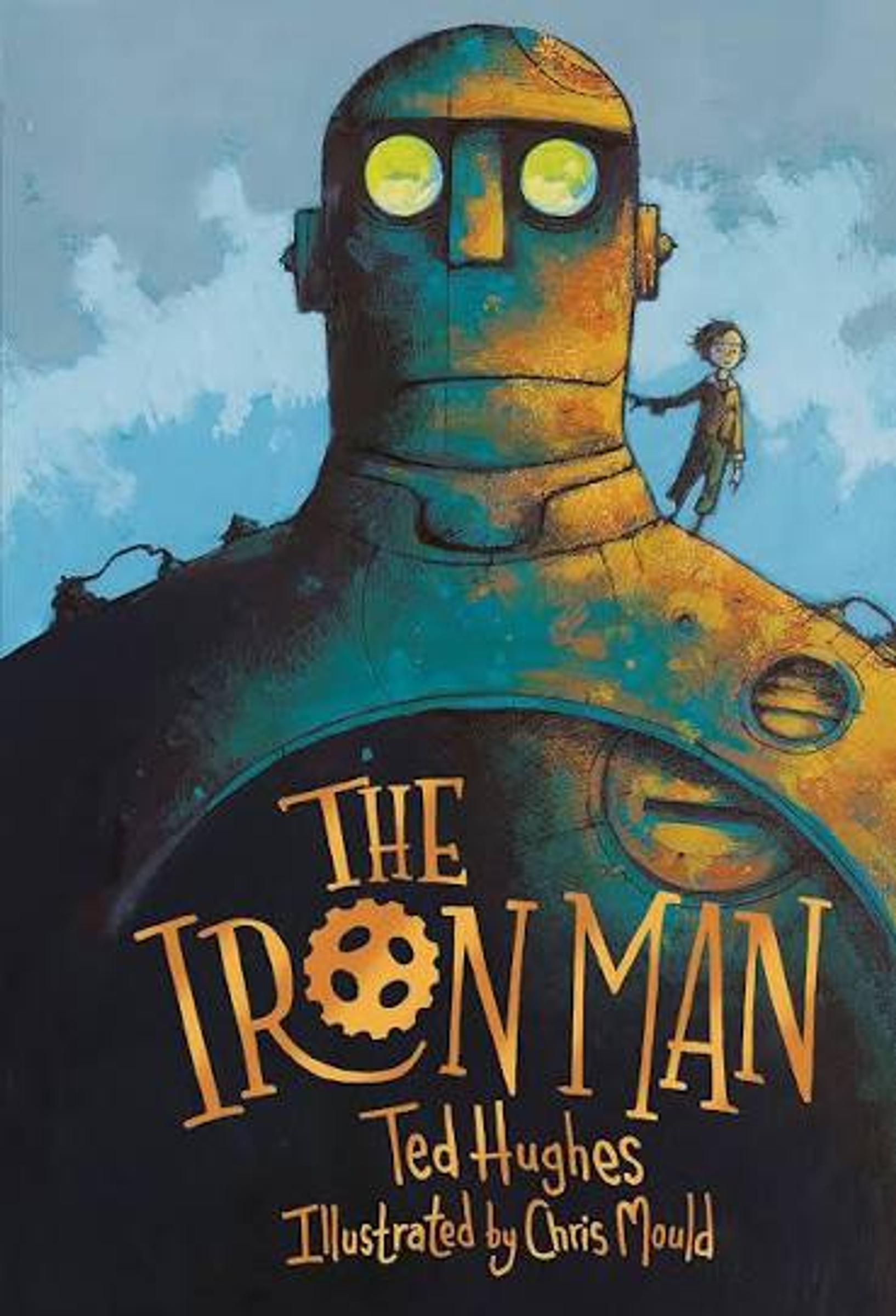
From Week 4 onwards, our Reading focus is a novel study of The Iron Man by Ted Hughes. Students will be listening to and reading the story together, exploring the characters, the events and the big ideas behind the tale. We will be practising skills such as making predictions, asking and answering questions about the text, and explaining our thinking using evidence from the story. Students will also build their vocabulary by discovering new and interesting words along the way. This is a wonderful opportunity to spark a love of storytelling and to talk about themes like kindness, fear and understanding others.
Writing
In Writing, students are learning how to create information reports. They will research a topic, organise their facts clearly and write in a way that informs the reader. A key focus is on using different sentence types, including statements, questions, commands and exclamations, to make writing more interesting and engaging. Students will also practise turning statements into questions, which helps them think carefully about punctuation and sentence structure.
Maths
From Week 4 onwards we are exploring fractions, time, probability and 2D shapes and 3D objects. Students will be building their understanding of how fractions represent parts of a whole, reading and using time in everyday situations, describing the chance of different events happening, and identifying, describing and comparing the features of 2D and 3D shapes in the world around us. We will be using hands-on activities and real-life examples to make these concepts meaningful and fun.
We will also be revisiting and strengthening our knowledge of multiplication and place value, including addition and subtraction. This helps students build confidence with Number and gives them strong foundations to apply in all areas of maths.
Humanities
Throughout our Science unit, we are exploring living, non-living and once-living things, as well as habitats and life cycles. Students are investigating what makes something alive, including the ways living things grow, move, respond to their environment and need food, water and air. They are comparing these features with non-living things, and learning about once-living things, such as fallen leaves, wood and shells, which were once alive but no longer are.
We will be learning about habitats, discovering how animals and plants depend on their environment to survive. Students will use observation and discussion to sort, classify and explain their thinking.
To strengthen our knowledge, we are looking forward to an excursion to Moonlit Sanctuary at the end of November. Students will learn from experts and see these ideas come to life first-hand by observing animals in their habitats up close. We are all very excited for this special experience, and more details will be shared closer to the date.
Health Education
Resilience, Relationships and Staying Safe
In Health, we are exploring how to build strong, healthy relationships and stay safe, both at school and in the community.
Students are learning how challenges, setbacks and even mistakes can help us grow stronger and more resilient. We will talk about how to keep trying, learn from experiences and feel proud of who we are.
We are practising the social skills that help us build and strengthen friendships, such as listening, cooperating, communicating respectfully and solving problems together. Students will discuss how valuing diversity makes our school and community a better place for everyone, and think about the actions we can take to include others.
Finally, students are learning about protective behaviours and how to seek help. They will explore how to recognise safe and unsafe situations, both online and offline, and who they can turn to for support at home, at school and in the community.
Capabilities: Intercultural, Ethical and Critical and Creative Thinking
In Intercultural Capability, students are learning to recognise and respect the different cultures, beliefs and perspectives in our school and community.
In Ethical Capability,students are exploring what is fair, right and kind, and how our choices affect others.
In Critical and Creative Thinking, students are learning to ask thoughtful questions, explain their reasoning and come up with new ideas and ways to solve problems.
These capabilities are also being further strengthened as we explore other learning areas. In Religion, students reflect on the Parable of the Good Samaritan, thinking about who our neighbour is and how we can treat everyone with dignity, kindness and respect. In Literacy, our novel study of The Iron Man encourages students to think about the choices characters make and how those choices affect others, while also asking questions, making predictions and sharing creative ideas about the story. Together, these experiences help our students become thoughtful, respectful and curious learners.