Science at BPS
Term 3, Week 2

Science at BPS
Term 3, Week 2
Wow - we are back with a bang! (bit of a science pun there!) Hopefully you have all had a great winter break, as Biology term is now well underway at BPS.
Students have dived straight into our learning with a focus on features of living things, life cycles and how animals and plants adapt themselves to stay alive. And that was just the first week! Over the course of the term we will look at growth in plants and animals and we even have some seeds that went to space that that we will germinate and observe.
Our 5/6 and Science club students are continuing their STEMPAL partnership with the next round of letters being written next week. It has been fascinating to hear about the variety of skills someone working as a STEM professional might use and the opportunities they have in a diverse range of scientific endeavours.
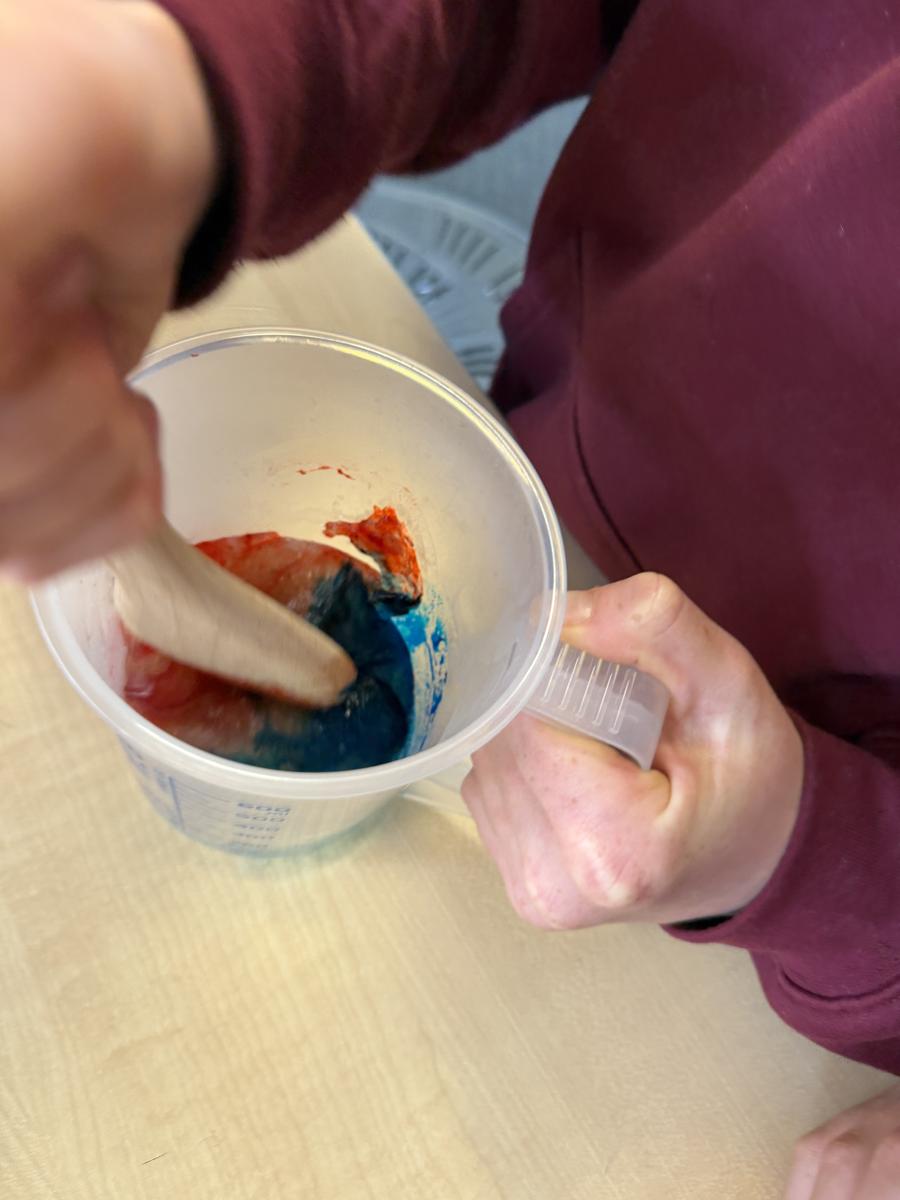
Science club continues each Monday with psyilly slime (an experiment from one of our STEMPAL's) making an appearance this week and a plan to extract DNA from strawberries in future sessions.
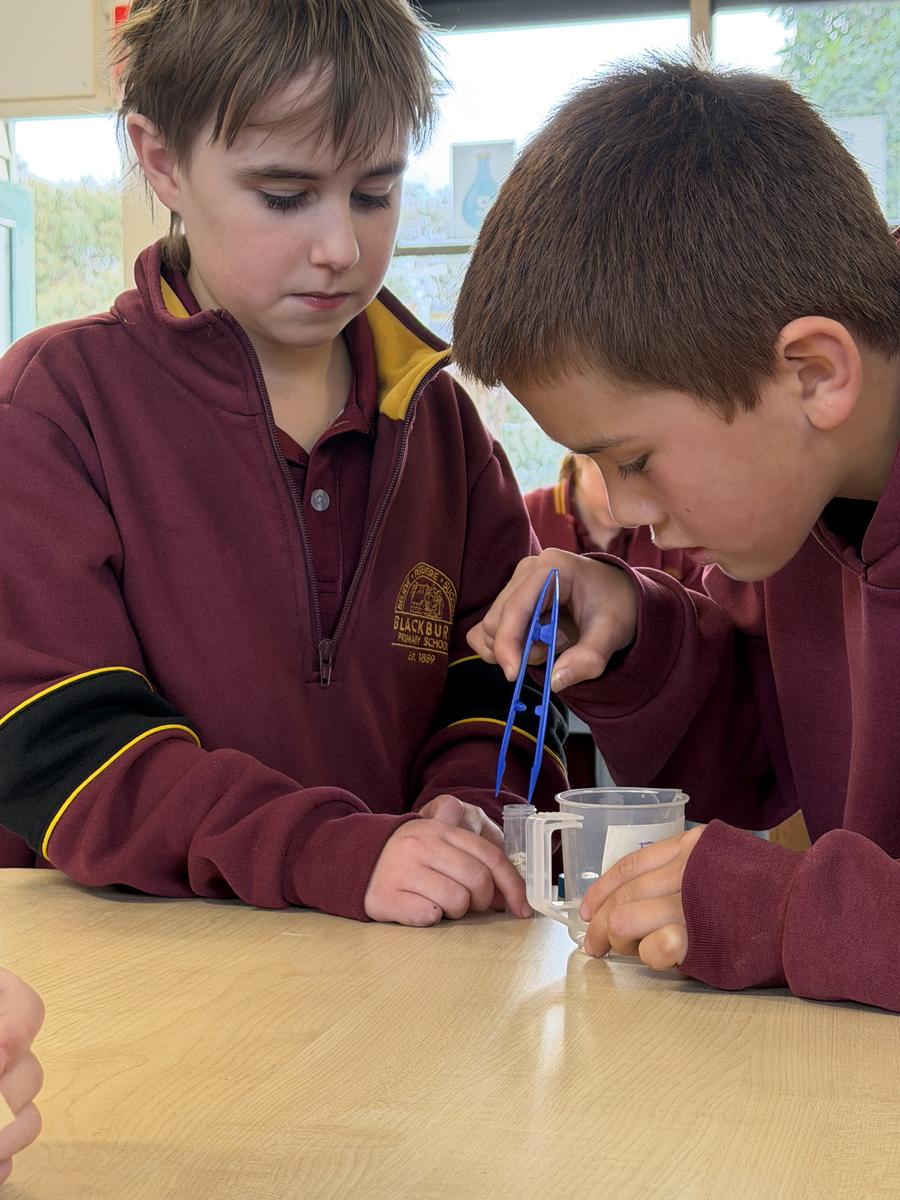
This week we had some special guests with scientist Dr Jen Payne visiting some science classes with Stick insects in various stages of their life cycle and a chicken for us to observe. She also brought a gift from Australian astronaut Kathryn Bennell-Pegg (Australian of the Year) of some seeds that have made the journey to the ISS. We will plant, observe and compare the growth of these seeds over the term. I wonder if the seeds that went to space will grow differently due to their time in space? Thanks Dr Jen for sharing these aspects of science with us at BPS.
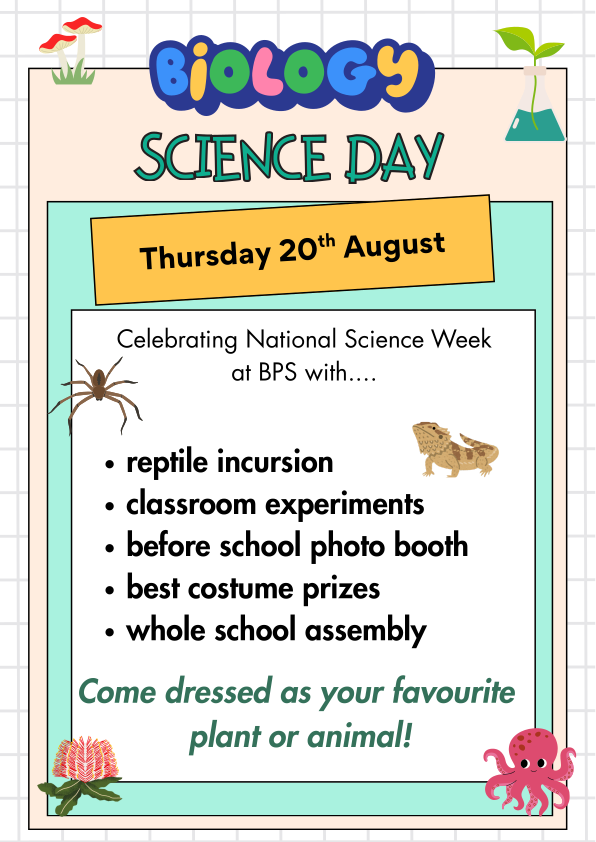
We are getting super excited about Science Day coming up in Week 6. See Compass for the event details and think about a costume that has a Biology theme of animals or plants. There will be a prize for the best costume in each grade. We are looking forward to an incursion on the day, classroom activities and a whole school assembly to finish the day.
Citizen Science is something we call all be involved in, no matter what our level of science understanding. This is where everyday citizens can help with research (kind of like science volunteering) in ways such as finding unusual plants, animals, rocks or minerals and passing it on to someone to study more closely. Around the world there are many citizen science projects that invite people to help with research in areas such as astronomy, city life, climate science, botany, zoology and other fields. Take a look at some of the websites below and see how you can become a citizen scientist!
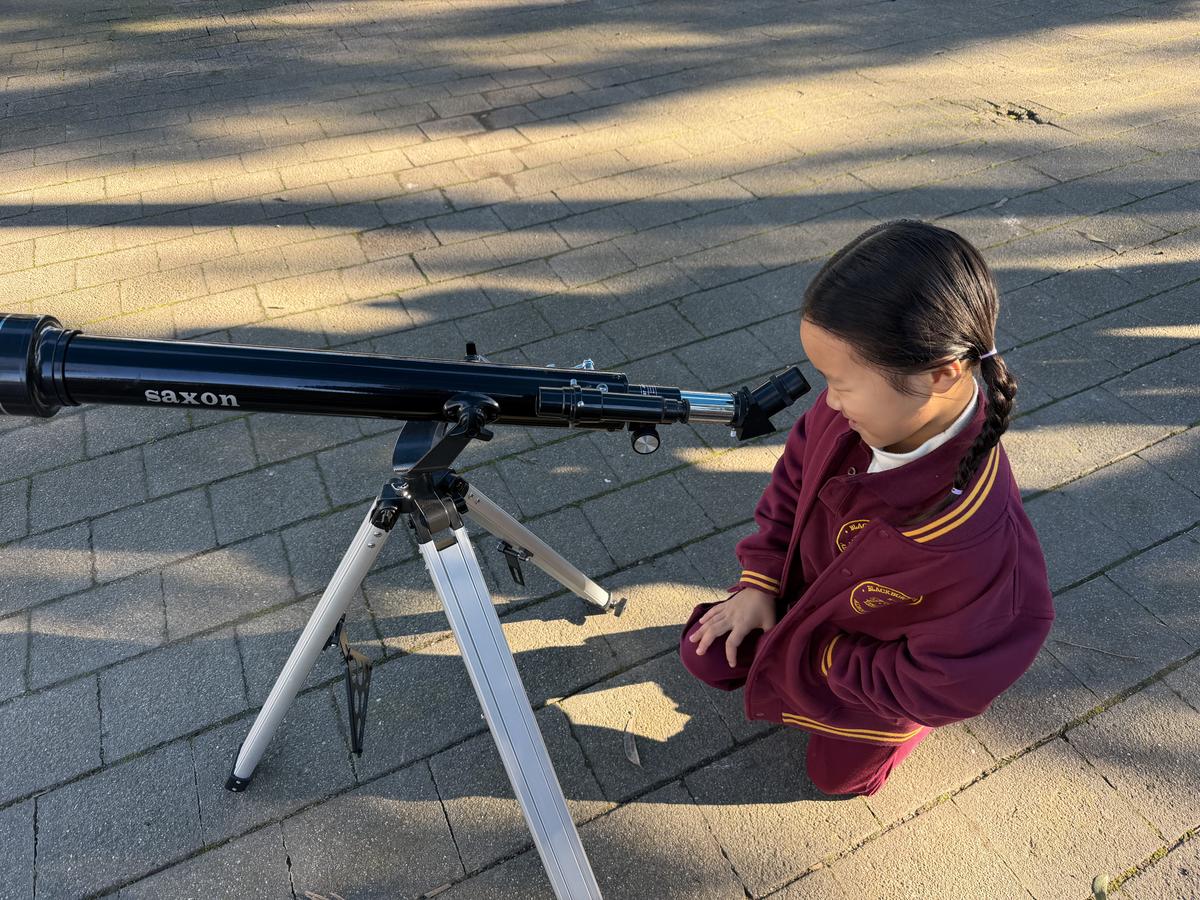
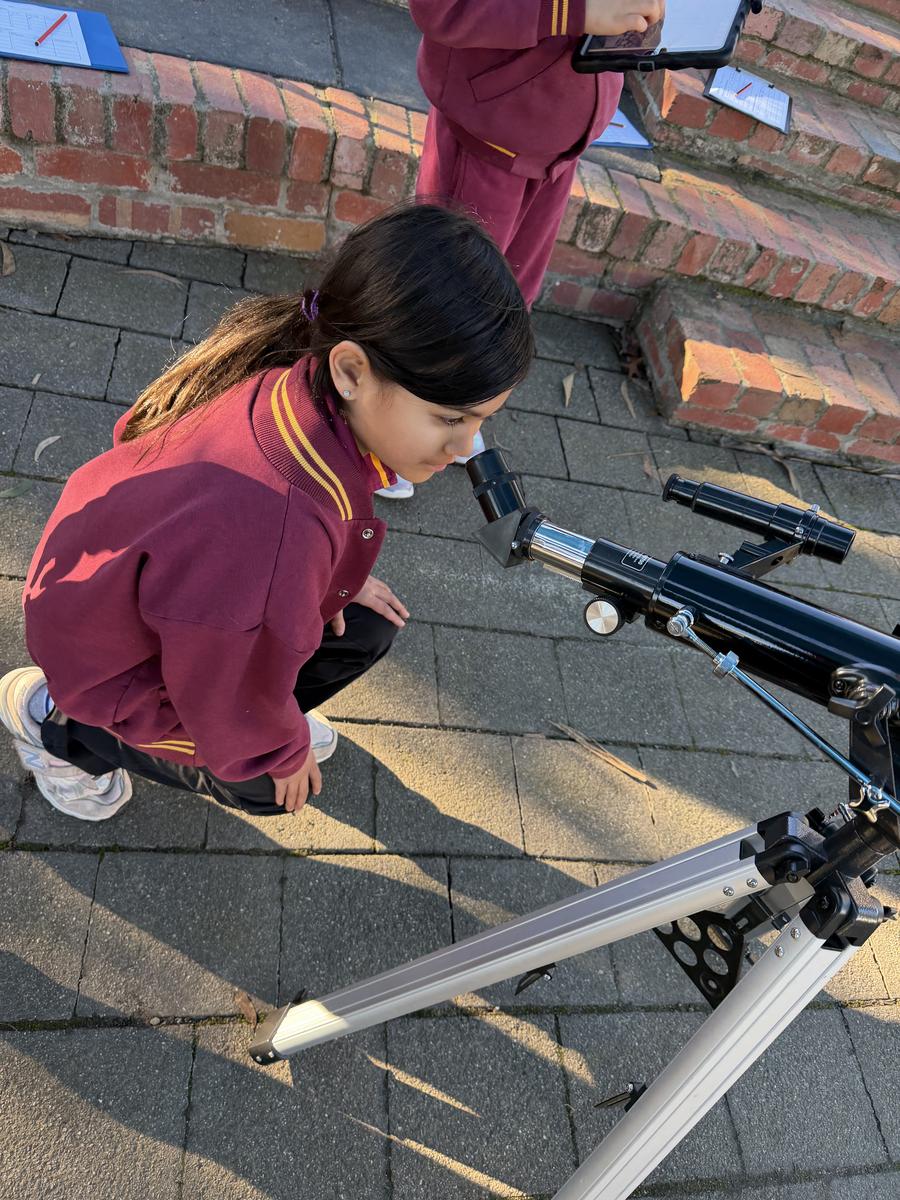
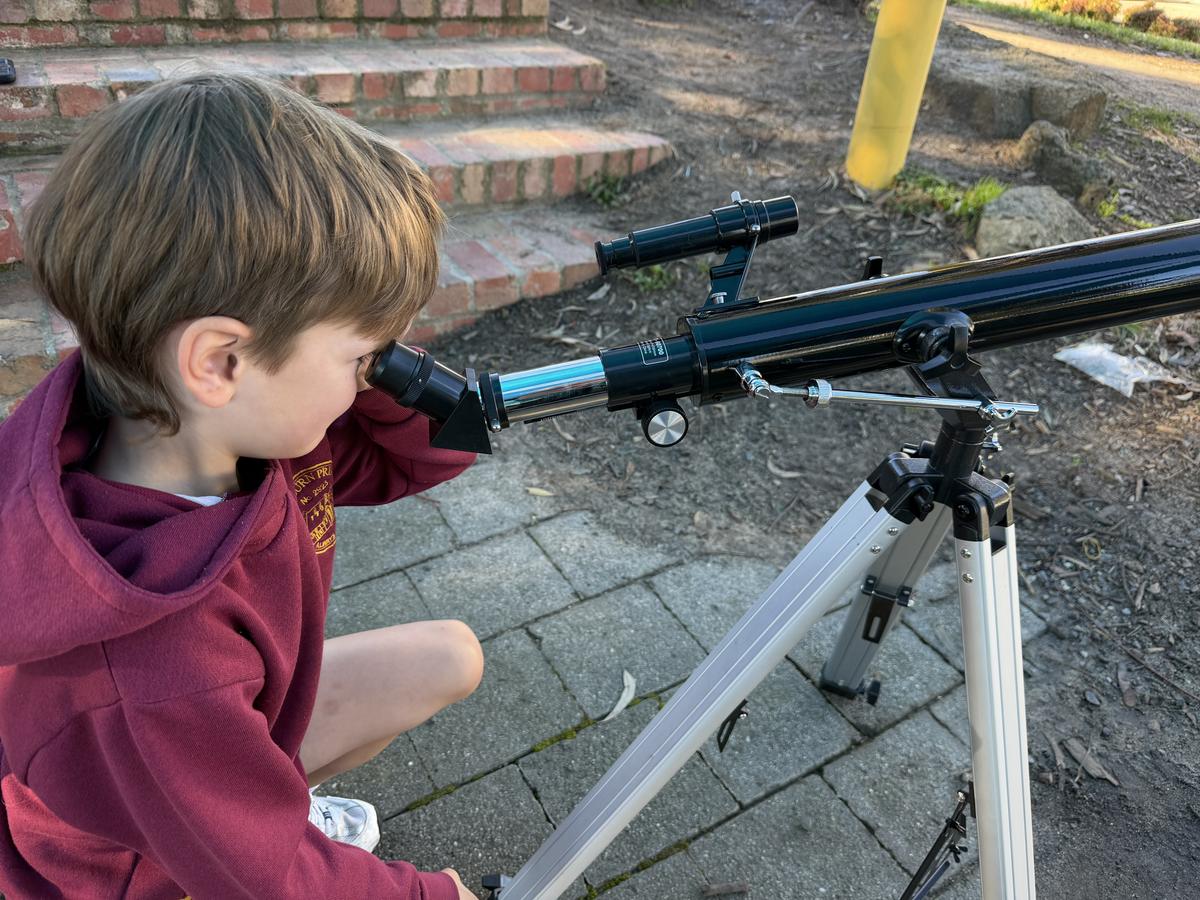
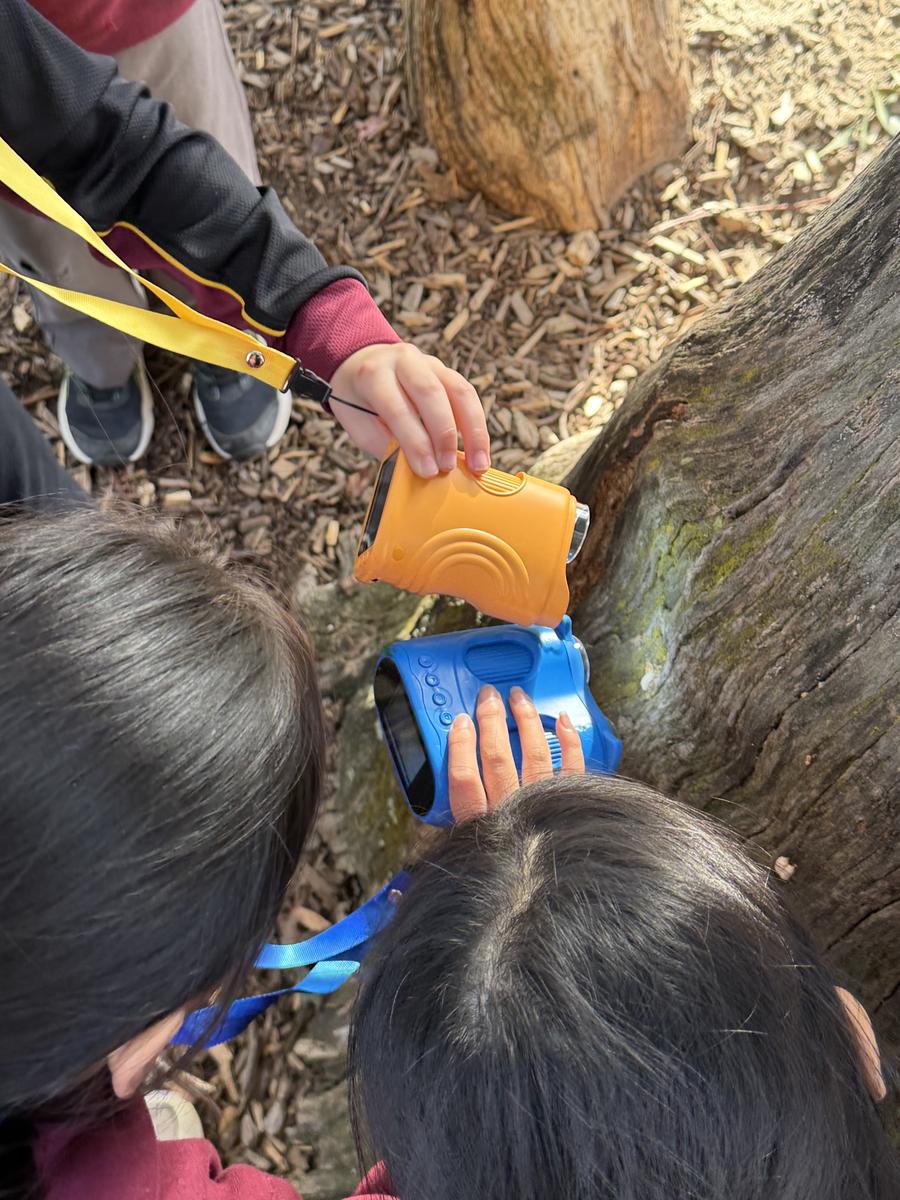
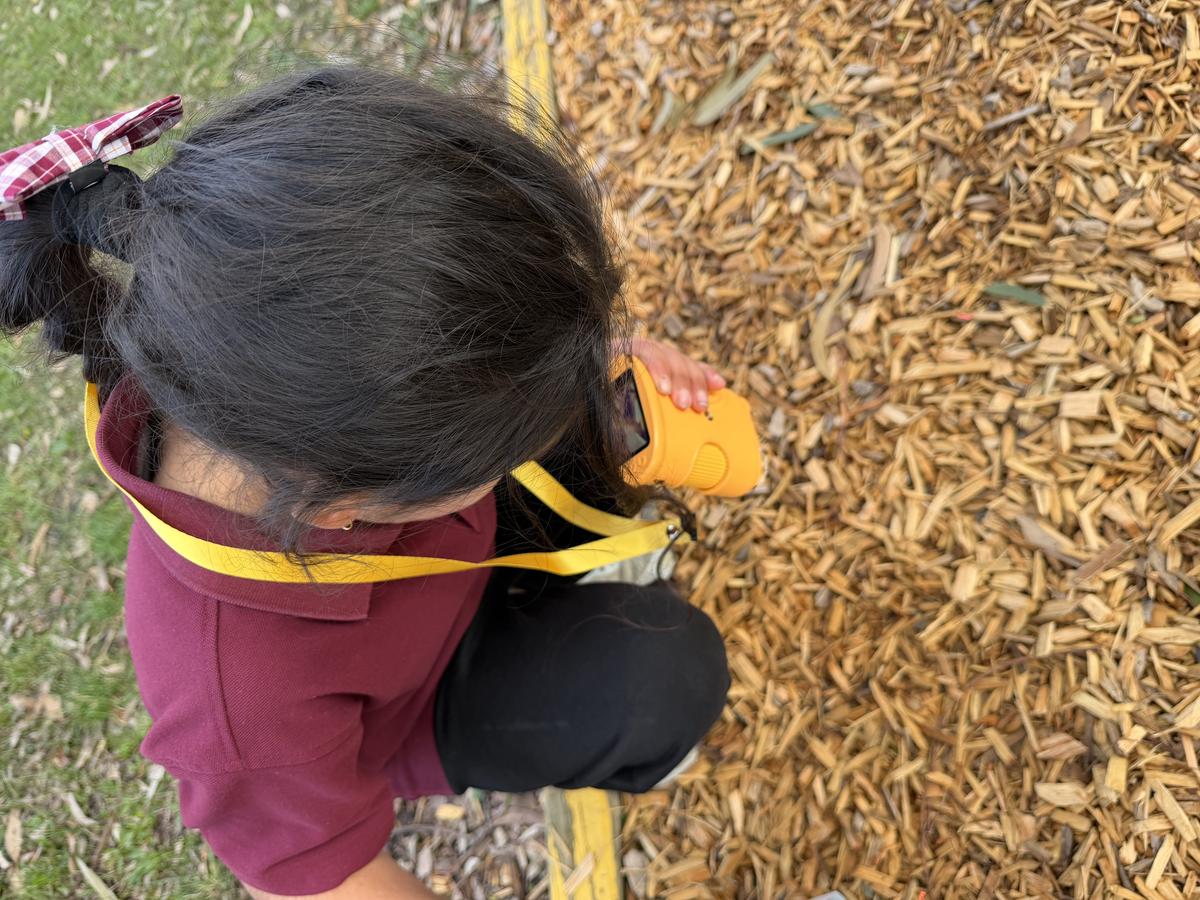
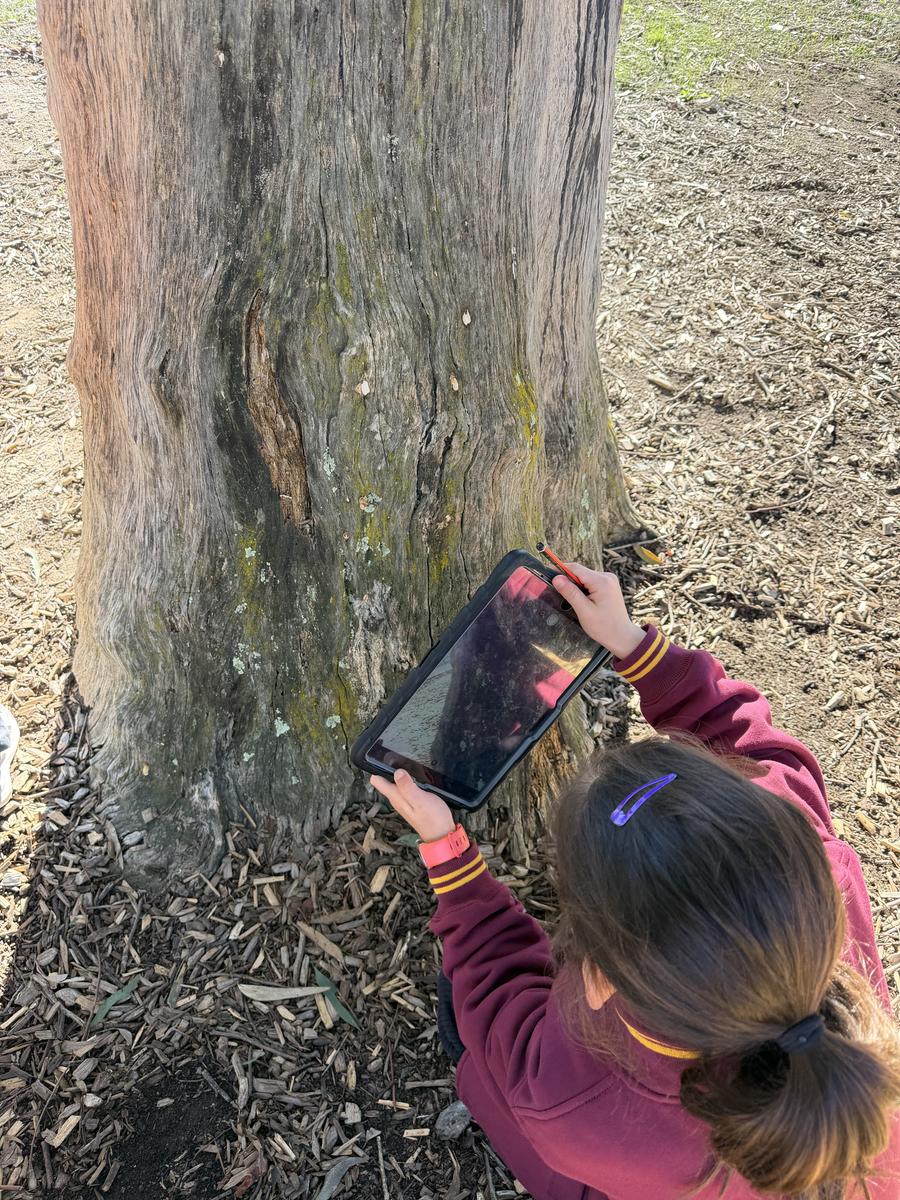
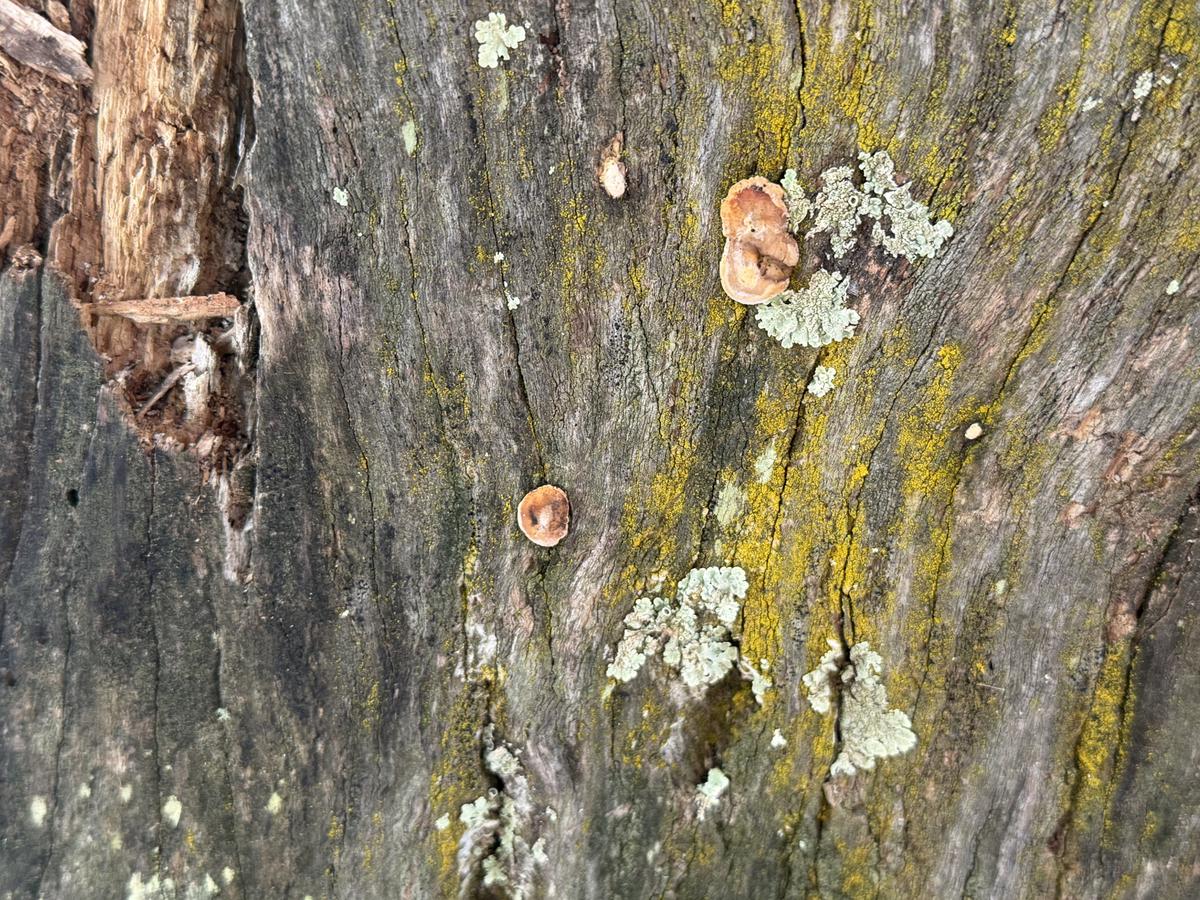
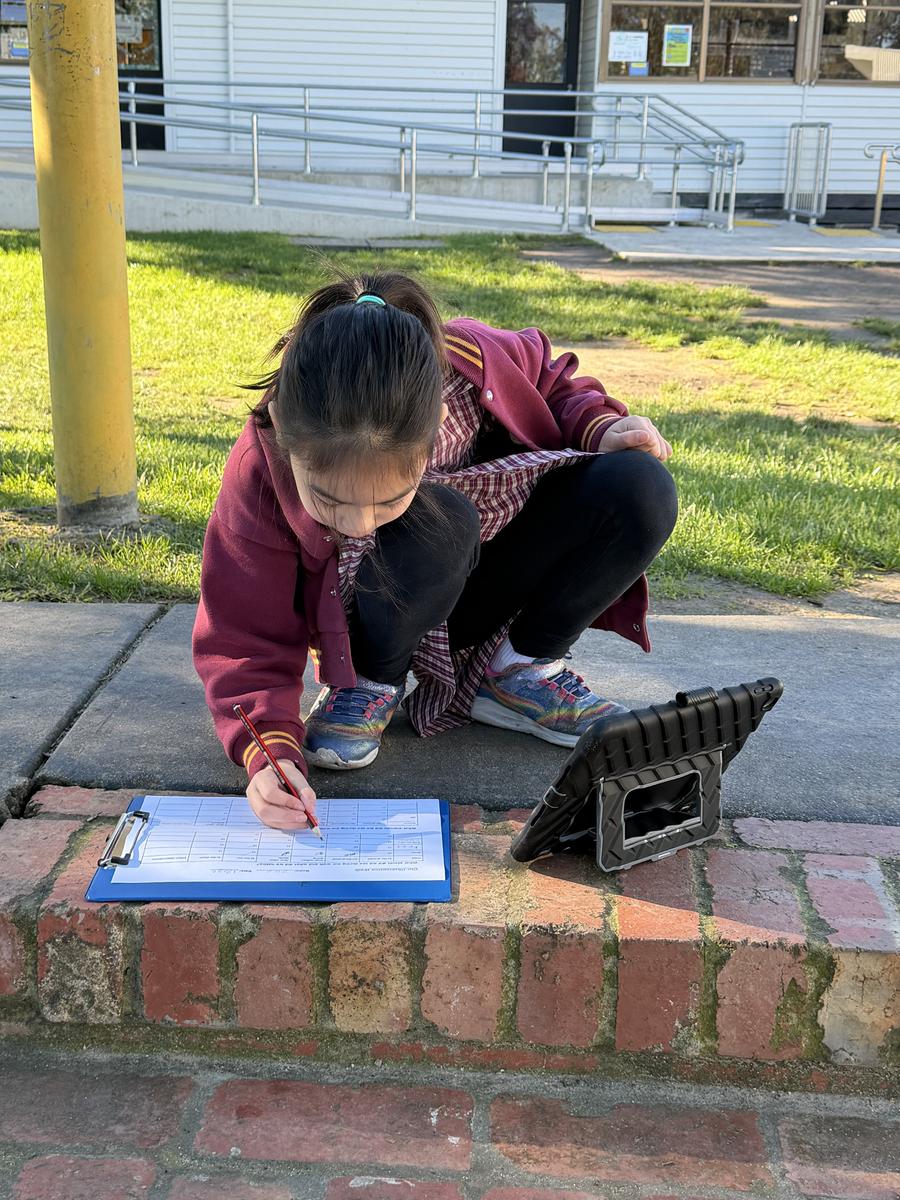
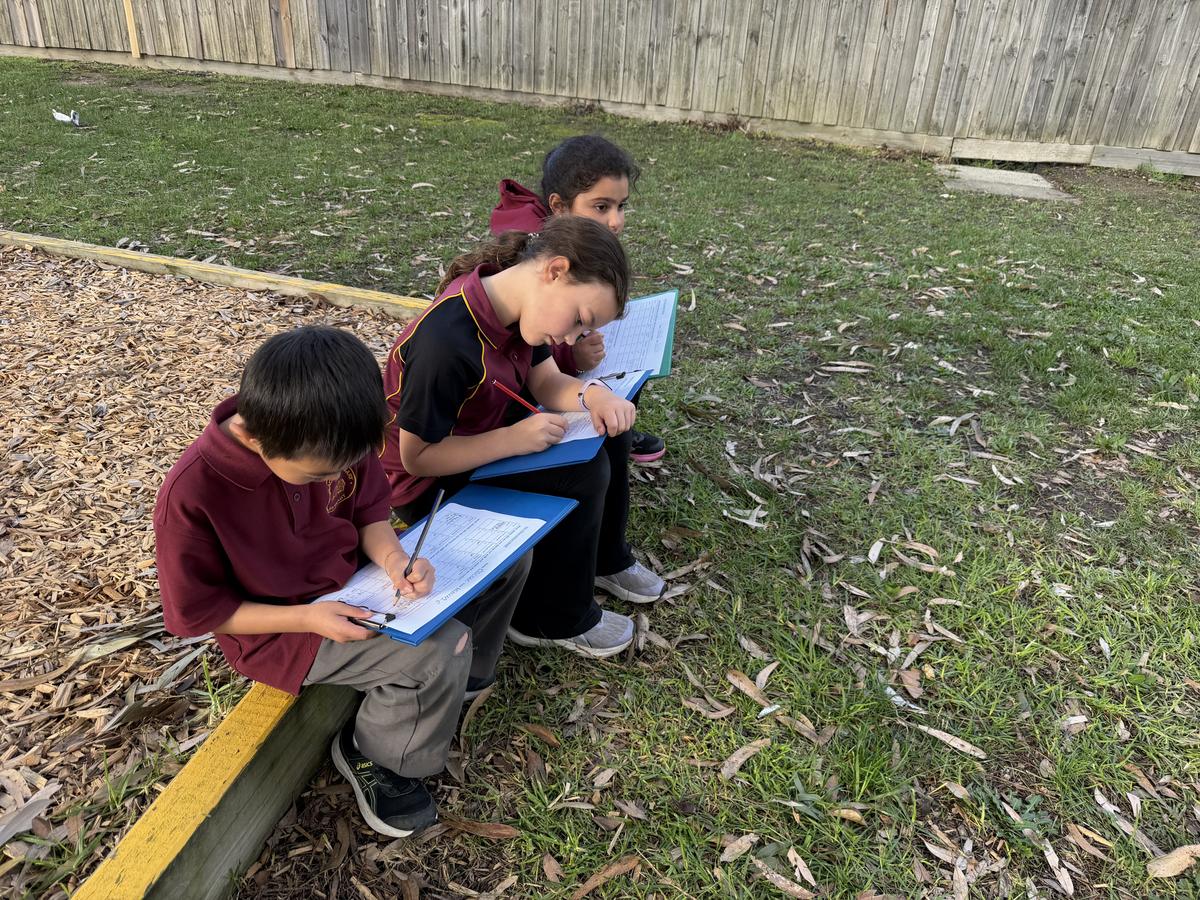
Please enjoy some photos from our first couple of weeks of science activities.
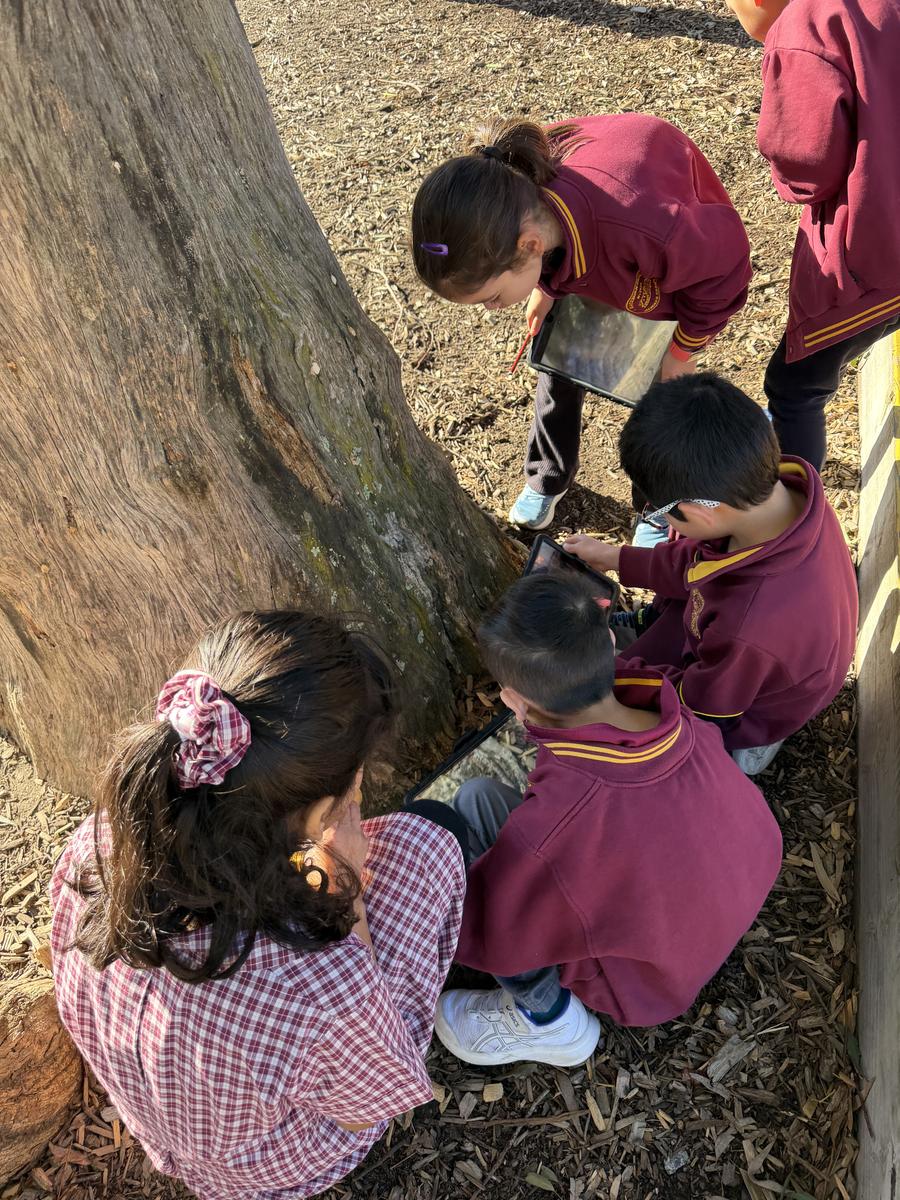
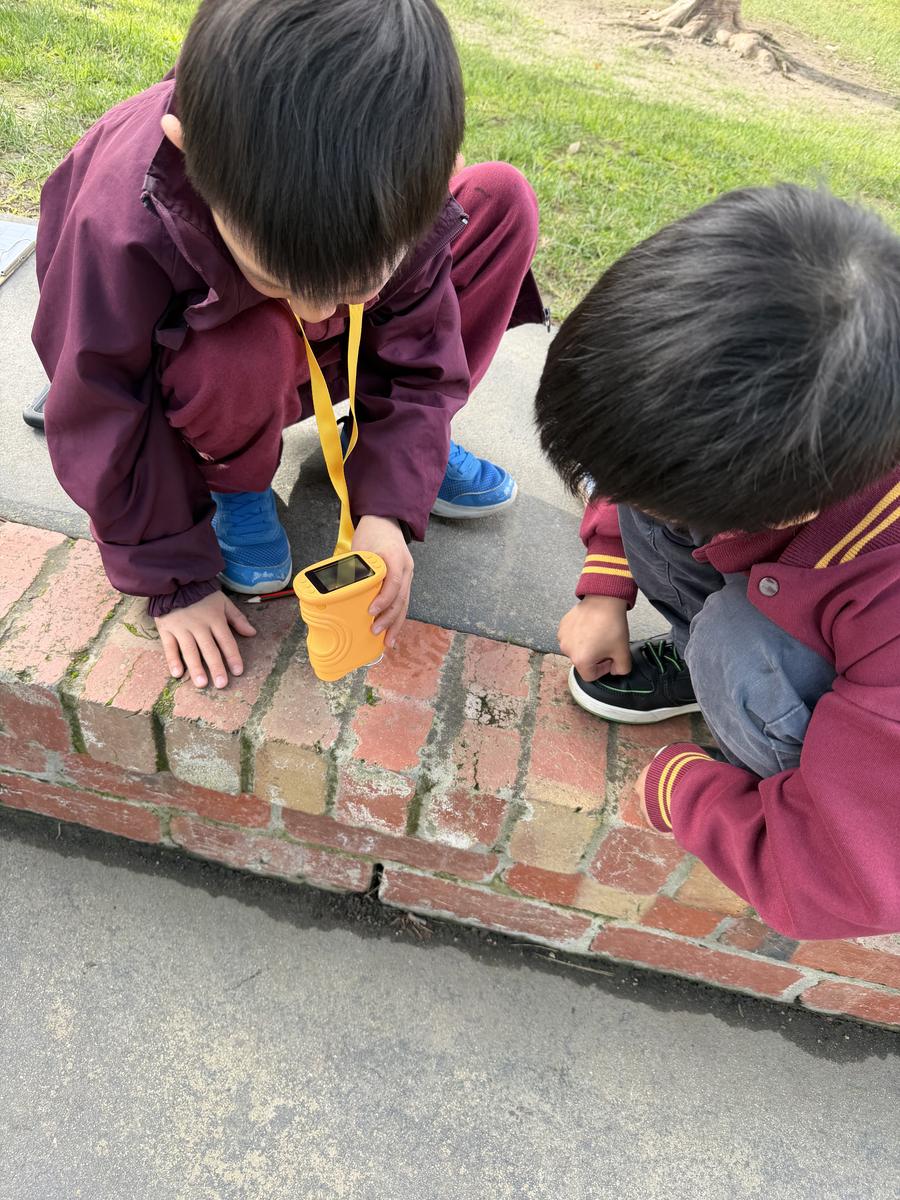
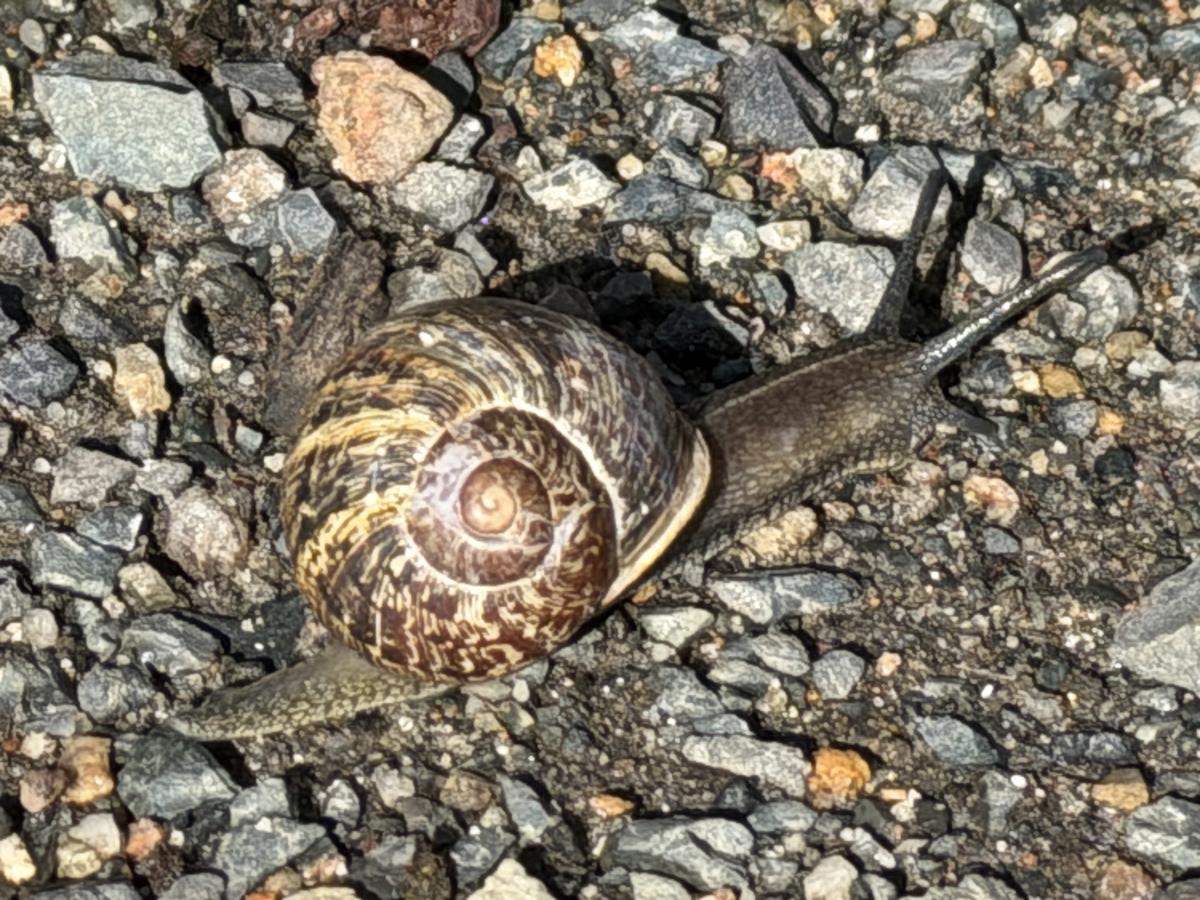
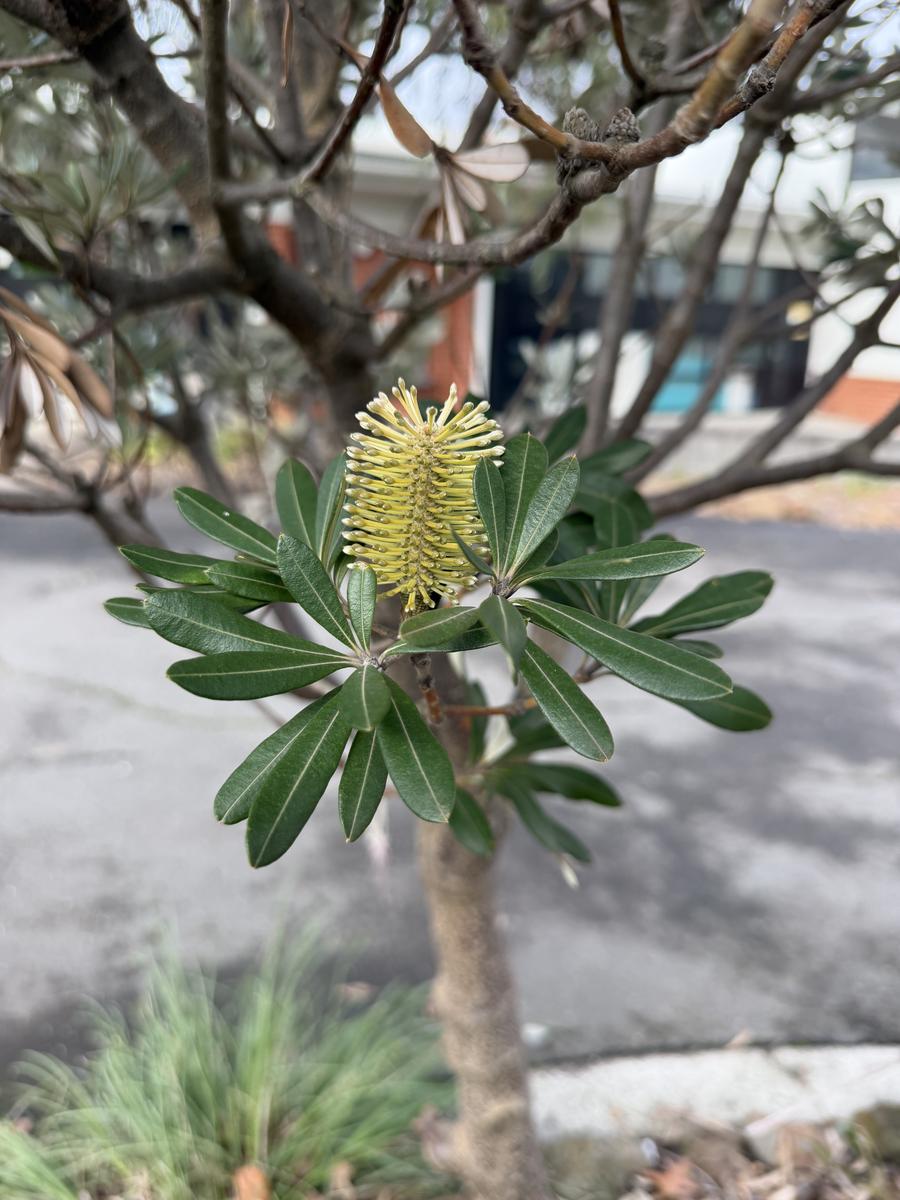
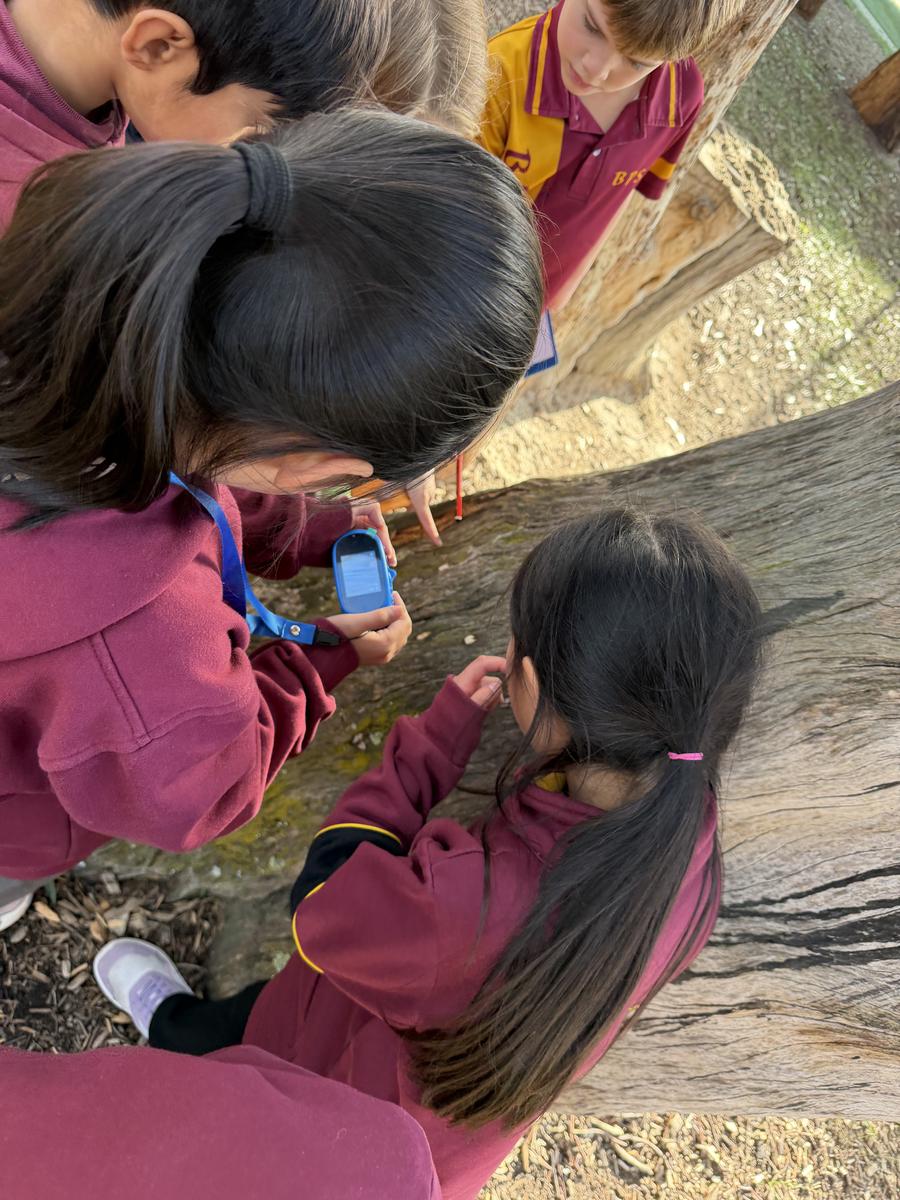
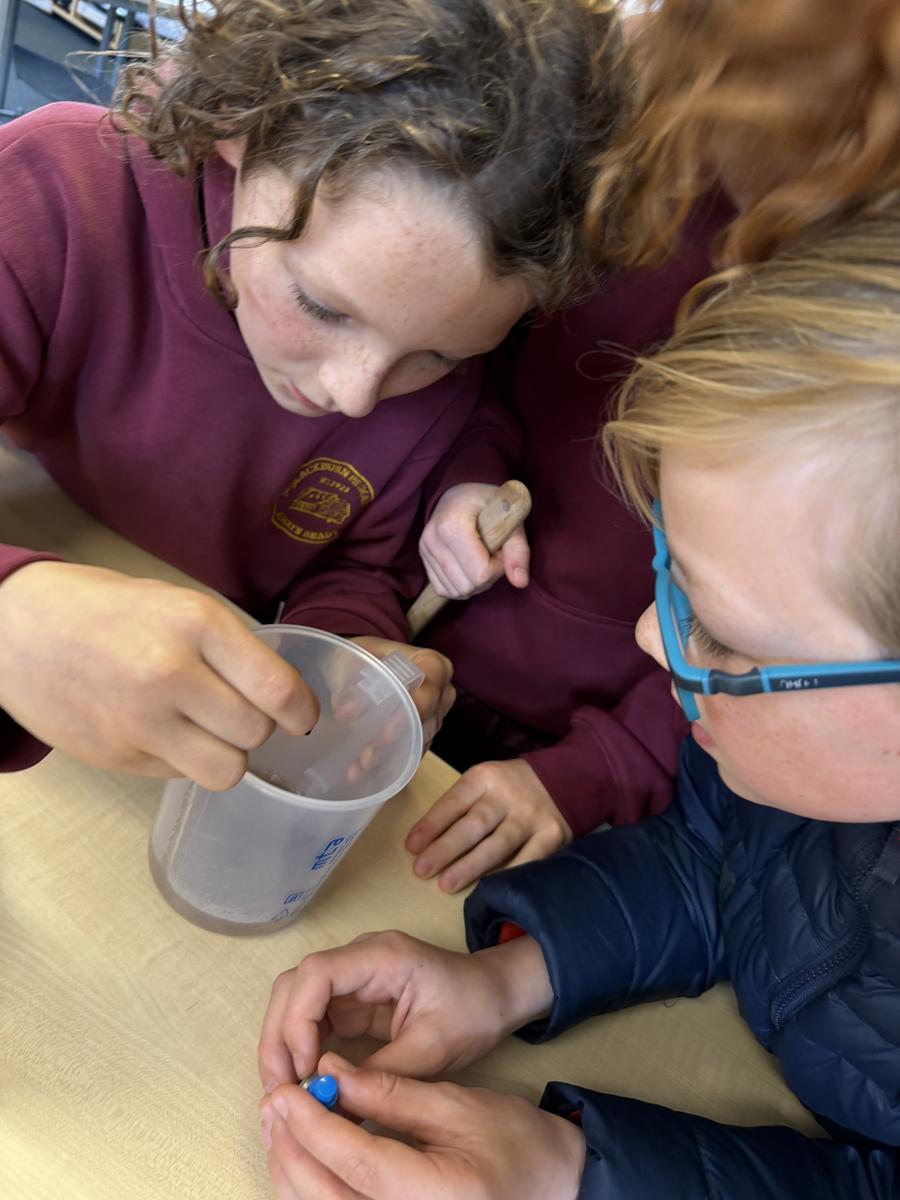
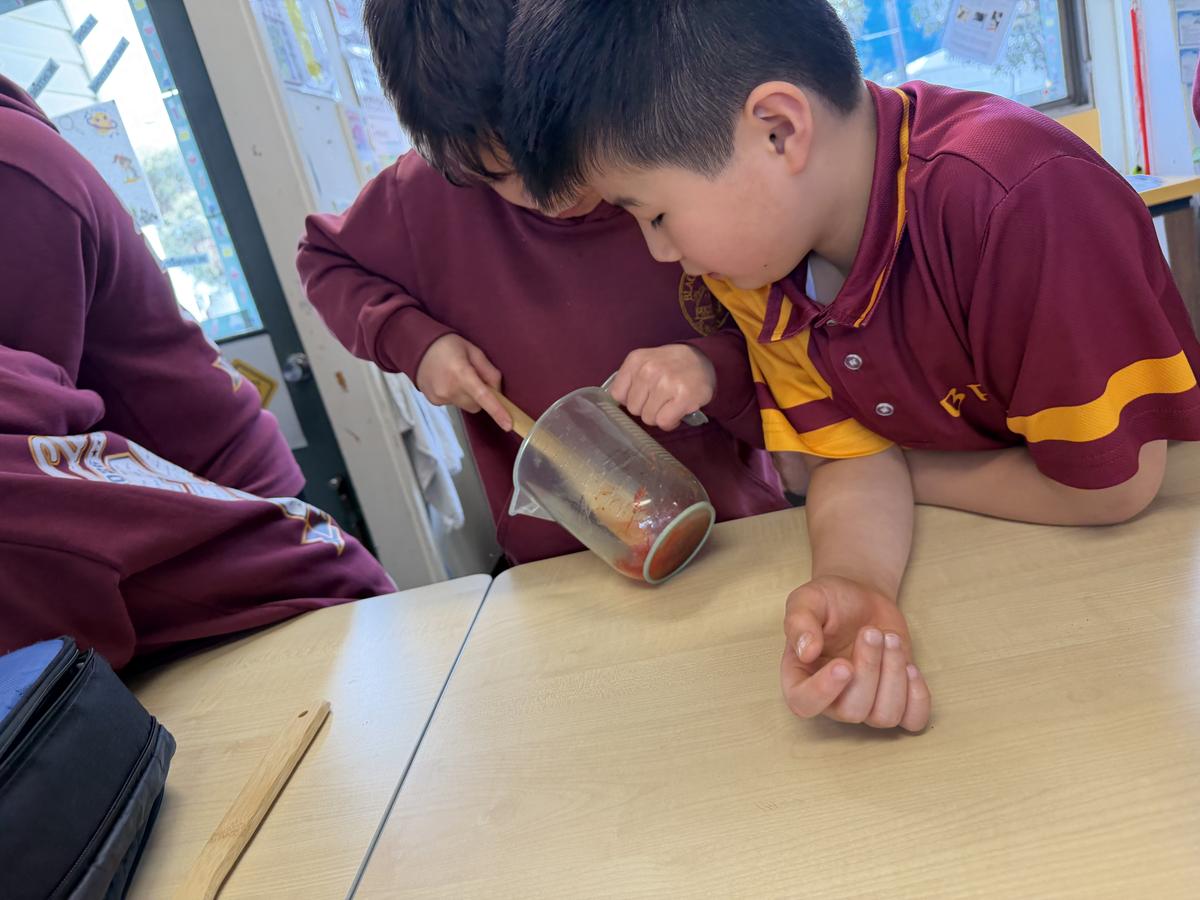
* looking at a 2 day old stick insect nymph and preparing seeds to germinate that have been to space
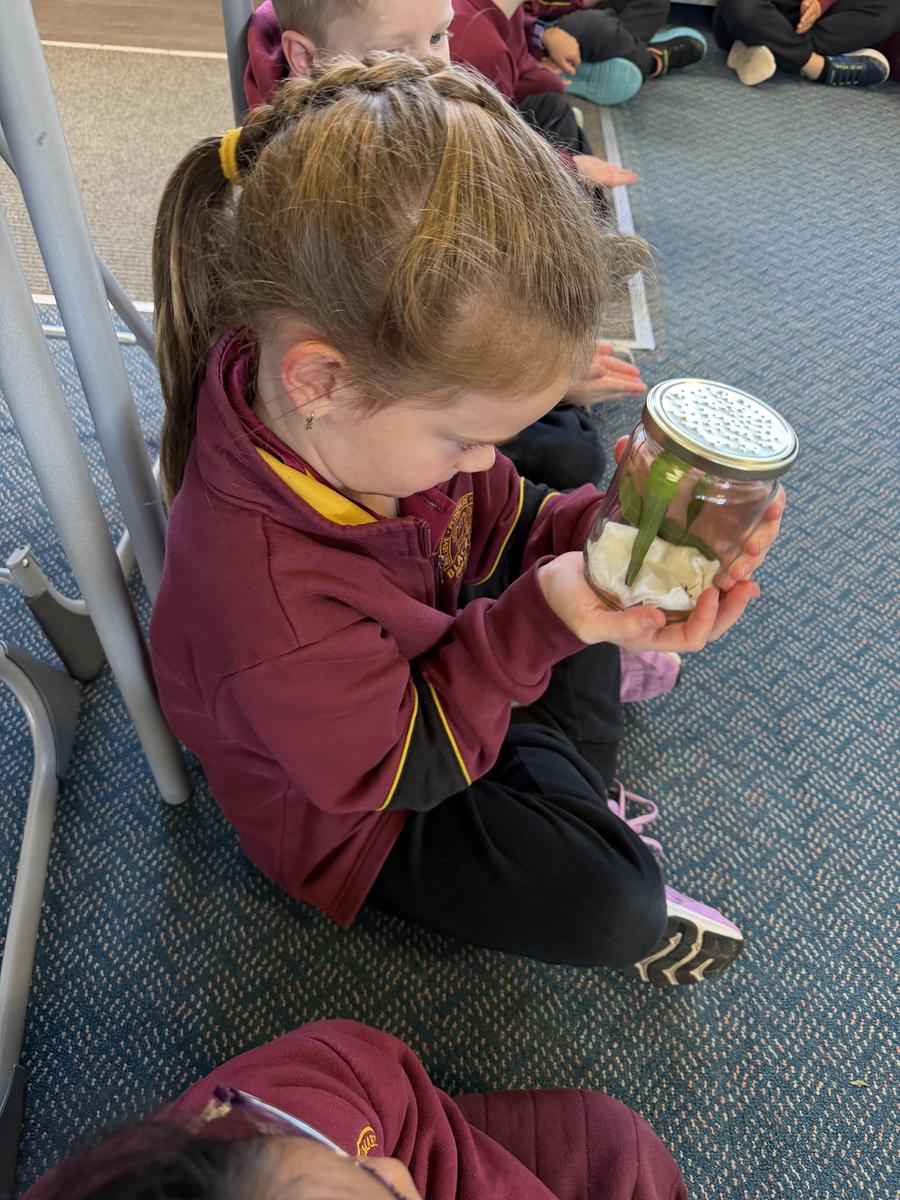
Also, we are looking for a suitable enclosure to house the stick insects which are hatching in the science classroom. Please let me know if you have one we could borrow for the rest of the year.
Stay curious!
Mrs. Stansfield