Learning Across the ELC
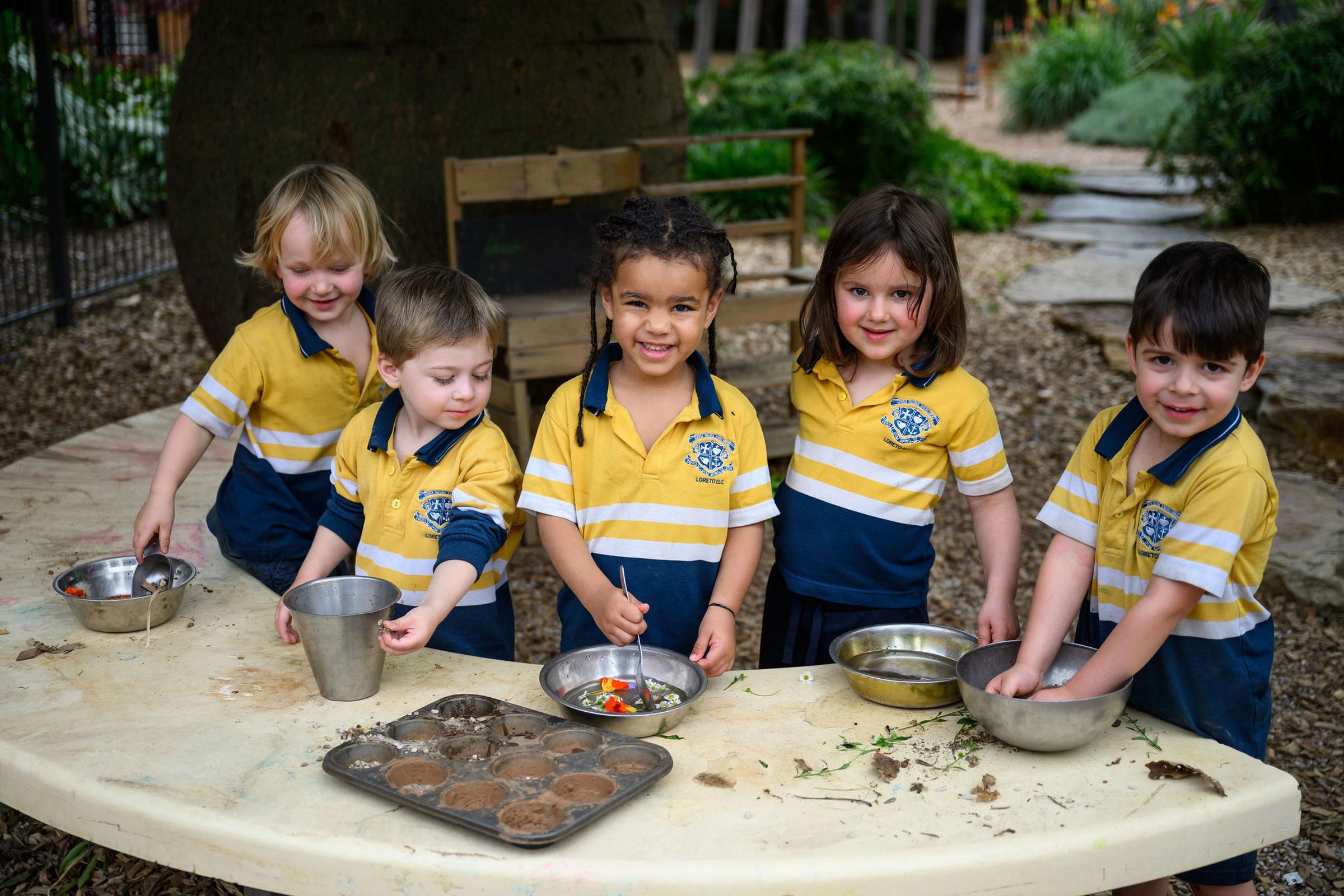
Learning in the ELC
Exploring Day, Night, Light and Colour the natural wonders of our world around us
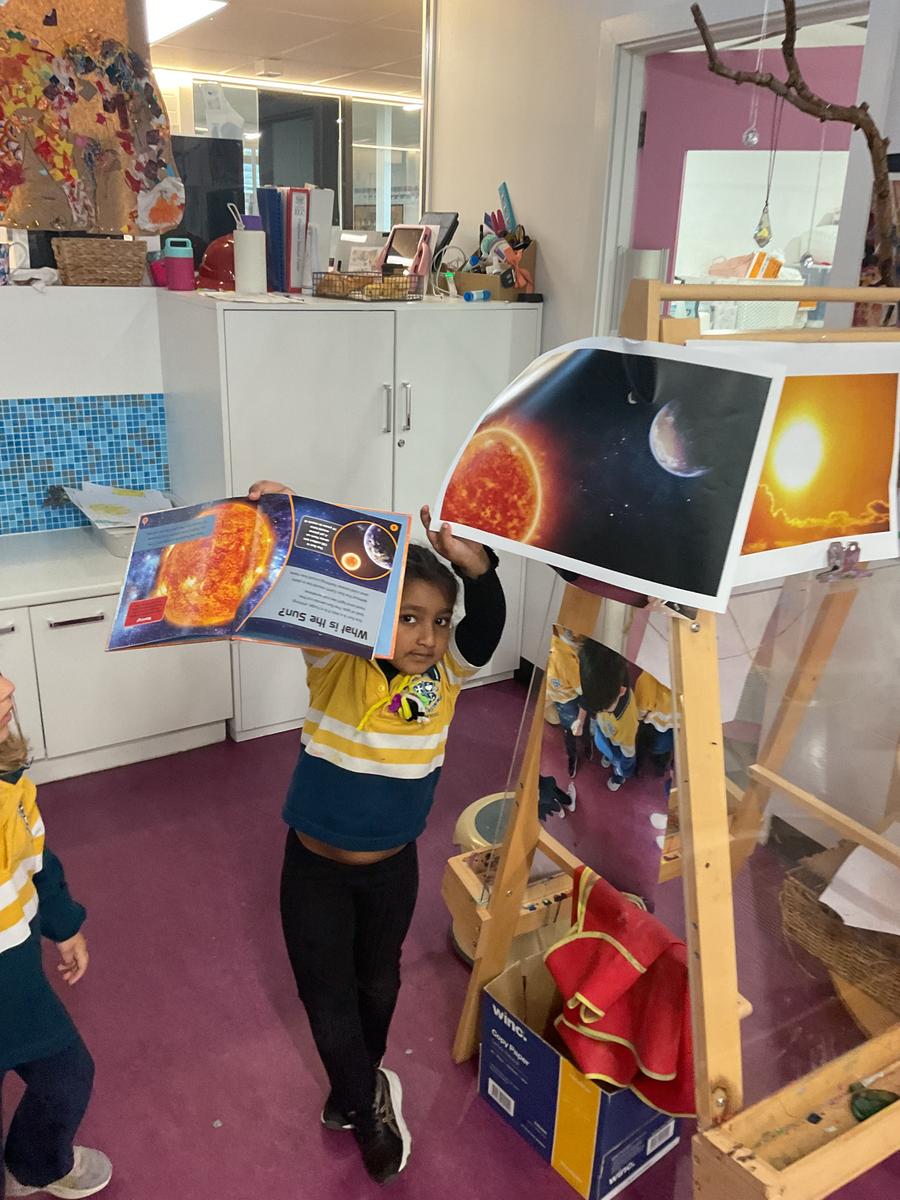
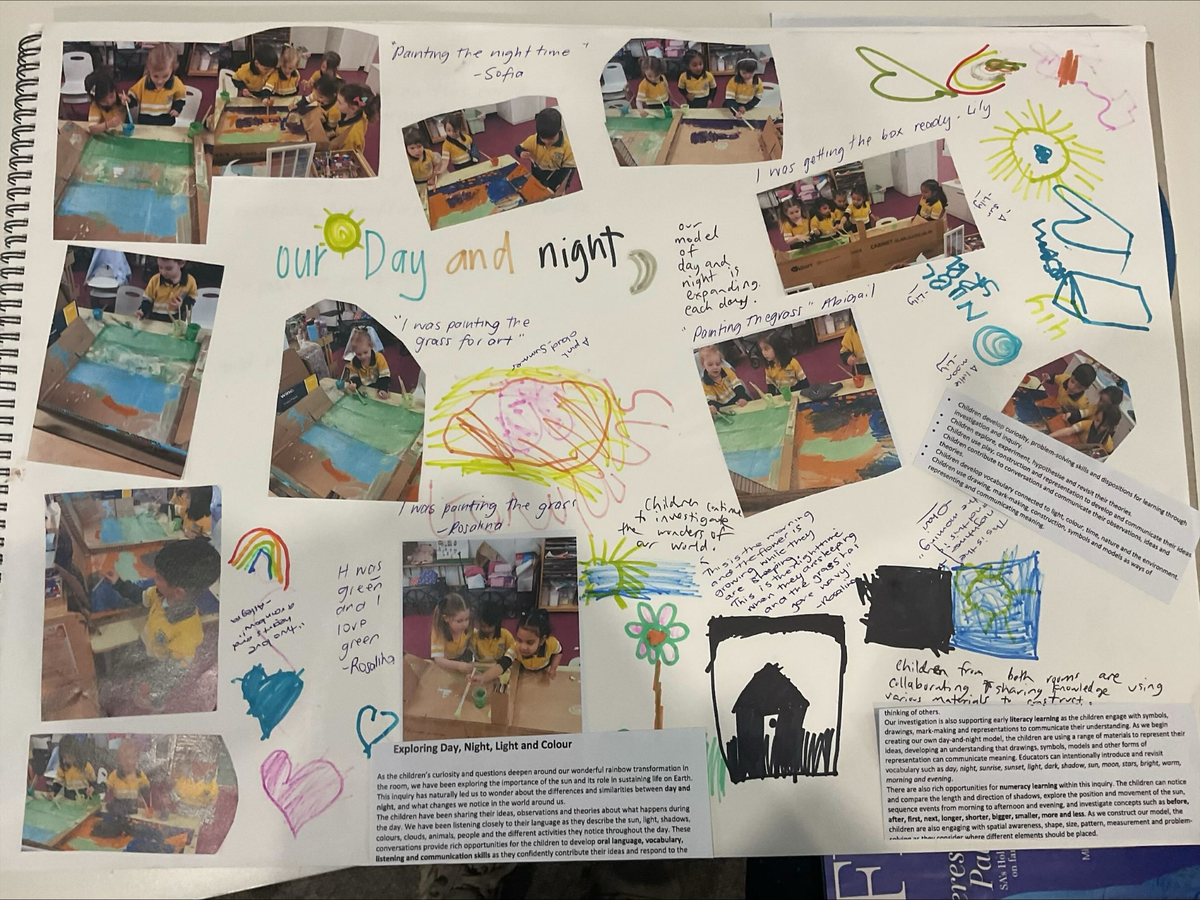
As the children’s curiosity and questions deepen around our wonderful rainbow transformation in the room, we have been exploring the importance of the sun and its role in sustaining life on Earth. This inquiry has naturally led us to wonder about the differences and similarities between day and night, and what changes we notice in the world around us.
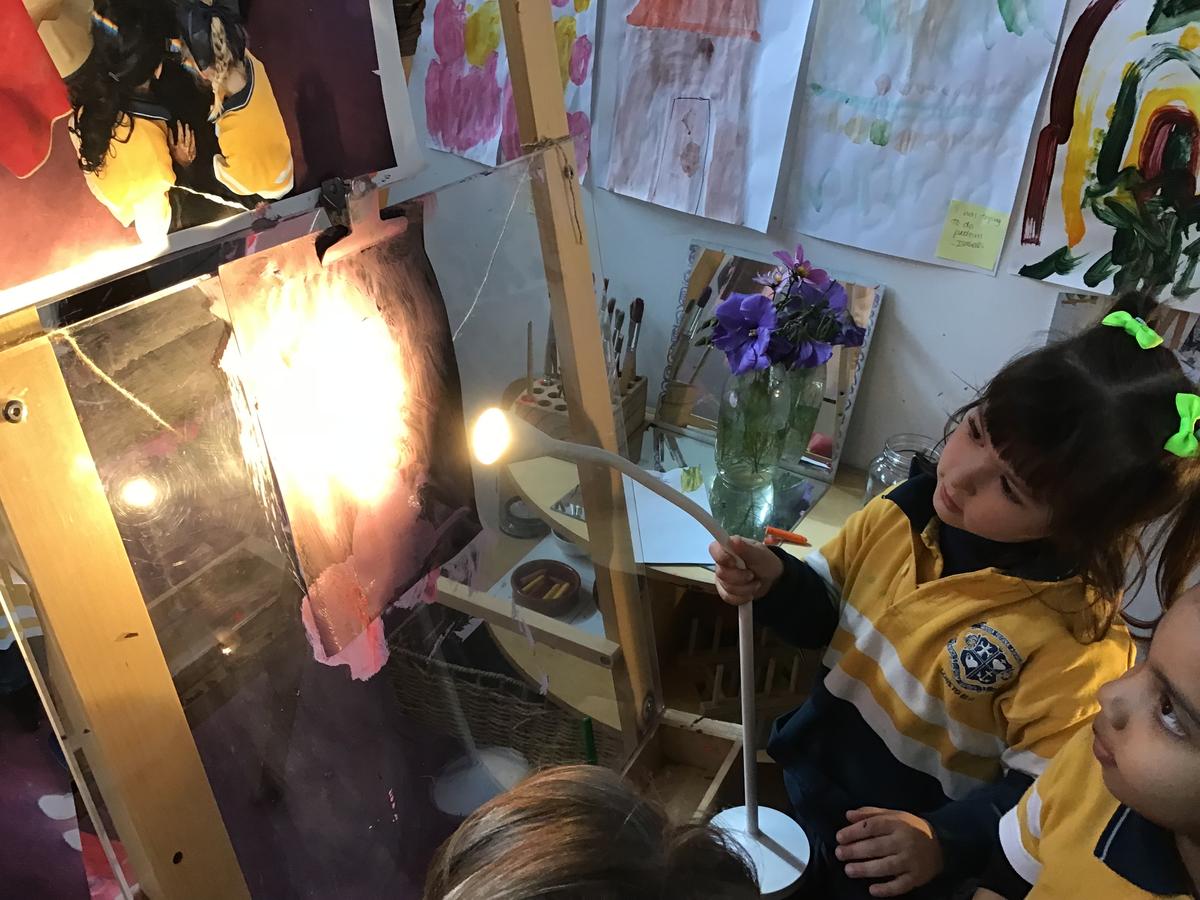
The children have been sharing their ideas, observations and theories about what happens during the day. We have been listening closely to their language as they describe the sun, light, shadows, colours, clouds, animals, people and the different activities they notice throughout the day. These conversations provide rich opportunities for the children to develop their oral language, vocabulary, listening and communication skills as they confidently contribute their ideas and respond to the thinking of others.
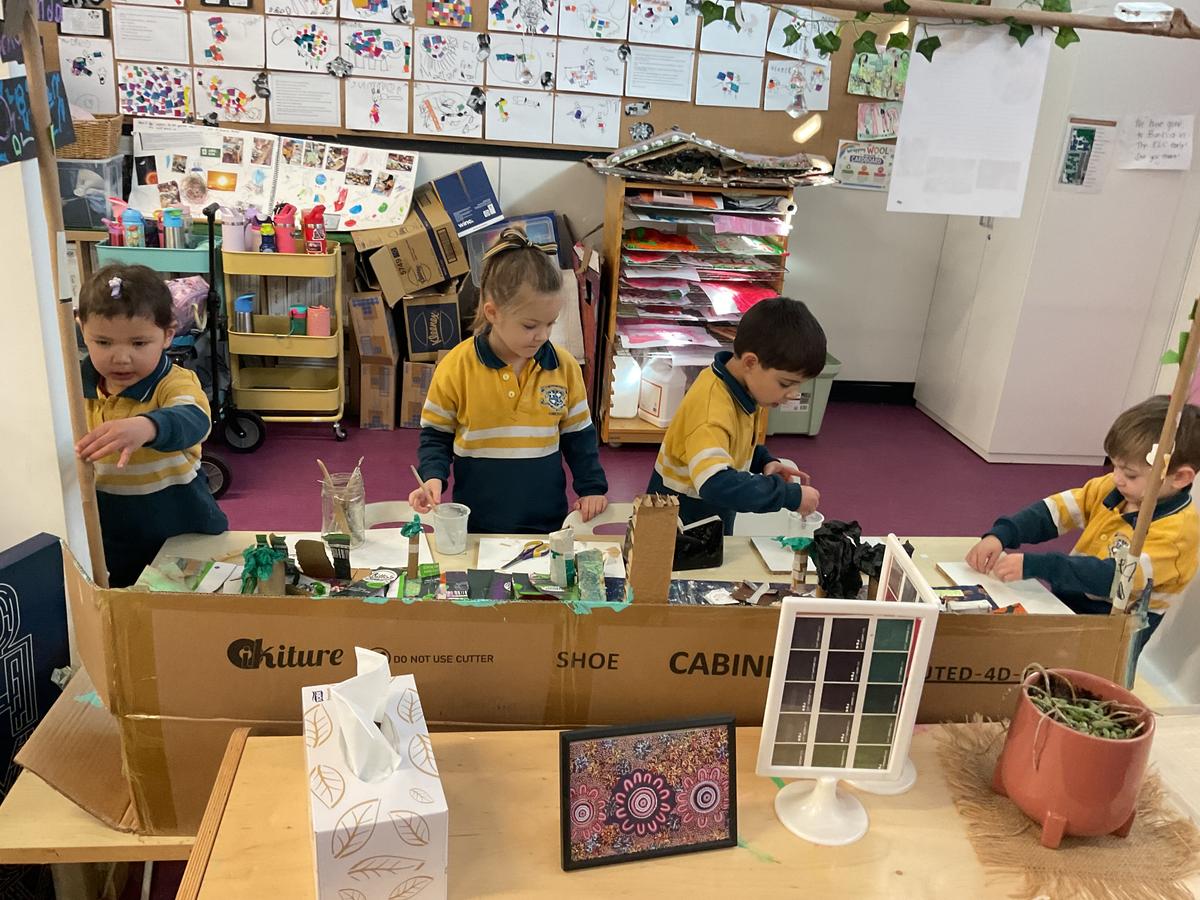
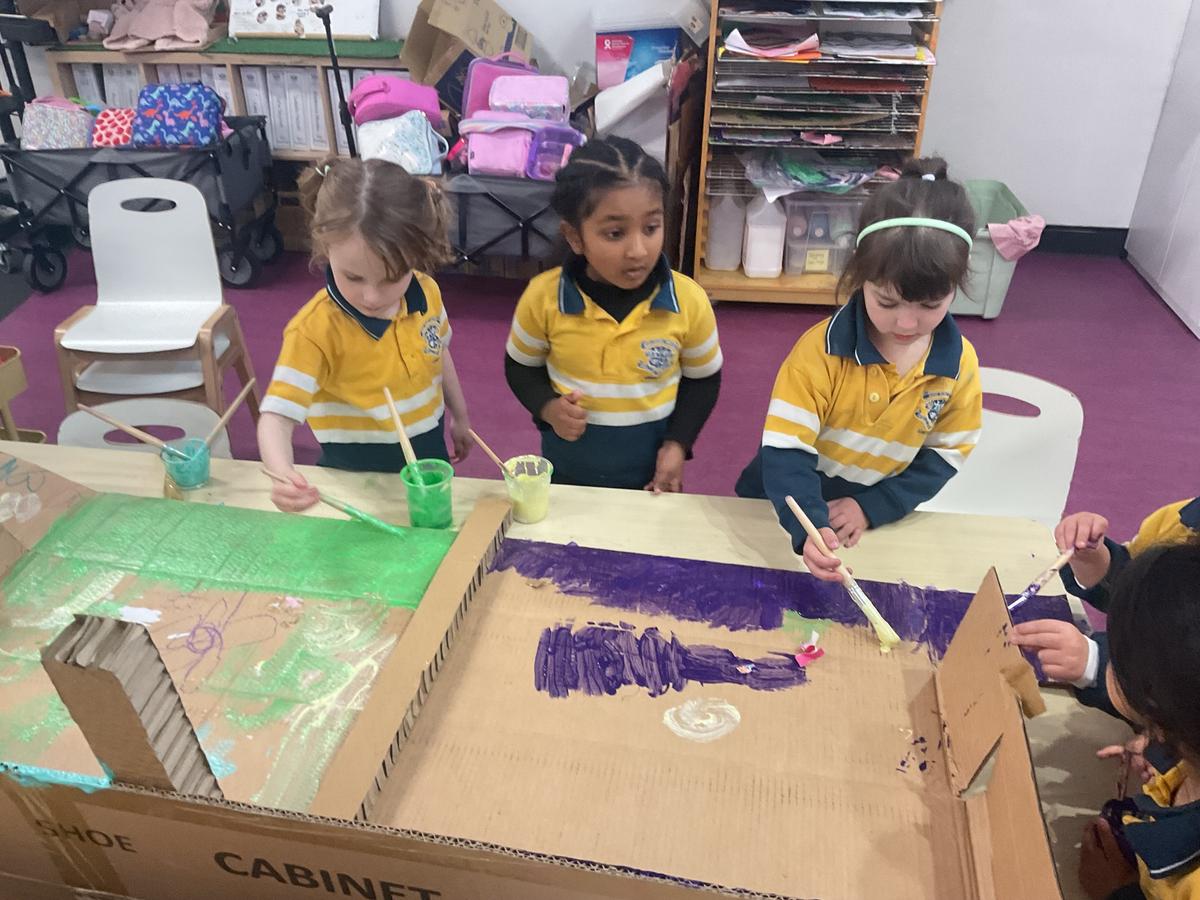
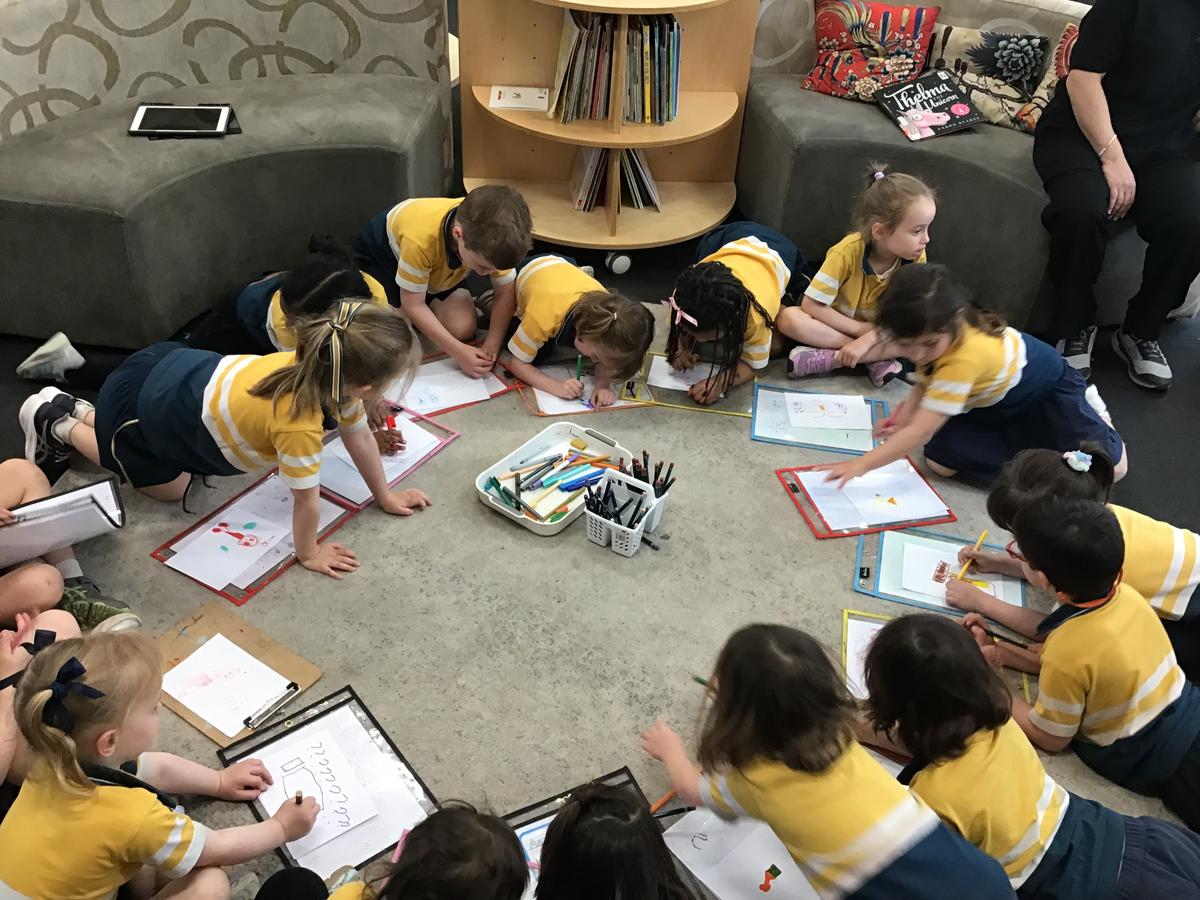
Our investigation is also supporting early literacy learning as the children engage with symbols, drawings, mark-making and representations to communicate their understanding. As we begin creating our own day-and-night model, the children are using a range of materials to represent their ideas, developing an understanding that drawings, symbols, models and other forms of representation can communicate meaning. The children can notice and compare the length and direction of shadows, explore the position and movement of the sun, sequence events from morning to afternoon and evening, and investigate concepts such as before, after, first, next, longer, shorter, bigger, smaller, more and less. As we construct our model, the children are also engaging with spatial awareness, shape, size, pattern, measurement and problem-solving as they consider where different elements should be placed.
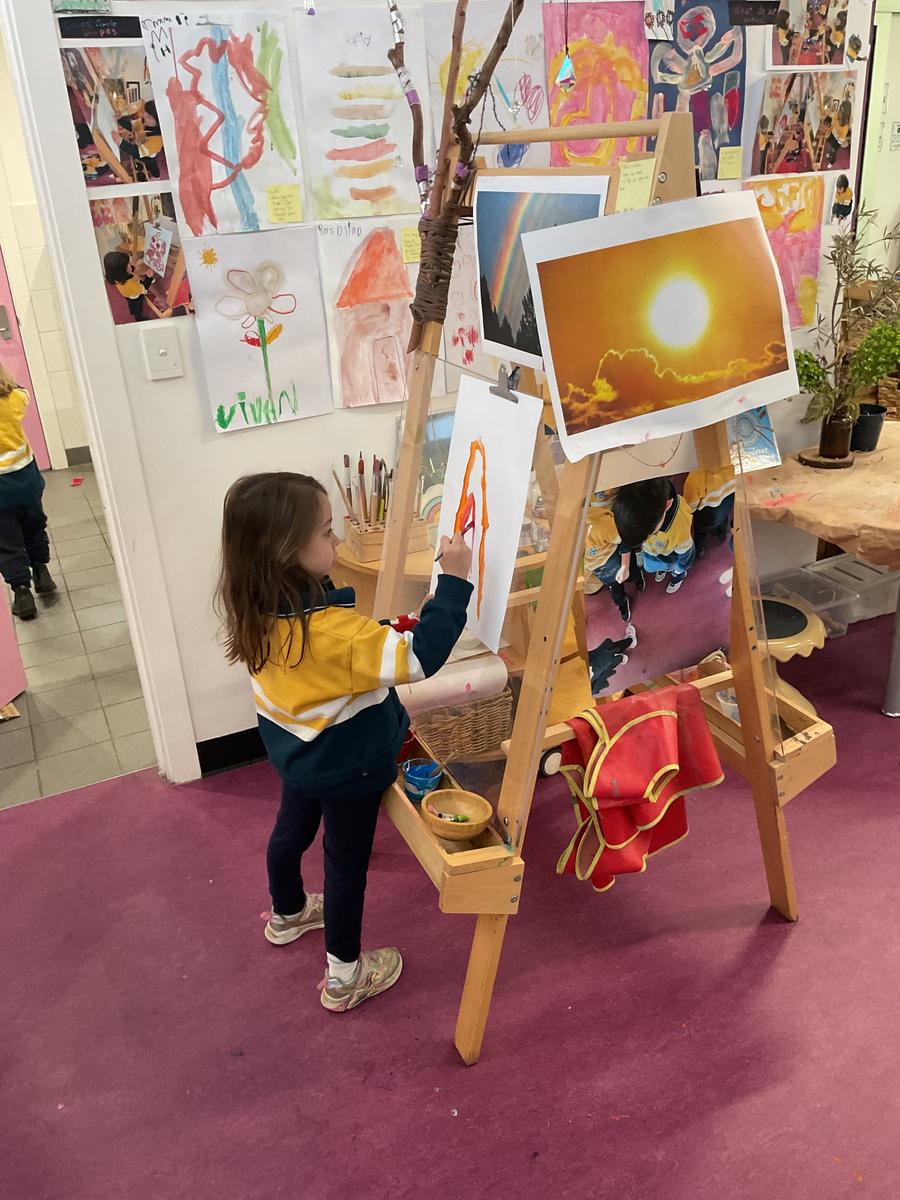
This inquiry reflects how children’s questions, theories and discoveries become the starting point for deeper learning. Rather than simply providing answers, we are slowing down to listen to what the children notice, wonder about and hypothesise. Their ideas become visible through conversations, drawings, construction, collaborative modelling and the use of open-ended materials. The environment acts as a third teacher, with the rainbow transformation in our room becoming an invitation to investigate light, colour, shadows and the natural world.
Through this ongoing project, we are valuing the children as capable and curious researchers, encouraging them to revisit their ideas, test theories, collaborate with others and represent their thinking in many different ways. What makes day and night different? Where does the sun go? How does light change? What happens to shadows?
As Loris Malaguzzi reminds us: “Nothing without joy.”
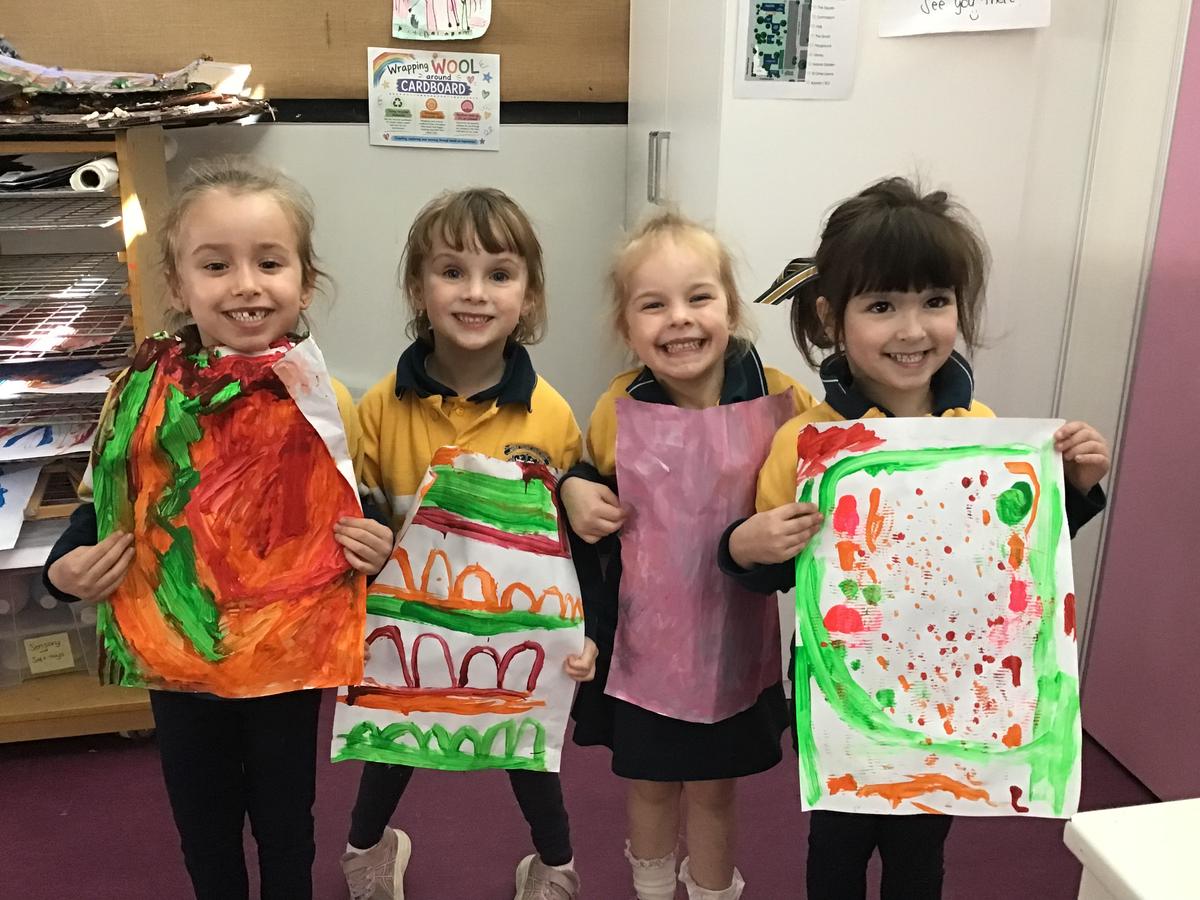
There has certainly been plenty of joy in this inquiry — joy in discovering a shadow, noticing the moon during the day, watching colours change, experimenting with light and water, and sharing an idea with a friend.
The Preschool Team