
Prep
Prep Newsletter Term 4 Week 2
Dear Prep families,
Welcome to Term 4. We hope you had a restful break and are ready for our final term of Prep. It’s wonderful to see everyone back, refreshed and ready to learn. This term is expected to be another exciting term, as we’re looking forward to many special moments to complement our learning program, such as swimming, a Zoo excursion and Christmas Carols at the end of term!
Reading
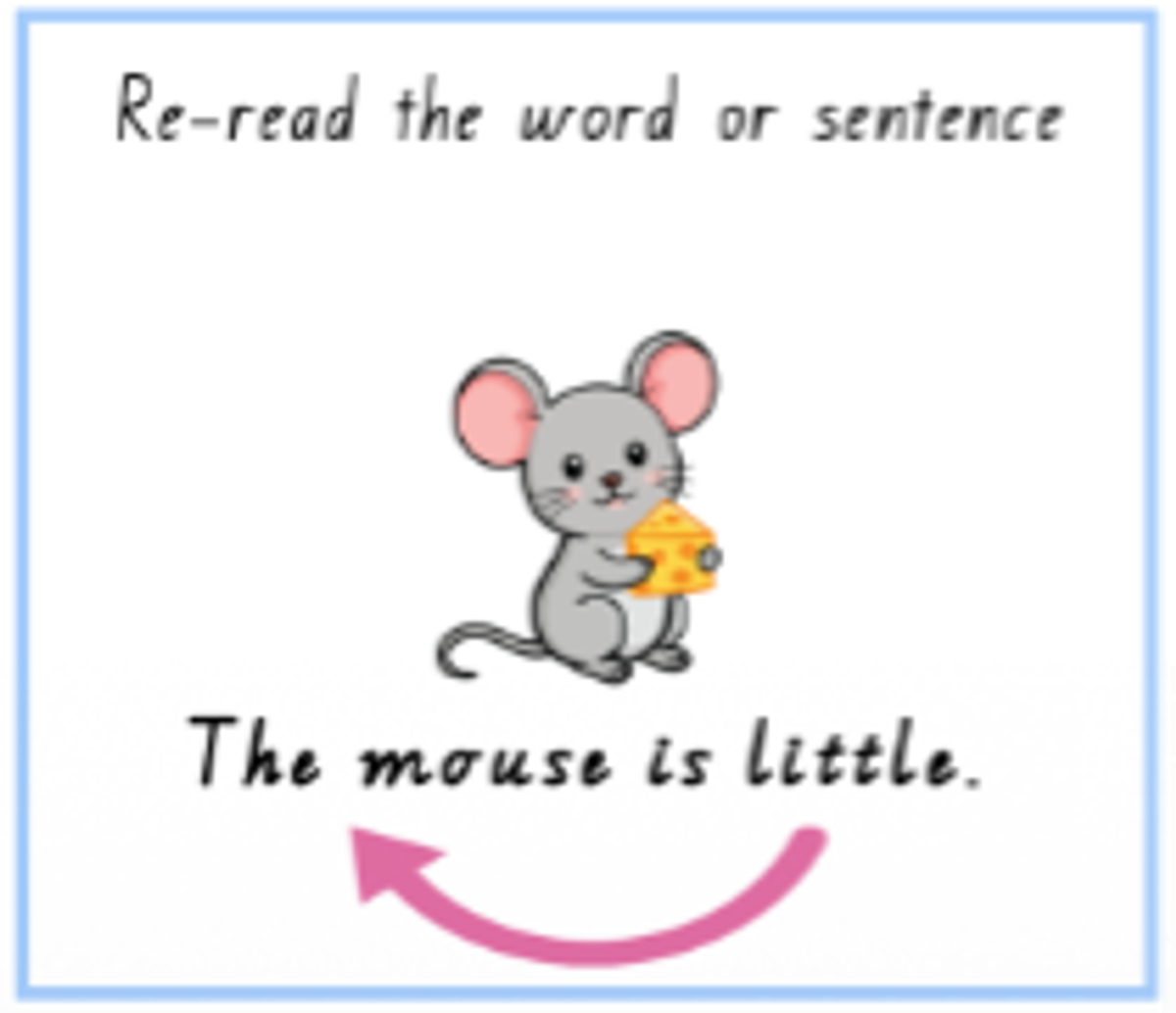
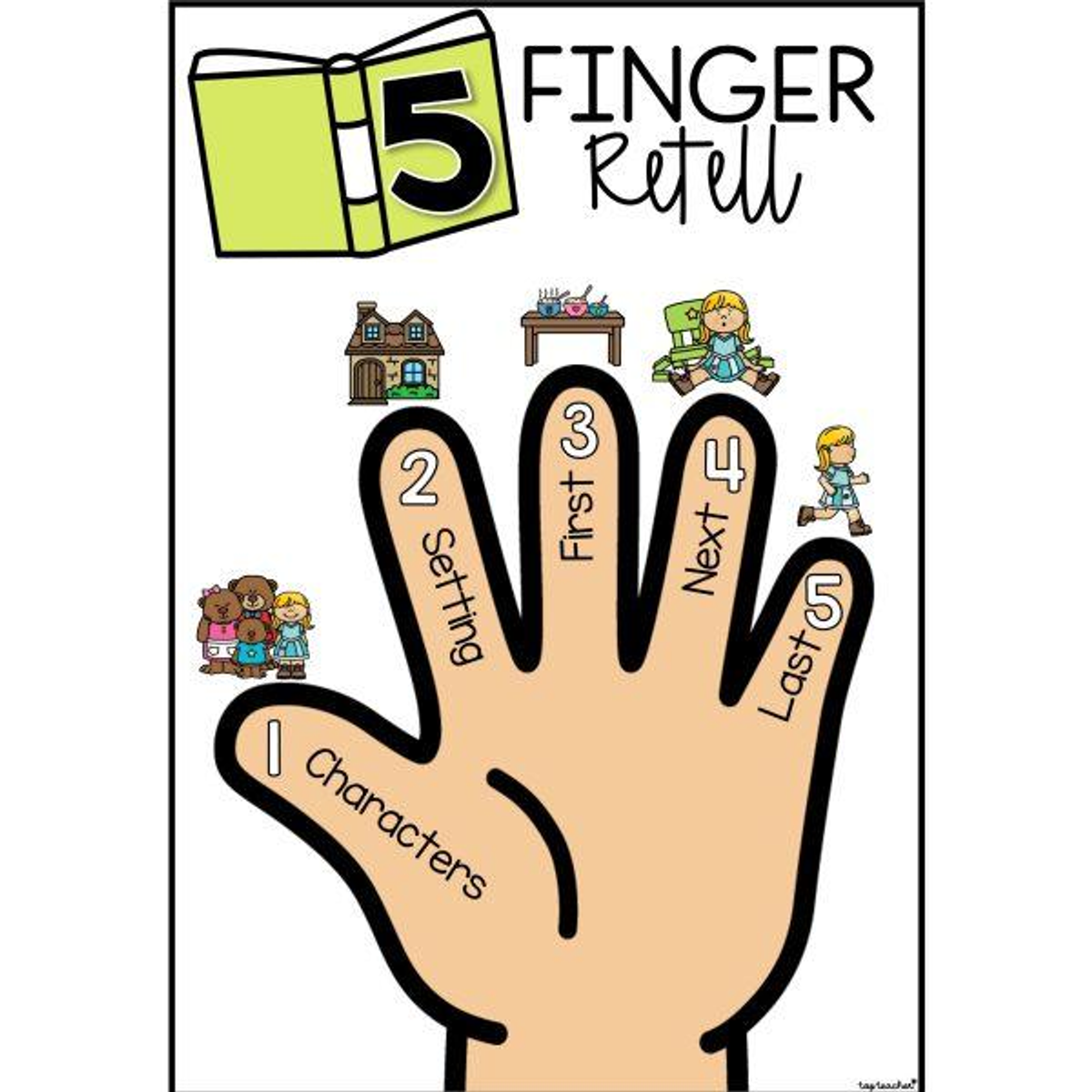
Over the first two weeks of Term 4, our Prep students have been developing their reading and comprehension skills through a focus on recognising high-frequency words, visualising while reading, retelling the events of a story and identifying adjectives.
We have been practising recognising high-frequency words (HFWs) quickly and confidently during reading. Students have been encouraged to find these familiar words in their books and read them automatically, helping to build their reading fluency and confidence.
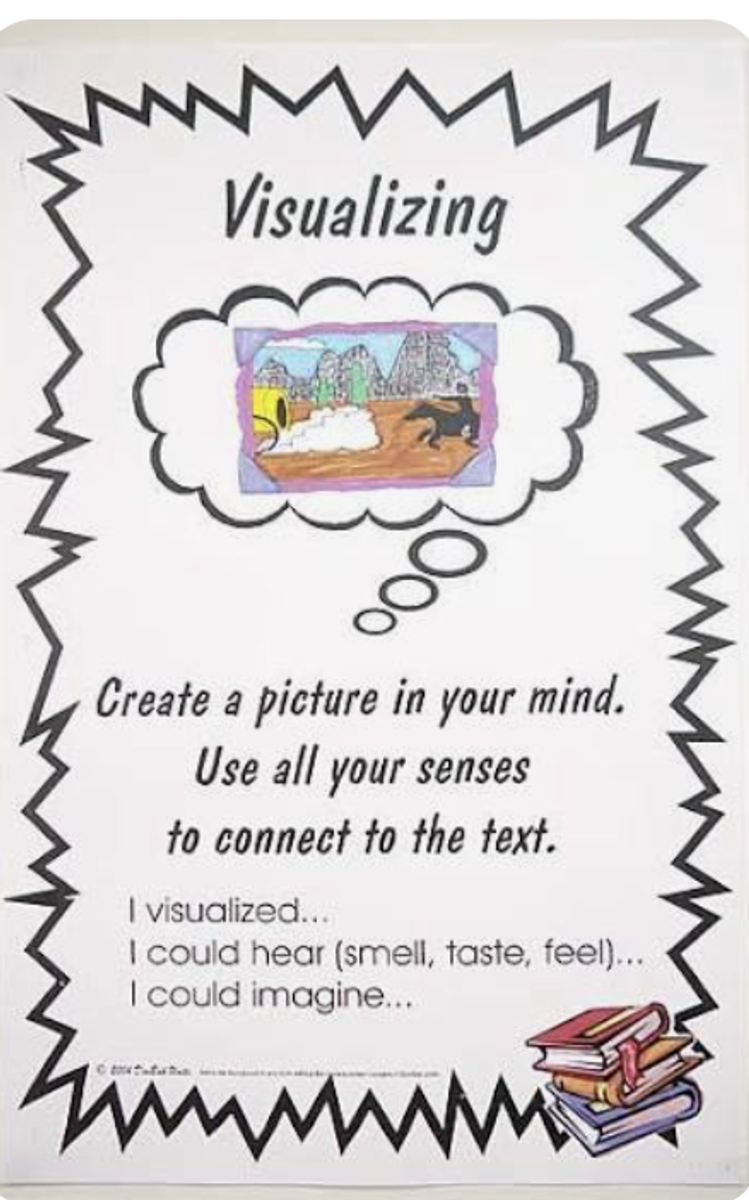
We have also explored visualising, an important comprehension strategy that encourages students to create pictures in their minds as they listen to or read a story. Students have used their imagination to picture characters, settings and events, and have drawn what they imagined showing their understanding of the text.
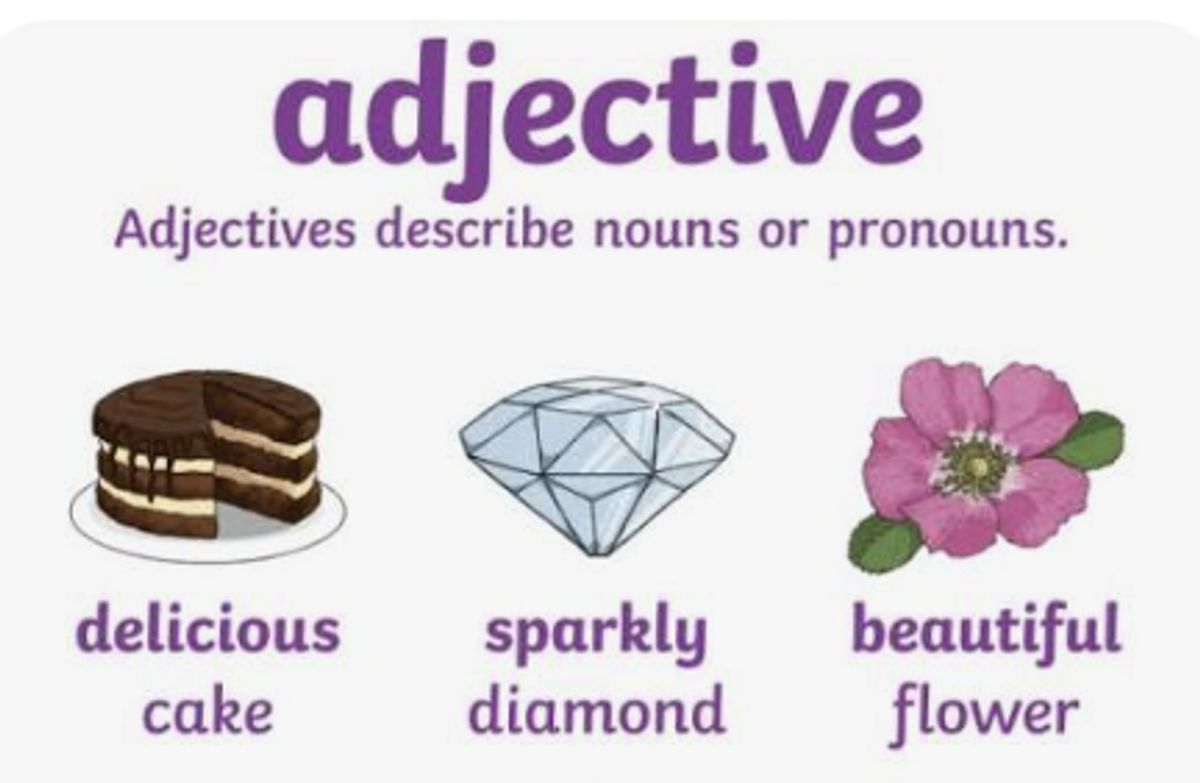
Another focus has been identifying adjectives. Students have been learning that adjectives are describing words that tell us more about a person, place, animal or object. Through shared reading and discussion, they have practised identifying adjectives in texts and suggesting their own examples to make descriptions more interesting and detailed.
How can you support your child at home?
Here are some simple ways to continue building these important literacy skills together:
Practise high-frequency words: While reading a book, encourage your child to find familiar words and read them straight away.
Create pictures in your mind: After reading a story, ask your child, “What did you imagine in your mind?”
Become an adjective detective: Look for describing words in books and everyday conversations. Ask questions such as, “What does the dog look like?” or “Can you describe the tree?” Encourage words such as fluffy, enormous, green, tiny and beautiful.
Keep reading together: Sharing books regularly provides wonderful opportunities to practise all three skills while developing vocabulary, comprehension and a love of reading.
Reread familiar books: Repeated reading helps children become more familiar with words and develop fluency and confidence.
Praise their efforts: Celebrate when your child notices a verb or recognises a familiar word.
Writing
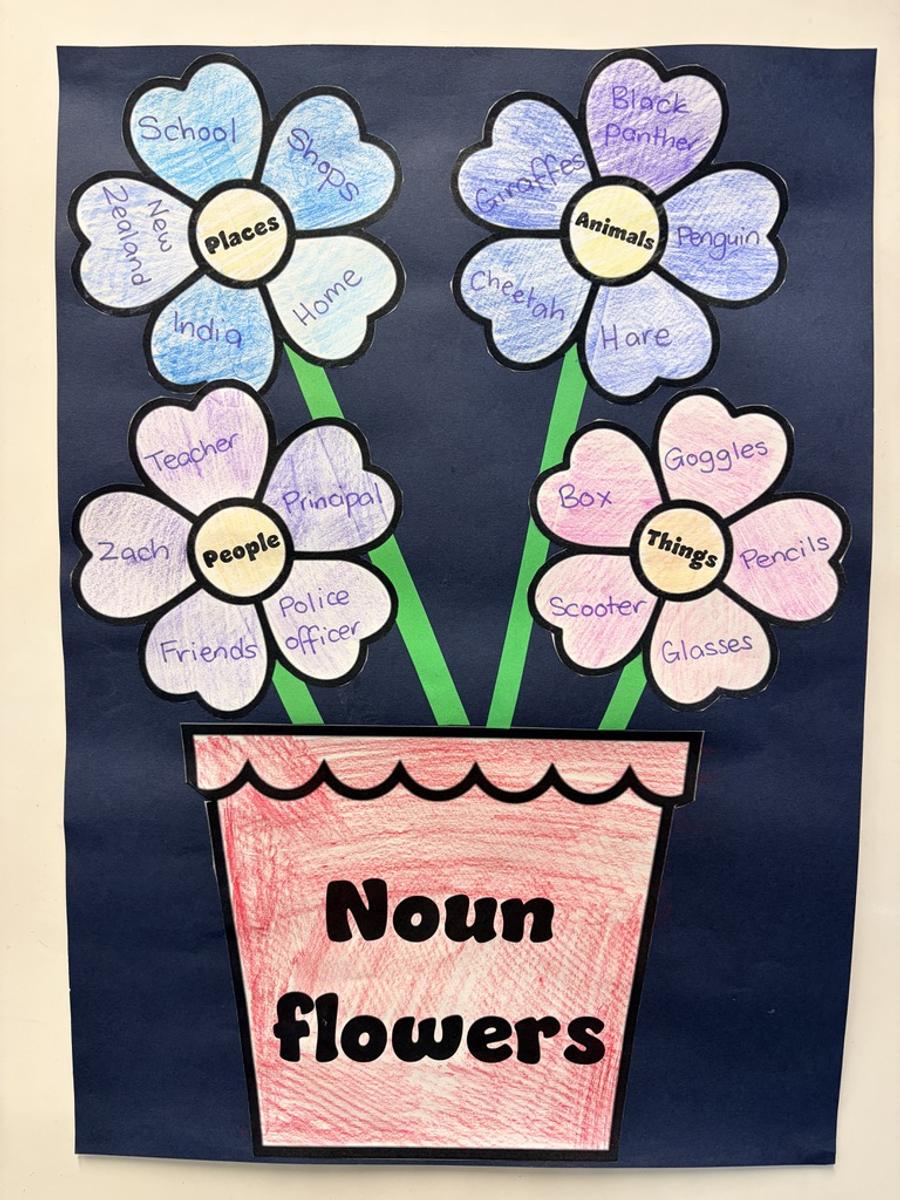
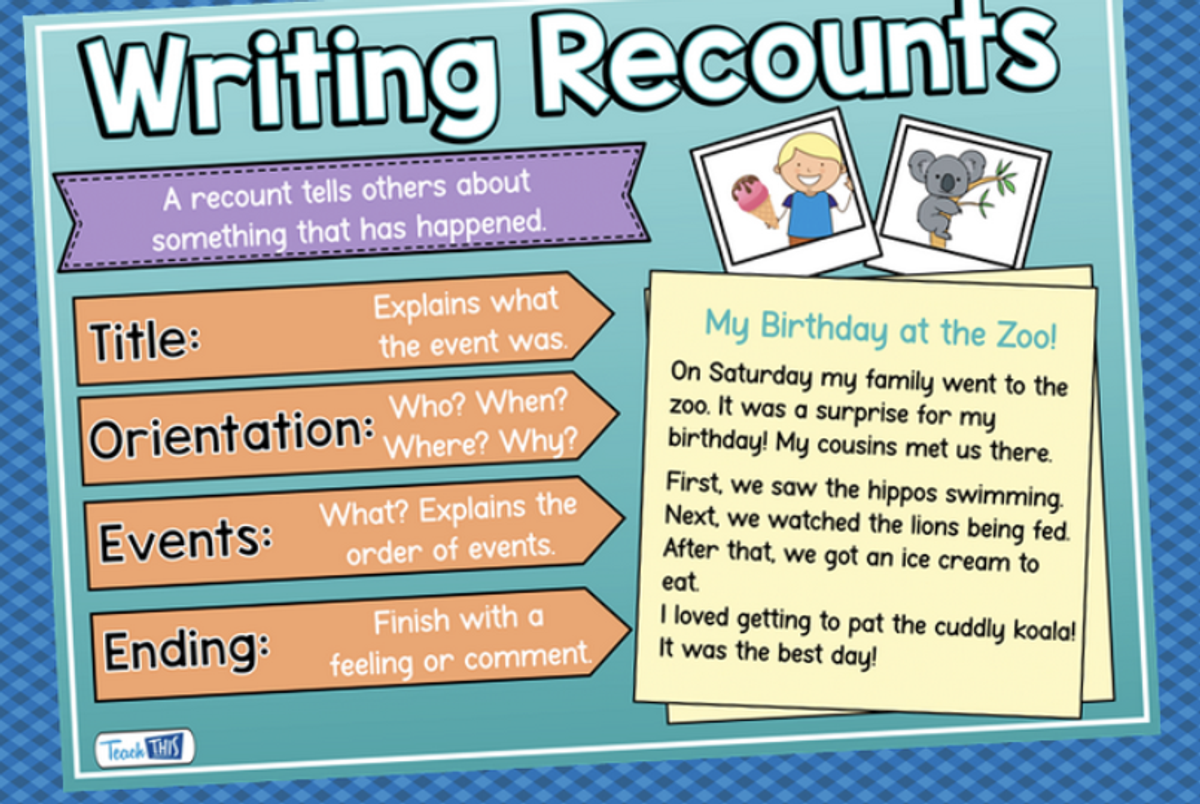
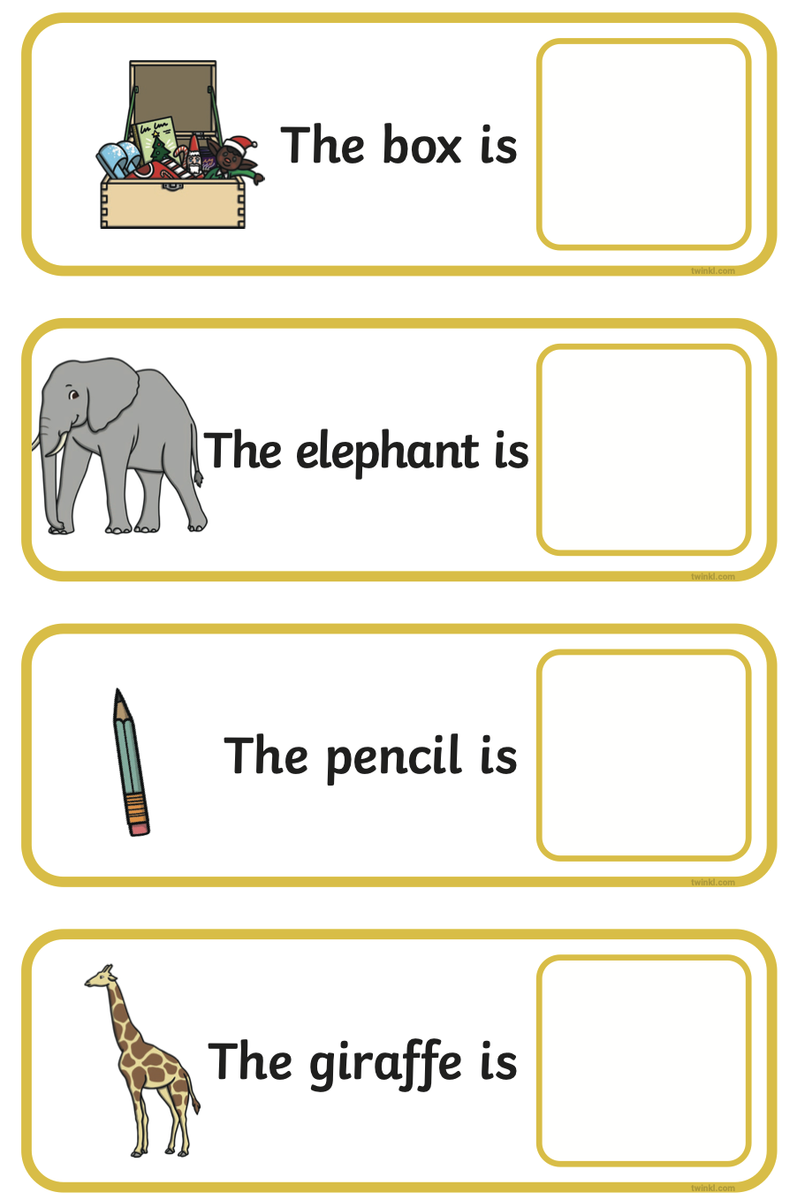
We started the term by writing holiday recounts, where students reflected on their break and shared what made it special. Over the past two weeks, our Prep students have continued to develop their writing skills through a focus on publishing writing, exploring adjectives, nouns and free writing. Students practised rereading and editing their own work before publishing it in their best handwriting, building independence and pride in their writing. We also explored adjectives, learning how describing words help bring our ideas to life. Students identified adjectives and experimented with using them to add detail to their sentences. Alongside these focused lessons, students enjoyed opportunities for free writing, where they could choose their own topics, express their ideas and write about things that interested them. These experiences supported creativity, confidence and the development of each child’s unique voice as a writer.
Inquiry
Prep Inquiry – Sharing the Planet: Living things need resources to survive in their environment.
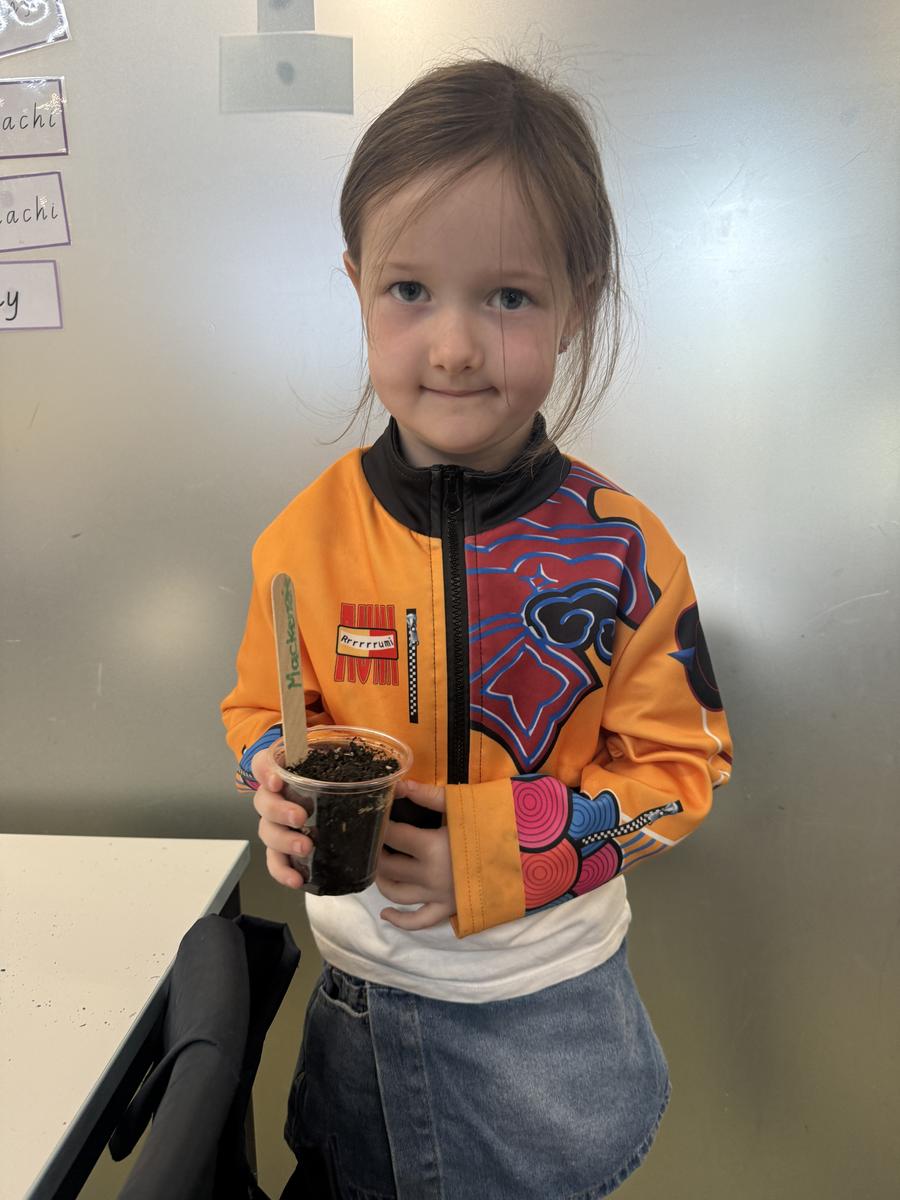
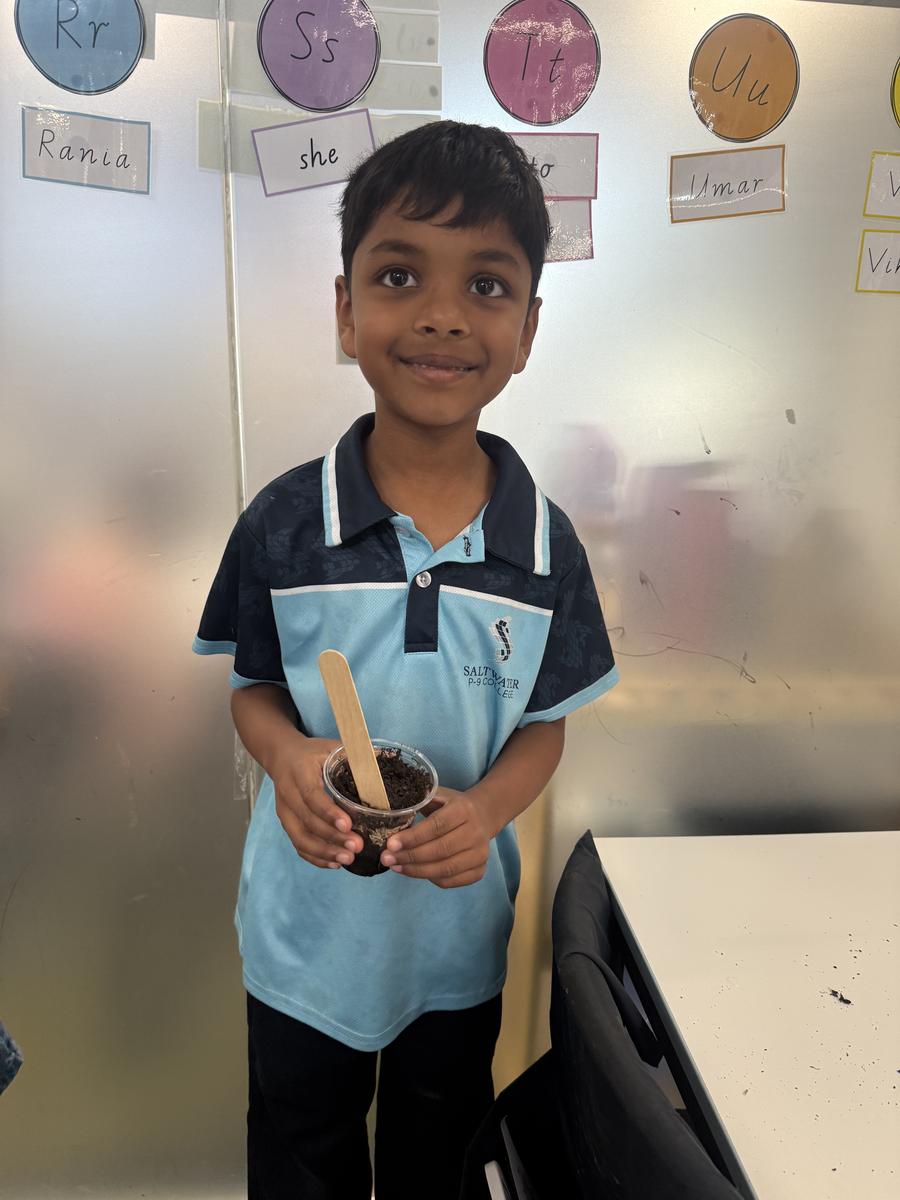
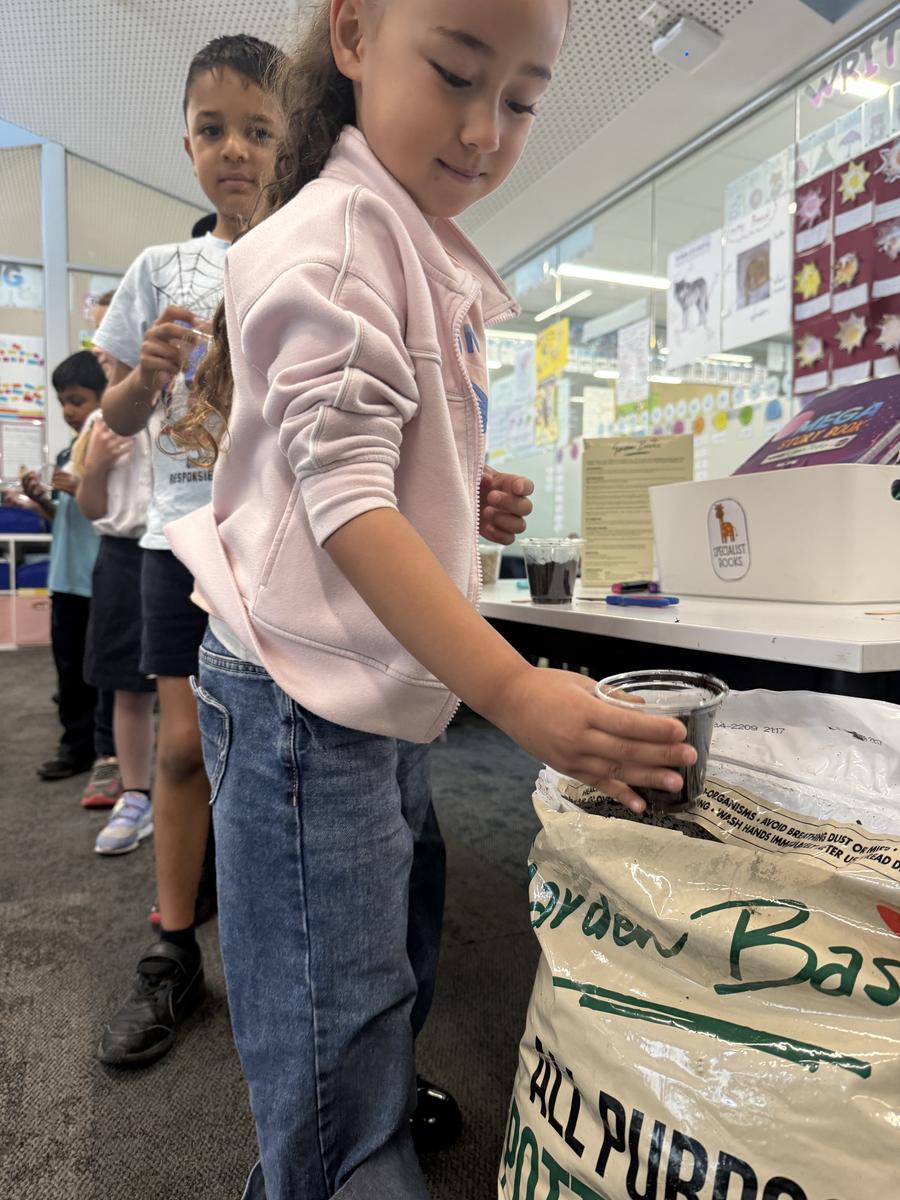
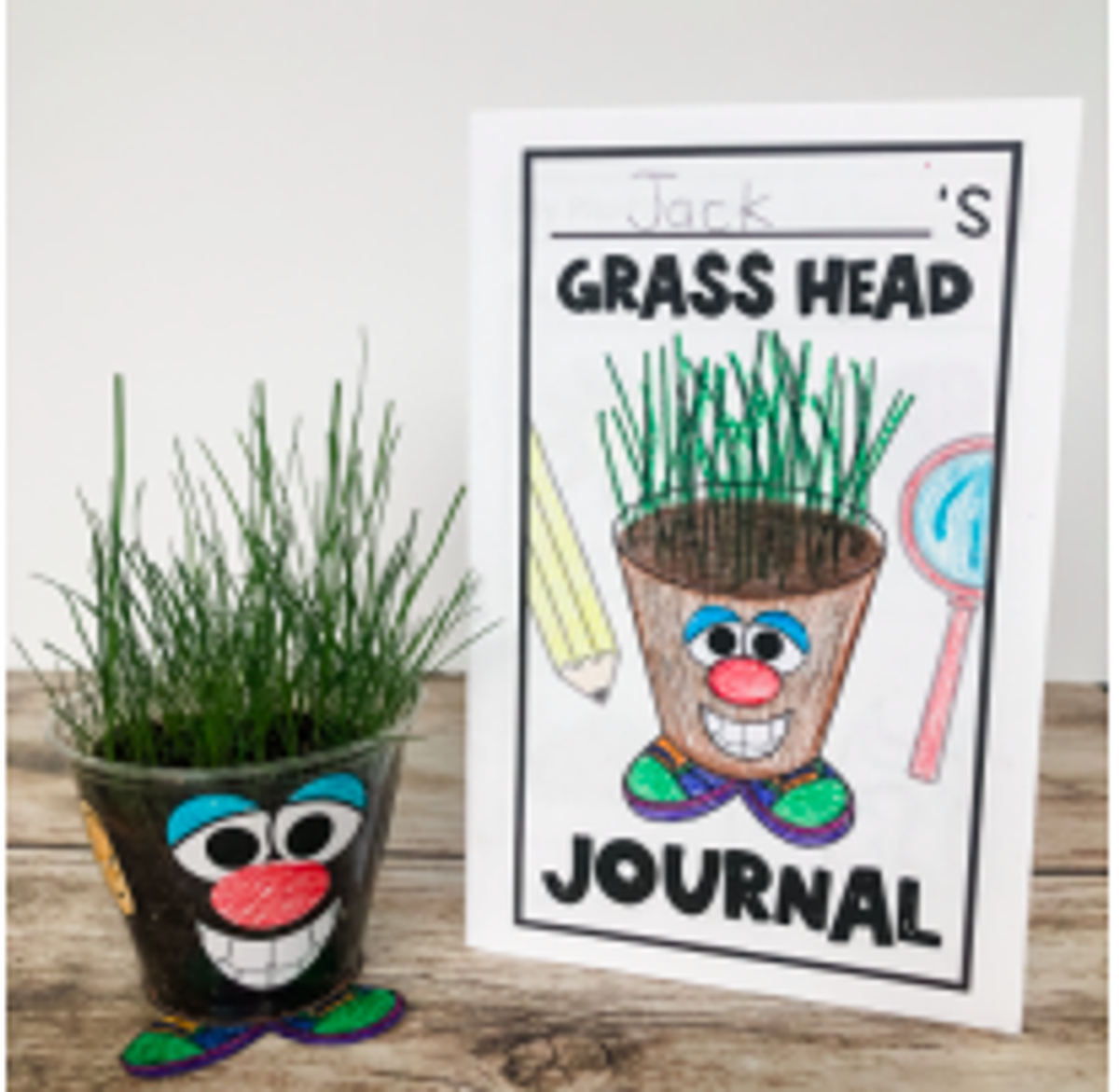
Our Prep students have just begun a new Unit of Inquiry, Sharing the Planet, exploring the central idea that Living things need resources to survive in their environment. We are beginning by investigating the needs of living things and learning to recognise the characteristics that help us distinguish between living and non-living things. In week 1, Prep students showed engagement with tuning into the new Unit of Inquiry by planting Grass Heads that they will observe and look after in their classrooms.
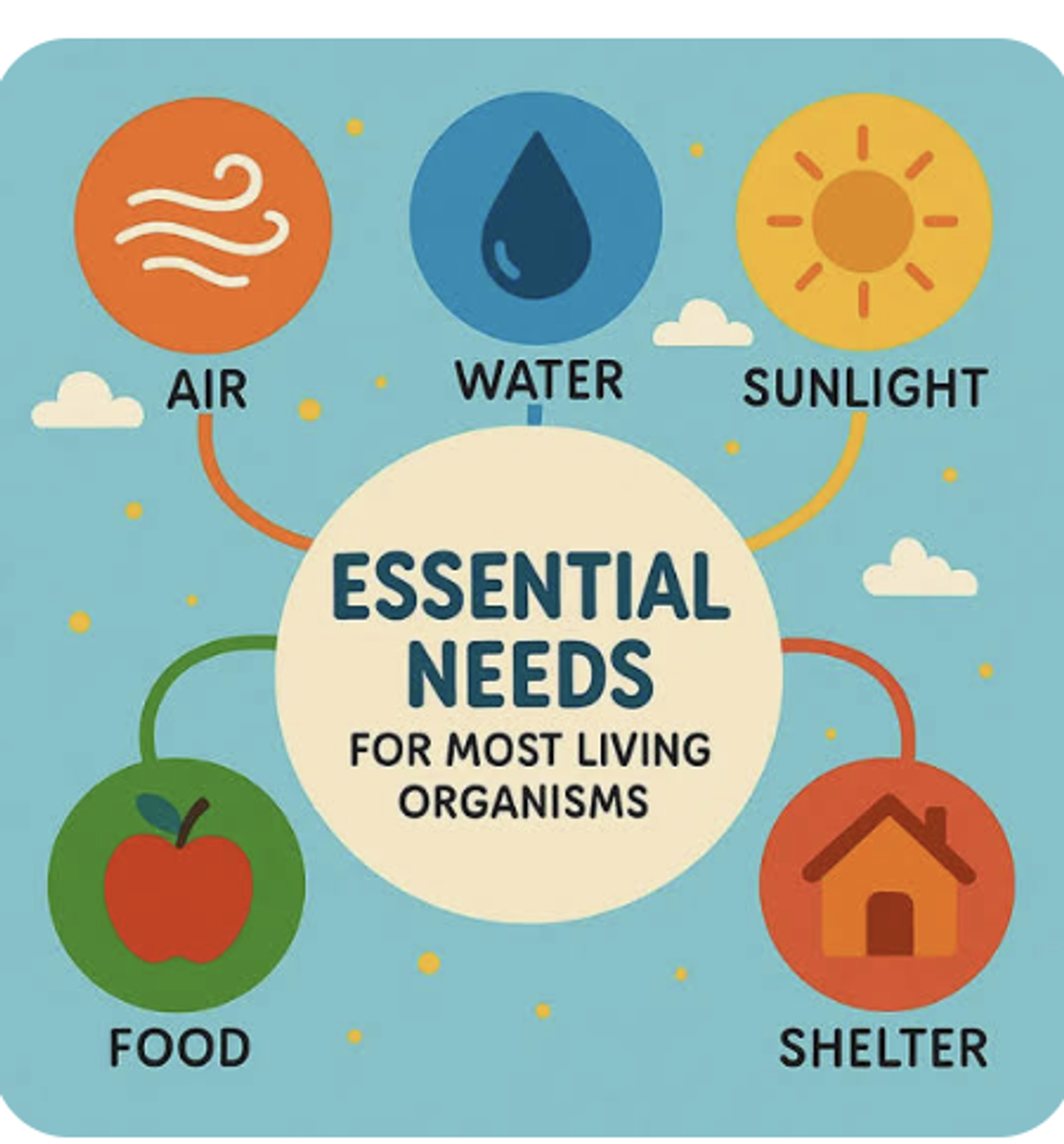
Through discussions, observations and hands-on investigations, students are exploring what living things need to survive, including air, water, food, shelter and space. They are also learning to classify objects and organisms as living or non-living and explain their thinking.
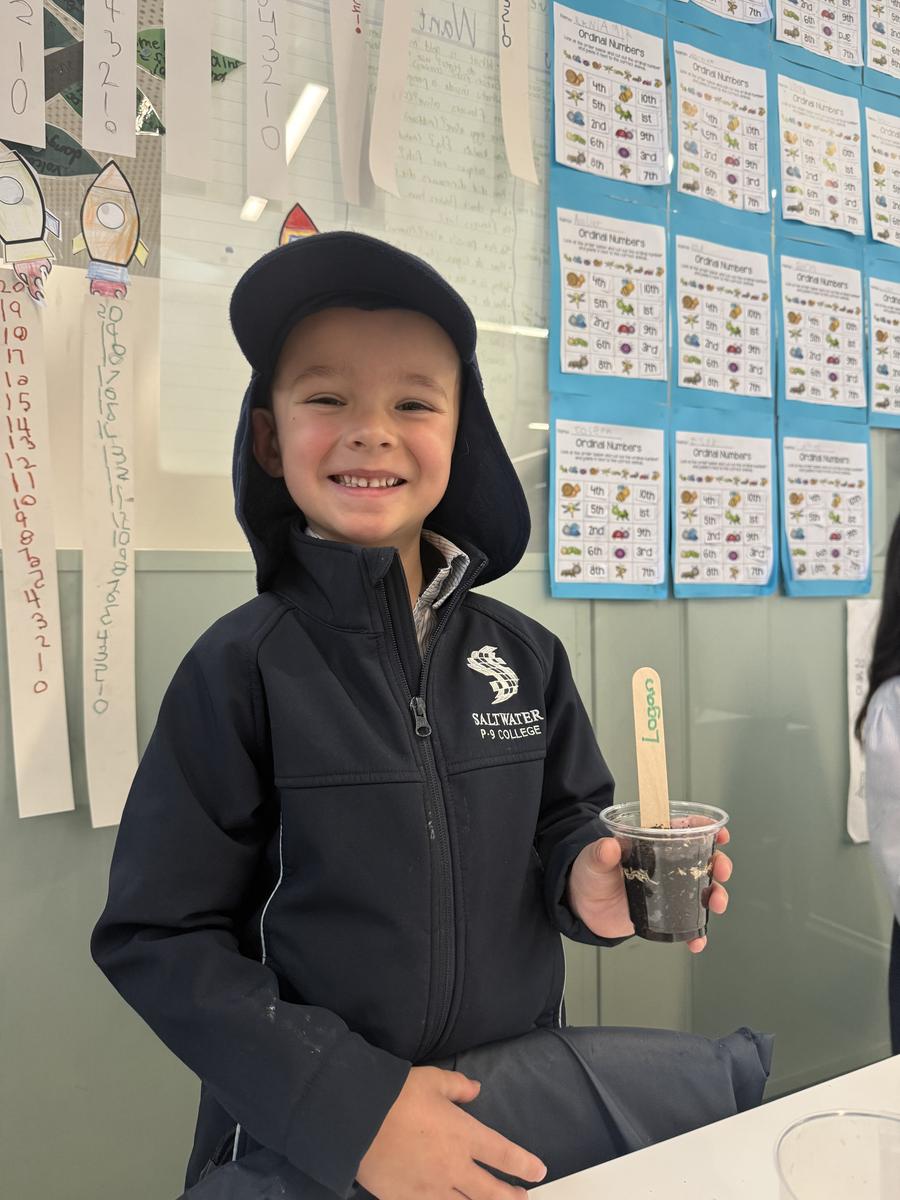
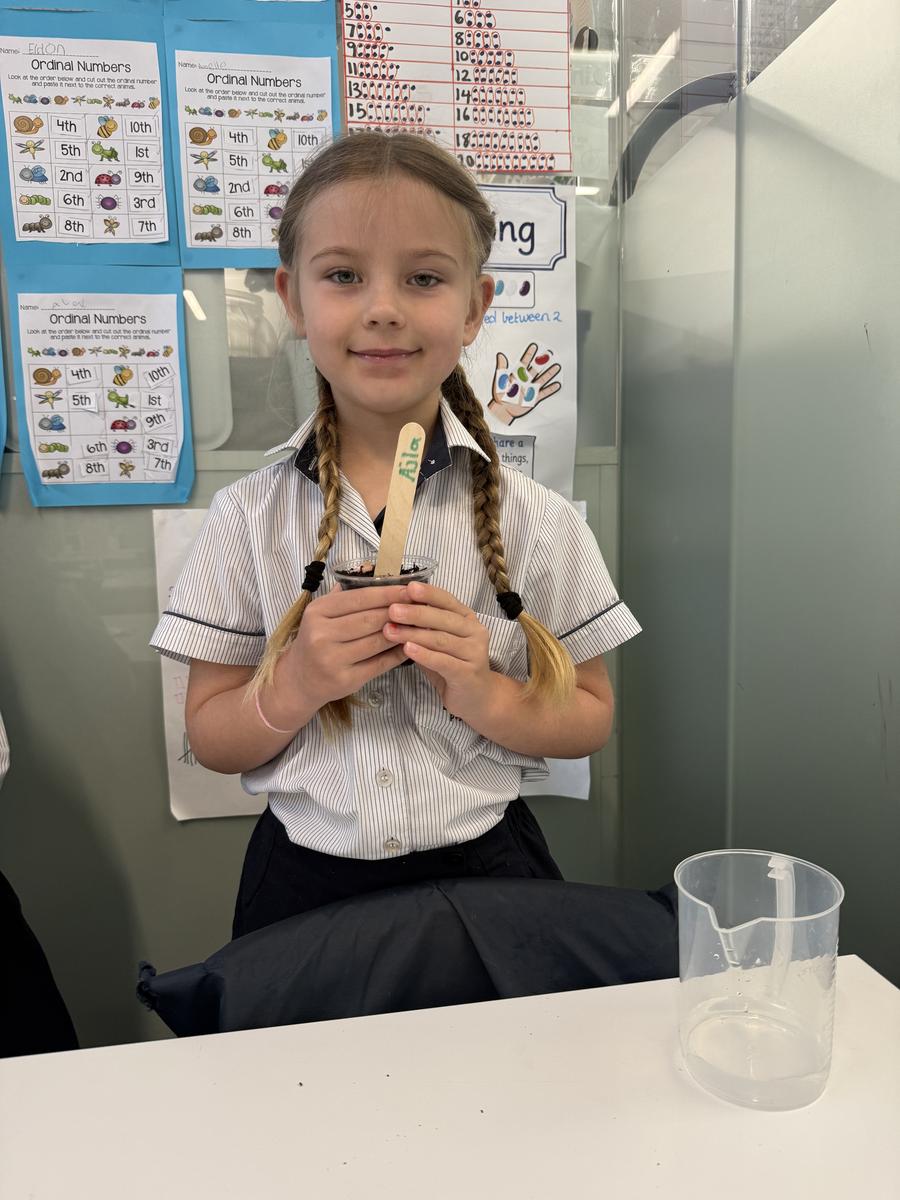
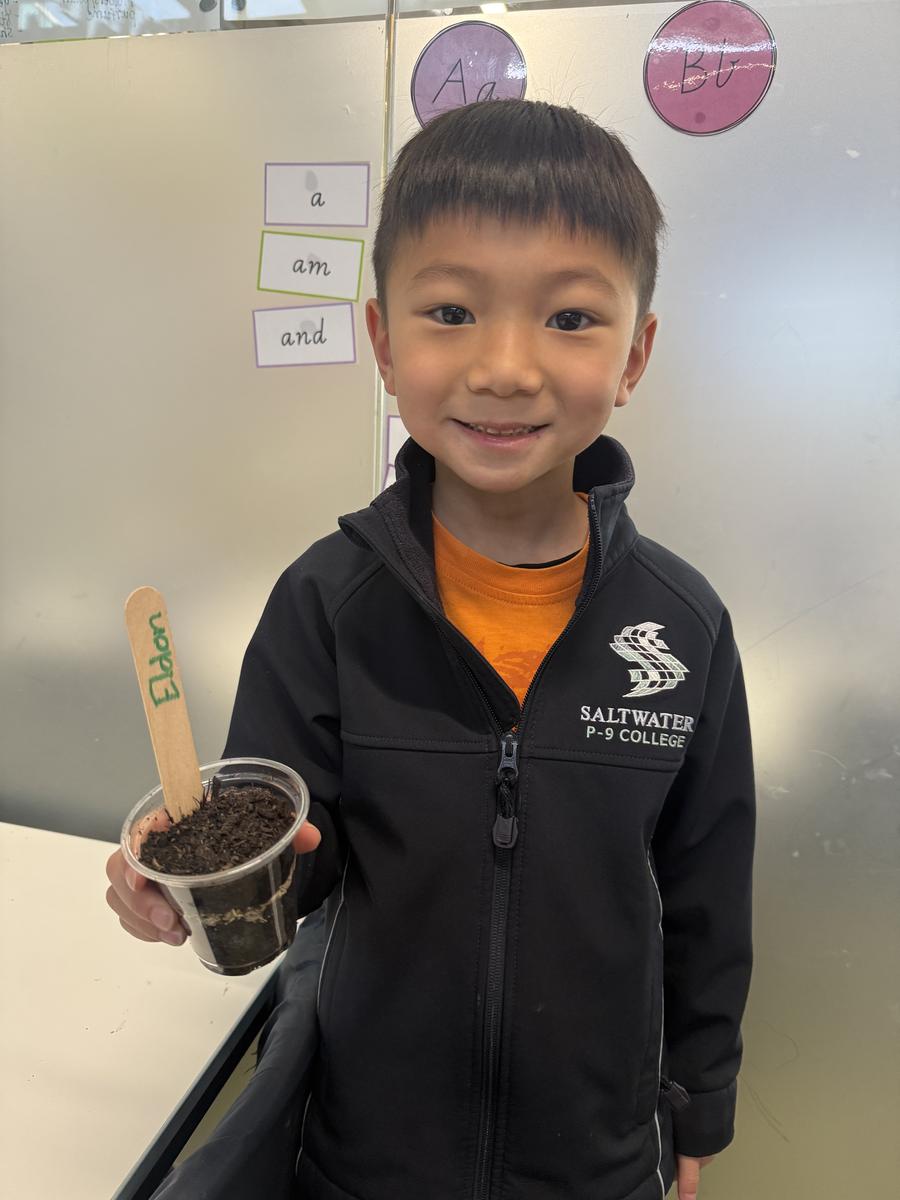
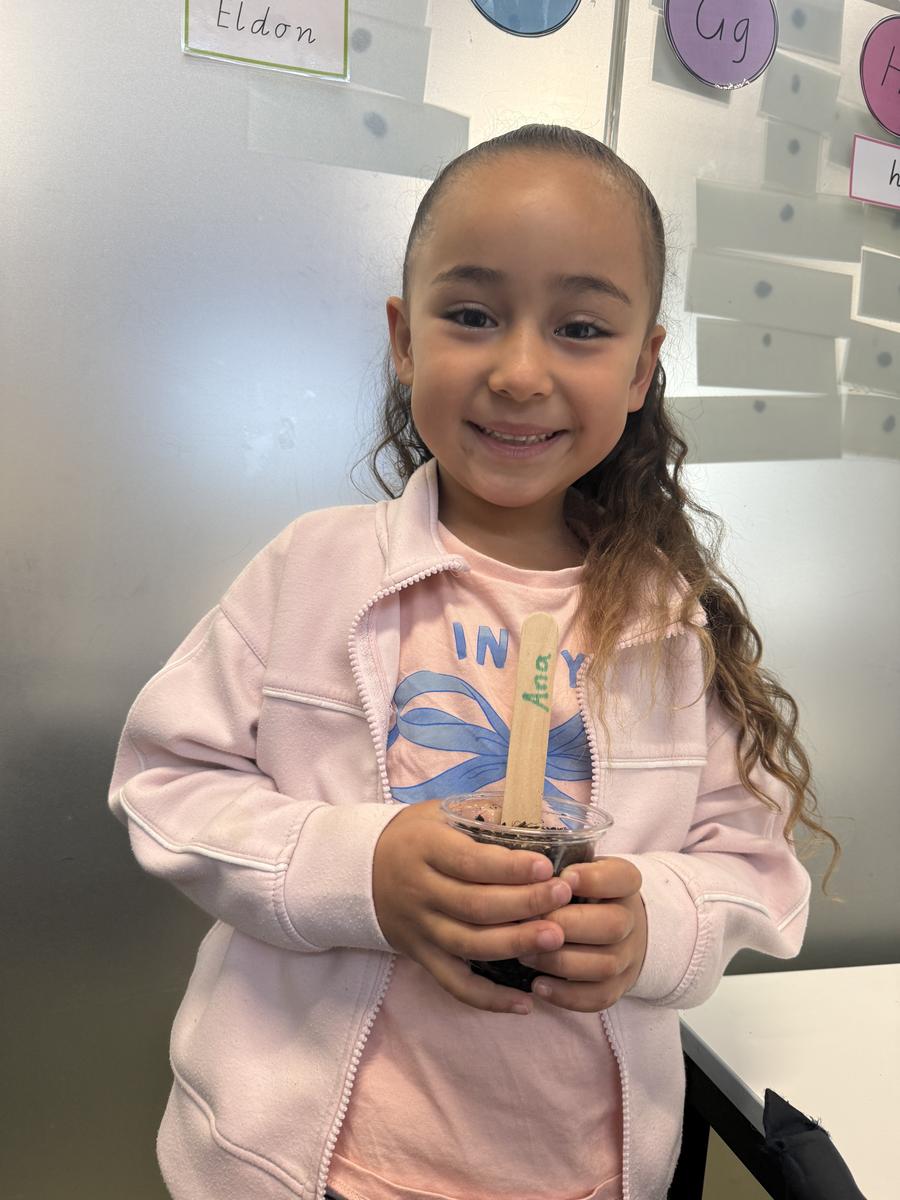
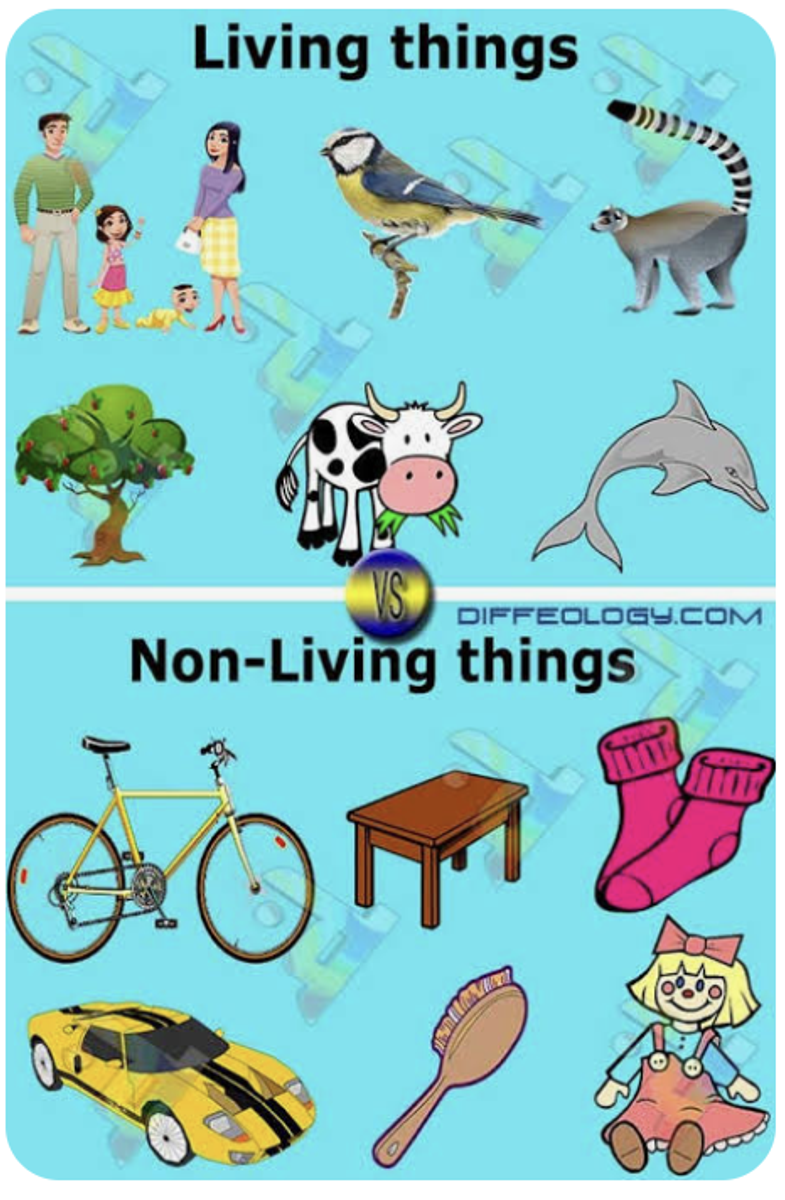
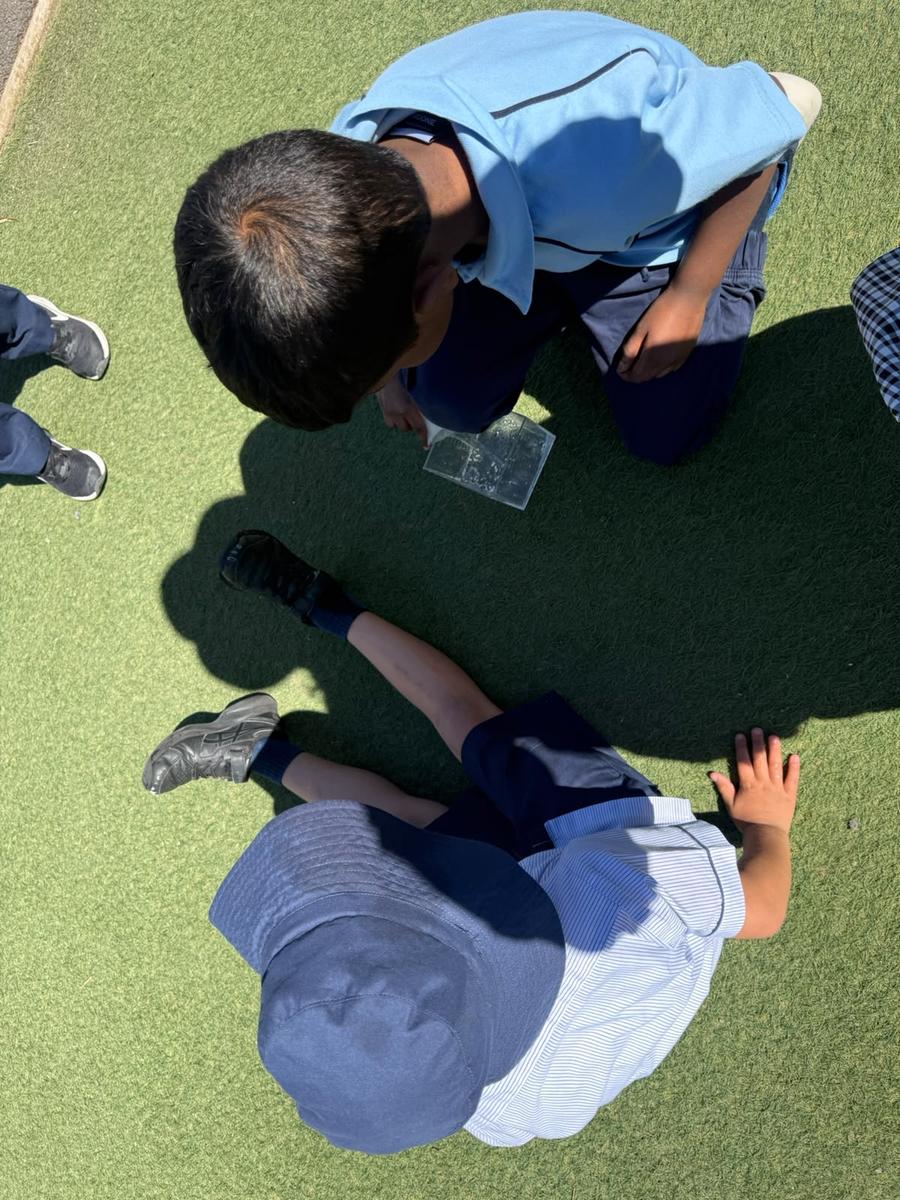
How can you support learning at home? Encourage your child to observe living things in your garden, local park or neighbourhood. Talk about what they notice and ask questions such as, “Is it living or non-living?”, “What does it need to survive?” and “Where does it live?” These simple conversations will help develop their curiosity and understanding of the natural world as we continue our inquiry into habitats and the needs of living things.
Maths
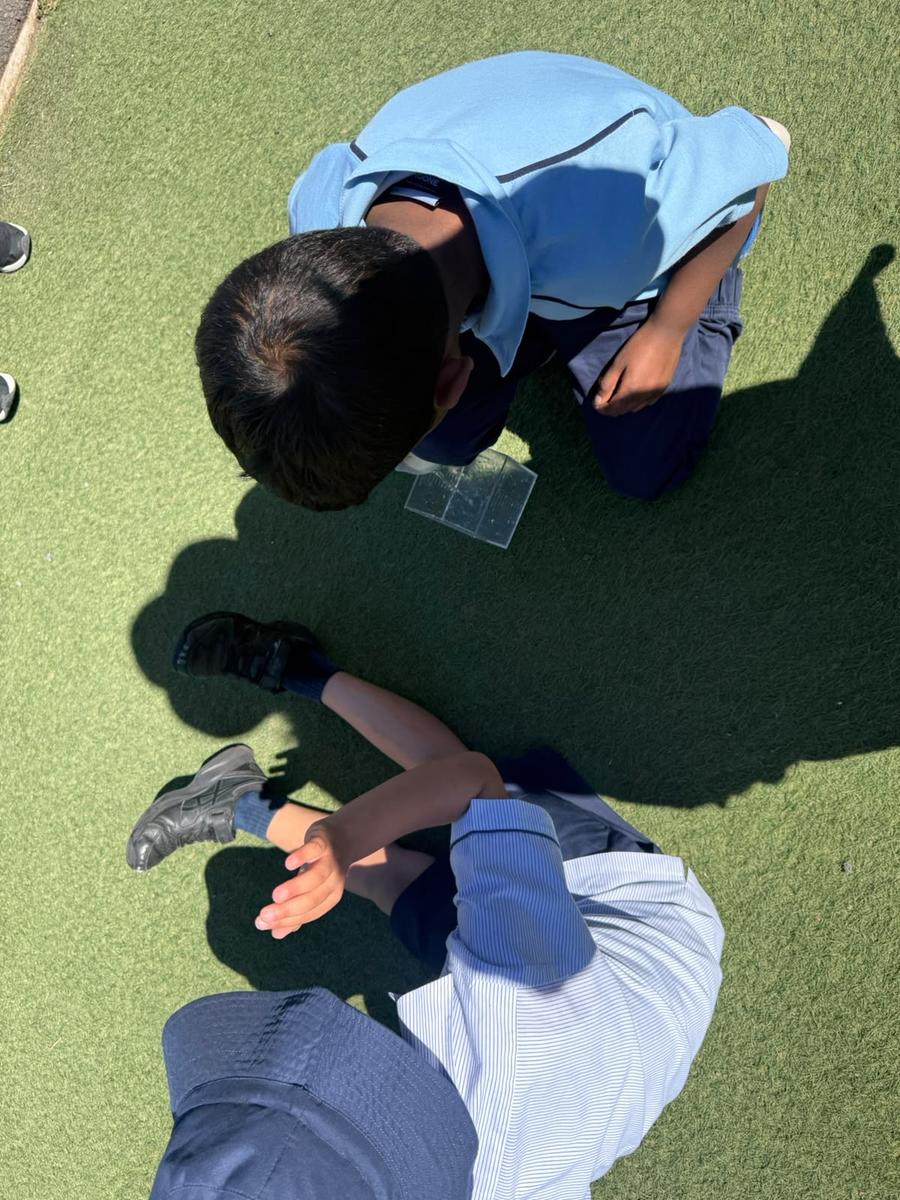
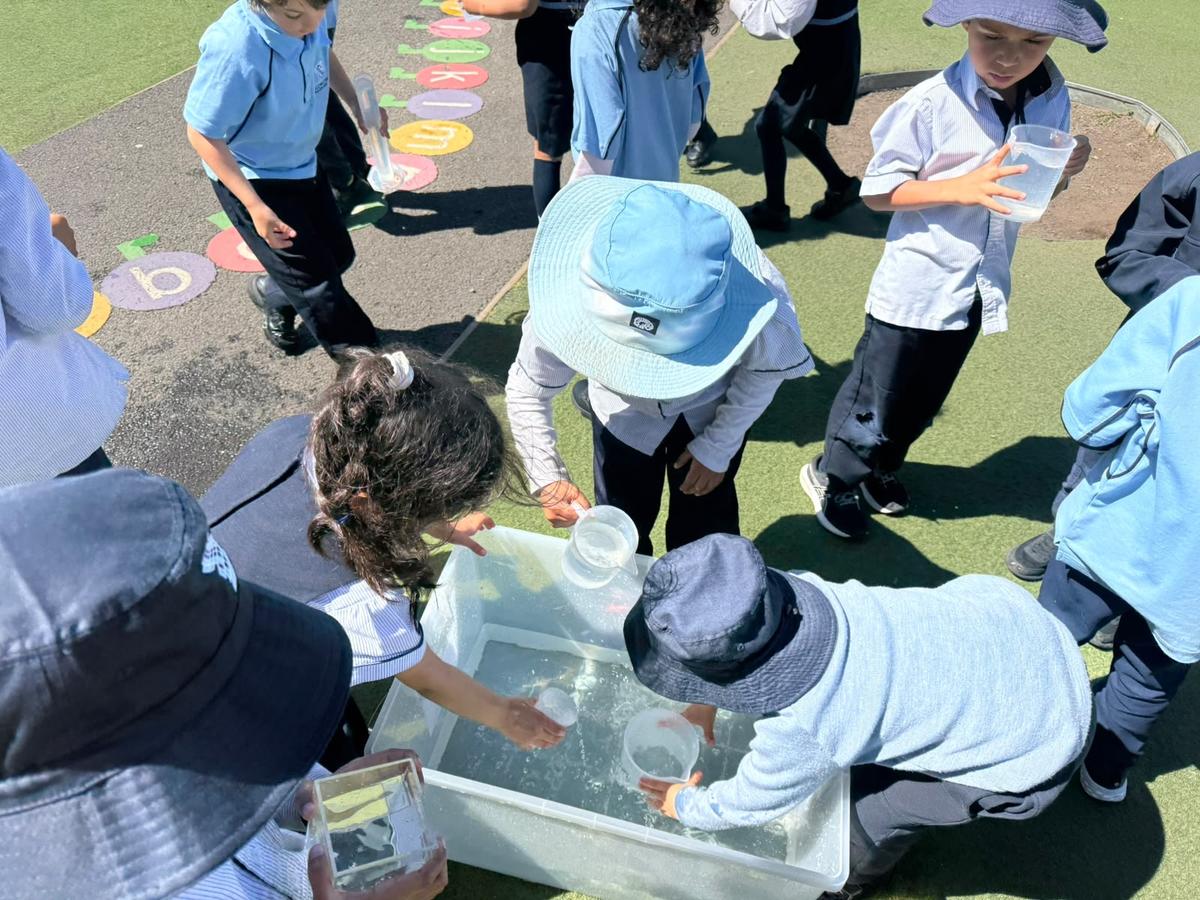
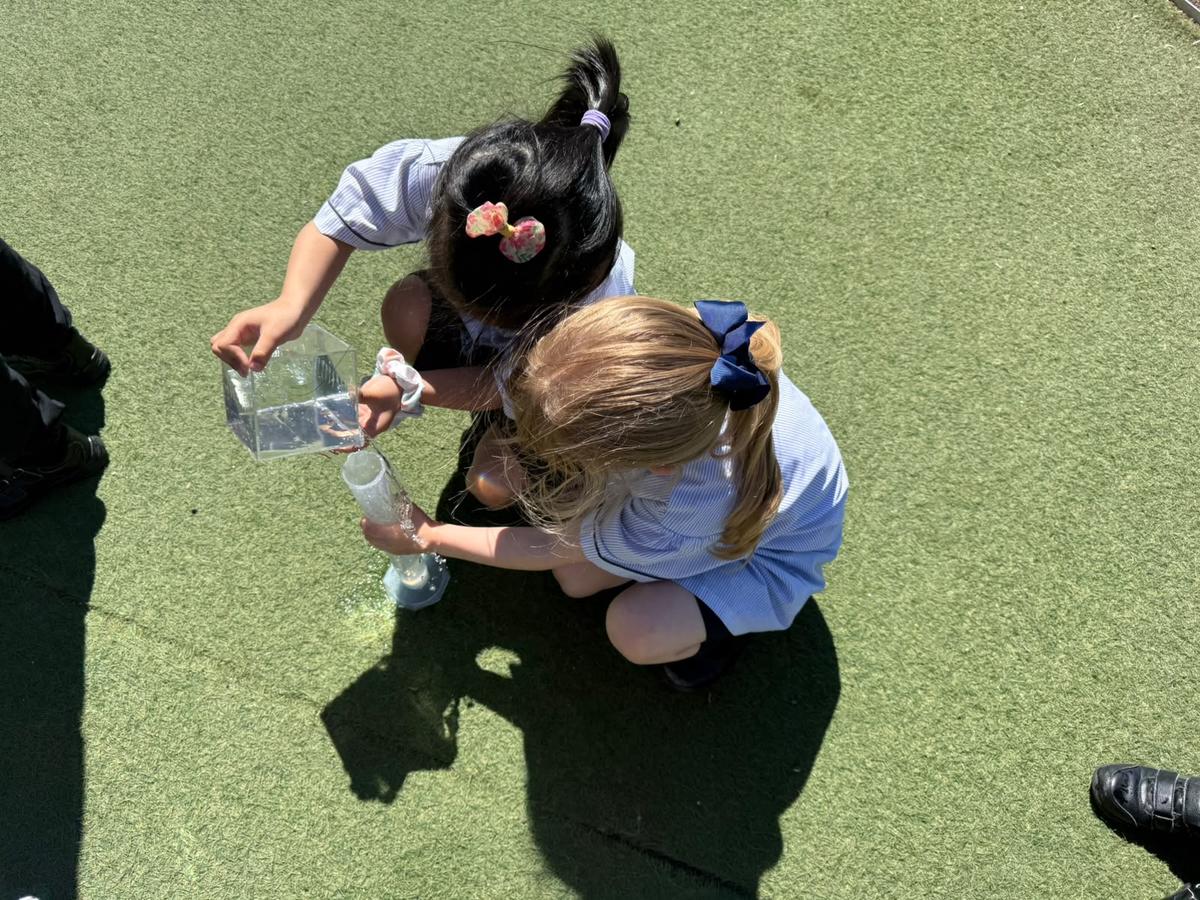
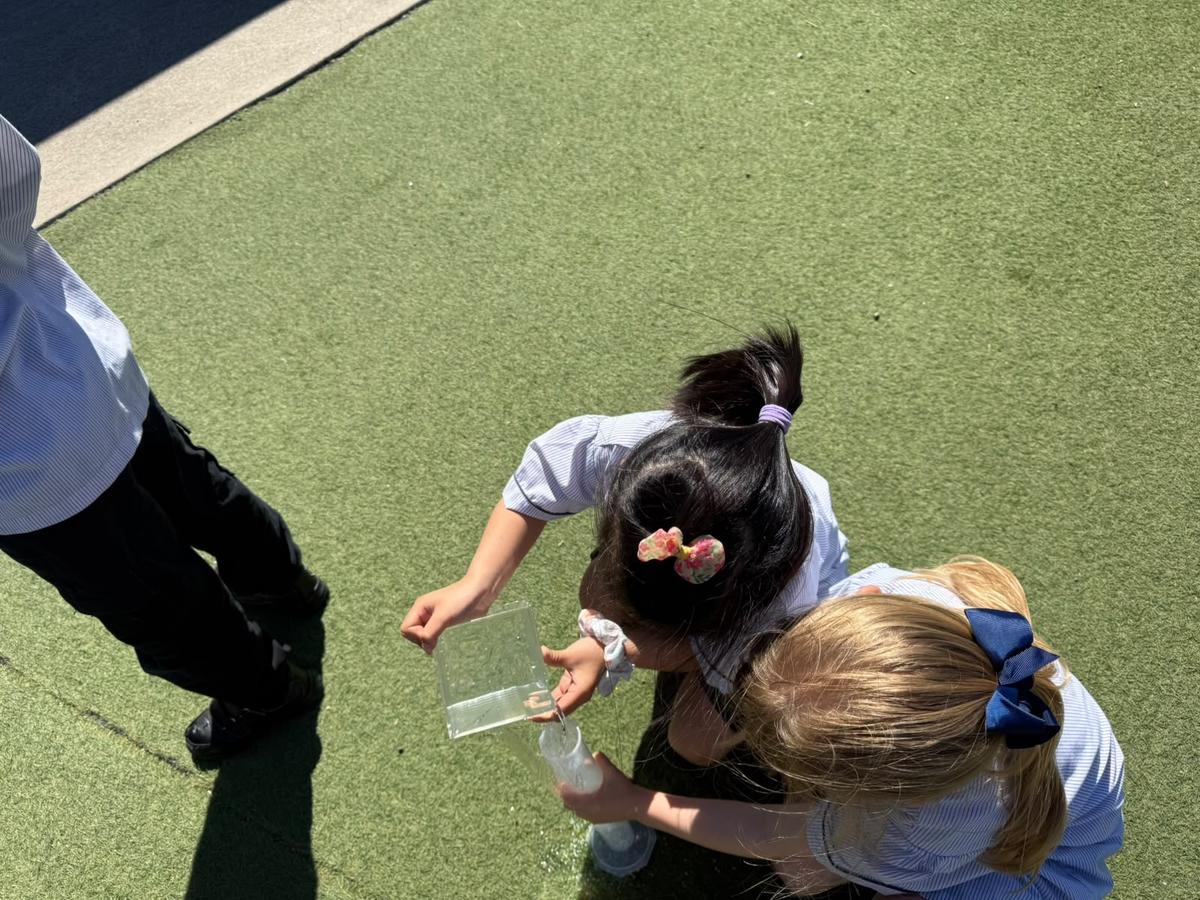
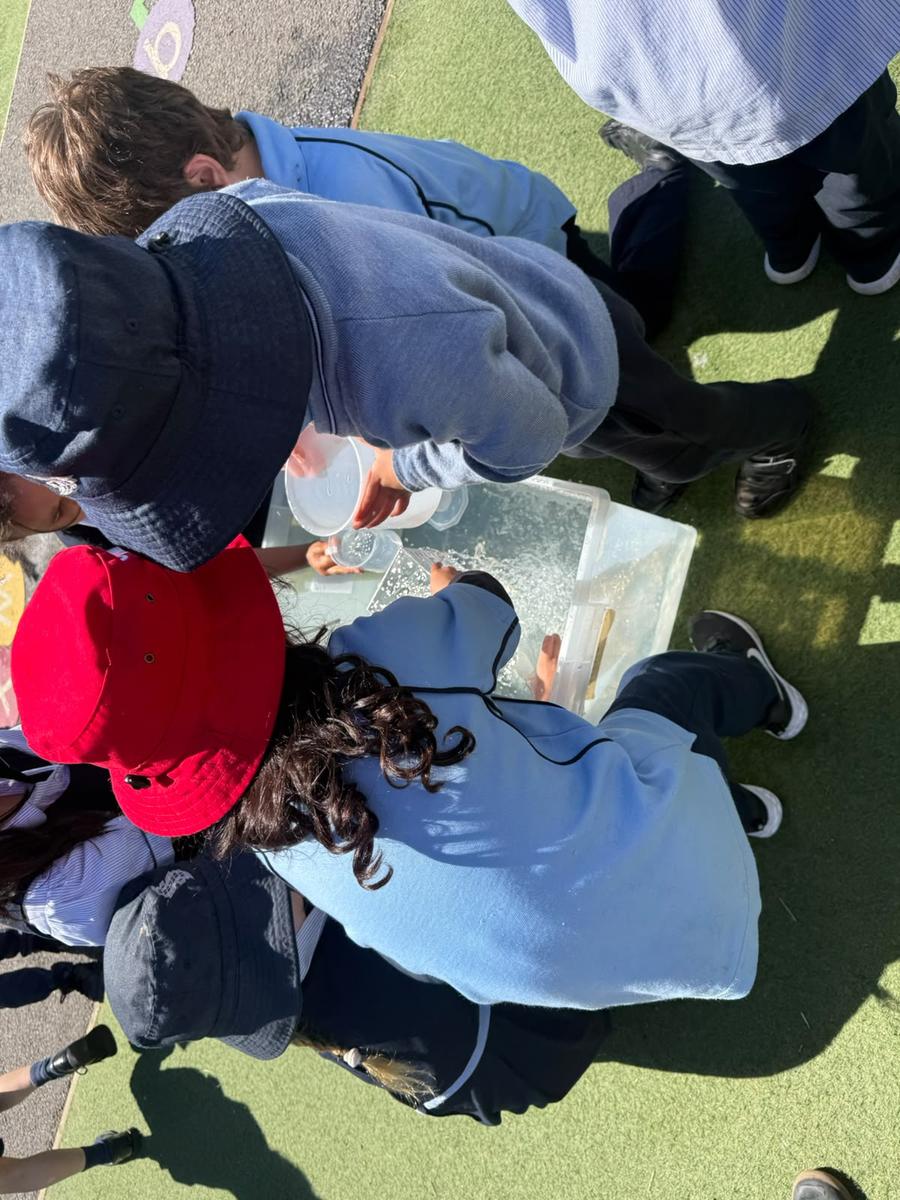
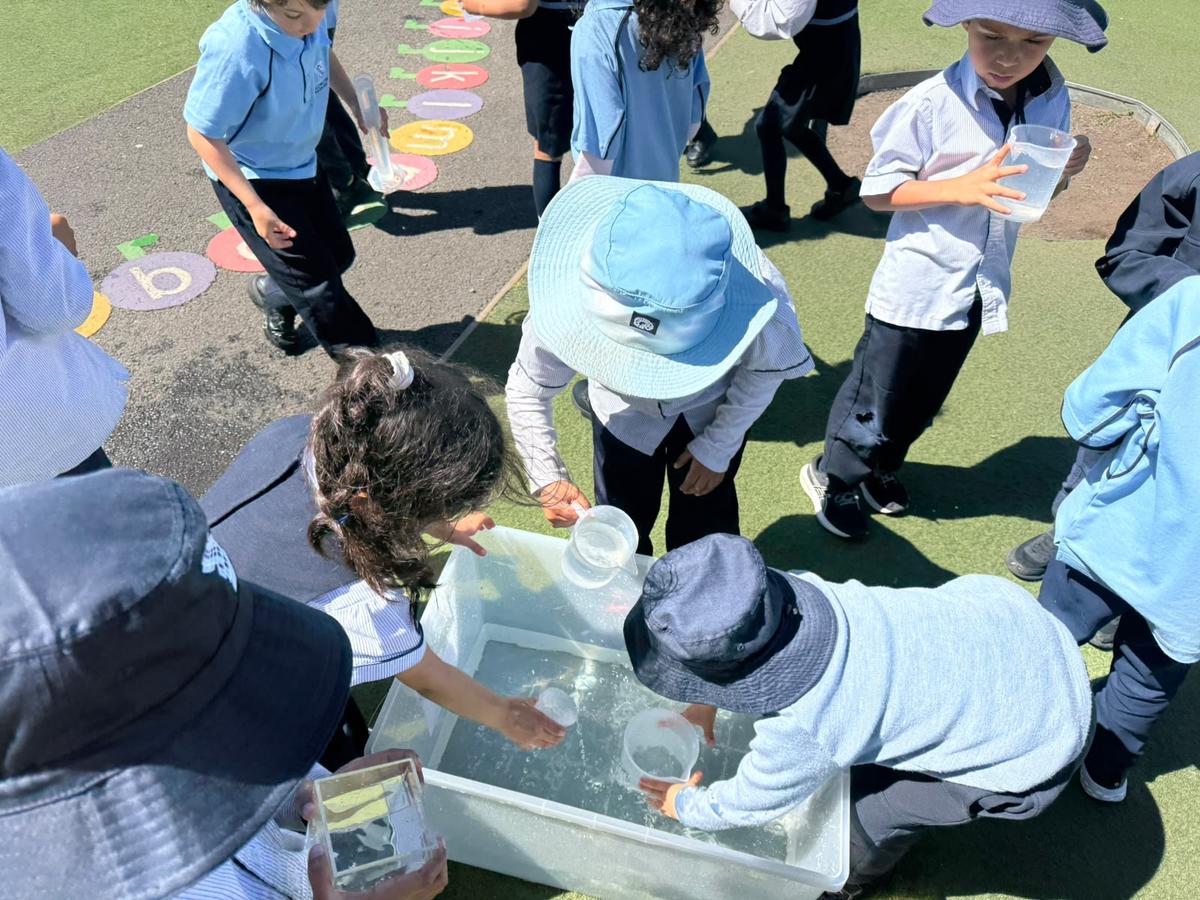
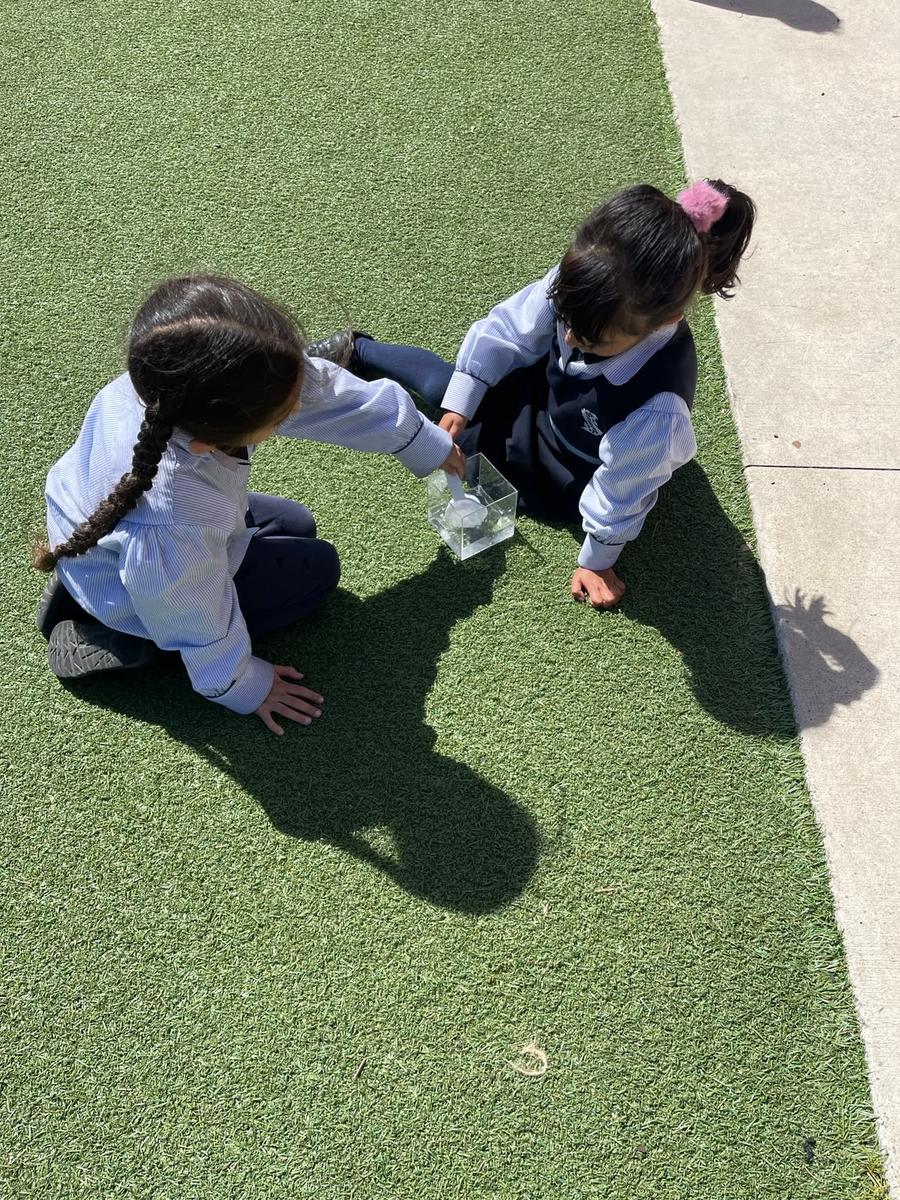
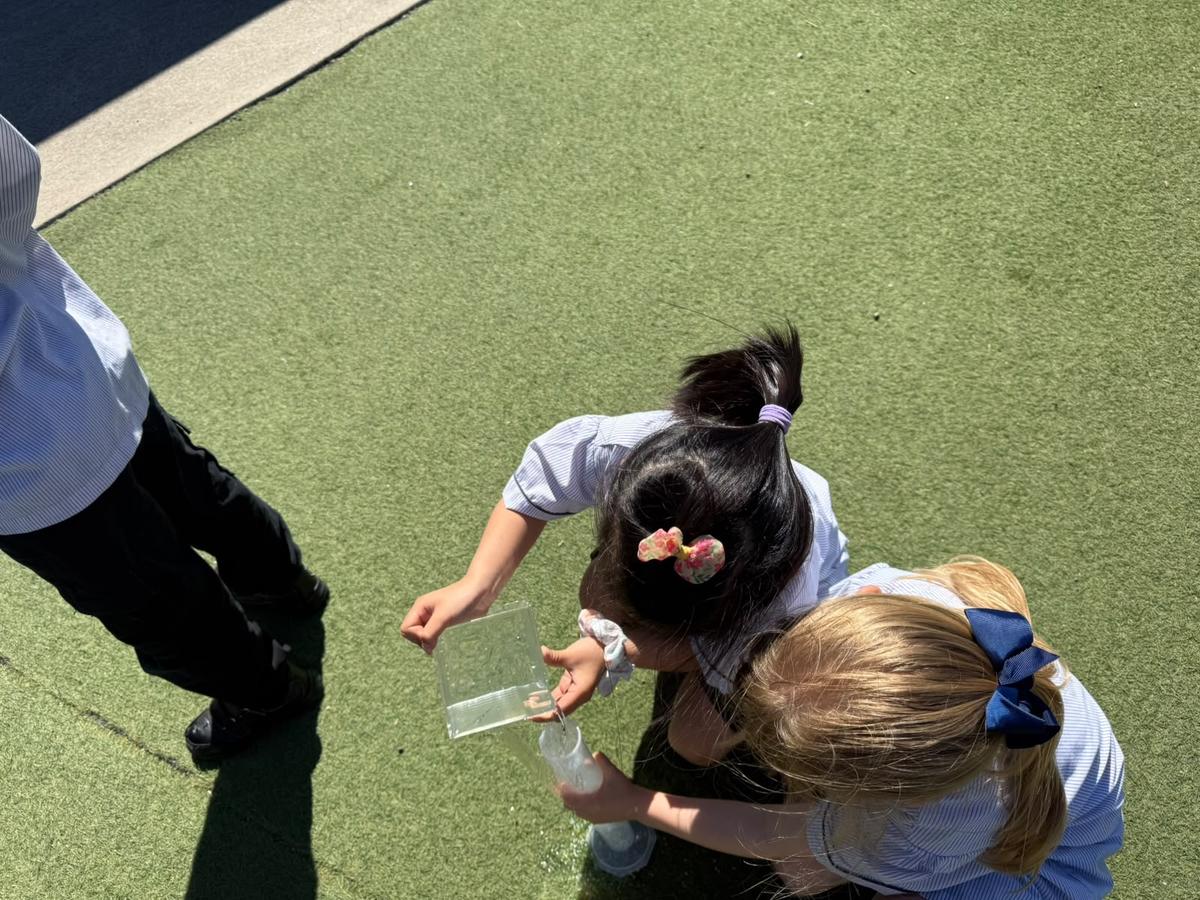
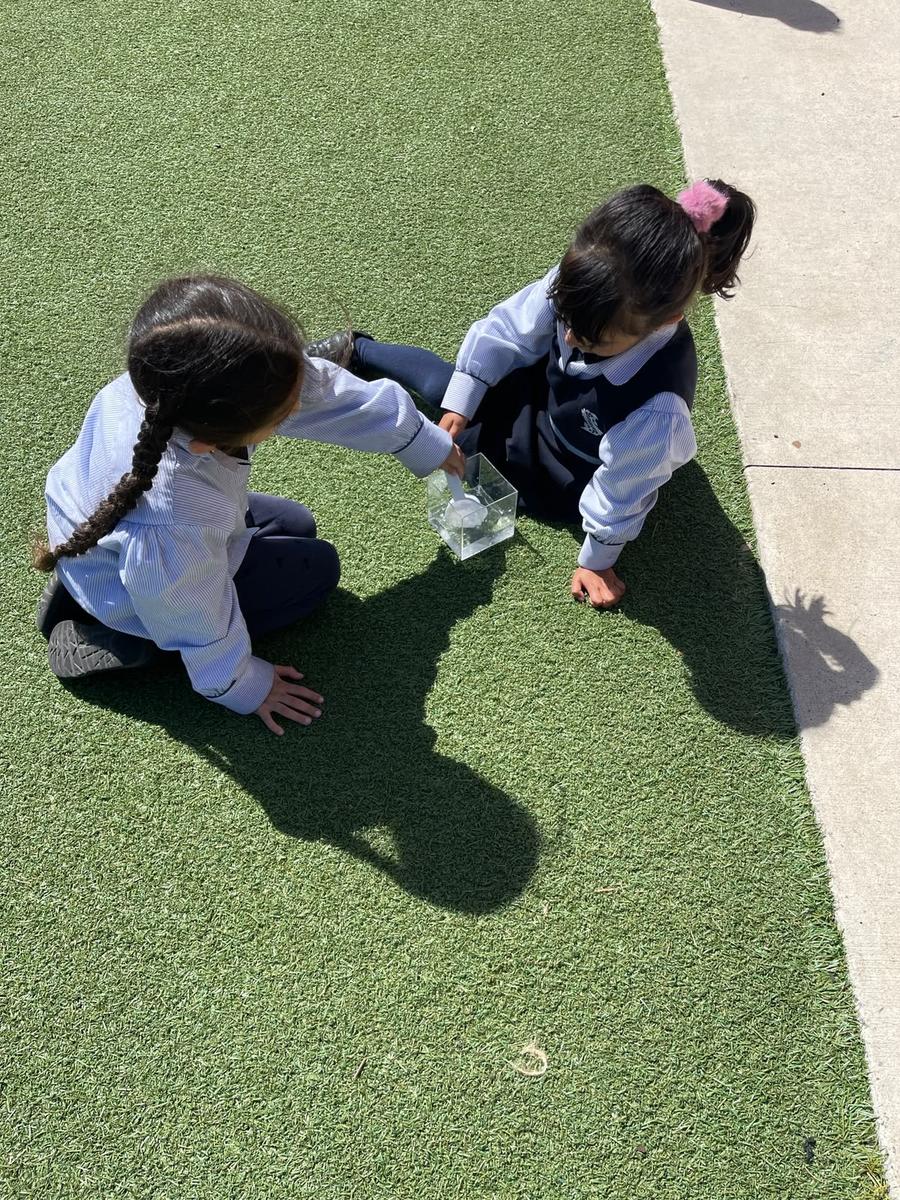
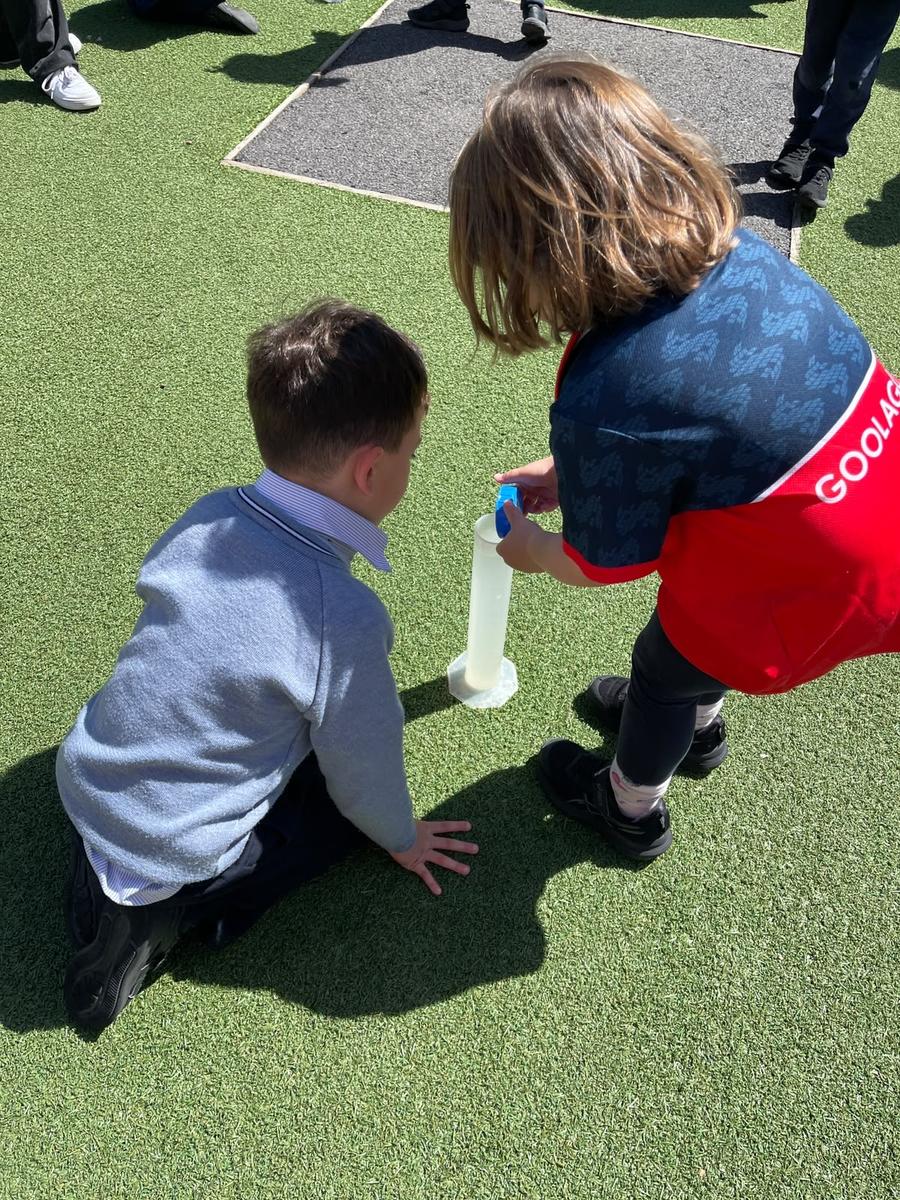
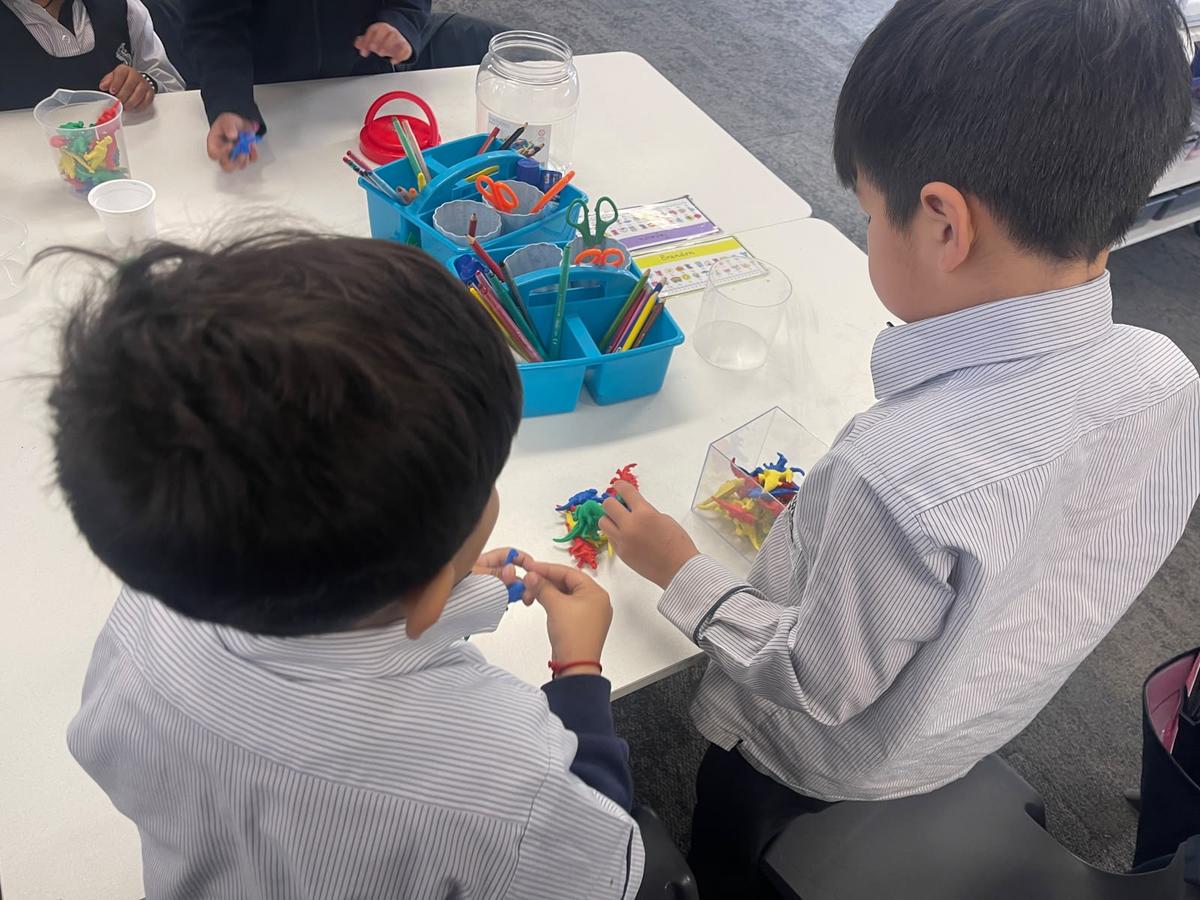
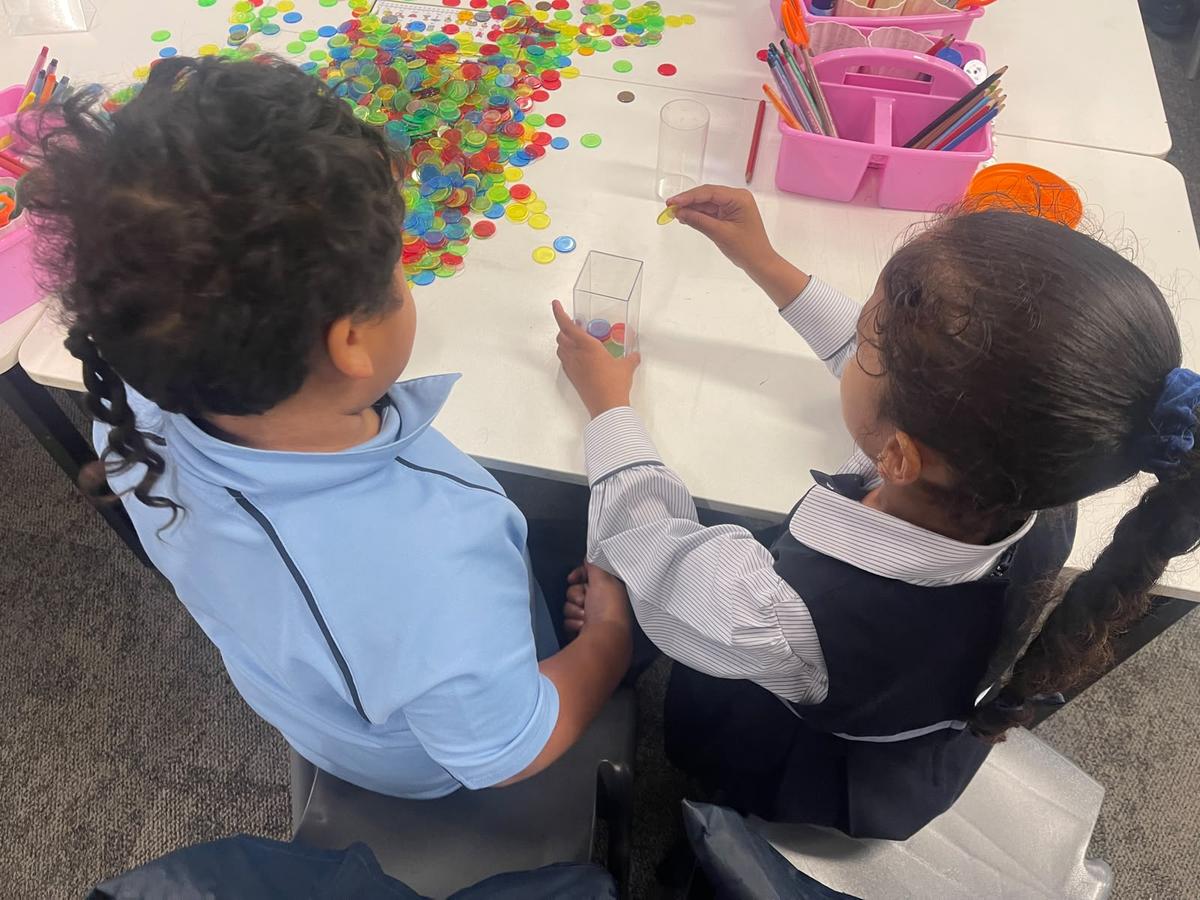
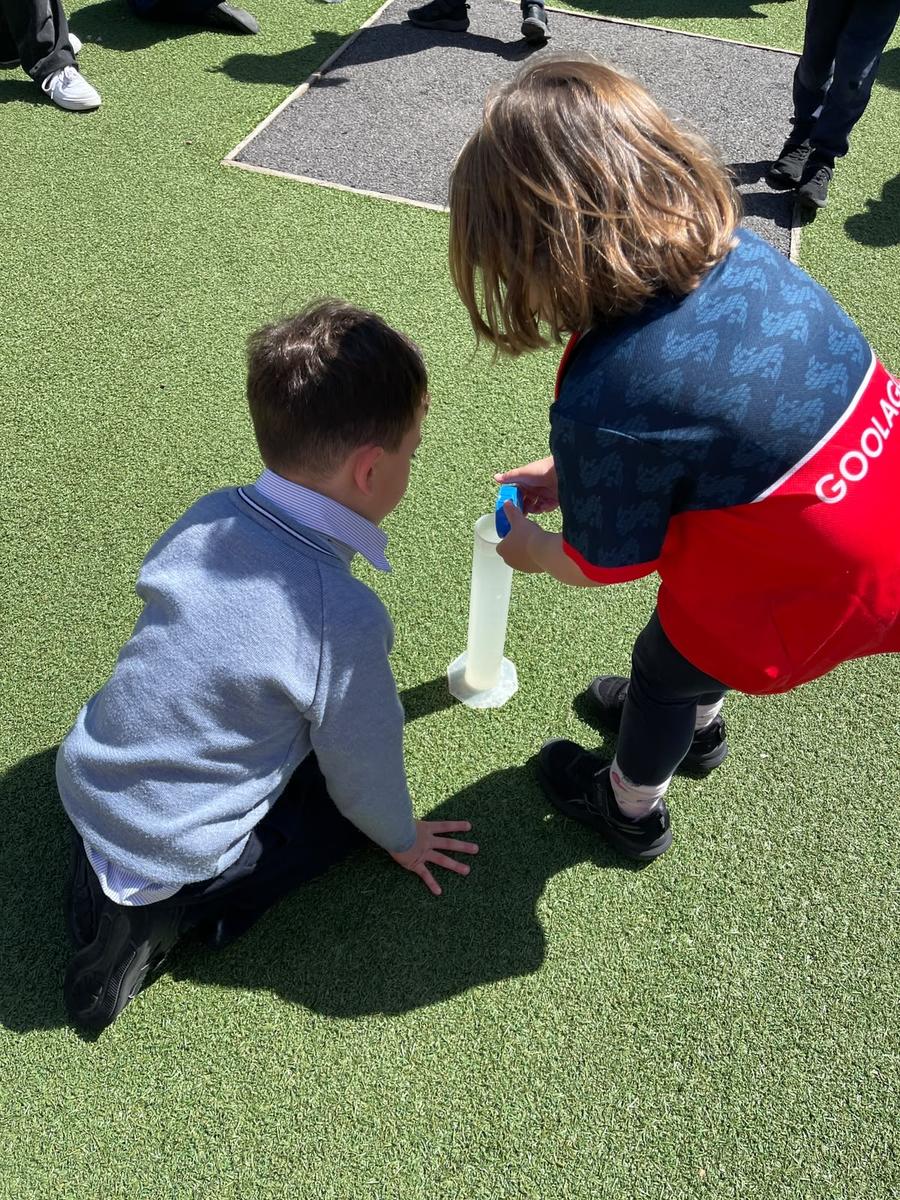
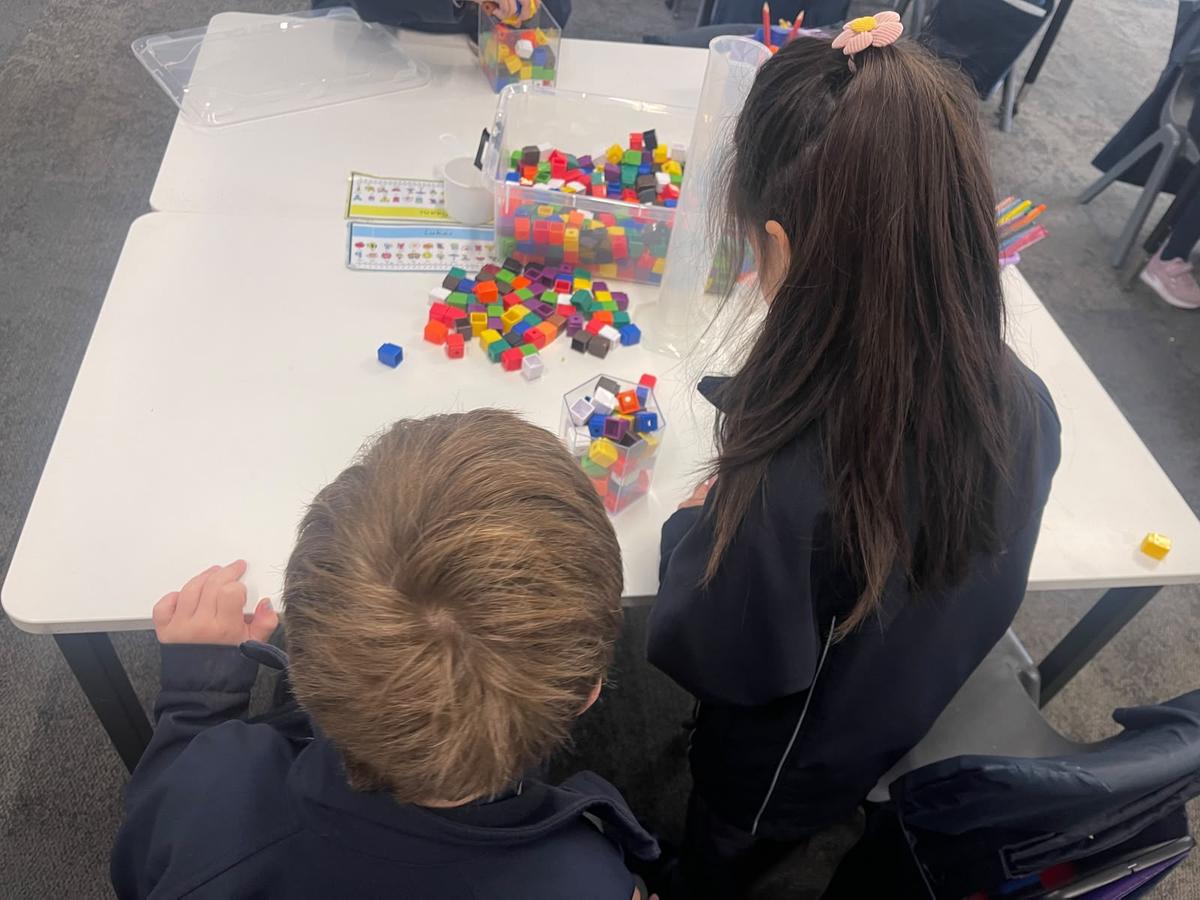
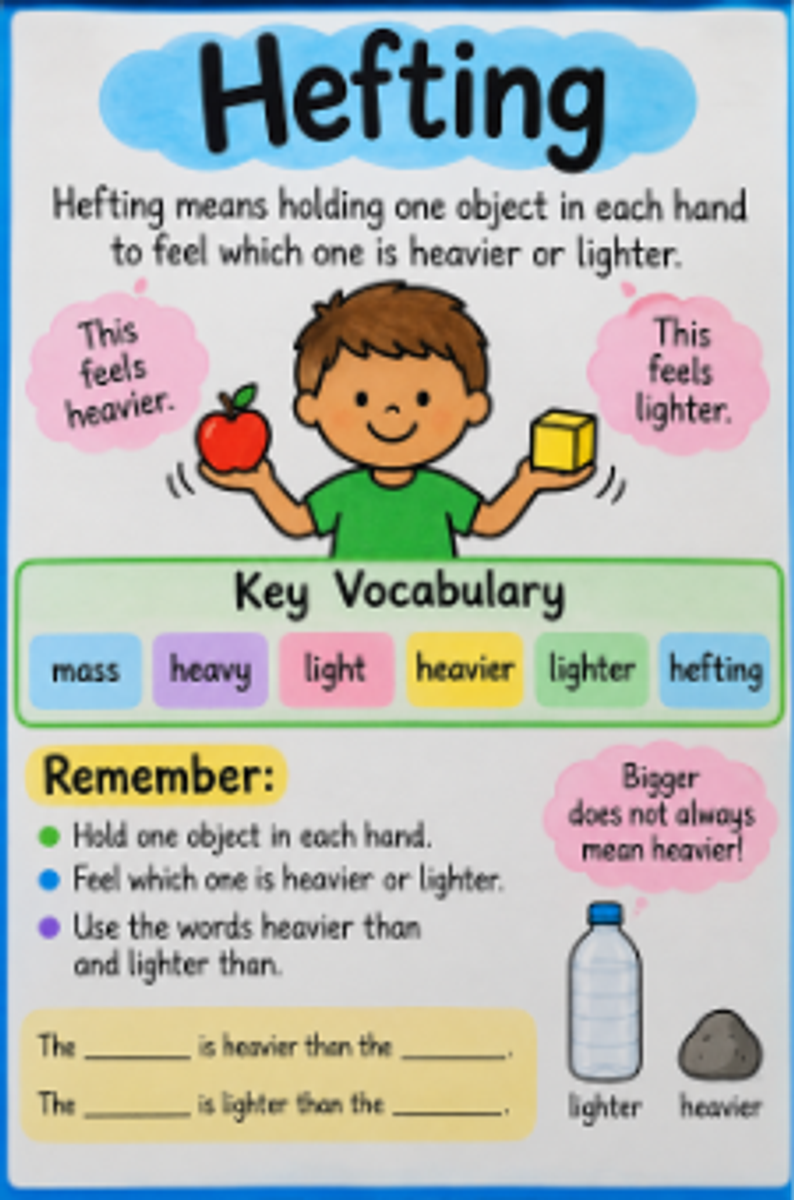
Over the past two weeks, our Prep students explored mass through hands-on activities and hefting. They compared familiar objects by holding one in each hand to feel which was heavier or lighter, using mathematical language such as heavy, light, heavier than and lighter than to describe their observations.
Students also sorted everyday classroom items and objects from their lunchboxes according to their mass. They practised ordering objects from lightest to heaviest and explaining their thinking. These practical experiences helped students develop their early measurement skills and understand that objects can look different in size but may have different masses.
Try this at home! Invite your child to choose two safe household objects, hold one in each hand and predict which is heavier. Encourage them to explain their thinking using the words heavier than and lighter than. Everyday activities like these are a fun way to build mathematical language and confidence!
Swimming Program
Our Prep swimming program will take place in Weeks 3 and 4, and we know the students will be very excited! In Wellbeing lessons, we’ve focused on feeling safe around water, in preparation for our upcoming swimming program. Each class will attend swimming lessons at the swimming school across the road, where they will learn essential water safety skills and build confidence in the water. The program will also provide a wonderful opportunity for students to develop independence as they manage their belongings and follow routines. We have been practising how to pack swimming bags and get ready safely, helping students build confidence in their growing independence and responsibility. We look forward to seeing them embrace this exciting learning experience!
Reminders:
Swimming Program:
Week 3 (19–23 October): PB, PD, PE, PG, PH, PI
Week 4 (26–30 October): PA, PC, PF, PJ, PK
Please ensure your child brings their swimming bag, towel, goggles, flip flops and a change of clothes each day.
Friendship Request Forms are due Monday, 19 October.
Hats - A reminder that hats need to be worn from this term.
Students are expected to bring their satchel to school EVERY DAY.
Please remember to pack a spare change of clothes for your child. Sometimes, little children can have toileting accidents and spills at school.
Warm regards,
The Prep Teaching Team.